
 IN
Flavor Enhancers (MSG, Yeast Extract)
16 products available
Key Features and Specifications
Flavor enhancers like MSG and yeast extract possess several key features that make them essential in food production. Their specifications can greatly impact both flavor profiles and functional use in various applications.
Key specifications include:
1. Flavor Profile
- MSG enhances umami taste while yeast extract can contribute savory, meaty flavors.
- Both can improve overall taste without the need for additional salt.
2. Solubility
- Both MSG and yeast extract are highly soluble in water.
- This solubility allows for easy incorporation into liquid and dry formulations.
3. Dosage Recommendations
- Typical usage levels range from 0.1% to 2% depending on the application.
- Precise dosages may vary based on product formulation and taste requirements.
4. Shelf Life
- Both products typically have a shelf life of 2-3 years when stored properly.
- Proper storage in a cool, dry environment is essential to maintain quality.
5. Nutritional Content
- Yeast extract is a source of protein and B vitamins.
- MSG contains minimal calories and no fat, making it a low-calorie option for flavor enhancement.
6. Safety and Compliance
- Both MSG and yeast extract are generally recognized as safe (GRAS) by food safety authorities.
- Compliance with food safety standards is crucial for market acceptance.
In summary, flavor enhancers like MSG and yeast extract offer a range of features that make them valuable in food production. Their ability to enhance flavor, combined with their solubility and safety, positions them as essential ingredients in various applications.
Common Applications and Use Cases
Flavor enhancers are utilized across a diverse range of industries, each benefiting from their unique properties.
1. Food and Beverage Industry: MSG and yeast extract are extensively used in processed foods, such as sauces, soups, and snacks. They help to create rich, satisfying flavors that appeal to consumers.
2. Culinary Products: Chefs and food manufacturers often incorporate these enhancers into marinades, seasonings, and dressings to elevate the taste of their dishes.
3. Frozen Foods: Many frozen meals utilize flavor enhancers to retain taste and quality after freezing and reheating.
4. Meat and Poultry: These enhancers are commonly used in meat products to boost savory flavors and enhance overall palatability.
5. Snack Foods: MSG and yeast extract are popular in the formulation of chips, crackers, and other snack items to create bold and appealing flavors.
6. Sauces and Condiments: They are key ingredients in sauces, gravies, and dressings, providing depth and complexity to flavor profiles.
7. Pet Food: Flavor enhancers are also used in pet food formulations to improve taste and encourage consumption among pets.
Product Variants and Subcategories
Flavor enhancers come in various forms, catering to different consumer and industry needs.
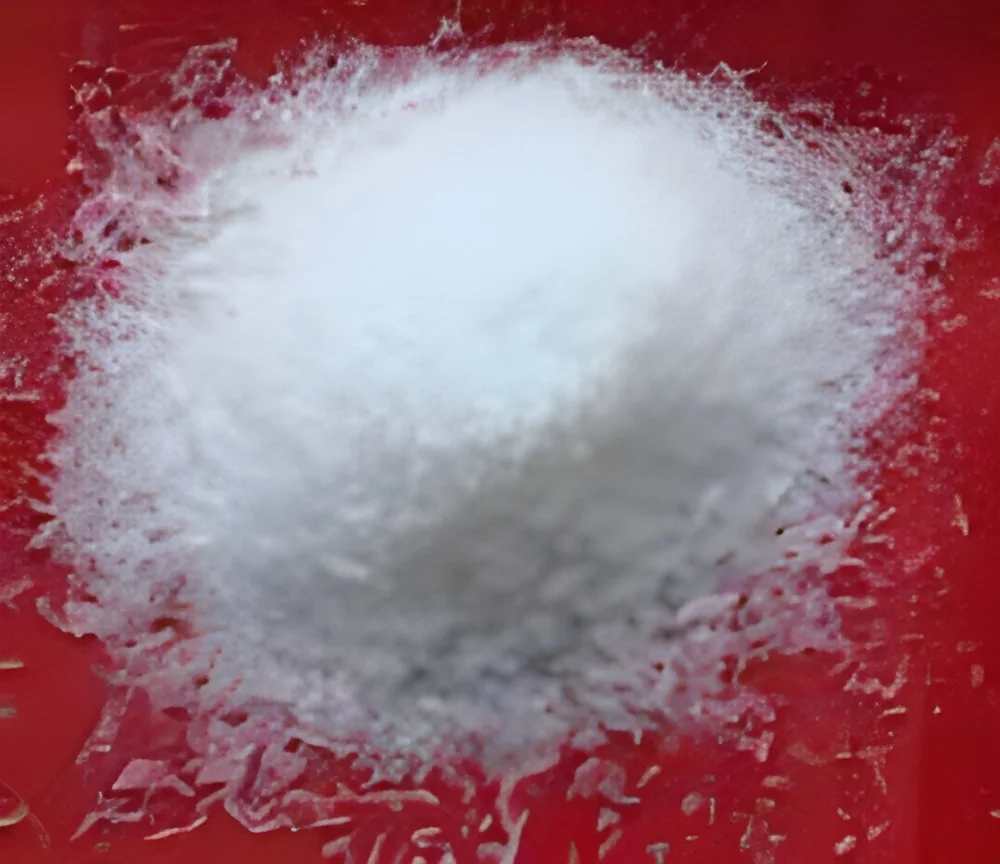
MSG Powder: This is the most common form of MSG, used directly in cooking and food manufacturing. It is known for its ease of use and quick dissolution in liquids.
Yeast Extract Paste: This variant is a concentrated form of yeast extract, often used in sauces and spreads. It provides rich flavors and is ideal for applications requiring a thicker consistency.
Granulated Yeast Extract: This form is used in dry mixes and seasonings. It offers convenience and is suitable for applications where moisture content is a concern.
Benefits and Advantages
Flavor enhancers provide numerous advantages that can significantly enhance product quality and consumer satisfaction.
1. Enhanced Flavor: They improve the overall taste profile of food items, making them more appealing to consumers.
2. Reduced Sodium Content: Flavor enhancers can deliver savory tastes while allowing for lower sodium levels in formulations, meeting health-conscious consumer demands.
3. Cost-Effective: Using flavor enhancers can be more economical than sourcing high-quality ingredients for flavor.
4. Versatility: These enhancers can be used in a wide range of food products, making them adaptable for various applications.
5. Improved Consumer Acceptance: Products enhanced with MSG or yeast extract often receive better feedback from consumers due to their improved taste.
6. Natural Appeal: Yeast extract, in particular, is perceived as a natural option, aligning with current trends favoring clean-label products.
Buying Guide for B2B Buyers
When sourcing flavor enhancers like MSG and yeast extract, several important factors should be considered to ensure quality and suitability for your applications.
1. Quality Assessment: Look for suppliers that provide detailed information on their product quality, including sourcing, production methods, and testing results.
2. Supplier Verification: Vet potential suppliers carefully by checking their track record, certifications, and customer reviews to ensure reliability and trustworthiness.
3. Pricing and MOQ: Understand the pricing structure and minimum order quantities (MOQ) to align with your budget and purchasing capacity.
4. Delivery and Lead Times: Confirm delivery schedules and lead times to ensure that you can meet production deadlines without disruption.
5. Compliance Requirements: Ensure that the flavor enhancers comply with local and international food safety regulations and standards, such as CE certification.
Compliance and Certifications
Flavor enhancers such as MSG and yeast extract must adhere to relevant quality standards and certifications to ensure safety and efficacy in food applications. ISO 9001 is a widely recognized standard that focuses on quality management systems, ensuring consistent product quality and customer satisfaction.
Food safety standards like HACCP (Hazard Analysis Critical Control Point) are critical for manufacturers to implement, establishing protocols to identify and mitigate risks in food production. Compliance with Good Distribution Practices (GDP) is also essential to maintain product integrity throughout the supply chain.
In addition, flavor enhancers must meet specific safety and testing requirements as established by regulatory bodies. This includes adherence to safety limits for additives in food products, which vary by region. Businesses should also consider regional compliance considerations, as regulations may differ significantly across markets, impacting sourcing decisions.
Why Source Flavor Enhancers (MSG, Yeast Extract) from Pepagora?
Pepagora provides a trusted platform for sourcing flavor enhancers like MSG and yeast extract, offering several key advantages for B2B buyers.
Verified Supplier Network: Pepagora connects buyers with a network of verified suppliers, ensuring that all vendors meet stringent quality and safety standards. This reduces the risk associated with sourcing and fosters trust in product quality.
Streamlined RFQ Process: The platform simplifies the quotation process, allowing buyers to request and compare prices from multiple suppliers quickly and efficiently. This transparency helps buyers make informed decisions.
Trade Assurance and Support: Pepagora offers trade assurance, providing buyers with protection during transactions. This support enhances confidence in purchasing decisions and ensures a smoother sourcing experience.
Regional Coverage: With a strong presence in India, the GCC, and Southeast Asia, Pepagora facilitates connections across diverse markets, allowing businesses to find the right flavor enhancers tailored to their regional needs.
In conclusion, sourcing flavor enhancers from Pepagora not only streamlines the procurement process but also ensures that businesses gain access to high-quality products supported by reliable suppliers.










Frequently Asked Questions
What are Flavor Enhancers (MSG, Yeast Extract)?
Flavor enhancers are substances added to food to improve its taste and aroma. Monosodium glutamate (MSG) and yeast extract are two common types of flavor enhancers that help to intensify umami flavors, making dishes more palatable.
What are the different types of Flavor Enhancers (MSG, Yeast Extract)?
The primary types of flavor enhancers include monosodium glutamate (MSG), yeast extract, hydrolyzed vegetable protein, and natural flavor concentrates. Each type has unique properties and applications in food processing, contributing to different flavor profiles.
How do I choose the right Flavor Enhancers (MSG, Yeast Extract)?
Selecting the right flavor enhancer depends on the specific flavor profile you wish to achieve and the type of food product you are formulating. Consider factors such as taste preference, regulatory requirements, and compatibility with other ingredients when making your choice.
What are the standard specifications for Flavor Enhancers (MSG, Yeast Extract)?
Standard specifications for flavor enhancers typically include purity levels, moisture content, and microbiological limits. Each manufacturer may provide specific technical data sheets outlining these specifications for their products.
What is the price range for Flavor Enhancers (MSG, Yeast Extract)?
The price range for flavor enhancers can vary significantly based on quality, quantity, and supplier. Generally, prices can range from INR 100 to INR 500 per kilogram, depending on the type and sourcing.
What quality standards apply to Flavor Enhancers (MSG, Yeast Extract)?
Flavor enhancers should adhere to food safety standards such as FSSAI regulations in India, ensuring they are safe for consumption. Additionally, quality management certifications like ISO may also apply to manufacturers.
Where can I find Flavor Enhancers (MSG, Yeast Extract) suppliers in India?
You can find flavor enhancer suppliers in India through online B2B marketplaces like Pepagora, industry trade shows, and food ingredient expos. Additionally, local food processing associations may provide resources for finding reputable suppliers.
Can Flavor Enhancers (MSG, Yeast Extract) be customized?
Yes, many manufacturers offer customization options for flavor enhancers to meet specific taste profiles or functional requirements. Custom formulations can be developed based on customer needs, including variations in concentration and additional flavor components.
What is the typical minimum order quantity for Flavor Enhancers (MSG, Yeast Extract)?
The typical minimum order quantity (MOQ) for flavor enhancers can vary by supplier, but it often ranges from 25 kg to 100 kg. It's advisable to check with individual suppliers for their specific MOQs.
What is the typical lead time for Flavor Enhancers (MSG, Yeast Extract)?
The typical lead time for flavor enhancers can vary depending on the supplier and order size, generally ranging from 1 to 4 weeks. It is important to communicate with suppliers to confirm expected delivery times.
Why Businesses Trust Pepagora
Thousands of companies trust Pepagora to source smarter and sell faster
Expand Your Sales Globally

Source Smarter,Grow Faster
