What are Food Preservatives (Natural & Synthetic)?
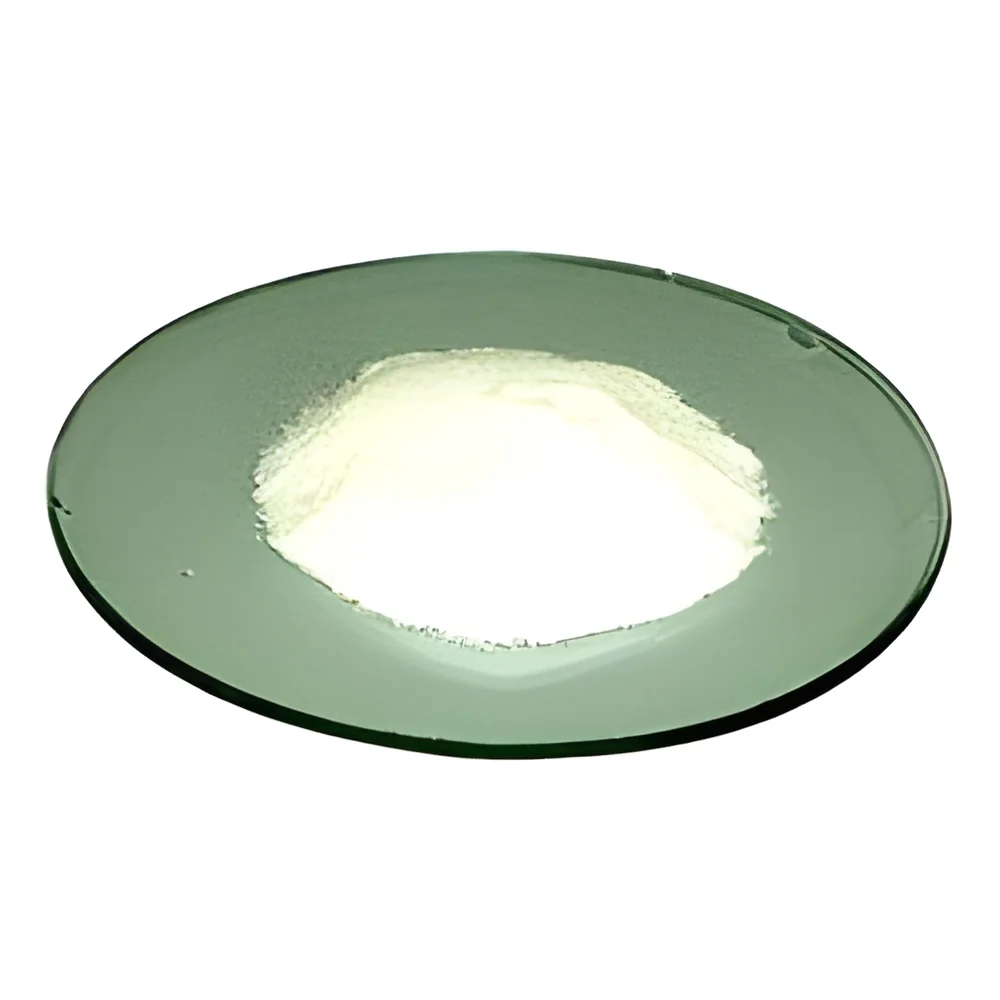
Food preservatives are substances added to food products to prevent spoilage and extend shelf life. They work by inhibiting the growth of bacteria, molds, and yeasts, which can cause food to deteriorate. Food preservatives can be categorized into two main types: natural and synthetic. Natural preservatives include ingredients like salt, sugar, and vinegar, which have been used for centuries. Synthetic preservatives, on the other hand, are chemically manufactured substances such as sodium benzoate and potassium sorbate, designed to offer more effective preservation.
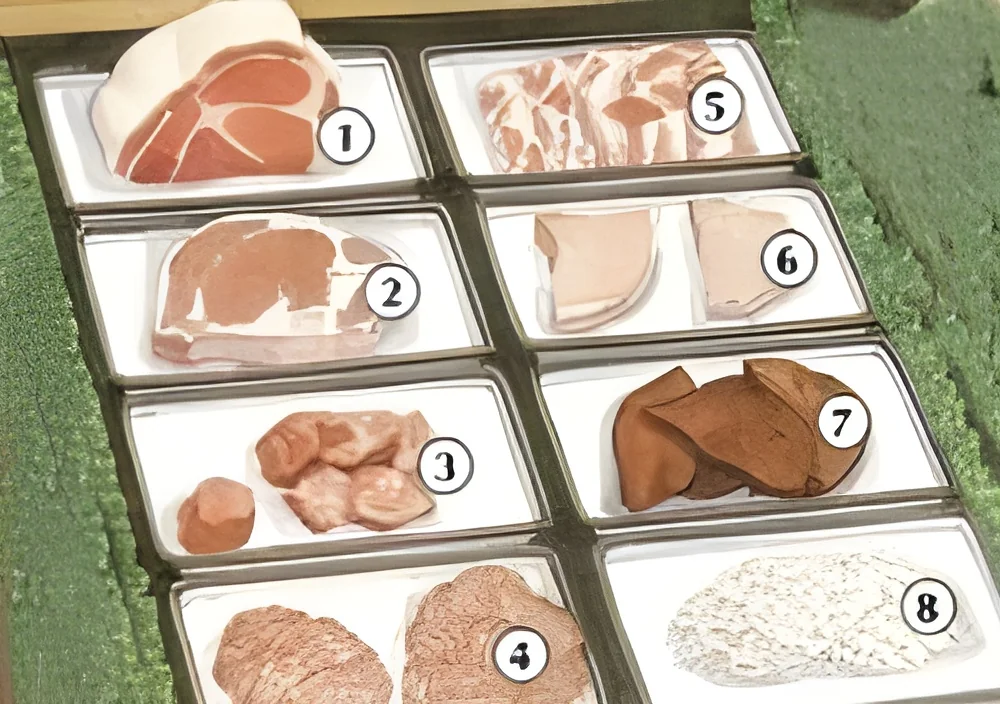
The primary uses of food preservatives are in the food and beverage industry, where they play a crucial role in maintaining product freshness and safety. They are employed in various applications, including canned goods, baked products, dairy items, and processed meats. Businesses rely on these preservatives to meet consumer demands for long-lasting products without compromising quality. The market for food preservatives has been steadily growing, driven by increasing consumer awareness regarding food safety and quality, alongside a rising demand for convenience foods.
๐๐ฒ๐ ๐๐ฒ๐ฎ๐๐๐ฟ๐ฒ๐ ๐ฎ๐ป๐ฑ ๐ฆ๐ฝ๐ฒ๐ฐ๐ถ๐ณ๐ถ๐ฐ๐ฎ๐๐ถ๐ผ๐ป๐
Food preservatives come with specific features and specifications that cater to different preservation needs. Understanding these attributes is essential for selecting the right product for your business.
Key specifications include:
1. Type of Preservative
- Natural or synthetic classification
- Suitability for different food types
2. Efficacy
- Effectiveness in preventing spoilage
- Spectrum of microbial inhibition
3. Dosage Recommendations
- Suggested concentration levels for optimal results
- Legal limits based on food category
4. Shelf Life Extension
- Duration of effectiveness in food products
- Conditions affecting performance
5. Regulatory Compliance
- Adherence to food safety standards
- Relevant certifications (such as CE)
6. Sensory Impact
- Effects on taste, color, and aroma of food
- Consumer acceptance considerations
7. Storage Conditions
- Required temperature and humidity levels
- Packaging specifications for longevity
8. Compatibility
- Interaction with other food ingredients
- Impact on overall product formulation
In summary, understanding these specifications helps businesses make informed decisions when selecting food preservatives, ensuring they meet both quality and regulatory standards.
๐๐ผ๐บ๐บ๐ผ๐ป ๐๐ฝ๐ฝ๐น๐ถ๐ฐ๐ฎ๐๐ถ๐ผ๐ป๐ ๐ฎ๐ป๐ฑ ๐จ๐๐ฒ ๐๐ฎ๐๐ฒ๐
Food preservatives are utilized across a wide range of industries to enhance the longevity and safety of food products.
1. Food and Beverage Industry: Preservatives are commonly used in processed foods, beverages, and snacks to prevent spoilage and maintain quality.
2. Bakery Products: Preservatives help extend the shelf life of bread and pastries, keeping them fresh for longer periods.
3. Dairy Products: They are crucial in preventing the growth of harmful bacteria in items like cheese and yogurt, ensuring safety for consumers.
4. Meat and Poultry: Preservatives are essential for maintaining the quality of processed meats, preventing spoilage, and inhibiting microbial growth.
5. Canned Foods: They play a vital role in preserving the flavor and texture of canned vegetables and fruits.
6. Sauces and Condiments: Food preservatives ensure the safety and stability of sauces, dressings, and other condiments.
7. Frozen Foods: They help maintain the quality of frozen products, preventing freezer burn and spoilage.
๐ฃ๐ฟ๐ผ๐ฑ๐๐ฐ๐ ๐ฉ๐ฎ๐ฟ๐ถ๐ฎ๐ป๐๐ ๐ฎ๐ป๐ฑ ๐ฆ๐๐ฏ๐ฐ๐ฎ๐๐ฒ๐ด๐ผ๐ฟ๐ถ๐ฒ๐
Food preservatives come in various forms, catering to the diverse needs of the food industry.
Natural Preservatives
These include substances like salt, sugar, and vinegar, which are derived from natural sources. They are popular for their clean label appeal and minimal impact on flavor.
Synthetic Preservatives
Chemical preservatives such as sodium benzoate and potassium sorbate are effective in preventing spoilage and are widely used in processed foods. They offer versatility and extended shelf life.
๐๐ฒ๐ป๐ฒ๐ณ๐ถ๐๐ ๐ฎ๐ป๐ฑ ๐๐ฑ๐๐ฎ๐ป๐๐ฎ๐ด๐ฒ๐
Choosing the right food preservatives provides several benefits for businesses.
1. Enhanced Shelf Life: Food preservatives significantly extend the shelf life of products, reducing waste and improving profitability.
2. Safety Assurance: They inhibit the growth of harmful microorganisms, ensuring food safety for consumers.
3. Quality Maintenance: Preservatives help retain the taste, texture, and appearance of food products over time.
4. Cost-Effectiveness: By reducing spoilage, businesses can lower costs associated with product loss.
5. Consumer Satisfaction: Longer-lasting products meet consumer expectations for freshness and quality.
6. Regulatory Compliance: Utilizing approved preservatives helps manufacturers adhere to food safety regulations, ensuring market access.
๐๐๐๐ถ๐ป๐ด ๐๐๐ถ๐ฑ๐ฒ ๐ณ๐ผ๐ฟ ๐๐ฎ๐ ๐๐๐๐ฒ๐ฟ๐
When sourcing food preservatives, there are critical factors to consider to ensure you select the right products for your needs.
1. Quality Assessment: Evaluate the quality of preservatives based on their efficacy, safety, and compliance with industry standards. Consider third-party testing and certifications.
2. Supplier Verification: Vet potential suppliers for reliability and reputation in the market. Look for those with a proven track record and positive reviews.
3. Pricing and MOQ: Understand the pricing structure and minimum order quantities. Compare prices across suppliers to ensure competitive sourcing.
4. Delivery and Lead Times: Assess logistics capabilities, including delivery schedules and lead times, to ensure timely availability of products.
5. Compliance Requirements: Verify that the preservatives meet all regulatory requirements for your target markets, including labeling and safety standards.
๐๐ผ๐บ๐ฝ๐น๐ถ๐ฎ๐ป๐ฐ๐ฒ ๐ฎ๐ป๐ฑ ๐๐ฒ๐ฟ๐๐ถ๐ณ๐ถ๐ฐ๐ฎ๐๐ถ๐ผ๐ป๐
Compliance with relevant quality standards is crucial for food preservatives. Organizations often adhere to ISO 9001, which ensures consistent quality management systems. Additionally, HACCP (Hazard Analysis and Critical Control Points) guidelines help in identifying and mitigating food safety risks.
Certifications such as CE demonstrate compliance with European safety standards, enhancing product credibility. Safety and testing requirements are also essential, ensuring that preservatives do not pose health risks to consumers.
Regional compliance considerations vary, so it's important to stay informed about specific regulations in your target markets, especially when exporting products across borders.
Why Source Food Preservatives (Natural & Synthetic) from Pepagora?
Pepagora offers a trusted platform for sourcing food preservatives with several key advantages.
Verified Supplier Network: Pepagora connects buyers with a network of verified suppliers, ensuring quality and reliability in sourcing.
Streamlined RFQ Process: The platform provides a straightforward request for quotation system, allowing buyers to easily compare offers and select the best options.
Trade Assurance and Support: Buyers benefit from trade assurance features that protect their purchases, along with dedicated support for any inquiries.
Regional Coverage: Pepagora's reach spans India, the GCC, and Southeast Asia, making it a convenient choice for businesses looking to source preservatives in these regions.
By leveraging these advantages, businesses can confidently source food preservatives that meet their needs while ensuring compliance and quality.