What are Natural Flavor Oils?
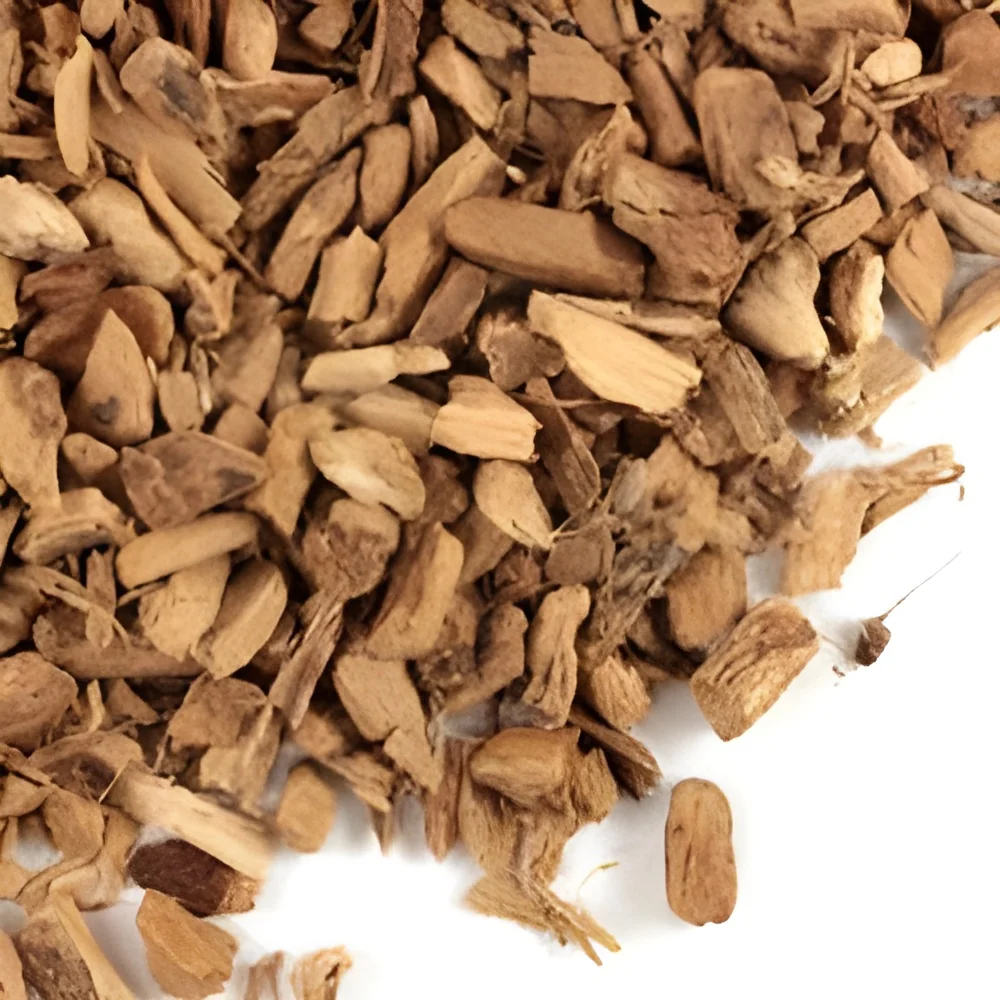
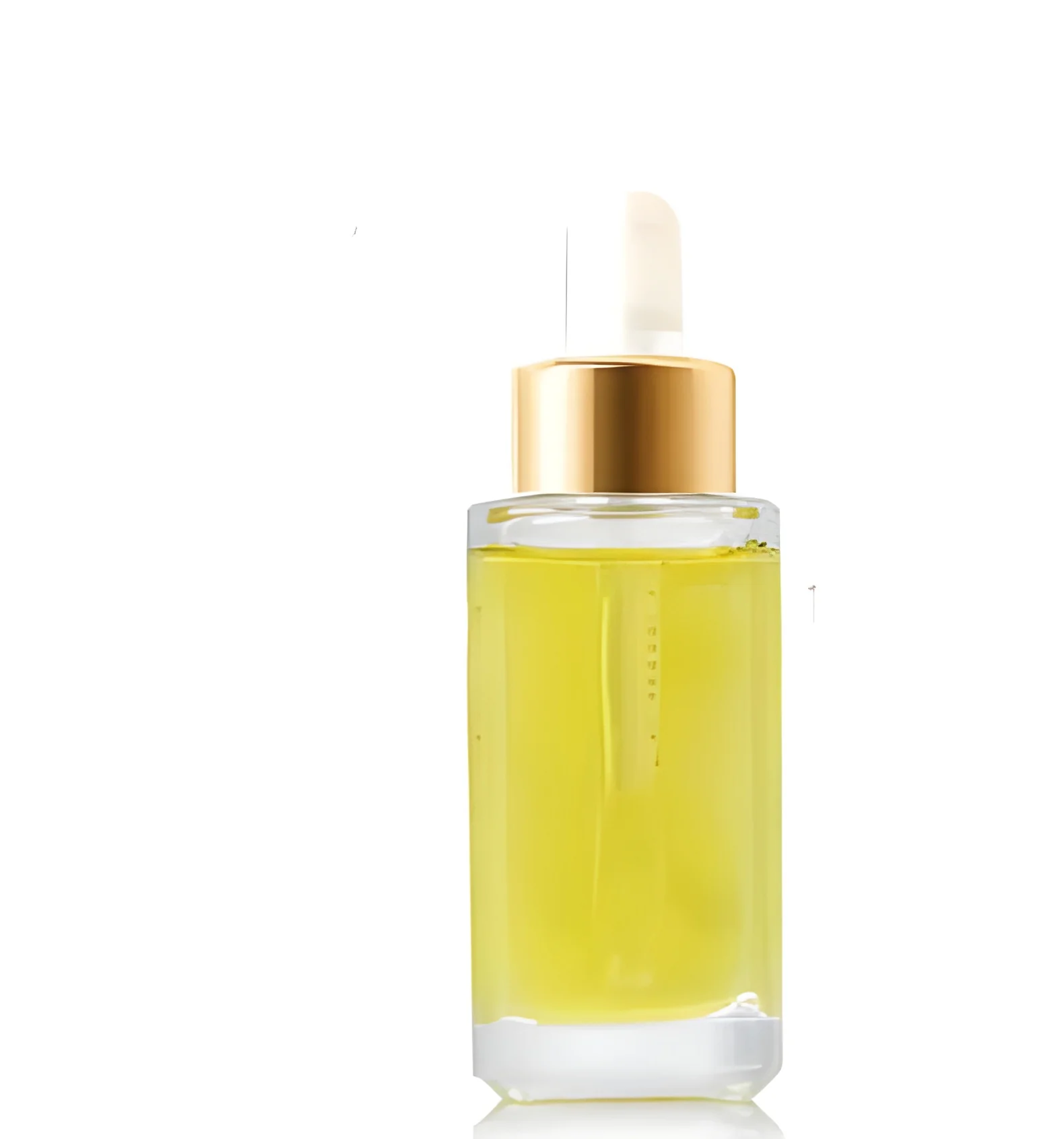
Natural flavor oils are concentrated extracts obtained from various plant sources, including fruits, vegetables, and spices. These oils capture the essence and aroma of the source material, providing a rich flavor profile. They are often used in food and beverage manufacturing to enhance taste and aroma, contributing to a more appealing product. Natural flavor oils differ from artificial flavors as they are derived from natural sources, ensuring a more authentic taste experience.
These oils are widely used in various business applications, including the food and beverage industry, cosmetics, and pharmaceuticals. In the food sector, they are used to flavor products like baked goods, beverages, and confectioneries. In cosmetics, they can enhance scents in personal care items. The versatility of natural flavor oils makes them an essential ingredient across multiple industries, meeting the growing consumer demand for natural and organic products.
As the market for natural ingredients continues to expand, the relevance of natural flavor oils grows. Businesses are increasingly prioritizing natural flavors over synthetic alternatives to align with consumer preferences for healthier and more sustainable options. This trend is bolstered by regulatory support for natural products, making natural flavor oils a vital component for companies aiming to remain competitive in the evolving marketplace.
Key Features and Specifications
Natural flavor oils are characterized by their unique properties that make them suitable for a variety of applications. Understanding these specifications is crucial when selecting the right oil for a specific purpose.
Key specifications include:
1. Source of Extraction
- Derived from fruits, vegetables, and herbs
- Ensures natural flavor and aroma
2. Concentration Level
- Varies based on intended use
- Typically available in concentrated forms for flavor enhancement
3. Solubility
- Soluble in both oil and alcohol
- Provides flexibility in formulation
4. Flavor Profile
- Varied depending on the source
- Includes sweet, savory, or spicy notes
5. Shelf Life
- Generally stable for 1-2 years
- Depends on storage conditions and exposure to light and heat
6. Regulatory Compliance
- Must meet food safety and labeling requirements
- Certifications such as CE may apply
7. Packaging Options
- Available in bulk or smaller containers
- Designed to preserve flavor integrity during storage
8. Customization Options
- Potential for tailored flavor profiles
- Based on specific customer needs and applications
Natural flavor oils are essential ingredients that offer various characteristics tailored to different industries and applications.
Common Applications and Use Cases
Natural flavor oils serve multiple industries, each with distinct applications that leverage their unique properties.
1. Food and Beverage: These oils are extensively used in products like beverages, confectioneries, and baked goods to enhance flavor and aroma, making products more appealing to consumers.
2. Cosmetics and Personal Care: In the beauty sector, natural flavor oils are incorporated into perfumes, lotions, and creams to provide pleasant scents and enhance user experience.
3. Pharmaceutical Industry: Used in medicinal products, these oils help mask unpleasant tastes and improve the palatability of syrups and chewable medications.
4. Nutraceuticals: Natural flavor oils are added to dietary supplements for flavor enhancement, making them more enjoyable for consumers.
5. Household Products: These oils can also be found in household cleaning products, providing pleasant scents that enhance the overall user experience.
6. Pet Food Industry: Natural flavor oils are increasingly used in pet food formulations to improve taste and appeal to pets.
7. Hospitality Sector: Restaurants and catering services utilize natural flavor oils to create signature dishes, enhancing the overall dining experience.
Product Variants and Subcategories
Natural flavor oils come in a diverse range of variants, each designed for specific applications and preferences.
Citrus Flavor Oils: These oils, derived from fruits like oranges and lemons, are popular for their refreshing and zesty flavors. They are commonly used in beverages, desserts, and marinades.
Herb Flavor Oils: Extracted from herbs like basil, mint, and rosemary, these oils add aromatic depth to culinary creations. They are widely used in sauces, dressings, and gourmet foods.
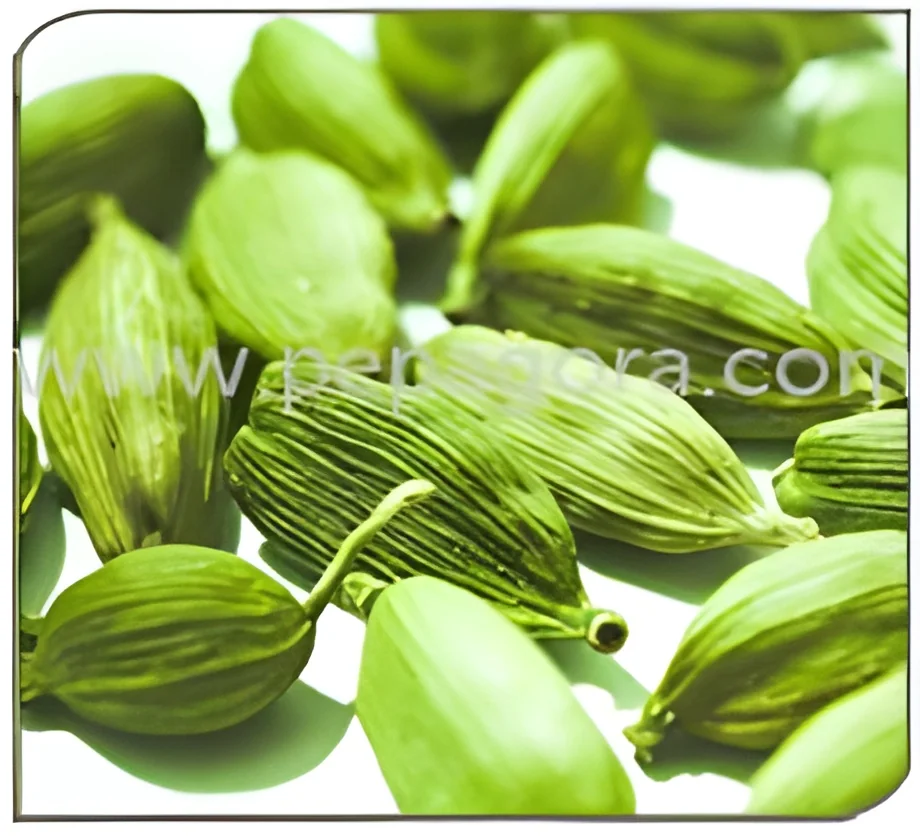
Spice Flavor Oils: Oils derived from spices such as cinnamon, clove, and cardamom provide warm and robust flavors. They are often used in baking and specialty beverages.
Fruit Flavor Oils: These oils capture the essence of various fruits, such as apple, strawberry, and mango. They are commonly found in confectioneries, yogurt, and smoothies.
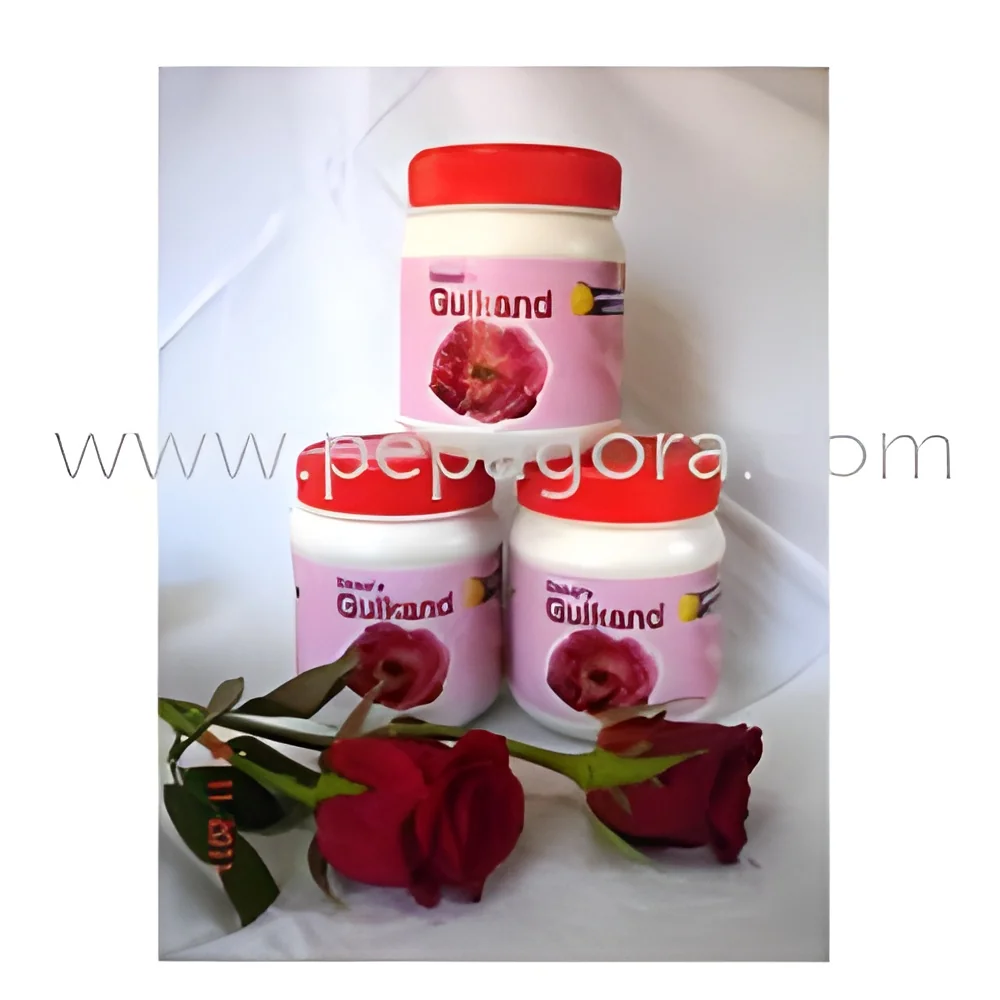
Floral Flavor Oils: Extracted from flowers like lavender and rose, these oils offer delicate flavors and aromas. They are primarily used in desserts and specialty beverages.
Benefits and Advantages
Natural flavor oils provide several key benefits that make them appealing to businesses across various sectors.
1. Authentic Flavor: Derived from real plant sources, natural flavor oils offer a genuine taste experience that resonates with consumers seeking quality products.
2. Versatility: These oils can be used in a wide range of applications across multiple industries, providing flexibility in formulation and product development.
3. Consumer Preference: As demand for natural products rises, incorporating natural flavor oils can enhance marketability and align with consumer trends.
4. Clean Label: Natural flavor oils contribute to cleaner ingredient labels, appealing to health-conscious consumers who prefer transparency in product formulations.
5. Customization Potential: Many suppliers offer customization options, allowing businesses to create unique flavor profiles tailored to their specific needs.
6. Regulatory Compliance: Sourcing natural flavor oils ensures adherence to health regulations, helping companies maintain product standards and consumer trust.
Buying Guide for B2B Buyers
When sourcing natural flavor oils, several critical factors should be considered to ensure quality and suitability for specific applications.
1. Quality Assessment: Evaluate the quality of natural flavor oils based on sourcing practices, extraction methods, and ingredient purity. Request samples to assess flavor and aroma profiles.
2. Supplier Verification: Vet potential suppliers by checking certifications, client testimonials, and their track record in the industry. This ensures reliability and product consistency.
3. Pricing and MOQ: Understand the pricing structure and minimum order quantities (MOQs) before making a commitment. Compare offers from different suppliers to find the best value.
4. Delivery and Lead Times: Inquire about the supplier's logistics capabilities, including delivery timelines and shipping options, to ensure timely product availability.
5. Compliance Requirements: Ensure that the natural flavor oils meet all relevant regulatory standards, including food safety and labeling requirements, to avoid compliance issues.
Compliance and Certifications
Natural flavor oils must adhere to various compliance and certification standards to ensure safety and quality in their applications.
One relevant standard is ISO 9001, which outlines quality management systems that suppliers must follow to ensure consistent product quality. Adhering to this standard helps businesses maintain high-quality offerings.
Another important certification is HACCP (Hazard Analysis Critical Control Point), which focuses on food safety. This certification ensures that the production and handling of natural flavor oils meet safety requirements, minimizing risks in the food supply chain.
Additionally, compliance with Good Distribution Practice (GDP) ensures that products are stored and transported correctly, preserving their quality during distribution.
The CE mark indicates that the product complies with European health, safety, and environmental protection standards. This certification can be crucial for businesses targeting markets in the European Union.
Regional compliance considerations may vary, so it's important for buyers to be aware of local regulations that may affect the sourcing and use of natural flavor oils in their specific markets.
Why Source Natural Flavor Oils from Pepagora?
Pepagora offers a reliable platform for sourcing natural flavor oils, providing several key advantages to B2B buyers.
Verified Supplier Network: Pepagora connects buyers with a network of verified suppliers, ensuring that all products meet quality and safety standards. This network facilitates trust and reliability in sourcing.
Streamlined RFQ Process: The platform features an efficient Request for Quotation (RFQ) process, allowing buyers to easily obtain quotes from multiple suppliers. This system simplifies procurement and enhances decision-making.
Trade Assurance and Support: Pepagora provides trade assurance, protecting buyers through secure transactions and support services. This commitment to buyer protection fosters confidence in purchasing decisions.
Regional Coverage: With a strong presence in India, the GCC, and Southeast Asia, Pepagora ensures that businesses have access to natural flavor oils tailored to their regional markets. This geographic reach enhances convenience and fosters local partnerships.

 IN
IN