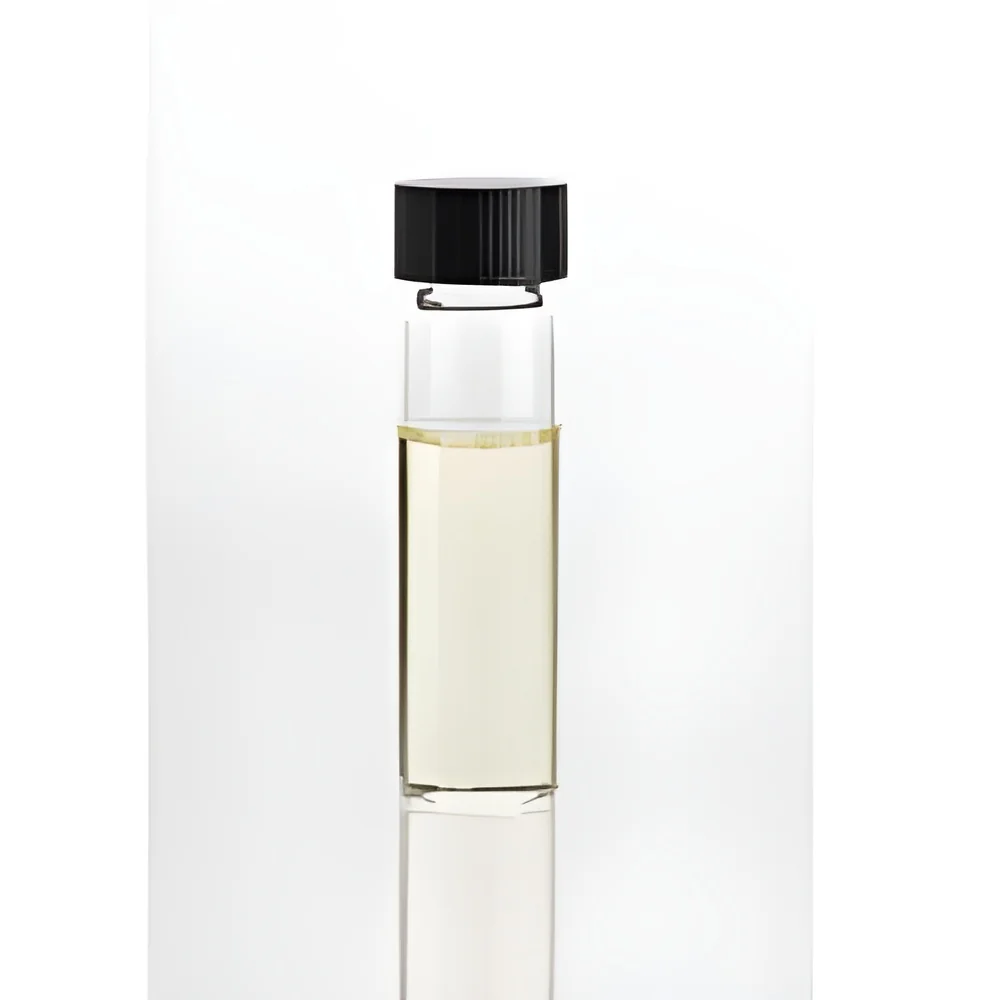
What are Essential Oils for Food Use?
Essential oils for food use are concentrated extracts derived from various plants, capturing their natural aroma and flavor compounds. These oils are obtained through processes such as steam distillation or cold pressing and are typically used in culinary applications to enhance the flavor profile of food products. They offer a potent alternative to traditional flavoring agents, allowing for greater intensity and variety in taste.
In the food industry, essential oils serve multiple purposes, including flavor enhancement, preservation, and functional benefits such as antimicrobial properties. Businesses utilize these oils in sectors such as food manufacturing, catering, and beverage production to create innovative products and meet consumer demand for natural ingredients. The growing trend towards clean-label products has increased the relevance of essential oils, as they align with the market's shift towards natural and organic solutions.
The essential oils market is expanding rapidly as more industries recognize the benefits of incorporating these natural extracts into their offerings. With consumers increasingly seeking transparency in food sourcing, essential oils are positioned to play a critical role in the future of food flavoring and preservation.
Key Features and Specifications
Essential oils for food use come with specific features that enhance their usability and effectiveness. When selecting these oils, it is crucial to consider their quality and specifications.
Key specifications include:
1. Purity Level
- Essential oils should have a high purity level, typically above 95%.
- This ensures that the oil is free from contaminants and additives.
2. Extraction Method
- The method of extraction can influence the oil's quality and properties.
- Common methods include steam distillation and cold pressing.
3. Flavor Profile
- Each essential oil has a unique flavor profile that can range from sweet to spicy.
- This allows for versatile applications in various culinary contexts.
4. Shelf Life
- The shelf life of essential oils is essential for maintaining quality.
- Typically, they have a shelf life of 1 to 3 years when stored properly.
5. Storage Conditions
- Proper storage conditions are vital to preserve the oil’s integrity.
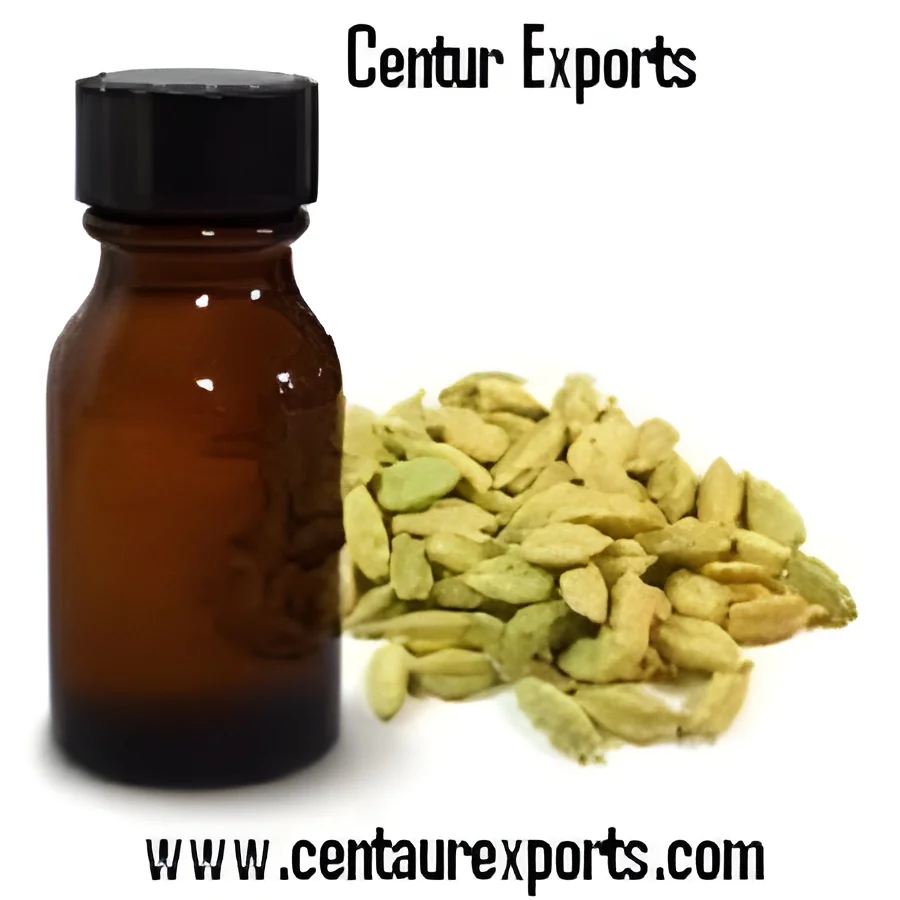
- Oils should be kept in dark glass bottles in a cool, dry place.
6. Compliance with Food Safety Standards
- Essential oils must comply with food safety regulations and standards.
- This includes certifications such as CE to ensure they are safe for consumption.
7. Organic Certification
- For essential oils marketed as organic, certification is necessary.
- This indicates that the oil is derived from organically grown plants.
In summary, understanding the features and specifications of essential oils for food use is essential for businesses looking to create high-quality food products.
Common Applications and Use Cases
Essential oils for food use have diverse applications across various industries.
1. Food Manufacturing: In food production, essential oils are used to enhance flavors in sauces, dressings, and snacks. Their concentrated nature allows manufacturers to achieve desired flavors with minimal quantities.
2. Beverage Production: Beverage companies incorporate essential oils into drinks for flavoring and aroma. This is common in crafting flavored teas, sodas, and alcoholic beverages.
3. Catering Services: Caterers utilize essential oils to create unique flavor experiences for their clients. They can customize dishes with various oils to match specific themes or preferences.
4. Bakery Products: In the bakery sector, essential oils are employed to enhance the taste of cakes, cookies, and bread. They provide a natural alternative to artificial flavoring agents.
5. Health and Wellness: Essential oils are also used in food supplements and health products. Their natural properties contribute to the overall wellness of consumers.
6. Cosmetics and Personal Care: While not a food application, the overlap exists as essential oils are used in food-grade cosmetics that may come into contact with food.
7. Home Cooking: Individual consumers use essential oils in home cooking for flavor enhancement, showcasing the versatility of these products beyond commercial applications.
Product Variants and Subcategories
The diversity of essential oils for food use allows businesses to select specific variants to suit their needs.
Citrus Essential Oils
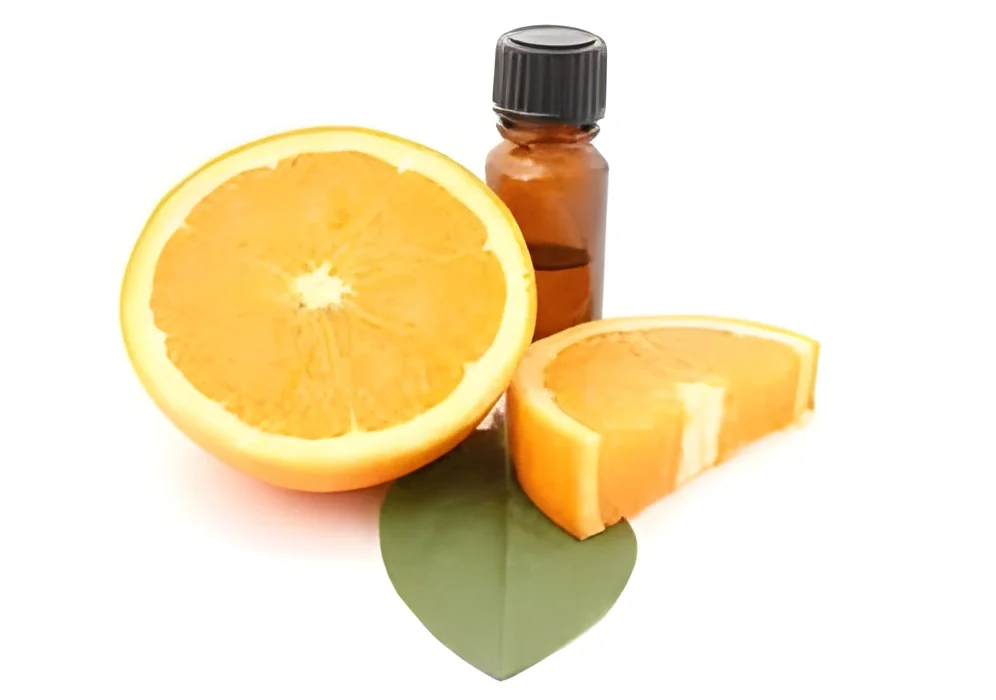
These oils, including lemon and orange, provide bright and refreshing flavors. They are often used in desserts, beverages, and marinades due to their vibrant aroma and taste.
Herb Essential Oils
Herb oils such as basil and oregano are popular in savory dishes. They bring depth of flavor to sauces, soups, and dressings, making them a staple in culinary applications.
Spice Essential Oils
Essential oils derived from spices like cinnamon and ginger add warmth and complexity to recipes. They are widely used in baked goods and spiced beverages.
Floral Essential Oils
Floral oils, such as lavender and rose, can elevate desserts and specialty drinks. Their delicate flavors offer a unique twist to traditional recipes.
Mint Essential Oils
Peppermint and spearmint oils are frequently incorporated into confections and beverages. Their refreshing qualities make them popular in gum, candies, and cocktails.
Benefits and Advantages
Essential oils for food use provide numerous advantages for businesses and consumers alike.
Key benefits include:
1. Natural Flavor Enhancement: Essential oils offer a potent and natural way to enhance flavors in food and beverages, appealing to health-conscious consumers.
2. Concentrated Formulation: A small quantity of essential oil can provide a robust flavor, allowing for cost-effectiveness in ingredient usage.
3. Versatility: These oils can be used across various culinary applications, from baking to beverage production, making them a flexible ingredient for manufacturers.
4. Preservation Properties: Some essential oils possess antimicrobial properties, helping to extend the shelf life of food products and maintain safety.
5. Clean Label Appeal: As consumers demand transparency in food ingredients, essential oils allow brands to market products as natural and free from artificial additives.
6. Customization: The wide variety of available essential oils enables businesses to create unique flavor profiles tailored to specific market demands.
Buying Guide for B2B Buyers
When sourcing essential oils for food use, it is essential to consider several key factors to ensure quality and suitability for your needs.
1. Quality Assessment: Ensure that the essential oils meet high purity and quality standards. Look for certificates of analysis from reputable suppliers that confirm the oil's composition.
2. Supplier Verification: Vet suppliers rigorously to ensure they have a solid reputation and adhere to best practices in production and handling. Check for certifications and customer reviews.
3. Pricing and MOQ: Understand the pricing structure and minimum order quantities (MOQ) of the suppliers. This helps in budgeting and planning for inventory needs.
4. Delivery and Lead Times: Consider logistics and lead times when placing orders. Efficient delivery is crucial for maintaining your production schedules.
5. Compliance Requirements: Ensure that the essential oils comply with relevant food safety regulations and certifications to guarantee they are safe for consumption in your products.
Compliance and Certifications
Compliance with industry standards is critical for essential oils used in food applications. Relevant quality standards include ISO 9001, which ensures quality management systems are in place.
HACCP (Hazard Analysis and Critical Control Points) is essential for preventing food safety hazards during production. Companies must adhere to this standard to ensure the safety of their food products.
Additionally, essential oils should meet Good Distribution Practices (GDP) to maintain quality throughout the supply chain. This includes proper storage and transport conditions.
Certifications such as CE indicate conformity with health, safety, and environmental protection standards. Furthermore, suppliers must consider regional compliance requirements to ensure that products meet local regulations regarding food safety and quality.
Why Source Essential Oils for Food Use from Pepagora?
Pepagora provides a trusted platform for sourcing essential oils for food use, offering several key advantages to businesses.
Verified Supplier Network: Pepagora connects buyers with a network of verified suppliers. Each supplier undergoes a rigorous vetting process to ensure they meet industry standards and quality expectations.
Streamlined RFQ Process: The platform simplifies the quotation process, allowing buyers to request quotes from multiple suppliers easily. This efficiency helps businesses find the best pricing and terms.
Trade Assurance and Support: Buyers benefit from trade assurance measures that protect transactions. Pepagora offers support throughout the purchasing process, ensuring a smooth experience.
Regional Coverage: With an extensive network across India, the GCC, and Southeast Asia, Pepagora ensures that businesses can source essential oils tailored to their regional markets and preferences.
By choosing Pepagora, businesses can confidently source high-quality essential oils for food use, enhancing their product offerings and meeting consumer demand for natural ingredients.

 IN
IN