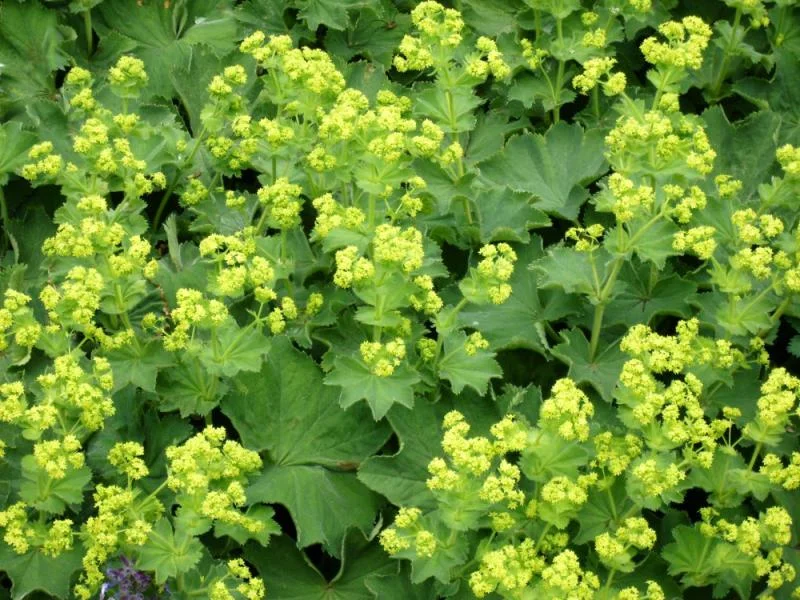
What are Natural Preservative Extracts?
Natural Preservative Extracts are substances derived from natural sources used to extend the shelf life of various products. These extracts help prevent spoilage and degradation caused by microorganisms, oxidation, and other environmental factors. They are increasingly favored over synthetic alternatives due to growing consumer demand for clean-label products that are perceived as safer and healthier.
These extracts are widely used in food, cosmetics, pharmaceuticals, and personal care products. They serve as effective alternatives to artificial preservatives, maintaining product integrity while aligning with consumer preferences for natural ingredients. The relevance of Natural Preservative Extracts has surged in recent years as industries strive to meet regulatory standards and consumer expectations for sustainability and health.
Key Features and Specifications
Natural Preservative Extracts come with a variety of features and specifications that make them suitable for diverse applications. Their formulation varies based on the source and intended use, ensuring effectiveness in preservation while maintaining product quality.
Key specifications include:
1. Source of Extraction
- Plant-based or animal-derived extracts
- Common sources include herbs, fruits, and spices
2. Concentration Levels
- Varies based on application requirements
- Typically ranges from 0.5% to 5% in formulations
3. pH Stability
- Maintains efficacy across various pH levels
- Suitable for acidic to neutral environments
4. Solubility
- Water-soluble or oil-soluble extracts
- Determines compatibility with different formulations
5. Antioxidant Properties
- Contains natural antioxidants to combat oxidation
- Helps in preserving color and flavor of products
6. Safety Profile
- Generally recognized as safe (GRAS) status in many regions
- Low toxicity levels compared to synthetic preservatives
7. Shelf Life
- Enhances the shelf life of formulations
- Effective for several months to years depending on storage conditions
In summary, the specifications of Natural Preservative Extracts ensure they provide effective preservation while aligning with market demands for natural products.
Common Applications and Use Cases
Natural Preservative Extracts have varied applications across multiple industries, addressing the need for effective preservation solutions.
1. Food Industry: These extracts are extensively used in processed foods to inhibit microbial growth and enhance shelf life. They are ideal for sauces, dressings, and baked goods.
2. Cosmetics: In personal care products, natural extracts prevent spoilage and maintain product integrity. They are commonly found in creams, lotions, and shampoos.
3. Pharmaceuticals: Natural preservatives help extend the shelf life of over-the-counter medicines and supplements, ensuring safety and efficacy.
4. Dietary Supplements: Extracts are used in vitamins and herbal supplements to prevent degradation and maintain potency over time.
5. Pet Food: Natural Preservative Extracts are increasingly utilized in pet food products to enhance freshness and safety.
6. Household Products: These extracts are also found in cleaning and laundry products, contributing to their stability and effectiveness.
7. Beverage Industry: Used in juices and other beverages, these extracts help maintain flavor and freshness, appealing to health-conscious consumers.
Product Variants and Subcategories
Natural Preservative Extracts come in various forms to cater to specific needs within the industry.
Variant 1: Rosemary Extract
This variant is known for its strong antioxidant properties. It is widely used in food products and cosmetics to prevent rancidity and microbial growth.
Variant 2: Green Tea Extract
Rich in polyphenols, this extract is utilized for its antimicrobial benefits. It is commonly found in dietary supplements and skincare products due to its health-promoting properties.
Variant 3: Vinegar Extract
Often used in food preservation, vinegar extract acts as a natural preservative due to its acidic nature. It is popular in pickling and condiment formulations.
Benefits and Advantages
Natural Preservative Extracts offer numerous benefits that are attractive to businesses.
1. Clean Label Appeal: Consumers increasingly prefer products with natural ingredients, enhancing marketability.
2. Safety and Health: These extracts provide a safer alternative to synthetic preservatives, reducing health risks associated with chemical additives.
3. Efficacy: Natural extracts effectively inhibit microbial growth and oxidation, maintaining product quality over time.
4. Versatility: Suitable for a wide range of applications, from food to cosmetics, allowing businesses to diversify their product offerings.
5. Regulatory Compliance: Natural extracts often meet stricter regulatory standards, facilitating easier market entry.
6. Consumer Trust: Sourcing natural ingredients can enhance brand reputation and foster consumer loyalty.
Buying Guide for B2B Buyers
When sourcing Natural Preservative Extracts, it is essential to consider various factors to ensure the right fit for your business needs.
1. Quality Assessment: Evaluate the quality of extracts through certification and testing. Look for products that meet recognized standards to ensure safety and efficacy.
2. Supplier Verification: Vet potential suppliers by checking their reputation, certifications, and history. This ensures reliability and consistency in product supply.
3. Pricing and MOQ: Understand the pricing structure and minimum order quantities to align with budget constraints and production needs.
4. Delivery and Lead Times: Assess the supplier's logistics capabilities to ensure timely delivery of extracts, which is critical for production schedules.
5. Compliance Requirements: Familiarize yourself with regulatory standards applicable to your industry to ensure that the extracts meet necessary compliance.
Compliance and Certifications
Natural Preservative Extracts are subject to various quality standards and certifications that ensure their safety and efficacy. Common standards include ISO 9001, which focuses on quality management systems, and HACCP, which emphasizes food safety.
Additionally, many products may carry certifications such as CE, indicating compliance with European health, safety, and environmental protection standards. Safety assessments and testing are crucial to verify that these extracts do not pose health risks.
Regional compliance considerations may also vary, necessitating awareness of local regulations governing the use of natural preservatives in products. This ensures that businesses can operate within legal requirements while providing safe and effective products.
Why Source Natural Preservative Extracts from Pepagora?
Pepagora offers a trusted platform for sourcing Natural Preservative Extracts, providing several key advantages to businesses.
Verified Supplier Network: We connect you with a network of verified suppliers, ensuring quality and reliability in your sourcing decisions. Each supplier undergoes a rigorous vetting process to guarantee their credibility.
Streamlined RFQ Process: Our quotation system simplifies the procurement process, allowing you to request and compare quotes efficiently. This saves time and aids in making informed purchasing decisions.
Trade Assurance and Support: We prioritize buyer protection through our trade assurance program. This ensures that your transactions are secured, providing peace of mind in your sourcing activities.
Regional Coverage: With a strong presence in India, the GCC, and Southeast Asia, Pepagora offers extensive geographic reach. This allows businesses to access a diverse range of Natural Preservative Extracts tailored to their regional needs.

 IN
IN