What are Leavening Agents (Baking Powder, Sodium Bicarbonate)?
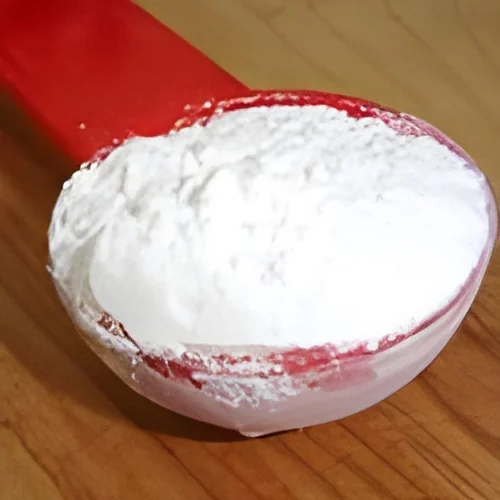
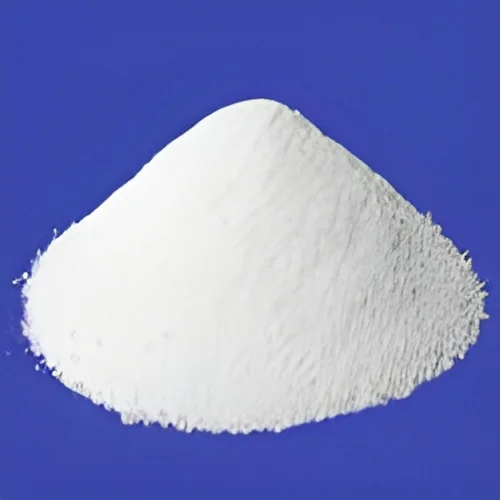
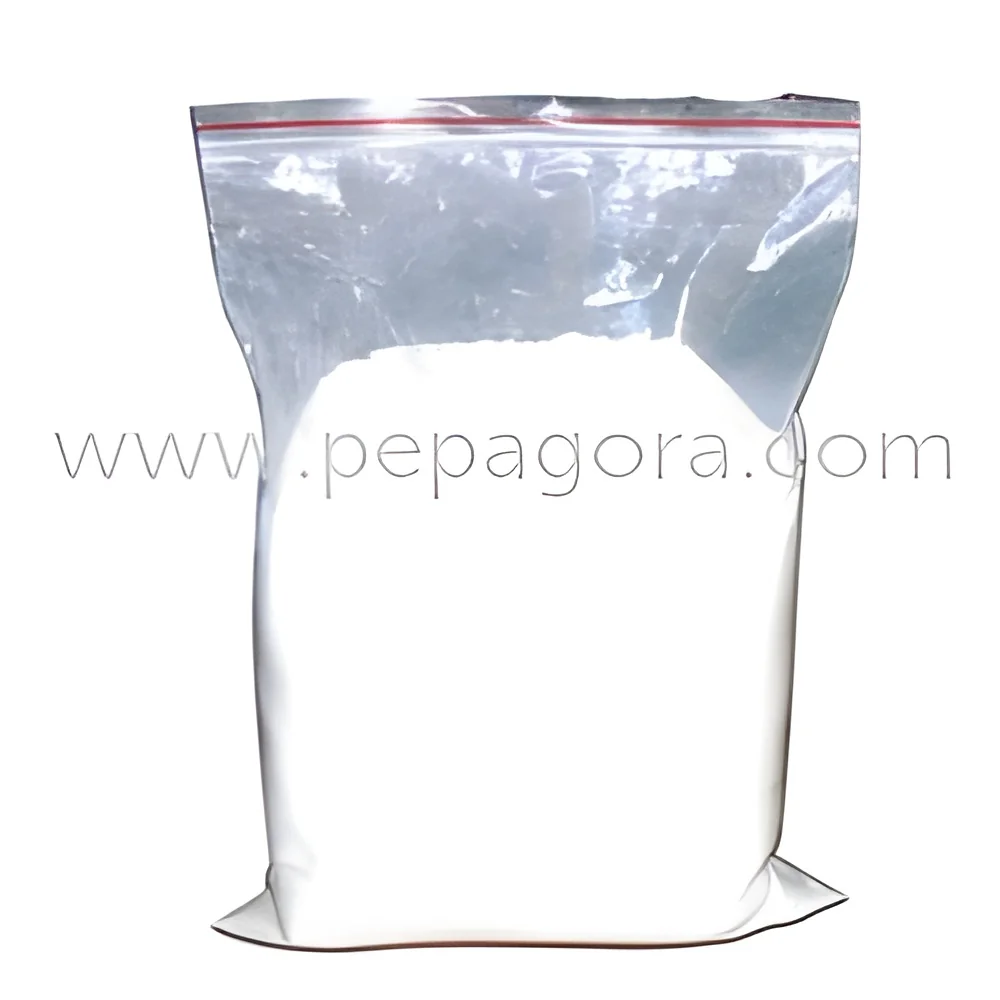
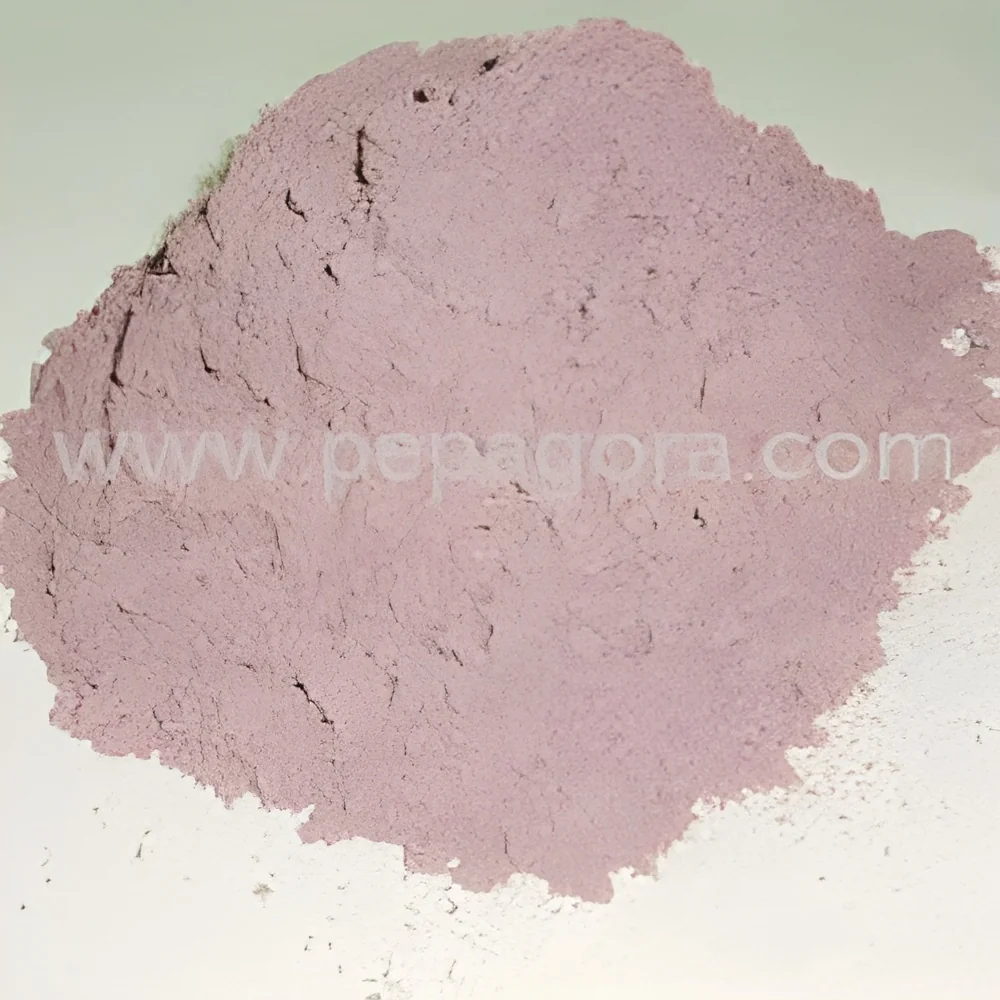
Leavening agents are substances used in baking to produce gas, causing doughs and batters to rise. The most common types of leavening agents include baking powder and sodium bicarbonate. Baking powder contains both an acid and a base, allowing it to activate with moisture and heat to generate carbon dioxide. Sodium bicarbonate, also known as baking soda, requires an acidic ingredient in the recipe to produce the same effect. Together, these agents play a crucial role in creating light and airy baked goods.
In commercial applications, leavening agents are vital for the production of various baked products, including bread, cakes, cookies, and pastries. They ensure consistent texture and volume, which are critical factors in meeting consumer expectations. Businesses in the food service, baking, and snack industries rely heavily on these ingredients to maintain product quality, enhance flavors, and optimize production efficiency. As consumer preferences evolve, the demand for effective leavening agents continues to grow, emphasizing their importance in the market.
𝗞𝗲𝘆 𝗙𝗲𝗮𝘁𝘂𝗿𝗲𝘀 𝗮𝗻𝗱 𝗦𝗽𝗲𝗰𝗶𝗳𝗶𝗰𝗮𝘁𝗶𝗼𝗻𝘀
Leavening agents such as baking powder and sodium bicarbonate come with specific characteristics that make them suitable for various applications. Understanding these specifications helps businesses select the right product for their needs.
Key specifications include:
1. Composition
- Baking powder typically contains sodium bicarbonate, an acid (like cream of tartar), and a moisture-absorbing agent.
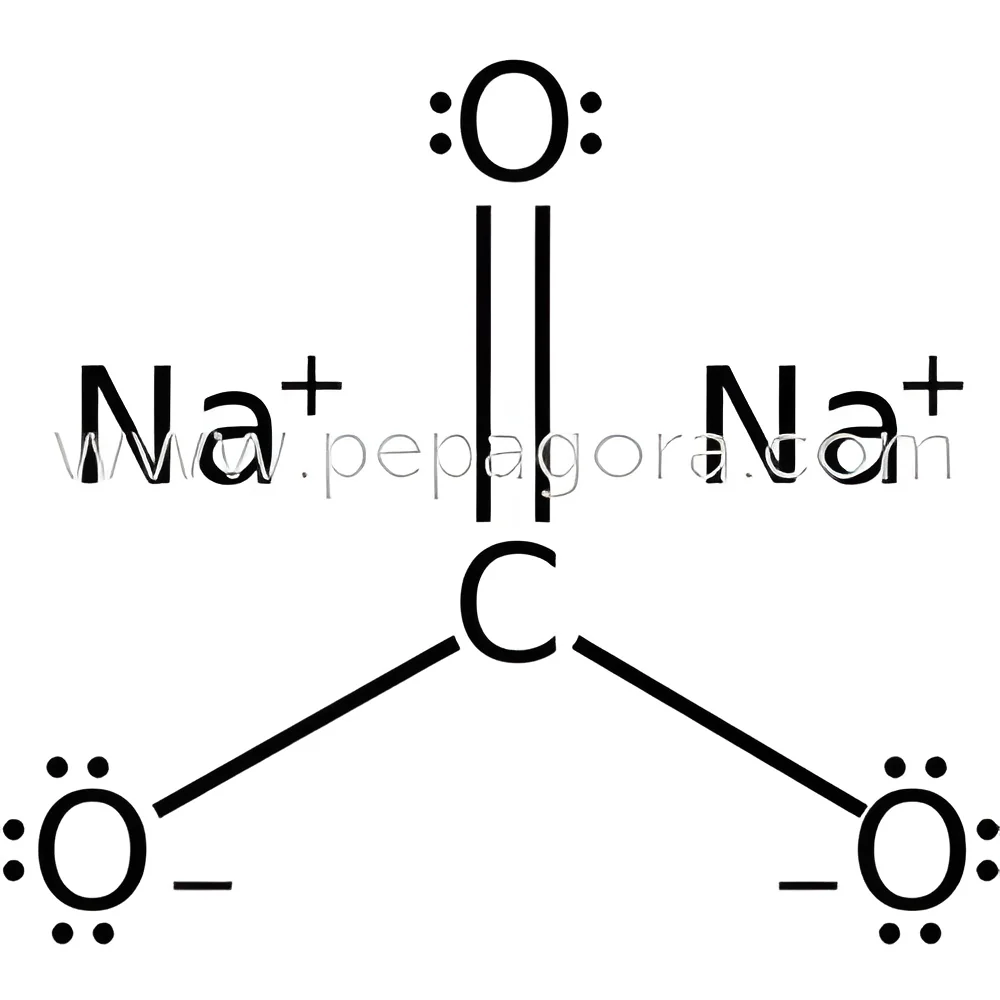
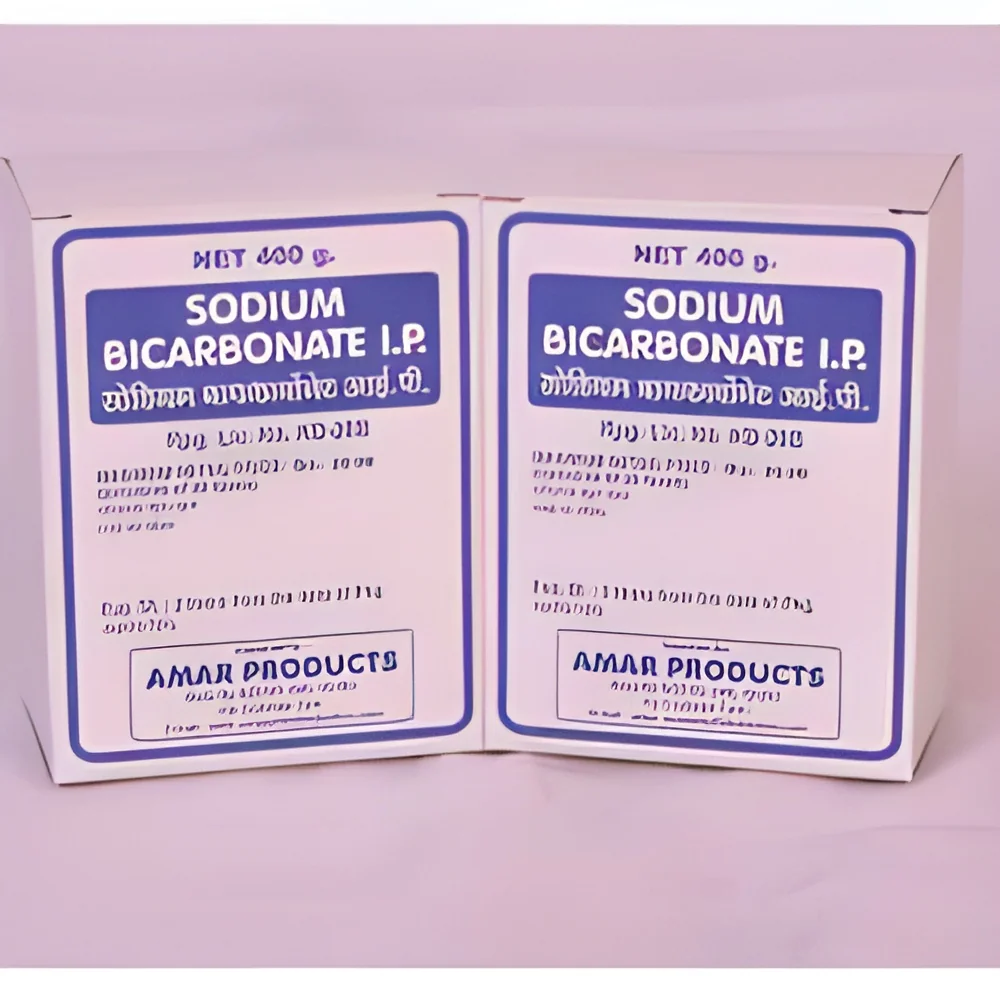
- Sodium bicarbonate is a pure compound, often used in conjunction with acidic ingredients.
2. Activation Conditions
- Baking powder activates when mixed with liquid and heat.
- Sodium bicarbonate requires an acidic component to activate properly.
3. Shelf Life
- Baking powder generally has a shelf life of 6 to 12 months when stored in a cool, dry place.
- Sodium bicarbonate can last indefinitely if kept dry and sealed.
4. Granulation
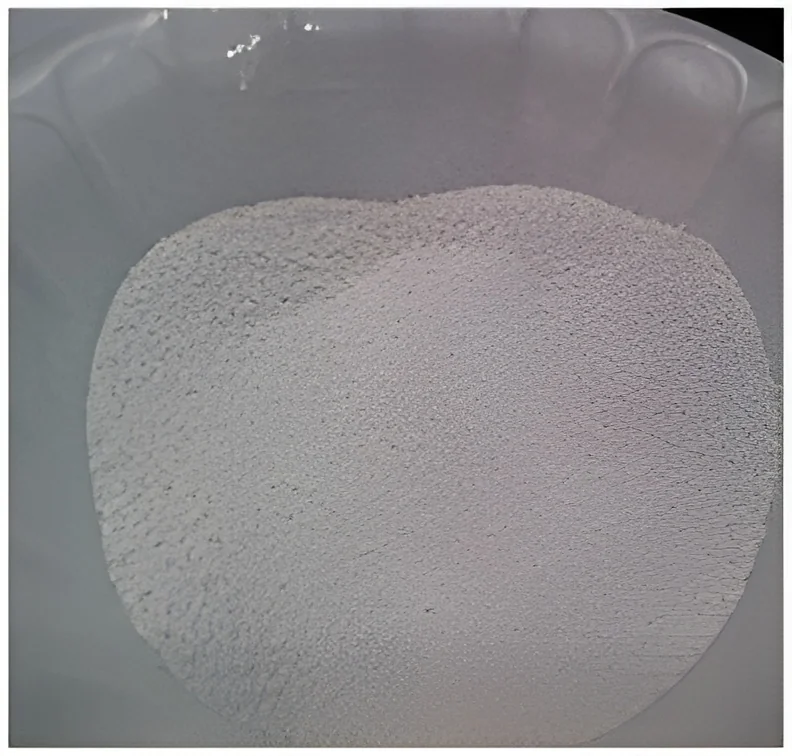
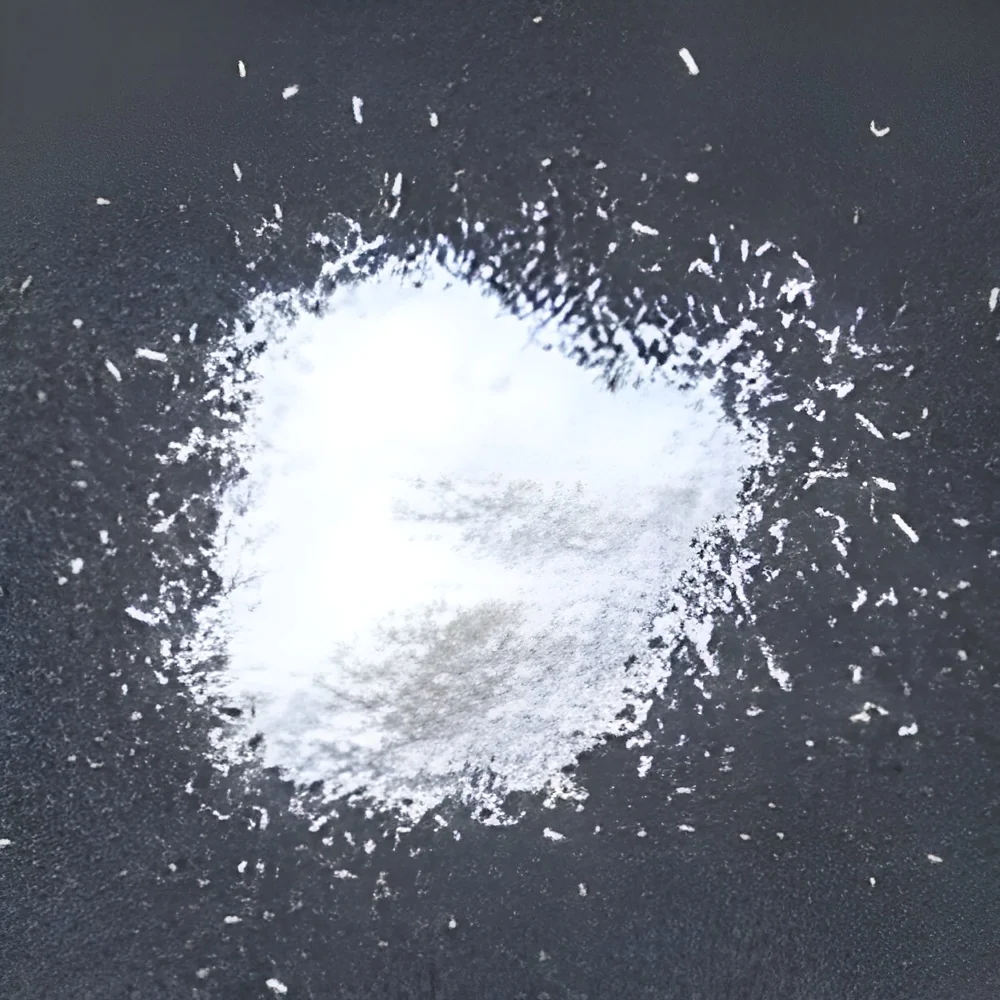
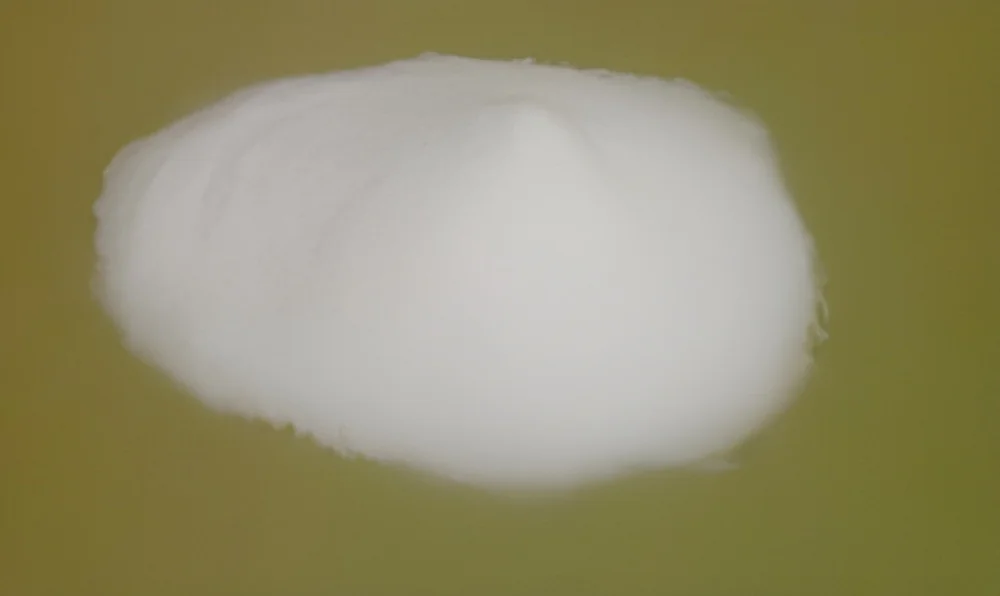
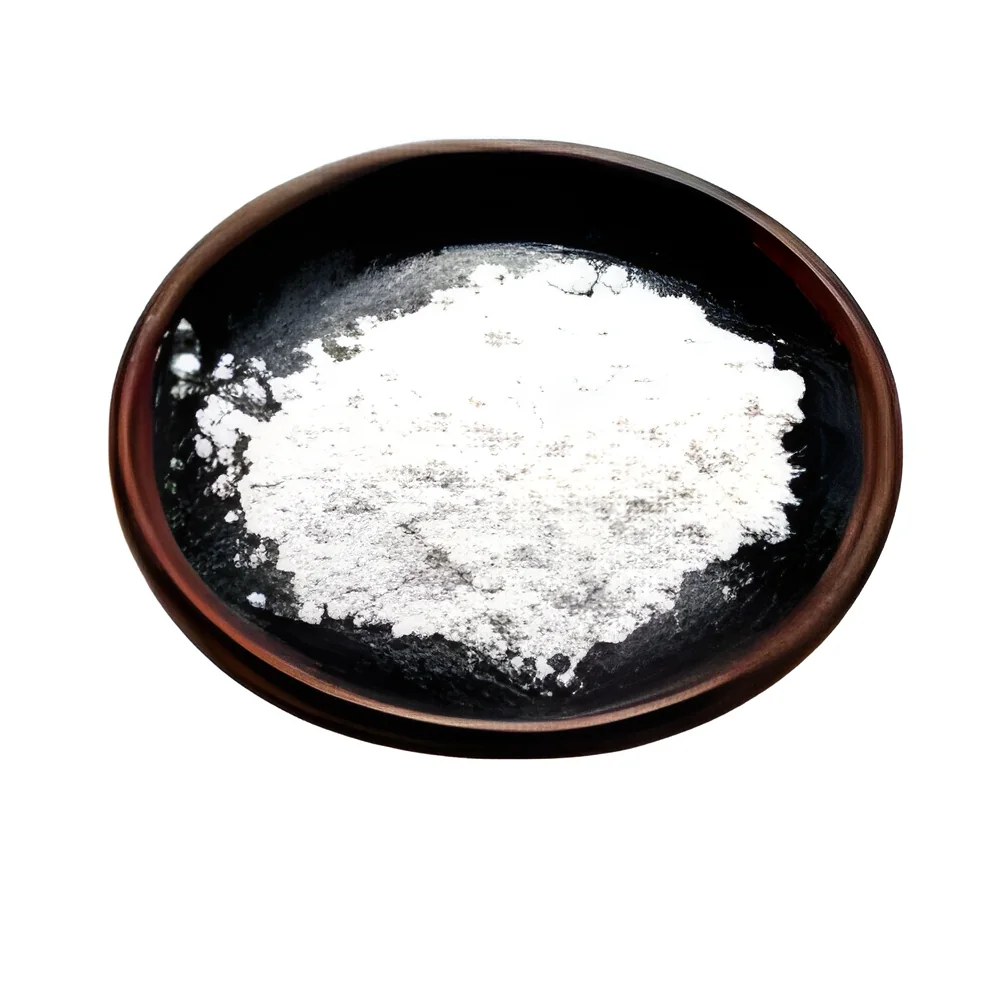
- Baking powder is available in fine powder form for easy incorporation into recipes.
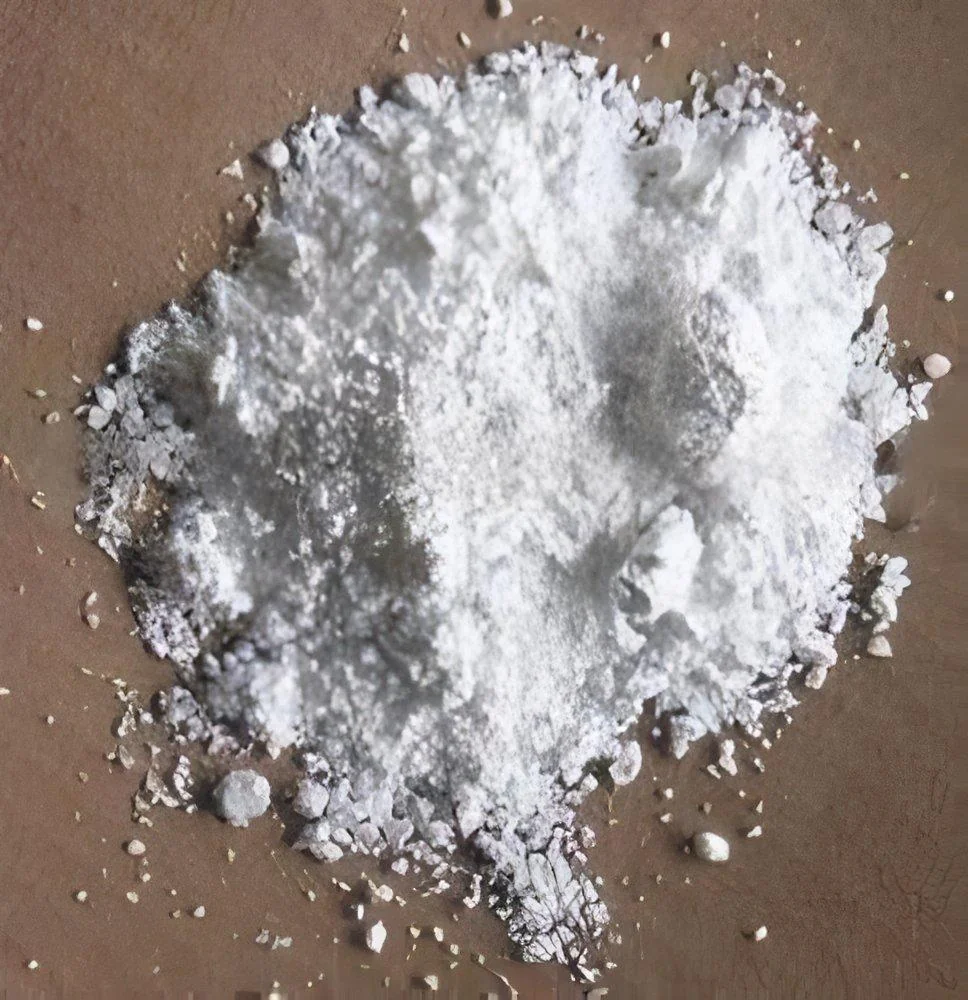
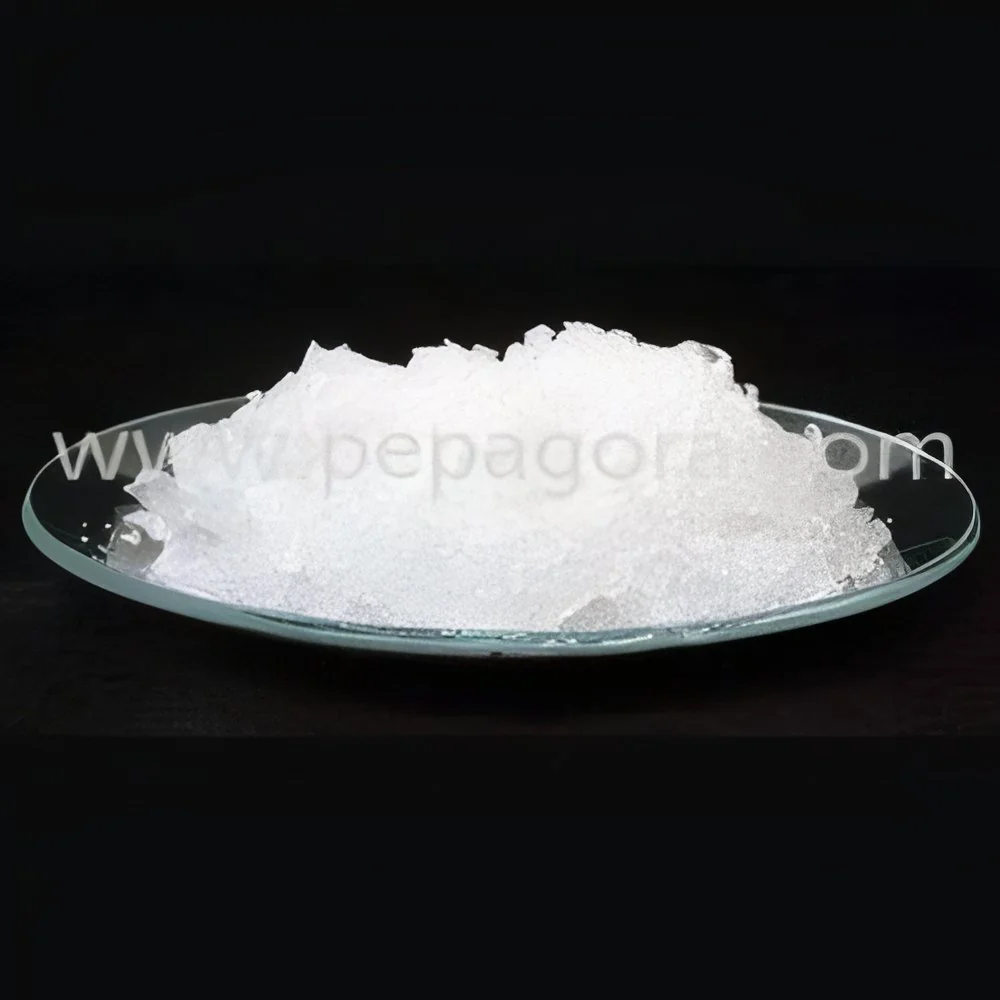
- Sodium bicarbonate is also available in fine granules or coarse crystals.
5. pH Level
- Baking powder typically has a neutral to slightly acidic pH when mixed with water.
- Sodium bicarbonate has an alkaline pH, which can affect the final taste of baked goods.
6. Moisture Content
- Baking powder should have low moisture content to remain effective.
- Sodium bicarbonate is hygroscopic and must be stored properly to prevent clumping.
7. Packaging
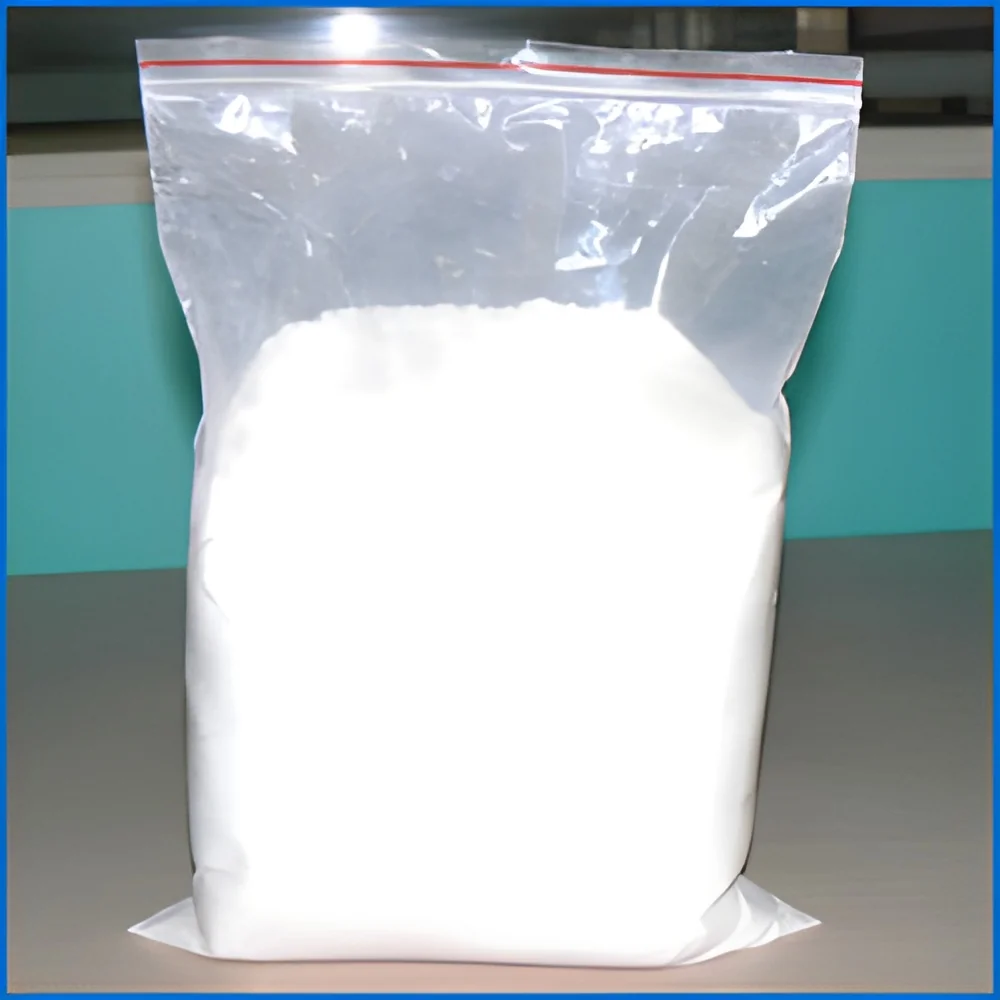
- Available in bulk, bags, or small retail containers to suit different business needs.
In summary, selecting the right leavening agent involves understanding these key features and specifications to ensure optimal baking results.
𝗖𝗼𝗺𝗺𝗼𝗻 𝗔𝗽𝗽𝗹𝗶𝗰𝗮𝘁𝗶𝗼𝗻𝘀 𝗮𝗻𝗱 𝗨𝘀𝗲 𝗖𝗮𝘀𝗲𝘀
Leavening agents are used across various industries, enhancing the quality and texture of baked products.
1. Baking Industry: Leavening agents are essential in commercial bakeries for producing bread, cakes, and pastries, ensuring consistent rise and texture.
2. Snack Food Production: Many snack foods, such as crackers and cookies, rely on leavening agents to achieve the desired crunch and mouthfeel.
3. Frozen Foods: Frozen baked goods often incorporate leavening agents to maintain quality and texture during storage and heating.
4. Confectionery: In the production of certain confections, baking powder can help create a light and fluffy texture.
5. Food Service: Restaurants and catering services use leavening agents in various menu items, ensuring quality and consistency in baked dishes.
6. Gluten-Free Products: Specialty leavening agents are often used in gluten-free baking to achieve similar textures to traditional baked goods.
7. Health-Conscious Foods: Some leavening agents are formulated to be low in sodium or free from artificial additives, catering to health-conscious consumers.
𝗣𝗿𝗼𝗱𝘂𝗰𝘁 𝗩𝗮𝗿𝗶𝗮𝗻𝘁𝘀 𝗮𝗻𝗱 𝗦𝘂𝗯𝗰𝗮𝘁𝗲𝗴𝗼𝗿𝗶𝗲𝘀
Leavening agents are diverse, offering various options to meet specific baking needs.
Baking Powder
This product typically features a balanced combination of acid and base, making it ideal for a wide range of recipes. It is available in single-acting and double-acting formulas, providing flexibility in application.
Sodium Bicarbonate
Commonly known as baking soda, this leavening agent is perfect for recipes that include acidic ingredients like yogurt or vinegar. It is often used in conjunction with baking powder for optimal results.
𝗕𝗲𝗻𝗲𝗳𝗶𝘁𝘀 𝗮𝗻𝗱 𝗔𝗱𝘃𝗮𝗻𝘁𝗮𝗴𝗲𝘀
Leavening agents provide significant advantages in baking and food production.
1. Improved Texture: Leavening agents create a light and airy texture in baked goods, enhancing consumer satisfaction.
2. Consistency: They ensure uniformity in rise and texture across batches, essential for commercial production.
3. Versatility: Applicable in a wide range of products, from bread to desserts, leavening agents offer flexibility.
4. Cost-Effective: Using leavening agents can optimize production processes and reduce waste, leading to cost savings.
5. Enhanced Flavor: Proper use of leavening agents can enhance the overall flavor profile of baked products.
6. Adaptability: Variants of leavening agents can cater to specific dietary needs, such as gluten-free or low-sodium formulations.
𝗕𝘂𝘆𝗶𝗻𝗴 𝗚𝘂𝗶𝗱𝗲 𝗳𝗼𝗿 𝗕𝟮𝗕 𝗕𝘂𝘆𝗲𝗿𝘀
When sourcing leavening agents, businesses should consider several critical factors to make informed purchasing decisions.
1. Quality Assessment: Ensure leavening agents meet quality standards for food safety and performance. Look for certifications and test results to verify quality.
2. Supplier Verification: Vet potential suppliers for reliability and reputation in the industry. Check references and past performance.
3. Pricing and MOQ: Discuss pricing structures and minimum order quantities, keeping in mind the budget and storage capabilities.
4. Delivery and Lead Times: Consider logistics and delivery schedules to ensure timely access to products, especially for just-in-time manufacturing.
5. Compliance Requirements: Understand any regulatory and compliance needs related to food production in your region, ensuring all products meet local standards.
𝗖𝗼𝗺𝗽𝗹𝗶𝗮𝗻𝗰𝗲 𝗮𝗻𝗱 𝗖𝗲𝗿𝘁𝗶𝗳𝗶𝗰𝗮𝘁𝗶𝗼𝗻𝘀
Leavening agents must adhere to various quality standards and regulations to ensure safety and efficacy in food production.
Relevant quality standards include ISO 9001, which focuses on maintaining quality management systems. HACCP (Hazard Analysis Critical Control Point) is essential for identifying and controlling food safety hazards during production.
Industry certifications like CE indicate compliance with European safety standards.
Safety and testing requirements are critical, ensuring that leavening agents are free from contaminants and safe for consumption.
Regional compliance considerations vary, so businesses should ensure that products meet local regulations and standards in their specific markets.
Why Source Leavening Agents (Baking Powder, Sodium Bicarbonate) from Pepagora?
Pepagora offers a trusted platform for sourcing leavening agents with several key advantages.
Verified Supplier Network: Pepagora connects businesses with a network of verified suppliers, ensuring reliable sourcing of high-quality leavening agents.
Streamlined RFQ Process: The request for quotation process is designed to be efficient, allowing buyers to receive competitive pricing and options quickly.

Trade Assurance and Support: Pepagora provides trade assurance, offering buyer protection and support throughout the purchasing process, ensuring a secure transaction.
Regional Coverage: With a broad geographic reach, including India, GCC, and Southeast Asia, Pepagora is well-positioned to meet the needs of businesses in various markets, ensuring timely delivery and support.