
 IN
Antioxidants (BHA, BHT, Tocopherols)
4 products available
Key Features and Specifications
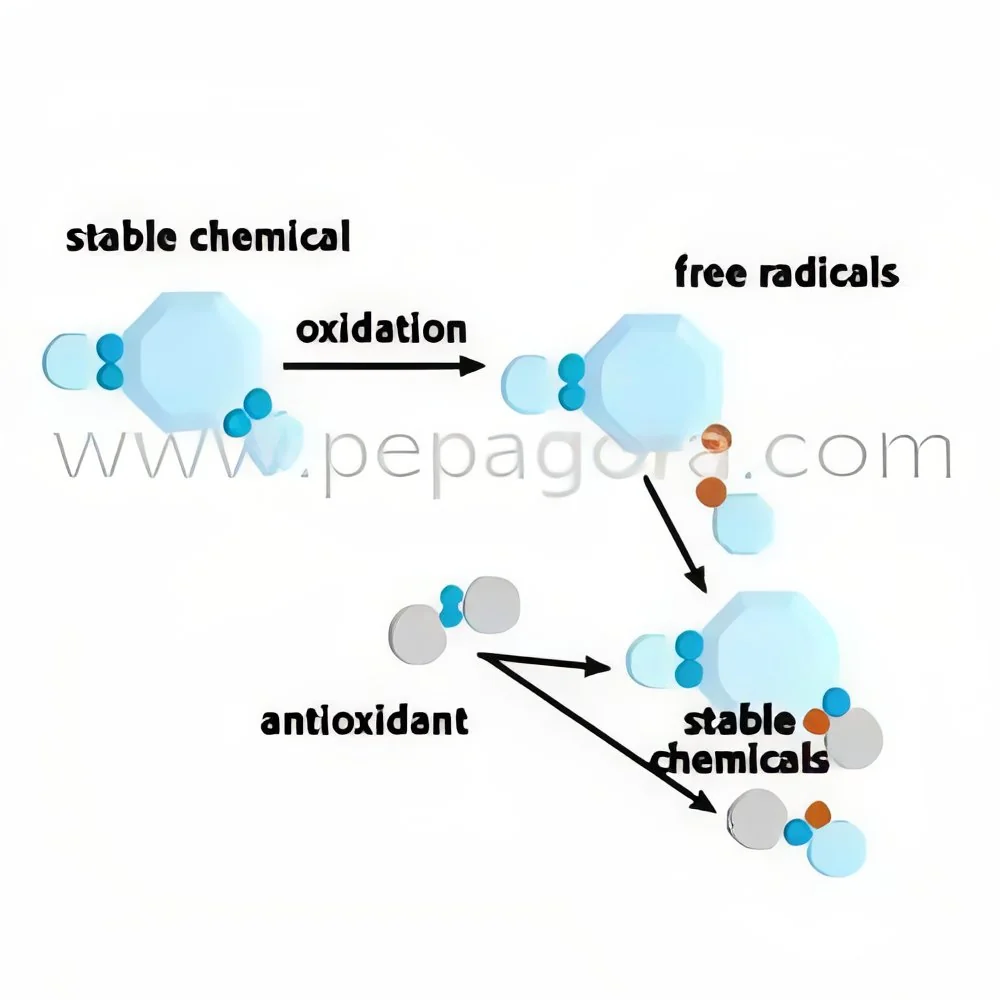
Antioxidants like BHA, BHT, and tocopherols come with a range of features that make them suitable for various applications. Understanding these specifications is crucial for B2B buyers.
Key specifications include:
1. Preservation Efficacy
- Effective in preventing oxidative rancidity in food products
- Stability over a wide temperature range
2. Solubility
- BHA and BHT are fat-soluble, making them suitable for oil-based products
- Tocopherols are also fat-soluble, providing versatility in formulations
3. Regulatory Approval
- Generally recognized as safe (GRAS) for food applications
- Complies with food safety regulations in multiple regions
4. Shelf Life
- Extended shelf life for products containing these antioxidants
- Typical shelf life ranges from 1 to 3 years
5. Concentration Levels
- Recommended usage levels vary based on application
- Typically ranges from 0.01% to 0.1% for BHA and BHT
6. Chemical Stability
- Resistant to degradation under standard storage conditions
- Maintains efficacy over time
7. Environmental Compatibility
- Biodegradable options available
- Low environmental impact in formulations
8. Quality Standards
- Meets international quality standards such as ISO 9001
- CE certified for use in relevant industries
These specifications highlight the diverse applications and reliability of these antioxidants in various industries.
Common Applications and Use Cases
Antioxidants play a critical role across multiple industries, enhancing product stability and safety.
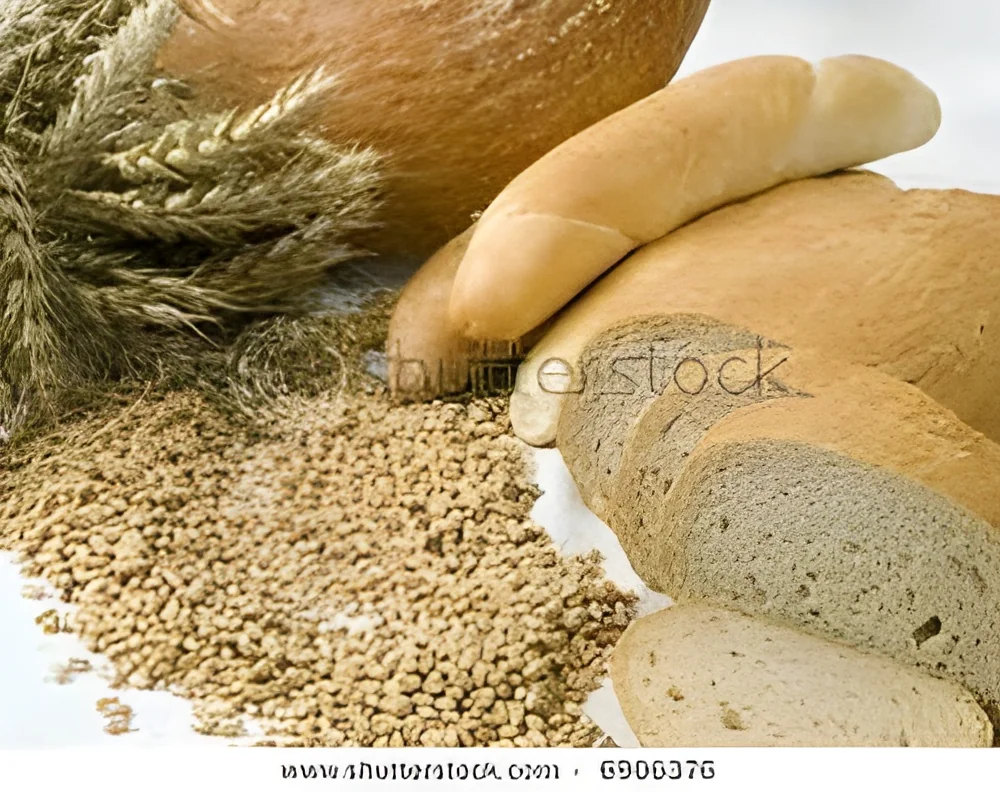
1. Food Industry: BHA and BHT are widely used to preserve oils, snacks, and processed foods. They help maintain flavor and freshness, preventing spoilage.
2. Cosmetics: Tocopherols are commonly found in skincare products due to their antioxidant properties. They help protect the skin from environmental damage and improve product longevity.
3. Pharmaceuticals: These antioxidants are utilized in drug formulations to enhance stability and efficacy. They protect active ingredients from oxidative degradation.
4. Animal Feed: BHA and BHT are added to animal feed to prevent fat oxidation, ensuring the nutritional value remains intact.
5. Packaging: Antioxidants are incorporated into packaging materials to extend the shelf life of products by preventing oxidation during storage.
6. Personal Care Products: BHA and tocopherols are used in lotions and creams to enhance skin health and product stability.
7. Nutraceuticals: These antioxidants are often included in dietary supplements for their health benefits, promoting overall wellness and longevity.
Product Variants and Subcategories
Antioxidants are available in various forms, catering to different industry needs.
BHA
BHA is a synthetic antioxidant commonly used in food preservation and cosmetics. It provides excellent stability in oil-based products and helps maintain flavor and freshness.
BHT
BHT is another synthetic option that is effective in preventing oxidative rancidity in foods and cosmetics. It is known for its ability to extend the shelf life of products significantly.
Tocopherols
Tocopherols, or Vitamin E, are natural antioxidants that provide skin benefits in cosmetic formulations. They are widely used for their protective properties against environmental damage.
Benefits and Advantages
Utilizing antioxidants such as BHA, BHT, and tocopherols offers numerous advantages for businesses.
1. Extended Shelf Life: Antioxidants help prevent spoilage, allowing products to last longer on the shelves and reducing waste.
2. Enhanced Product Quality: These compounds maintain the flavor, color, and nutritional value of products, ensuring customer satisfaction.
3. Cost-Effective Preservation: Using antioxidants can reduce the need for additional preservatives, making formulations simpler and more cost-effective.
4. Improved Safety: Antioxidants contribute to food safety by preventing oxidative deterioration, which can lead to harmful effects.
5. Versatile Applications: These antioxidants have broad applications across various industries, from food to cosmetics, making them valuable for diverse product lines.
6. Consumer Trust: Incorporating recognized antioxidants can enhance brand reputation by demonstrating a commitment to quality and safety.
Buying Guide for B2B Buyers
When sourcing antioxidants such as BHA, BHT, and tocopherols, it is essential to consider several factors to ensure quality and reliability.
1. Quality Assessment: Evaluate the quality of antioxidants based on their chemical stability, efficacy, and compliance with safety standards. Request lab analysis reports to verify product quality.
2. Supplier Verification: Vet suppliers by reviewing their background, certifications, and customer testimonials. Ensure they have a reliable track record in providing quality ingredients.
3. Pricing and MOQ: Understand the pricing structure and minimum order quantities (MOQ) that suppliers offer. Compare costs to find the best value without compromising quality.
4. Delivery and Lead Times: Discuss logistics with suppliers to determine delivery schedules. Ensure they can meet your timelines to avoid production delays.
5. Compliance Requirements: Identify relevant regulatory compliance requirements in your region. Ensure that the sourced antioxidants meet these standards for safe and effective use.
Compliance and Certifications
Compliance with industry standards and certifications is crucial for sourcing antioxidants effectively.
Antioxidants such as BHA, BHT, and tocopherols should adhere to relevant quality standards like ISO 9001, which ensures a consistent quality management system. These standards help ensure that products meet customer and regulatory requirements.
Industry certifications, such as CE, signify that products are compliant with European health, safety, and environmental protection standards. This certification is particularly important for products marketed in Europe.
Safety and testing requirements are also paramount. Antioxidants should undergo rigorous testing to verify their safety for consumption and use in cosmetics. Regular quality checks help maintain the integrity of the product.
Regional compliance considerations can vary. Buyers should be aware of specific regulations in their market, ensuring that sourced antioxidants comply with local laws and guidelines.
Why Source Antioxidants (BHA, BHT, Tocopherols) from Pepagora?
Pepagora stands out as a trusted platform for sourcing antioxidants like BHA, BHT, and tocopherols, offering several key advantages to B2B buyers.
Verified Supplier Network: Pepagora connects buyers with a network of verified suppliers, ensuring that only reputable companies are represented. This reduces the risk of sourcing low-quality products.
Streamlined RFQ Process: The platform simplifies the request for quotation (RFQ) process, enabling buyers to compare offers efficiently. This helps businesses make informed purchasing decisions quickly.
Trade Assurance and Support: Pepagora provides trade assurance, protecting buyers through various stages of the transaction. This support fosters confidence in sourcing practices.
Regional Coverage: Pepagora has a broad geographic reach, serving markets in India, the GCC, and Southeast Asia. This allows businesses to access a wide range of suppliers and products tailored to their regional needs.

Frequently Asked Questions
What are Antioxidants (BHA, BHT, Tocopherols)?
Antioxidants such as BHA (Butylated Hydroxyanisole), BHT (Butylated Hydroxytoluene), and Tocopherols (Vitamin E compounds) are chemical compounds that help prevent oxidation in various products. They are commonly used in food preservation, cosmetics, and pharmaceuticals to enhance shelf life and maintain product quality.
What are the different types of Antioxidants (BHA, BHT, Tocopherols)?
The primary types of antioxidants in this category include BHA, which is often used in processed foods, BHT, commonly found in fats and oils, and Tocopherols, which are natural antioxidants found in vegetable oils and nuts. Each type serves a specific purpose and is selected based on the application requirements.
How do I choose the right Antioxidants (BHA, BHT, Tocopherols)?
Choosing the right antioxidant depends on the specific application, desired shelf life, and regulatory guidelines. Consider factors such as compatibility with other ingredients, the intended use of the product, and potential health implications when selecting an antioxidant.
What are the standard specifications for Antioxidants (BHA, BHT, Tocopherols)?
Standard specifications for antioxidants include purity levels, solubility, and stability under various conditions. It is essential to refer to industry standards and guidelines to ensure compliance with safety and efficacy requirements.
What is the price range for Antioxidants (BHA, BHT, Tocopherols)?
The price range for antioxidants can vary significantly based on factors such as quantity, quality, and supplier. Generally, prices may range from a few hundred to several thousand Indian Rupees per kilogram, depending on the specific type and market demand.
What quality standards apply to Antioxidants (BHA, BHT, Tocopherols)?
Quality standards for antioxidants typically include compliance with food safety regulations, such as those set by the FSSAI in India, as well as industry-specific certifications like ISO or HACCP. Suppliers should provide documentation to verify quality and safety compliance.
Where can I find Antioxidants (BHA, BHT, Tocopherols) suppliers in India?
You can find suppliers of antioxidants in India through B2B marketplaces like Pepagora, trade shows, and industry directories. Additionally, conducting an online search or reaching out to industry associations can help identify reputable suppliers.
Can Antioxidants (BHA, BHT, Tocopherols) be customized?
Yes, many manufacturers offer customization options for antioxidants based on specific application needs and formulations. It is advisable to discuss your requirements with suppliers to explore available customization options.
What is the typical minimum order quantity for Antioxidants (BHA, BHT, Tocopherols)?
The typical minimum order quantity (MOQ) for antioxidants varies by supplier, but it often ranges from 25 kg to 100 kg. It's important to check with individual suppliers for their specific MOQ requirements.
What is the typical lead time for Antioxidants (BHA, BHT, Tocopherols)?
The typical lead time for ordering antioxidants can range from 1 to 4 weeks, depending on the supplier's inventory, production capacity, and order complexity. It's recommended to confirm lead times directly with the supplier when placing an order.
Why Businesses Trust Pepagora
Thousands of companies trust Pepagora to source smarter and sell faster
Expand Your Sales Globally

Source Smarter,Grow Faster
