What are Dairy Additives?
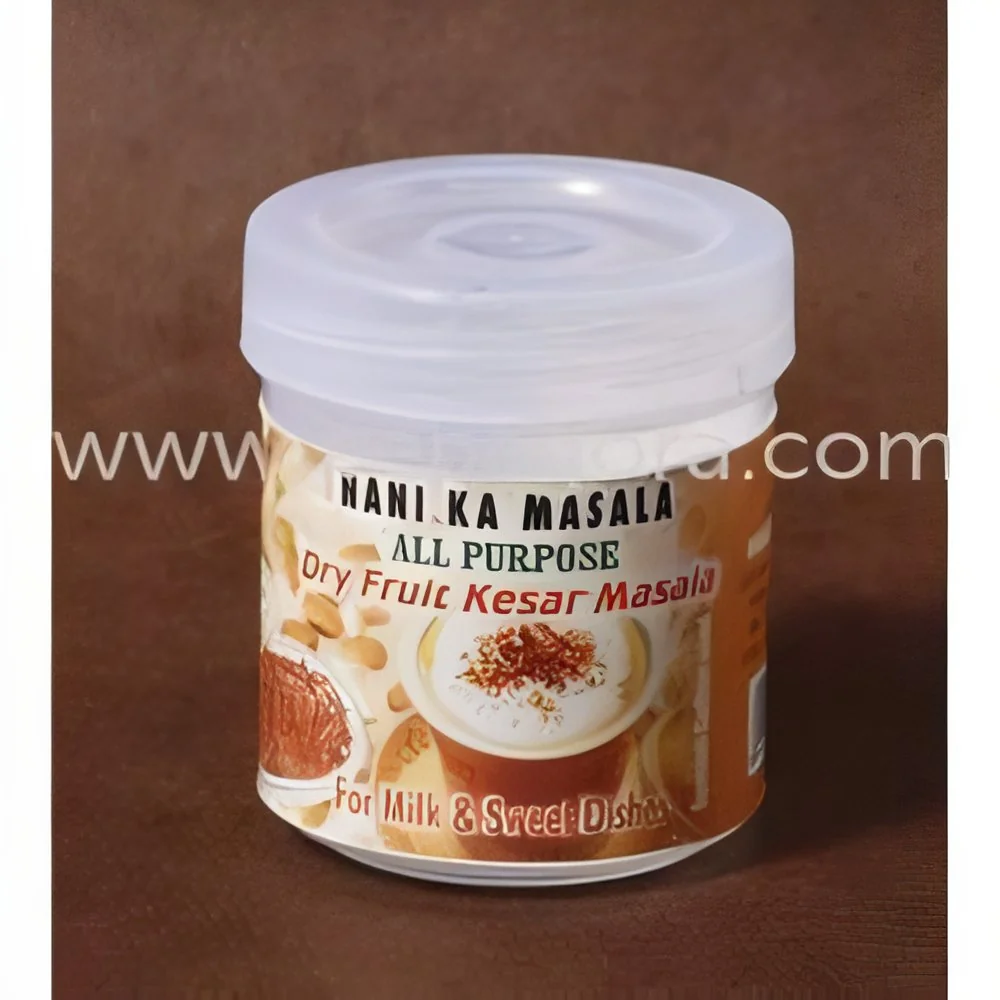
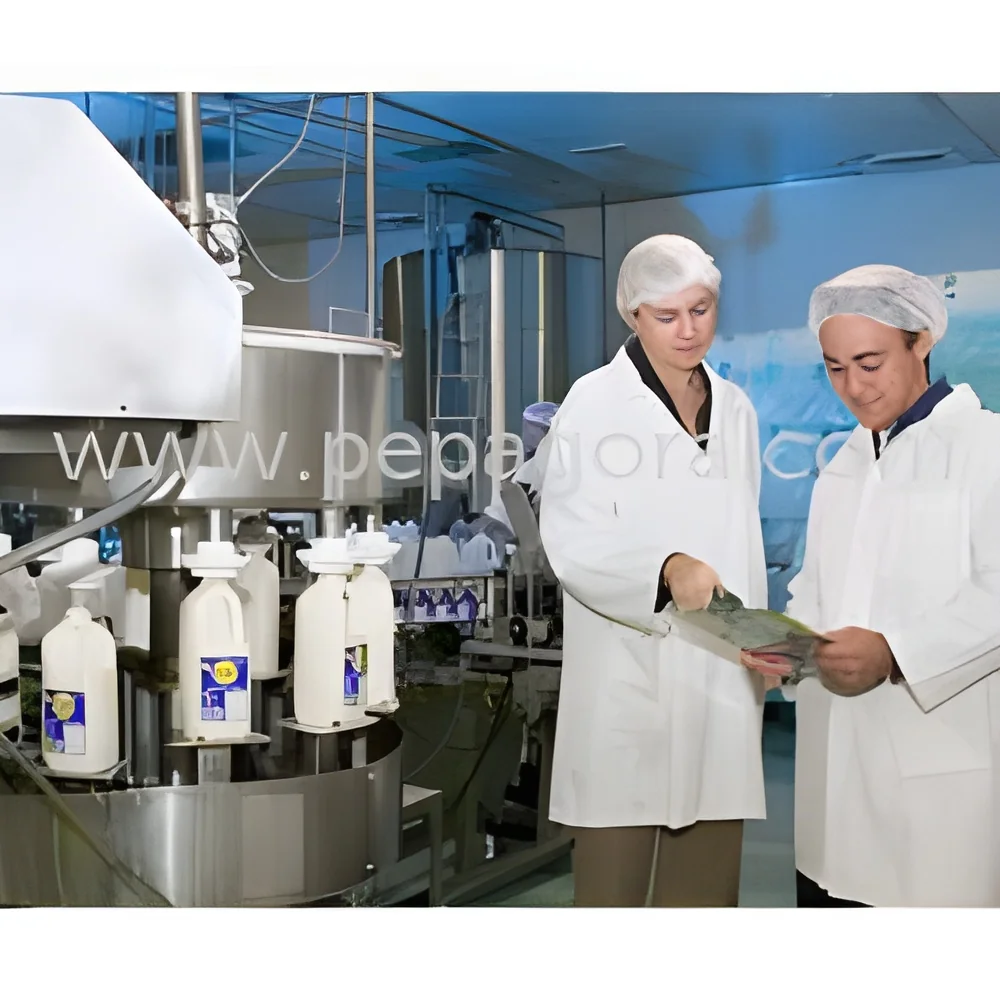
Dairy additives are substances added to dairy products to enhance their quality, safety, and shelf life. These additives can include emulsifiers, stabilizers, preservatives, and flavor enhancers. Each type of dairy additive serves a specific purpose, such as improving texture, preventing spoilage, or increasing nutritional value. The use of dairy additives is critical in the production of various dairy products including milk, cheese, yogurt, and ice cream.
In business applications, dairy additives are used to meet consumer demands for consistent quality and extended product shelf life. They play a key role in ensuring that dairy products retain their flavor, texture, and nutritional content throughout their lifecycle. The dairy industry is highly competitive, and the strategic use of additives helps manufacturers differentiate their products in the marketplace. As consumer preferences evolve, the relevance of dairy additives continues to grow, helping producers to innovate while adhering to safety and regulatory standards.
Key Features and Specifications
Dairy additives come with a variety of features and specifications tailored to meet industry needs. Understanding these specifications is essential for manufacturers and suppliers to ensure product quality and compliance.
Key specifications include:
1. Emulsifying Agents
- Help stabilize mixtures of oil and water in dairy products
- Commonly used in cheese and ice cream production
2. Stabilizers
- Maintain the viscosity and texture of dairy products
- Essential for yogurt and cream to prevent separation
3. Preservatives
- Extend shelf life by inhibiting microbial growth
- Commonly used in flavored milk and cheese
4. Nutritional Enhancers
- Fortify dairy products with vitamins and minerals
- Often added to milk and infant formulas
5. Flavor Enhancers
- Improve the taste profile of dairy products
- Used in ice creams and flavored yogurts
6. Color Additives
- Enhance the visual appeal of dairy items
- Common in cheese and dairy desserts
7. Texture Modifiers
- Improve mouthfeel and consistency
- Utilized in puddings and custards
8. pH Control Agents
- Maintain acidity levels for optimal product stability
- Important in fermented dairy products like yogurt
These specifications are crucial in determining the effectiveness and suitability of dairy additives in various applications.
Common Applications and Use Cases
Dairy additives serve a multitude of industries, each benefiting from their unique properties.
1. Dairy Processing: Emulsifiers and stabilizers are essential in producing cheese and yogurt, ensuring consistent texture and flavor.
2. Food Manufacturing: Additives enhance the shelf life and quality of dairy ingredients used in baked goods, sauces, and dressings.
3. Beverage Industry: Dairy additives are utilized in flavored milk and smoothies to improve taste and stability.
4. Nutritional Products: Fortifying dairy products with vitamins and minerals caters to health-conscious consumers and specialized dietary needs.
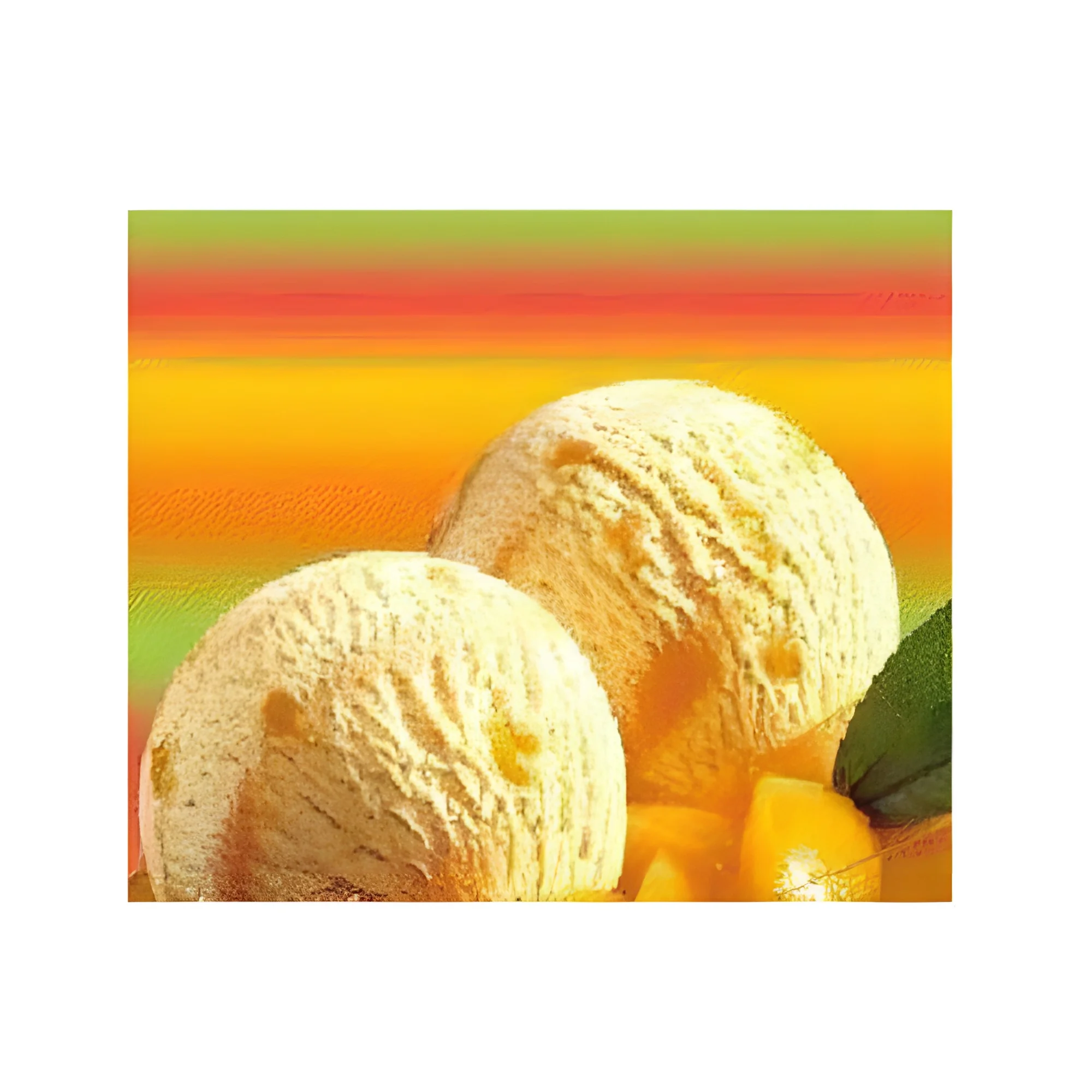
5. Ice Cream Production: Stabilizers and emulsifiers ensure smooth textures and prevent ice crystal formation in frozen desserts.
6. Infant Nutrition: Specialized dairy additives are used to create infant formulas that meet stringent nutritional standards.
7. Confectionery: Dairy additives improve the mouthfeel and flavor in chocolate and other sweet treats.
Product Variants and Subcategories
Dairy additives come in various forms and formulations, allowing customization based on specific needs.
Liquid Dairy Additives
These additives are easily integrated into liquid dairy products. They enhance stability and flavor without affecting the overall consistency.
Powdered Dairy Additives
This form is ideal for dry blends and allows for easy storage and transport. Powdered additives are often used in cheese production and baking.
Granular Dairy Additives
Granular formulations provide convenience in measurement and application. They are often used in bulk production settings.
Benefits and Advantages
Dairy additives offer numerous advantages for manufacturers and consumers alike.
1. Improved Product Quality: They enhance the taste, texture, and appearance of dairy products, leading to higher customer satisfaction.
2. Extended Shelf Life: Preservatives prevent spoilage, allowing products to remain fresh longer, which is crucial for inventory management.
3. Nutritional Enhancement: Fortifying dairy items with essential nutrients meets consumer demand for healthier options.
4. Cost Efficiency: By improving product stability and reducing waste, additives can lower overall production costs.
5. Consistency: Additives help maintain uniformity in taste and texture, ensuring that consumers receive the same quality with every purchase.
6. Innovation: With diverse formulations, dairy additives allow manufacturers to create new flavors and products to meet market trends.
Buying Guide for B2B Buyers
When sourcing dairy additives, buyers should consider various factors to ensure they choose the right products.
1. Quality Assessment: Evaluate the quality of dairy additives based on certifications and industry standards. Look for products that meet or exceed regulatory requirements for safety and efficacy.
2. Supplier Verification: Conduct thorough research on potential suppliers. Check for their reputation, manufacturing practices, and compliance with industry regulations.
3. Pricing and MOQ: Understand the pricing structure and minimum order quantities. Comparing different suppliers can help in negotiating better deals.
4. Delivery and Lead Times: Assess logistics capabilities, including delivery schedules and lead times to ensure timely availability of products.
5. Compliance Requirements: Ensure that the dairy additives meet all regional regulatory requirements. This includes food safety standards and labeling guidelines.
Compliance and Certifications
Dairy additives must conform to various quality standards and certifications to ensure safety and reliability.
Key relevant standards include ISO 9001, which emphasizes quality management systems, and HACCP, which focuses on food safety. These certifications help ensure that dairy additives are produced under strict quality control measures.
In addition to international standards, compliance with local regulations is also vital. For example, CE certification indicates that products meet European safety standards.
Manufacturers must also adhere to safety and testing requirements to ensure that additives do not pose health risks to consumers. Regular testing for contaminants and adherence to good manufacturing practices are essential for maintaining compliance.
Why Source Dairy Additives from Pepagora?
Pepagora offers a trusted platform for sourcing dairy additives, providing several key advantages for businesses.
Verified Supplier Network: Pepagora connects buyers with a network of verified suppliers who have been vetted for quality and reliability. This ensures that buyers can trust the products they source.
Streamlined RFQ Process: The platform simplifies the request for quotation process, allowing buyers to easily compare offers from multiple suppliers and make informed decisions.
Trade Assurance and Support: Pepagora provides trade assurance, ensuring that buyers are protected throughout the purchasing process. This includes support for resolving any disputes that may arise.
Regional Coverage: With a focus on regions such as India, the GCC, and Southeast Asia, Pepagora offers extensive geographic reach. This allows businesses to access a diverse range of dairy additives tailored to local market needs.

 IN
IN