What are Modified Starch?
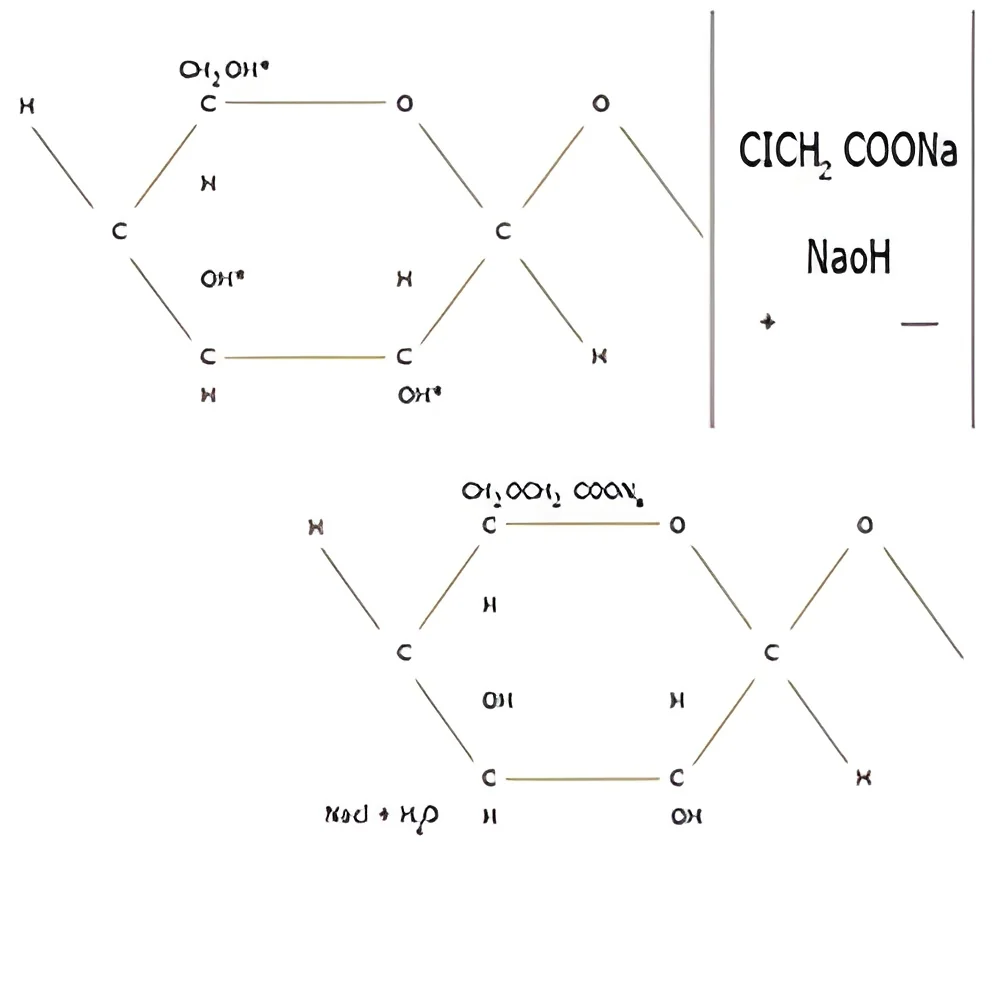
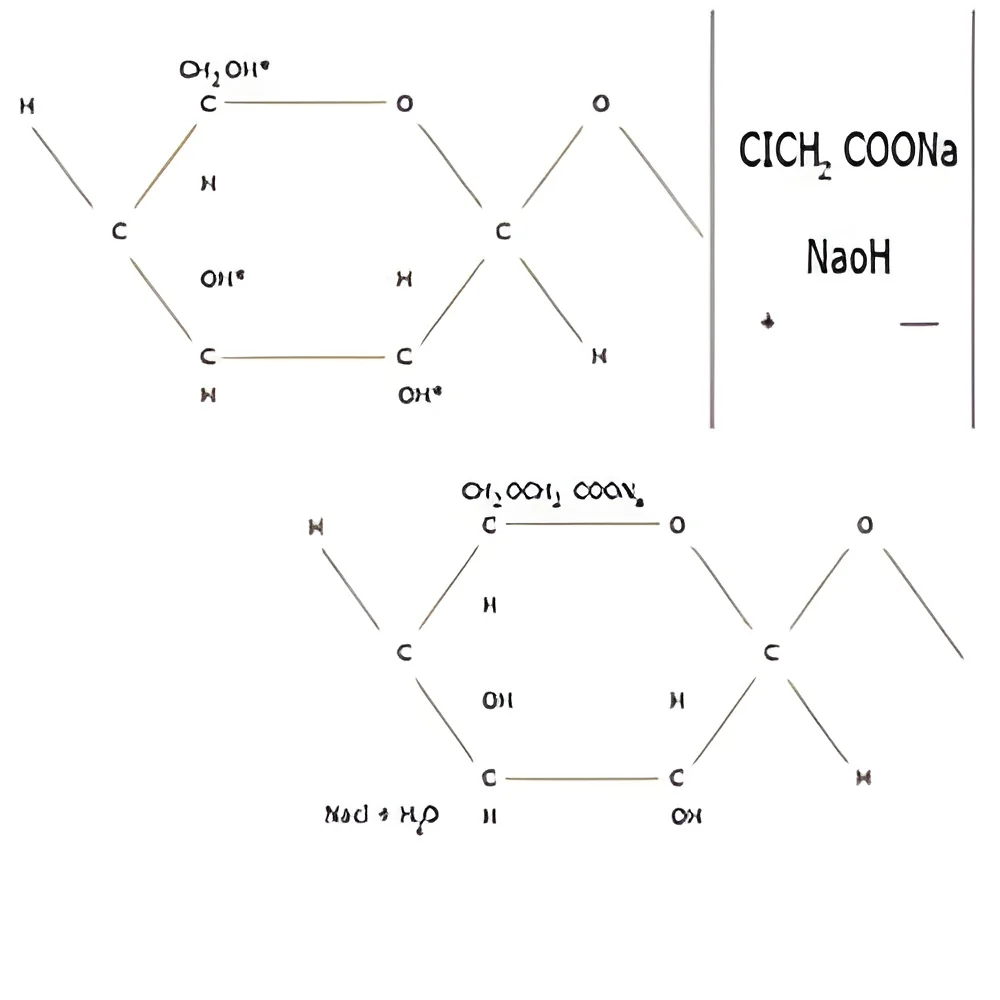
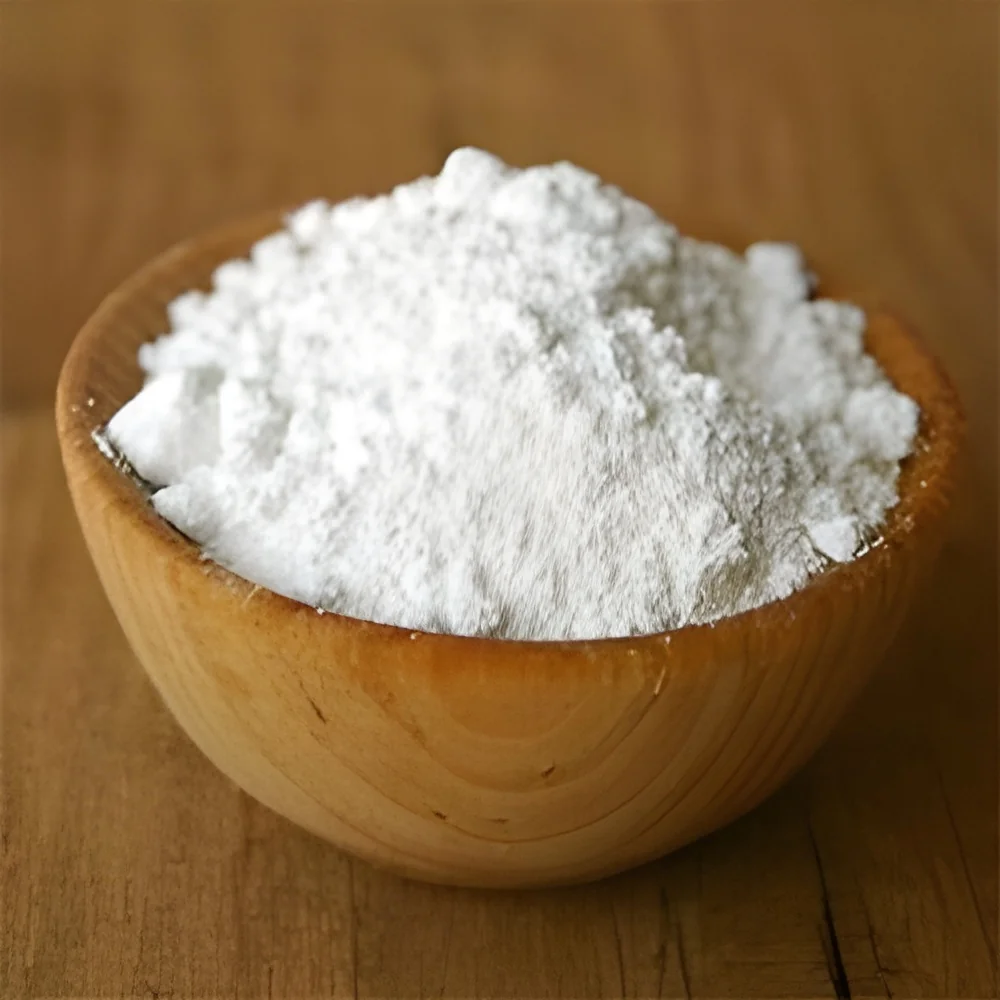
Modified starch is a starch derivative that has been chemically or physically altered to enhance its performance and functionality in various applications. Unlike native starch, which is derived directly from plants, modified starch undergoes processes that change its properties, such as solubility, viscosity, and stability. This makes modified starch versatile and suitable for a wide range of industrial applications.
In the business context, modified starch is widely used in food processing, pharmaceuticals, cosmetics, and other industries. It acts as a thickening agent, stabilizer, or emulsifier, depending on the formulation needs. The food industry, in particular, benefits from modified starches for their ability to improve texture, mouthfeel, and shelf-life of products. With increasing demand for clean-label products and natural ingredients, modified starch has become increasingly relevant in the market, catering to evolving consumer preferences.
Key Features and Specifications
Modified starches are characterized by several key features that make them suitable for industrial applications. These specifications can vary depending on the intended use and the specific type of modified starch.
Key specifications include:
1. Viscosity
- Determines the thickness of the solution.
- Ranges from low to high viscosity based on application needs.
2. Gelatinization Temperature
- The temperature at which starch granules swell and dissolve.
- Varies based on the modification process used.
3. pH Stability
- The ability to maintain functionality across various pH levels.
- Modified starches typically show stability in a pH range of 3-10.
4. Freeze-Thaw Stability
- Resistance to texture changes after freezing and thawing.
- Essential for applications in frozen food products.
5. Water Absorption Capacity
- The ability to absorb water and swell.
- Higher absorption rates can enhance texture in food applications.
6. Shelf Life
- The length of time the modified starch maintains its properties.
- Generally extends the shelf life of food products.
7. Clean Label Compliance
- Compliance with consumer demand for natural ingredients.
- Many modified starches are derived from non-GMO sources.
8. Regulatory Compliance
- Adherence to industry standards and regulations.
- Necessary for food safety and quality assurance.
In summary, understanding the key features and specifications of modified starch is crucial for businesses looking to incorporate it into their products.
Common Applications and Use Cases
Modified starch serves various industries due to its versatile properties and functional benefits.
1. Food Industry: Modified starch is widely used as a thickening agent in sauces, gravies, and soups. It helps improve texture and consistency while providing stability during processing.
2. Pharmaceutical Industry: In pharmaceuticals, modified starch acts as a binder and disintegrant in tablet formulations. It ensures uniformity and effectiveness of the medication.
3. Cosmetic Industry: Modified starch is used in cosmetic formulations as a thickener and stabilizer. It enhances the texture of creams and lotions.
4. Paper Industry: Modified starches are employed as sizing agents in the paper manufacturing process, improving the strength and finish of paper products.
5. Textile Industry: In textiles, modified starch is used as a finishing agent to enhance fabric properties such as stiffness and durability.
6. Adhesive Industry: Modified starch is utilized in adhesive formulations for its excellent binding properties, enhancing the performance of various adhesive applications.
7. Bio-based Products: With a focus on sustainability, modified starch is being explored for use in biodegradable packaging materials, contributing to eco-friendly solutions.
Product Variants and Subcategories
Modified starch comes in various forms, allowing for tailored applications across different sectors.
Native Modified Starch
This variant is derived from natural sources and modified through physical means. It is commonly used in food applications due to its clean label status and versatility.
Chemically Modified Starch
This type undergoes chemical modification to enhance performance characteristics such as solubility and viscosity. It is often used in industrial applications, including pharmaceuticals and cosmetics.
Thermally Modified Starch
This variant is modified through heat treatment, resulting in improved stability under high-temperature conditions. It is suitable for applications requiring thermal processing, like baking or cooking.
Benefits and Advantages
Modified starch offers numerous benefits that make it an attractive option for businesses.
1. Versatility: Modified starch can be tailored for various applications, making it suitable for multiple industries.
2. Improved Texture: It enhances the mouthfeel and consistency of food products, contributing to a better consumer experience.
3. Stability: Modified starch provides stability under various conditions, including temperature and pH fluctuations.
4. Clean Label Options: Many modified starches meet consumer demand for natural ingredients, helping brands maintain a positive image.
5. Cost-Effectiveness: Using modified starch can reduce production costs by optimizing formulations and extending shelf life.
6. Enhanced Performance: It improves the performance of products in terms of viscosity, binding, and emulsification.
Buying Guide for B2B Buyers
When sourcing modified starch, there are several key factors to consider to ensure a successful purchase.
1. Quality Assessment: Buyers should evaluate the quality of modified starch based on its specifications and compliance with industry standards. Conducting tests for viscosity and solubility can help determine suitability.
2. Supplier Verification: It is essential to vet suppliers to ensure they meet quality and safety standards. Look for suppliers with certifications and a proven track record in the industry.
3. Pricing and MOQ: Understand the pricing structure and minimum order quantities (MOQ) required by suppliers. This can impact budgeting and inventory management.
4. Delivery and Lead Times: Assess logistics and delivery options to ensure timely supply. Knowing lead times can help with production planning.
5. Compliance Requirements: Be aware of regulatory compliance specific to your region or industry. This includes food safety standards and quality certifications.
Compliance and Certifications
Modified starch must adhere to various quality standards and certifications to ensure safety and efficacy in its applications. Compliance with ISO 9001 standards indicates that a manufacturer follows a quality management system, ensuring consistent product quality.
HACCP (Hazard Analysis Critical Control Point) certification is crucial for food safety, providing a framework for managing food safety risks in production processes. In addition to these, compliance with Good Distribution Practices (GDP) ensures that products are stored and transported under suitable conditions.
Safety and testing requirements are also paramount, as they ensure that modified starch meets safety standards for consumption and industrial use. Regional compliance considerations may vary, so it is essential for suppliers to be knowledgeable about local regulations and standards.
Why Source Modified Starch from Pepagora?
Pepagora provides a trusted platform for sourcing modified starch, offering several key advantages to B2B buyers.
Verified Supplier Network: Pepagora features a network of verified suppliers who meet stringent quality and safety standards. This ensures that buyers can trust the products they are sourcing.
Streamlined RFQ Process: The request for quotation process on Pepagora is designed to be user-friendly, allowing buyers to easily request and compare quotes from multiple suppliers.
Trade Assurance and Support: Buyers benefit from trade assurance programs that protect their purchases, offering peace of mind during transactions. Customer support is also available to assist with any inquiries.
Regional Coverage: Pepagora has a broad geographic reach, encompassing markets in India, the GCC, and Southeast Asia. This enables buyers to connect with suppliers in their local regions, facilitating easier logistics and communication.

 IN
IN