What are Bakery Additives?
Bakery additives are substances added to doughs and batters to enhance their performance and improve the overall quality of baked goods. These additives can modify the texture, flavor, and shelf life of baked products. They serve various purposes, including improving dough stability, optimizing fermentation, and enhancing moisture retention. The use of bakery additives can lead to more consistent results in both artisan and large-scale commercial baking.
In the baking industry, these additives are crucial for achieving desired characteristics in products such as bread, cakes, and pastries. They are commonly used to improve the elasticity of dough, provide leavening, and enhance flavor profiles. Businesses in the bakery sector rely on these additives to meet consumer demands for quality and variety. The growing focus on healthier and more sustainable ingredients is also driving innovation in the development of bakery additives, making them an essential component in modern baking practices.
As the global bakery market expands, the relevance of bakery additives continues to rise. With increasing competition and consumer expectations, bakers are adopting advanced formulations that include these additives to differentiate their products. This trend reflects the broader industry context, where quality and performance are paramount in meeting market demands.
Key Features and Specifications
Bakery additives are designed to provide specific functionalities that contribute to the quality of baked goods. Understanding their specifications is essential for manufacturers to select the right products for their applications.
Key specifications include:
1. Functional Type
- Enzymes, emulsifiers, and preservatives fall under this category.
- These types perform distinct roles in dough and batter processing.
2. Usage Levels
- Recommended usage levels vary depending on the additive type.
- Typical ranges may be from 0.1% to 5% of the total recipe weight.
3. Solubility
- Additives may be either water-soluble or fat-soluble.
- Solubility can affect how they integrate into the baking process.
4. pH Stability
- Many bakery additives are designed to function optimally within specific pH ranges.
- Stability often falls between pH 4.5 to 7.5.
5. Temperature Tolerance
- Certain additives maintain effectiveness under various temperature conditions.
- Specific data on temperature ranges is not available but often includes room temperature to baking temperatures.
6. Shelf Life
- The shelf life of bakery additives can vary significantly.
- Most have a shelf life ranging from 12 months to 36 months when stored properly.
7. Regulatory Compliance
- Additives must adhere to local and international food safety regulations.
- Compliance with standards such as CE certification is essential.
8. Packaging Options
- Bakery additives are available in various packaging sizes.
- Common options include bulk bags, 25 kg bags, and smaller retail sizes.
These specifications help manufacturers ensure that they are using the right additives to achieve the desired results in their baked products.
Common Applications and Use Cases
Bakery additives are widely used across several industries, enhancing the quality and consistency of baked goods.
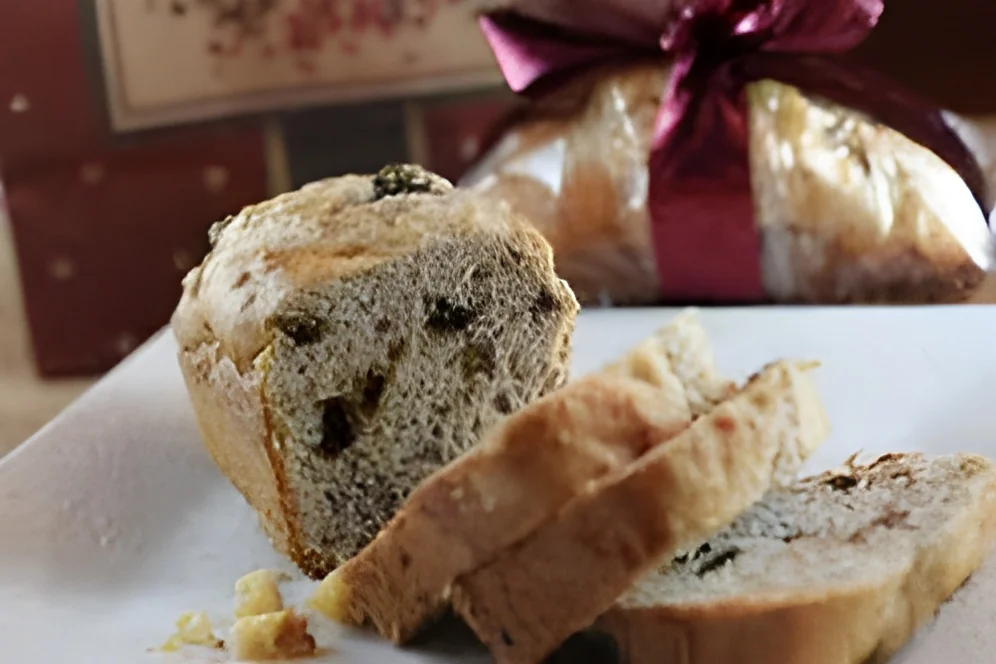
1. Bread Production: In bread making, additives such as dough conditioners improve texture and increase shelf life, ensuring that loaves remain fresh for longer.
2. Cake Manufacturing: Additives like emulsifiers help achieve a fine crumb structure and moist texture, making cakes more appealing to consumers.
3. Pastry and Puff Products: For pastries, additives assist in creating layers and maintaining flakiness, crucial for product quality.
4. Gluten-Free Baking: Specialized additives can improve the texture and rise of gluten-free products, addressing the needs of health-conscious consumers.
5. Snack Foods: In the production of baked snacks, additives may enhance flavor and texture, ensuring a satisfying eating experience.
6. Frozen Bakery Products: Additives help maintain quality during freezing and thawing processes, making them essential for products intended for long-term storage.
7. Artisan Breads: Small-scale bakers utilize natural additives to create unique flavors and textures, appealing to niche markets.
Product Variants and Subcategories
Bakery additives are diverse, catering to various needs within the baking industry. Each variant provides specific benefits and applications.
Enzymatic Additives
These additives improve dough handling and fermentation processes. They enhance gluten development and can increase the volume of bread, making them essential for high-quality bread production.
Emulsifiers
Emulsifiers help create a stable mixture of water and fat in baked goods. They improve texture and extend shelf life, making them vital in cake and pastry formulations.
Preservatives
Used to extend the shelf life of baked products, preservatives inhibit microbial growth. They ensure that baked goods remain fresh during distribution and sale.
Fibers
Fiber additives enhance the nutritional profile of baked goods. They support health-conscious consumers seeking high-fiber products while improving texture and moisture retention.
Gums
Gums are used to improve the stability and viscosity of baked goods. They also help retain moisture, making them useful in various applications, including gluten-free products.
Benefits and Advantages
Bakery additives offer numerous advantages that enhance both product quality and operational efficiency.
1. Improved Shelf Life: Additives help extend the freshness of baked goods, reducing waste and increasing profitability.
2. Consistent Quality: By standardizing performance, bakery additives ensure that products meet consumer expectations every time.
3. Enhanced Texture and Flavor: Additives can improve mouthfeel and taste, helping products stand out in a competitive market.
4. Increased Production Efficiency: Certain additives streamline processes, allowing for faster production and reduced labor costs.
5. Flexibility in Formulation: Bakery additives enable manufacturers to create diverse products, catering to varying consumer preferences and dietary needs.
6. Nutritional Enhancements: Some additives boost the nutritional profile of baked goods, appealing to health-conscious consumers.
Buying Guide for B2B Buyers
When sourcing bakery additives, several key factors should be considered to ensure the best selection for your needs.
1. Quality Assessment: Evaluate the quality of bakery additives by reviewing supplier certifications and product testing results. Ensure that the additives meet industry standards for safety and efficacy.
2. Supplier Verification: It is crucial to vet suppliers thoroughly. Look for established companies with a track record of reliability and excellent customer service.
3. Pricing and MOQ: Understand the pricing structure and minimum order quantities (MOQ) offered by suppliers. This helps in budgeting and planning for inventory needs.
4. Delivery and Lead Times: Consider the logistics of product delivery. Assess lead times to ensure that your production schedules are not disrupted by delays.
5. Compliance Requirements: Familiarize yourself with relevant regulatory requirements for bakery additives in your region. Ensure that suppliers provide products that meet these compliance standards.
Compliance and Certifications
Compliance with quality and safety standards is critical in the bakery industry. Various certifications and regulations govern the use of bakery additives.
ISO 9001 sets the framework for quality management systems, ensuring that products meet customer and regulatory requirements. This standard emphasizes continuous improvement and customer satisfaction.
HACCP (Hazard Analysis Critical Control Point) is a preventive approach to food safety. It identifies potential hazards and establishes control measures to ensure the safety of bakery products.
Good Distribution Practices (GDP) are also essential, focusing on the proper handling and storage of bakery additives to maintain their integrity throughout the supply chain.
In addition to these standards, CE certification is important for ensuring that bakery additives meet European safety and performance requirements. Compliance with these certifications not only guarantees product quality but also enhances marketability in various regions.
Why Source Bakery Additives from Pepagora?
Pepagora provides a trusted platform for sourcing bakery additives, offering several key advantages to B2B buyers.
Verified Supplier Network: Pepagora connects buyers with verified suppliers who meet stringent quality and safety standards. This ensures that you are sourcing from reputable companies that deliver reliable products.
Streamlined RFQ Process: The request for quotation (RFQ) process on Pepagora is designed to be efficient and user-friendly. Buyers can easily compare options and receive quotes from multiple suppliers, facilitating informed decision-making.
Trade Assurance and Support: Pepagora offers trade assurance, providing buyers with protection throughout the purchasing process. This includes support for resolving disputes and ensuring timely delivery of products.
Regional Coverage: With a strong presence in India, the GCC, and Southeast Asia, Pepagora ensures that buyers can access a diverse range of bakery additives. This geographic reach allows for tailored solutions that cater to local market demands.
By choosing Pepagora, businesses can enhance their sourcing experience and gain access to high-quality bakery additives essential for their production needs.

 IN
IN