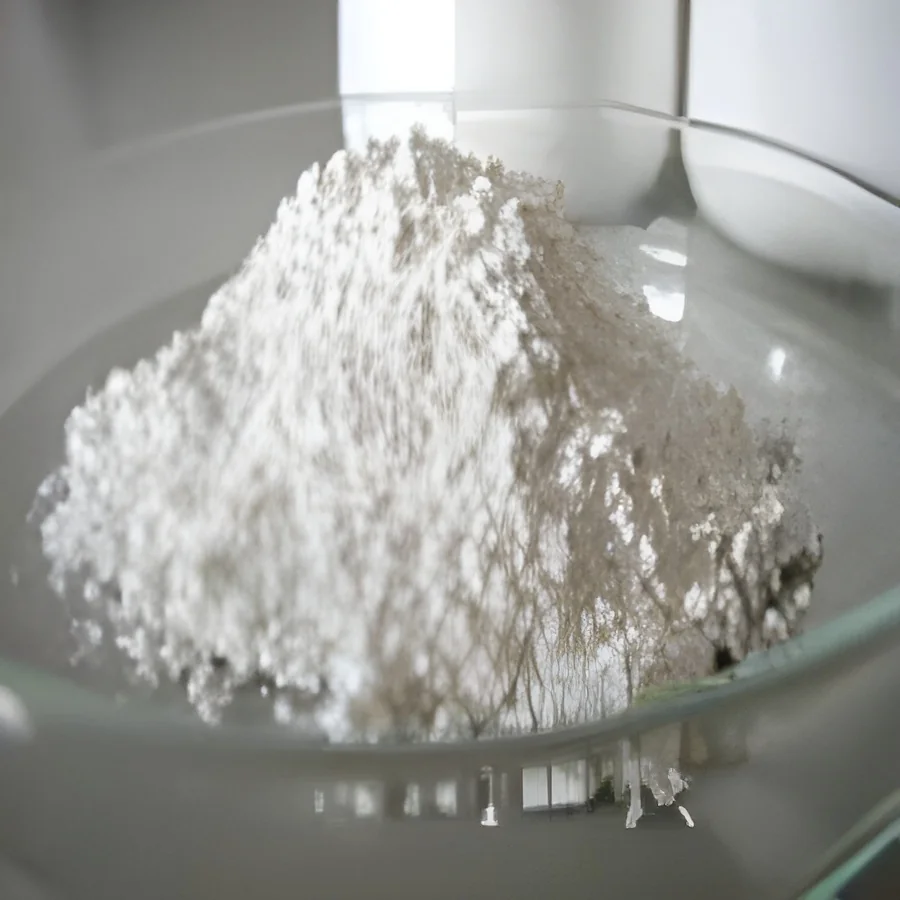
What are Food Grade Acids?
Food grade acids are substances that are safe for consumption and are commonly used in the food industry. These acids can serve various functions such as preservation, flavor enhancement, and pH regulation. They are derived from natural sources or synthesized through chemical processes, and they ensure that food products remain fresh, safe, and appealing to consumers.
The primary applications of food grade acids include their use as preservatives, flavor enhancers, and acidulants in various food products. They play a crucial role in maintaining the quality and safety of items like sauces, beverages, and dairy products. By controlling the pH levels, these acids not only enhance taste but also inhibit the growth of harmful bacteria, thereby extending shelf life.
In the context of the food industry, food grade acids are essential for compliance with health and safety regulations. They must meet specific quality standards to ensure they are safe for consumer use. The market for food grade acids is growing, driven by increasing demand for processed foods and beverages that require effective preservation and flavor enhancement.
Key Features and Specifications
Food grade acids come with a range of features and specifications that are important for their effective use in food production. Understanding these specifications helps businesses choose the right products for their specific needs.
Key specifications include:
1. Purity Level
- Typically greater than 99%
- Ensures safety and quality for food applications
2. pH Range
- Generally between 2.0 to 4.5
- Critical for preserving food quality and taste
3. Solubility
- Water soluble, varying by type
- Essential for ease of incorporation into food products
4. Taste Profile
- Varies by acid type
- Impacts flavor enhancement and consumer acceptance
5. Storage Requirements
- Cool, dry conditions recommended
- Prevents degradation and maintains efficacy
6. Shelf Life
- Generally 1-3 years, depending on the type
- Important for inventory management
7. Compliance Standards
- Must meet local food safety regulations
- Ensures product safety and quality
In summary, understanding the features and specifications of food grade acids is vital for their effective use in food production and safety compliance.
Common Applications and Use Cases
Food grade acids are utilized across various industries, each with specific applications.
1. Food and Beverage Industry: Used for preservation and flavor enhancement in products like soft drinks, condiments, and dairy.
2. Bakery Sector: Employed as leavening agents to improve texture and flavor in baked goods.
3. Meat Processing: Utilized for curing and preserving meat products, ensuring safety and extending shelf life.
4. Pharmaceuticals: Used in manufacturing processes for flavoring and preservation in liquid medications.
5. Cosmetics: Incorporated in formulations for pH adjustment and preservation.
6. Agriculture: Used as acidifiers in animal feed to promote digestive health.
7. Cleaning Products: Certain food grade acids are used in formulations for their antibacterial properties.
Product Variants and Subcategories
Food grade acids come in various forms, each tailored for specific applications.
Citric Acid
Citric acid is widely used for its sour flavor and preservative qualities. It is commonly found in beverages, candies, and canned products, enhancing flavor while providing acidity.
Lactic Acid
Lactic acid is often used in dairy products and fermented foods. It acts as a preservative and flavor enhancer, contributing to the tangy taste of products like yogurt and pickles.
Acetic Acid
Acetic acid, commonly found in vinegar, is utilized in marinades, dressings, and pickling processes. Its strong flavor and preservative qualities make it a staple in food preparation.
Benefits and Advantages
The use of food grade acids offers several benefits for food manufacturers.
1. Preservation: Food grade acids effectively inhibit the growth of harmful bacteria, extending shelf life.
2. Flavor Enhancement: These acids can enhance the taste of food products, making them more appealing to consumers.
3. pH Control: They help maintain optimal pH levels in food products, ensuring quality and safety.
4. Cost-Effectiveness: Using food grade acids can reduce waste and lower production costs by increasing the longevity of products.
5. Versatility: Food grade acids can be used in a variety of food applications, making them valuable for diverse food manufacturers.
6. Compliance: Using certified food grade acids helps manufacturers meet regulatory standards, ensuring consumer safety.
Buying Guide for B2B Buyers
When sourcing food grade acids, several factors should be considered to ensure the right choice is made.
1. Quality Assessment: Evaluate the purity and specifications of the acids to ensure they meet safety standards and are suitable for food applications.
2. Supplier Verification: Vet suppliers to confirm their credibility and reliability. Look for certifications and industry experience.
3. Pricing and MOQ: Consider the cost of food grade acids and the minimum order quantity required to meet your production needs without overstocking.
4. Delivery and Lead Times: Assess the logistics of supplier deliveries to ensure timely availability of acids for production schedules.
5. Compliance Requirements: Ensure that the food grade acids comply with local and international food safety regulations to avoid legal issues.
Compliance and Certifications
Food grade acids must adhere to strict quality standards to ensure safety and efficacy. Key standards include ISO 9001, which sets quality management criteria, and HACCP, which focuses on food safety management. These certifications ensure that the products are produced under stringent quality controls.
Additionally, food grade acids may carry the CE mark, indicating compliance with European health and safety regulations. Safety testing is also crucial, as these acids must be evaluated for any potential health risks associated with their use.
Regional compliance considerations vary, with different countries having specific regulations governing the use of food additives. Understanding these requirements is essential for businesses operating in multiple markets to ensure compliance and consumer safety.
Why Source Food Grade Acids from Pepagora?
Pepagora provides a trusted platform for sourcing food grade acids, offering several key advantages to B2B buyers.
Verified Supplier Network: Pepagora has established a comprehensive network of verified suppliers. This ensures that businesses can find reputable sources of food grade acids with confidence in their quality and safety.
Streamlined RFQ Process: The request for quotation process is designed to be user-friendly and efficient. Buyers can easily submit their requirements and receive competitive quotes from multiple suppliers, simplifying the sourcing process.
Trade Assurance and Support: Pepagora offers trade assurance to protect buyers throughout the purchasing process. This includes support for any issues that may arise, ensuring a smooth transaction.
Regional Coverage: With a strong presence in regions like India, GCC, and Southeast Asia, Pepagora facilitates access to a wide range of food grade acids. This geographical reach allows businesses to connect with local suppliers and meet their specific needs effectively.

 IN
IN