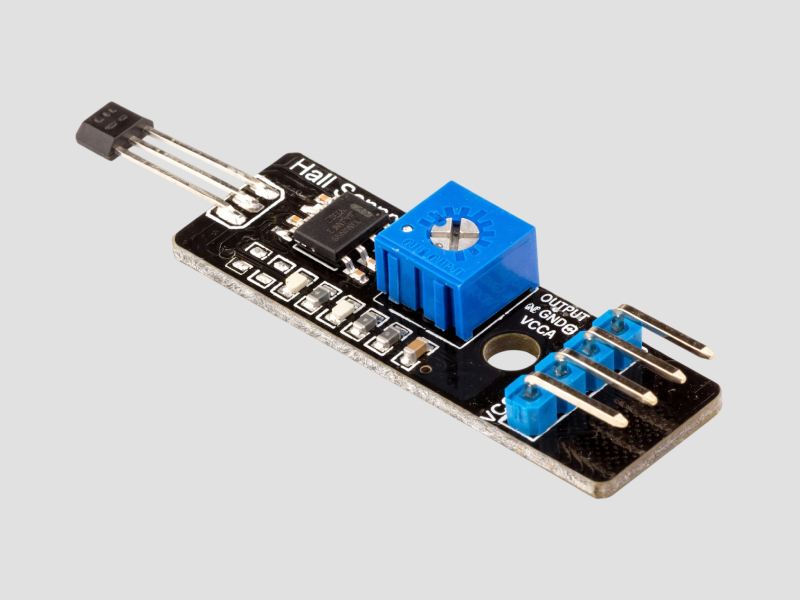
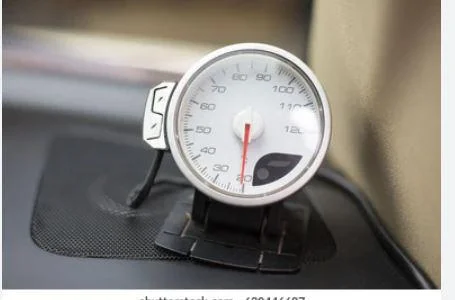
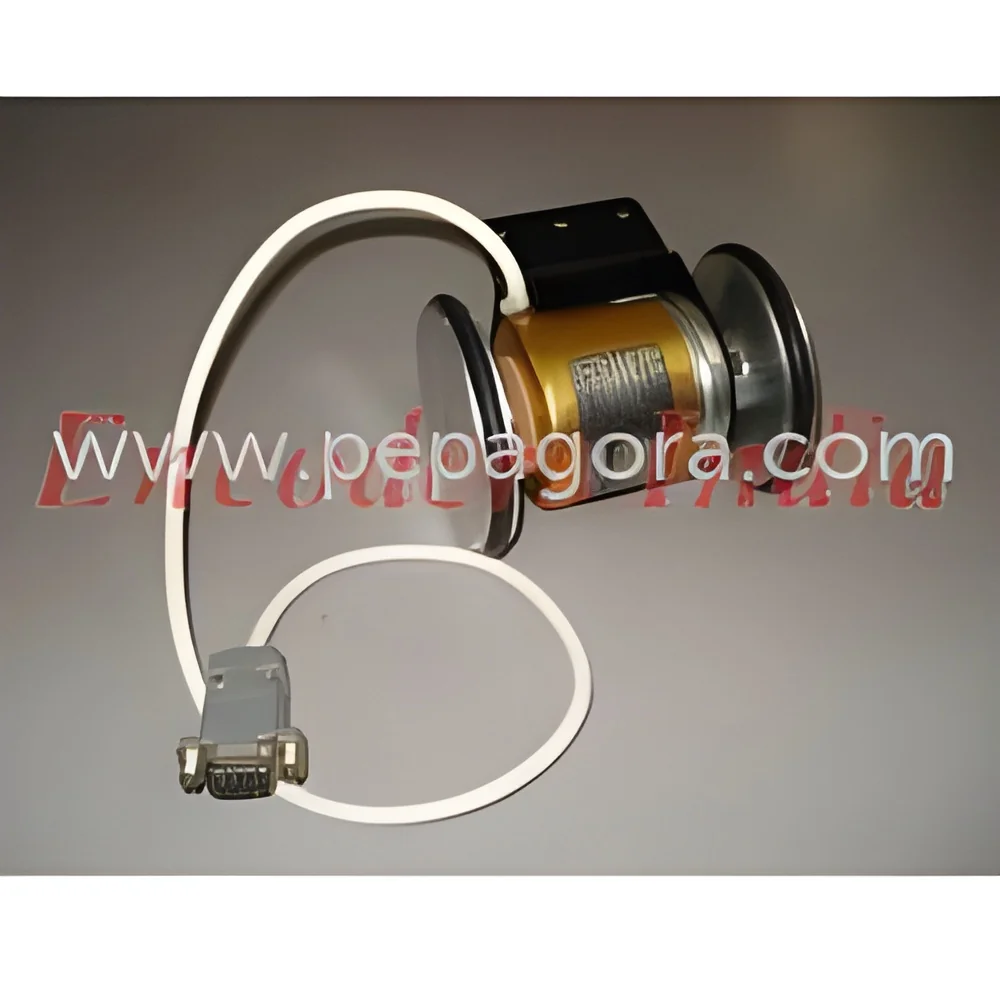
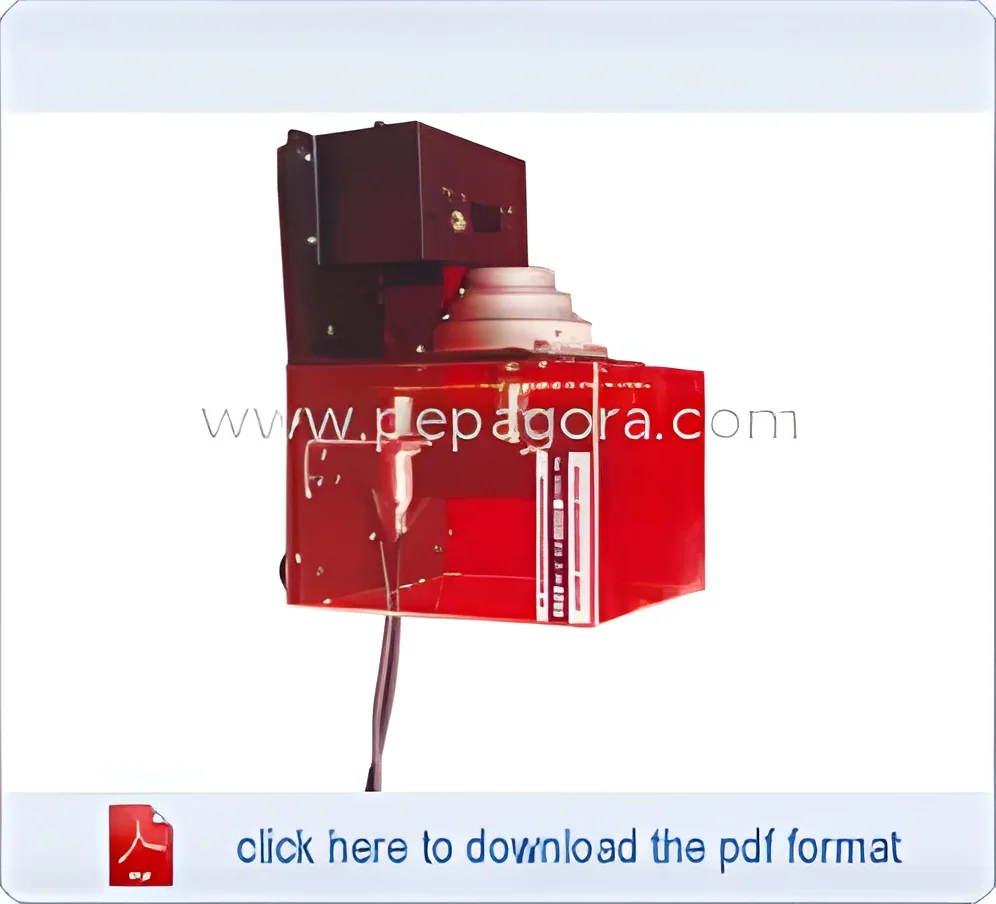
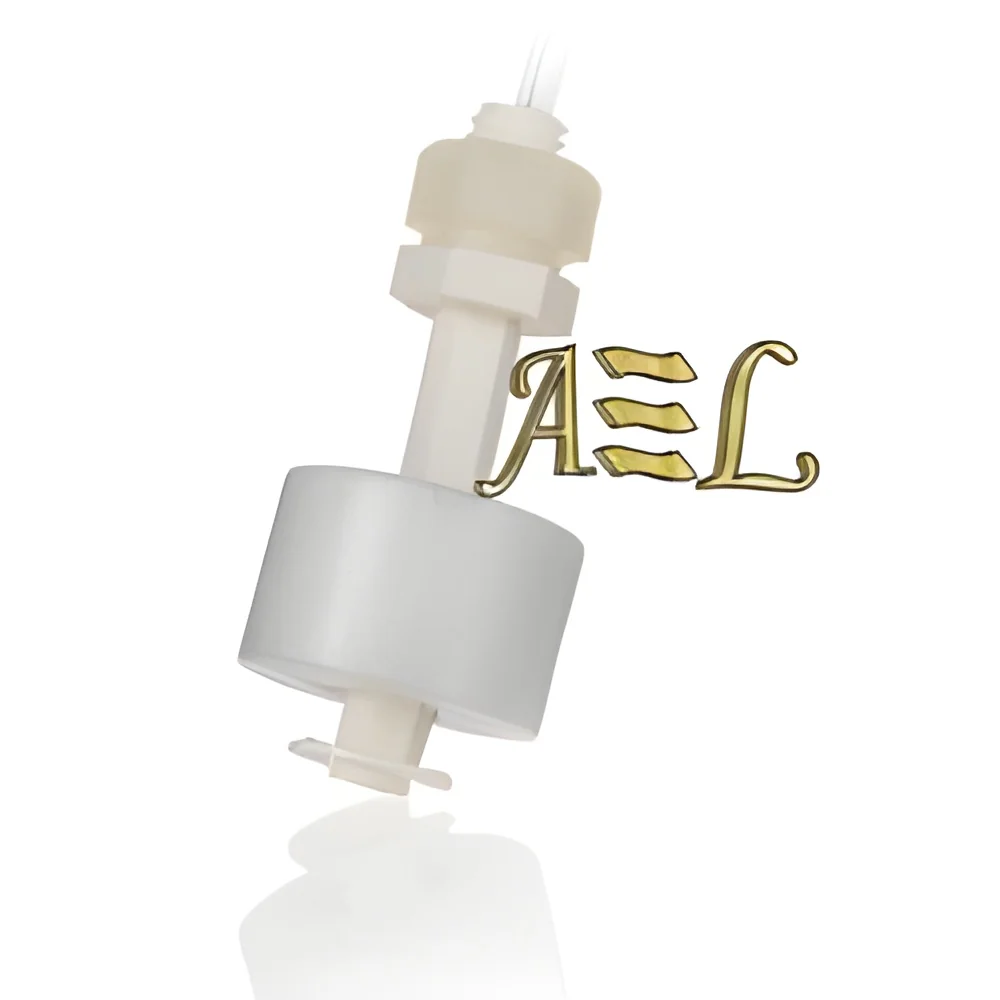
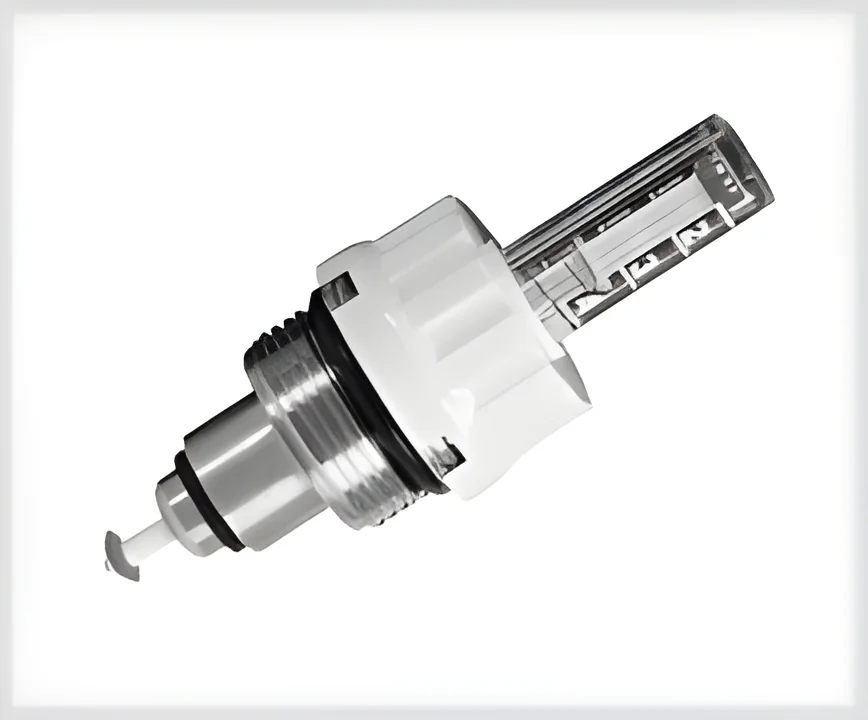
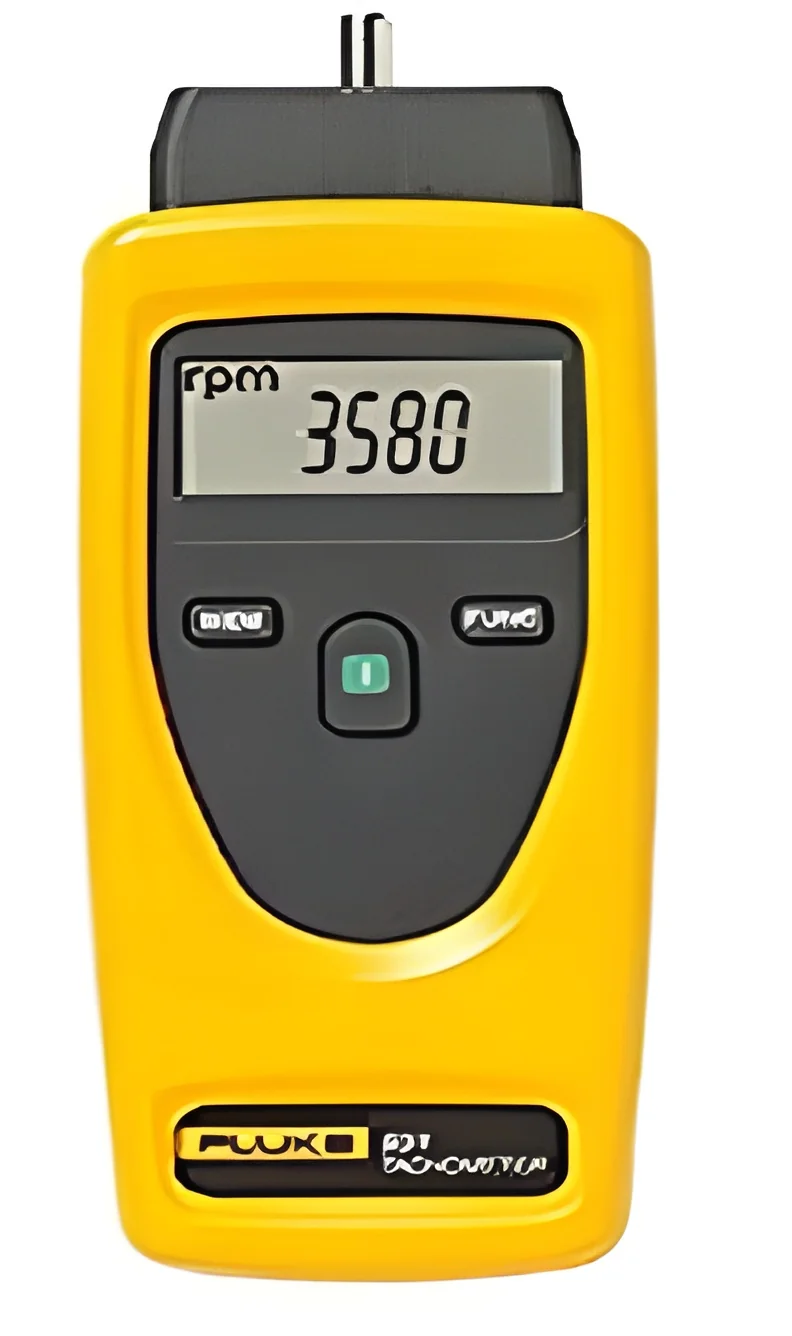
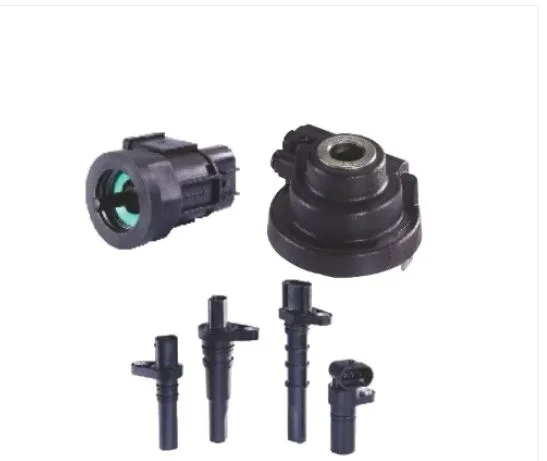
What are Speed & RPM Sensors?
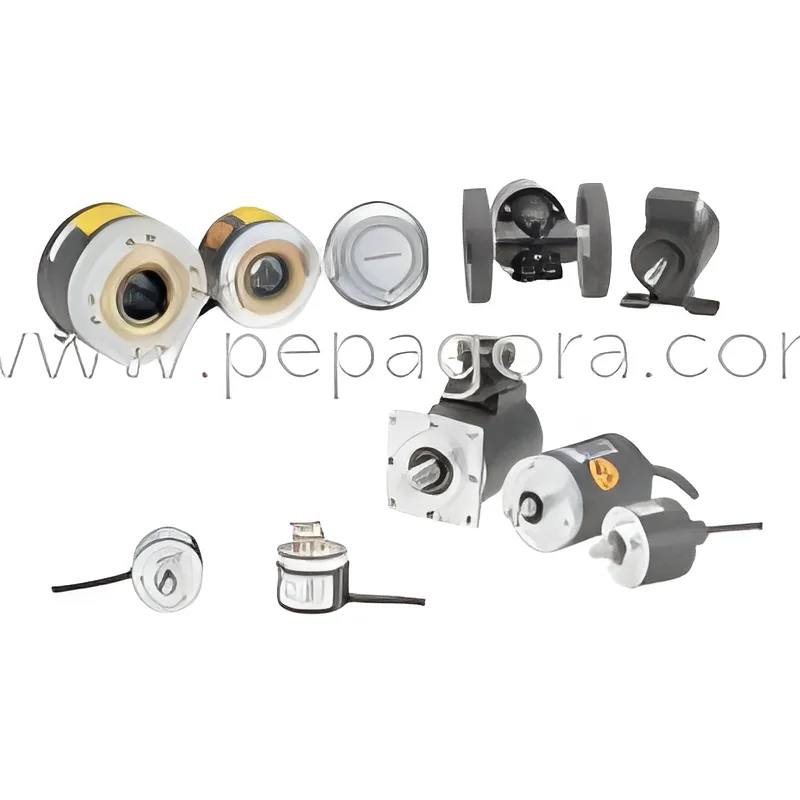
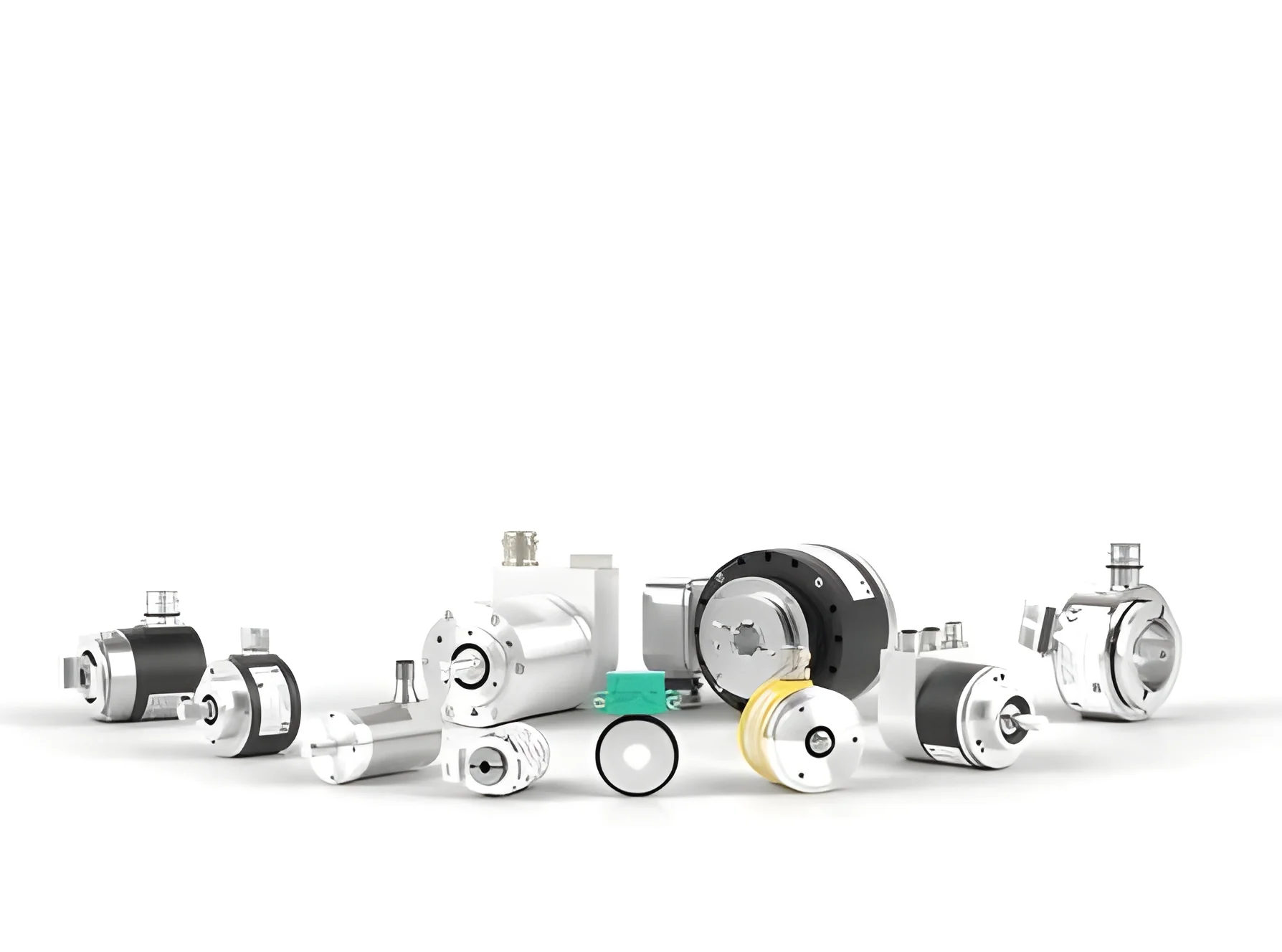
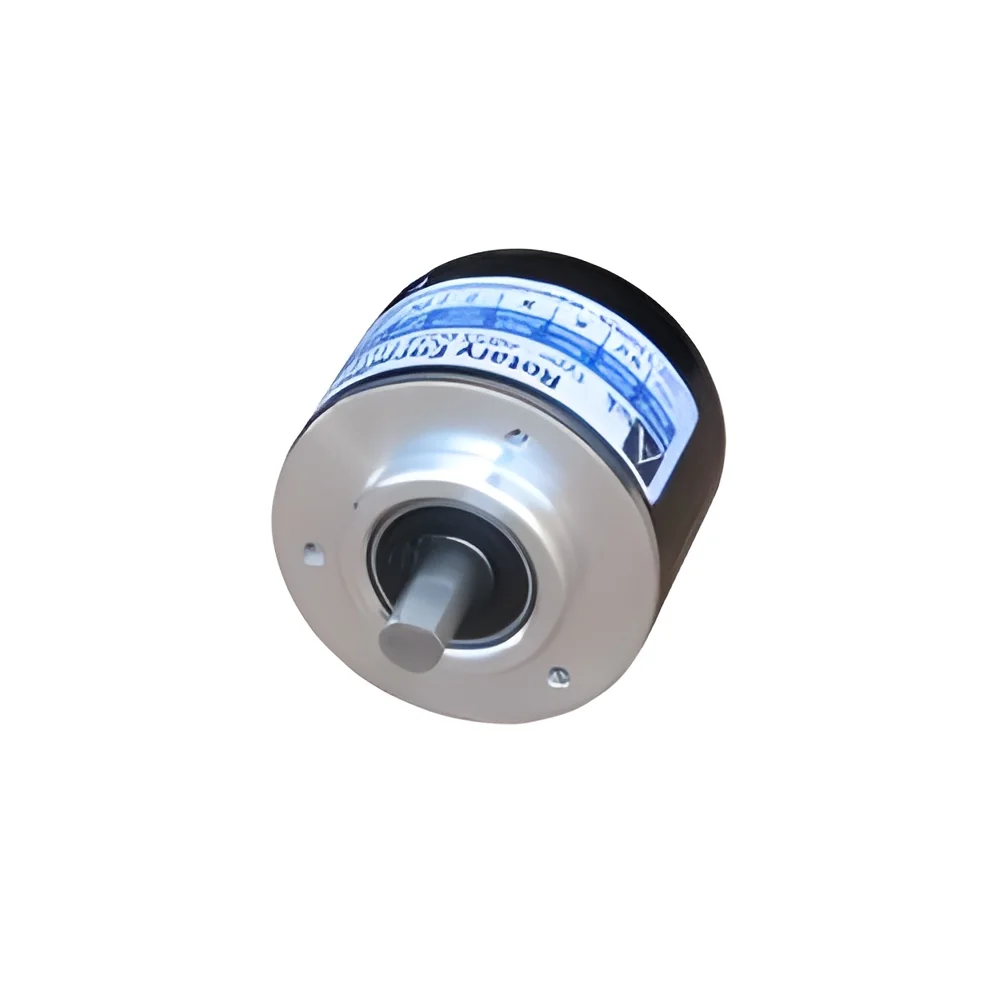
Speed and RPM sensors are devices used to measure the rotational speed of an object, often referred to as revolutions per minute. These sensors work by detecting movements and converting them into electrical signals that can be interpreted by various monitoring systems. They are essential for ensuring optimal performance in numerous machinery and equipment, helping to maintain efficiency and safety.
The primary uses of speed and RPM sensors span across various industries, including manufacturing, automotive, and aerospace. They are critical in applications where precise rotational speed is necessary for operations such as motor control, equipment diagnostics, and performance monitoring. By providing real-time data, these sensors help businesses reduce downtime, improve maintenance schedules, and increase overall productivity.
In the current market context, the demand for speed and RPM sensors continues to grow due to advancements in automation and smart technologies. Industries are increasingly relying on accurate data for decision-making, which enhances the relevance of these sensors. As companies seek to optimize their operations, the role of speed and RPM sensors becomes increasingly vital.
Key Features and Specifications
Speed and RPM sensors come equipped with several key features that enhance their functionality and reliability. Understanding these specifications is crucial for making informed purchasing decisions.
Key specifications include:
1. Measurement Range
- The range of rotational speeds that the sensor can accurately measure.
- Typically spans from 0 RPM to several thousand RPM.
2. Output Signal Type
- The type of electrical signal produced by the sensor, which could be analog, digital, or pulse.
- Common output types include voltage, current, and frequency signals.
3. Power Supply Requirements
- The voltage and current requirements needed for the sensor to operate effectively.
- Often ranges from 5V to 24V, depending on the sensor model.
4. Operating Temperature Range
- The range of temperatures within which the sensor can function without failure.
- Details on specific temperature ratings may not be available.
5. Material Construction
- The materials used to manufacture the sensor, affecting durability and application suitability.
- Common materials include stainless steel and plastic.
6. Environmental Protection Rating
- The level of protection against dust and moisture, often rated using the IP code system.
- Ratings may vary, with many sensors designed for harsh environments.
7. Response Time
- The time taken for the sensor to respond to changes in speed.
- Typically ranges from milliseconds to seconds depending on the application.
8. Mounting Options
- Different methods of installation that the sensor supports, including threaded, flanged, or magnetic mounting.
- Flexibility in mounting options can enhance ease of installation.
In summary, understanding the key features and specifications of speed and RPM sensors is essential for selecting the right device for your needs. Each specification plays a role in the sensor's performance and suitability for various applications.
Common Applications and Use Cases
Speed and RPM sensors are utilized across a wide array of industries due to their critical role in monitoring and controlling machinery.
1. Automotive: In the automotive sector, speed sensors are used in engine management systems to monitor vehicle speed and optimize fuel efficiency.
2. Manufacturing: In manufacturing, these sensors are essential for monitoring the speed of conveyor belts and rotating machinery, ensuring efficient production processes.
3. Aerospace: In aerospace applications, RPM sensors help monitor the speed of engines and rotors, contributing to flight safety and operational efficiency.
4. HVAC: In heating, ventilation, and air conditioning systems, these sensors are used to control fan speeds, improving energy efficiency.
5. Marine: In marine applications, speed sensors are critical for monitoring the performance of propellers and engines, enhancing navigational accuracy.
6. Robotics: In robotics, RPM sensors contribute to precise motion control, enabling robots to perform tasks with high accuracy and reliability.
7. Agriculture: In agricultural machinery, these sensors help in monitoring the speed of tractors and harvesters, optimizing field operations.
Product Variants and Subcategories
Speed and RPM sensors come in various types and configurations to suit different applications. Understanding these variants can help businesses select the most appropriate sensor.
Magnetic Speed Sensors
Magnetic speed sensors utilize magnetic fields to detect rotational speed. They are widely used in automotive applications and are known for their reliability and accuracy in harsh environments.
Optical Speed Sensors
Optical speed sensors use light to measure rotational speed. These sensors are often used in precision applications where high accuracy is required, such as in robotics or manufacturing.
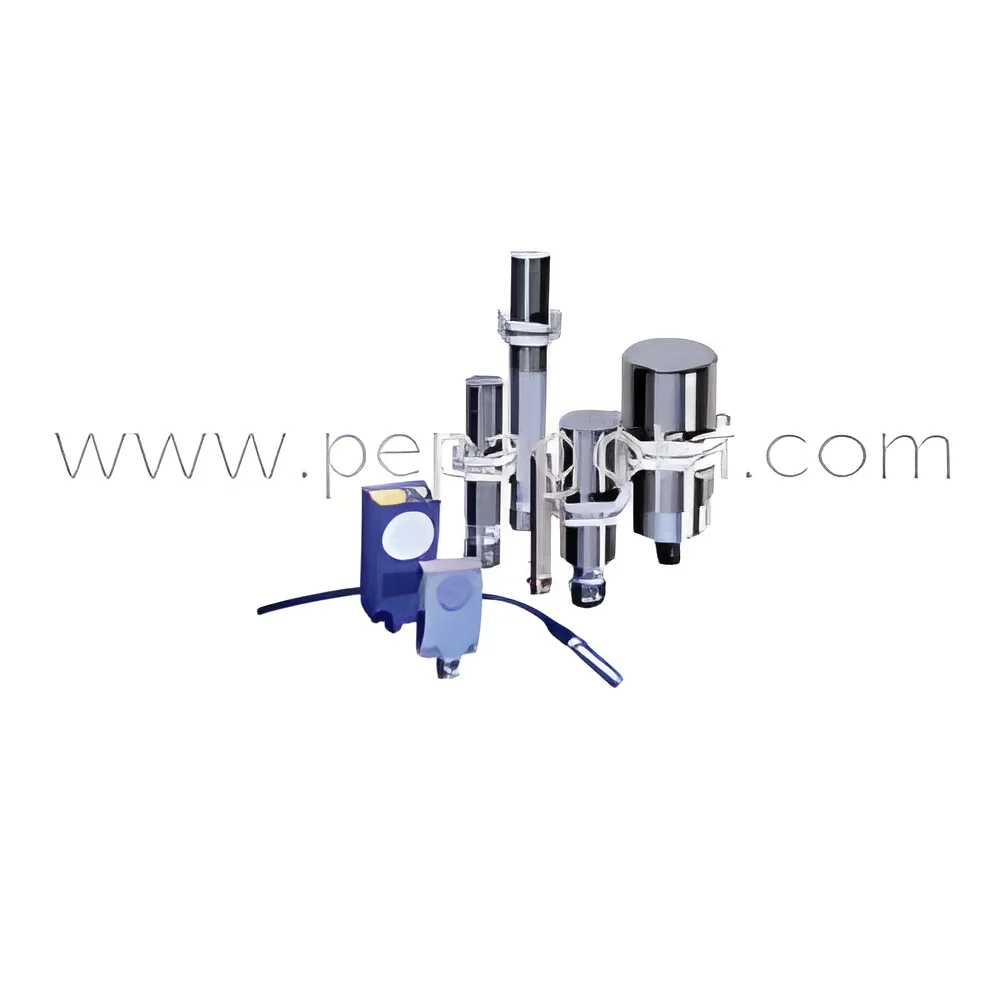
Inductive Speed Sensors
Inductive speed sensors operate based on electromagnetic induction. They are commonly employed in industrial applications for monitoring machinery and equipment.
Benefits and Advantages
Speed and RPM sensors provide several advantages that enhance operational efficiency and reliability.
1. Enhanced Monitoring: These sensors allow for real-time monitoring of rotational speed, aiding in performance optimization.
2. Improved Safety: By ensuring machinery operates within safe speed limits, these sensors help prevent accidents and equipment damage.
3. Increased Efficiency: Accurate speed measurement helps businesses optimize processes, leading to reduced operational costs.
4. Predictive Maintenance: Speed sensors facilitate predictive maintenance by providing data that can signal when equipment may need servicing.
5. Versatility: Speed and RPM sensors can be used in a wide range of applications across various industries, making them a valuable investment.
6. Data Integration: Many modern sensors can integrate with IoT systems, providing valuable data for analytics and operational insights.
Buying Guide for B2B Buyers
When sourcing speed and RPM sensors, it is essential to consider several key factors to ensure the right choice for your business needs.
1. Quality Assessment: Assess the quality of the sensors by reviewing manufacturer certifications and compliance with industry standards. Look for products with reliable performance and durability.
2. Supplier Verification: Conduct thorough due diligence on suppliers, including checking references and customer reviews. Ensure they have a proven track record in delivering quality products.
3. Pricing and MOQ: Understand the pricing structure and minimum order quantities (MOQ) required by suppliers. This will help you budget effectively and avoid unnecessary costs.
4. Delivery and Lead Times: Inquire about delivery schedules and lead times for orders. Timely delivery is crucial for maintaining production schedules.
5. Compliance Requirements: Ensure that the sensors meet relevant regulatory and safety requirements for your industry. This may include certifications such as CE.
Compliance and Certifications
Compliance and certifications are critical considerations when sourcing speed and RPM sensors. Many sensors adhere to quality standards such as ISO 9001, which emphasizes quality management systems across manufacturing processes. This ensures that the sensors are produced consistently and meet performance expectations.
Industry certifications, like CE marking, indicate that the products comply with European safety and environmental protection standards. This is particularly important for businesses operating in or exporting to European markets.
Additionally, safety and testing requirements should be met to ensure the sensors can operate reliably under specified conditions. It is essential to verify that suppliers provide documentation of compliance with regional regulations, particularly for markets with stringent safety standards.
Why Source Speed & RPM Sensors from Pepagora?
Pepagora offers a trusted platform for sourcing speed and RPM sensors, providing several key advantages to buyers.
Verified Supplier Network: Pepagora ensures that all suppliers within its network have undergone a thorough verification process. This guarantees that businesses can source high-quality sensors from reputable manufacturers.
Streamlined RFQ Process: The Request for Quotation (RFQ) process on Pepagora is designed to be efficient and user-friendly. Buyers can easily compare offers from multiple suppliers, ensuring competitive pricing and optimal choices.
Trade Assurance and Support: Pepagora provides trade assurance, offering buyers protection throughout the purchasing process. This includes support for any issues that may arise post-purchase, ensuring peace of mind.
Regional Coverage: Pepagora has a strong presence in various regions, including India, the GCC, and Southeast Asia. This wide geographic reach allows businesses to access a diverse range of suppliers and products, tailored to their specific needs.

 IN
IN