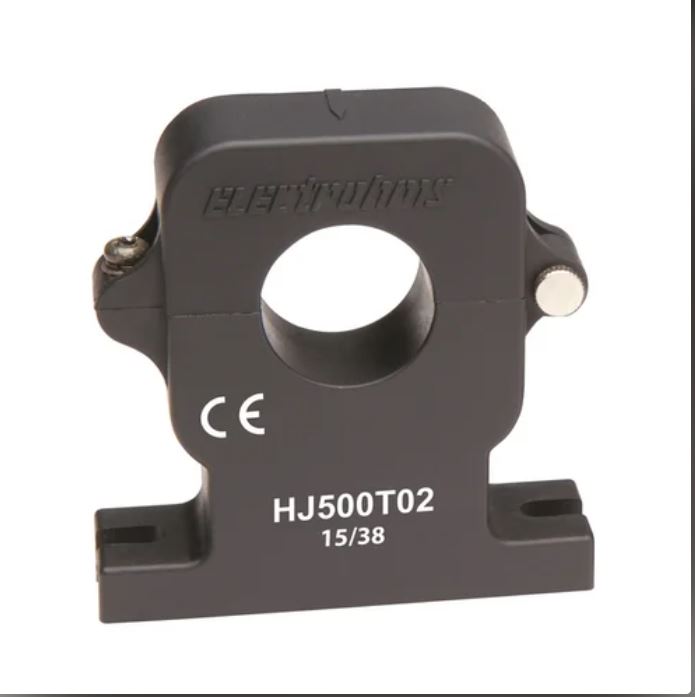
What are Current Sensors?
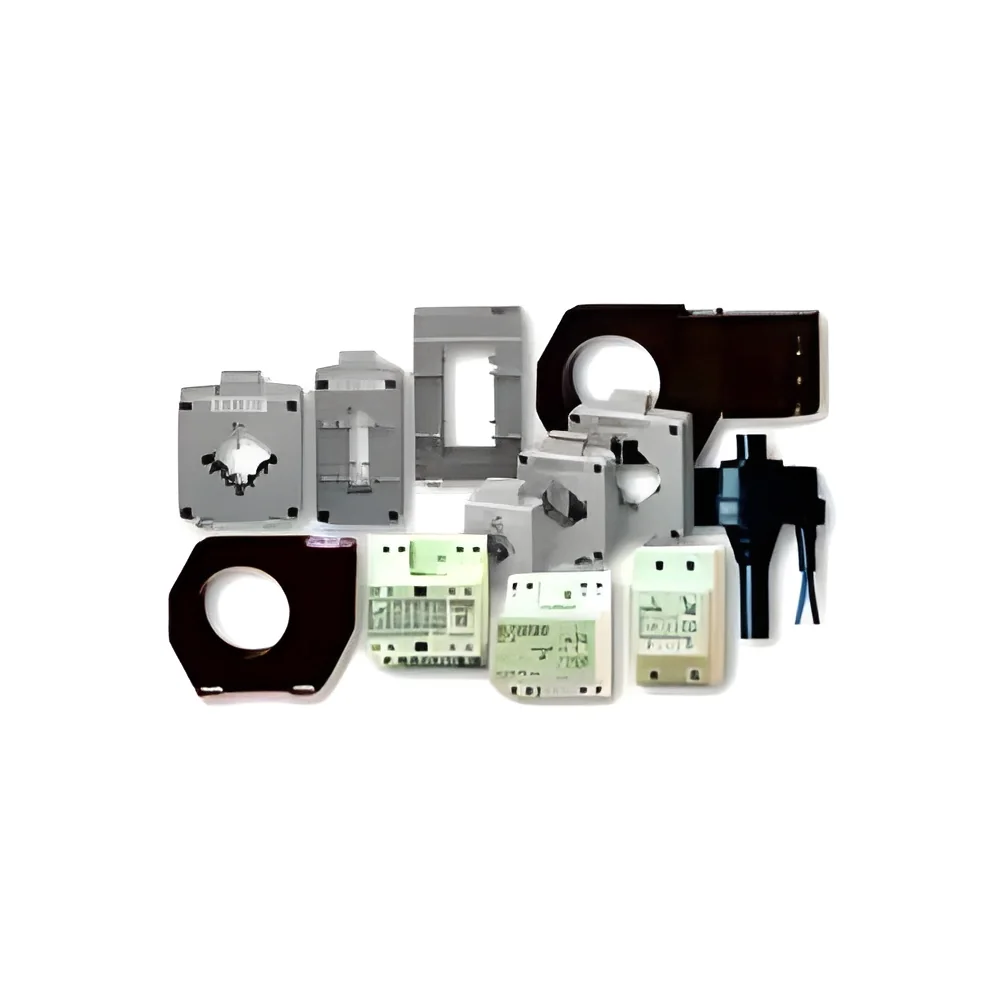
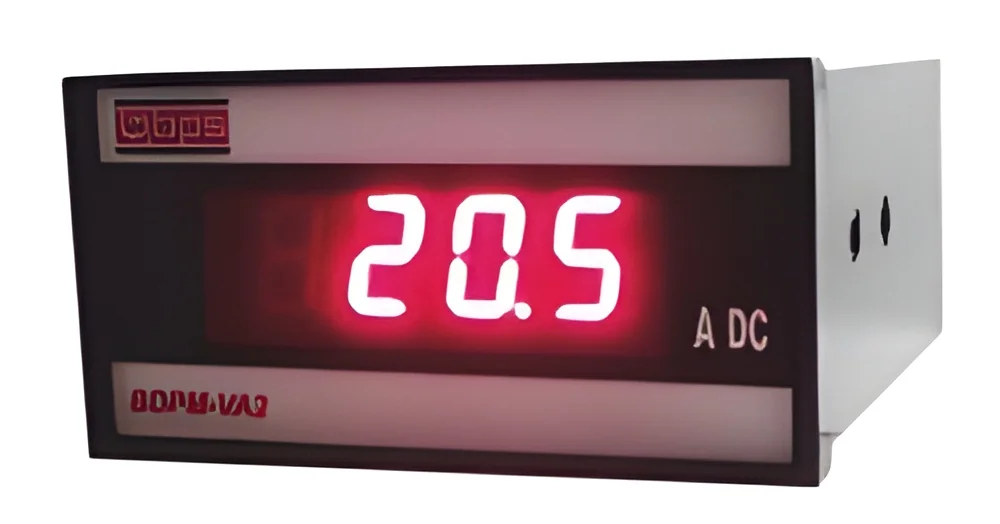
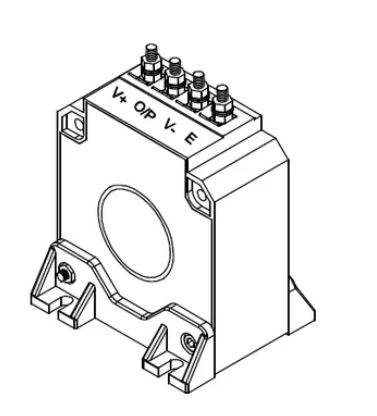
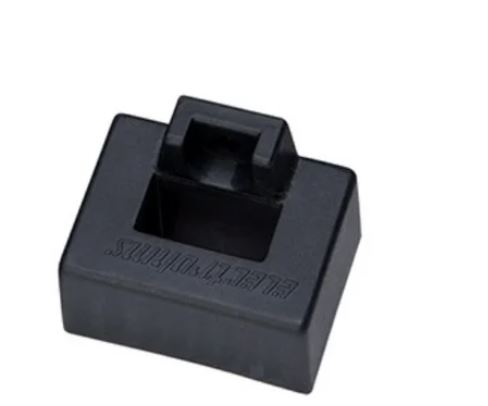
Current sensors are devices that measure the flow of electric current in a circuit. They convert the electrical current into a measurable signal, which can be used for monitoring, control, and protection of electrical systems. Current sensors are critical in a range of applications, from industrial processes to consumer electronics, where accurate current measurement is essential for optimal performance and safety.
The primary uses of current sensors include energy management, fault detection, and control systems. They are commonly employed in power supplies, motor control systems, and renewable energy applications, such as solar inverters. Current sensors play a vital role in enhancing system efficiency and reliability, making them a key component in modern electrical engineering and automation. As industries increasingly focus on energy efficiency and sustainability, the demand for reliable current sensors continues to grow.
In the current market context, the relevance of current sensors spans various sectors, including manufacturing, automotive, and telecommunications. With advancements in technology, current sensors are becoming more sophisticated, offering features like digital output and enhanced accuracy. This evolution reflects the increasing complexity of electrical systems and the need for precise monitoring tools.
Key Features and Specifications
Current sensors come equipped with numerous features that enhance their functionality and reliability. Understanding these specifications is crucial for selecting the right sensor for specific applications.
Key specifications include:
1. Measurement Range
- The range of current that the sensor can measure, typically expressed in amperes (A).
- Common ranges include low (up to 10 A), medium (10 A to 100 A), and high (over 100 A).
2. Output Signal Type
- The format in which the sensor outputs the measured current.
- Common output types include analog (voltage or current) and digital (e.g., I2C, SPI).
3. Accuracy
- The degree of precision in the sensor's measurements, usually expressed as a percentage.
- Typical accuracy levels range from 1% to 5%.
4. Power Supply Voltage
- The voltage required to operate the sensor.
- Common supply voltages include 5V, 12V, and 24V.
5. Response Time
- The time it takes for the sensor to respond to changes in current.
- Fast response times are critical for applications requiring real-time monitoring.
6. Environmental Ratings
- Specifications regarding the sensor's resistance to environmental factors such as temperature and humidity.
- Common ratings include operating temperatures from -40°C to 85°C.
7. Isolation Voltage
- The maximum voltage that can be applied between the sensor's input and output without causing failure.
- Typical isolation voltages range from 2000V to 5000V.
8. Size and Form Factor
- The physical dimensions and design of the sensor, which can affect its installation and compatibility with other components.
In summary, selecting the right current sensor involves considering these key features and specifications to ensure optimal performance for specific applications.
Common Applications and Use Cases
Current sensors are utilized across a variety of industries, each benefiting from their ability to monitor and control electrical currents.
1. Manufacturing: In manufacturing environments, current sensors are used for monitoring motor loads and ensuring operational efficiency. They help in detecting overload conditions, which can prevent equipment damage.
2. Automotive: Current sensors play a crucial role in electric vehicles for battery management and motor control. They help optimize energy usage and enhance performance.
3. Telecommunications: In telecommunications, current sensors are employed to monitor power supplies for communication equipment, ensuring reliable operation.
4. Renewable Energy: Current sensors are essential in solar and wind energy systems for monitoring power output and optimizing energy conversion.
5. HVAC Systems: In heating, ventilation, and air conditioning systems, current sensors help monitor compressor performance and energy consumption, contributing to energy efficiency.
6. Consumer Electronics: Current sensors are used in power supplies for various consumer electronic devices, ensuring safe operation and efficient energy use.
7. Data Centers: In data centers, current sensors monitor power consumption to optimize cooling systems and ensure efficient operation of servers.
Product Variants and Subcategories
Current sensors come in various types to meet specific application needs. Each variant offers unique features tailored to different use cases.
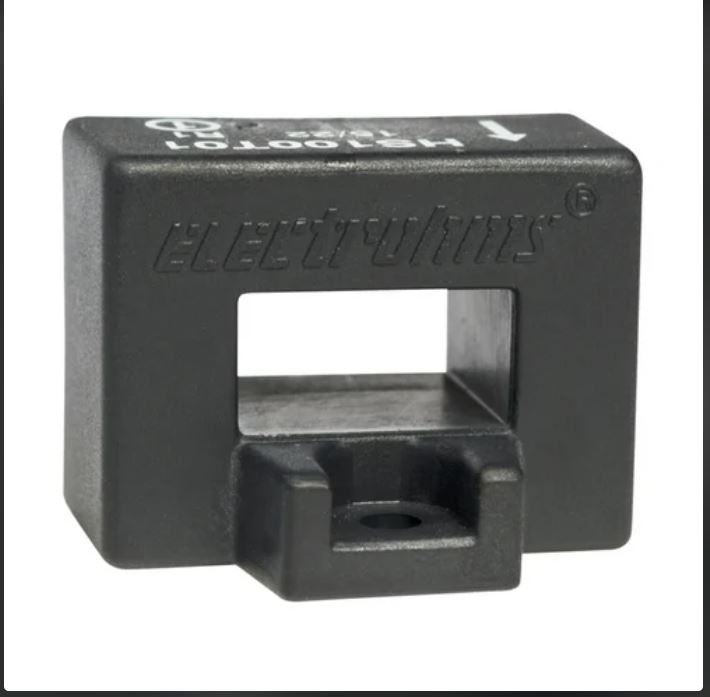
Hall Effect Current Sensors
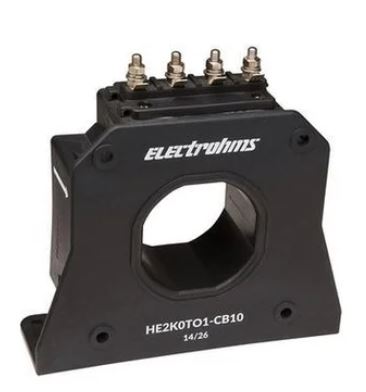
These sensors utilize the Hall effect to measure current without direct electrical contact. They are ideal for applications requiring isolation and are commonly used in industrial equipment.
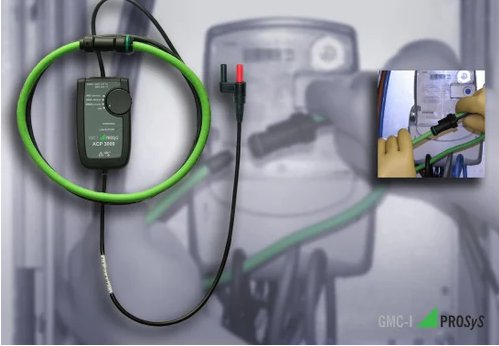
Rogowski Coil Sensors
Rogowski coil sensors are flexible and can be easily installed around conductors. They are suitable for measuring AC currents and are often used in power monitoring applications.
Shunt Resistors
Shunt resistors offer a low-cost solution for current measurement by using a precision resistor to convert current into a voltage drop. They are widely used in battery management systems.
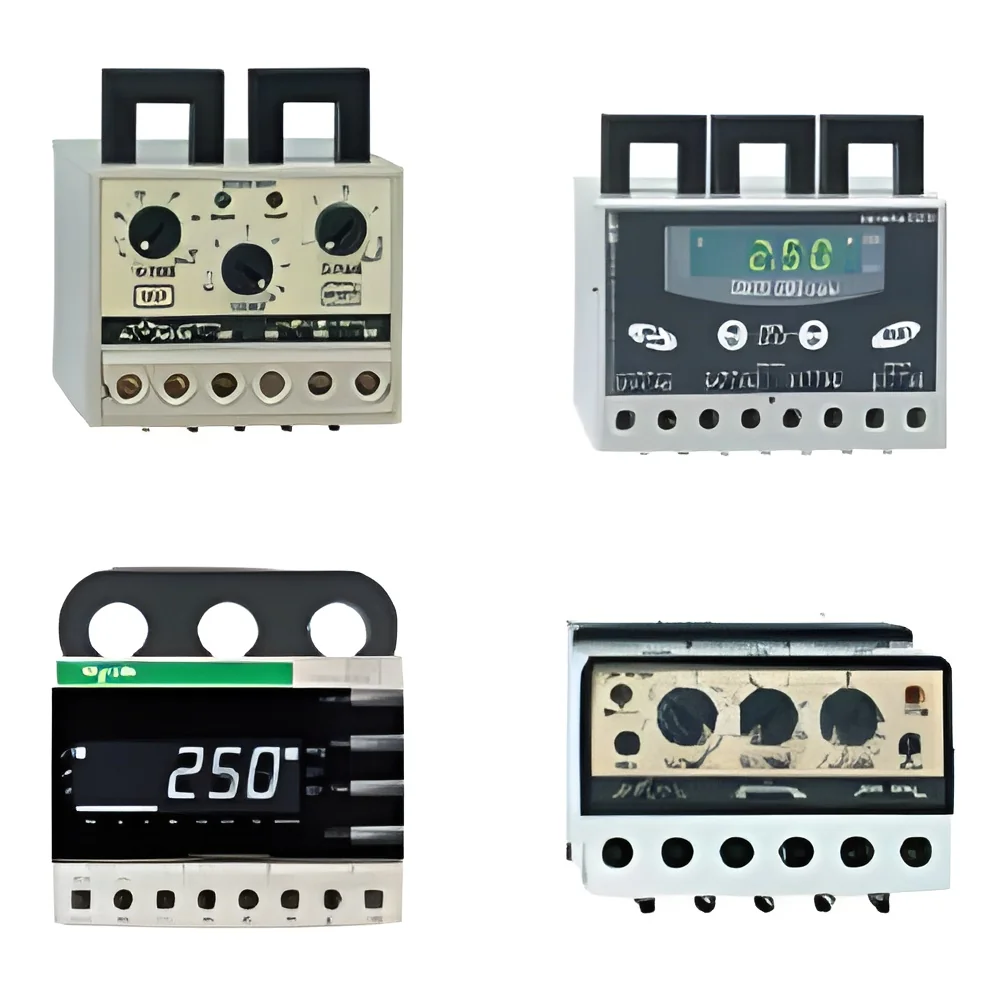
Current Transformers
Current transformers provide isolation and are used in high-voltage applications. They help in measuring AC current and are essential in utility and industrial settings.
Benefits and Advantages
Current sensors provide numerous advantages that enhance their value in various applications.
1. Enhanced Monitoring: Current sensors enable real-time monitoring of electrical systems, helping to identify issues before they escalate.
2. Improved Safety: By detecting overloads and faults, current sensors contribute to the safety of electrical systems, reducing the risk of equipment failure and fire hazards.
3. Energy Efficiency: Current sensors help optimize energy consumption by providing insights into usage patterns, leading to reduced operational costs.
4. Versatility: With different types available, current sensors can be tailored to meet the specific needs of various industries and applications.
5. Easy Integration: Many current sensors feature standardized output signals, making them easy to integrate into existing systems.
6. Reliability: Current sensors are designed for durability, ensuring consistent performance even in demanding environments.
Buying Guide for B2B Buyers
When sourcing current sensors, it is essential to consider various factors to ensure the best fit for your needs.
1. Quality Assessment: Look for sensors that comply with industry standards and specifications. Evaluate factors such as accuracy, durability, and environmental ratings to ensure reliable performance.
2. Supplier Verification: Vet potential suppliers by checking their reputation, certifications, and customer reviews. This assessment helps ensure you are sourcing from a trustworthy provider.
3. Pricing and MOQ: Understand the pricing structure and minimum order quantities (MOQ) set by suppliers. This knowledge helps you budget effectively and meet your purchasing requirements.
4. Delivery and Lead Times: Inquire about delivery schedules and lead times. Timely delivery is crucial for maintaining project schedules and operational efficiency.
5. Compliance Requirements: Ensure that the current sensors meet relevant compliance and regulatory standards for your industry. This consideration is vital for safety and legal adherence.
Compliance and Certifications
Compliance and certifications are critical aspects of current sensors that ensure quality and safety in their operation.
Many current sensors adhere to quality standards such as ISO 9001, which indicates a commitment to consistent quality management processes. Compliance with these standards helps guarantee that the sensors are manufactured under controlled conditions and meet customer expectations.
Additionally, current sensors may carry industry certifications such as CE, which indicates conformity with European health, safety, and environmental protection standards. This certification is essential for products sold within the European market.
Safety and testing requirements for current sensors involve rigorous assessments to verify their accuracy and reliability under various conditions. Manufacturers often conduct these tests to ensure that their products perform as expected in real-world applications.
Regional compliance considerations may also apply, depending on the market where the sensors are sold. Understanding specific regional regulations is crucial for manufacturers and buyers alike to ensure compliance and avoid potential legal issues.
Why Source Current Sensors from Pepagora?
Pepagora offers a trusted platform for sourcing current sensors, providing several key advantages for B2B buyers.
Verified Supplier Network: Pepagora connects buyers with a network of verified suppliers, ensuring that you can source high-quality current sensors with confidence. Each supplier undergoes a thorough vetting process, which adds an extra layer of assurance.
Streamlined RFQ Process: The request for quotation (RFQ) process on Pepagora is designed to be user-friendly, allowing buyers to obtain quotes quickly and easily. This streamlined approach saves time and helps buyers make informed decisions.
Trade Assurance and Support: Pepagora prioritizes buyer protection through trade assurance mechanisms. This support ensures that transactions are secure and that buyers can resolve any issues that may arise.
Regional Coverage: With a geographic reach that includes India, the GCC, and Southeast Asia, Pepagora offers a wide selection of current sensors suitable for various markets. This regional coverage ensures that buyers can access products tailored to their specific needs and compliance requirements.

 IN
IN