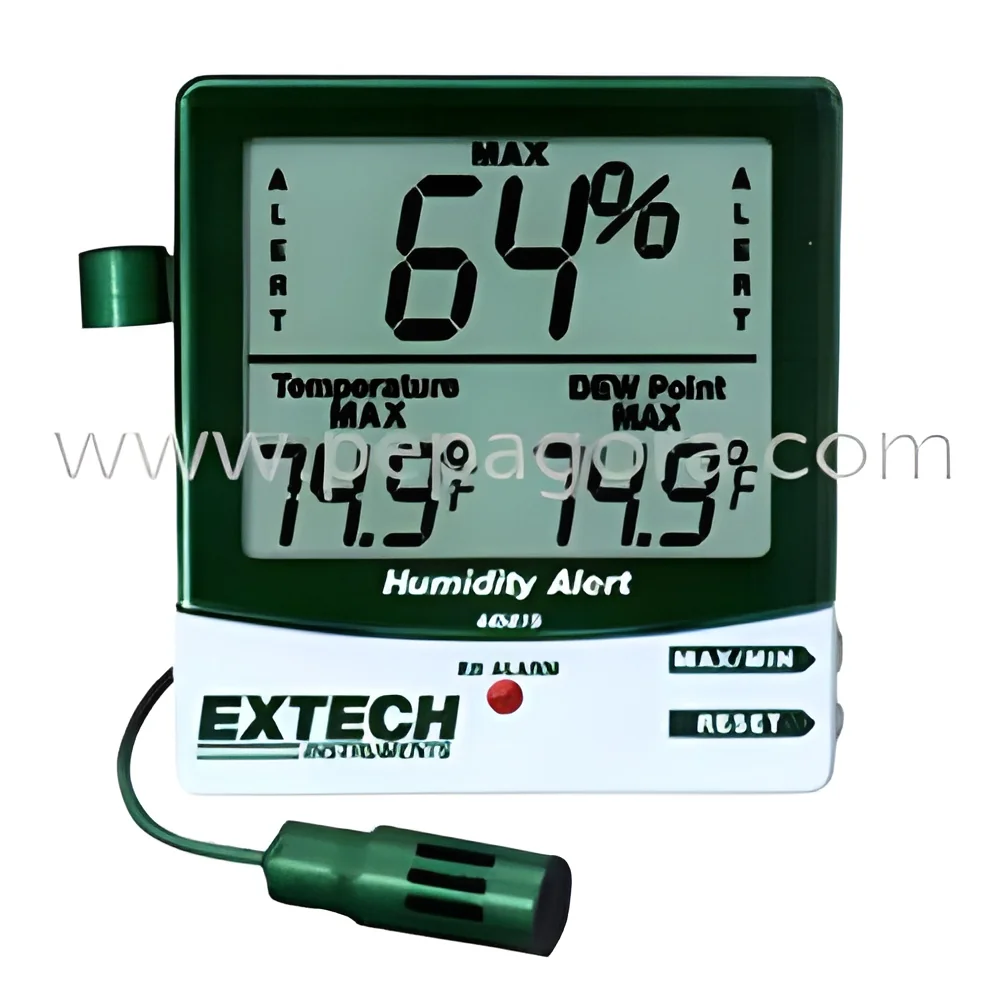
What are Humidity Sensors?
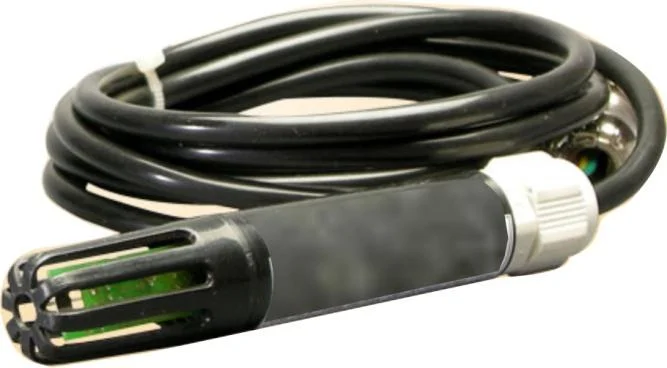
Humidity sensors, also known as hygrometers, are devices designed to measure the amount of moisture present in the air. They operate by detecting changes in electrical resistance or capacitance that occur with varying humidity levels. This data is essential for maintaining optimal environmental conditions across various applications.
These sensors are widely used in many industries, including HVAC systems, agriculture, food processing, and pharmaceuticals. Accurate humidity measurements help in controlling processes, ensuring product quality, and maintaining safety standards. As businesses increasingly recognize the importance of environmental monitoring, the demand for reliable humidity sensors continues to grow.
In the current market, humidity sensors are essential tools that contribute to operational efficiency and product integrity. The rise of automation and smart technologies further emphasizes their relevance, making them a critical component in modern industrial applications.
Key Features and Specifications
Humidity sensors come with a range of features and specifications that cater to different applications. Understanding these details helps businesses choose the right sensor for their needs.
Key specifications include:
1. Measurement Range
- Indicates the range of humidity levels the sensor can accurately measure.
- Typically ranges from 0% to 100% relative humidity.
2. Accuracy
- Refers to how close the sensor's measurements are to the actual humidity levels.
- Common accuracy levels are within ±2% to ±5%.
3. Response Time
- The time taken by the sensor to respond to changes in humidity.
- Usually measured in seconds.
4. Output Signal
- The type of signal the sensor provides, such as analog or digital.
- Common outputs include 4-20 mA, 0-10 V, or RS-485.
5. Operating Temperature Range
- Indicates the temperature limits within which the sensor can function effectively.
- Often specified between -40°C to 85°C.
6. Power Supply
- The voltage required for the sensor's operation.
- Commonly 5V, 12V, or 24V DC.
7. Calibration
- Information on whether the sensor requires calibration and the ease of this process.
- Some sensors come pre-calibrated for convenience.
8. Housing Material
- The material used for the sensor casing, affecting durability and suitability for various environments.
- Options may include plastic, stainless steel, or aluminum.
In summary, understanding the key features and specifications of humidity sensors is crucial for selecting the right device for specific applications and environments.
Common Applications and Use Cases
Humidity sensors find applications in a variety of industries, enhancing product quality and operational efficiency.
1. HVAC: In Heating, Ventilation, and Air Conditioning systems, humidity sensors monitor indoor air quality and optimize comfort levels by controlling humidity.
2. Agriculture: These sensors are critical in greenhouse environments, where maintaining specific humidity levels is essential for plant health and crop yield.
3. Food Processing: Humidity control is vital in food manufacturing and storage to prevent spoilage and ensure product safety.
4. Pharmaceuticals: In drug manufacturing and storage, humidity sensors help maintain the integrity of sensitive products that require strict environmental controls.
5. Data Centers: Humidity sensors are used to protect sensitive electronic equipment from moisture-related damage and ensure optimal operating conditions.
6. Museums and Archives: These devices are essential for the preservation of artifacts and documents by controlling humidity levels to prevent deterioration.
7. Building Automation: Integrating humidity sensors into building management systems allows for improved climate control and energy efficiency.
Product Variants and Subcategories
Humidity sensors come in various types tailored to different applications, ensuring businesses can find the right match for their needs.
Analog Humidity Sensors
These sensors provide continuous output signals based on humidity levels. They are commonly used in HVAC systems and industrial applications requiring constant monitoring.
Digital Humidity Sensors
Digital sensors offer precise readings and often integrate easily with modern control systems. They are ideal for applications needing high accuracy and fast response times.
Wireless Humidity Sensors
These sensors communicate data wirelessly, making them suitable for remote monitoring in areas where wired connections are impractical. They are popular in agriculture and environmental monitoring.
Benefits and Advantages
Humidity sensors offer numerous advantages that contribute to operational success across various industries.
1. Enhanced Product Quality: By maintaining optimal humidity levels, businesses can improve the quality and longevity of their products.
2. Energy Efficiency: These sensors help optimize HVAC systems, reducing energy consumption and lowering operational costs.
3. Regulatory Compliance: Accurate humidity monitoring ensures compliance with industry regulations, particularly in pharmaceuticals and food processing.
4. Preventive Maintenance: Early detection of humidity fluctuations allows for timely interventions, preventing equipment failure.
5. Improved Safety: By controlling humidity levels, businesses can mitigate risks associated with mold growth and other moisture-related issues.
6. Data-Driven Insights: Many modern humidity sensors offer connectivity features that provide valuable data for analysis and decision-making.
Buying Guide for B2B Buyers
When sourcing humidity sensors, businesses should consider several critical factors to ensure they make informed purchasing decisions.
1. Quality Assessment: Evaluate the quality of the sensors by reviewing certifications and industry standards. Look for models that meet recognized quality benchmarks.
2. Supplier Verification: Vet potential suppliers by checking their reputation, customer reviews, and experience in the industry. A reliable supplier can provide ongoing support and service.
3. Pricing and MOQ: Understand the pricing structure and minimum order quantities. This information helps in budgeting and ensures suppliers can meet business needs.
4. Delivery and Lead Times: Consider the logistics involved in sourcing sensors, including expected delivery times and shipping costs. Reliable suppliers should provide clear timelines.
5. Compliance Requirements: Ensure that the sensors comply with relevant industry regulations and standards, which may vary by region or application.
Compliance and Certifications
Humidity sensors are subject to various quality standards and certifications that ensure their reliability and effectiveness in industrial applications.
ISO 9001 is a widely recognized standard that sets the criteria for a quality management system. Sensors that comply with this standard indicate a commitment to quality and continuous improvement in manufacturing processes.
Additionally, many humidity sensors carry certifications such as CE, which signifies compliance with European safety and health requirements. This certification is crucial for products sold in the European market.
Safety and testing requirements also play a significant role in the production of humidity sensors. Manufacturers must ensure that their products undergo rigorous testing to verify their performance and reliability under various conditions.
Regional compliance considerations may vary, so businesses should be aware of specific regulations that apply in their industry and location. Ensuring compliance not only enhances product quality but also builds trust with customers.
Why Source Humidity Sensors from Pepagora?
Pepagora provides a trusted platform for sourcing humidity sensors, offering several key advantages for businesses.
Verified Supplier Network: Pepagora connects buyers with a network of verified suppliers who meet stringent quality and compliance standards. This ensures that businesses can source reliable products with confidence.
Streamlined RFQ Process: The quotation system at Pepagora simplifies the procurement process, allowing buyers to request quotes from multiple suppliers quickly. This efficiency saves time and helps secure competitive pricing.
Trade Assurance and Support: Pepagora offers buyer protection programs that enhance transaction security. This support ensures that businesses can rely on the platform for safe and efficient sourcing.
Regional Coverage: With a strong presence in India, the GCC, and Southeast Asia, Pepagora covers a broad geographic area, making it easier for businesses to find local suppliers and reduce lead times.
In conclusion, Pepagora stands out as a comprehensive sourcing solution for humidity sensors, providing quality assurance, efficiency, and regional expertise to meet diverse business needs.

 IN
IN