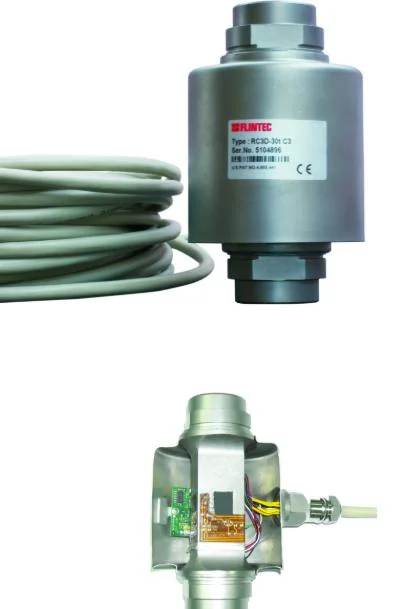
What are Load Cells?
Load cells are highly sensitive devices that convert a force acting on them into an electrical signal. This signal is proportional to the force applied, enabling precise measurement of weight or load. Load cells are crucial components in weighing systems, offering accuracy, reliability, and durability for various applications. They are commonly used in industrial scales, material testing machines, and force measurement applications.
Load cells find extensive use across multiple sectors, including manufacturing, logistics, and construction. In manufacturing, they are integral to automated weighing systems that ensure consistent product quality. In logistics, load cells assist in accurately measuring cargo weight for shipping and compliance with regulations. The construction industry utilizes load cells for monitoring structural loads and ensuring safety. As the demand for automation and precision increases, the market for load cells continues to expand, with innovations enhancing their capabilities and applications.
Key Features and Specifications
Load cells come with a variety of features that cater to specific applications and industries. Their specifications define their performance and suitability for different tasks.
Key specifications include:
1. Capacity
- This refers to the maximum load that a load cell can accurately measure.
- Common capacities range from a few grams to several tons.
2. Output Signal
- This is the electrical signal produced by the load cell in response to the applied load.
- Typical output signals include analog (mV/V) and digital formats.
3. Accuracy
- This specification indicates the precision of the load cell measurement.
- Accuracy is often expressed as a percentage of the full scale, with typical values around ±0.1% to ±0.5%.
4. Sensitivity
- Sensitivity defines the smallest change in load that can be detected by the load cell.
- High sensitivity is crucial for applications requiring precise measurements.
5. Temperature Range
- This specification outlines the environmental conditions the load cell can operate in.
- Load cells are typically rated for temperatures ranging from -40°C to +85°C.
6. Protection Class
- This indicates the level of protection against dust and moisture.
- Common ratings include IP65, IP67, and IP68.
7. Material
- Load cells are often made from materials such as aluminum or stainless steel.
- The choice of material affects durability and resistance to environmental factors.
8. Calibration
- Calibration is the process of adjusting the load cell to ensure accurate measurements.
- Regular calibration is essential for maintaining performance over time.
Load cells are essential in industries where precise weight measurement is critical, and understanding their specifications aids in selecting the right product for specific needs.
Common Applications and Use Cases
Load cells serve various industries, each with unique applications that require precise weight measurement.
1. Manufacturing: In manufacturing, load cells are used in automated weighing systems to ensure consistent product quality and optimize production processes.
2. Logistics: Load cells are crucial in logistics for accurately measuring cargo weight, which is essential for compliance with shipping regulations and efficient freight management.
3. Construction: In the construction industry, load cells monitor structural loads to ensure safety and compliance with engineering standards.
4. Agriculture: Load cells are employed in agricultural equipment for measuring the weight of produce, enhancing efficiency in harvesting and processing.
5. Medical: In the medical field, load cells are used in patient weighing scales and laboratory equipment to ensure accuracy in diagnostics and treatments.
6. Aerospace: Load cells play a role in aerospace applications by measuring forces in testing environments, ensuring the safety of aircraft components.
7. Automotive: In the automotive industry, load cells are utilized for testing vehicle weights and loads during manufacturing and safety assessments.
Product Variants and Subcategories
Load cells come in various types, each tailored to meet specific requirements and applications.
Strain Gauge Load Cells
Strain gauge load cells are the most common type, utilizing strain gauges to measure deformation under load. They offer high accuracy and are widely used in industrial applications.
Hydraulic Load Cells
These load cells use hydraulic pressure to measure weight. They are ideal for heavy-duty applications and provide robust performance in harsh environments.
Pneumatic Load Cells
Pneumatic load cells operate on the principle of air pressure and are suitable for applications requiring high sensitivity and minimal load effects.
S-beam Load Cells
S-beam load cells are versatile and can measure both tension and compression. They are often used in material testing and industrial scales.
Benefits and Advantages
Load cells offer significant benefits that enhance operational efficiency and accuracy in various applications.
1. High Accuracy: Load cells provide precise measurements, which are essential for quality control and compliance in manufacturing processes.
2. Durability: Constructed from robust materials, load cells are designed to withstand harsh environments, ensuring long-term reliability.
3. Versatility: Load cells can be used in various applications across multiple industries, making them a flexible solution for weight measurement.
4. Ease of Integration: Many load cells can be easily integrated into existing systems, minimizing downtime and facilitating quick implementation.
5. Low Maintenance: With minimal moving parts, load cells require less maintenance compared to traditional mechanical scales, reducing operational costs.
6. Real-time Monitoring: Load cells enable real-time weight measurement, allowing for immediate adjustments and enhanced process control.
Buying Guide for B2B Buyers
When sourcing load cells, it is essential to evaluate several factors that can impact your purchasing decision.
1. Quality Assessment: Look for load cells that adhere to industry standards and quality benchmarks. Ensure they are tested for accuracy and reliability.
2. Supplier Verification: Vet suppliers by checking their credentials, customer reviews, and previous projects. Reliable suppliers will provide documentation and certifications.
3. Pricing and MOQ: Understand the price range for load cells and the minimum order quantity (MOQ) required by suppliers. This helps in budgeting and ensuring you meet your needs.
4. Delivery and Lead Times: Confirm the expected delivery schedules and lead times from suppliers to avoid disruptions in your operations.
5. Compliance Requirements: Ensure that the load cells meet any regulatory compliance requirements specific to your industry, including safety and testing standards.
Compliance and Certifications
Load cells must meet several compliance and certification standards to ensure their quality and safety in various applications.
ISO 9001 is a widely recognized standard for quality management systems, ensuring that manufacturers maintain high-quality production practices.
CE certification indicates that the load cells meet European safety and health standards, making them suitable for use within the European market.
Safety and testing requirements are critical, particularly in applications where load cells are used in safety-sensitive environments. Regular testing ensures continued compliance with these standards.
Regional compliance considerations may also apply, as different regions may have specific regulations governing the use of load cells in industrial applications.
Why Source Load Cells from Pepagora?
Pepagora provides a trusted platform for sourcing load cells, offering several key advantages that benefit B2B buyers.
Verified Supplier Network: Pepagora has established a robust network of verified suppliers, ensuring that buyers have access to high-quality products from reputable manufacturers.
Streamlined RFQ Process: The platform offers a streamlined request for quotation (RFQ) process, making it easier for buyers to obtain competitive pricing and specifications from multiple suppliers.
Trade Assurance and Support: Pepagora provides trade assurance, protecting buyers from potential risks associated with purchasing. The platform also offers dedicated support to address any concerns or queries.
Regional Coverage: With a strong presence in India, the GCC, and Southeast Asia, Pepagora ensures that buyers can source load cells tailored to their regional needs while benefiting from local supplier expertise.

 IN
IN