IN
IN₹
Apparel & Fashion
Description
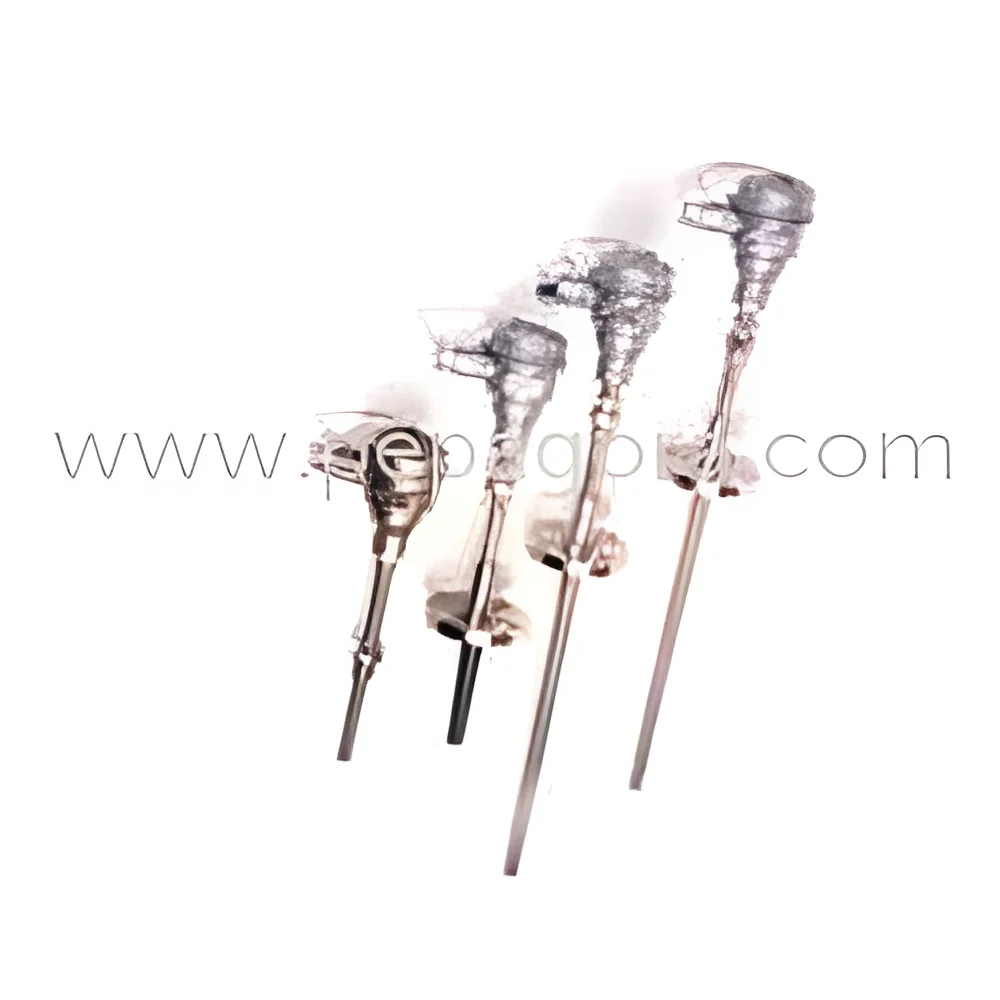
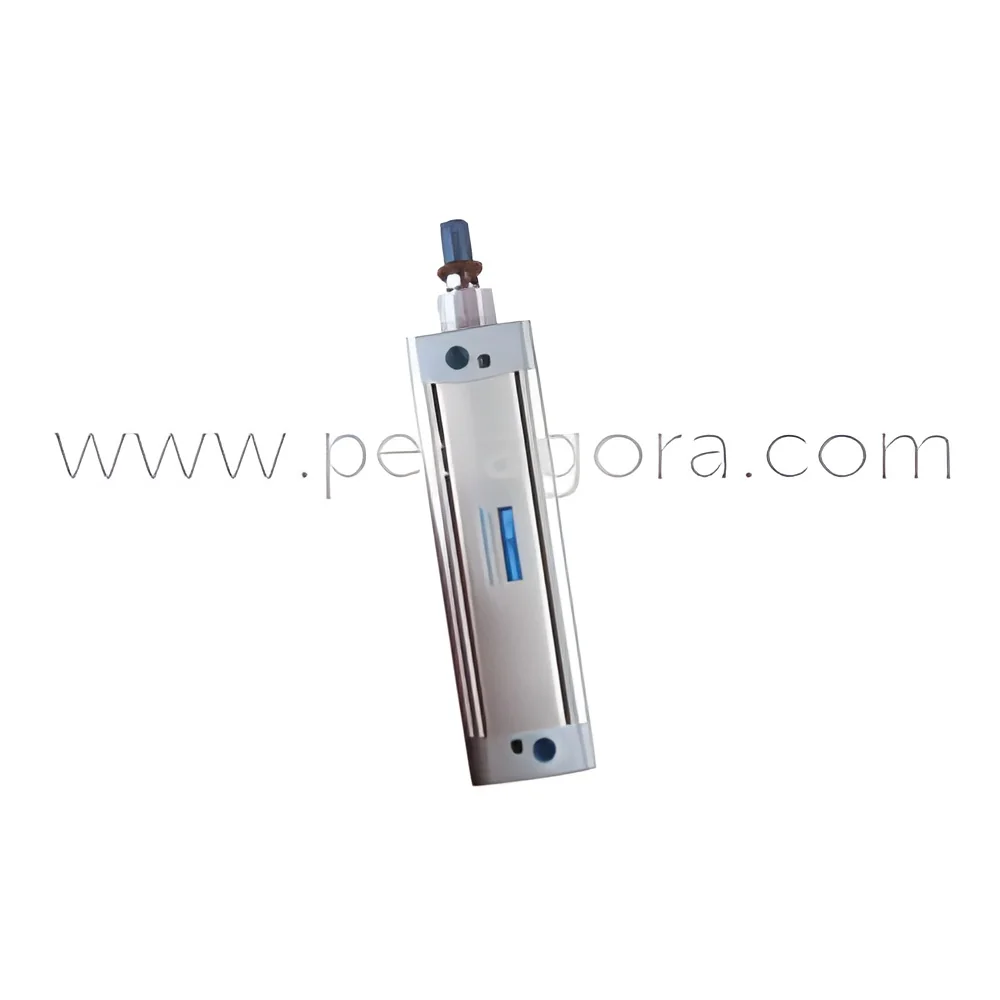
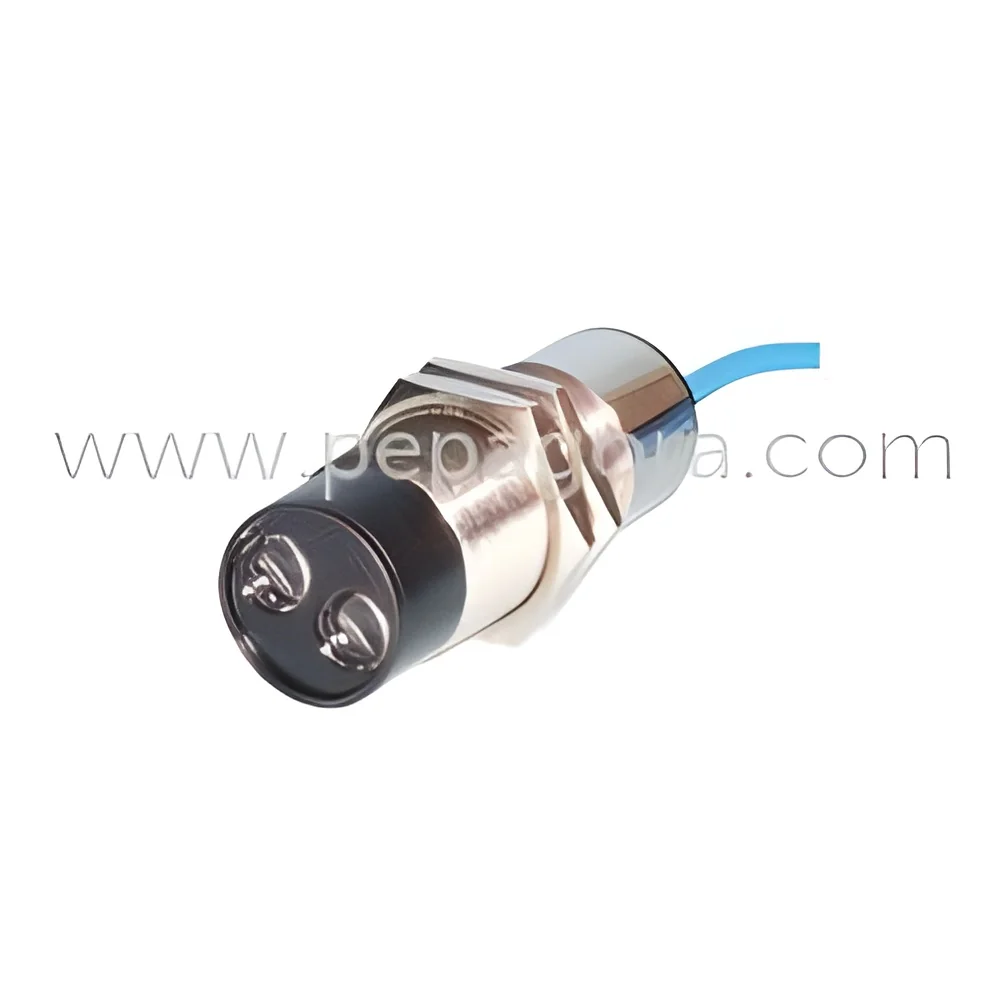
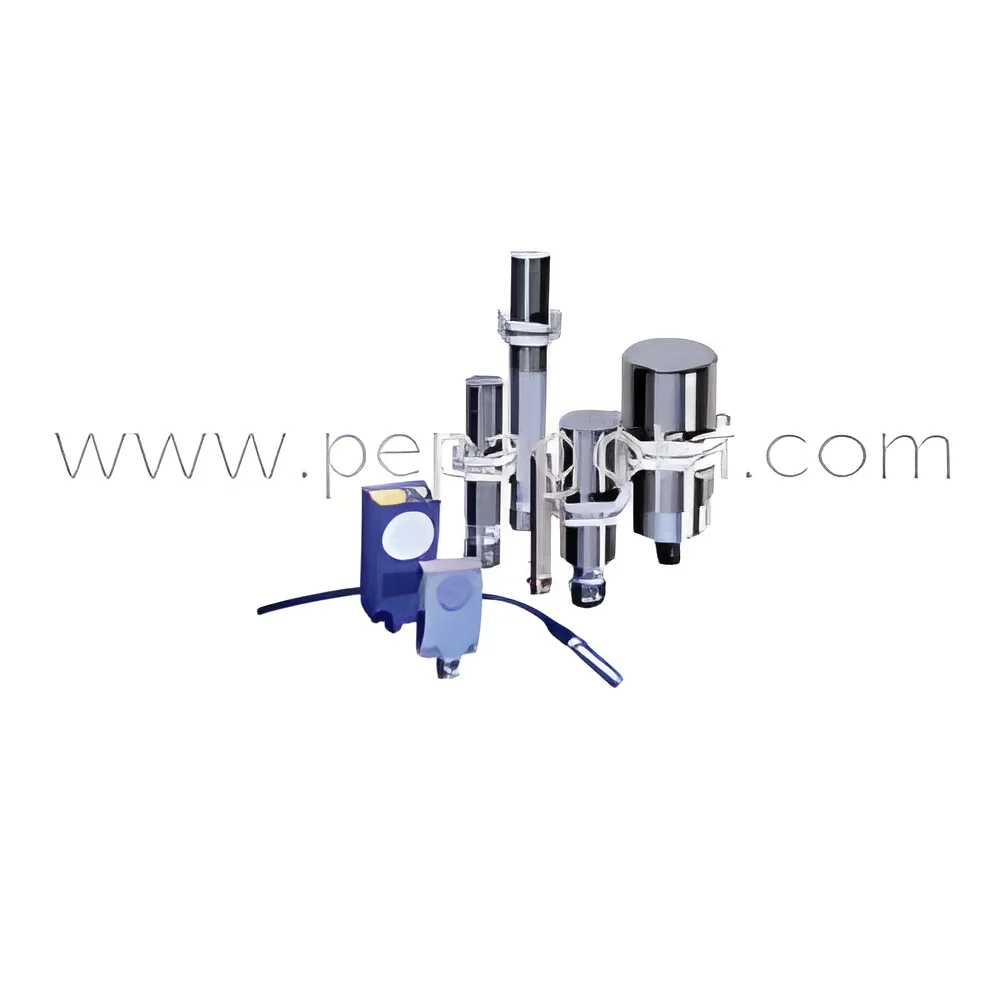
Industrial automation sensors represent advanced non-contact detection technology specifically engineered for demanding industrial environments. These high-performance devices reliably identify the presence, absence or position of various materials including metals, liquids, plastics and ferrous objects without physical contact, ensuring extended service life and minimal maintenance requirements. Manufactured to international quality standards, they deliver exceptional accuracy, durability and consistent performance tailored to meet specific operational demands across diverse applications. With features including multiple output options, rugged housing designs and sophisticated sensing capabilities, they provide dependable solutions for enhancing automation efficiency and productivity in challenging industrial settings.

These detection devices find extensive application across numerous industrial sectors, with automotive manufacturing utilizing them for precise component positioning a...
Industrial automation sensors represent advanced non-contact detection technology specifically engineered for demanding industrial environments. These high-performance devices reliably identify the presence, absence or position of various materials including metals, liquids, plastics and ferrous objects without physical contact, ensuring extended service life and minimal maintenance requirements. Manufactured to international quality standards, they deliver exceptional accuracy, durability and consistent performance tailored to meet specific operational demands across diverse applications. With features including multiple output options, rugged housing designs and sophisticated sensing capabilities, they provide dependable solutions for enhancing automation efficiency and productivity in challenging industrial settings.

These detection devices find extensive application across numerous industrial sectors, with automotive manufacturing utilizing them for precise component positioning and assembly line automation. Packaging operations employ these sensors for object counting and fill-level monitoring, while food and beverage processing facilities rely on them for hygienic detection of containers and liquid products. Material handling and logistics industries depend on these sensors for conveyor system tracking and safety implementations, and pharmaceutical manufacturers utilize them for accurate, contamination-free operations. Their adaptability makes them essential components in environments requiring high reliability, including heavy machinery, robotic systems and industrial IoT configurations.

Organizations benefit from exceptional reliability, reduced operational interruptions and enhanced safety protocols through these sensors' robust construction and consistent performance. Their technical specifications allow for integration solutions that address unique application requirements, providing competitive advantages through improved efficiency and cost management. With emphasis on quality engineering and long-term durability, these sensors deliver sustained value by minimizing maintenance demands and maximizing productivity, establishing them as trusted components for industrial automation requirements.

Key Features:
- Multiple sensing technologies including inductive, capacitive and magnetic detection methods
- Various output configurations for straightforward control system integration
- Durable housing construction suitable for challenging industrial conditions
- Consistent performance across diverse environmental and operational parameters
- High accuracy and repeatability ensuring reliable detection and positioning

Benefits:
- Versatile material detection capabilities across multiple substance types
- Simplified integration with existing automation and control systems
- Reliable operation in demanding environmental conditions
- Consistent performance matching specific application requirements
- Accurate detection and positioning supporting operational precision
Specifications
| Additional Information | |
|---|---|
| Country of Origin | India |
Application
Our industrial automation sensors provide reliable non-contact detection of metals, liquids, plastics and various materials in challenging operational conditions. Engineered for seamless integration with automation systems, they maintain consistent performance despite exposure to vibration, dust, moisture and temperature variations that commonly affect industrial settings. Their robust construction ensures dependable operation where precision and reliability are non-negotiable for continuous production processes.
These detection solutions serve critical functions across multiple industrial sectors including automotive manufacturing, food processing, packaging operations, material handling systems and pharmaceutical production. Their versatility supports essential applications such as position sensing, object counting, level monitoring and safety implementations. This broad applicability enhances operational efficiency while minimizing downtime across diverse industrial environments and production scenarios.
- Position verification of metal components on automotive assembly conveyor systems
- Liquid level monitoring in storage tanks and processing vessels across industries
- Package counting and tracking on high-speed logistics and distribution lines
- Safety interlock verification for machinery access points and protective guards
- Detection of non-metallic materials including plastics, glass and composite substances
Trade Details
| Available Stock | In Stock |
| Sample Availability | No |
Payment Terms
| Payment Terms |
|
Company Profile
Basra Electro Traders, Punjab
 Punjab, India
Punjab, IndiaElectronics & Electrical•Trading Company•Distributor / Wholesaler•Importer / Exporter
Factory Details
Factory SizeBelow 1000 sqm
Annual Production Capacity0
Industrial Automation Sensors Inductive Capacitive Magnetic High Reliability
Industrial automation sensors including inductive, capacitive and magnetic types deliver high reliability detection for manufacturing, packaging and automotive applications with precise performance in demanding environments.
Min. Order Quantity: 1 unit
Shipping
Shipping fee and delivery date to be negotiated. Contact supplier now for more details.
Basra Electro Traders
 Punjab, India
Punjab, IndiaElectronics & ElectricalTrading Company