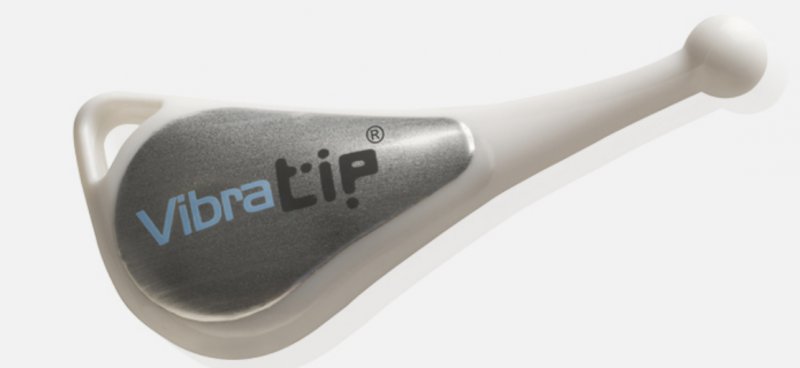
What are Vibration Sensors?
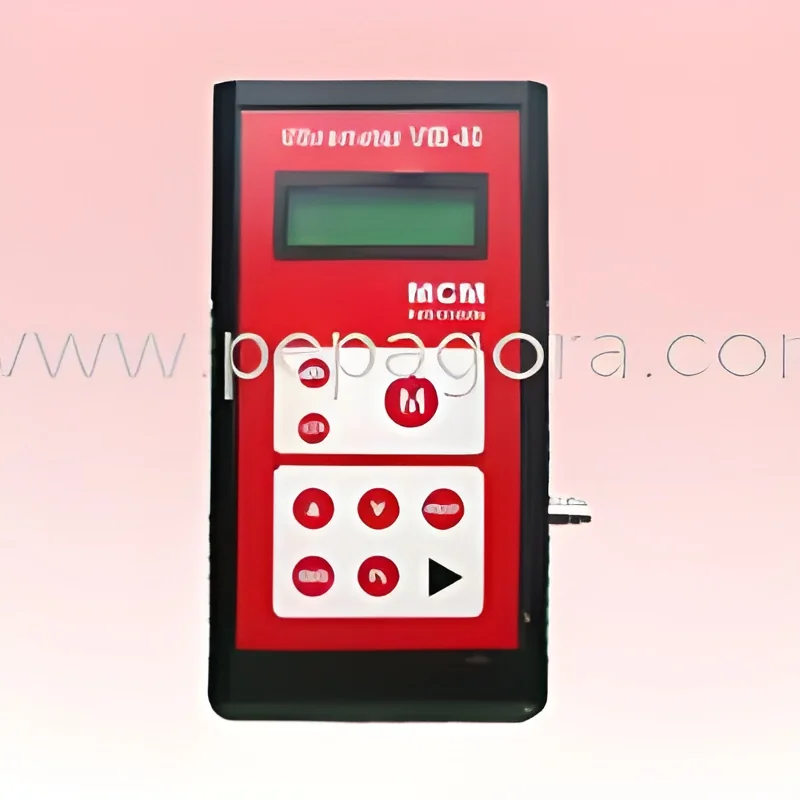
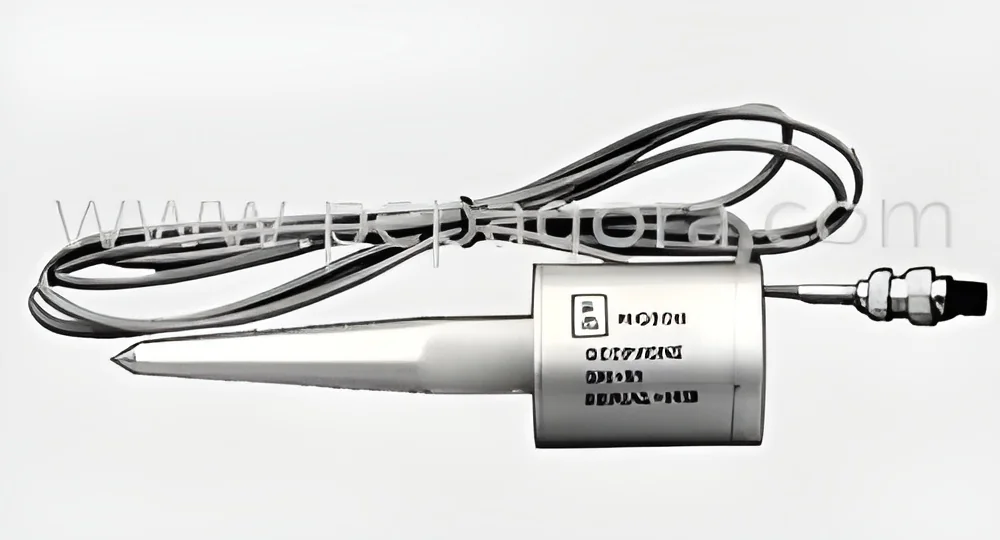
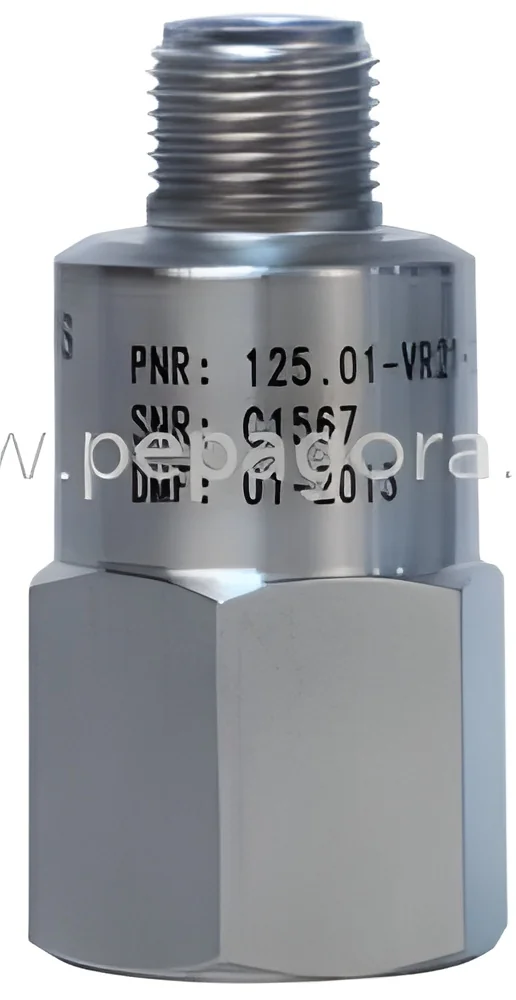
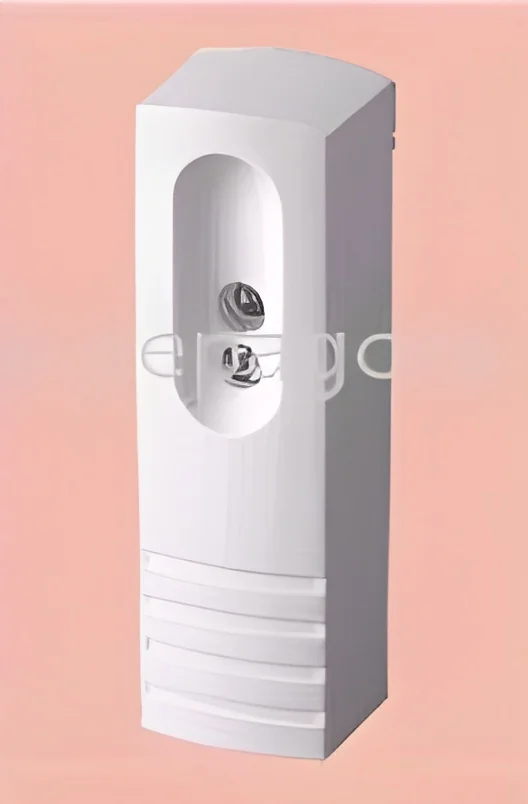
Vibration sensors are devices that detect and measure mechanical vibrations in machines and structures. They convert mechanical motion into an electrical signal, which can be analyzed to assess the health and performance of equipment. These sensors can be classified based on their technology, such as piezoelectric, capacitive, and inductive. They play a crucial role in predictive maintenance, helping organizations avoid unexpected downtime by monitoring equipment conditions in real time.
In industrial settings, vibration sensors are widely used for monitoring rotating machinery, such as motors, pumps, and fans. They help identify misalignment, imbalance, and bearing failures. By analyzing vibration data, businesses can optimize maintenance schedules, improve operational efficiency, and enhance equipment lifespan. The increasing focus on industrial automation and condition monitoring is driving the demand for vibration sensors across various sectors.
The market for vibration sensors is expanding rapidly due to their critical role in ensuring machine reliability. With advancements in technology, these sensors are becoming more sophisticated, offering features like wireless connectivity and advanced analytics. As industries strive for greater efficiency and reduced operational costs, the relevance of vibration sensors continues to grow in sectors such as manufacturing, energy, and transportation.
Key Features and Specifications
Vibration sensors come with a variety of features designed to meet the needs of different applications. Understanding these specifications is essential for making informed purchasing decisions. The following are some key specifications to consider when evaluating vibration sensors.
Key specifications include:
1. Measurement Range
- The range of vibrations the sensor can measure, typically expressed in g (acceleration due to gravity).
- Common ranges are from 0.5 g to 100 g.
2. Frequency Response
- The range of frequencies over which the sensor can accurately measure vibrations.
- Typical frequency ranges can vary from 1 Hz to 10 kHz.
3. Output Signal
- The type of electrical signal produced by the sensor, which can be analog (e.g., 4-20 mA) or digital (e.g., RS-485).
- Selection depends on the compatibility with existing monitoring systems.
4. Power Supply
- The voltage and current requirements for the sensor to operate.
- Common power supply options include 12V to 24V DC.
5. Operating Temperature
- The temperature range within which the sensor can function effectively.
- Typical ranges are -20°C to 85°C.
6. Environmental Protection
- The sensor's ability to withstand harsh environmental conditions, often indicated by an IP rating.
- Common ratings include IP65 or IP67 for dust and moisture resistance.
7. Mounting Options
- The methods available for installing the sensor, such as adhesive, screw mount, or magnetic mount.
- Selection depends on the application and surface type.
8. Calibration and Certification
- Information regarding whether the sensor is calibrated and complies with industry standards.
- Certifications like CE indicate adherence to safety and quality regulations.
In summary, understanding these key features and specifications will help buyers select vibration sensors that align with their operational needs and environmental conditions.
Common Applications and Use Cases
Vibration sensors are vital across multiple industries, each utilizing them for specific applications to enhance efficiency and safety.
1. Manufacturing: In manufacturing, vibration sensors monitor equipment such as conveyor belts, machining centers, and assembly lines. They help detect anomalies that may indicate wear or failure, allowing for timely repairs.
2. Energy: In the energy sector, vibration sensors are used to monitor turbines, generators, and transformers. They ensure that these critical components operate smoothly, preventing costly downtime and maintenance.
3. Transportation: In the transportation industry, vibration sensors are essential for monitoring the health of vehicles, rail systems, and aircraft. They provide data that helps maintain safety standards and operational efficiency.
4. HVAC: Vibration sensors in heating, ventilation, and air conditioning systems help ensure that fans and compressors work efficiently, reducing energy consumption and extending equipment life.
5. Mining: In the mining sector, these sensors monitor heavy machinery, such as excavators and loaders, to prevent catastrophic failures and optimize operational performance.
6. Aerospace: Vibration sensors are used in aerospace applications for monitoring aircraft engines and structures, ensuring compliance with safety regulations and enhancing performance.
7. Marine: In the marine industry, these sensors help monitor the performance of engines and propulsion systems, contributing to safety and reliability at sea.
Product Variants and Subcategories
Vibration sensors come in various forms to cater to different needs within industries. Each variant offers unique features suited for specific applications.
Piezoelectric Vibration Sensors
These sensors use piezoelectric materials to measure vibrations. They are known for their sensitivity and wide frequency response. They are ideal for high-frequency applications, such as monitoring machinery in manufacturing and energy sectors.
Capacitive Vibration Sensors
Capacitive sensors are designed to measure small vibrations with high precision. They are often used in applications where low-frequency measurements are critical, such as in HVAC systems.
Inductive Vibration Sensors
Inductive sensors detect vibrations based on changes in inductance. They are robust and suitable for heavy industrial applications, including mining and transportation, where environmental conditions can be challenging.
Benefits and Advantages
Vibration sensors provide numerous benefits that make them essential for modern industrial applications.
Key benefits include:
1. Enhanced Equipment Reliability: By continuously monitoring vibrations, these sensors help detect issues early, preventing unexpected failures.
2. Reduced Maintenance Costs: Predictive maintenance driven by vibration analysis can significantly lower maintenance expenses by minimizing unnecessary servicing.
3. Improved Safety: Monitoring critical machinery with vibration sensors enhances overall workplace safety by reducing the risk of catastrophic failures.
4. Increased Efficiency: By optimizing operational performance, vibration sensors contribute to higher productivity and reduced energy consumption.
5. Data-Driven Insights: The collected vibration data can be analyzed for trends, providing insights that lead to informed decision-making.
6. Extended Equipment Lifespan: Regular monitoring and maintenance based on vibration data can extend the operational life of critical machinery.
Buying Guide for B2B Buyers
When sourcing vibration sensors, several important factors should be considered to ensure the best fit for your needs.
1. Quality Assessment: Ensure that the sensors meet industry standards and have a proven track record. Look for certifications such as CE to guarantee product quality.
2. Supplier Verification: Vet potential suppliers by checking their reputation, customer reviews, and service records. A reliable supplier should provide support and after-sales services.
3. Pricing and MOQ: Understand the pricing structure and minimum order quantities. This will help you budget effectively and plan your inventory needs.
4. Delivery and Lead Times: Confirm the typical lead times for delivery to ensure that you can meet your operational timelines. Consider suppliers that offer expedited shipping options if necessary.
5. Compliance Requirements: Identify any regulatory compliance requirements specific to your industry. This may include safety standards and environmental regulations that the sensors must adhere to.
Compliance and Certifications
Vibration sensors must meet various quality standards and certifications to ensure safety and reliability in industrial applications. Common quality standards include ISO 9001, which emphasizes a strong quality management system. Compliance with HACCP and GDP is also crucial in specific industries, particularly food and pharmaceutical sectors, where product integrity is vital.
In addition to quality standards, many vibration sensors carry industry certifications such as CE, indicating compliance with European health, safety, and environmental requirements. These certifications ensure that products are safe to use and meet the necessary performance criteria.
Safety and testing requirements are also critical. Sensors should be tested for durability, reliability, and accuracy under various environmental conditions. Regional compliance considerations may vary, so it is essential to be aware of local regulations that might affect the selection and use of vibration sensors in specific markets.
Why Source Vibration Sensors from Pepagora?
Pepagora offers a trusted platform for sourcing vibration sensors, providing several key advantages to buyers.
Verified Supplier Network: Pepagora has established a network of verified suppliers, ensuring that customers can connect with reputable manufacturers who meet rigorous quality standards. This network enhances trust and reliability in the sourcing process.
Streamlined RFQ Process: The platform features a streamlined request for quotation (RFQ) process, allowing buyers to easily communicate their requirements and receive competitive quotations from multiple suppliers. This efficiency saves time and simplifies procurement.
Trade Assurance and Support: Pepagora provides trade assurance, which protects buyers by ensuring that their transactions are secure. Additionally, the platform offers support throughout the purchasing process, assisting in any queries or issues that may arise.
Regional Coverage: With a strong presence in markets such as India, the Gulf Cooperation Council (GCC), and Southeast Asia, Pepagora provides geographic coverage that helps buyers access a diverse range of suppliers and products. This regional reach enhances sourcing capabilities across industries.

 IN
IN