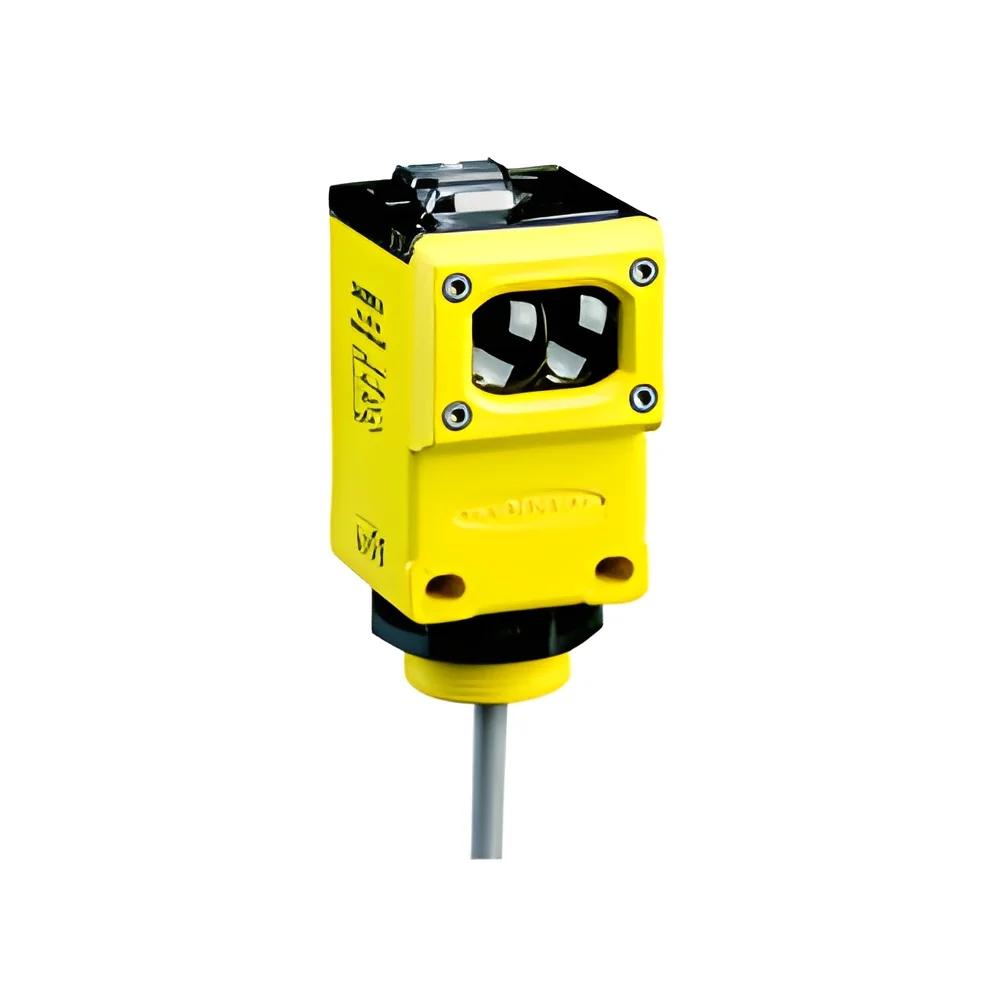
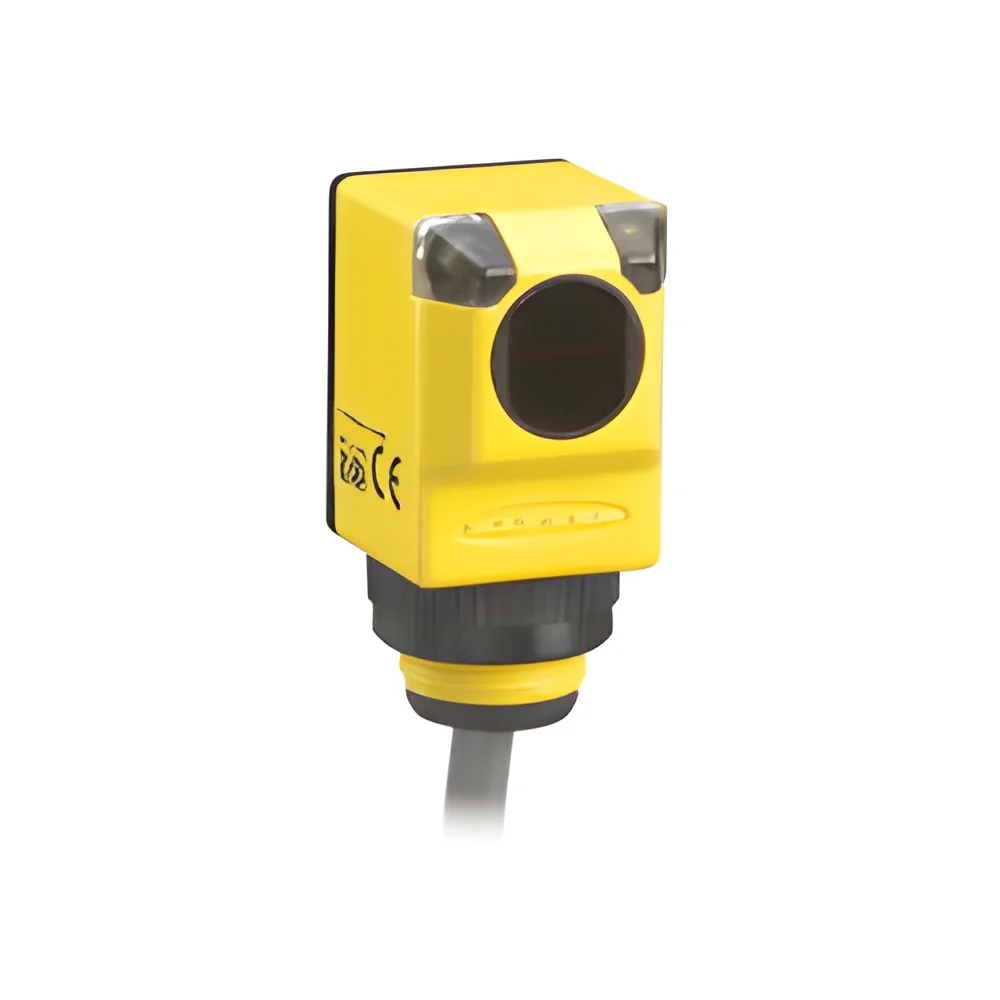
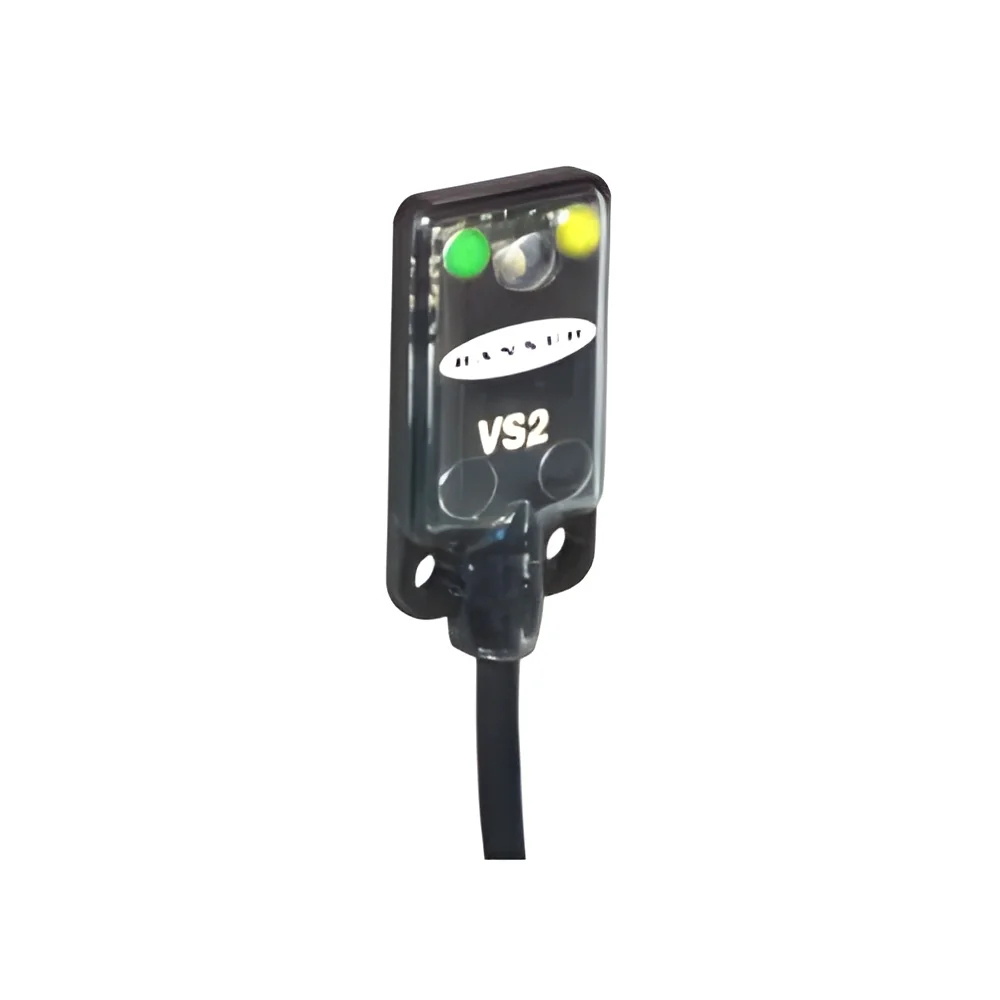
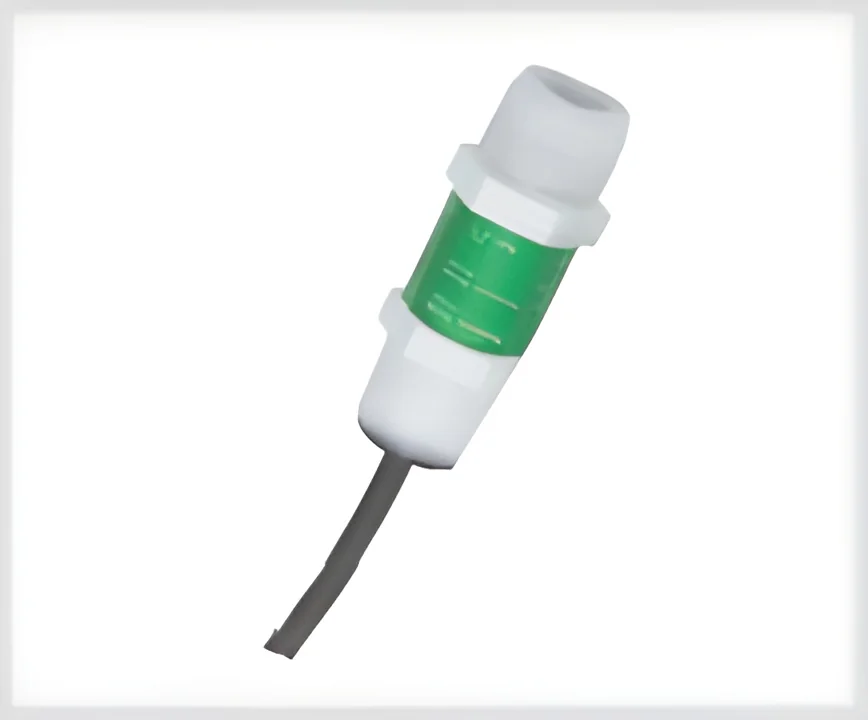
What are Ultrasonic Sensors?
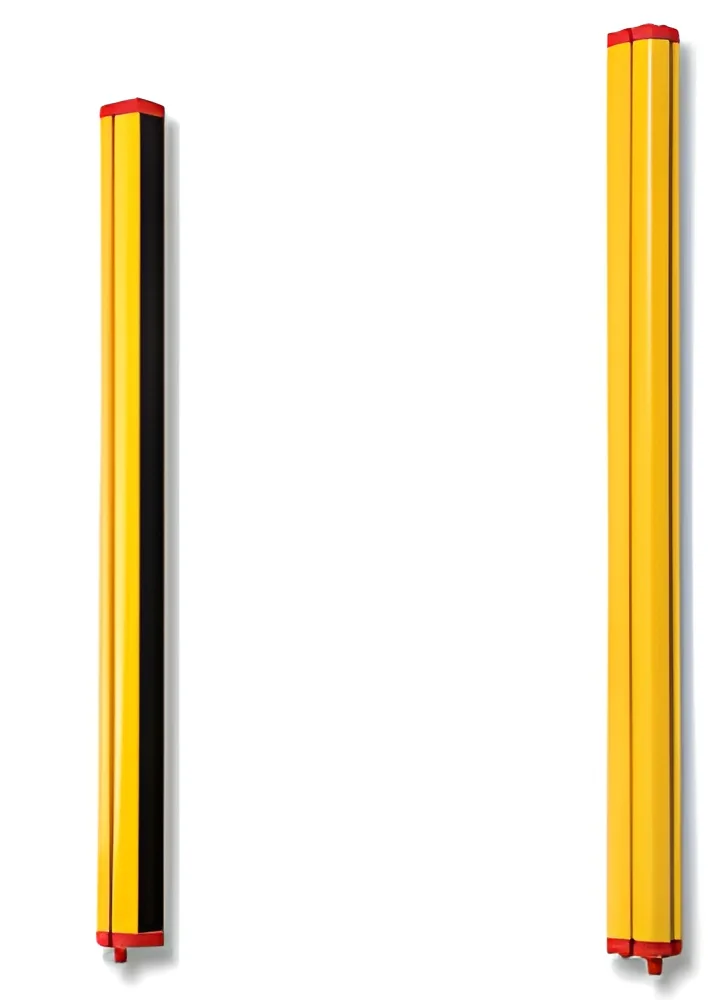
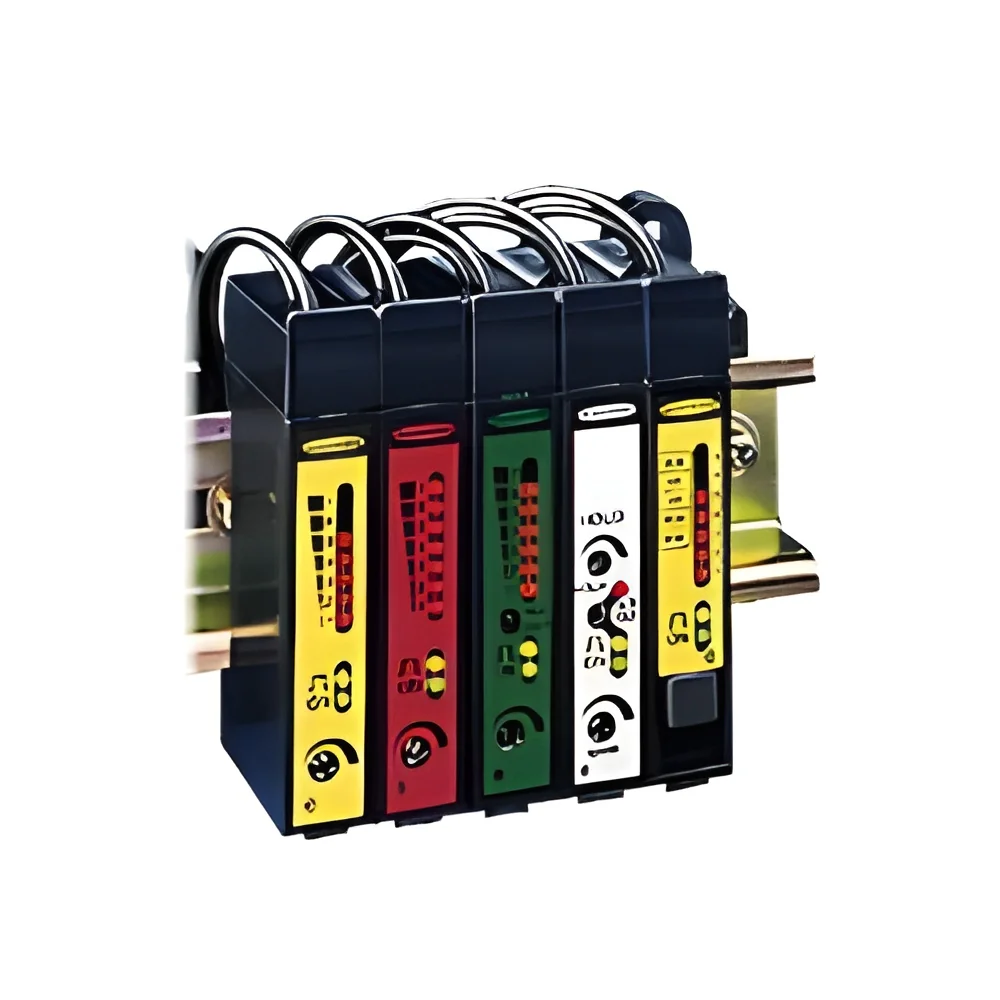
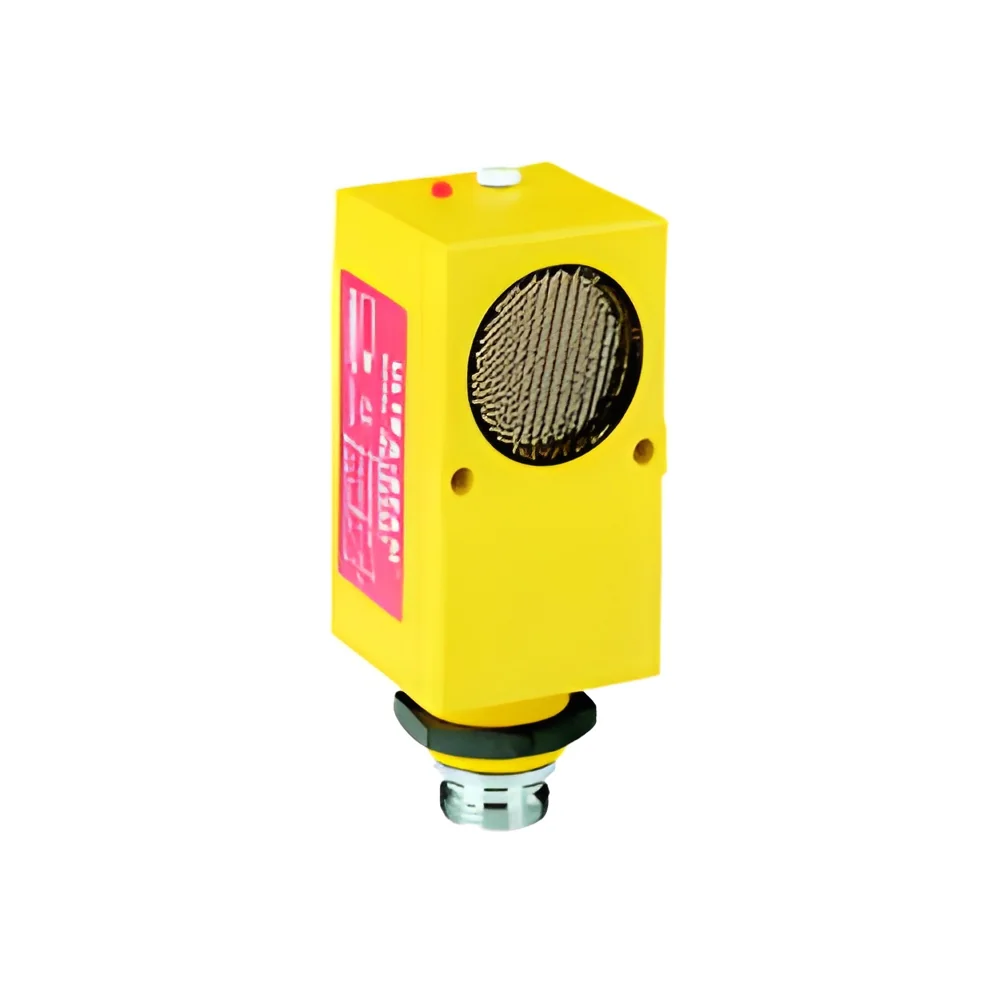
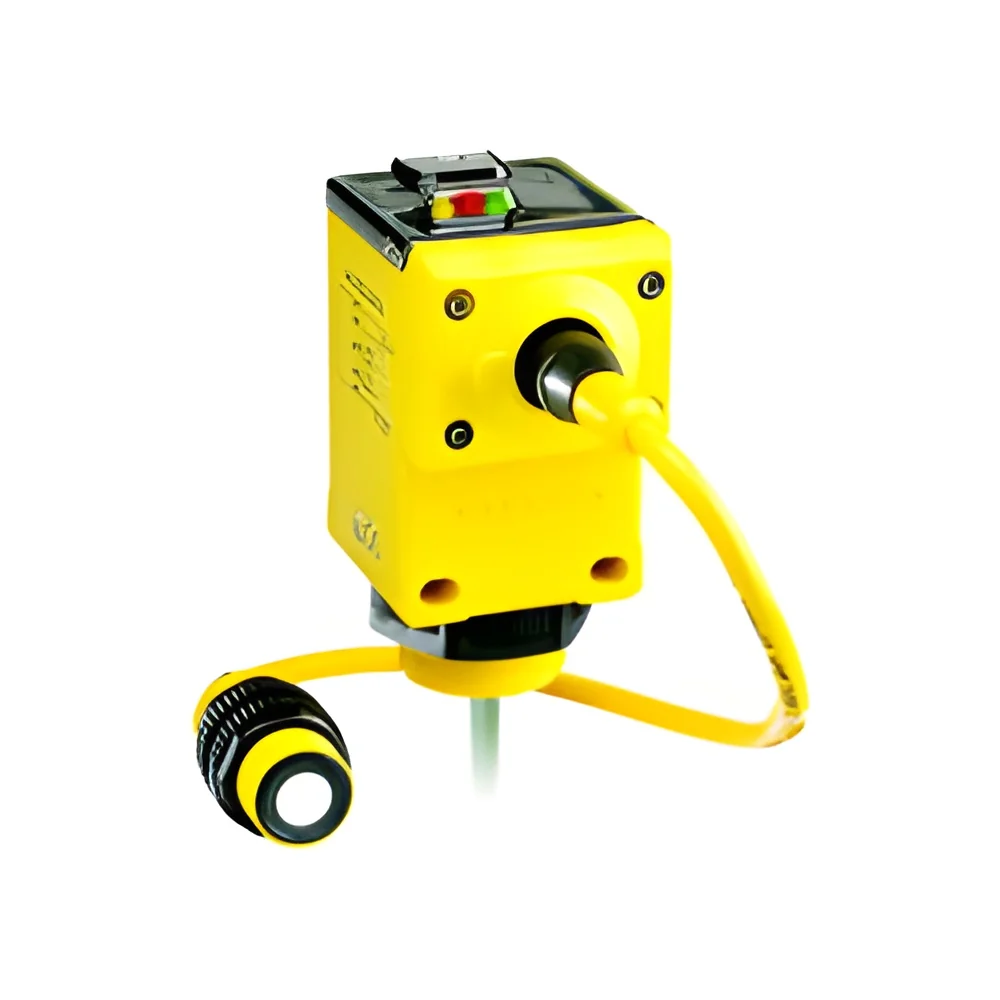
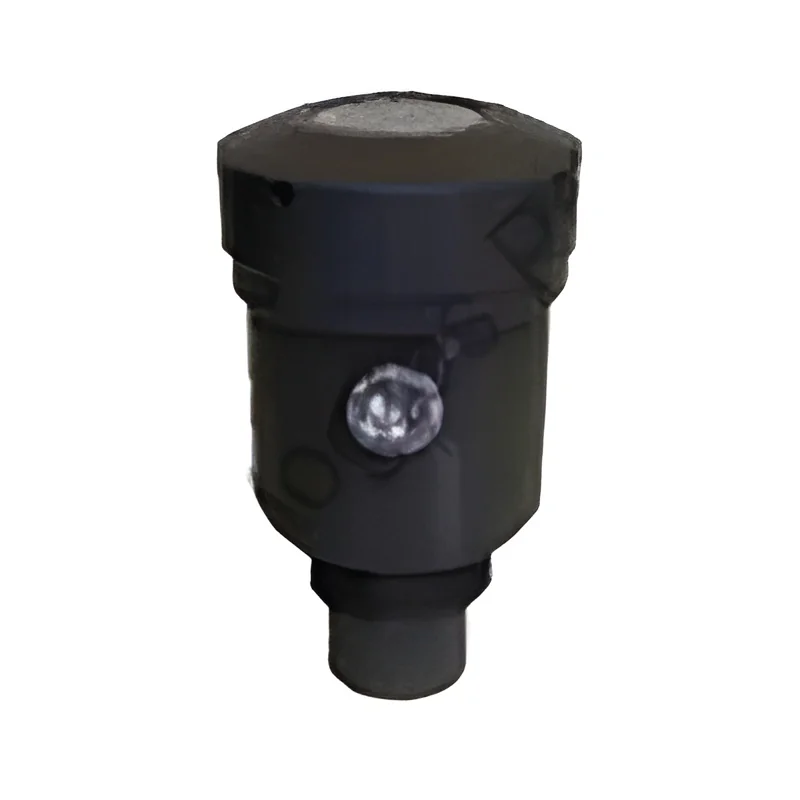
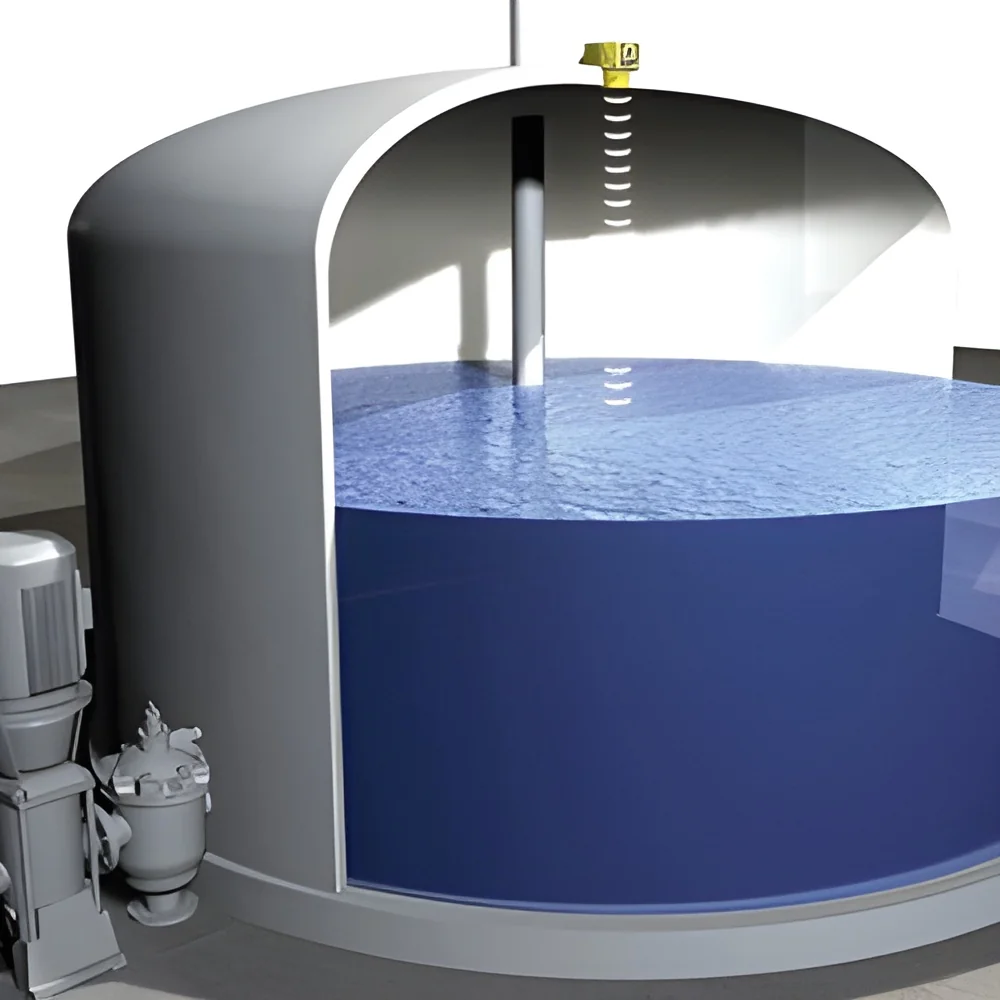
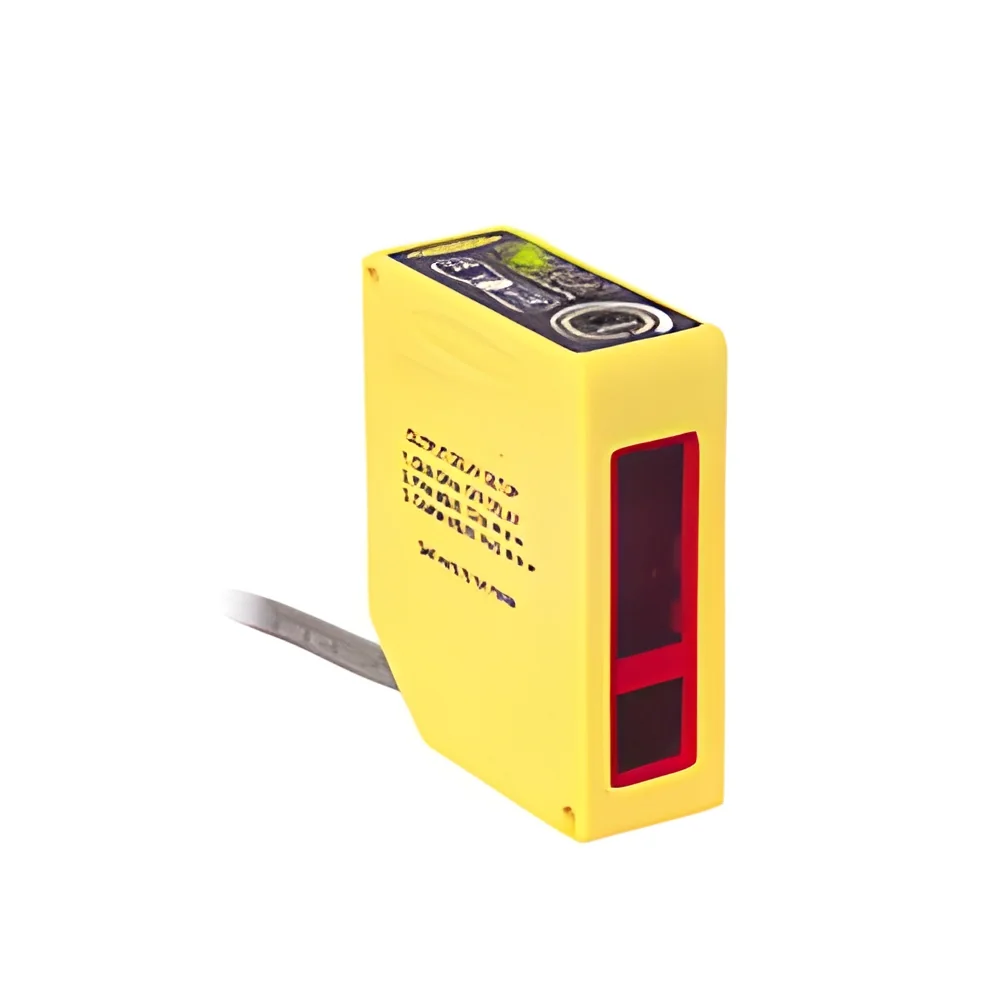
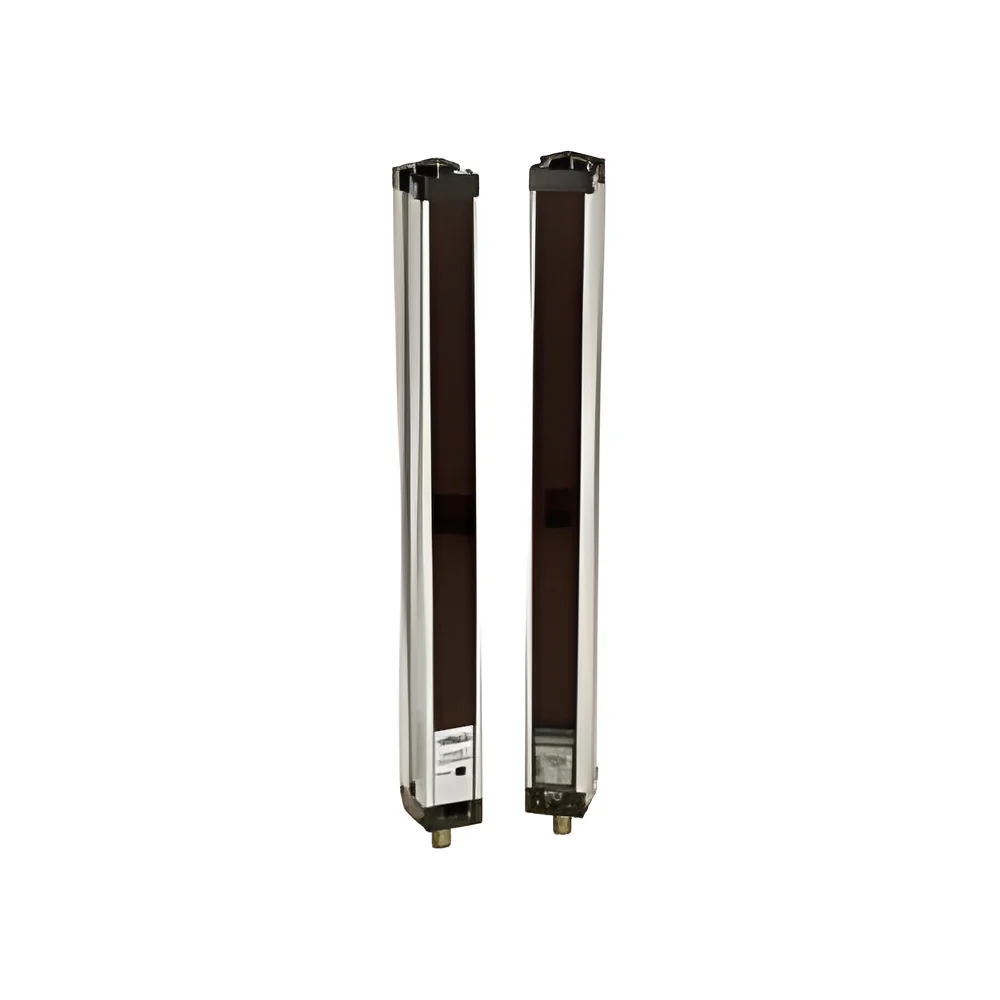
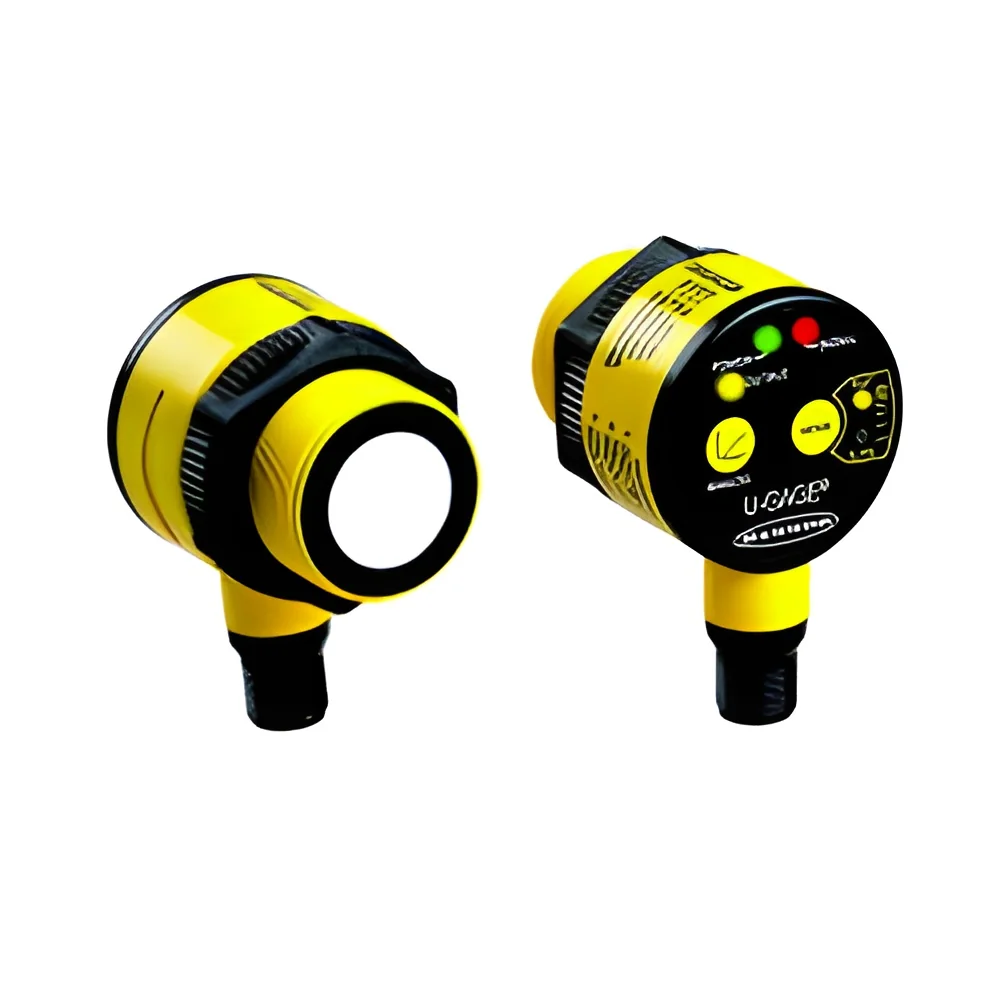
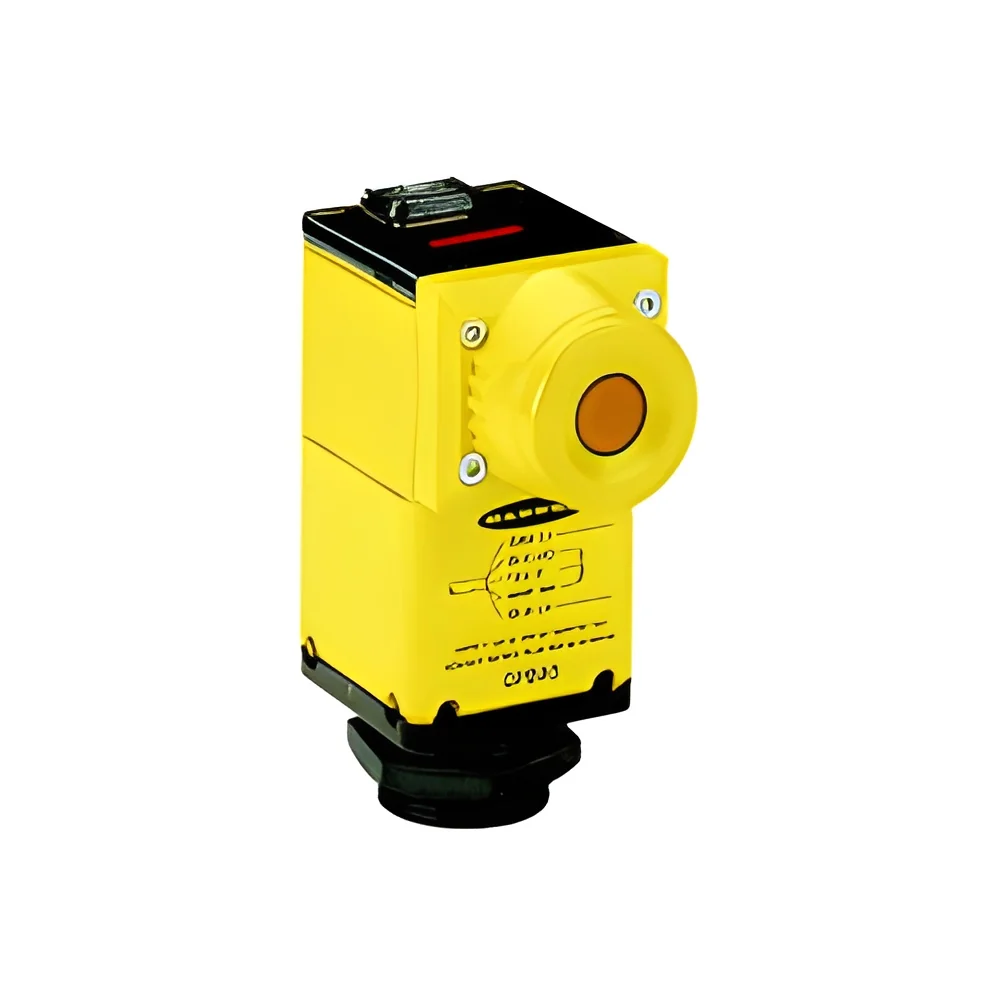
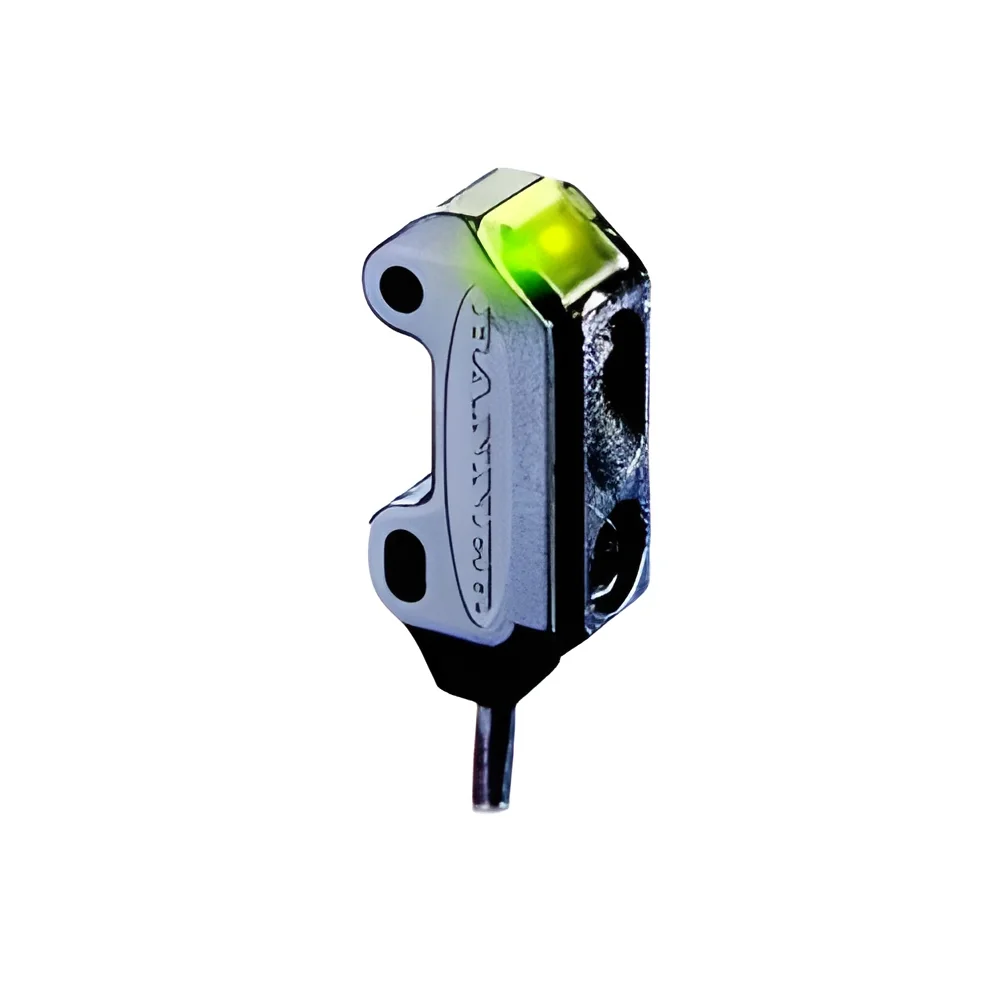
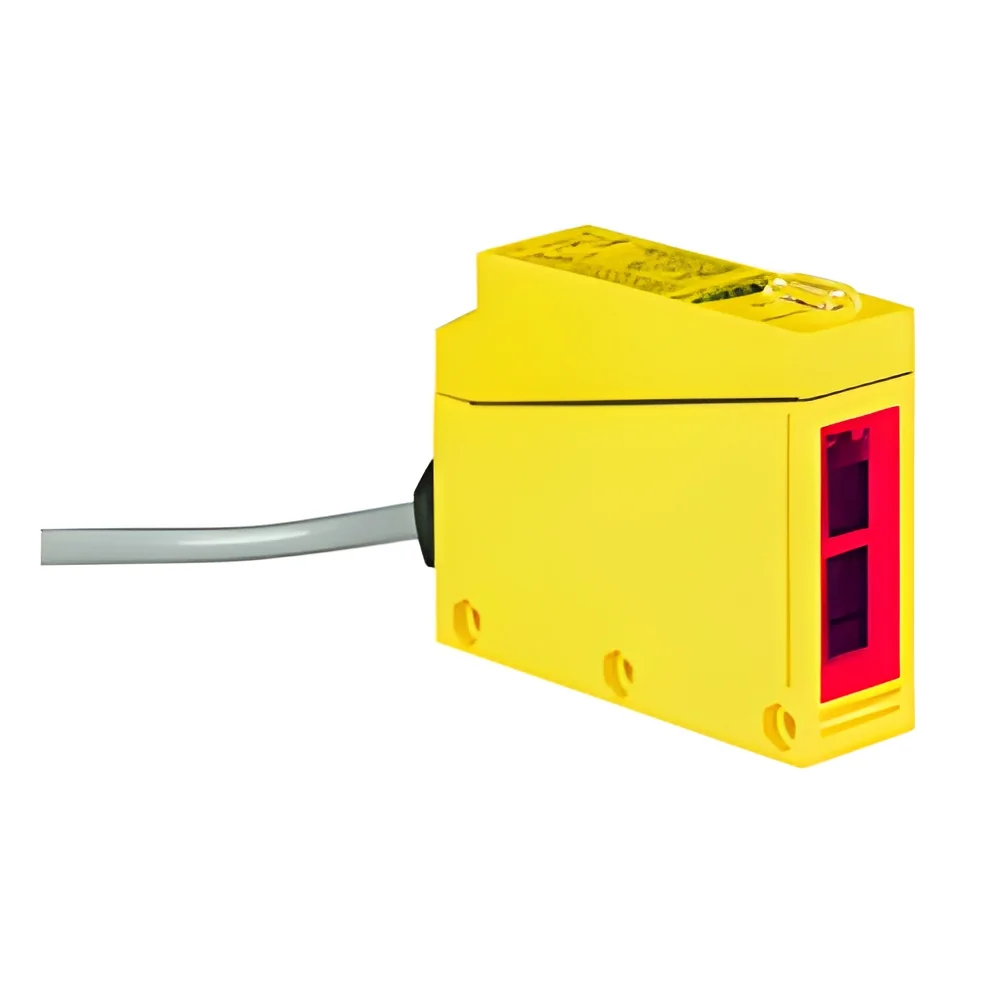
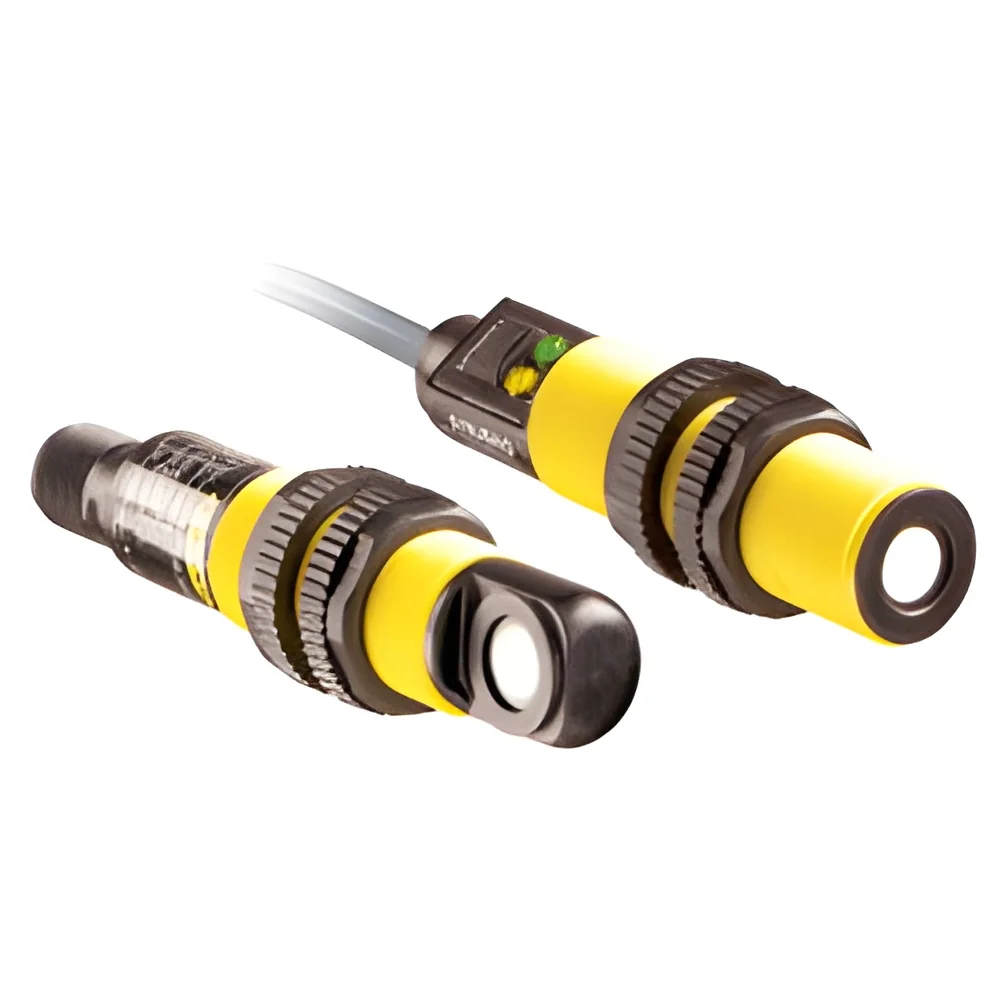
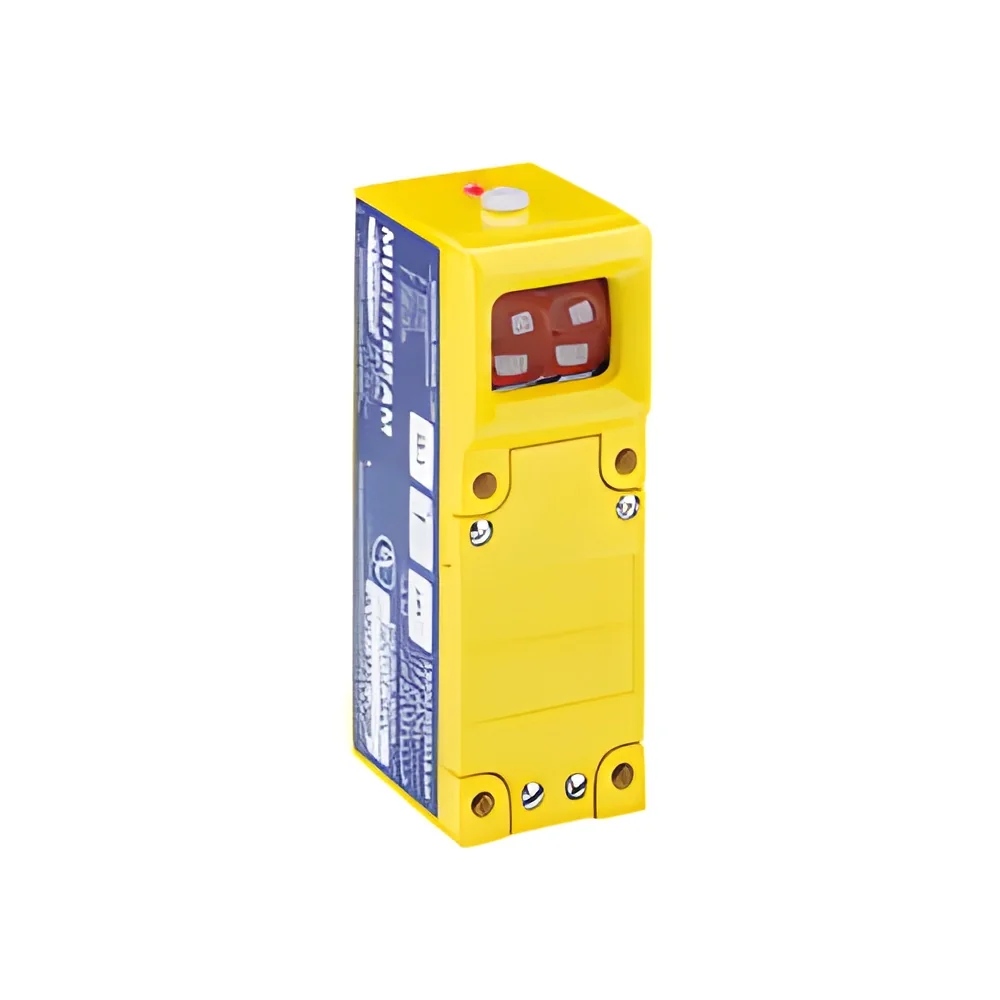
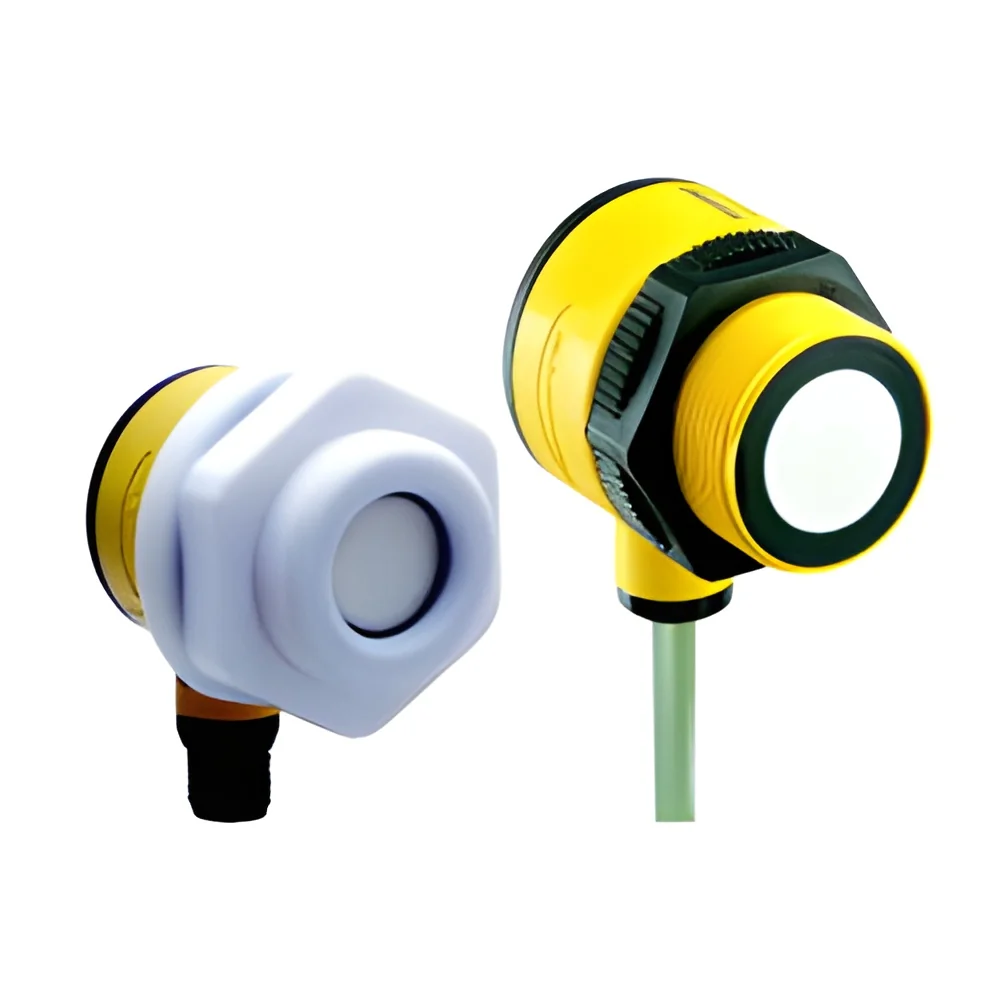
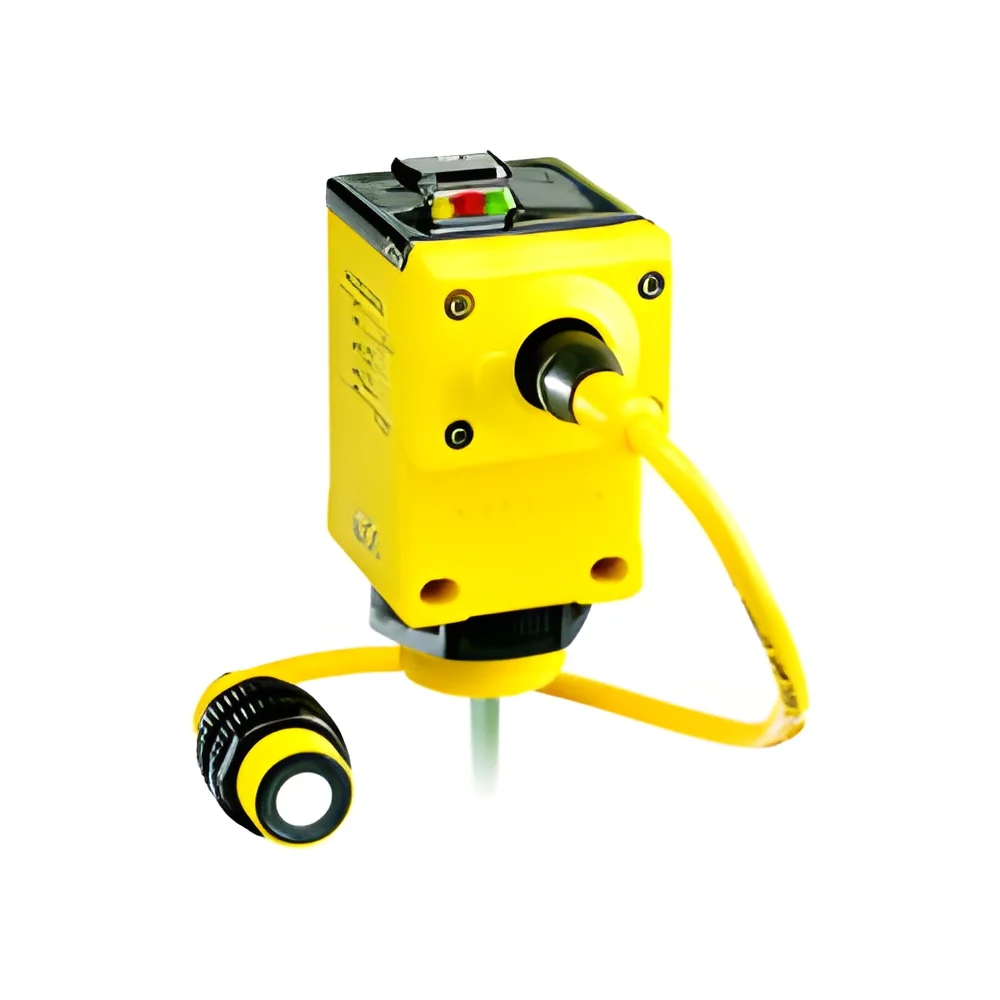
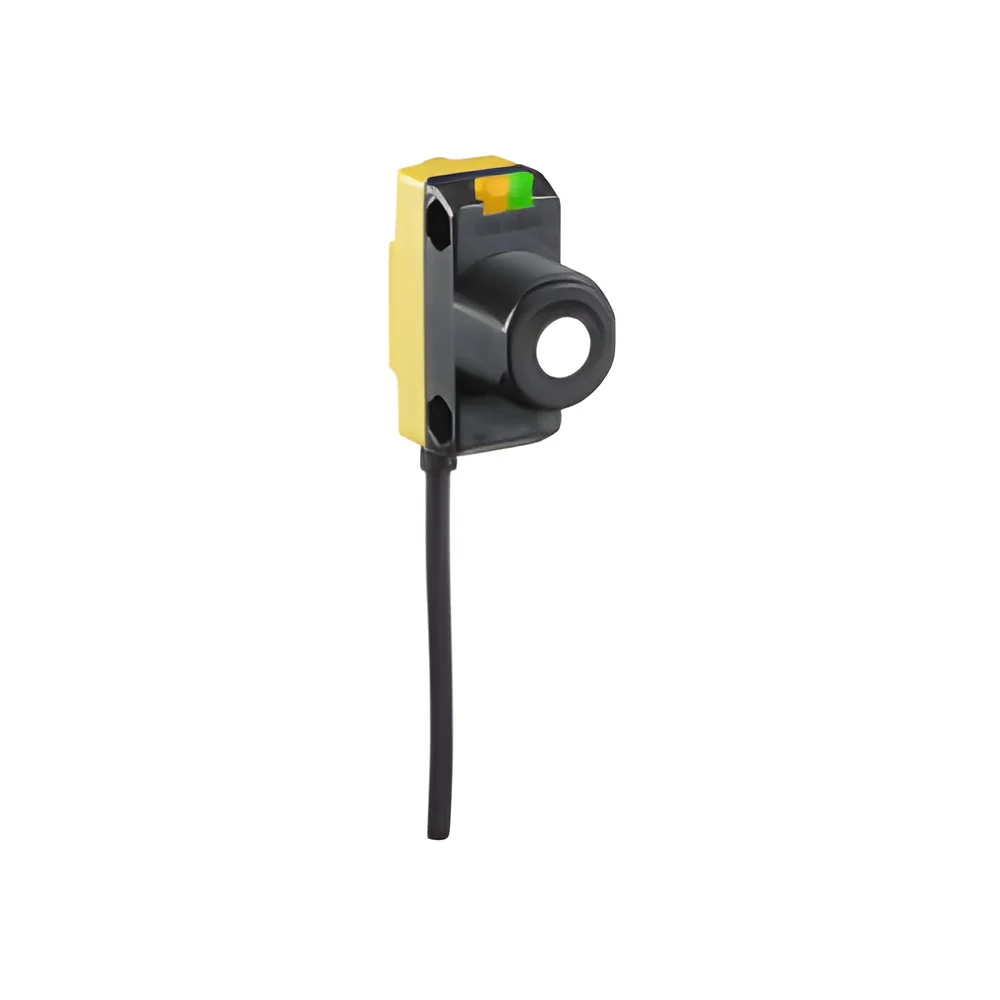
Ultrasonic sensors are devices that utilize high-frequency sound waves to detect the presence and distance of objects. These sensors emit ultrasonic waves and measure the time it takes for the waves to bounce back after striking an object. This time measurement allows for accurate distance calculation, making ultrasonic sensors essential in various industrial applications.
Typically, ultrasonic sensors are used in automation, robotics, and material handling systems. They help in level measurement, object detection, and collision avoidance. Their ability to function effectively in different environments, including those with dust or varying lighting conditions, makes them particularly valuable across diverse industries. As businesses increasingly integrate automation technologies, the demand for reliable ultrasonic sensors continues to grow, highlighting their relevance in today’s market.
Key Features and Specifications
Ultrasonic sensors are characterized by several key features that enhance their functionality in industrial applications. Understanding these specifications is crucial for selecting the right sensor for specific needs.
Key specifications include:
1. Detection Range
- Ultrasonic sensors can typically detect objects within a range of 0.2 meters to 6 meters.
- Some models can extend this range up to 10 meters.
2. Frequency
- The operational frequency usually ranges from 40 kHz to 400 kHz.
- Higher frequencies provide better resolution for close-range applications.
3. Output Type
- Sensors may offer analog or digital output options.
- Common output types include 4-20 mA, 0-10 V, or switching outputs.
4. Power Supply
- Most ultrasonic sensors operate on a standard power supply of 10-30 V DC.
- Some models are also available with AC power options.
5. Environmental Ratings
- Sensors are often rated for IP65 or higher, making them suitable for harsh environments.
- Temperature ranges typically span from -20°C to +70°C.
6. Mounting Options
- Ultrasonic sensors provide various mounting configurations such as flush or non-flush mounting.
- This flexibility allows for easy integration into existing systems.
In summary, these key features and specifications make ultrasonic sensors versatile tools for various industrial applications, ensuring reliable performance in different settings.
Common Applications and Use Cases
Ultrasonic sensors are widely used in multiple industries due to their versatility and reliability.
1. Manufacturing: In manufacturing plants, ultrasonic sensors are used for object detection and automated material handling systems. They help improve operational efficiency by ensuring precise positioning of components.
2. Automotive: In the automotive industry, these sensors assist in parking aid systems, helping vehicles detect obstacles and avoid collisions. They enhance safety features in modern vehicles.
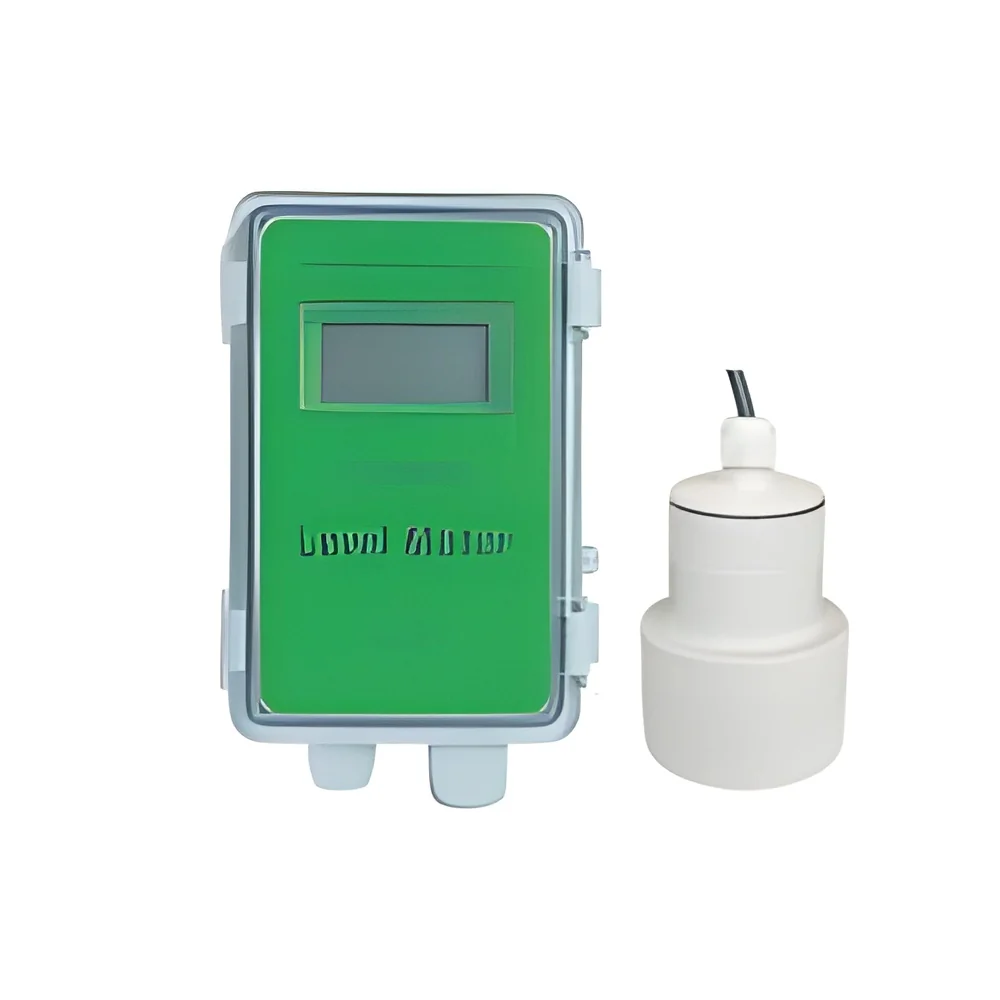
3. Food and Beverage: In food processing, ultrasonic sensors are utilized for level measurement in tanks and silos, ensuring accurate monitoring of liquid and solid materials.
4. Construction: Construction sites benefit from ultrasonic sensors for distance measurement and monitoring material levels in silos, ensuring efficient resource management.
5. Logistics: In warehouses, ultrasonic sensors streamline inventory management by detecting stock levels and facilitating automated storage and retrieval systems.
6. Agriculture: In agriculture, sensors are used for irrigation management, helping farmers optimize water use by monitoring soil moisture levels.
7. Environmental Monitoring: These sensors can monitor levels in waste management systems, ensuring compliance with environmental regulations.
Product Variants and Subcategories
Ultrasonic sensors come in various types to cater to different industrial needs. Their diversity allows for specific applications based on required functionalities.
Long-Range Ultrasonic Sensors
These sensors are designed for extended detection ranges, making them ideal for large-scale applications such as level measurement in large tanks or silos. They provide accurate readings over long distances, ensuring efficient monitoring.
Compact Ultrasonic Sensors
Compact models are perfect for applications with space constraints. These sensors maintain high accuracy and are often used in robotics and automation systems where size is a critical factor.
High-Temperature Ultrasonic Sensors
Designed to operate in extreme conditions, these sensors can function effectively in high-temperature environments, making them suitable for processes in the metal and glass industries.
Benefits and Advantages
Ultrasonic sensors offer numerous benefits that enhance their value in industrial applications.
1. Non-Contact Measurement: Ultrasonic sensors provide non-contact distance measurement, reducing wear and tear and increasing lifespan.
2. High Precision: These sensors offer high accuracy and repeatability, ensuring reliable operations in critical applications.
3. Adaptability: Ultrasonic sensors can be used in various environments, including harsh conditions, without sacrificing performance.
4. Cost-Effectiveness: By improving operational efficiency and reducing errors, ultrasonic sensors can lead to significant cost savings over time.
5. Easy Integration: Their compatibility with existing systems and simple installation processes make ultrasonic sensors user-friendly.
6. Low Maintenance: With minimal moving parts, these sensors require less maintenance, further reducing operational costs.
Buying Guide for B2B Buyers
When sourcing ultrasonic sensors, it is essential to consider several factors to ensure the best choice for your needs.
1. Quality Assessment: Evaluate the quality of ultrasonic sensors by looking for established brands and products that meet industry standards. Consider factors such as durability and performance in various conditions.
2. Supplier Verification: Vet suppliers carefully to ensure they have a good reputation for providing high-quality products. Check for customer reviews and testimonials to gauge reliability.
3. Pricing and MOQ: Understand the cost structure of ultrasonic sensors, including pricing tiers based on volume. Be aware of minimum order quantities that suppliers may impose.
4. Delivery and Lead Times: Discuss logistics with suppliers to ensure timely delivery of sensors, especially if they are critical to your operations. Lead times can vary based on supplier capacity.
5. Compliance Requirements: Ensure that the sensors meet all relevant regulatory and safety standards in your industry, such as UL and CE certifications, to avoid compliance issues.
Compliance and Certifications
Ultrasonic sensors must adhere to various compliance standards and certifications to ensure quality and safety. Relevant quality standards such as ISO 9001 demonstrate a commitment to consistent quality management practices.
Industry certifications, including UL and CE, indicate that ultrasonic sensors have undergone rigorous testing to meet safety and performance benchmarks. These certifications are crucial for businesses that prioritize safety and compliance in their operations.
Additionally, ultrasonic sensors must meet specific safety and testing requirements that vary by region. Compliance with local regulations is essential, particularly in industries such as food and beverage and environmental monitoring, where strict guidelines govern operational standards.
Why Source Ultrasonic Sensors from Pepagora?
Pepagora provides a trusted platform for sourcing ultrasonic sensors, ensuring that buyers have access to high-quality products and reliable suppliers.
Verified Supplier Network: Pepagora maintains a network of verified suppliers, ensuring that all listed products meet industry standards and quality benchmarks. This verification process enhances buyer confidence and minimizes risks associated with supplier selection.
Streamlined RFQ Process: The platform offers an efficient request for quotation (RFQ) process, allowing buyers to easily request quotes from multiple suppliers. This system saves time and helps in making informed purchasing decisions.
Trade Assurance and Support: Pepagora offers trade assurance and support services to protect buyers throughout the purchasing process. This added layer of security fosters trust and peace of mind for all transactions.
Regional Coverage: With a geographic reach that includes India, GCC, and Southeast Asia, Pepagora facilitates access to ultrasonic sensors for businesses across varied markets. This broad coverage ensures that buyers can find suitable products regardless of their location.

 IN
IN