What are Proximity Sensors (Inductive, Capacitive)?
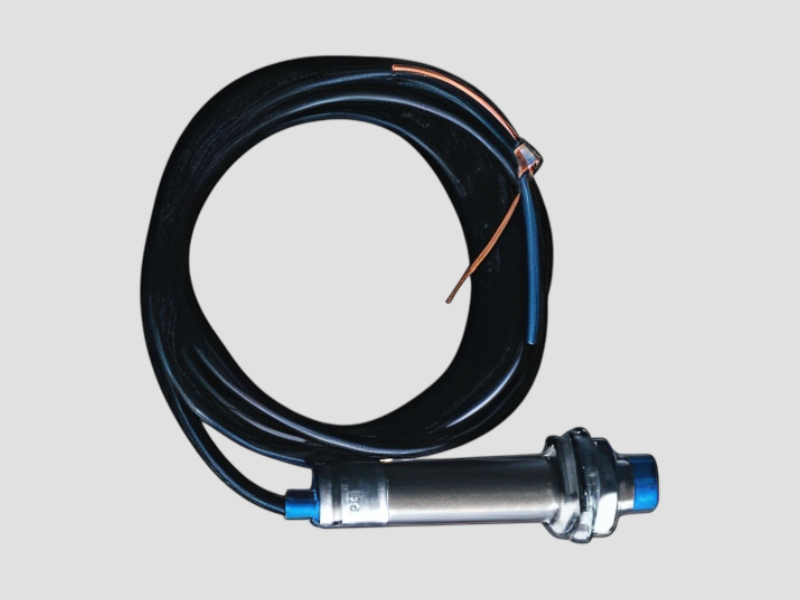
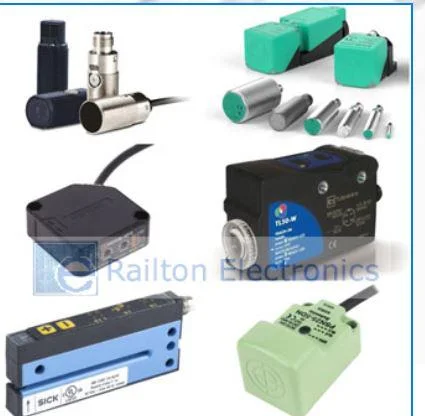
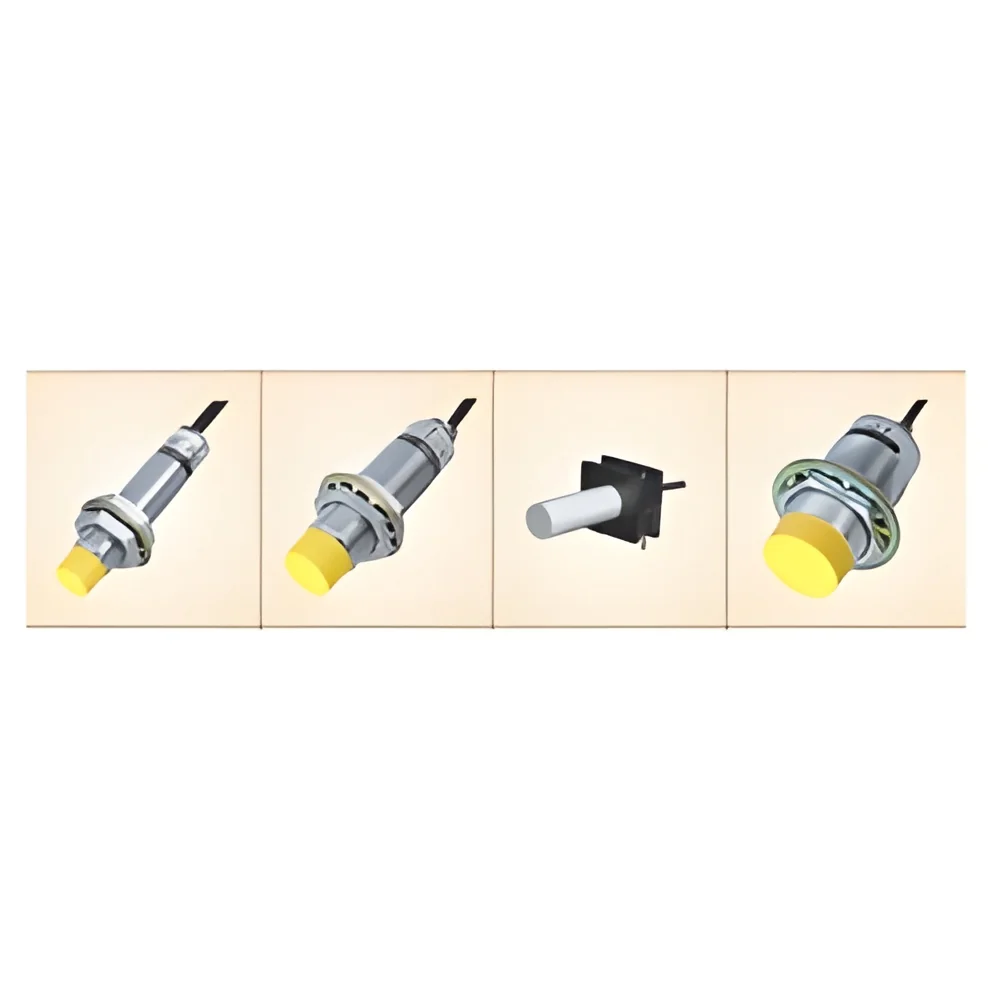
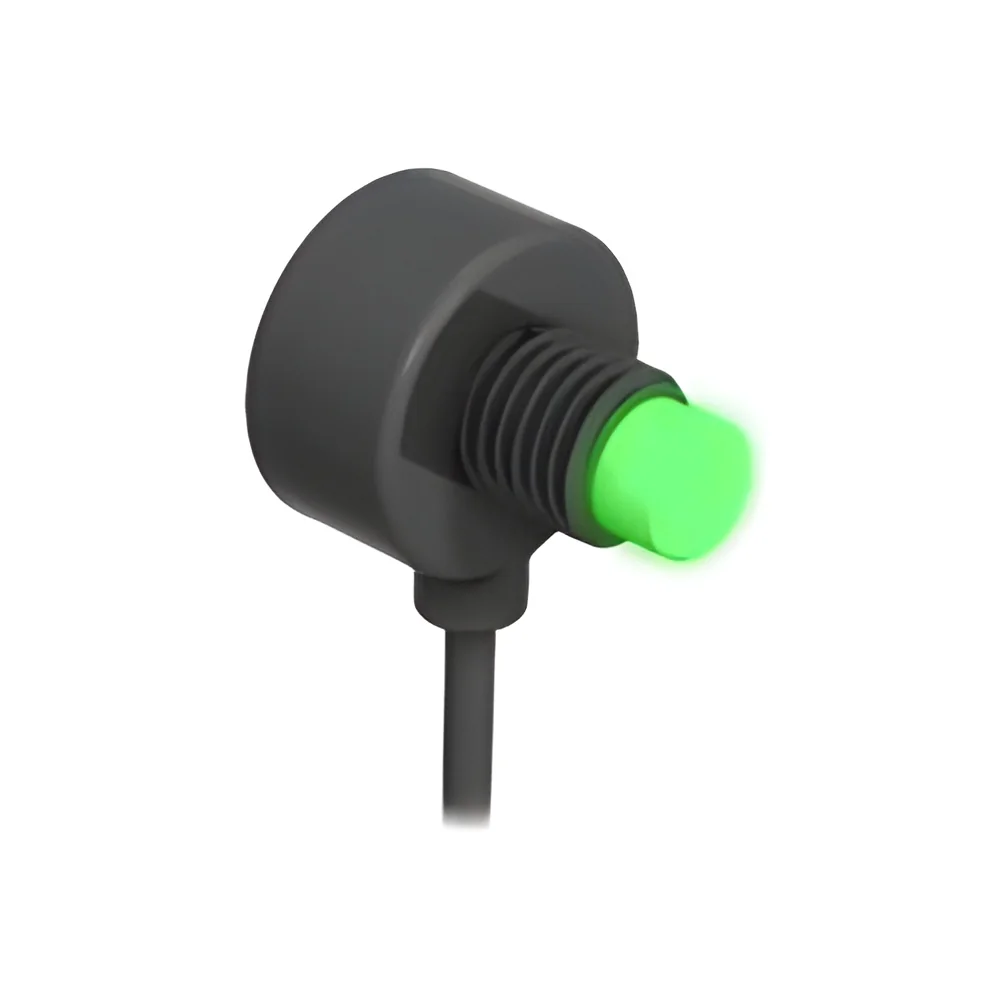
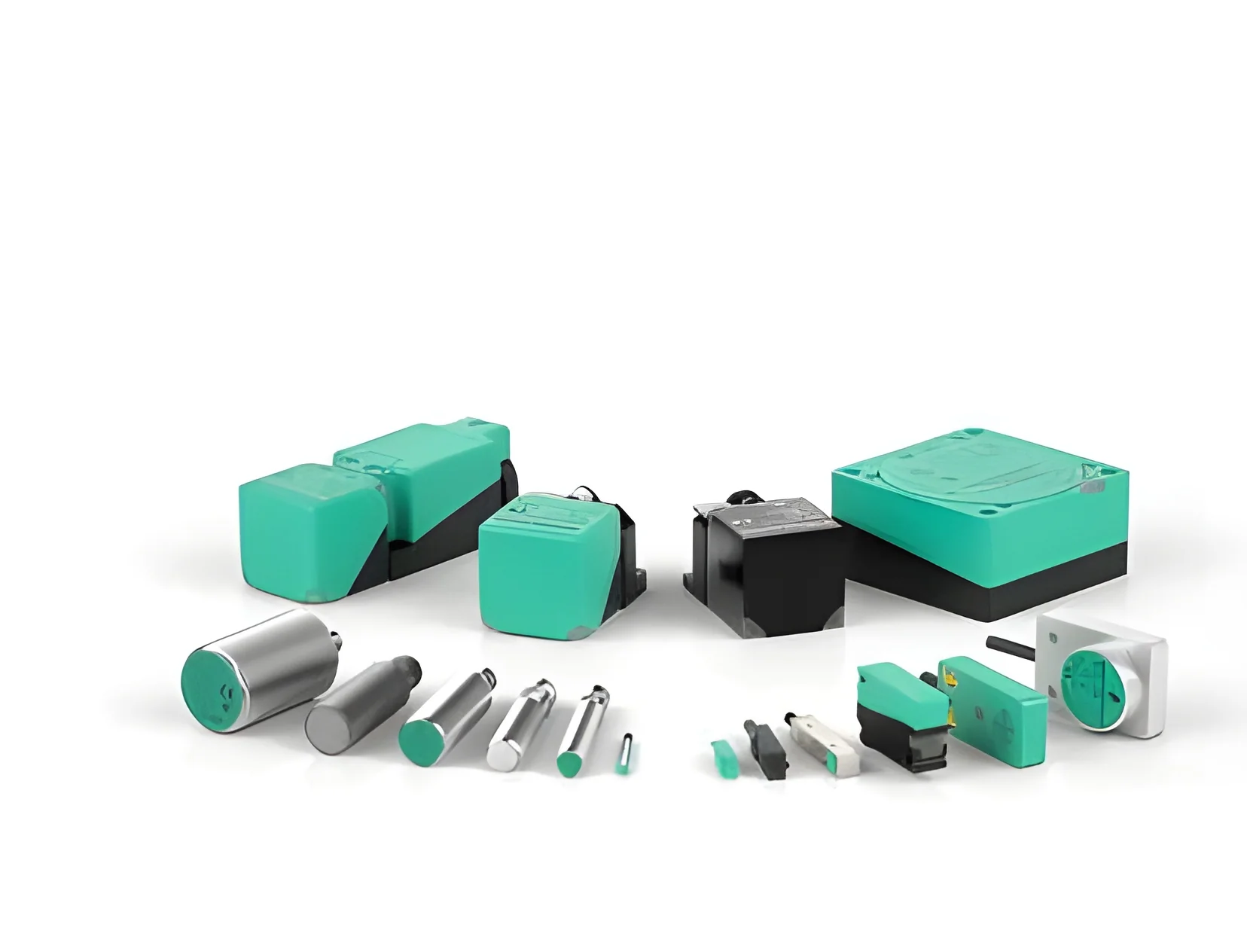
Proximity sensors are electronic devices that detect the presence or absence of an object within a specified range without physical contact. There are two primary types of proximity sensors: inductive and capacitive. Inductive sensors work by generating an electromagnetic field and detecting changes in that field when metallic objects approach. Capacitive sensors, on the other hand, can detect both metallic and non-metallic objects by measuring capacitance changes caused by nearby objects.
These sensors are widely used in various industrial applications, such as manufacturing, automation, and robotics. They play a crucial role in enhancing operational efficiency by enabling the automation of processes, providing feedback for machine operation, and ensuring safety in industrial environments. As industries continue to adopt automation technologies, the demand for reliable proximity sensors is growing, making them vital components in modern manufacturing and assembly lines.
๐๐ฒ๐ ๐๐ฒ๐ฎ๐๐๐ฟ๐ฒ๐ ๐ฎ๐ป๐ฑ ๐ฆ๐ฝ๐ฒ๐ฐ๐ถ๐ณ๐ถ๐ฐ๐ฎ๐๐ถ๐ผ๐ป๐
Proximity sensors come with a range of features and specifications that make them suitable for various applications. Understanding these specifications helps businesses select the right sensors for their needs.
Key specifications include:
1. Sensing Distance:
- The maximum distance at which the sensor can detect an object.
- Typically ranges from a few millimeters to several centimeters.
2. Output Type:
- The type of signal produced by the sensor when an object is detected.
- Common output types include digital (on/off) and analog signals.
3. Operating Voltage:
- The voltage required for the sensor to operate effectively.
- Generally ranges from 5V to 24V DC.
4. Environmental Protection:
- Ratings that indicate the sensor's resistance to dust and moisture.
- Common ratings include IP67 and IP68.
5. Response Time:
- The time taken by the sensor to detect an object and send a signal.
- Typically ranges from a few microseconds to milliseconds.
6. Temperature Range:
- The range of temperatures within which the sensor can operate effectively.
- Data not available.
7. Material Construction:
- The materials used in the sensor's casing, which can affect durability.
- Common materials include plastic and metal.
8. Mounting Options:
- Various ways to install the sensor, including flush and non-flush mounting.
- Compatibility with different installation environments is crucial.
These specifications help businesses determine the best fit for their operational requirements.
๐๐ผ๐บ๐บ๐ผ๐ป ๐๐ฝ๐ฝ๐น๐ถ๐ฐ๐ฎ๐๐ถ๐ผ๐ป๐ ๐ฎ๐ป๐ฑ ๐จ๐๐ฒ ๐๐ฎ๐๐ฒ๐
Proximity sensors find application in numerous industries due to their versatility and reliability.
1. Manufacturing: Used for detecting the position of components on assembly lines to automate processes and enhance productivity.
2. Automotive: Employed in vehicle safety systems, such as parking assist and collision detection.
3. Food and Beverage: Utilized in packaging machines to detect the presence of containers and ensure proper filling.
4. Robotics: Essential for obstacle detection and navigation in automated guided vehicles.
5. Packaging: Used in various stages of packaging lines to ensure accuracy and efficiency in handling products.
6. Electronics: Implemented in devices for detecting user presence, enabling features like power saving and activation.
7. Healthcare: Applied in medical devices to monitor patient movements and ensure safety.
๐ฃ๐ฟ๐ผ๐ฑ๐๐ฐ๐ ๐ฉ๐ฎ๐ฟ๐ถ๐ฎ๐ป๐๐ ๐ฎ๐ป๐ฑ ๐ฆ๐๐ฏ๐ฐ๐ฎ๐๐ฒ๐ด๐ผ๐ฟ๐ถ๐ฒ๐
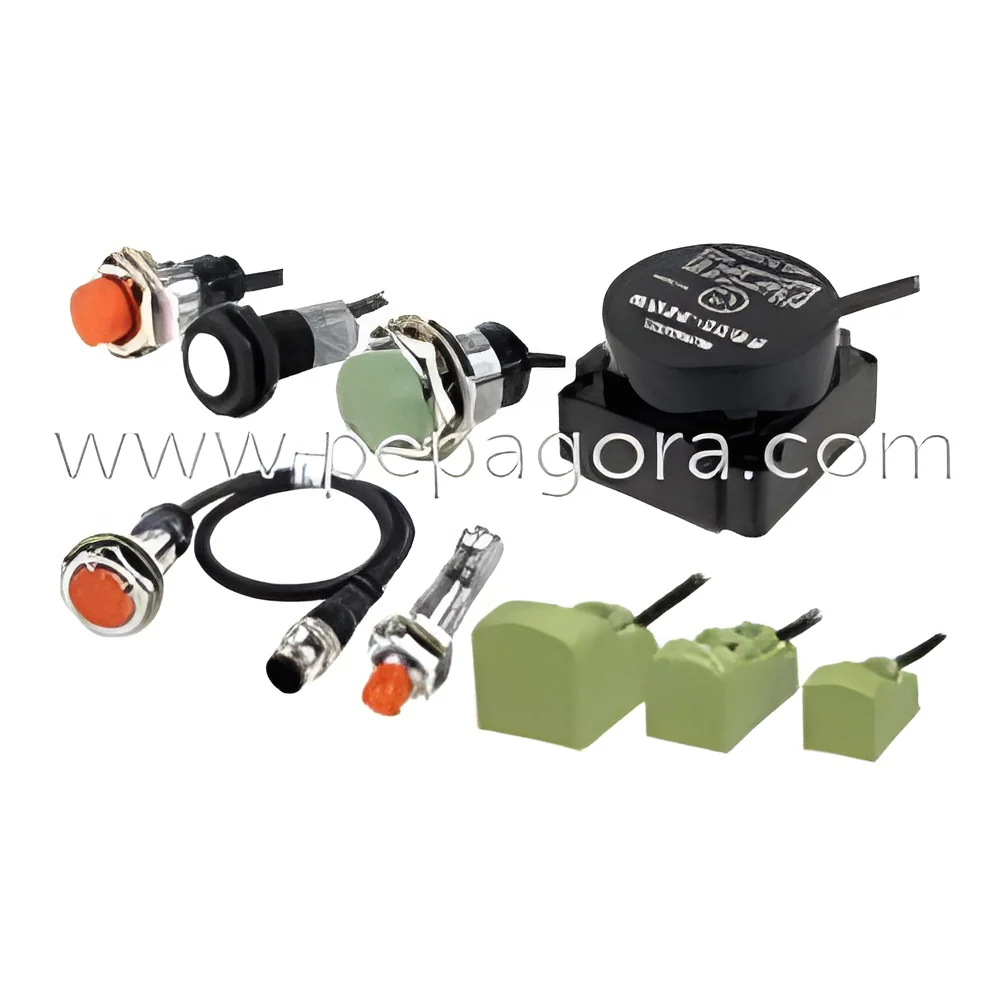
Proximity sensors come in various types and configurations to meet different application needs. Each variant offers unique features that cater to specific requirements.
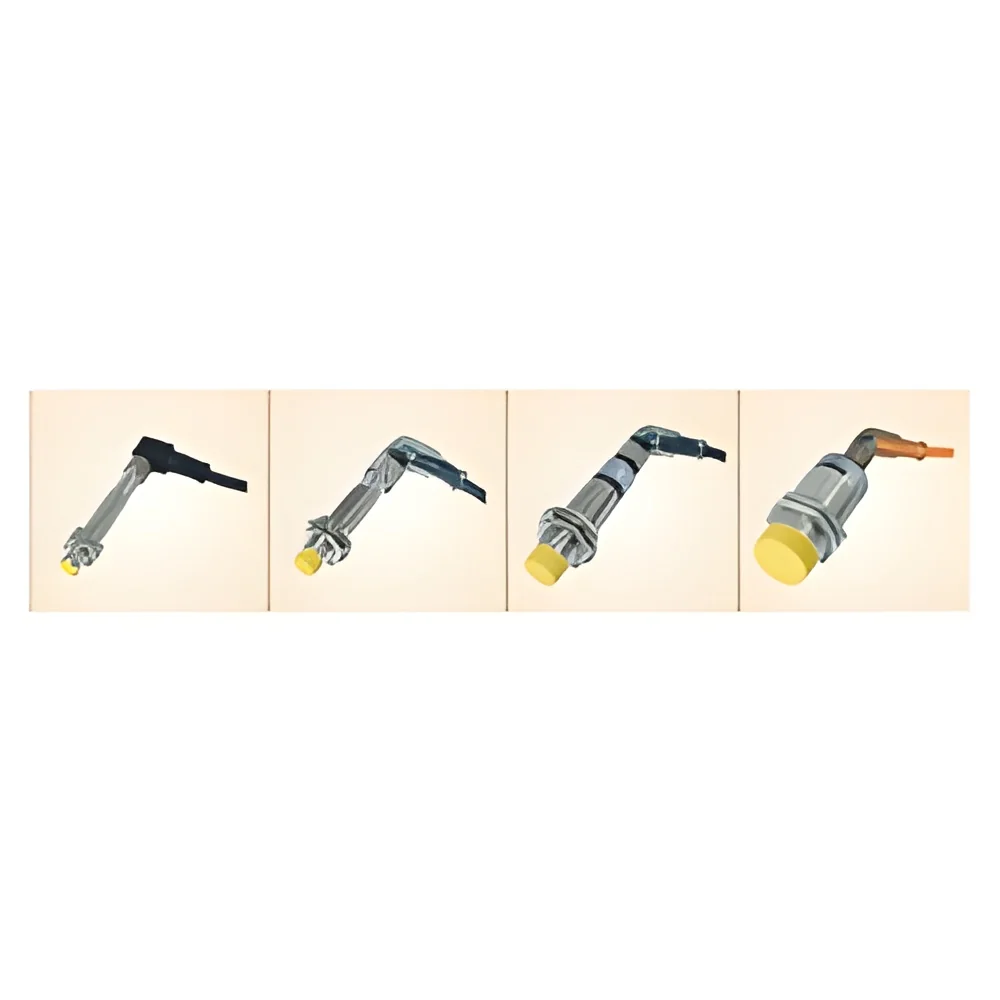
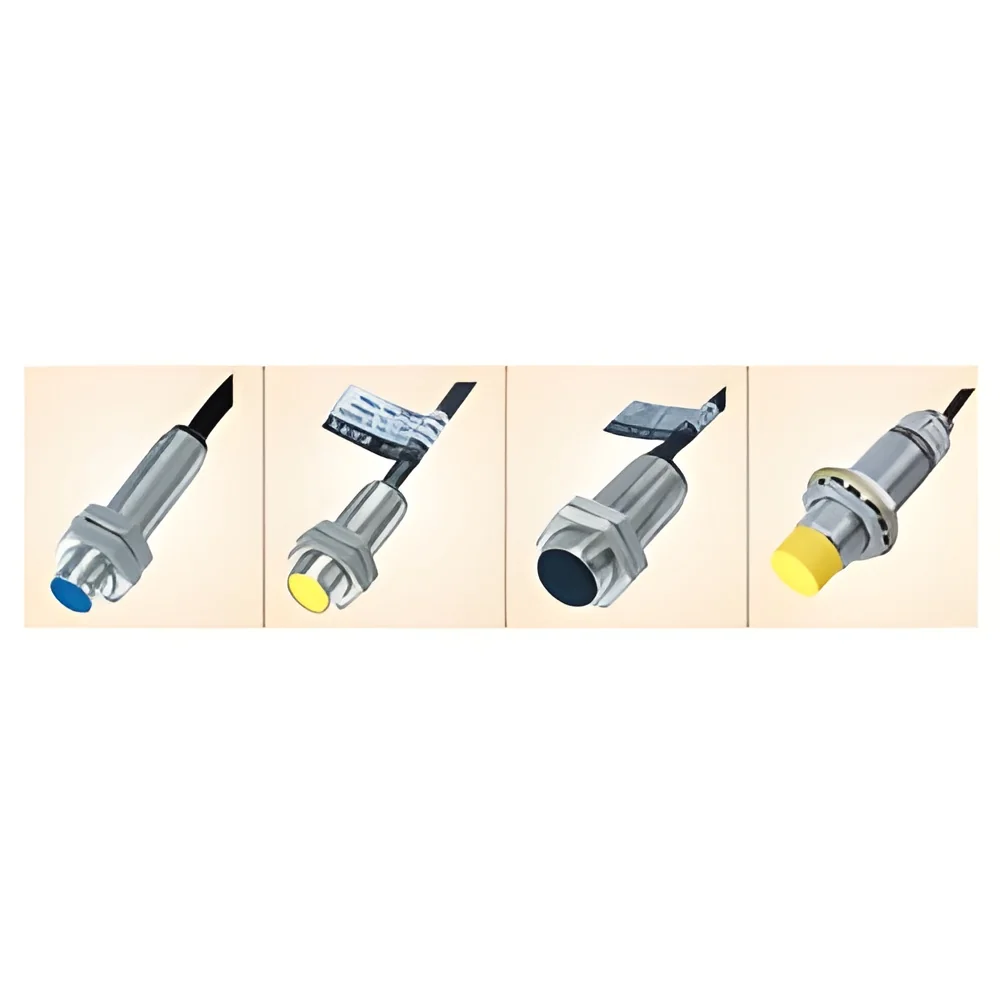
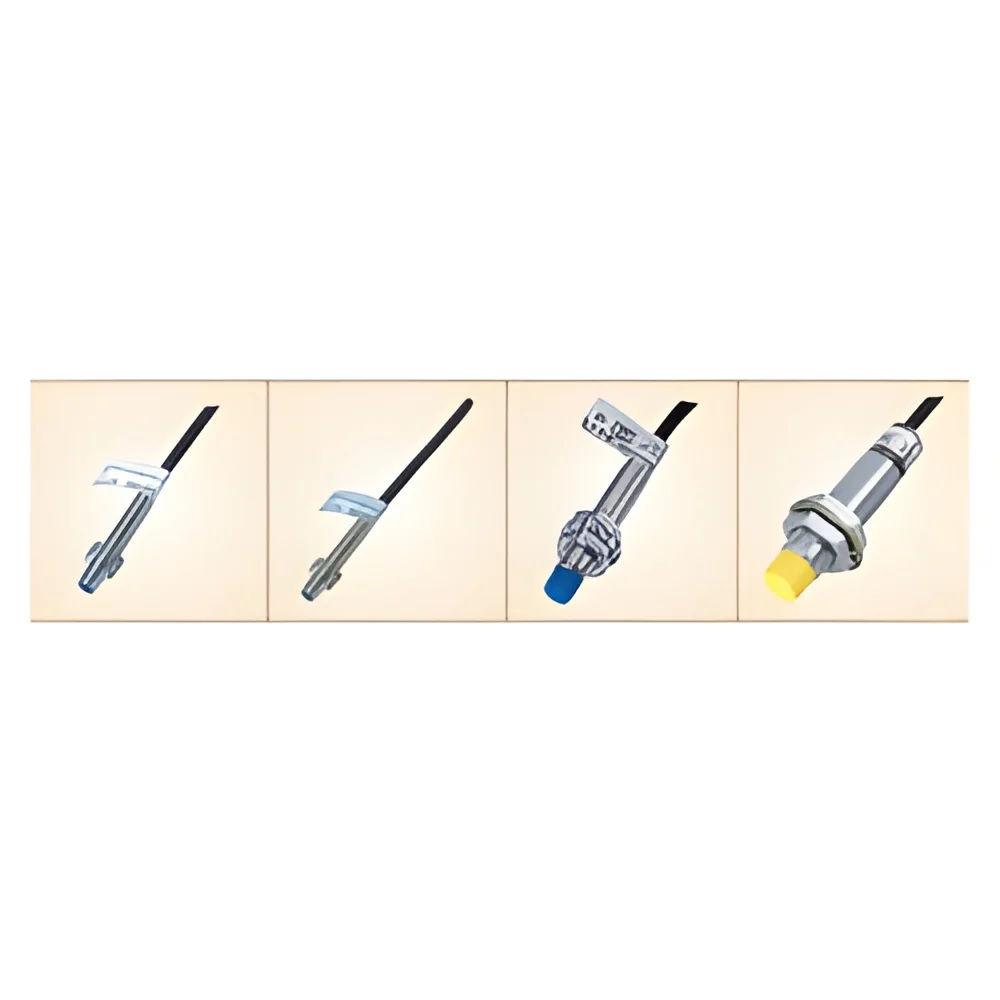
Inductive Proximity Sensors: These sensors are designed to detect metallic objects. They are often used in industrial automation for position sensing, providing reliable performance in harsh environments.
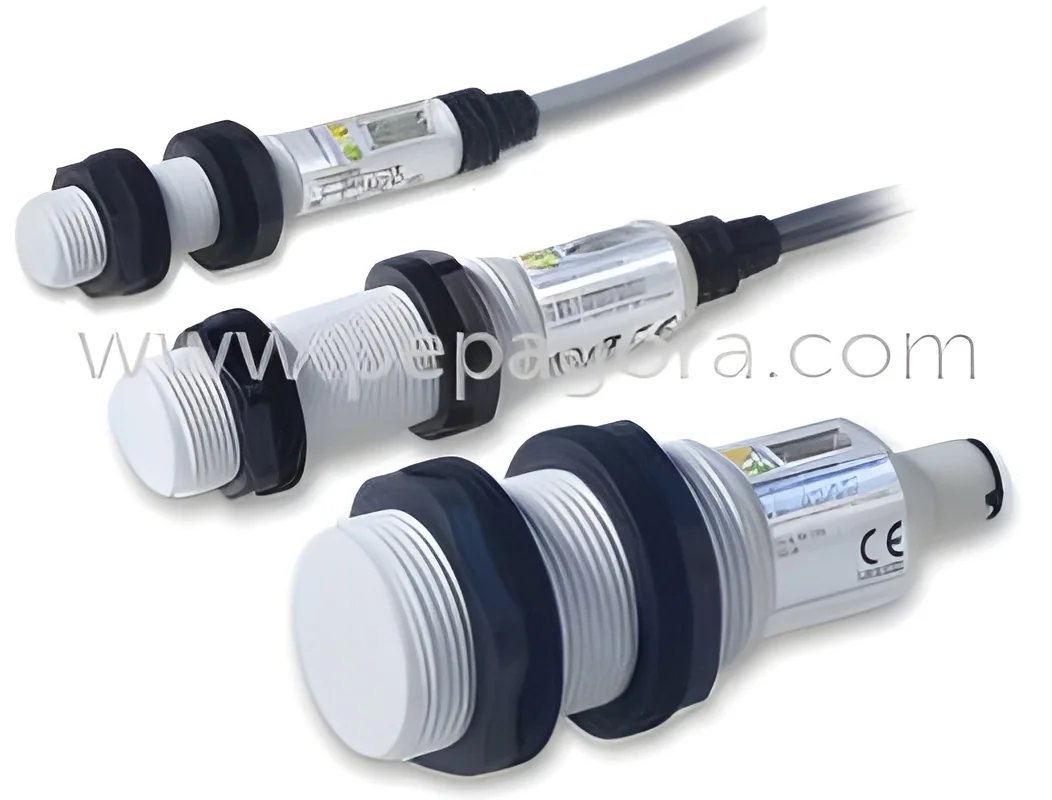
Capacitive Proximity Sensors: Capable of detecting both solid and liquid objects, these sensors are ideal for applications in packaging, food processing, and materials handling. They provide versatility and can work through non-metallic barriers.
๐๐ฒ๐ป๐ฒ๐ณ๐ถ๐๐ ๐ฎ๐ป๐ฑ ๐๐ฑ๐๐ฎ๐ป๐๐ฎ๐ด๐ฒ๐
Utilizing proximity sensors offers significant advantages to businesses looking to enhance their operational efficiency.
1. Increased Efficiency: Proximity sensors automate processes, reducing the need for manual intervention and speeding up production.
2. Enhanced Safety: They provide critical feedback and detection capabilities, helping to prevent accidents in industrial settings.
3. Cost-Effectiveness: The use of these sensors can lead to lower operational costs by minimizing waste and optimizing resource use.
4. Versatility: Suitable for various applications across multiple industries, allowing businesses to use them in diverse scenarios.
5. Durability: Many proximity sensors are built to withstand harsh environments, ensuring long-term reliability.
6. Easy Installation: Many models are designed for quick installation, allowing for minimal downtime during setup.
๐๐๐๐ถ๐ป๐ด ๐๐๐ถ๐ฑ๐ฒ ๐ณ๐ผ๐ฟ ๐๐ฎ๐ ๐๐๐๐ฒ๐ฟ๐
When sourcing proximity sensors, businesses should consider several key factors to ensure they make informed purchasing decisions.
1. Quality Assessment: Evaluate the product quality by checking for international standards and certifications. Look for sensors that meet industry quality benchmarks.
2. Supplier Verification: Ensure that suppliers are reputable and have a track record of reliability. Request references and check their history in the industry.
3. Pricing and MOQ: Compare prices among different suppliers and consider the minimum order quantities that fit your operational needs. Balance cost with quality to ensure value.
4. Delivery and Lead Times: Understand the expected delivery timelines to avoid disruptions in operations. Ensure suppliers can meet your scheduling requirements.
5. Compliance Requirements: Verify that the sensors comply with relevant industry regulations and standards. This is crucial for ensuring safety and operational integrity.
๐๐ผ๐บ๐ฝ๐น๐ถ๐ฎ๐ป๐ฐ๐ฒ ๐ฎ๐ป๐ฑ ๐๐ฒ๐ฟ๐๐ถ๐ณ๐ถ๐ฐ๐ฎ๐๐ถ๐ผ๐ป๐
Proximity sensors are subject to various compliance and certification requirements that ensure their reliability and safety in industrial applications. Key quality standards include ISO 9001, which outlines requirements for a quality management system, ensuring products meet customer and regulatory requirements.
Additionally, many proximity sensors come with CE certification, indicating compliance with European health, safety, and environmental protection standards. This certification reassures buyers about the product's safety and reliability.
Manufacturers may also need to adhere to safety and testing requirements specific to their industry. Compliance with these standards not only enhances product credibility but also facilitates smoother operations in regulated environments. Regional compliance considerations should also be evaluated based on local laws and regulations.
Why Source Proximity Sensors (Inductive, Capacitive) from Pepagora?
Pepagora offers a reliable platform for sourcing proximity sensors that meet diverse business needs. Our verified supplier network ensures that buyers have access to high-quality products from reputable manufacturers. Each supplier is thoroughly vetted to guarantee they adhere to industry standards.
Our streamlined RFQ process simplifies the procurement journey, allowing buyers to request quotations easily and receive timely responses. This efficiency helps in making quick purchasing decisions without compromising on quality.
We also provide trade assurance and support to protect buyers throughout the sourcing process. This includes assistance with any disputes that may arise and ensuring that transactions are secure.
With a strong regional coverage encompassing India, GCC, and Southeast Asia, Pepagora connects buyers with suppliers across significant markets. This geographic reach ensures that businesses can find the right proximity sensors tailored to their specific industrial applications.