IN
IN₹
Apparel & Fashion
Description
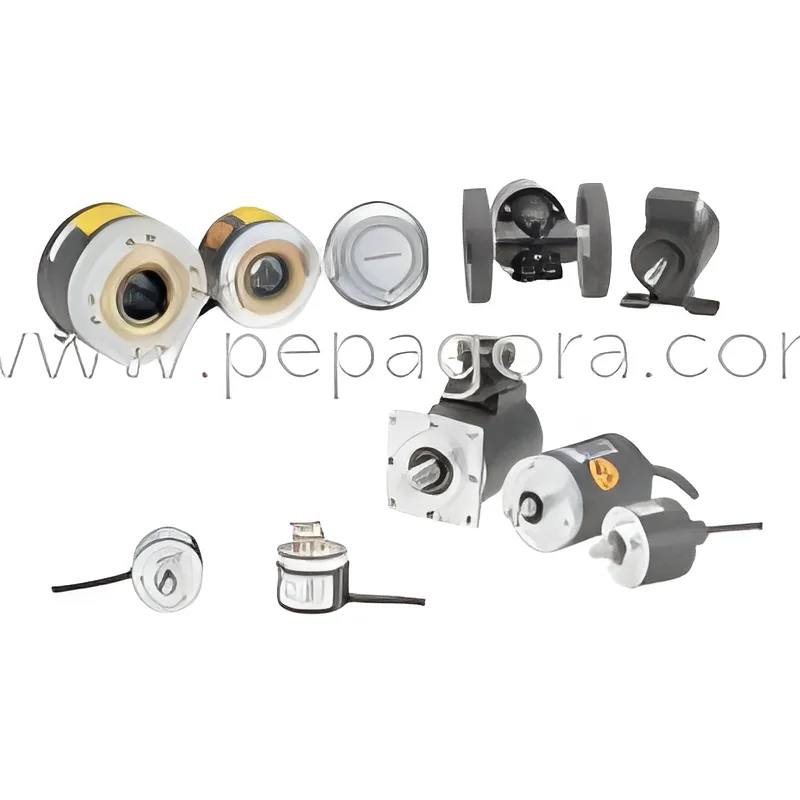
Industrial automation electronic encoders are precision motion sensing devices that convert mechanical shaft rotation into accurate digital signals. These sophisticated instruments provide critical feedback for control systems by monitoring rotational movement with exceptional precision. By transforming mechanical motion into electronic data, they enable precise position, speed, and direction control in automated systems. Their fundamental operation involves detecting rotational changes and transmitting this information to controllers that manage machine operations, ensuring movements occur exactly as programmed. This technology forms the backbone of modern automation where precise motion control is essential for operational efficiency, product quality, and manufacturing consistency.

These encoders find extensive application across industries where precision motion control is paramount. In manufacturing, they are integral to CNC machines, robotic arms, and automated assembly lines, en...
Industrial automation electronic encoders are precision motion sensing devices that convert mechanical shaft rotation into accurate digital signals. These sophisticated instruments provide critical feedback for control systems by monitoring rotational movement with exceptional precision. By transforming mechanical motion into electronic data, they enable precise position, speed, and direction control in automated systems. Their fundamental operation involves detecting rotational changes and transmitting this information to controllers that manage machine operations, ensuring movements occur exactly as programmed. This technology forms the backbone of modern automation where precise motion control is essential for operational efficiency, product quality, and manufacturing consistency.

These encoders find extensive application across industries where precision motion control is paramount. In manufacturing, they are integral to CNC machines, robotic arms, and automated assembly lines, ensuring precise positioning and repeatable operations. The automotive industry utilizes them in production equipment, testing machinery, and automated guided vehicles. Aerospace applications include flight control systems and navigation equipment, while packaging systems rely on them for accurate filling, labeling, and sealing operations. Their versatility extends to material handling, industrial robotics, and precision manufacturing where reliable position feedback is essential for system performance and product quality.

The business value of electronic encoders lies in their ability to enhance operational efficiency, reduce errors, and minimize downtime through reliable performance. These components deliver exceptional return on investment by improving production accuracy, reducing material waste, and increasing throughput rates. Their robust construction ensures consistent operation in demanding environments, minimizing maintenance requirements and unexpected failures. The precision offered by these devices directly contributes to higher quality end products, better process control, and improved overall equipment effectiveness. Their reliability in providing accurate position feedback makes them valuable assets in competitive manufacturing and automation environments where precision and consistency drive operational success.

Key Features:
- High-resolution optical sensing for precise position detection
- Robust construction with industrial-grade housings for demanding environments
- Multiple output options including digital and fieldbus protocols
- Wide operating temperature range for various industrial conditions
- Standard shaft sizes and mounting options for easy integration

Benefits:
- Enhanced operational efficiency through precise motion control
- Reduced material waste and improved production accuracy
- Consistent performance in demanding industrial environments
- Minimal maintenance requirements and reliable long-term operation
- Improved product quality and manufacturing process control
Specifications
| Additional Information | |
|---|---|
| Country of Origin | India |
Application
Electronic encoders serve as essential components in motion control systems across multiple sectors. They transform mechanical rotation into precise digital signals, enabling accurate monitoring and control of moving parts in automated equipment. Their robust design ensures consistent performance in demanding industrial environments where precision and reliability are critical for operational success.
These precision devices are fundamental in manufacturing automation, robotics, automotive production, and aerospace systems. They maintain operational accuracy in CNC machining centers, robotic assembly arms, conveyor systems, and precision instruments. Their versatility supports various industrial requirements, making them suitable for both heavy-duty applications and delicate precision tasks where exact positioning is mandatory.
- CNC machining centers for precise tool positioning and movement control
- Industrial robotics for accurate joint angle measurement and movement feedback
- Conveyor systems in manufacturing plants for speed and position monitoring
- Automotive assembly lines for robotic welding and part placement accuracy
- Packaging machinery for controlling fill levels, cutting positions, and sealing operations
Trade Details
| Available Stock | In Stock |
| Sample Availability | No |
Payment Terms
| Payment Terms |
|
Company Profile
Naren Electronics And Services, Tamil Nadu
 Tamil Nadu, India
Tamil Nadu, IndiaElectronics & Electrical•Distributor / Wholesaler
Factory Details
Factory SizeBelow 1000 sqm
Annual Production Capacity0
Industrial Automation Electronic Encoders For Precise Motion Control
Industrial automation electronic encoders deliver precise motion control by converting shaft rotation into digital signals. These reliable devices provide accurate position feedback for robotics, CNC machinery, and automated systems requiring real-time monitoring.
Min. Order Quantity: 1 unit
Shipping
Shipping fee and delivery date to be negotiated. Contact supplier now for more details.
Naren Electronics And Services
 Tamil Nadu, India
Tamil Nadu, IndiaElectronics & ElectricalDistributor / Wholesaler