What are Position & Displacement Sensors?
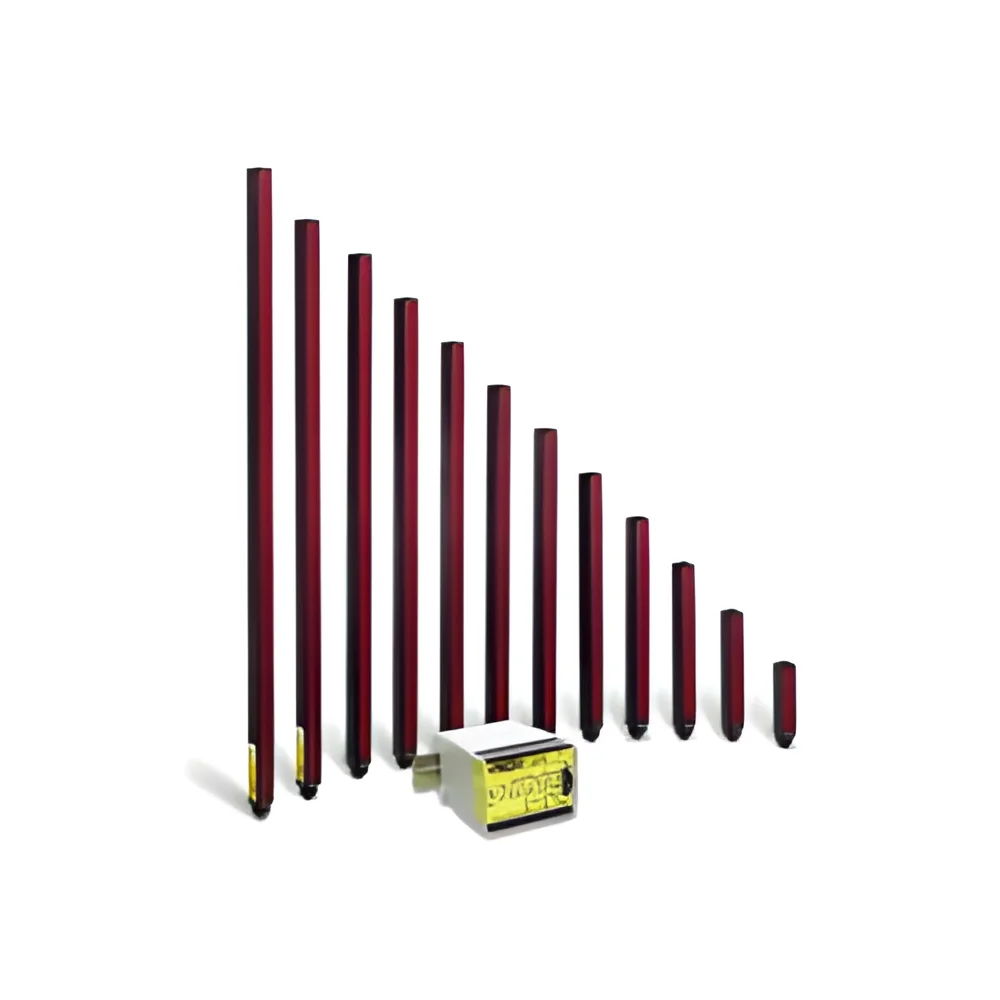
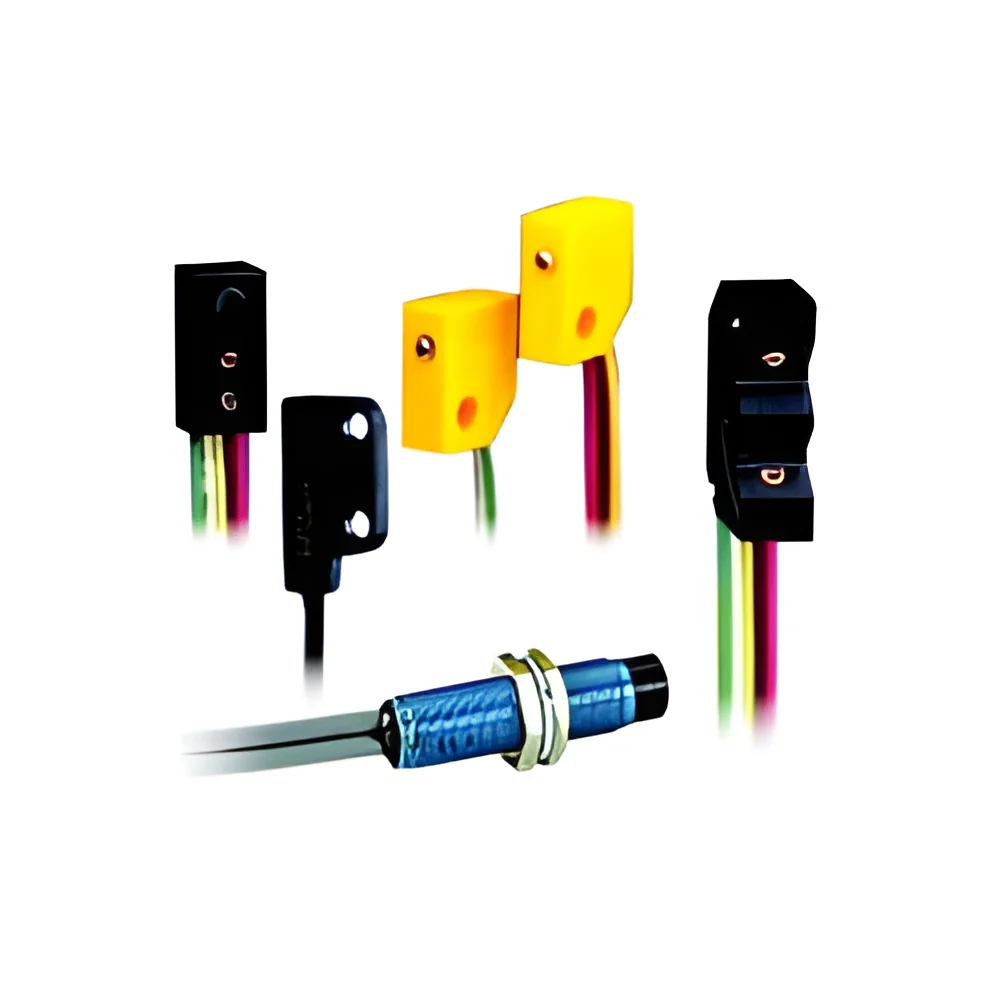
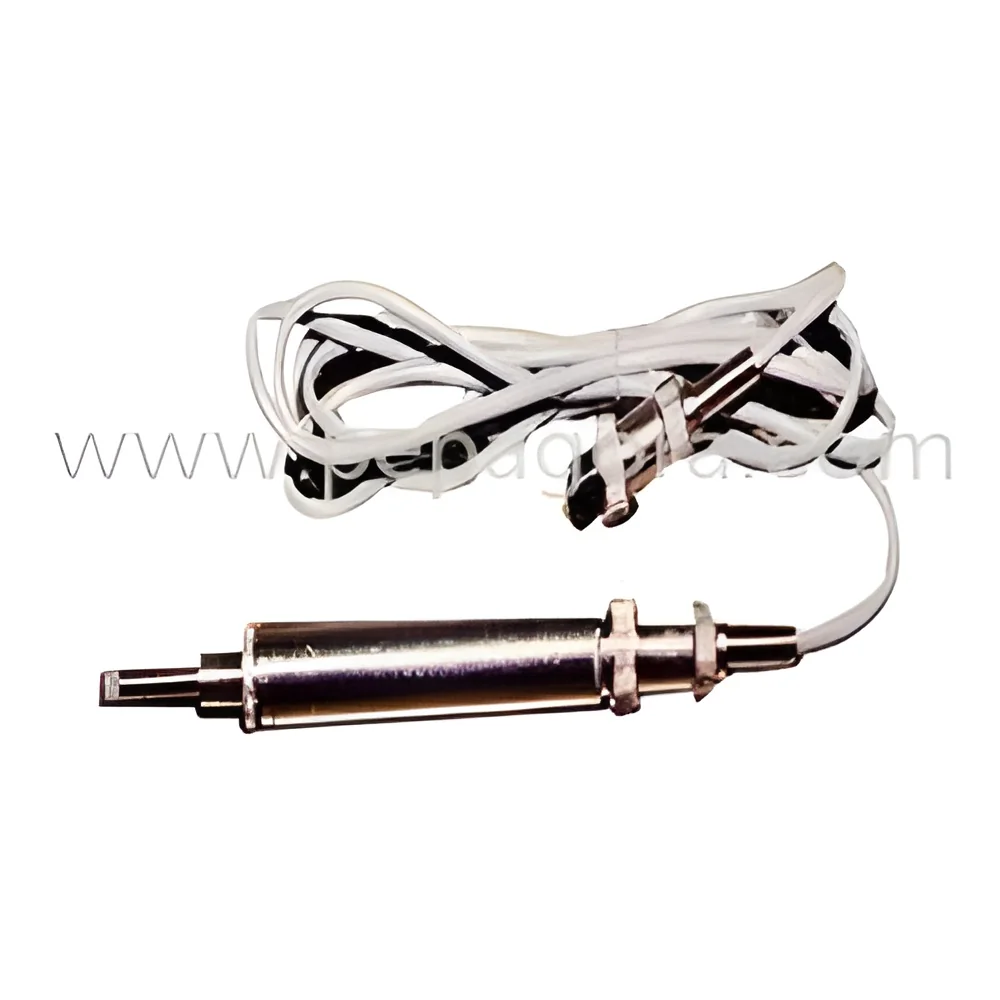
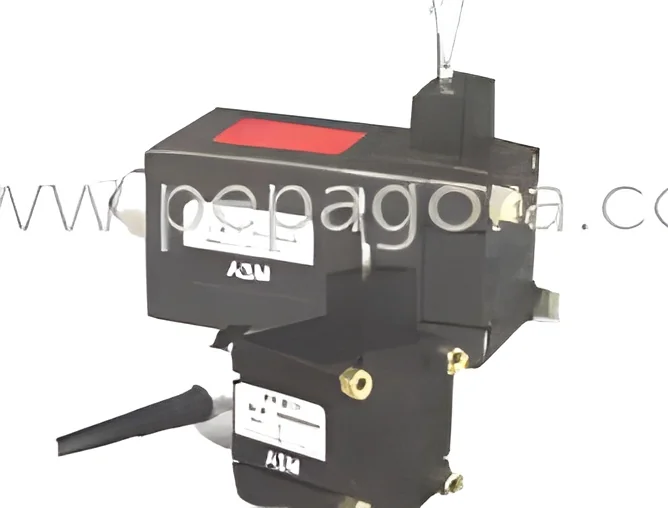
Position and displacement sensors are critical devices used to measure the position or movement of an object relative to a reference point. These sensors convert physical movement into an electrical signal, which can be further analyzed or utilized in various applications. They are essential in providing accurate and real-time data regarding the location and movement of machinery, components, or materials within a system.
These sensors find extensive applications across several industries, including manufacturing, automotive, aerospace, and robotics. In manufacturing, for instance, they are used for automation processes, ensuring precise positioning of tools and components. In the automotive sector, they assist in monitoring the position of vehicle parts to enhance safety and performance. With the growing emphasis on automation and smart technologies, the demand for position and displacement sensors is increasing, highlighting their relevance in today’s market.
Key Features and Specifications
Position and displacement sensors come equipped with various features that enhance their functionality and applicability. Understanding these specifications is vital for selecting the right sensor for specific needs.
Key specifications include:
1. Measurement Range
- Indicates the maximum and minimum distances that the sensor can accurately measure.
- Typical ranges vary based on the sensor type and application.
2. Output Signal Type
- Refers to the form of the signal produced by the sensor, such as analog or digital.
- Analog signals often vary in voltage or current, while digital signals provide discrete values.
3. Resolution
- Describes the smallest change in position that the sensor can detect.
- Higher resolution values indicate greater sensitivity.
4. Linearity
- Reflects how accurately the sensor measures over its range.
- Linear sensors maintain consistent output throughout their specified range.
5. Temperature Stability
- Indicates the sensor's performance consistency across varying temperatures.
- Essential for applications in extreme conditions.
6. Electrical Specifications
- Includes power supply requirements and compatibility with other equipment.
- Common voltages range from 5V to 24V, depending on the sensor design.
7. Mounting Options
- Refers to the ways in which the sensor can be installed.
- Common options include flange, bracket, or embedded designs.
8. Environmental Rating
- Describes the sensor's ability to withstand environmental factors such as dust and moisture.
- Ratings may include IP (Ingress Protection) standards, indicating the level of sealing.
In summary, understanding these specifications ensures effective selection and implementation of position and displacement sensors in various applications.
Common Applications and Use Cases
Position and displacement sensors are versatile tools utilized in numerous industries, each serving unique functions.
1. Manufacturing: In this sector, sensors are used for monitoring the position of machine parts during assembly processes, which enhances accuracy and efficiency.
2. Automotive: These sensors play a crucial role in vehicle systems, such as monitoring the position of throttle bodies, ensuring proper engine performance and safety.
3. Aerospace: In aerospace applications, they are used to track the position of components in flight controls and landing gear systems, ensuring operational reliability.
4. Robotics: Position sensors are integral to robotic systems, providing feedback for accurate movement and operation in automated tasks.
5. Construction: In construction, they are used to monitor the position of heavy machinery and ensure precision in installation tasks.
6. Medical Devices: In the medical field, sensors assist in the precise positioning of surgical instruments and imaging equipment, improving patient outcomes.
7. Material Handling: These sensors are employed in conveyor systems to ensure the accurate tracking of materials in warehouses and distribution centers.
Product Variants and Subcategories
Position and displacement sensors come in various types to meet specific operational needs. Although specific subcategories are not available, these variants can be tailored to different applications.
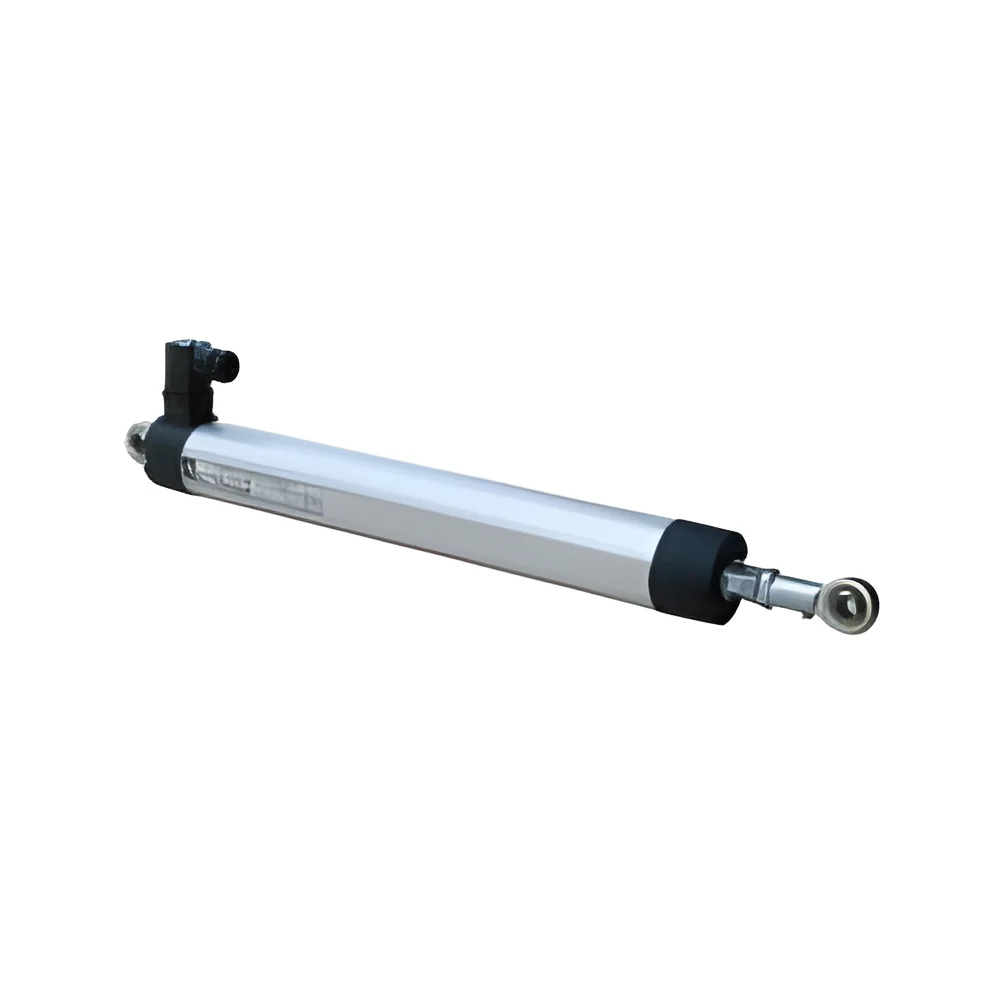
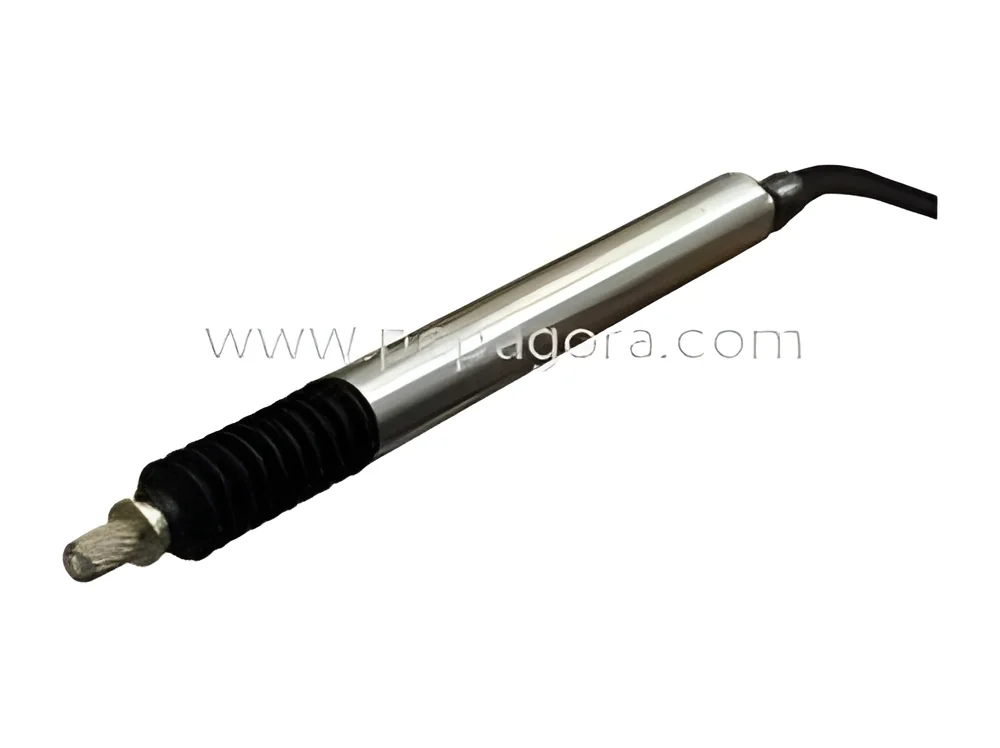
Linear Position Sensors
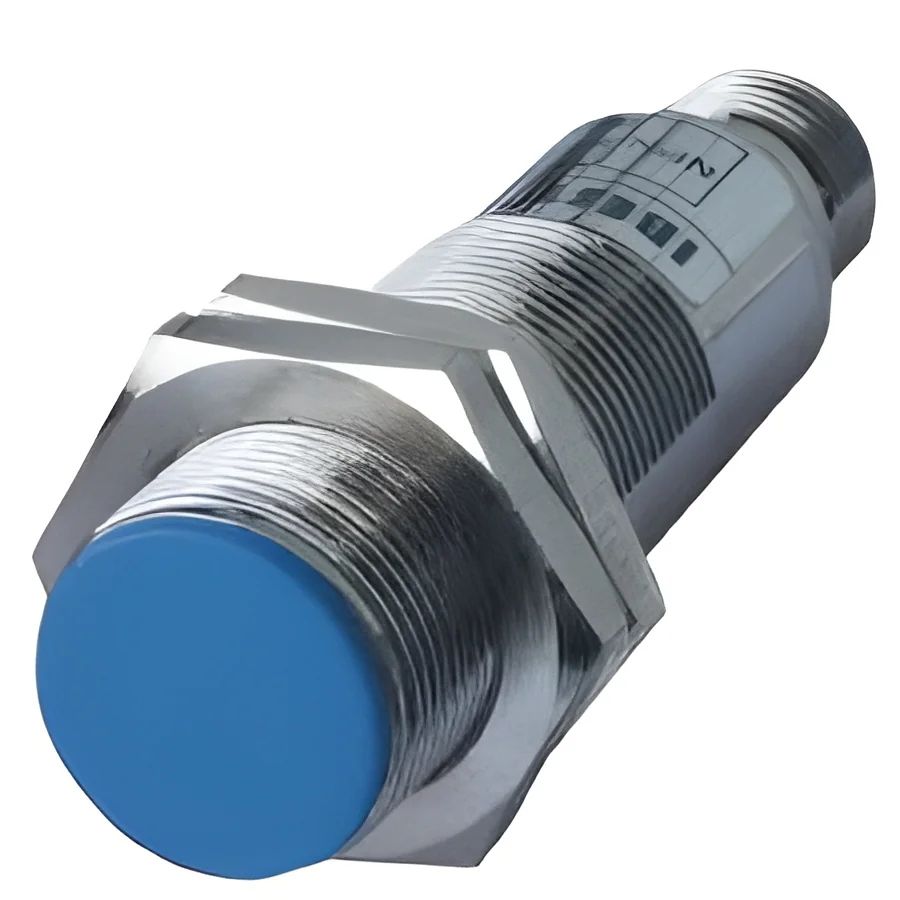
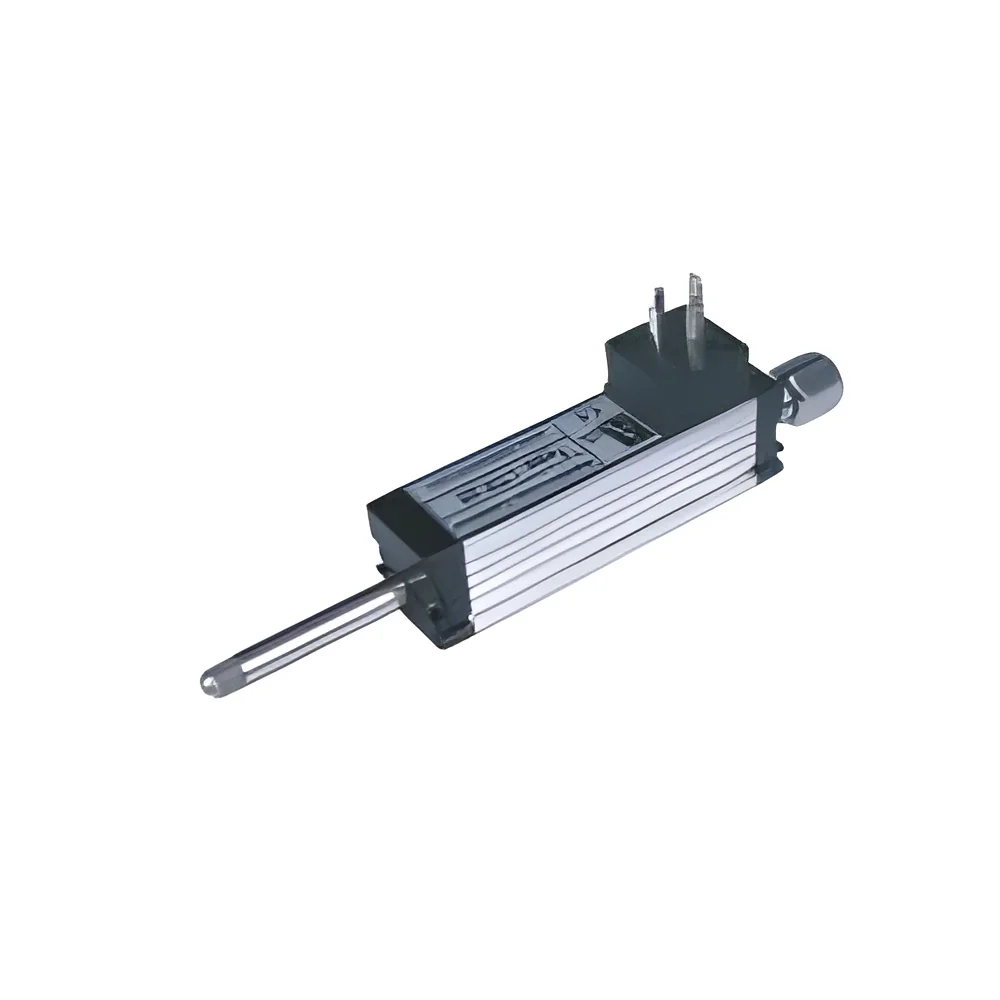
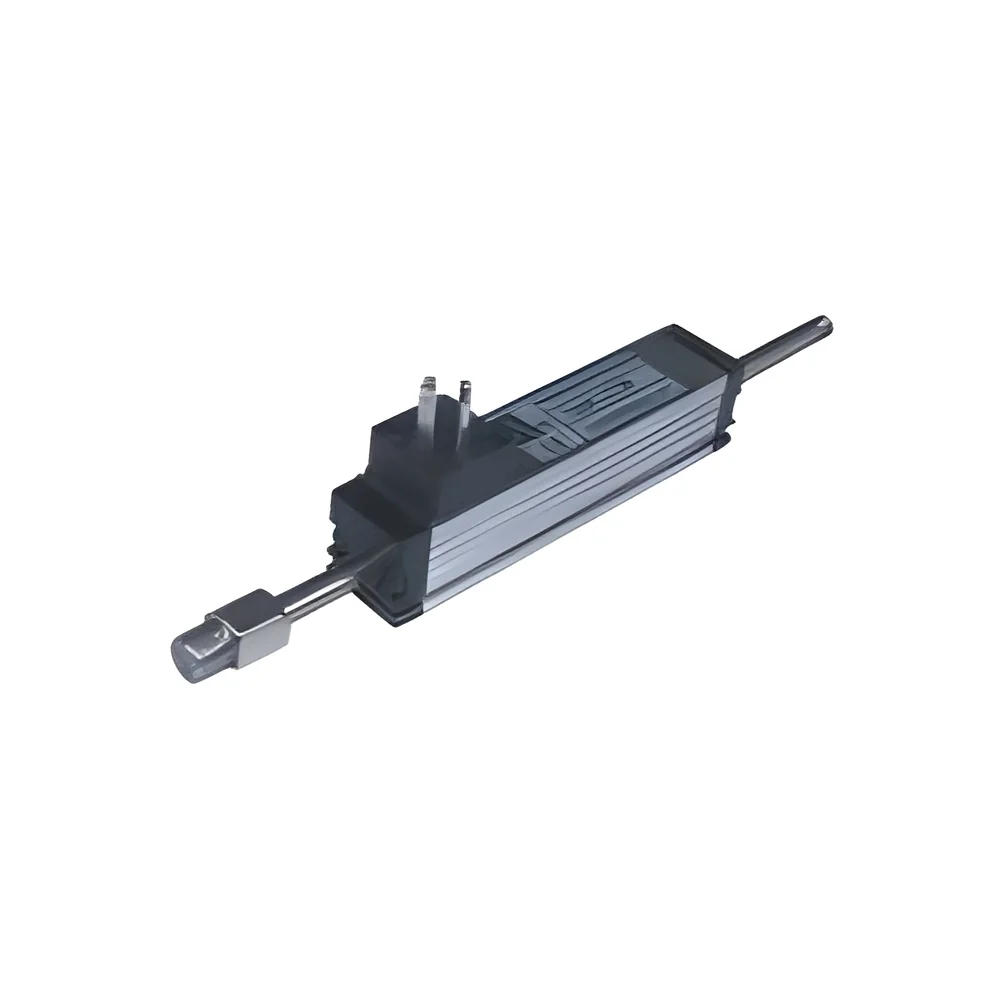
These sensors are designed to measure the linear movement of objects. They are often used in manufacturing for precise positioning of tools and components.
Rotary Position Sensors
These sensors measure rotational movement and are commonly applied in automotive and aerospace industries to monitor the position of shafts and motors.
Magnetic Position Sensors
Utilizing magnetic fields for detection, these sensors are often used in harsh environments where traditional sensors may fail.
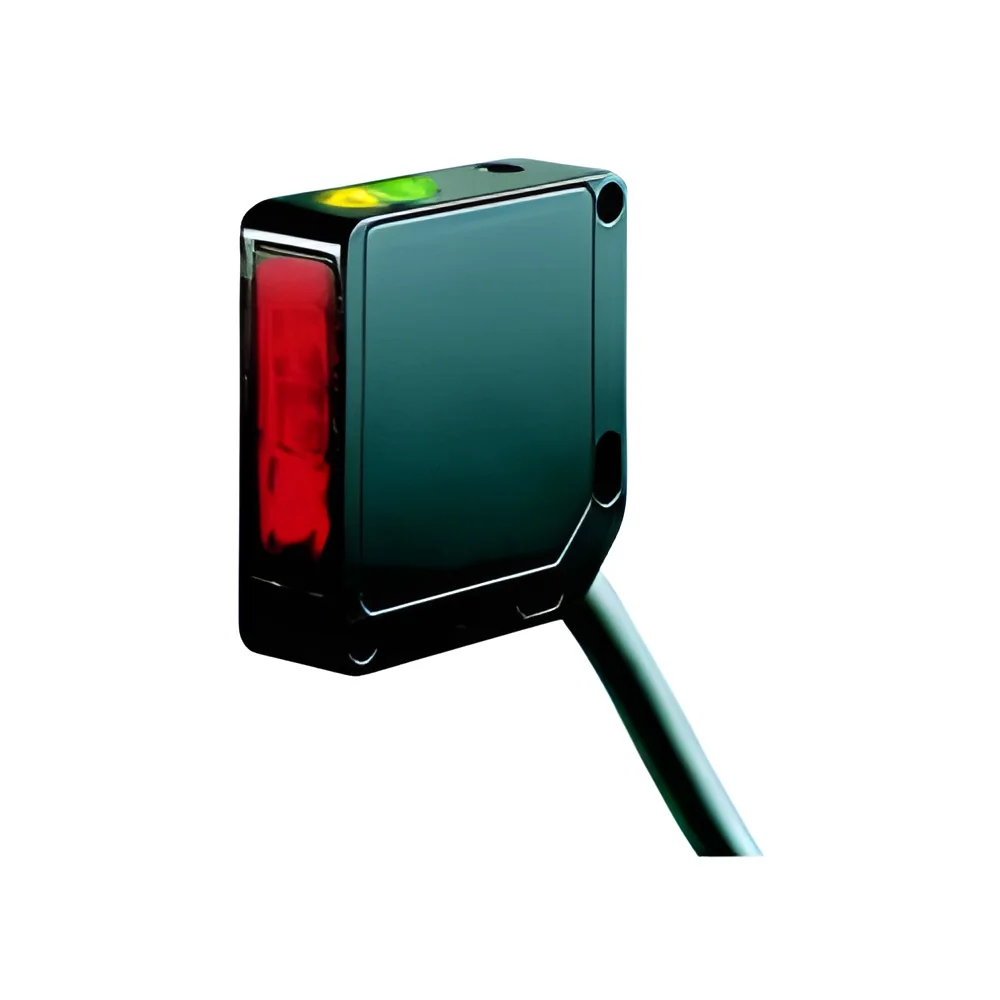
Optical Position Sensors
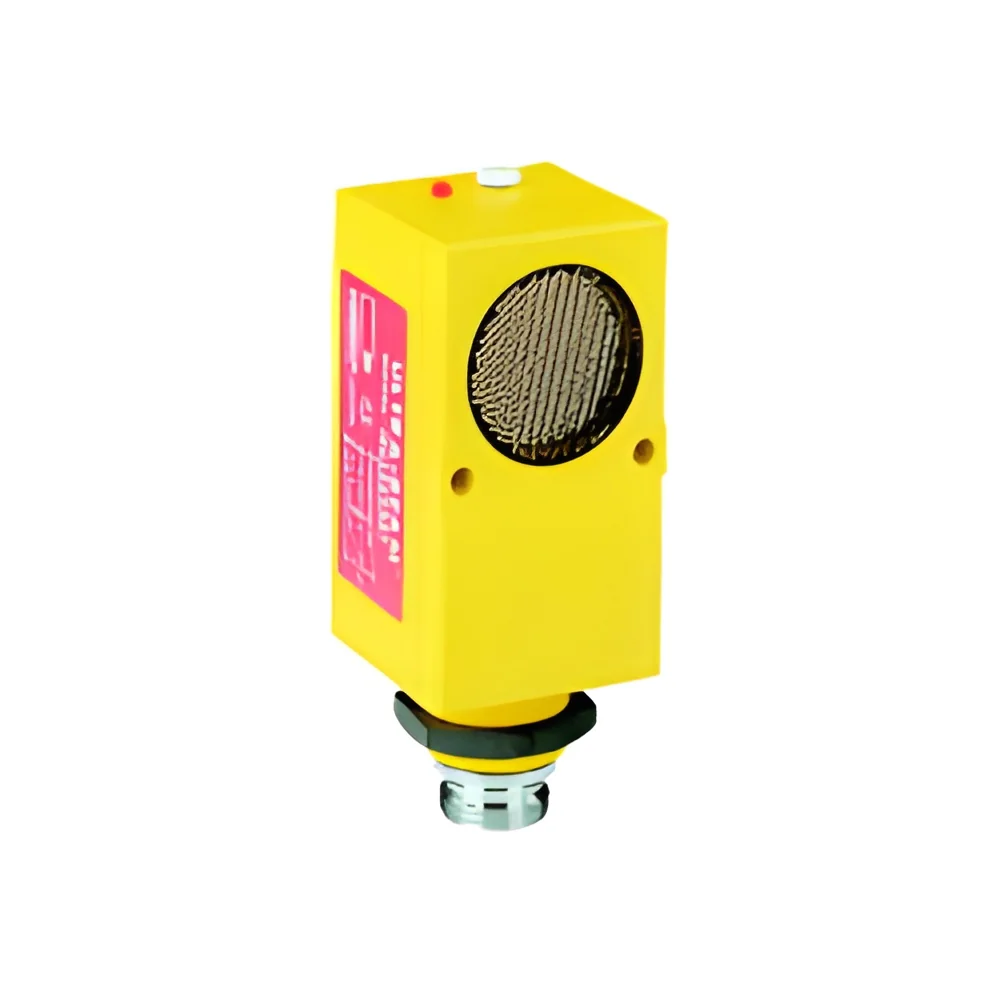
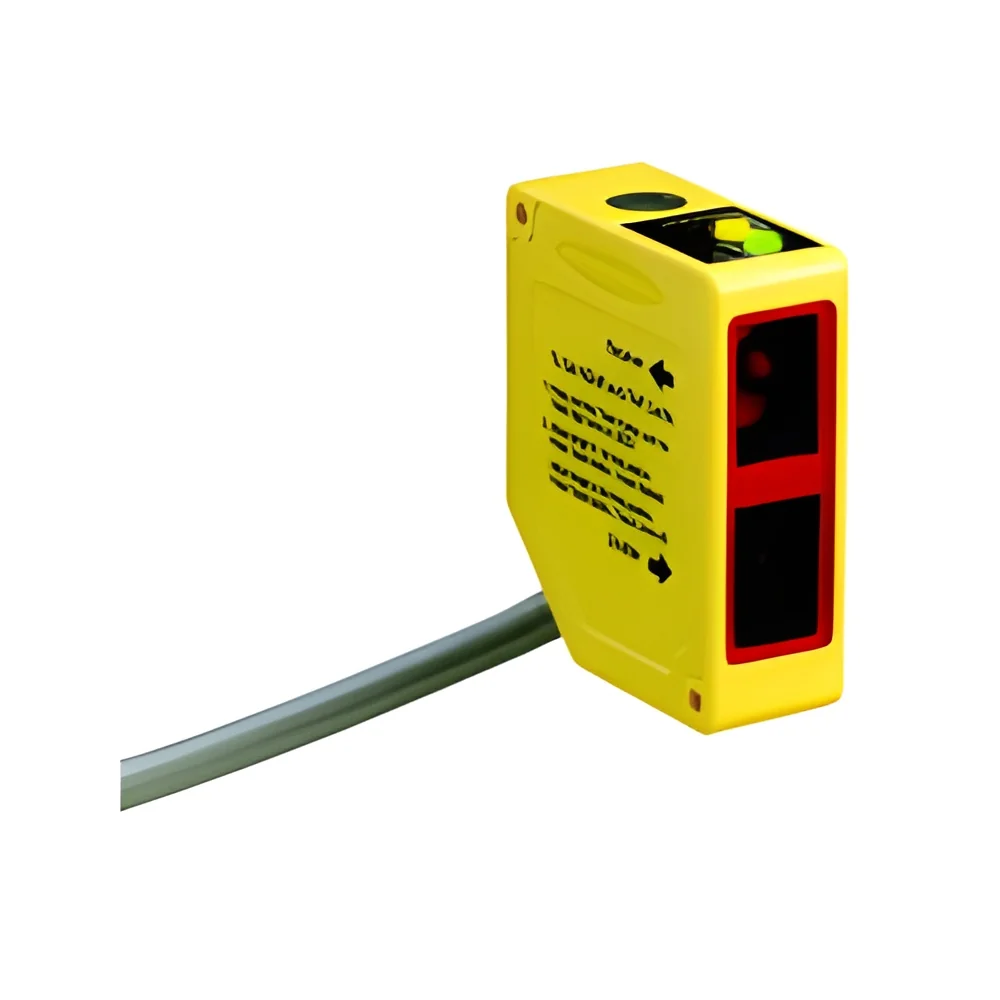
These sensors employ light beams to detect position changes and are widely used in applications requiring high precision, such as in robotics.
Benefits and Advantages
Position and displacement sensors offer numerous benefits that enhance operational efficiency and accuracy.
1. Improved Accuracy: These sensors provide precise measurements, reducing errors in positioning tasks and ensuring higher quality outputs.
2. Real-time Monitoring: They enable continuous tracking of position, allowing for immediate adjustments to be made in automated processes.
3. Increased Efficiency: By automating position detection, these sensors streamline operations, resulting in faster production times and reduced labor costs.
4. Versatility: With a range of applications across different industries, position and displacement sensors can be utilized in various settings.
5. Enhanced Safety: By monitoring critical positions in machinery and vehicles, these sensors contribute to safer operational environments.
6. Cost-effectiveness: Investing in high-quality sensors can lead to reduced downtime and maintenance costs, providing long-term savings for businesses.
Buying Guide for B2B Buyers
When sourcing position and displacement sensors, it is essential to consider several key factors to ensure you select the right product for your needs.
1. Quality Assessment: Evaluate the quality of sensors by reviewing manufacturer certifications and compliance with industry standards. High-quality sensors will offer better performance and reliability.
2. Supplier Verification: Vet potential suppliers by checking their reputation, customer feedback, and the quality of their product offerings. A verified supplier ensures you receive a dependable product.
3. Pricing and MOQ: Consider the pricing structure and minimum order quantities set by suppliers. It is important to find a balance between cost and the quality of the sensors.
4. Delivery and Lead Times: Assess suppliers' logistics capabilities, including delivery times and shipping options. Timely delivery is crucial for maintaining production schedules.
5. Compliance Requirements: Ensure that the sensors meet relevant regulatory and safety compliance standards for your industry, as this is vital for operational legality and safety.
Compliance and Certifications
Position and displacement sensors must adhere to various quality standards and certifications to ensure their reliability and performance in industrial applications.
Relevant quality standards include ISO 9001, which outlines requirements for quality management systems, ensuring that products meet customer and regulatory requirements. Compliance with these standards indicates a commitment to quality and continuous improvement.
Industry certifications, such as CE marking, signify that the product meets European health, safety, and environmental protection standards. This certification is essential for manufacturers looking to enter the European market.
Additionally, safety and testing requirements should be considered, as these factors determine the sensor's suitability for specific applications. Regular testing ensures that the products perform reliably under designated conditions.
Regional compliance considerations may vary, and businesses should be aware of local regulations that could impact the use of position and displacement sensors in their operations.
Why Source Position & Displacement Sensors from Pepagora?
Pepagora offers a trusted platform for sourcing position and displacement sensors, providing several key advantages to B2B buyers.
Verified Supplier Network: Our platform connects you with a network of verified suppliers, ensuring that you have access to high-quality products. Each supplier is carefully vetted to maintain high standards of reliability.
Streamlined RFQ Process: The request for quotation (RFQ) process is designed to be user-friendly, allowing buyers to obtain quotes quickly and efficiently. This streamlined approach saves time and simplifies the procurement process.
Trade Assurance and Support: We prioritize buyer protection through our trade assurance program, which provides support in case of disputes or issues with orders. This ensures a safer purchasing experience.
Regional Coverage: Pepagora has a strong geographic reach, covering regions such as India, the GCC, and Southeast Asia. This allows buyers to connect with local suppliers while accessing a diverse range of products.
In conclusion, sourcing position and displacement sensors from Pepagora not only provides access to quality products but also ensures a secure and efficient purchasing experience.

 IN
IN