
 IN
INVoltage Sensors
3 products available
What are Voltage Sensors?
Key Features and Specifications
Common Applications and Use Cases
Product Variants and Subcategories
Benefits and Advantages
Buying Guide for B2B Buyers
Compliance and Certifications
Why Source Voltage Sensors from Pepagora?


Frequently Asked Questions
What are Voltage Sensors?
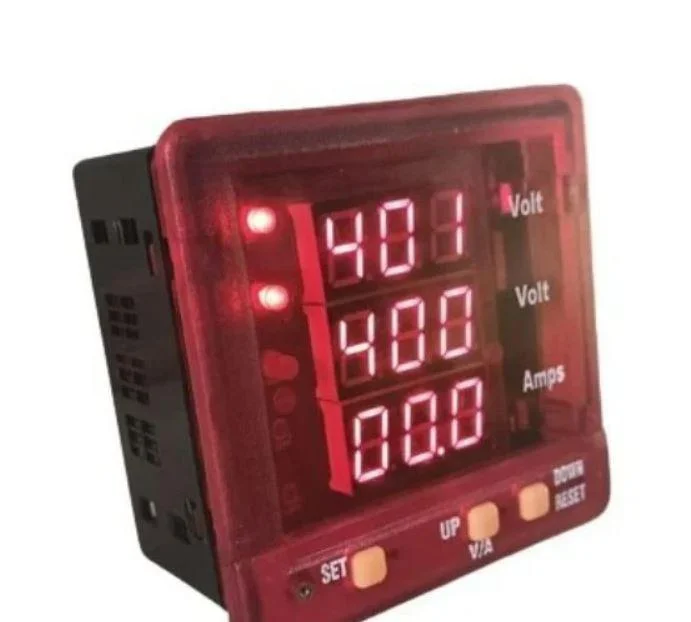
Voltage sensors are devices used to measure the voltage level in an electrical circuit. They can detect and convert voltage levels into a readable signal, which can be used for monitoring and control purposes. These sensors are essential in various applications, including industrial automation, power management, and safety systems.
What are the different types of Voltage Sensors?
There are several types of voltage sensors, including resistive voltage dividers, capacitive voltage sensors, and optical voltage sensors. Each type operates on different principles and is suited for specific applications, such as high-voltage measurement or non-contact voltage detection. Understanding these differences is crucial for selecting the appropriate sensor for your needs.
How do I choose the right Voltage Sensors?
Choosing the right voltage sensor involves considering several factors, including the voltage range, accuracy, and application requirements. Additionally, it's important to evaluate the environmental conditions in which the sensor will operate, such as temperature and humidity. Consulting with manufacturers or suppliers can provide valuable insights into the best options for your specific needs.
What are the standard specifications for Voltage Sensors?
Standard specifications for voltage sensors typically include voltage range, accuracy, response time, and operating temperature. Other important specifications may include isolation voltage, power consumption, and output signal type. These specifications help determine the sensor's performance and suitability for a particular application.
What is the price range for Voltage Sensors?
The price range for voltage sensors can vary widely based on type, specifications, and manufacturer. Generally, prices can start from a few hundred rupees for basic models and go up to several thousand rupees for advanced, high-precision sensors. It is advisable to compare prices from multiple suppliers to find the best value.
What quality standards apply to Voltage Sensors?
Voltage sensors must adhere to various quality standards depending on their application and industry. Common standards include ISO, IEC, and UL certifications, which ensure that the sensors meet safety and performance criteria. Compliance with these standards is crucial for ensuring reliable operation and safety in electrical systems.
Where can I find Voltage Sensors suppliers in India?
You can find voltage sensor suppliers in India through online B2B marketplaces such as Pepagora. These platforms connect buyers with manufacturers and suppliers, allowing you to compare products, prices, and reviews. Additionally, industry trade shows and exhibitions can also be valuable resources for sourcing voltage sensors.
Can Voltage Sensors be customized?
Yes, many manufacturers offer customization options for voltage sensors to meet specific requirements. Customization can include adjustments in specifications such as voltage range, output type, and housing materials. It's advisable to discuss your needs with suppliers to explore available customization options.
What is the typical minimum order quantity for Voltage Sensors?
The typical minimum order quantity (MOQ) for voltage sensors can vary by supplier and product type. Generally, MOQs can range from 10 to 100 units, depending on the manufacturer and the complexity of the sensor. It's best to check with specific suppliers for their MOQ policies.
What is the typical lead time for Voltage Sensors?
The typical lead time for voltage sensors varies based on factors such as the supplier's inventory, customization requests, and order volume. Generally, lead times can range from a few days to several weeks. It's advisable to confirm the lead time with your supplier when placing an order.
Why Businesses Trust Pepagora
Thousands of companies trust Pepagora to source smarter and sell faster
Expand Your Sales Globally

Source Smarter,Grow Faster
