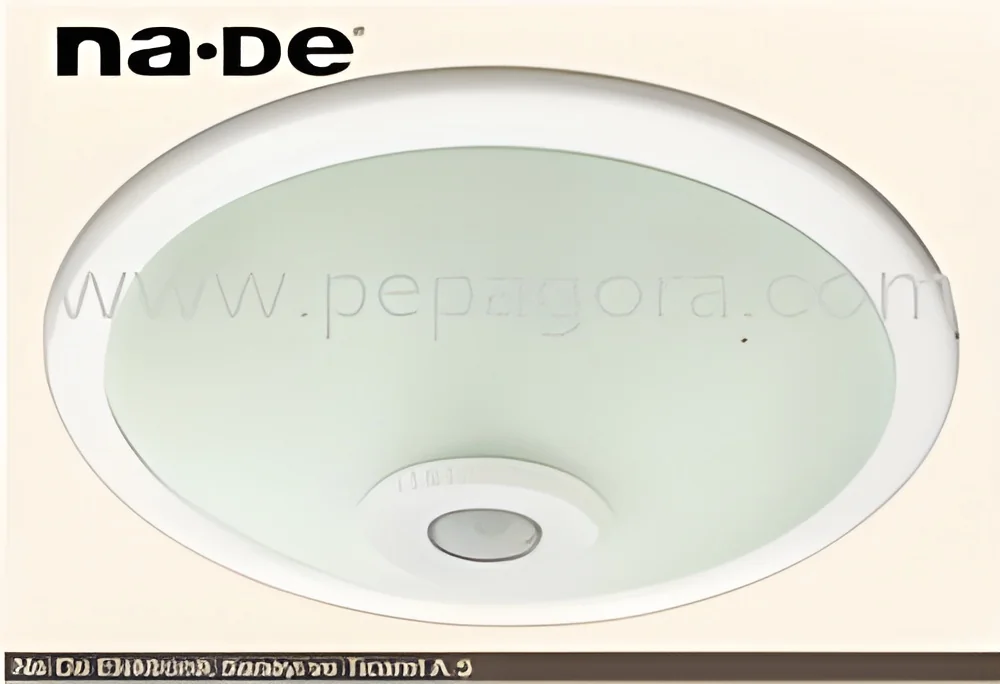
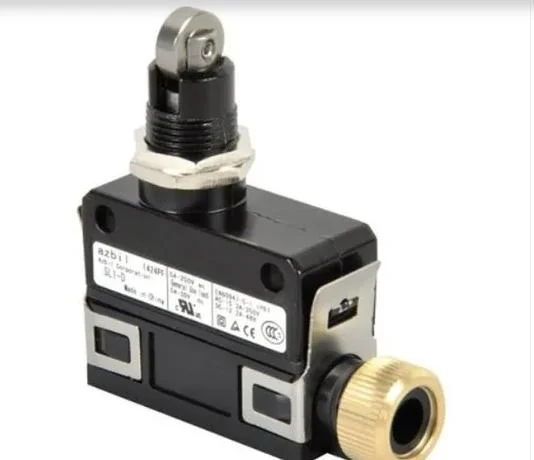
What are Motion & Occupancy Sensors?
Motion and occupancy sensors are devices designed to detect the presence or movement of individuals within a specific area. These sensors utilize various technologies, such as passive infrared, ultrasonic, or microwave, to monitor changes in the environment. When motion is detected, the sensor can trigger a response, such as turning on lights or activating alarms. This functionality helps to enhance security, improve energy efficiency, and provide automation in both residential and commercial settings.
These sensors find extensive applications across multiple industries. In commercial buildings, they are commonly used for lighting control, ensuring that lights are only activated when areas are occupied. In security systems, motion sensors can alert users to unauthorized entry. Additionally, occupancy sensors contribute to energy savings by reducing electricity usage in unoccupied spaces. The growing focus on energy efficiency and smart building technologies has further propelled the demand for these devices in the market.
As industries increasingly adopt automation and smart technologies, motion and occupancy sensors are becoming essential components. The market is witnessing innovations aimed at improving accuracy, reducing false alarms, and integrating with other smart systems. This trend indicates a robust growth potential in the sector, as businesses prioritize efficiency and security in their operations.
Key Features and Specifications
Motion and occupancy sensors offer a variety of features that enhance their functionality and suitability for different applications. These features can significantly affect how these devices are integrated into existing systems and their overall performance.
Key specifications include:
1. Detection Technology
- Passive Infrared (PIR): Detects heat emitted by humans or animals.
- Ultrasonic: Uses sound waves to identify movement.
- Microwave: Emits microwave signals to sense motion.
2. Coverage Area
- Ranges typically from 10 to 30 feet, depending on the sensor type.
- Adjustable sensitivity to optimize detection ranges.
3. Power Source
- Battery-powered options available for easy installation.
- Hardwired models for continuous power supply.
4. Connectivity
- Wired or wireless options for integration with existing systems.
- Some models offer compatibility with smart home systems.
5. Operating Temperature
- Most sensors function effectively within a temperature range of -20 to 50 degrees Celsius.
6. Humidity Control
- Designed to operate in various humidity levels; specific ratings may vary by model.
7. Response Time
- Typically ranges from 0.1 seconds to 2 seconds.
8. Certifications
- Compliance with industry standards such as CE for safety and performance.
In summary, understanding these specifications is crucial for selecting the right motion and occupancy sensors for specific applications. Features such as detection technology, coverage area, and connectivity options will ultimately determine the effectiveness of these sensors in various settings.
Common Applications and Use Cases
Motion and occupancy sensors are versatile devices that serve multiple industries effectively. Their ability to enhance security and improve energy efficiency makes them invaluable in various applications.
1. Commercial Buildings: In office spaces, these sensors are used to control lighting and HVAC systems, ensuring energy is conserved when rooms are unoccupied.
2. Healthcare Facilities: Hospitals utilize occupancy sensors to monitor patient movement, enhancing safety and allowing for efficient energy use in patient rooms and common areas.
3. Retail Stores: Retail environments use motion sensors for security purposes, alerting staff to potential theft, and enhancing customer experience by activating lights in aisles as shoppers approach.
4. Industrial Applications: Factories employ these sensors to monitor movement in warehouses, improving safety protocols by ensuring areas are illuminated only when necessary.
5. Educational Institutions: Schools and universities use occupancy sensors to manage lighting in classrooms and hallways, promoting energy savings and sustainability initiatives.
6. Smart Homes: Home automation systems incorporate motion and occupancy sensors to trigger lighting, security systems, and other smart devices based on user presence.
7. Parking Facilities: Parking lots utilize these sensors to manage lighting and security, enhancing safety and reducing energy consumption during off-peak hours.
Product Variants and Subcategories
Motion and occupancy sensors are available in various forms, each tailored to meet specific needs and applications. This diversity allows businesses to select the most suitable option for their requirements.
Wall-Mounted Sensors: These sensors are ideal for indoor use, mounted on walls to detect movement in specific areas. They are commonly used in offices and retail spaces to manage lighting and security.
Ceiling-Mounted Sensors: Designed for larger areas, ceiling-mounted sensors can cover wide spaces effectively. They are frequently employed in warehouses and gymnasiums for comprehensive monitoring.
Portable Sensors: These sensors can be easily relocated and are often used in temporary setups or events. Their flexibility makes them suitable for dynamic environments.
Outdoor Sensors: Built to withstand the elements, outdoor motion sensors are used for perimeter security and to activate outdoor lighting when movement is detected.
Benefits and Advantages
Motion and occupancy sensors provide numerous benefits that enhance operational efficiency and security.
Key benefits include:
1. Energy Savings: By ensuring that lights and HVAC systems operate only when needed, these sensors significantly reduce energy consumption.
2. Enhanced Security: Motion sensors improve security by detecting unauthorized entry and alerting users to potential threats.
3. Increased Convenience: Automating lighting and other systems based on occupancy enhances user experience in commercial and residential settings.
4. Cost-Effectiveness: The initial investment in motion sensors often leads to long-term savings on energy bills and maintenance costs.
5. Improved Safety: By illuminating areas when movement is detected, these sensors create safer environments in both residential and commercial spaces.
6. Smart Technology Integration: Many sensors can seamlessly integrate with smart home or building management systems, enhancing overall automation.
Buying Guide for B2B Buyers
When sourcing motion and occupancy sensors, B2B buyers should consider several important factors to ensure they make informed purchasing decisions.
1. Quality Assessment: Evaluate sensors based on durability, reliability, and performance ratings. Look for models that comply with industry standards for quality assurance.
2. Supplier Verification: Research potential suppliers to ensure they are reliable and have a good track record. Verify their certifications and customer reviews.
3. Pricing and MOQ: Compare pricing from different suppliers and consider minimum order quantities to find the best deal that meets your budget and inventory needs.
4. Delivery and Lead Times: Clarify expected lead times for delivery to ensure that the sensors arrive when needed. Consider suppliers that offer expedited shipping options.
5. Compliance Requirements: Ensure that the sensors meet any relevant regulatory requirements specific to your industry or region, such as safety standards and certifications.
Compliance and Certifications
The manufacturing and use of motion and occupancy sensors are subject to various compliance and certification standards aimed at ensuring product quality and safety.
Compliance with quality standards such as ISO 9001 is crucial for manufacturers. This standard ensures that products meet customer and regulatory requirements consistently, enhancing reliability in industrial applications.
Industry certifications, such as the CE mark, indicate that the product complies with European health, safety, and environmental protection standards. This certification is often necessary for products marketed within Europe.
Safety and testing requirements are also essential considerations. Sensors must undergo rigorous testing to ensure they function correctly under various conditions and do not pose safety hazards.
Additionally, regional compliance considerations may come into play, depending on where the sensors are sold and used. It is important for buyers to be aware of local regulations and ensure that their chosen products meet these standards.
Why Source Motion & Occupancy Sensors from Pepagora?
Pepagora provides a trusted platform for sourcing motion and occupancy sensors, offering several key advantages that make it a preferred choice for B2B buyers.
Verified Supplier Network: Pepagora connects buyers with a verified network of suppliers, ensuring that all listed manufacturers meet quality and reliability standards. This network helps buyers make informed decisions while minimizing risks.
Streamlined RFQ Process: The platform simplifies the request for quotation (RFQ) process, allowing buyers to easily compare offers from multiple suppliers. This efficiency helps in finding the best prices and terms for their specific needs.
Trade Assurance and Support: Pepagora offers trade assurance to protect buyers against potential issues, providing peace of mind throughout the purchasing process. Additionally, dedicated support teams are available to assist with any queries or concerns.
Regional Coverage: With a strong presence in regions such as India, the GCC, and Southeast Asia, Pepagora ensures that buyers have access to a wide range of products and suppliers, catering to various industrial needs across geographic locations.

 IN
IN