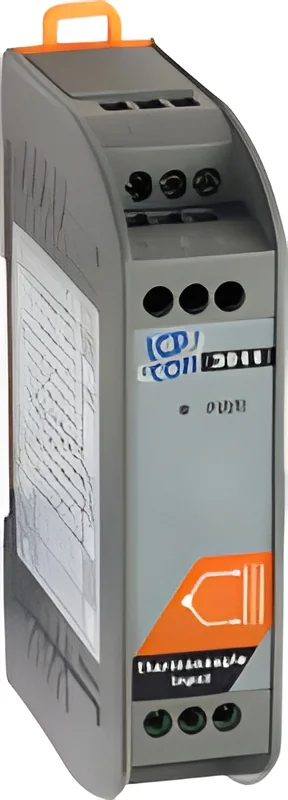
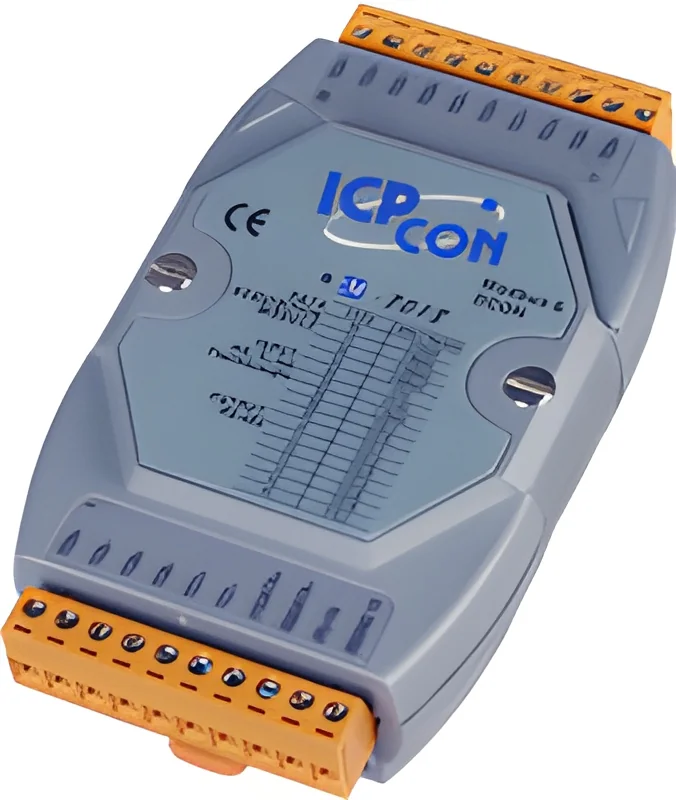
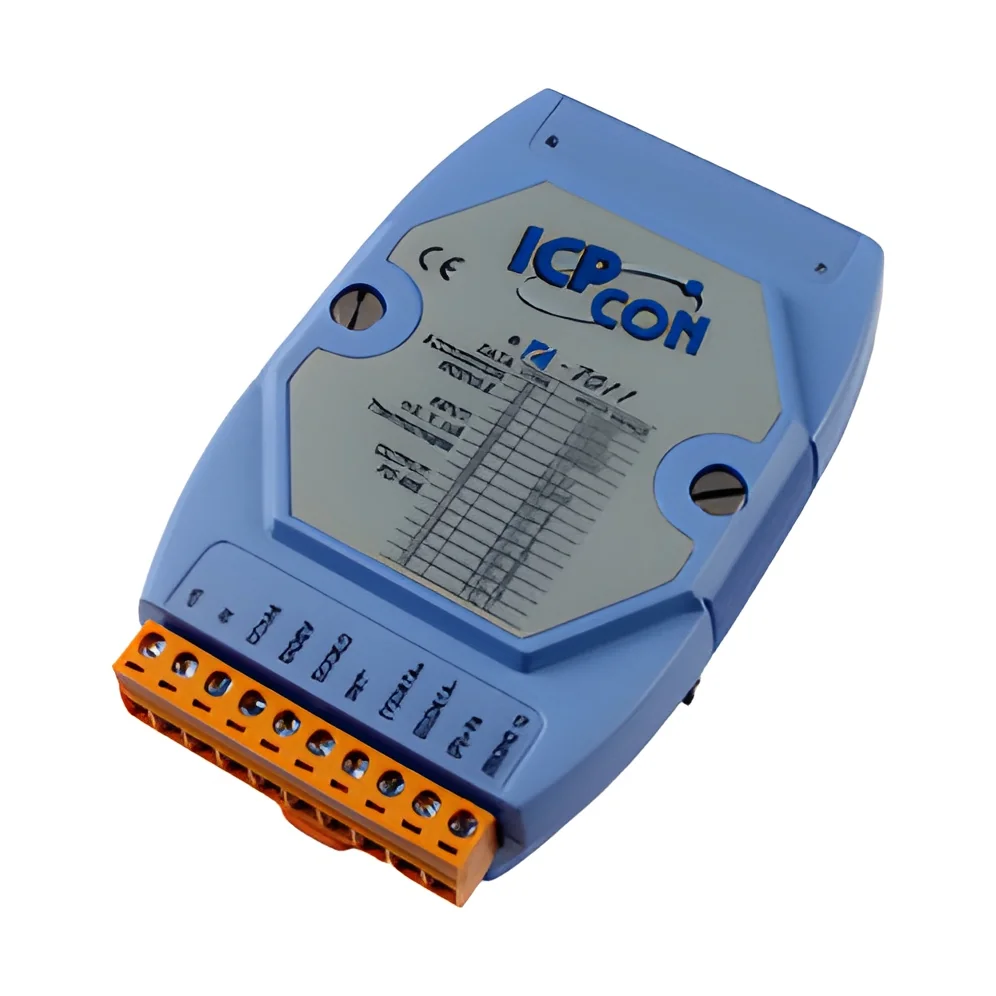
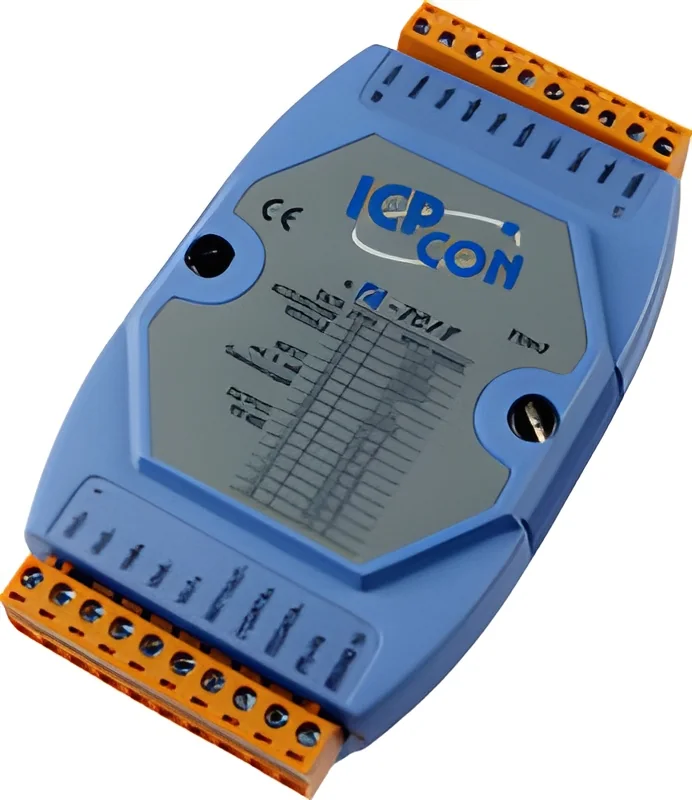
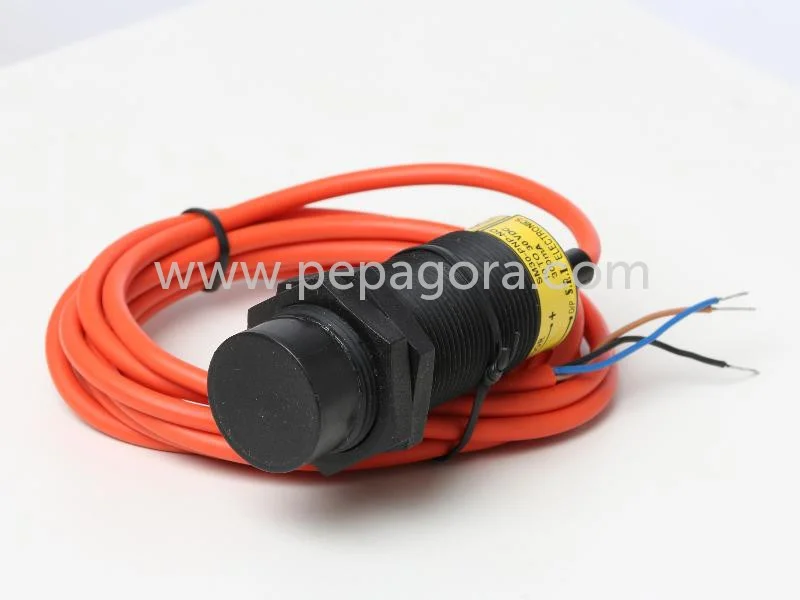
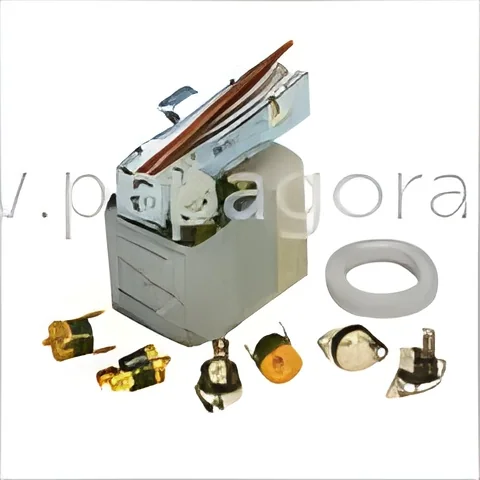
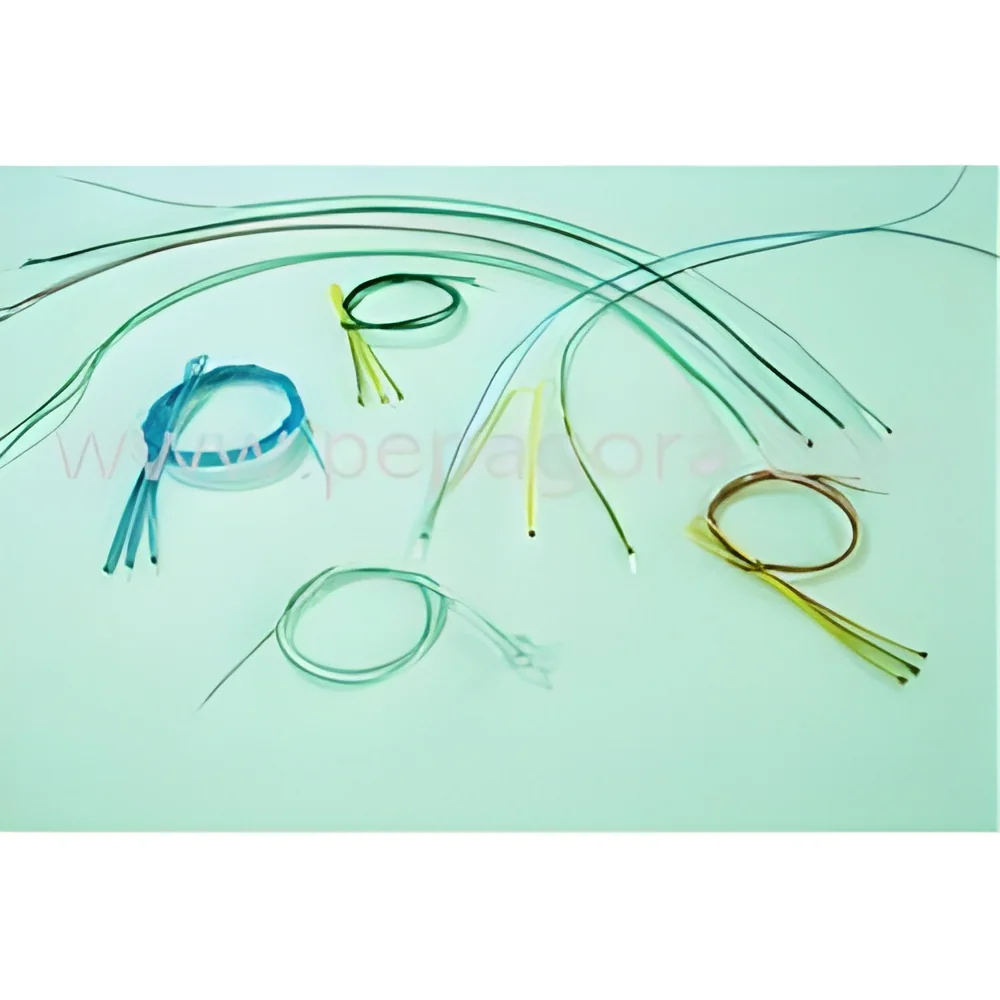
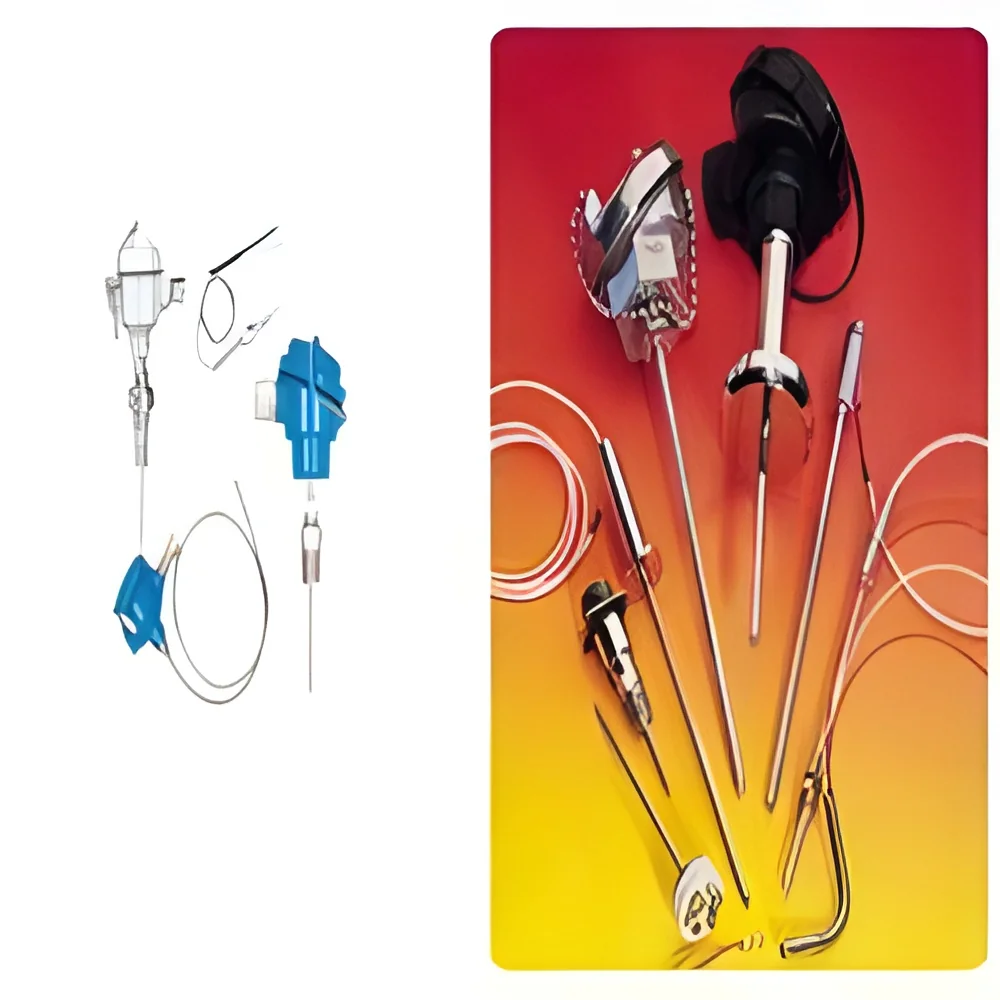
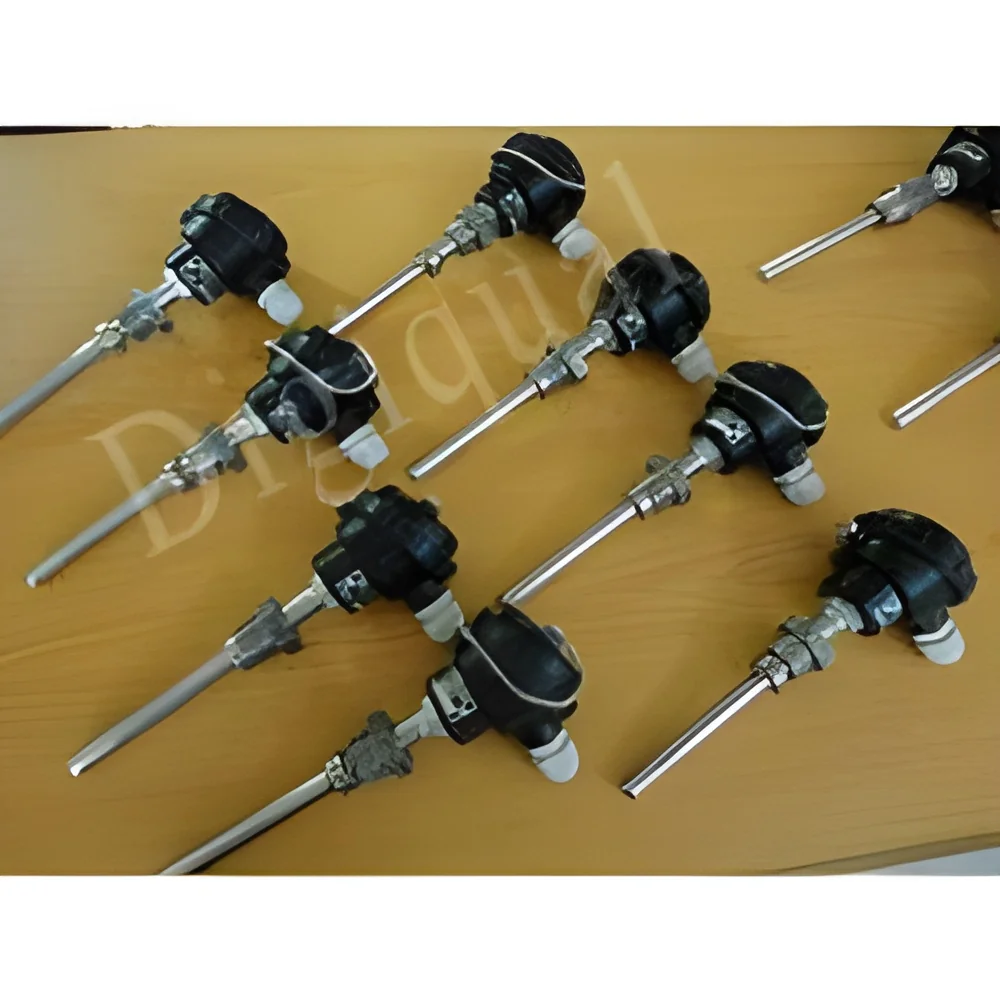
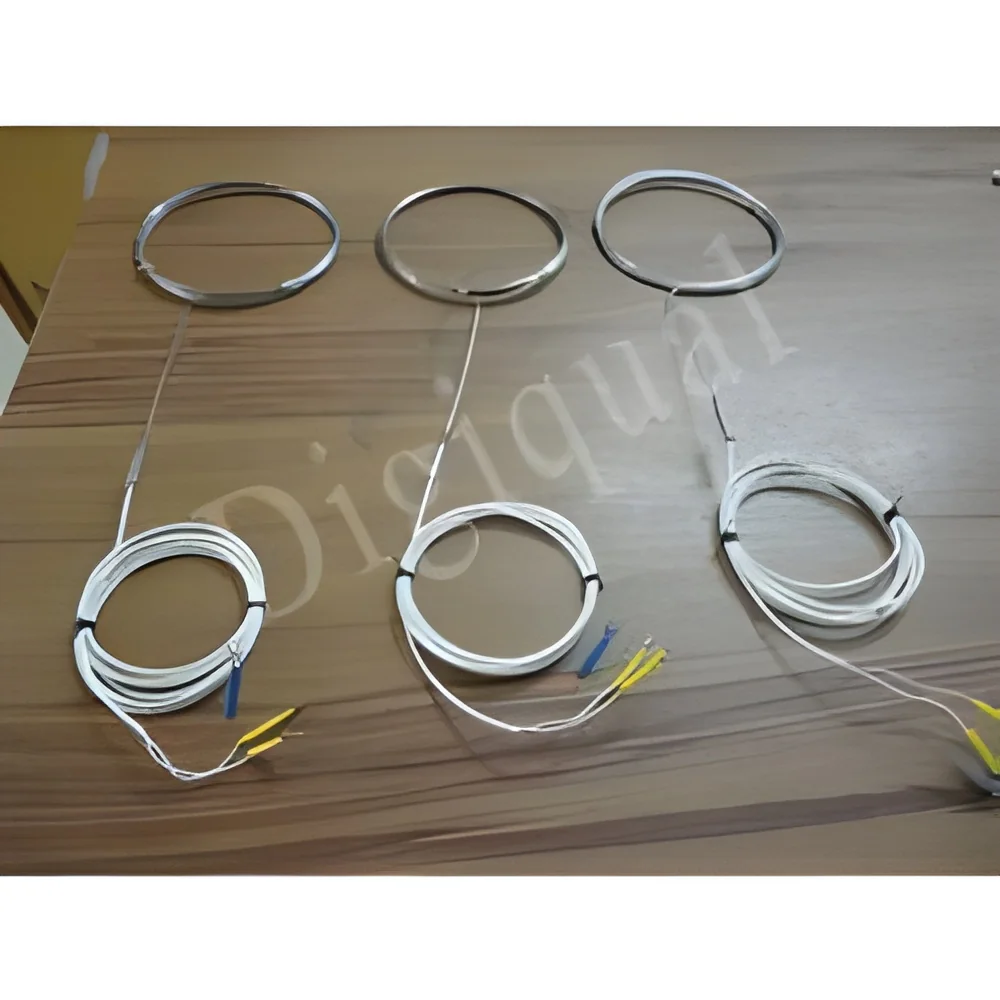
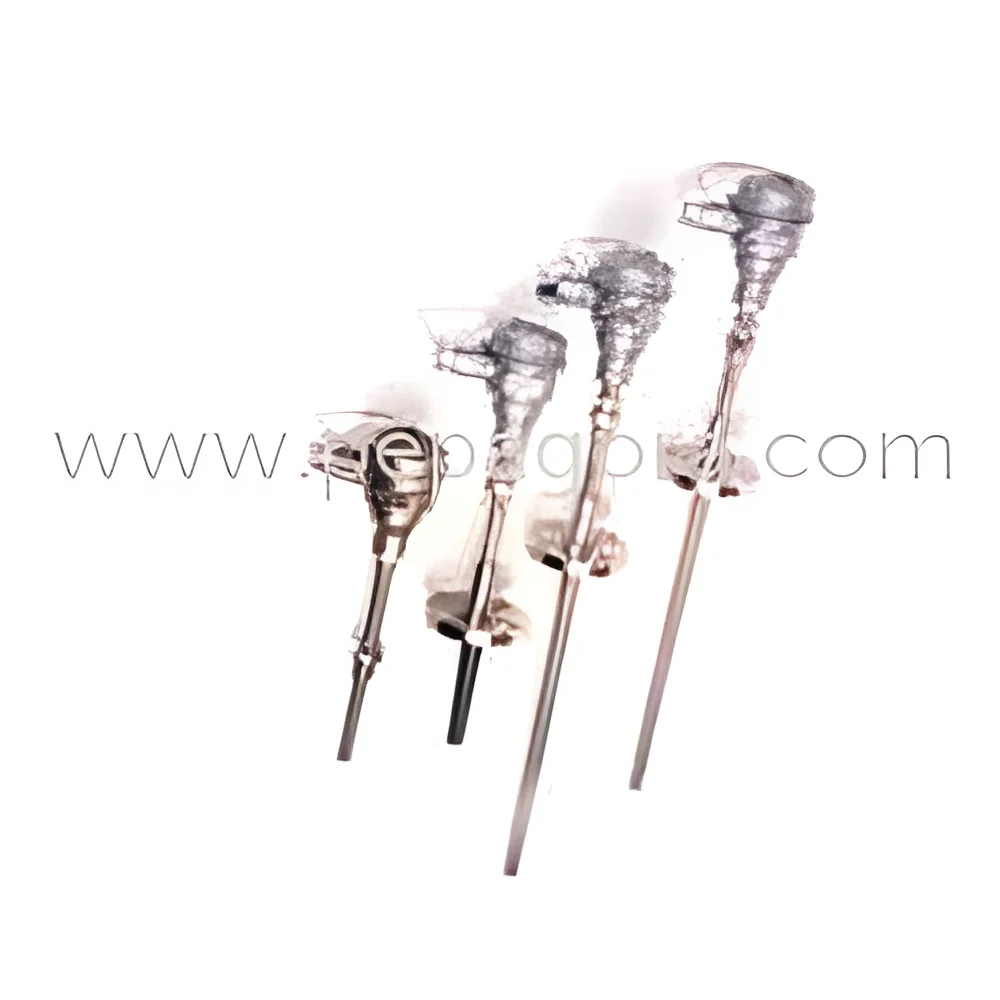
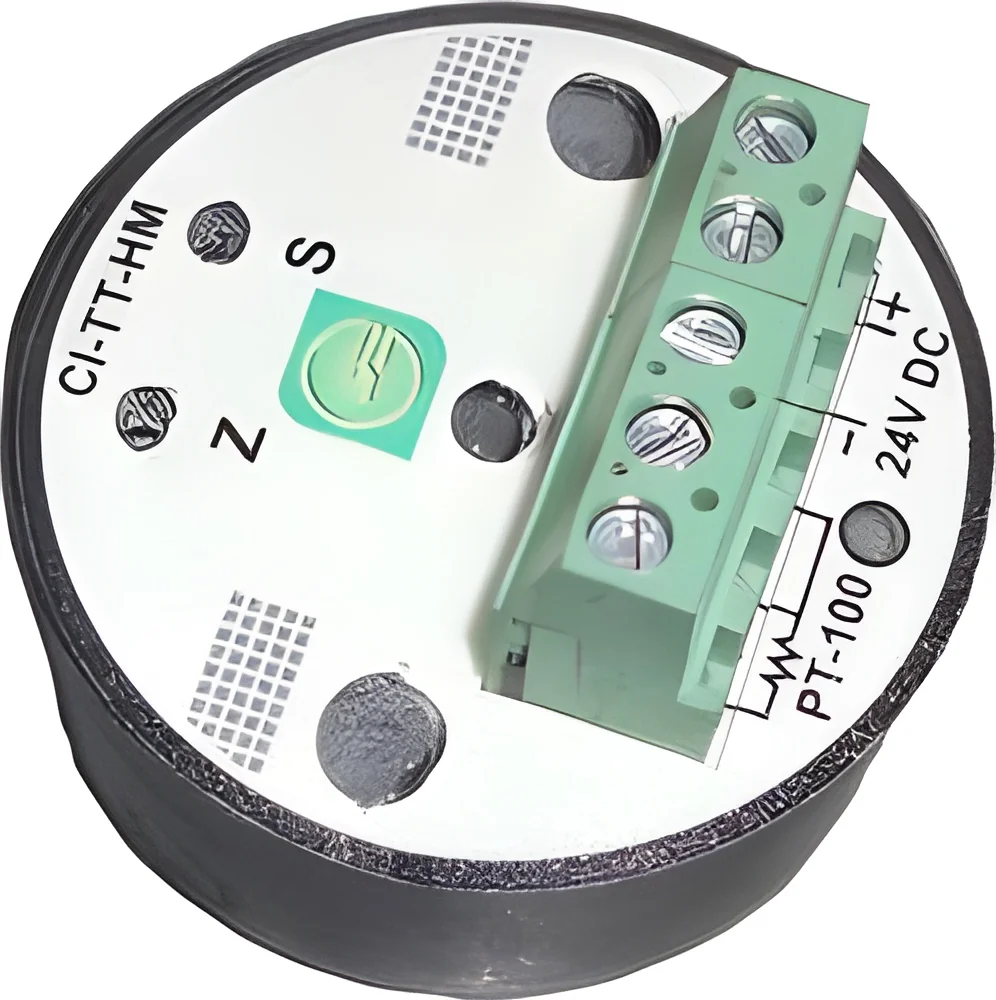
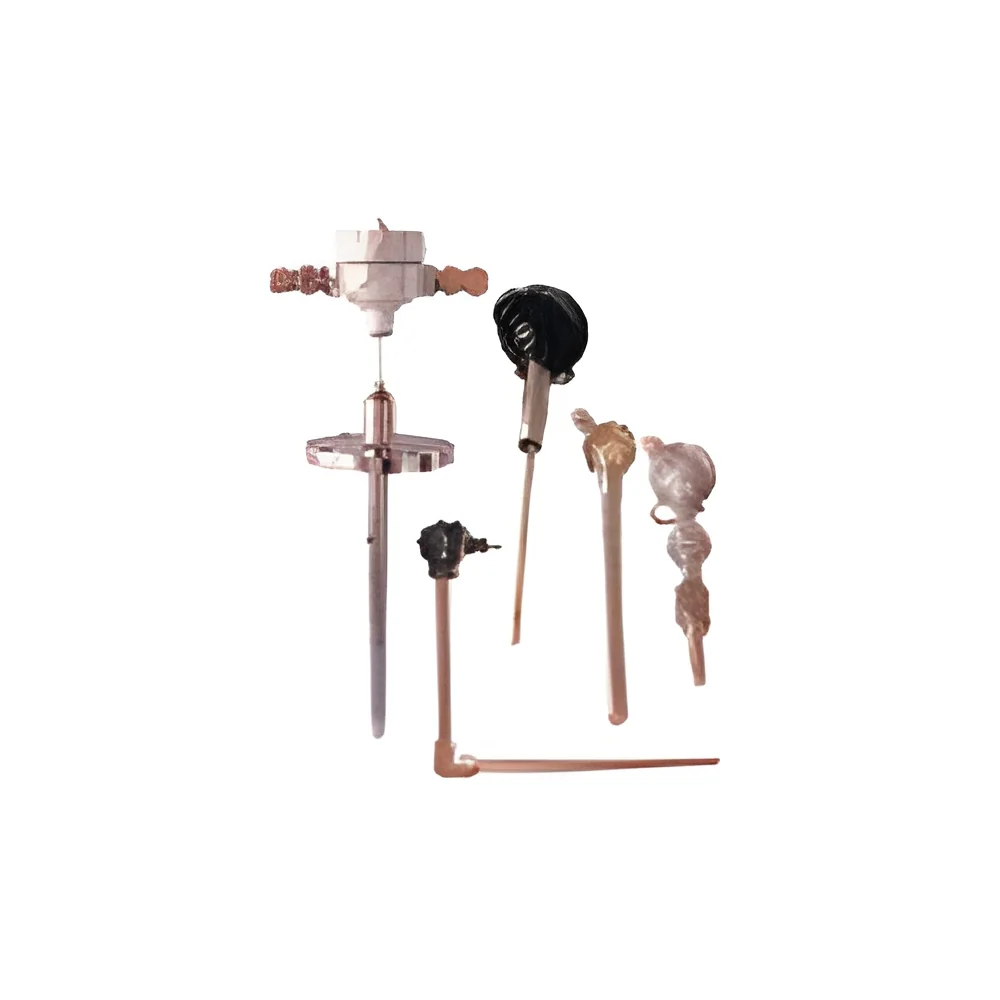
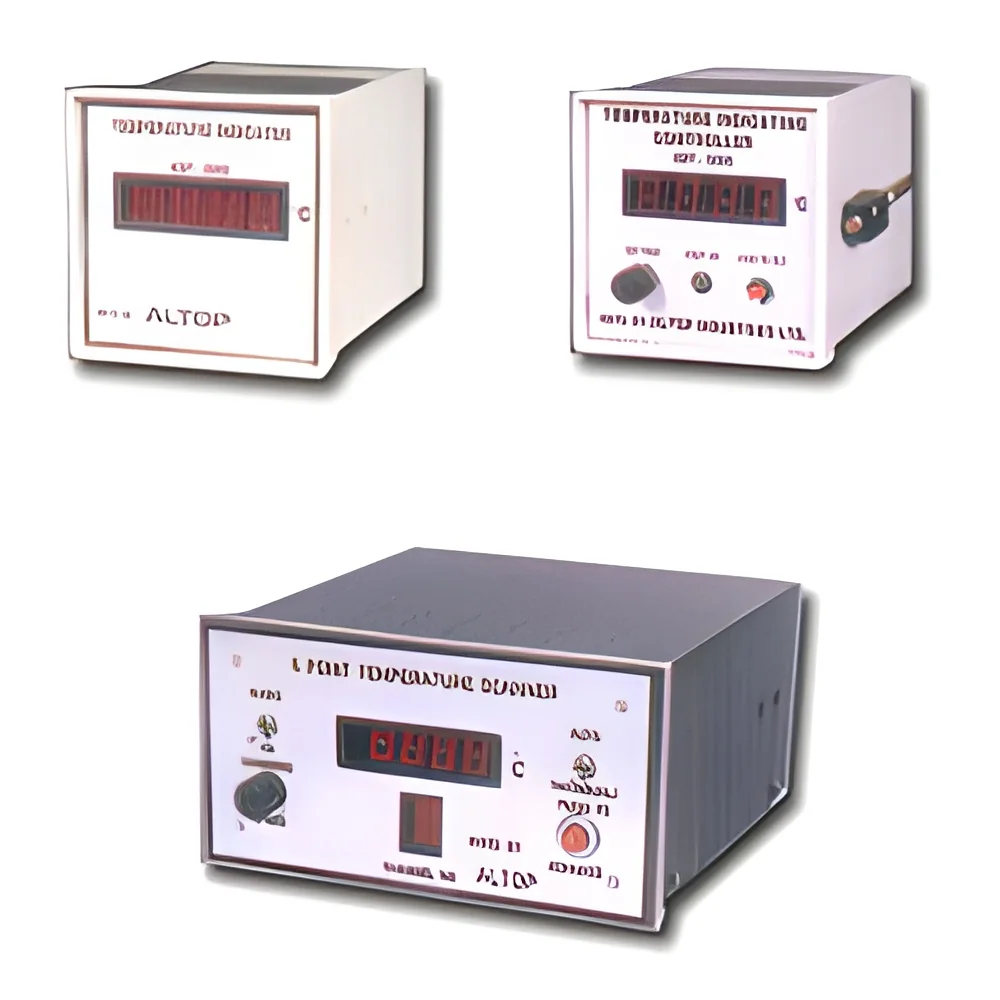
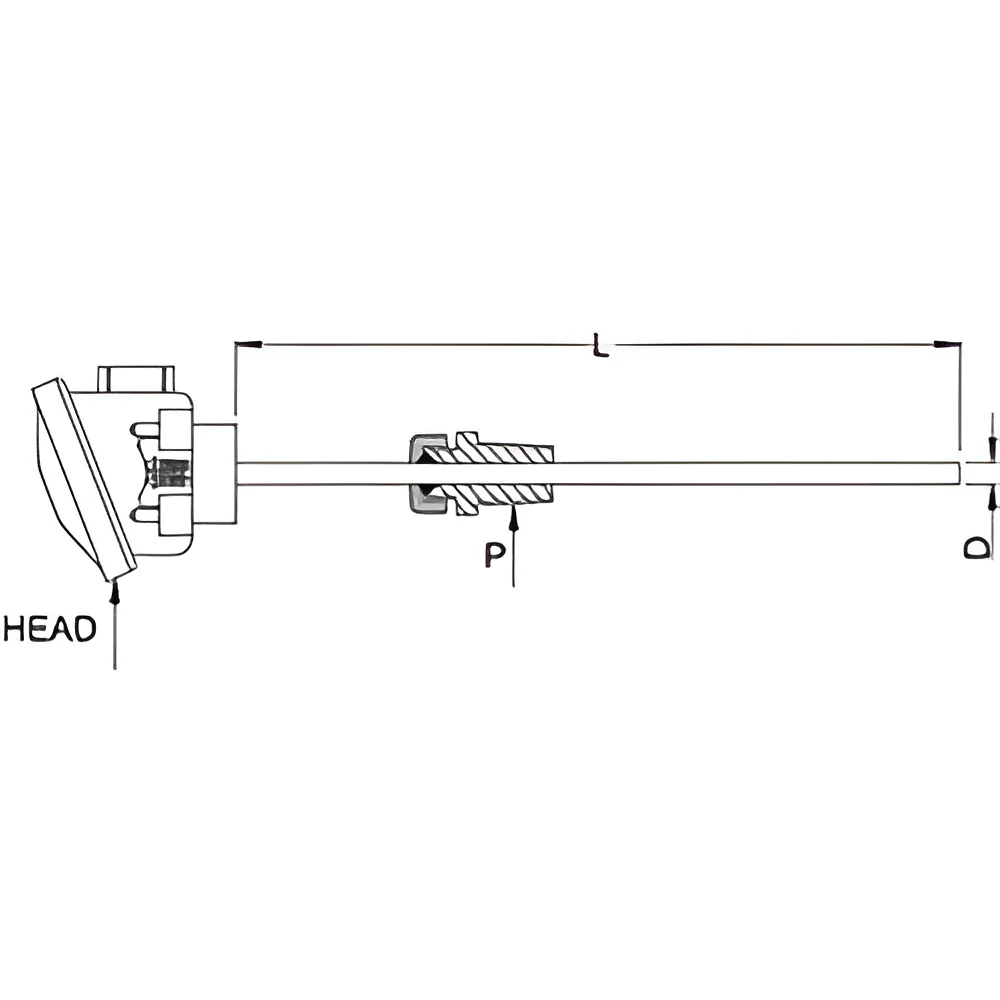
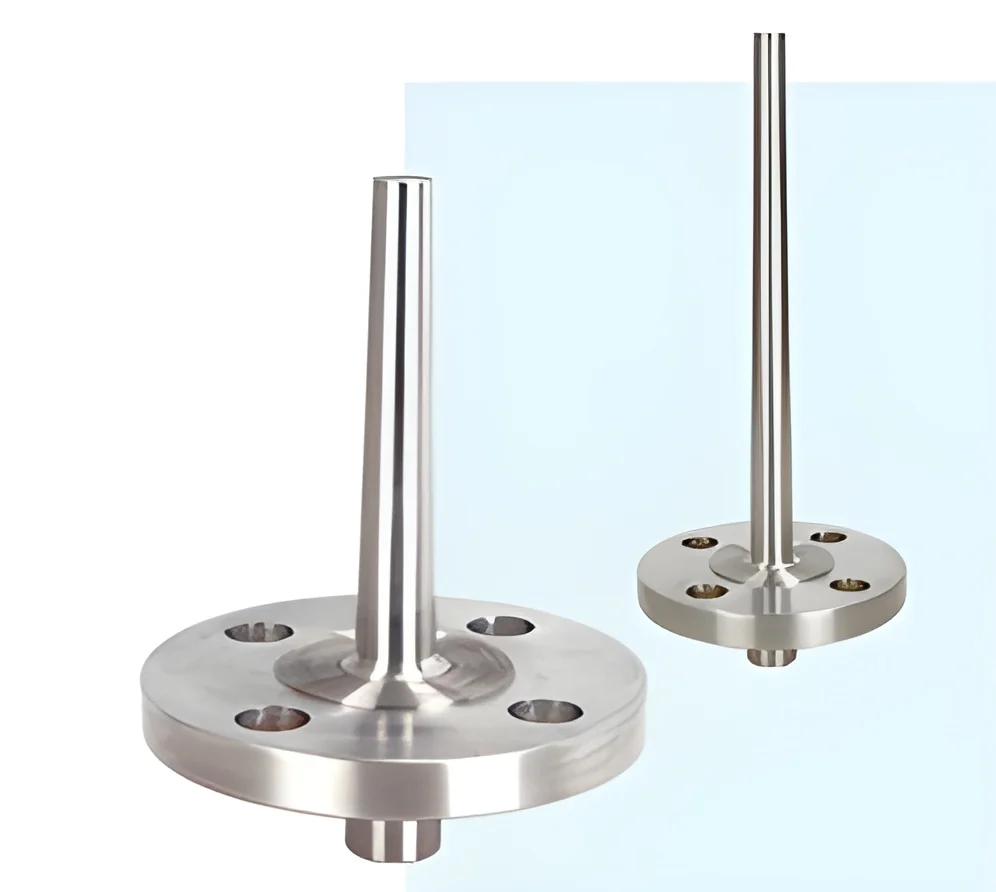
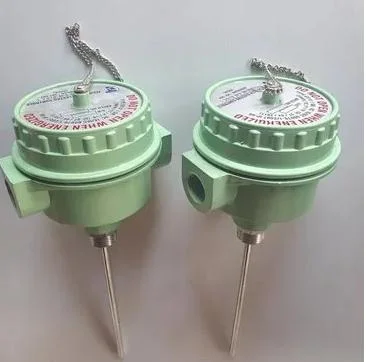
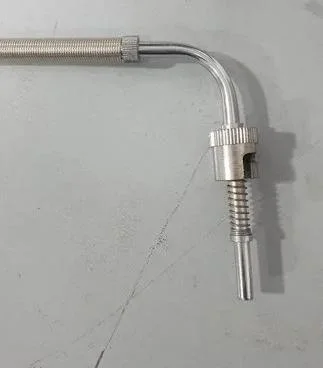
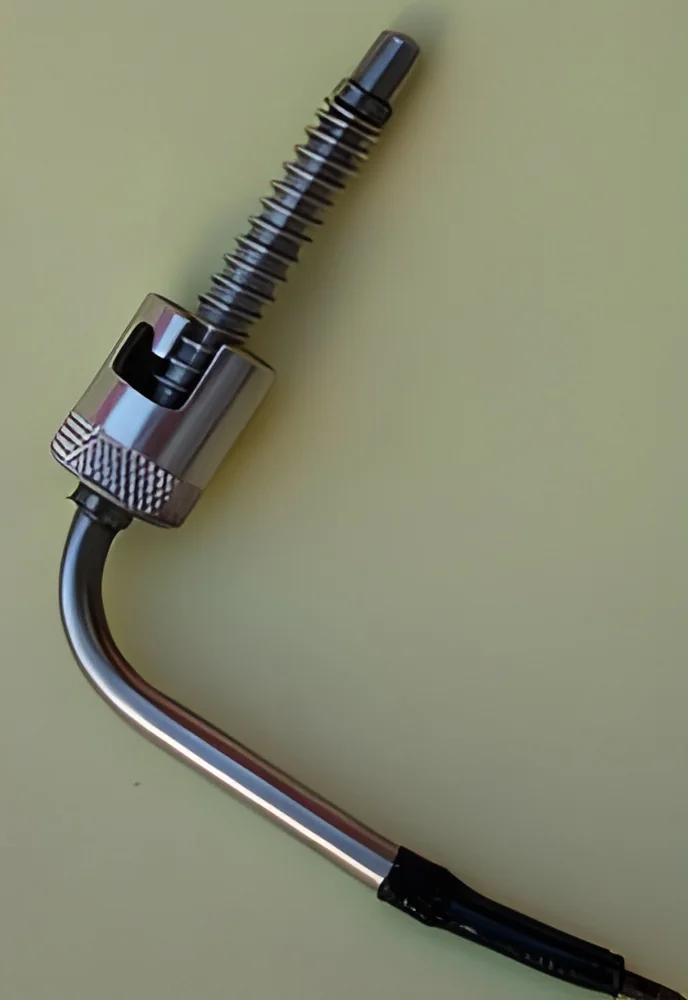
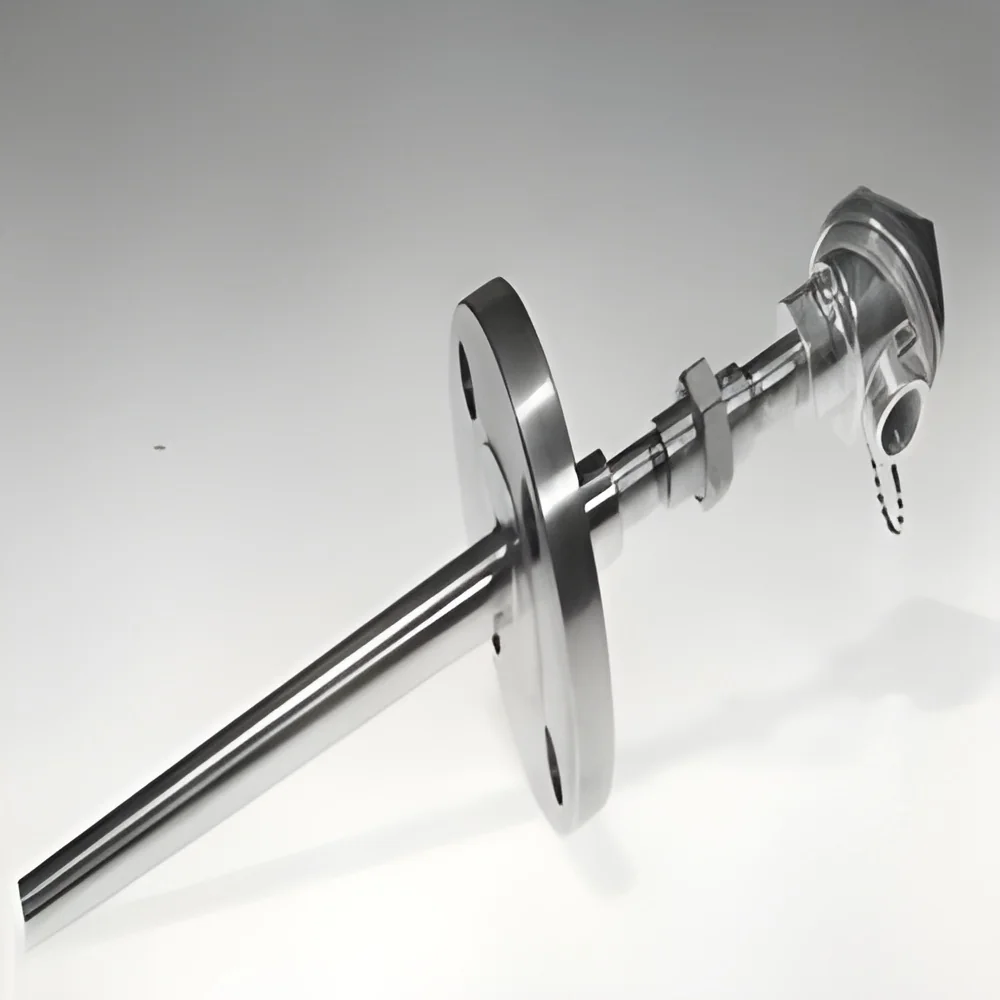
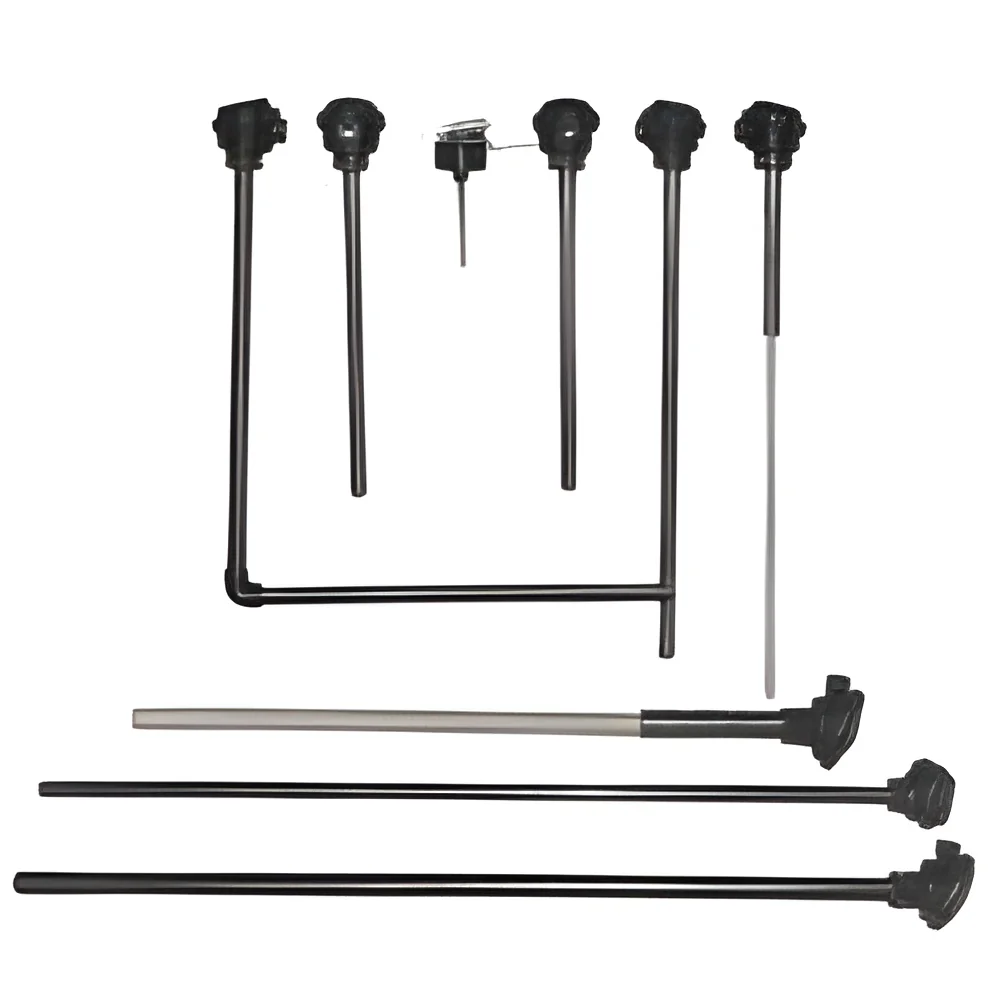
What are Temperature Sensors (RTD, Thermocouples)?
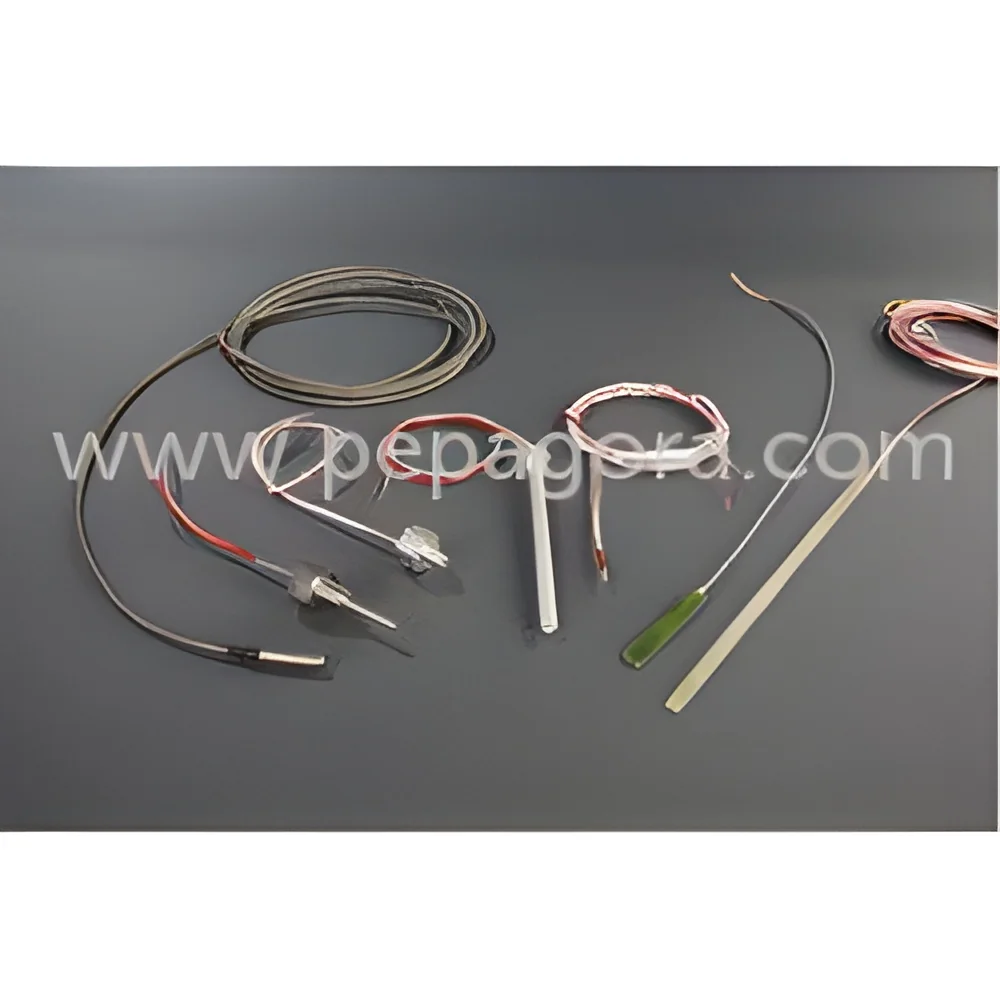
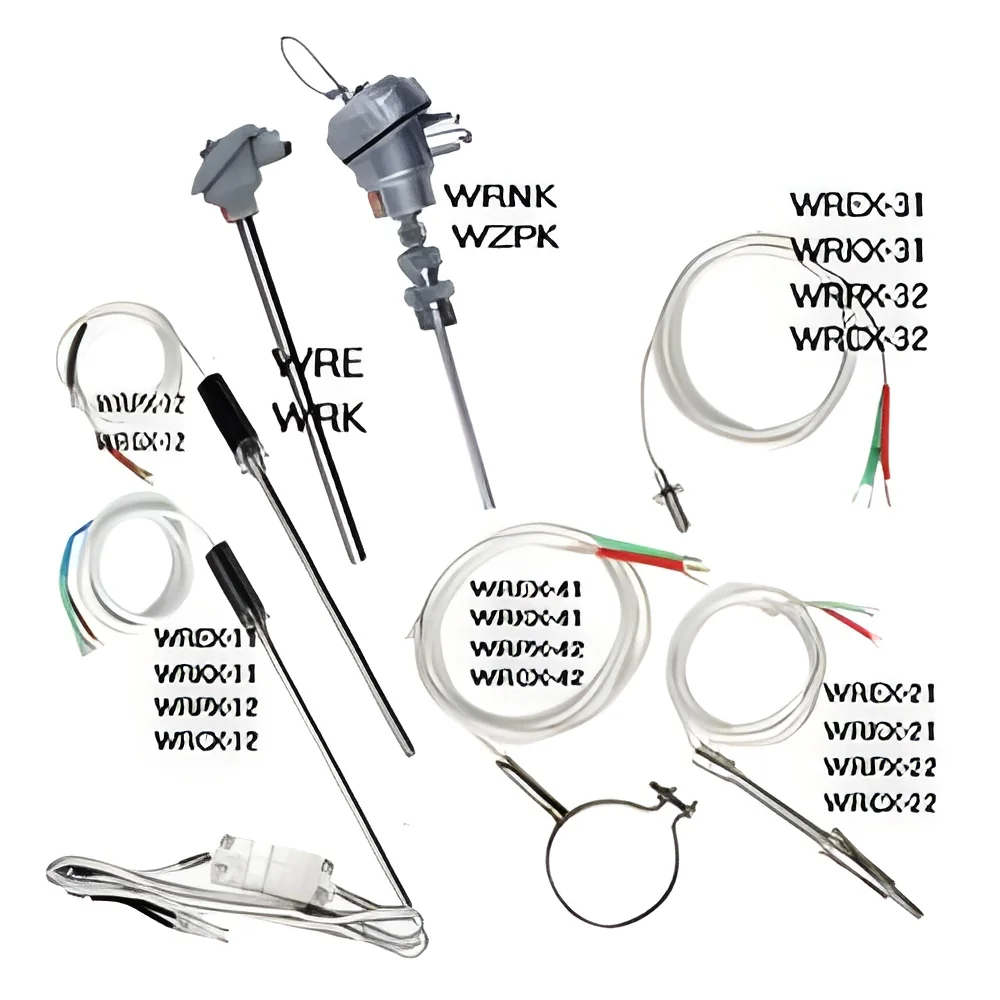
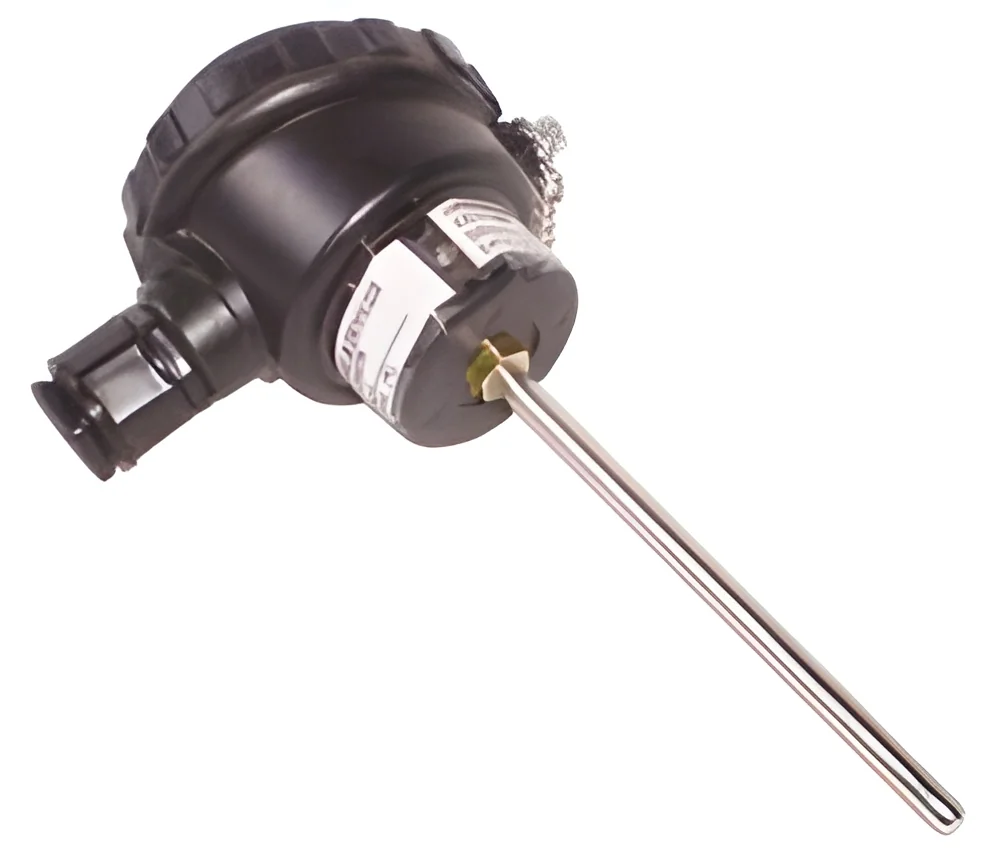
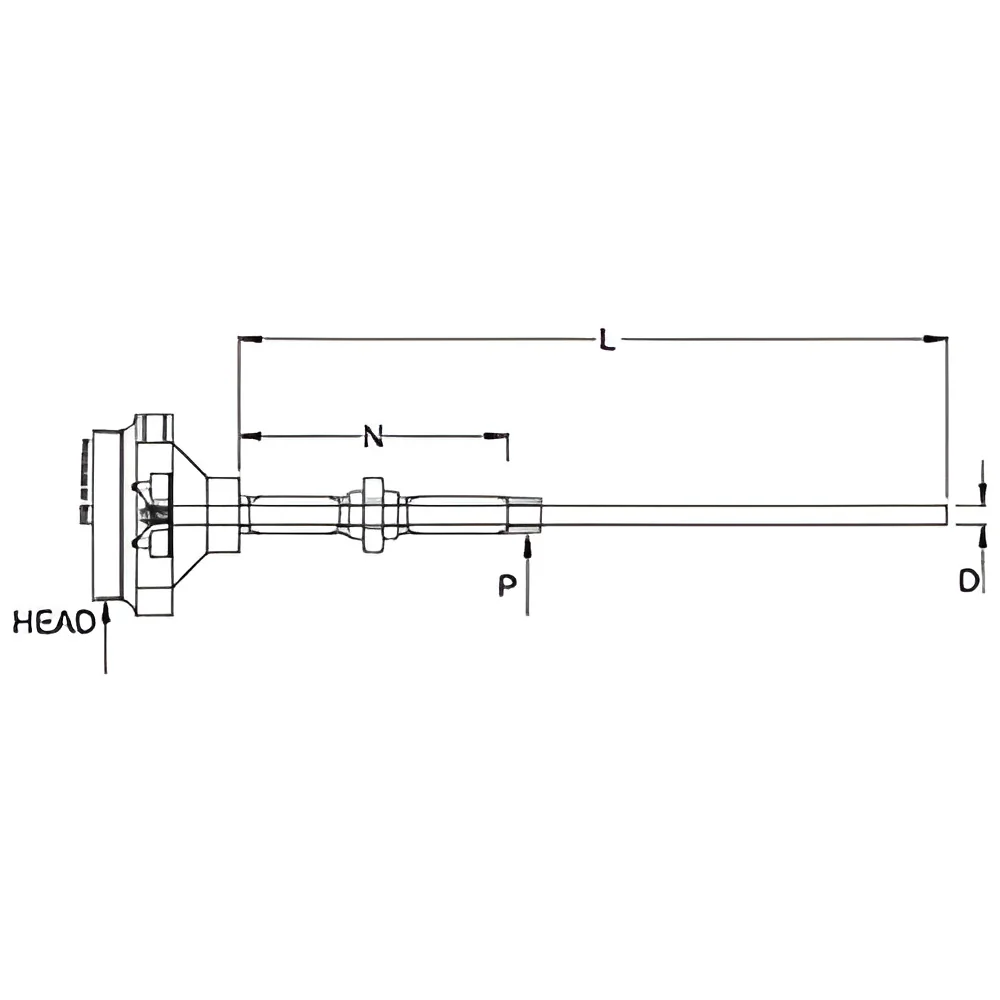
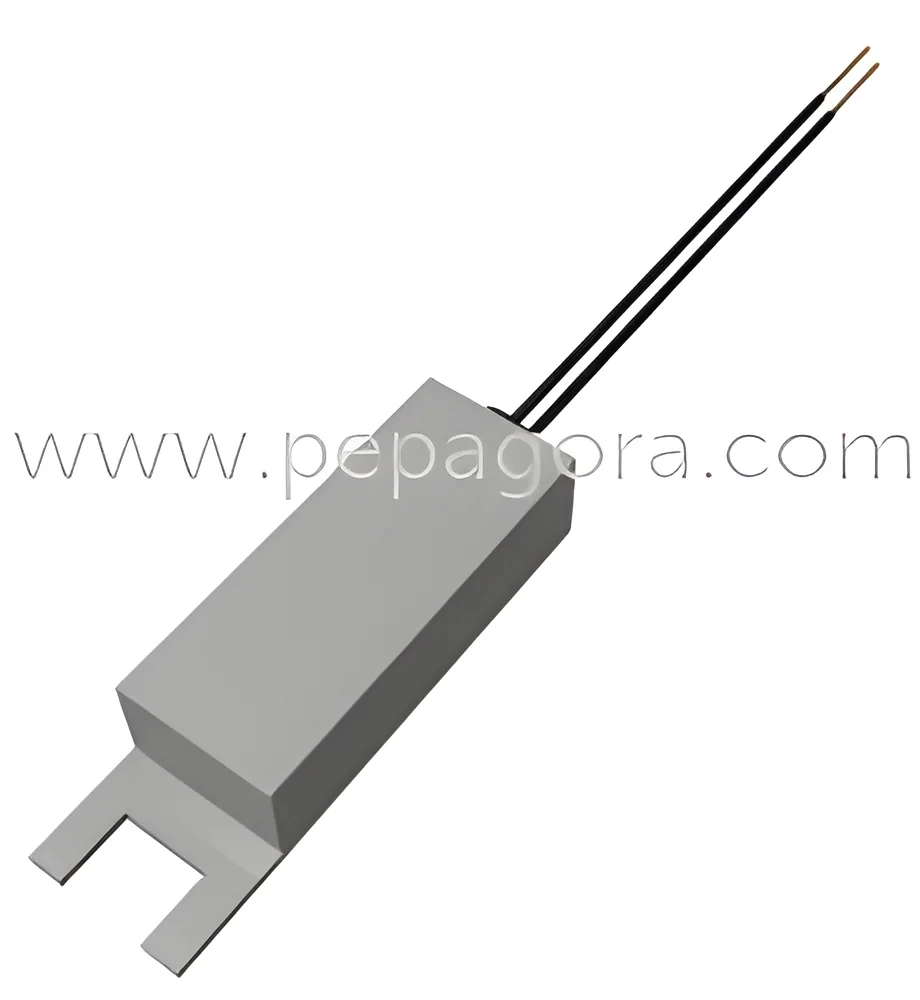
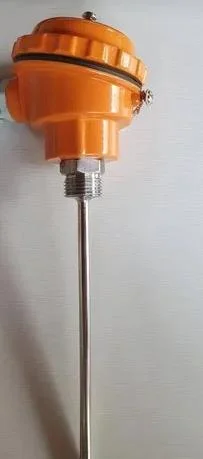
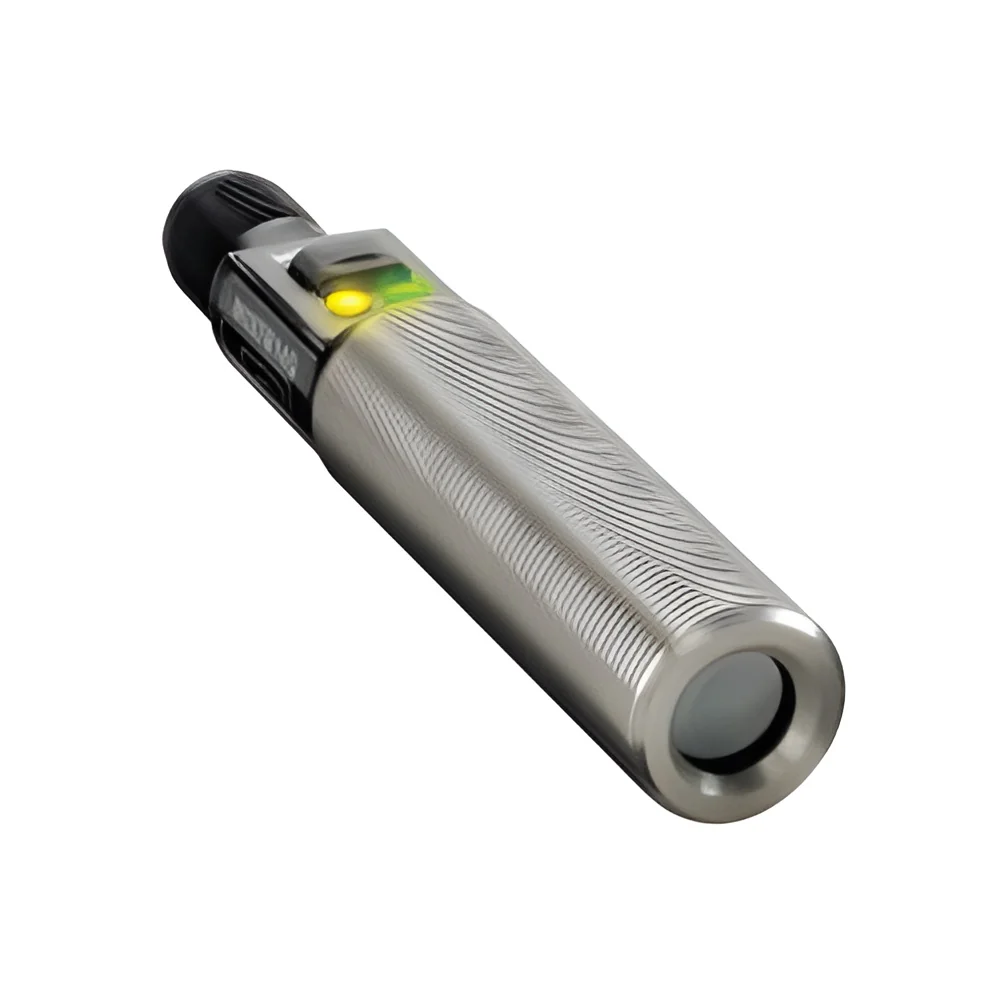
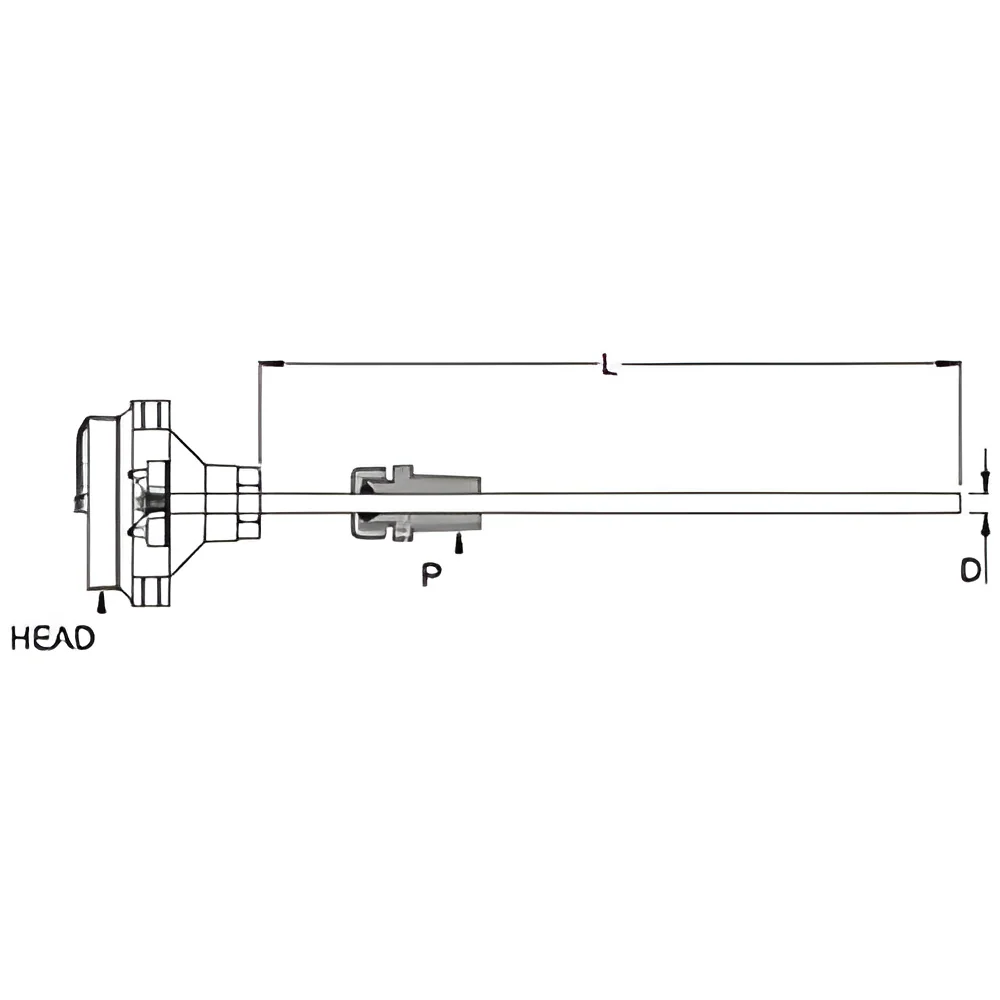
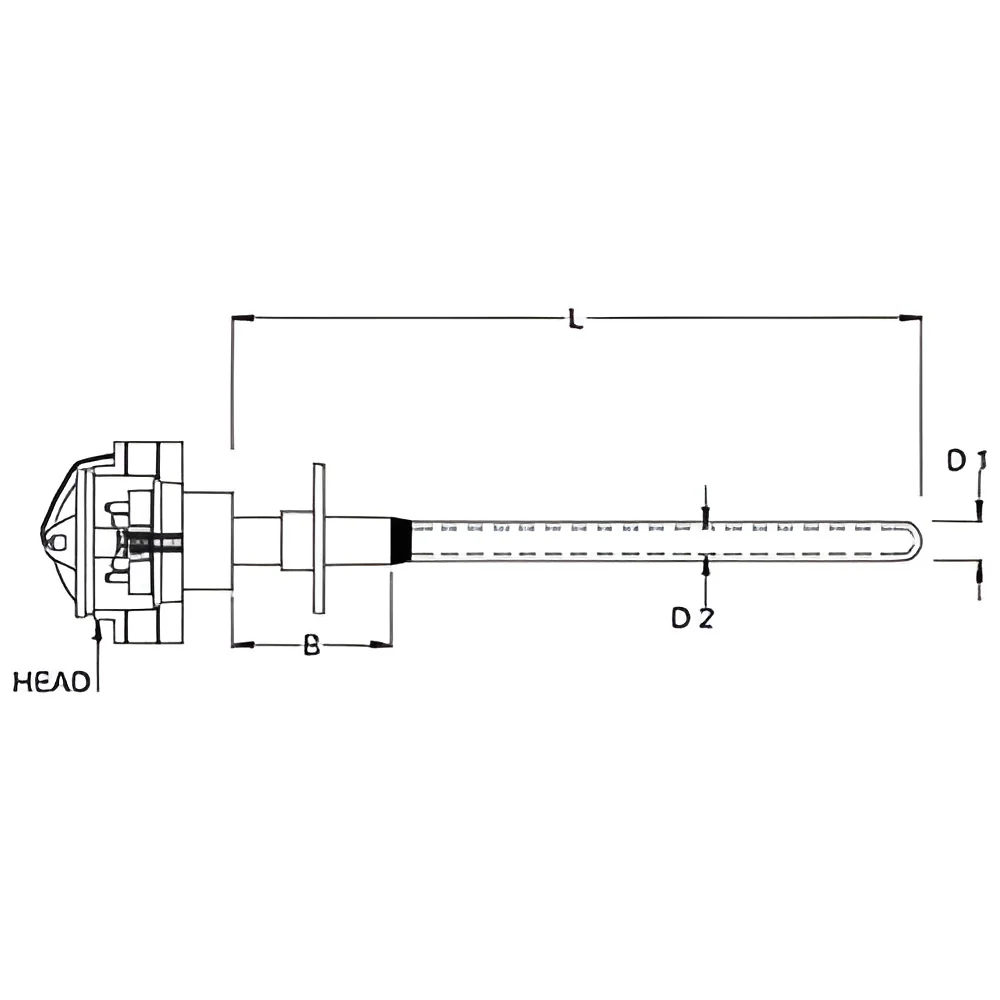
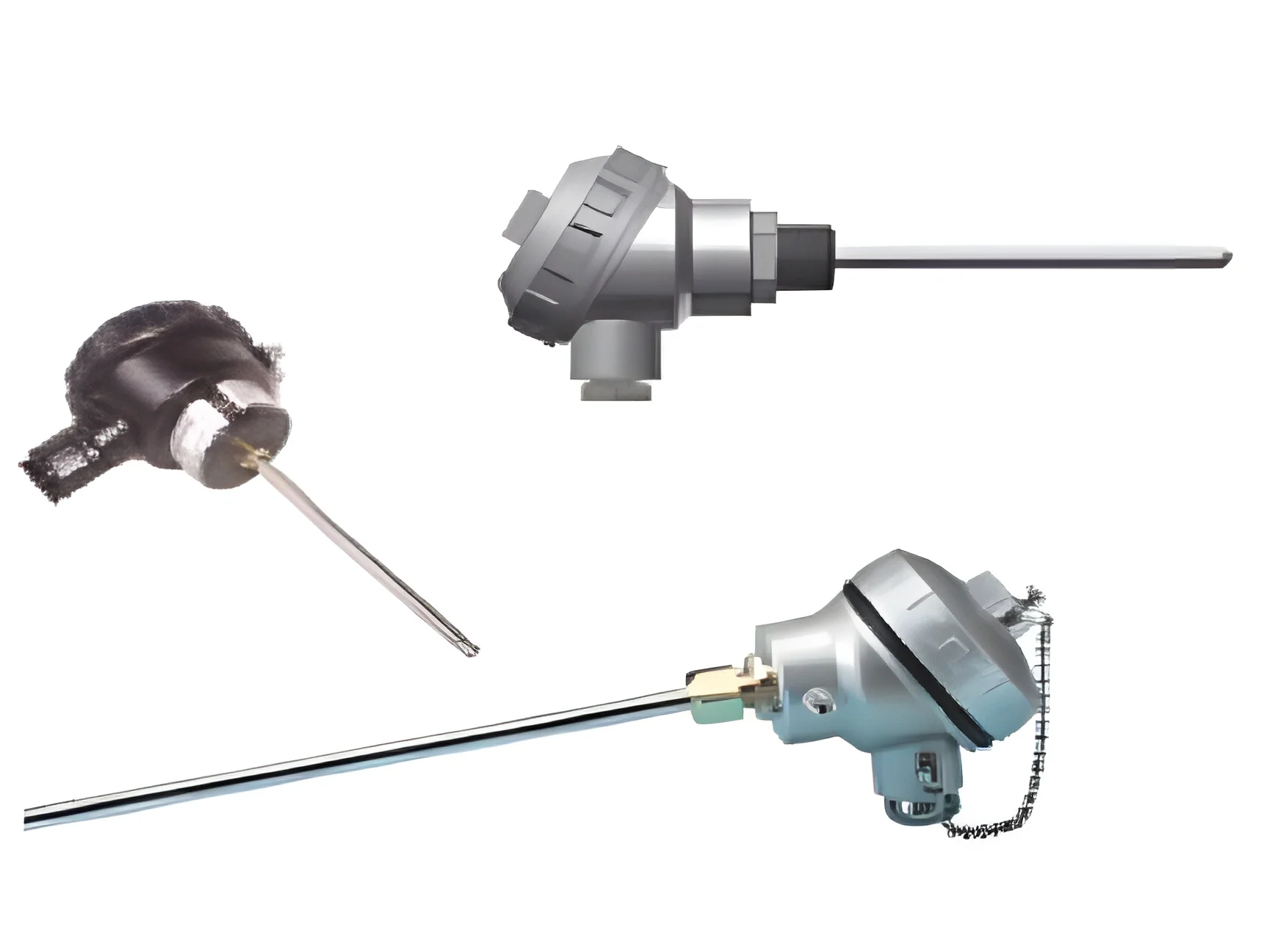
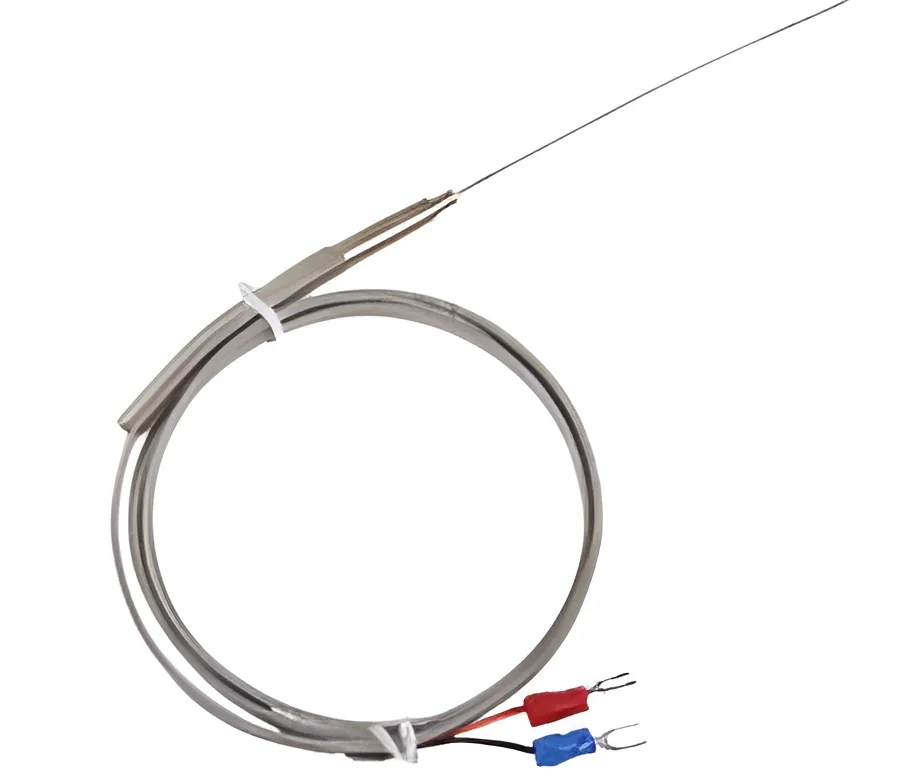
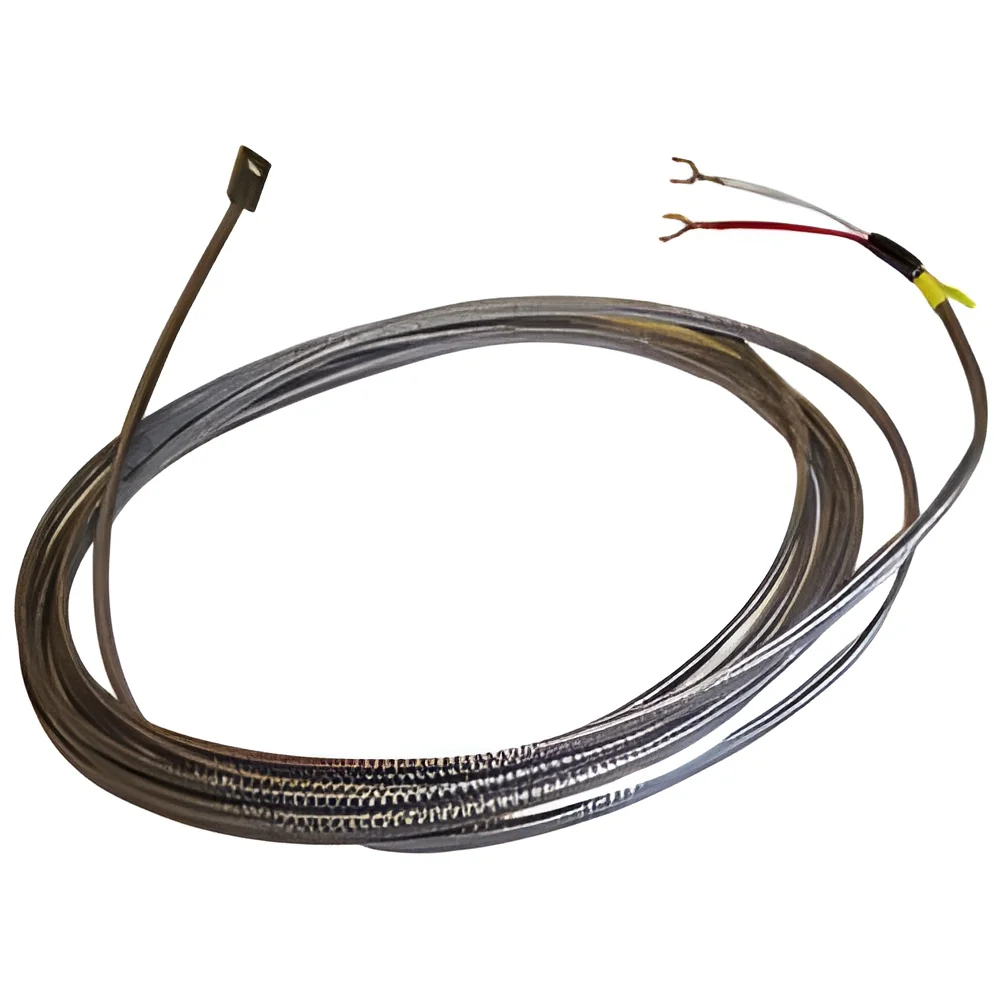
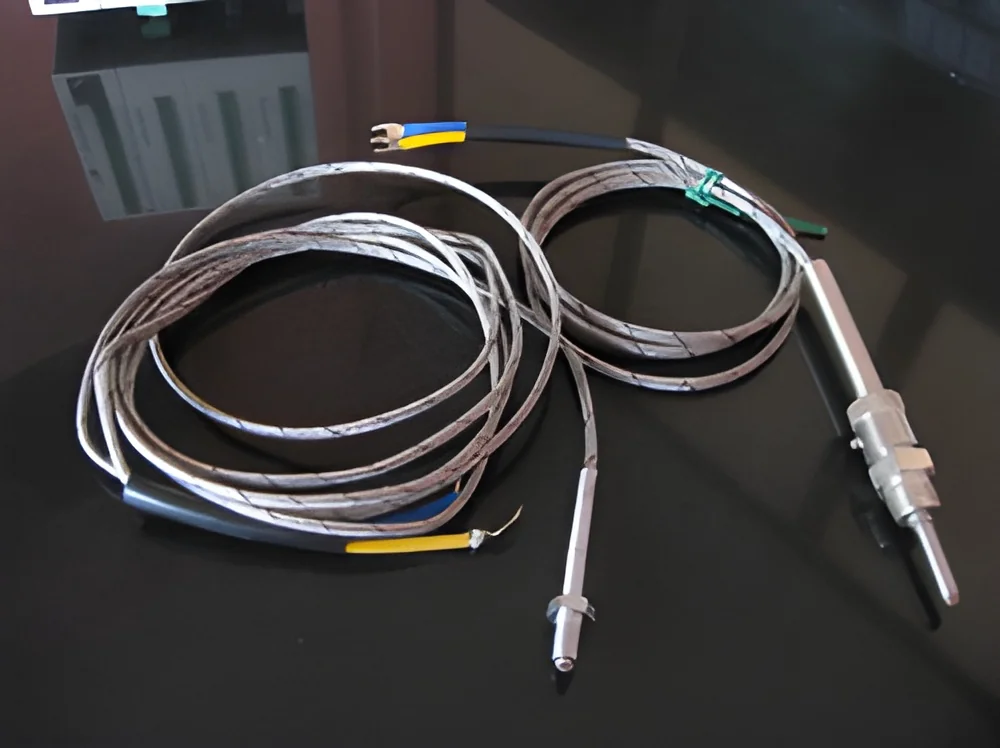
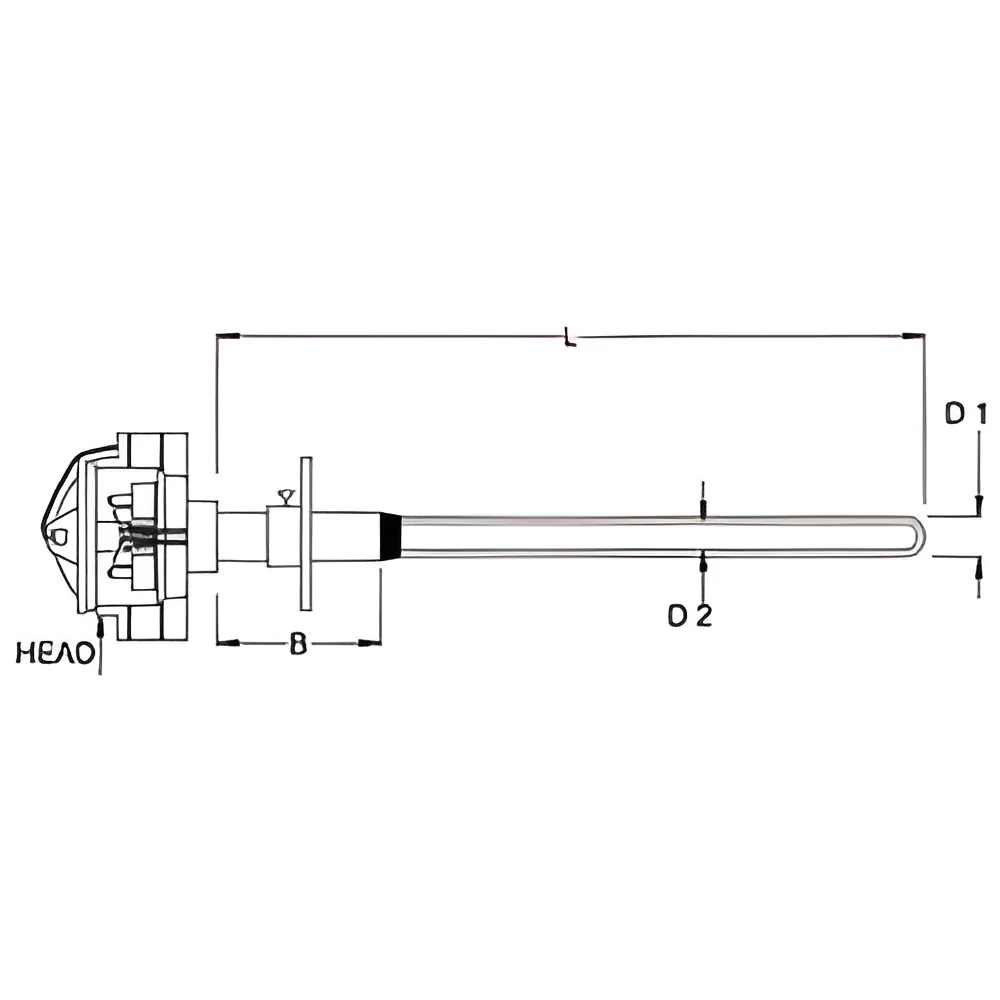
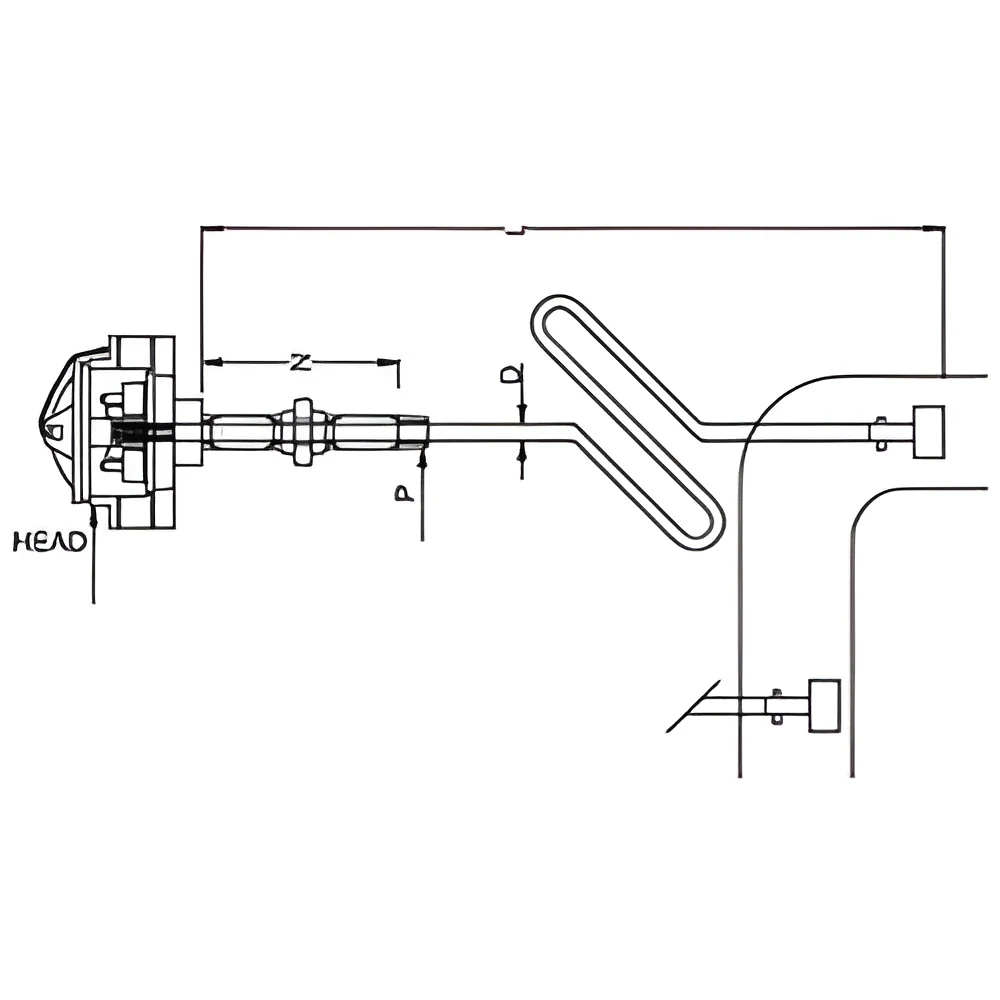
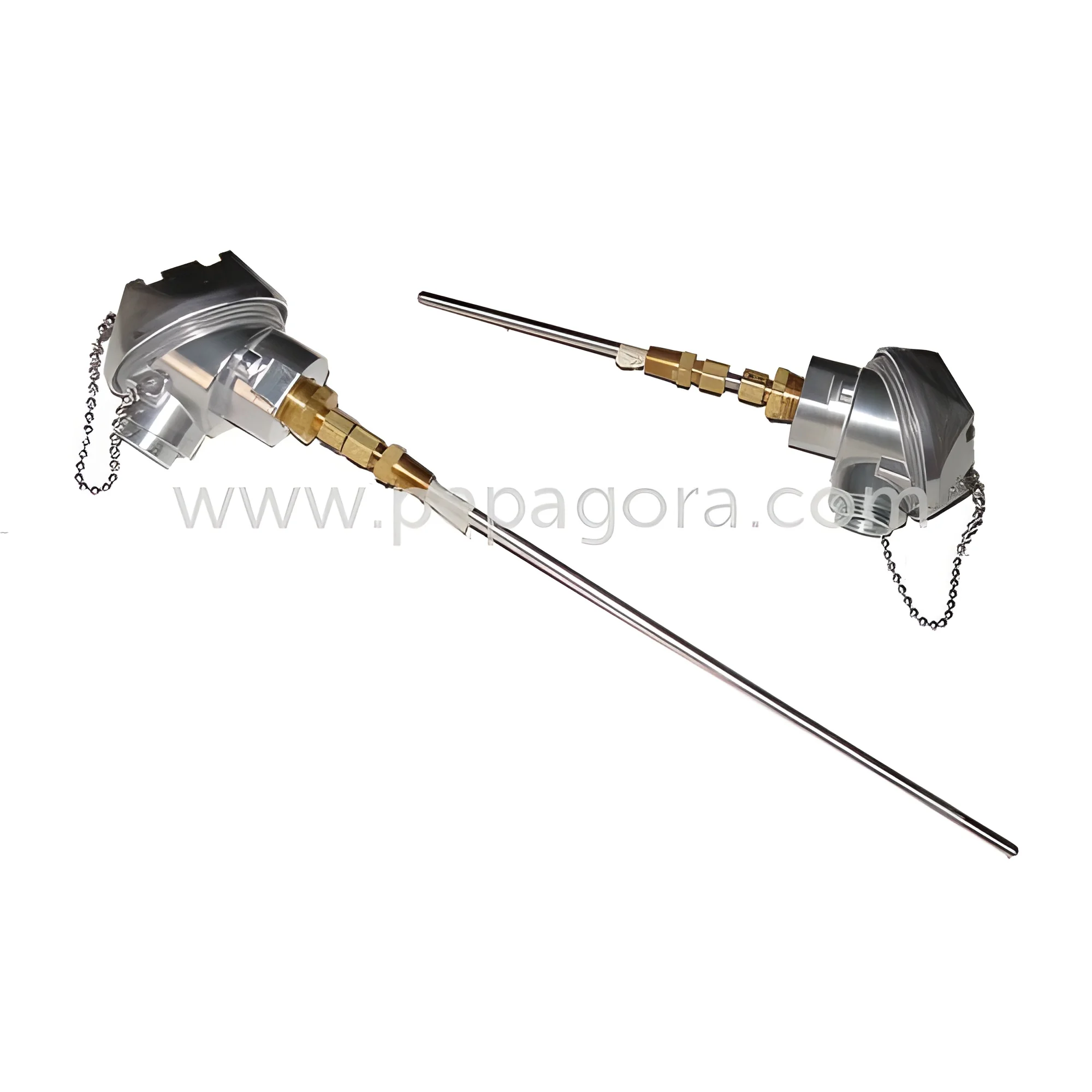
Temperature sensors are devices used to measure temperature, with Resistance Temperature Detectors (RTD) and thermocouples being two of the most common types. RTDs function by measuring the change in electrical resistance of a material as it is subjected to temperature changes. Thermocouples, on the other hand, generate a voltage in response to temperature differences at two junctions of different metals. Both types of sensors are critical for precise temperature measurement across various applications.
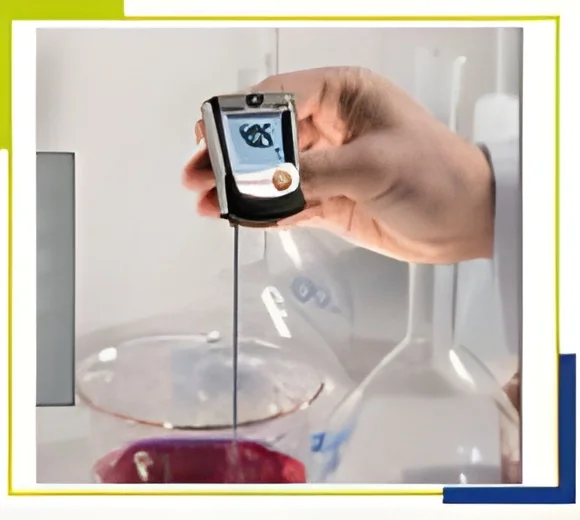
These sensors are widely utilized in industries such as manufacturing, food and beverage, pharmaceuticals, and HVAC systems. In manufacturing, they help maintain optimal process conditions. In the food and beverage industry, they ensure product safety and quality. The pharmaceutical sector relies on accurate temperature control for product efficacy. Overall, temperature sensors play a crucial role in maintaining quality and compliance within industrial processes.
The market for temperature sensors is robust and continuously evolving, driven by advancements in technology and increasing industrial automation. With the growing need for accurate temperature monitoring, businesses are increasingly investing in high-quality sensors to ensure efficiency and safety in their operations.
𝗞𝗲𝘆 𝗙𝗲𝗮𝘁𝘂𝗿𝗲𝘀 𝗮𝗻𝗱 𝗦𝗽𝗲𝗰𝗶𝗳𝗶𝗰𝗮𝘁𝗶𝗼𝗻𝘀
Temperature sensors, specifically RTDs and thermocouples, come with a range of features that enhance their performance and reliability. These specifications are essential for businesses seeking to integrate temperature sensing technology into their processes.
Key specifications include:
1. Measurement Range
- RTDs typically measure between -200°C to 850°C
- Thermocouples can measure from -200°C up to 1260°C or more, depending on the type
2. Accuracy
- RTDs offer high accuracy, usually within ±0.1°C
- Thermocouples have varying accuracy levels, often between ±1°C to ±2°C depending on the type and application
3. Response Time
- RTDs generally have slower response times due to their design
- Thermocouples respond quickly to temperature changes, making them ideal for dynamic environments
4. Output Signal
- RTDs typically provide a linear output signal
- Thermocouples produce a voltage output that is non-linear and requires calibration
5. Operating Environment
- RTDs are suitable for stable environments and require protection against moisture
- Thermocouples can operate in harsh conditions, including high pressure and vacuum environments
6. Installation Types
- RTDs are often found in industrial applications with fixed installations
- Thermocouples are versatile and can be used in portable applications
7. Durability
- RTDs are generally less durable than thermocouples
- Thermocouples are designed for extreme conditions, increasing their longevity
In summary, the choice between RTDs and thermocouples depends on specific application needs, including temperature range, accuracy, and environmental conditions.
𝗖𝗼𝗺𝗺𝗼𝗻 𝗔𝗽𝗽𝗹𝗶𝗰𝗮𝘁𝗶𝗼𝗻𝘀 𝗮𝗻𝗱 𝗨𝘀𝗲 𝗖𝗮𝘀𝗲𝘀
Temperature sensors play a vital role in various industries, ensuring optimal performance and safety.
1. Food and Beverage Industry: Temperature sensors are critical for monitoring cooking and storage temperatures to ensure food safety and quality. They help in compliance with health regulations and standards.
2. Pharmaceutical Industry: In this sector, precise temperature control is essential for storage and transportation of sensitive products. Temperature sensors ensure the integrity of pharmaceuticals throughout their lifecycle.
3. Manufacturing: Temperature sensors are used to monitor and control processes such as material handling and equipment performance, thereby enhancing product quality and operational efficiency.
4. HVAC Systems: In heating, ventilation, and air conditioning systems, temperature sensors help maintain desired environmental conditions, contributing to energy efficiency and comfort.
5. Automotive: Temperature sensors are used to monitor engine temperatures, ensuring optimal performance and preventing overheating.
6. Oil and Gas: In this industry, temperature sensors are used in drilling and refining processes to monitor temperatures and ensure safety.
7. Aerospace: Temperature sensors play a crucial role in monitoring temperatures in aircraft components, ensuring reliability and safety during operations.
𝗣𝗿𝗼𝗱𝘂𝗰𝘁 𝗩𝗮𝗿𝗶𝗮𝗻𝘁𝘀 𝗮𝗻𝗱 𝗦𝘂𝗯𝗰𝗮𝘁𝗲𝗴𝗼𝗿𝗶𝗲𝘀
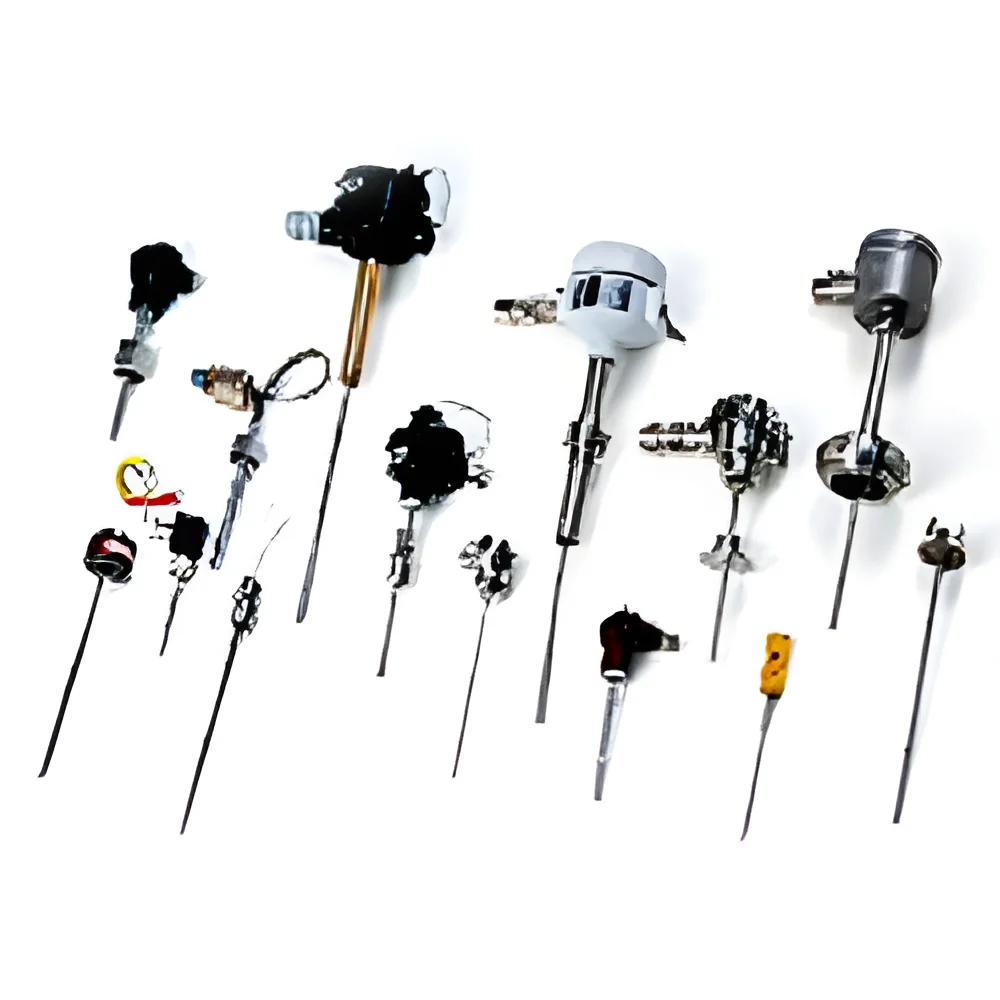
Temperature sensors come in various forms to cater to different application needs. This diversity allows businesses to select the most appropriate sensor for their specific requirements.
RTD Sensors
RTD sensors are known for their accuracy and reliability. They are commonly used in applications requiring precise temperature measurements. Their design allows for excellent stability and repeatability, making them suitable for laboratory and industrial environments.
Thermocouples
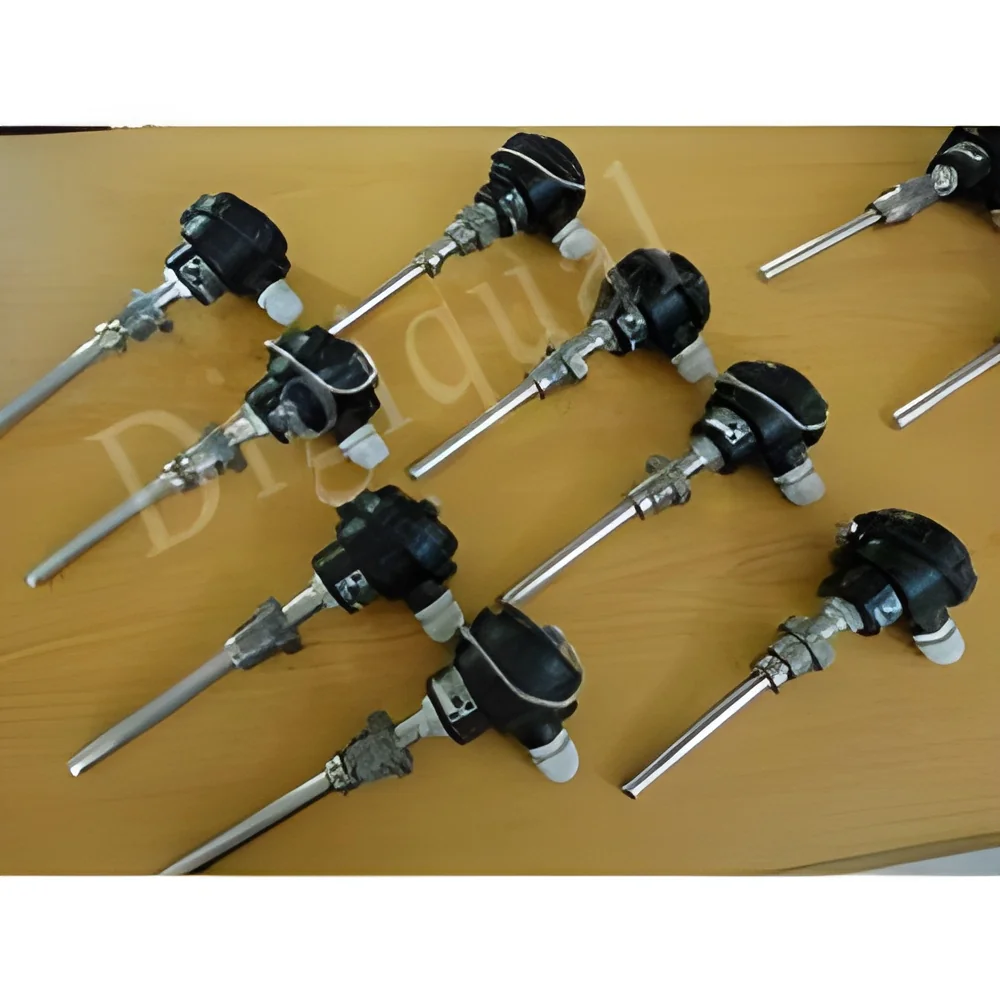
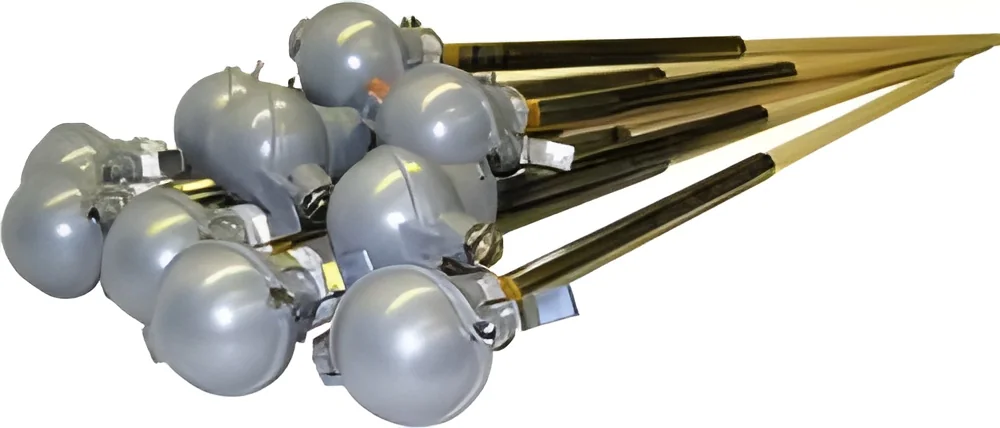
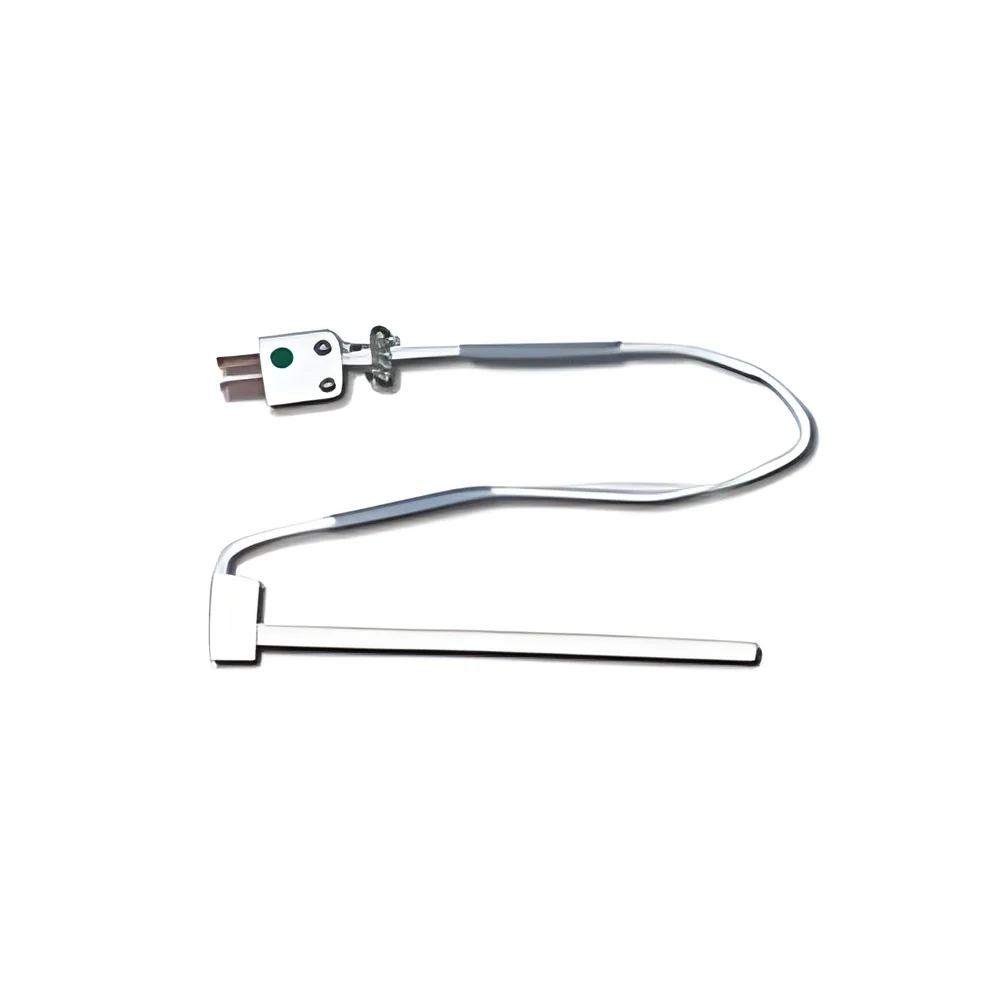
Thermocouples are versatile sensors that can operate at extreme temperatures. They are used in a wide range of applications, from industrial processing to scientific research. Their fast response times make them ideal for dynamic temperature monitoring.
Due to the lack of specific subcategories, other variants are not available.
𝗕𝗲𝗻𝗲𝗳𝗶𝘁𝘀 𝗮𝗻𝗱 𝗔𝗱𝘃𝗮𝗻𝘁𝗮𝗴𝗲𝘀
Choosing the right temperature sensor provides numerous advantages that can positively impact business operations.
1. High Accuracy: Temperature sensors, especially RTDs, offer precise measurements, ensuring processes operate within required tolerances.
2. Versatility: The variety of temperature sensors available allows businesses to select sensors suited for different environments and applications.
3. Enhanced Safety: Accurate temperature monitoring is crucial for safety, reducing the risk of overheating and equipment failure.
4. Improved Efficiency: By maintaining optimal temperatures, businesses can enhance productivity and reduce energy costs.
5. Compliance Assurance: Utilizing temperature sensors helps meet industry regulations and standards, ensuring product quality and safety.
6. Longevity and Reliability: High-quality temperature sensors are built to last, providing reliable performance over time, reducing the need for frequent replacements.
𝗕𝘂𝘆𝗶𝗻𝗴 𝗚𝘂𝗶𝗱𝗲 𝗳𝗼𝗿 𝗕𝟮𝗕 𝗕𝘂𝘆𝗲𝗿𝘀
When sourcing Temperature Sensors (RTD, Thermocouples), it is essential to consider several critical factors to ensure optimal selection for your business needs.
1. Quality Assessment: Look for sensors that meet industry standards. Consider certifications like CE to ensure the product's quality and reliability.
2. Supplier Verification: Vet potential suppliers to ensure they have a proven track record of providing high-quality products. Check for reviews, testimonials, and their overall reputation in the industry.
3. Pricing and MOQ: Understand the pricing structures and consider the minimum order quantities required by suppliers to ensure they align with your purchasing capabilities.
4. Delivery and Lead Times: Evaluate the supplier’s logistics capabilities to ensure they can meet your delivery timelines. Timely delivery is crucial for maintaining production schedules.
5. Compliance Requirements: Ensure that the sensors you choose meet all relevant regulations and standards for your industry to avoid compliance issues.
𝗖𝗼𝗺𝗽𝗹𝗶𝗮𝗻𝗰𝗲 𝗮𝗻𝗱 𝗖𝗲𝗿𝘁𝗶𝗳𝗶𝗰𝗮𝘁𝗶𝗼𝗻𝘀
Temperature sensors are subject to various quality standards and certifications that ensure their reliability and safety. ISO 9001 is a common standard that ensures manufacturers maintain quality management systems. Compliance with HACCP (Hazard Analysis and Critical Control Points) is also essential in industries like food and beverage, where temperature control is critical to safety.
Industry certifications, such as CE marking, indicate that a product meets European safety and environmental requirements. Additionally, temperature sensors must meet safety testing requirements to ensure they function safely in different environments. Regional compliance considerations may vary, so it is essential for buyers to understand the specific regulations that apply to their operations.
Why Source Temperature Sensors (RTD, Thermocouples) from Pepagora?
Pepagora provides an excellent platform for sourcing Temperature Sensors (RTD, Thermocouples) with multiple advantages.
Verified Supplier Network: Pepagora connects buyers with a network of verified suppliers, ensuring that businesses can find reliable partners for their temperature sensing needs.
Streamlined RFQ Process: The platform offers a straightforward request for quotation process, allowing businesses to receive competitive pricing and tailor their purchasing requirements.
Trade Assurance and Support: Buyers are protected through trade assurance measures, ensuring that transactions are secure and that quality standards are met.
Regional Coverage: Pepagora has extensive geographic reach, supporting buyers in India, the GCC, and Southeast Asia. This broad coverage ensures that businesses can access high-quality temperature sensors regardless of their location.

 IN
IN