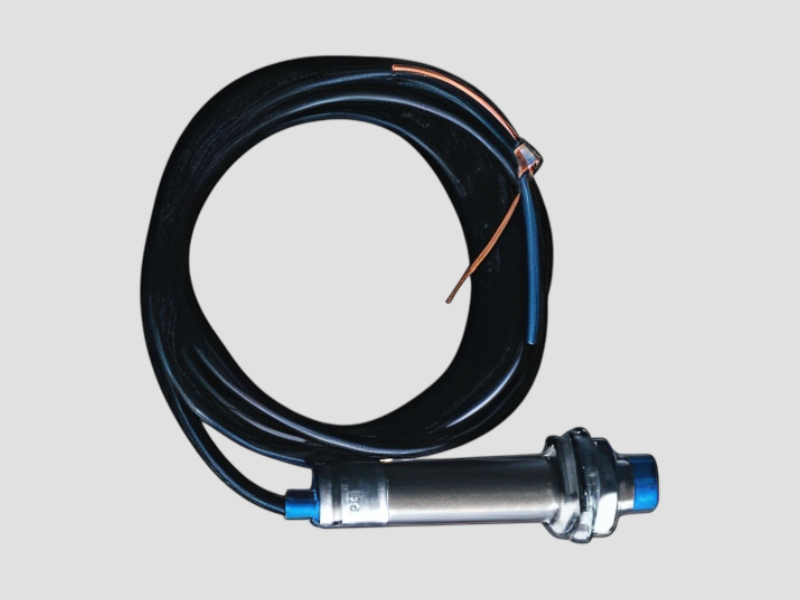
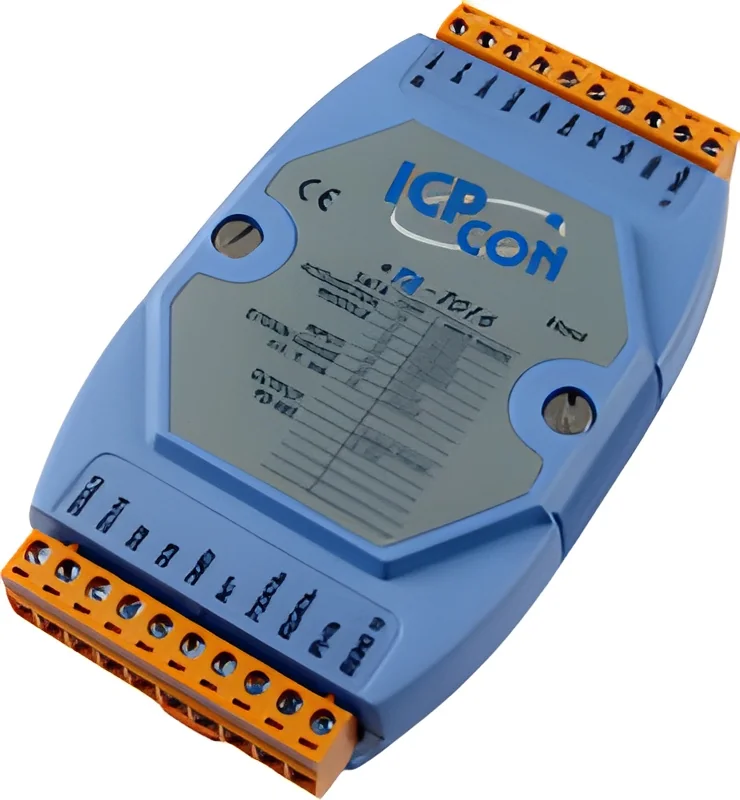
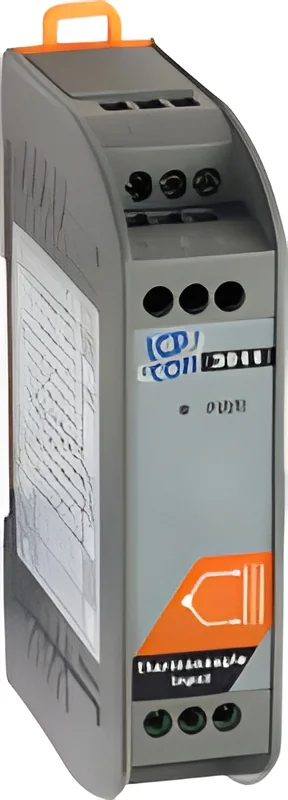
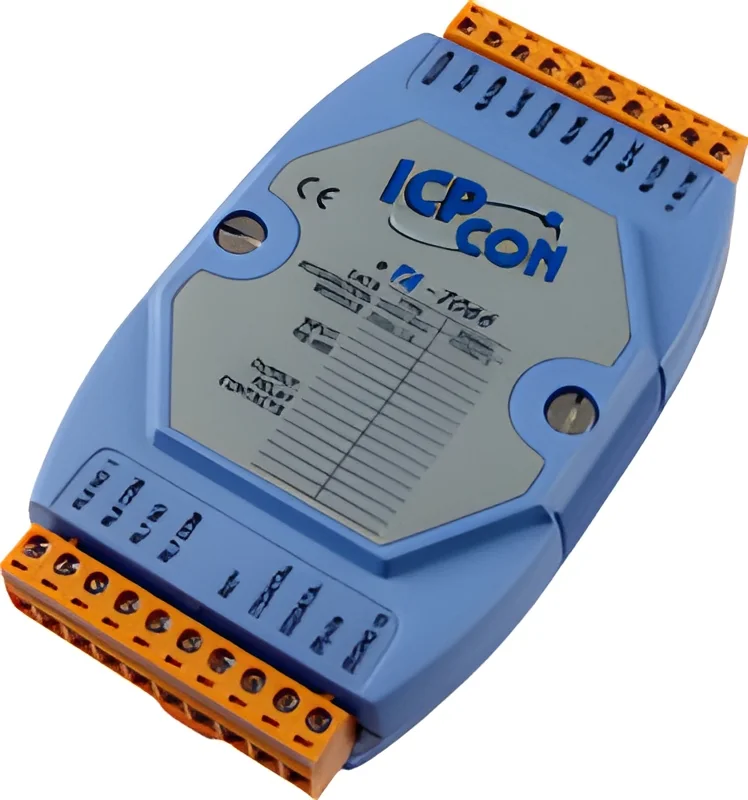
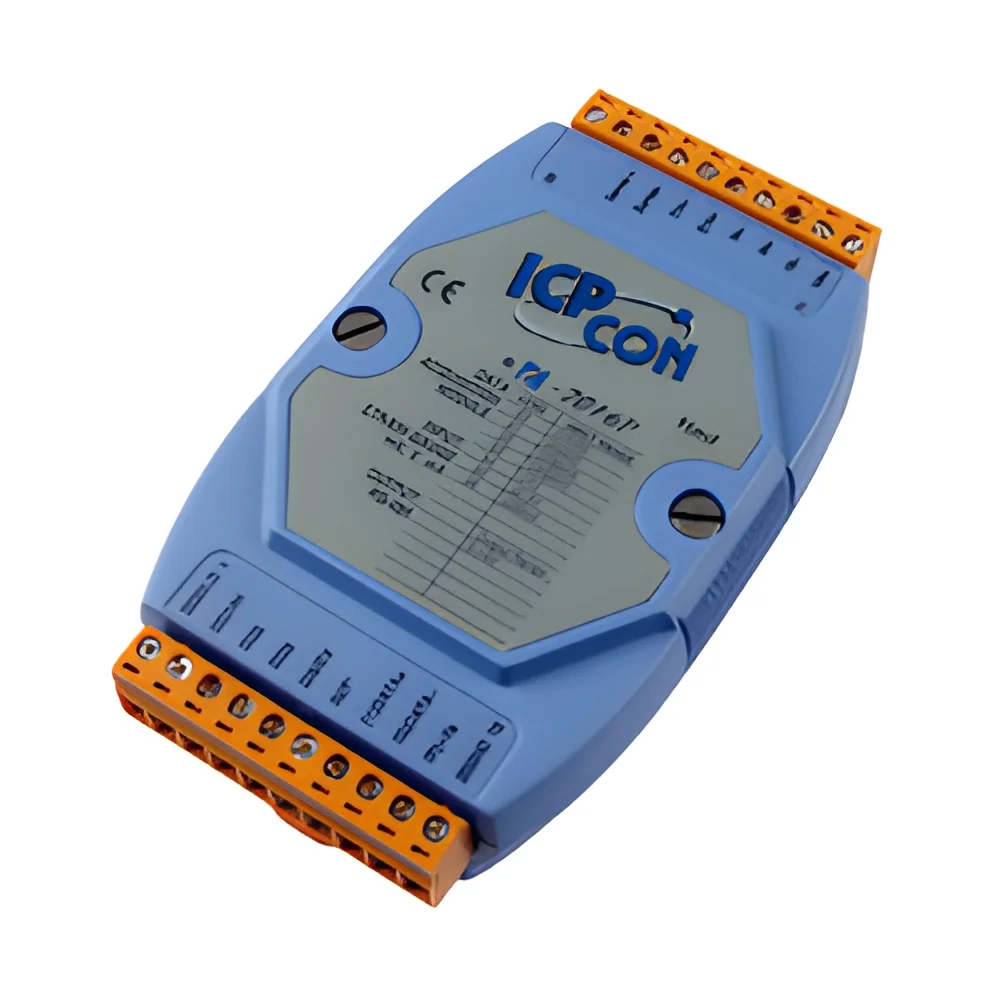
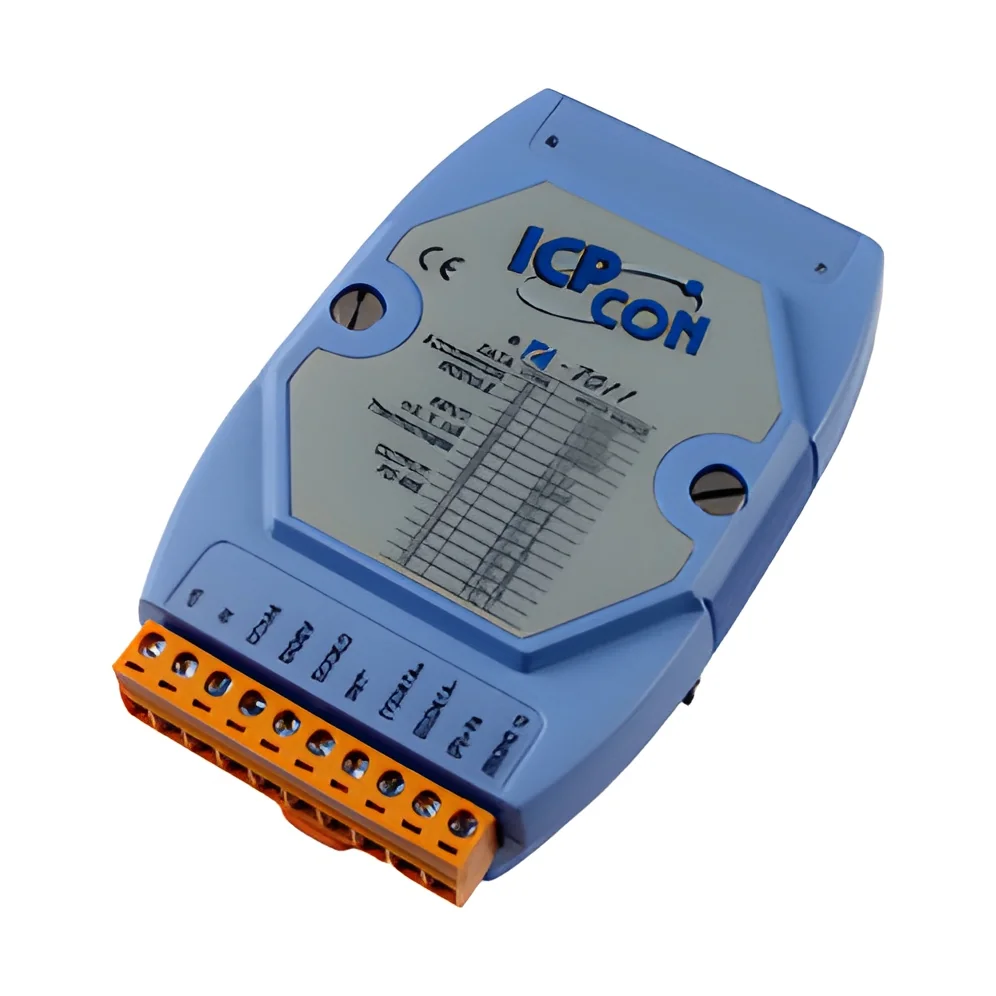
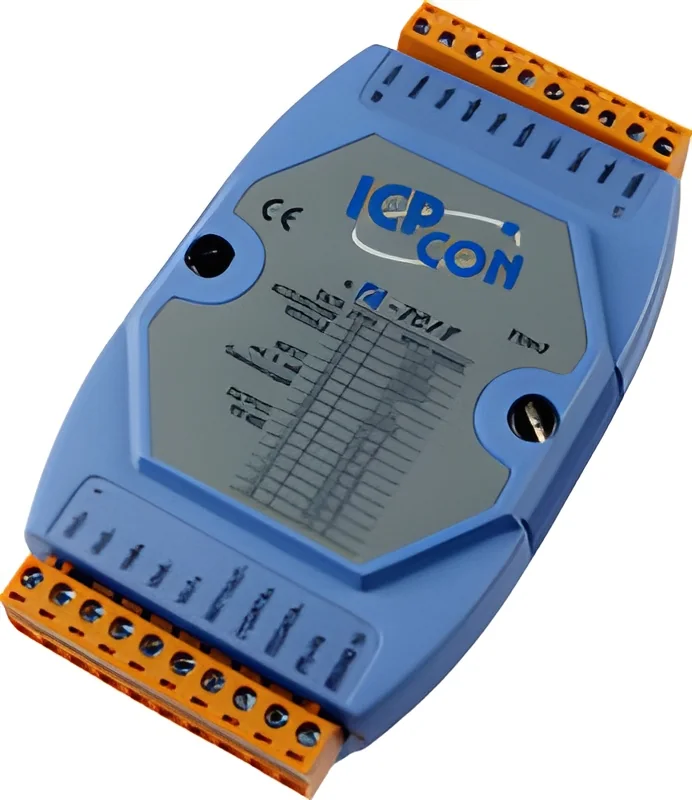
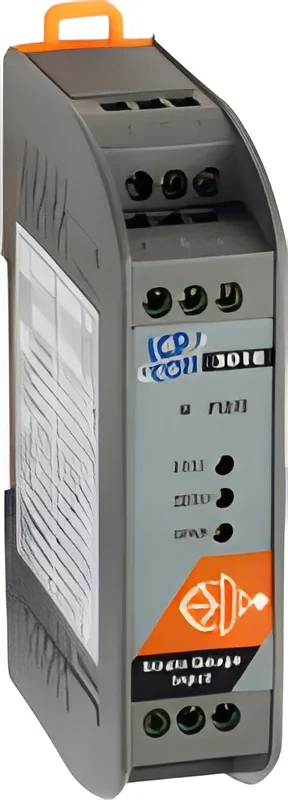
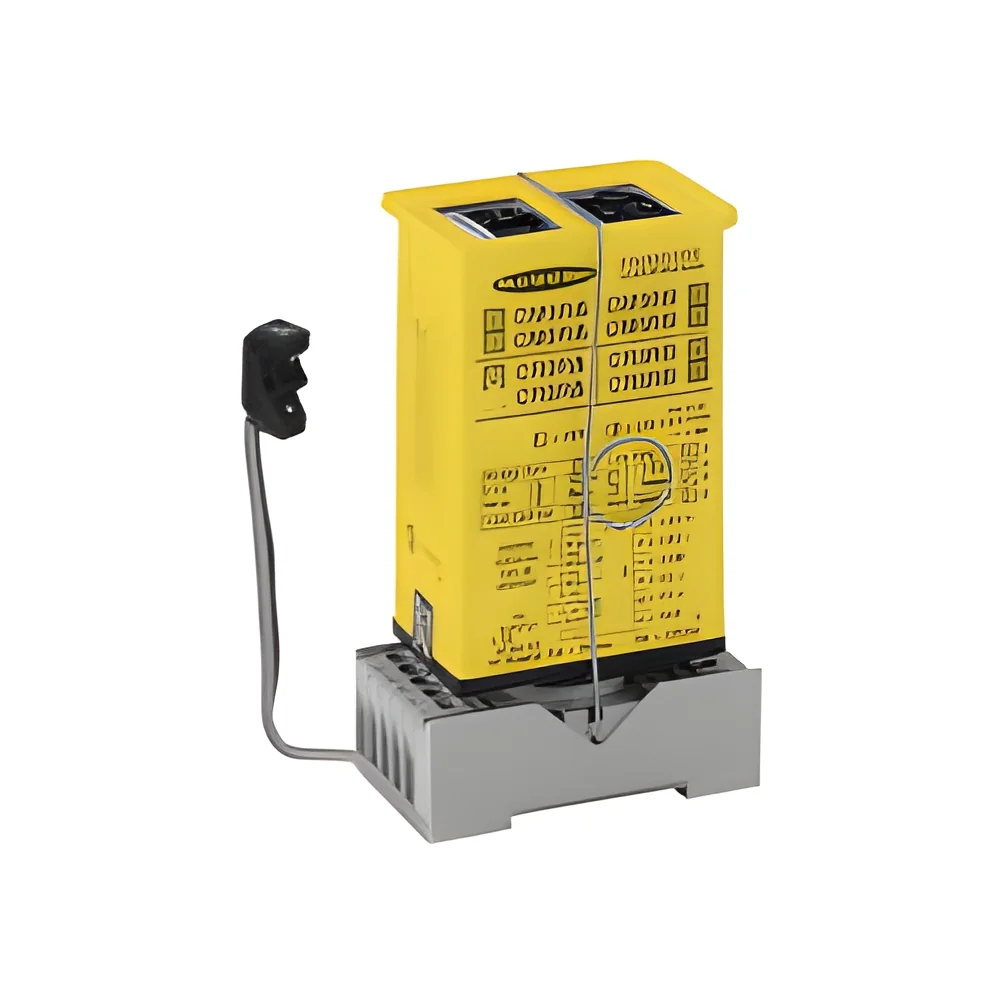
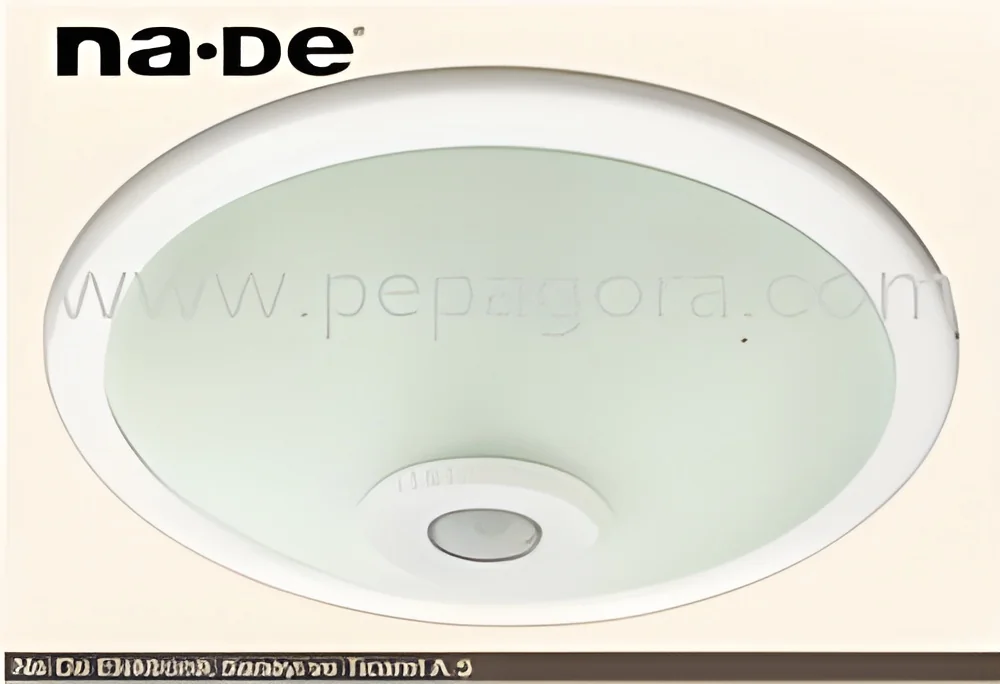
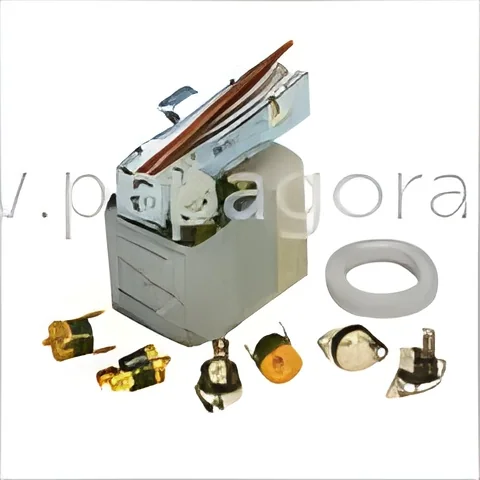
𝗪𝗵𝗮𝘁 𝗮𝗿𝗲 𝗦𝗲𝗻𝘀𝗼𝗿𝘀 & 𝗧𝗿𝗮𝗻𝘀𝗱𝘂𝗰𝗲𝗿𝘀?
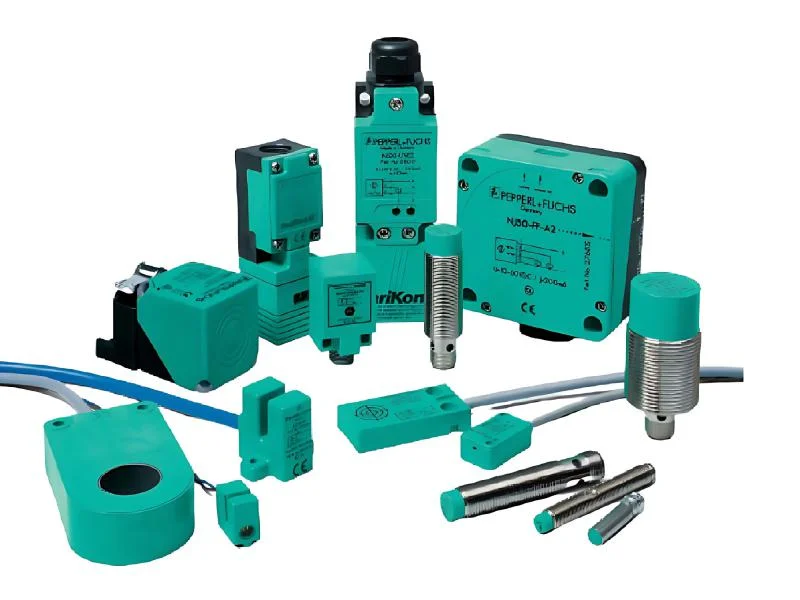
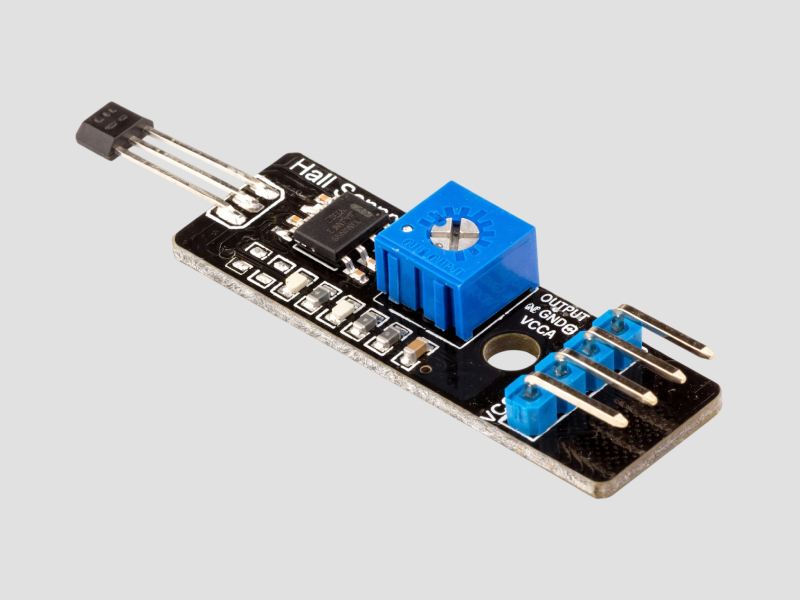
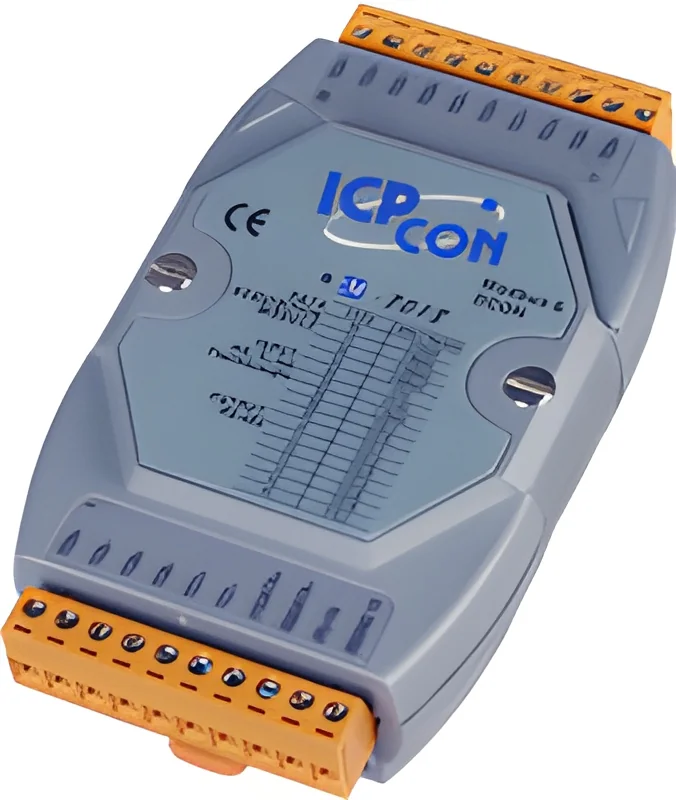
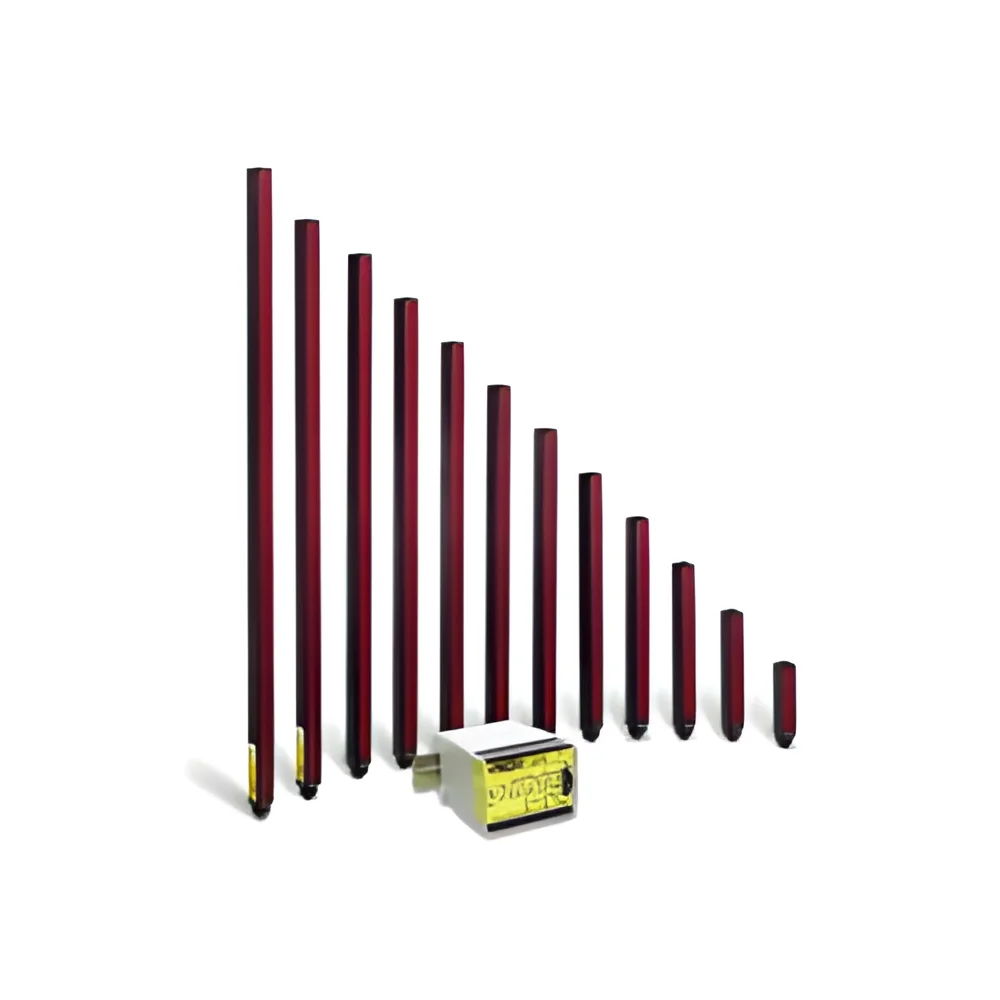
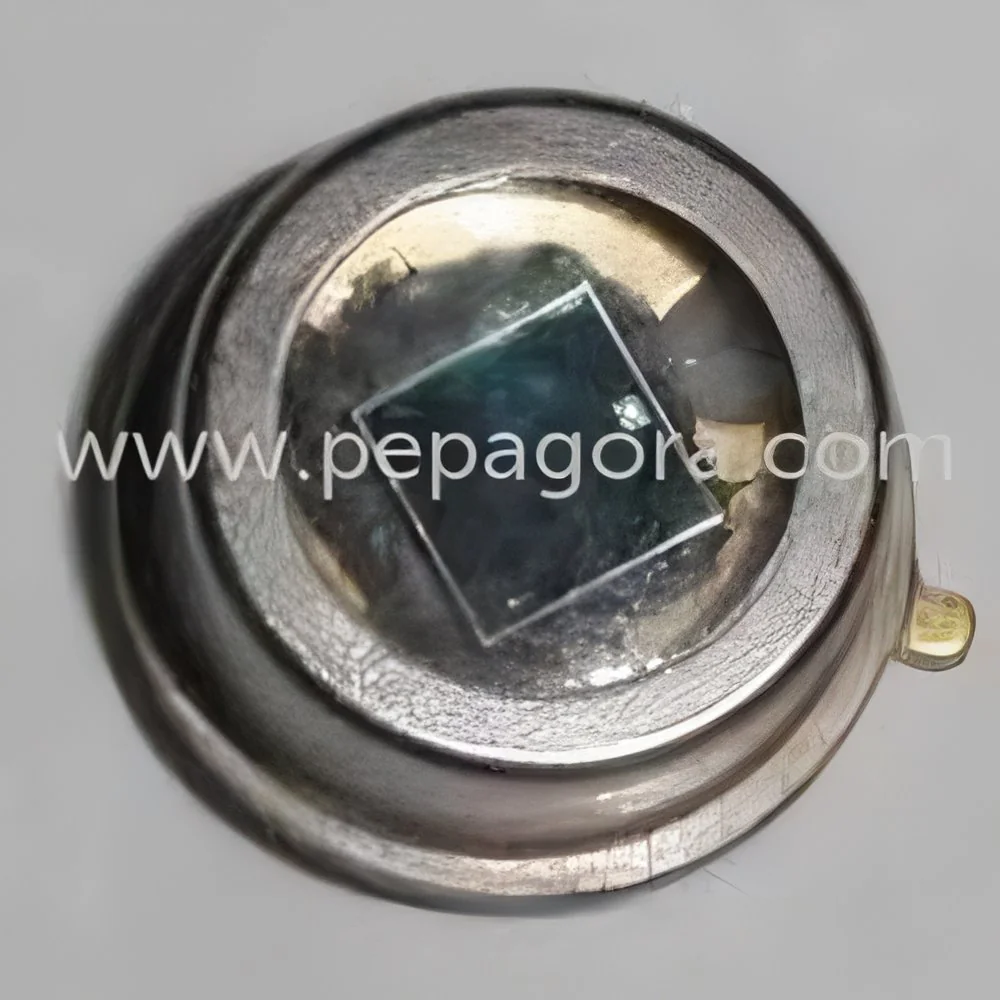
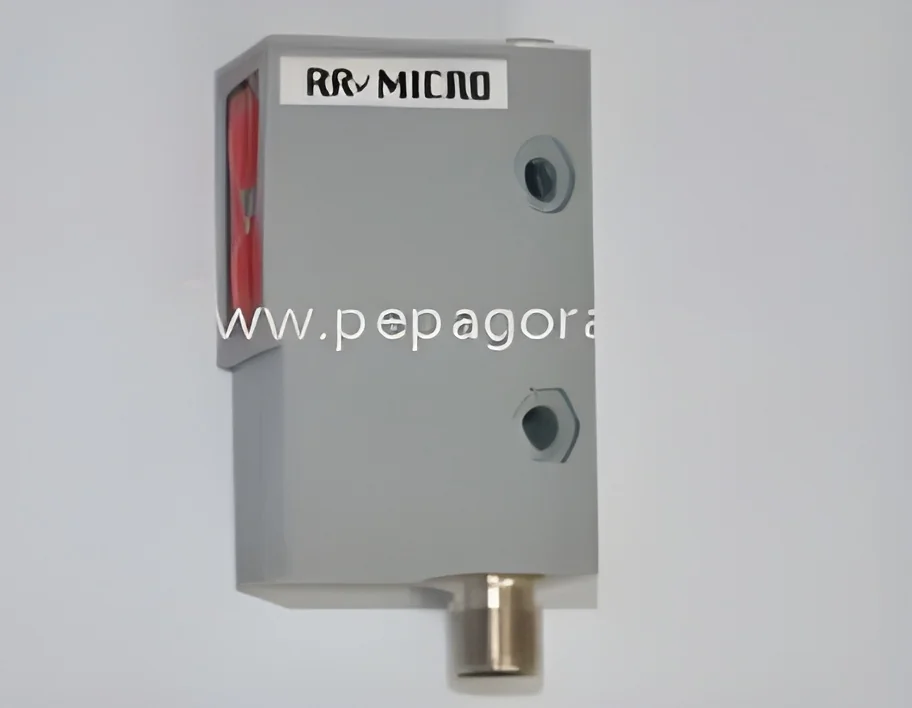
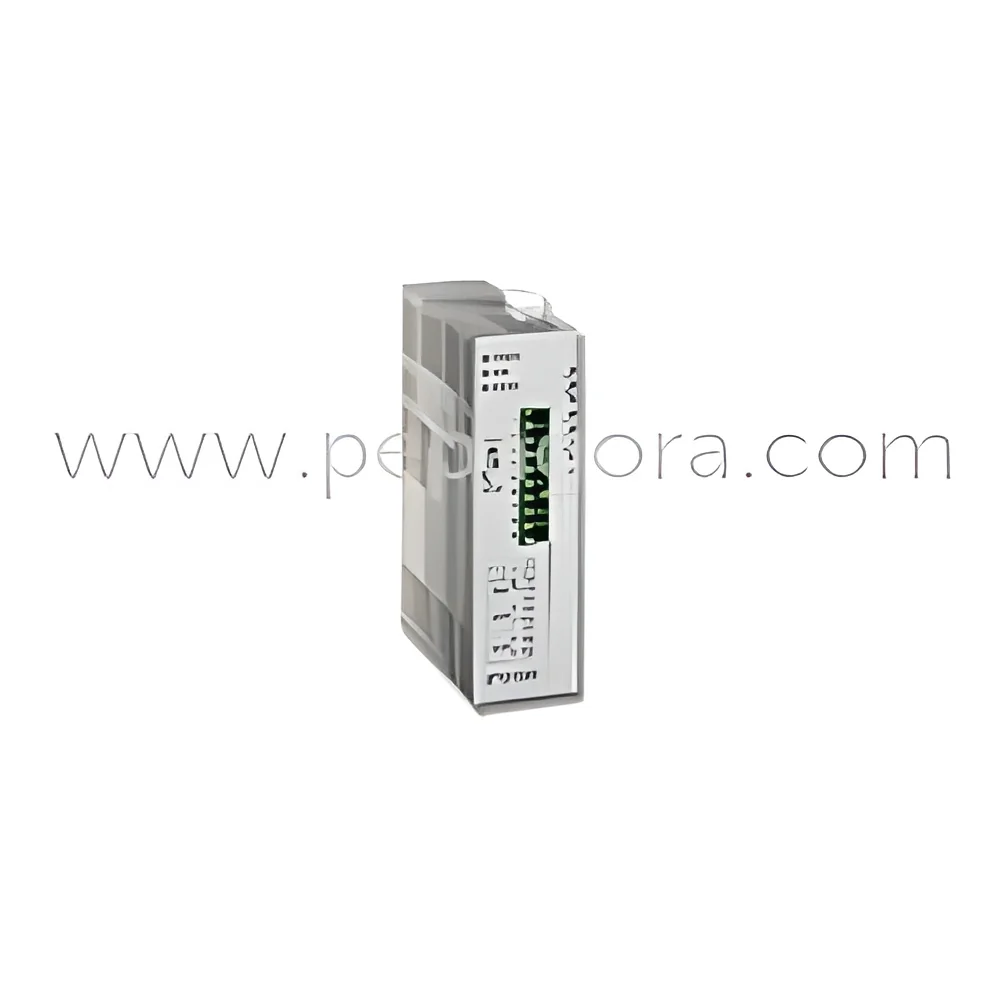
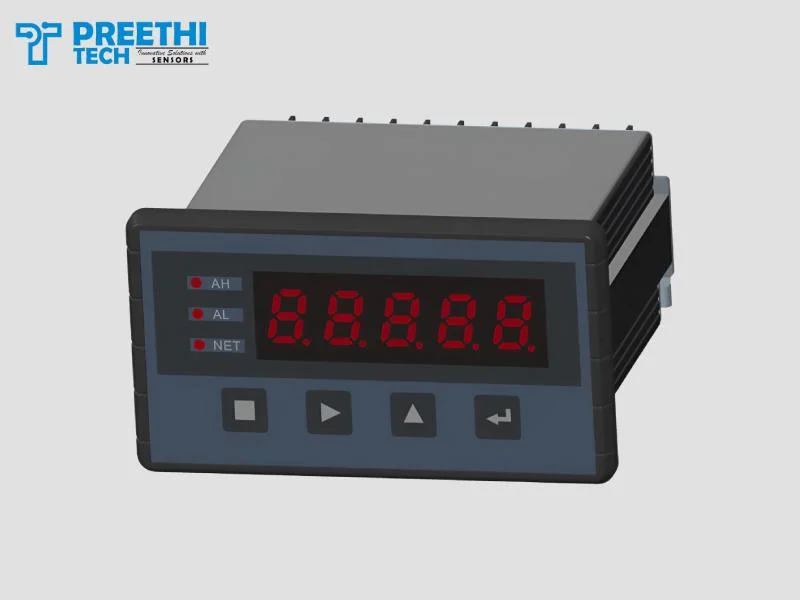
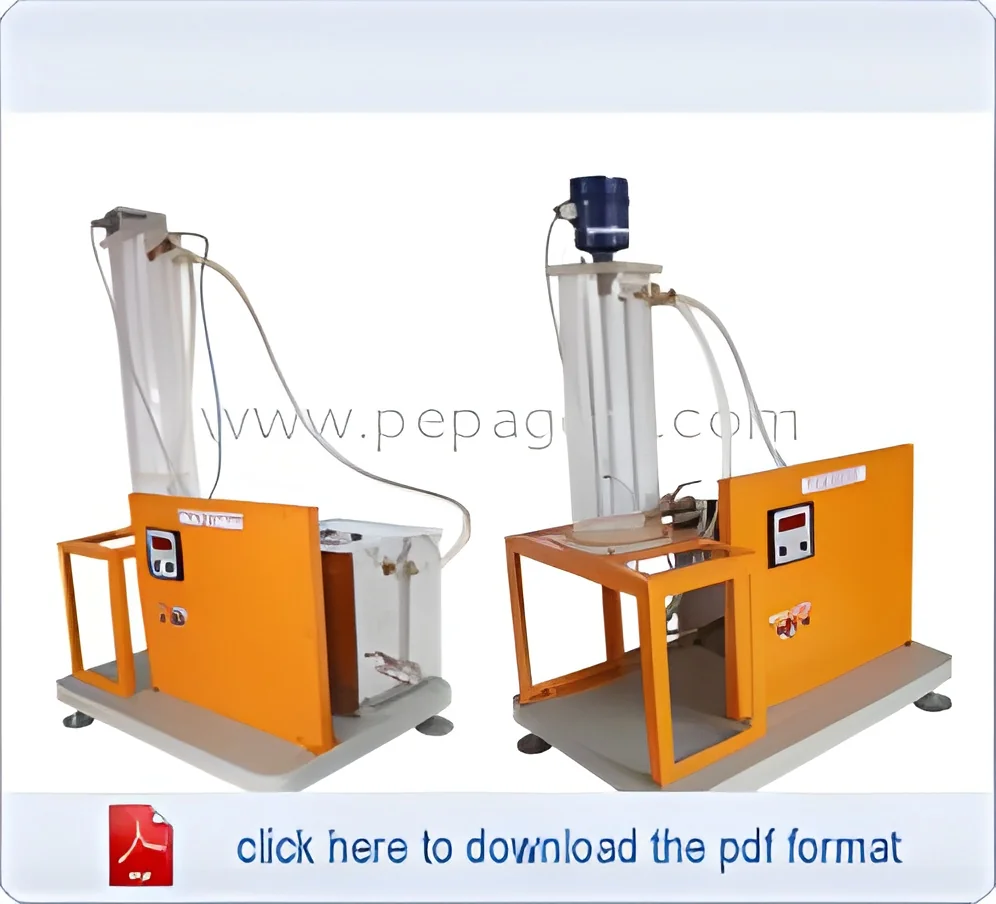
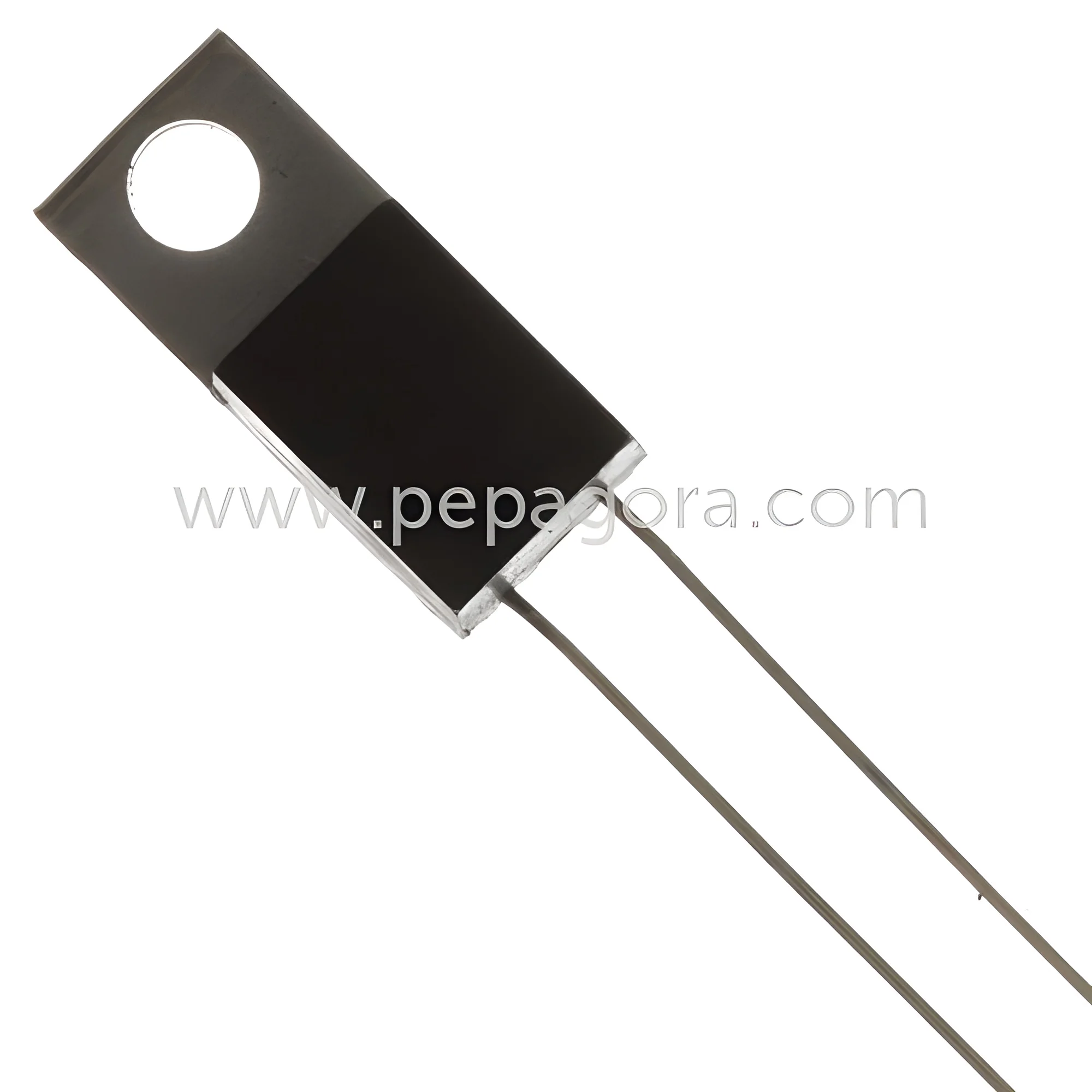
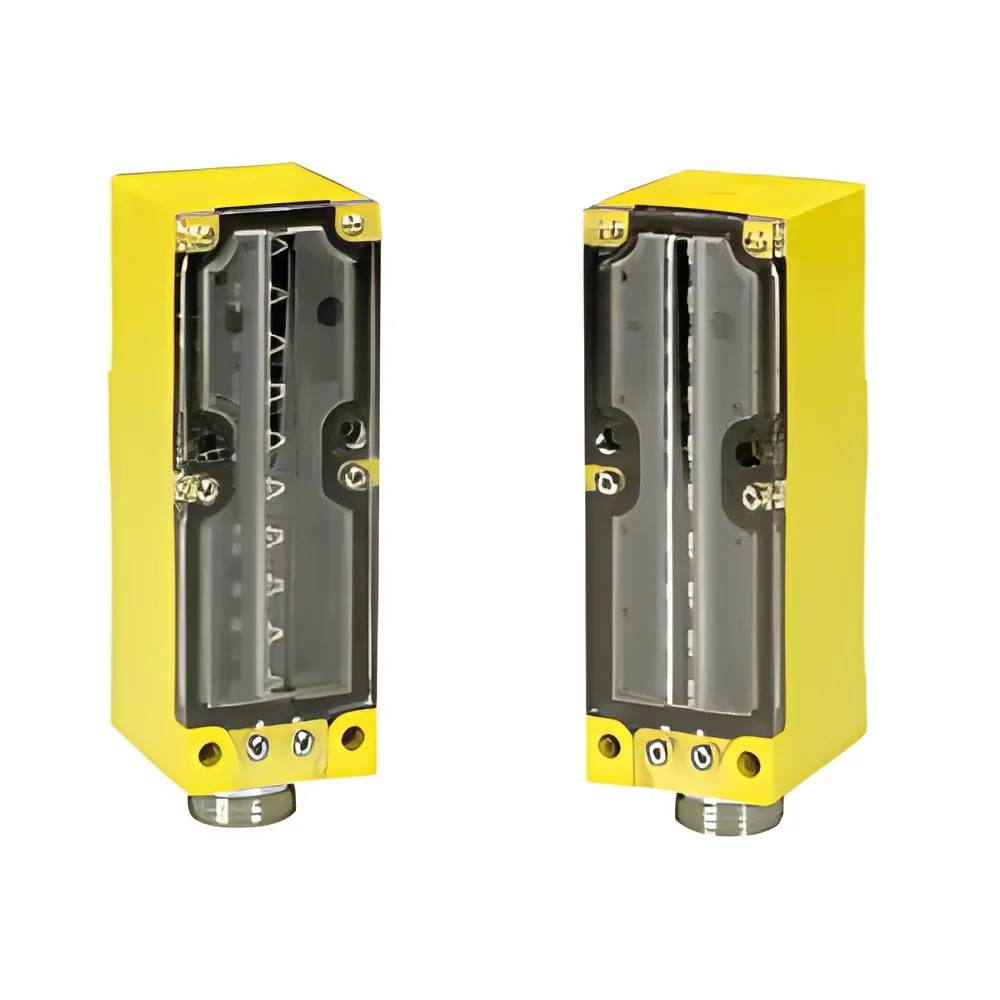
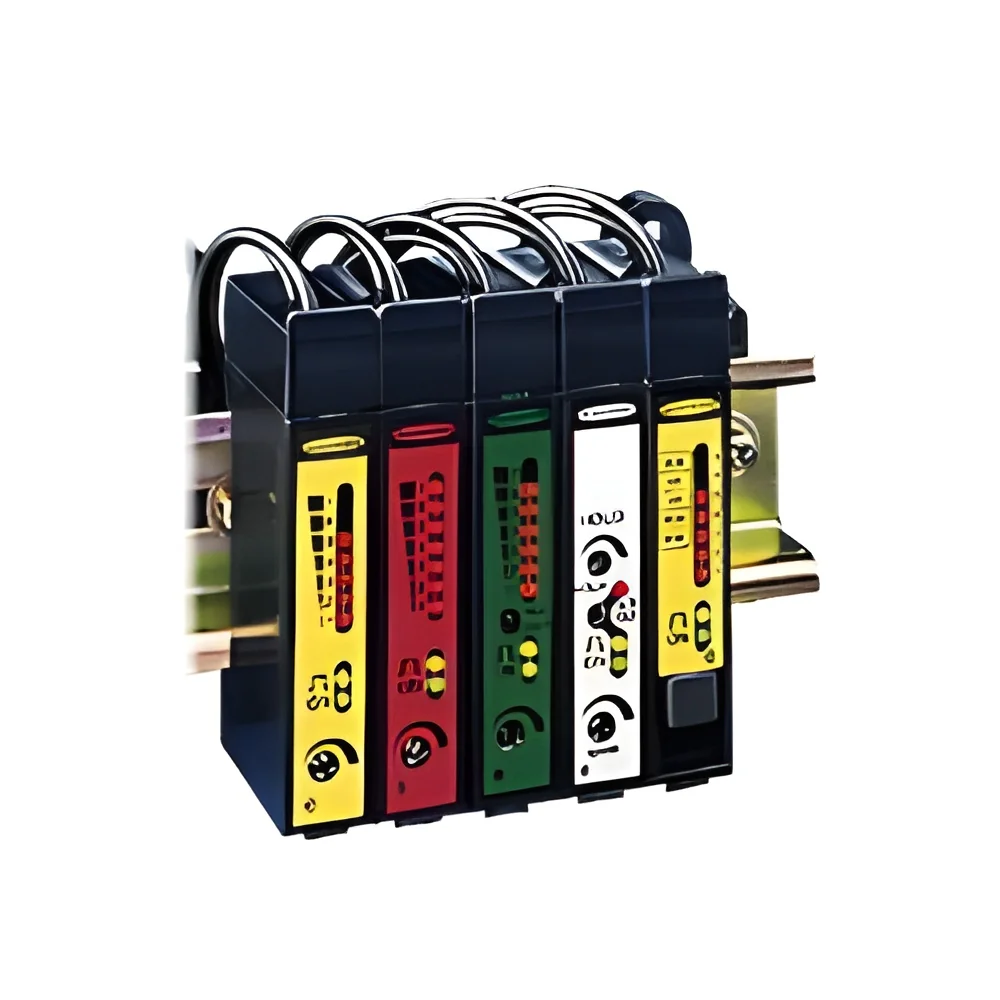
Sensors and transducers are essential devices used in a wide array of industrial applications to detect and convert physical phenomena into signals that can be measured and interpreted. A sensor typically identifies changes in the environment, such as temperature, pressure, or light, and produces an output signal. A transducer, on the other hand, converts one form of energy into another, such as transforming a mechanical force into an electrical signal. Together, these devices facilitate real-time monitoring and control in various processes.
These tools are integral to a multitude of business applications across different sectors. In manufacturing, they help automate processes and enhance efficiency. In environmental monitoring, they track variables like pollution levels or climate changes. Additionally, in the automotive industry, sensors ensure safety and performance, while in healthcare, they are vital for diagnostics and patient monitoring. The demand for advanced sensors and transducers is growing, driven by the need for automation, data collection, and smart technology across industries.
The industrial relevance of sensors and transducers is underscored by their critical role in the ongoing digital transformation. As industries move towards Industry 4.0, the integration of these devices into smart systems is essential. The market for sensors and transducers is expanding rapidly, fueled by advancements in technology and increasing automation needs, making them indispensable tools in modern manufacturing and process management.
𝗞𝗲𝘆 𝗙𝗲𝗮𝘁𝘂𝗿𝗲𝘀 𝗮𝗻𝗱 𝗦𝗽𝗲𝗰𝗶𝗳𝗶𝗰𝗮𝘁𝗶𝗼𝗻𝘀
Sensors and transducers come with various features that enhance their functionality and suitability for different applications. Understanding these features helps businesses make informed purchasing decisions.
Key specifications include:
1. Sensitivity
- Indicates how responsive a sensor or transducer is to changes in the measured variable.
- Technical parameters may vary by type, affecting accuracy and reliability.
2. Range
- Defines the minimum and maximum values the device can measure.
- Ensures compatibility with specific applications and environments.
3. Accuracy
- Represents the degree to which the measurement corresponds to the true value.
- Essential for applications requiring precision.
4. Output Signal Type
- Specifies the kind of signal produced, such as analog or digital.
- Impacts integration with existing systems.
5. Power Supply Requirements
- Details the voltage and current specifications necessary for operation.
- Critical for ensuring the device functions properly in different setups.
6. Operating Temperature
- Indicates the range of temperatures within which the device can operate effectively.
- Important for applications in extreme environments.
7. Response Time
- Measures how quickly the device can react to changes in the measured variable.
- Affects performance in time-sensitive applications.
8. Environmental Resistance
- Describes the device's ability to withstand conditions like moisture, dust, and chemicals.
- Important for applications in harsh environments.
In summary, understanding the key features and specifications of sensors and transducers allows businesses to select the right devices for their specific needs, ensuring optimal performance and reliability.
𝗖𝗼𝗺𝗺𝗼𝗻 𝗔𝗽𝗽𝗹𝗶𝗰𝗮𝘁𝗶𝗼𝗻𝘀 𝗮𝗻𝗱 𝗨𝘀𝗲 𝗖𝗮𝘀𝗲𝘀
Sensors and transducers are employed in various industries to enhance operational efficiency and safety.
1. Manufacturing: In this sector, sensors monitor equipment performance, detect faults, and ensure product quality through real-time data collection.
2. Automotive: Sensors are used for safety features like airbags and anti-lock braking systems, as well as for engine management and fuel efficiency.
3. Healthcare: Medical sensors and transducers play a critical role in monitoring patient vital signs, administering medication, and conducting diagnostic tests.
4. Environmental Monitoring: Used to track pollution levels, weather conditions, and climate changes, these devices help in maintaining regulatory compliance and protecting natural resources.
5. Agriculture: Sensors monitor soil moisture and crop health, enabling precision farming practices that enhance yield and reduce resource waste.
6. Aerospace: Transducers are vital for measuring altitude, pressure, and other critical parameters in aircraft systems.
7. Energy: In renewable energy, sensors help monitor wind speeds, solar radiation, and system performance, optimizing energy production.
By leveraging sensors and transducers, industries can improve processes, enhance safety, and drive innovation.
𝗣𝗿𝗼𝗱𝘂𝗰𝘁 𝗩𝗮𝗿𝗶𝗮𝗻𝘁𝘀 𝗮𝗻𝗱 𝗦𝘂𝗯𝗰𝗮𝘁𝗲𝗴𝗼𝗿𝗶𝗲𝘀
The diversity of sensors and transducers allows them to meet specific requirements across different applications.
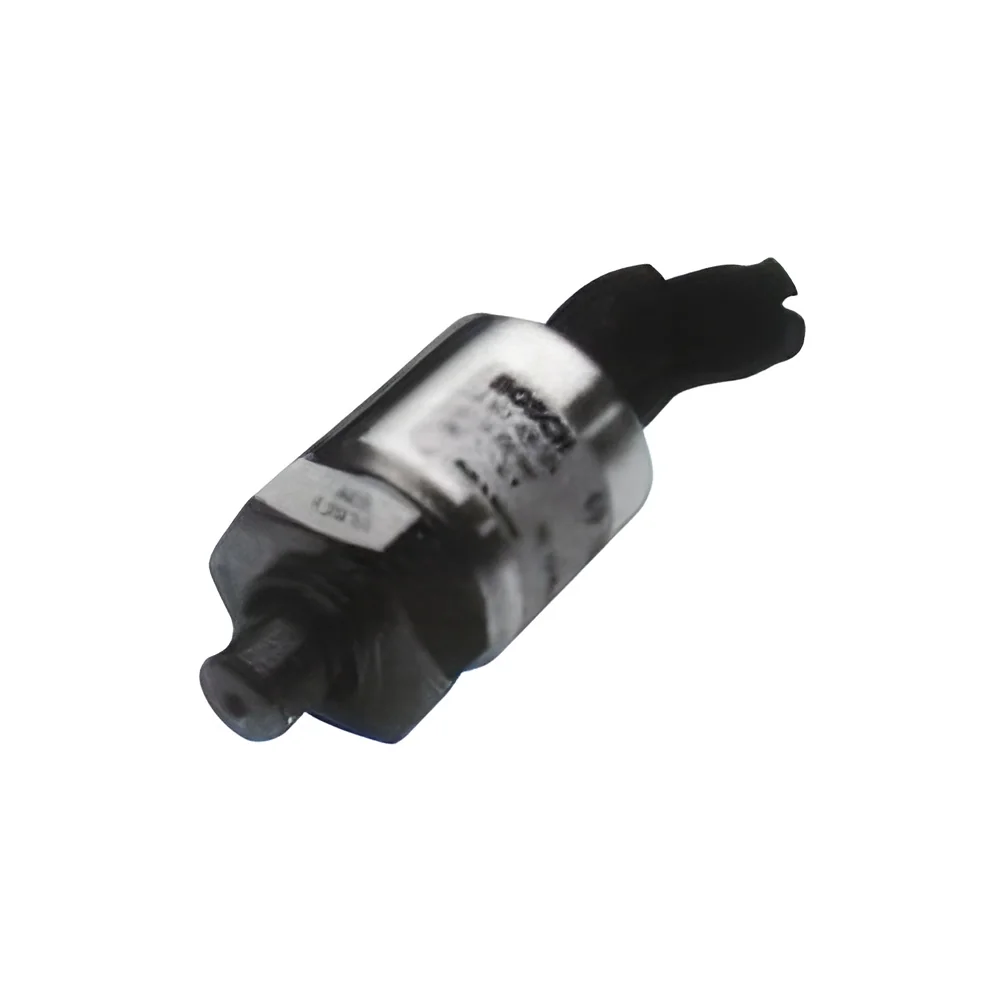
Pressure Sensors
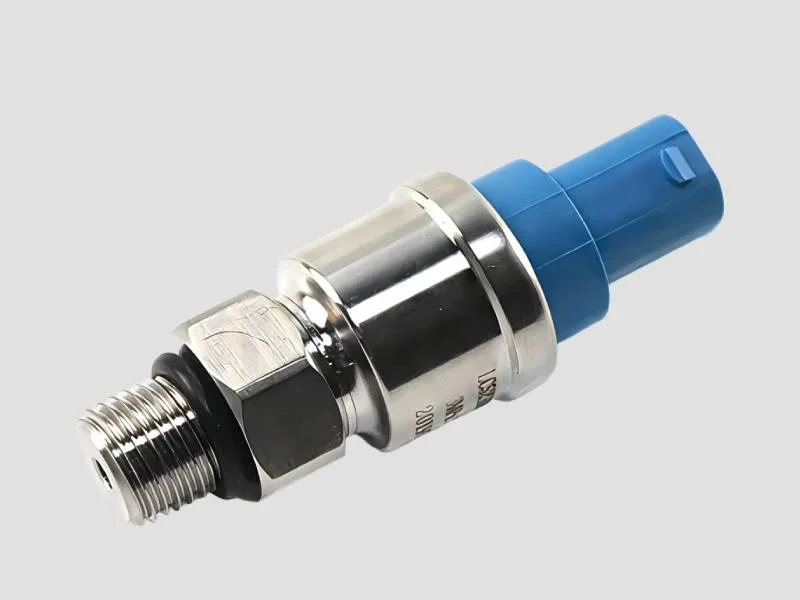
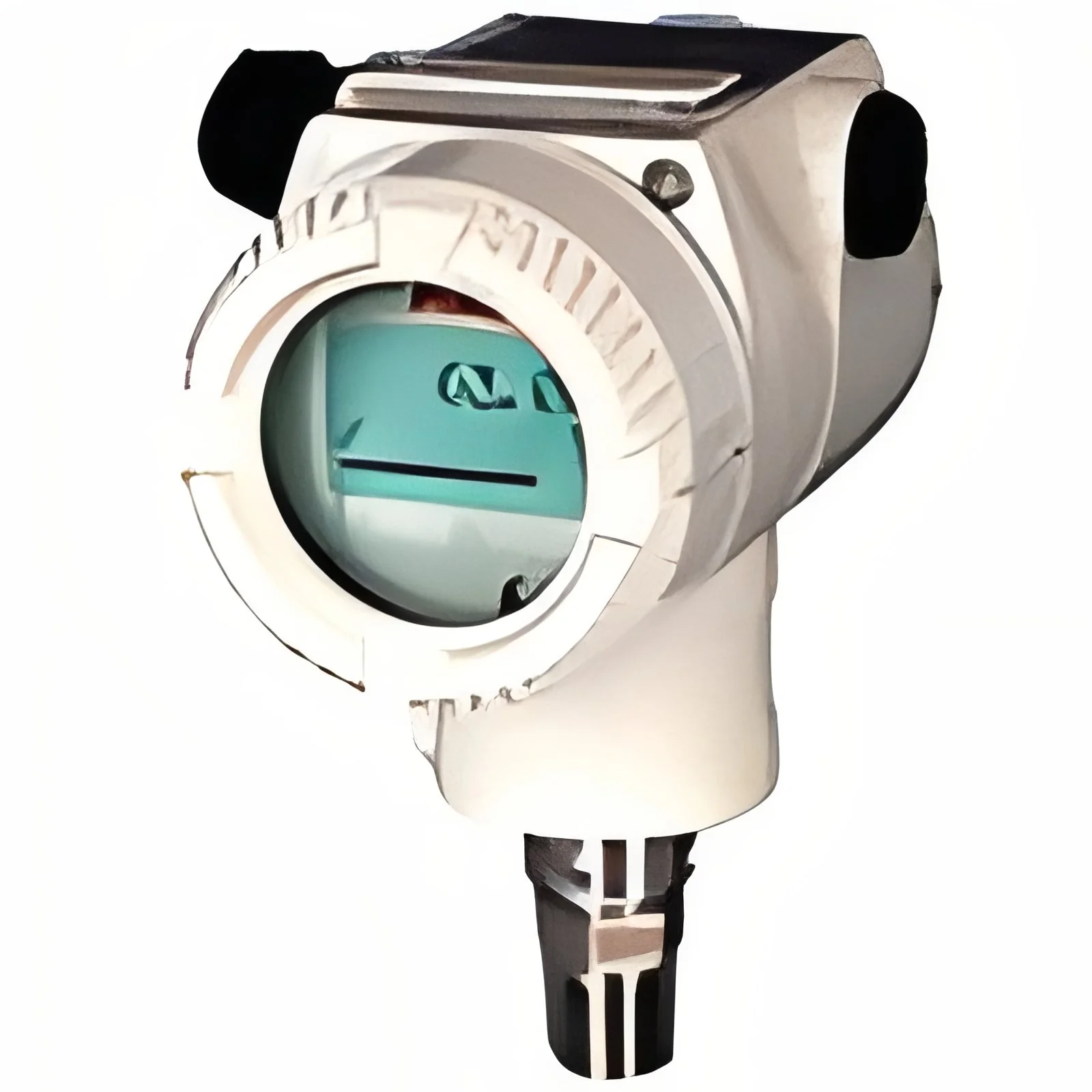
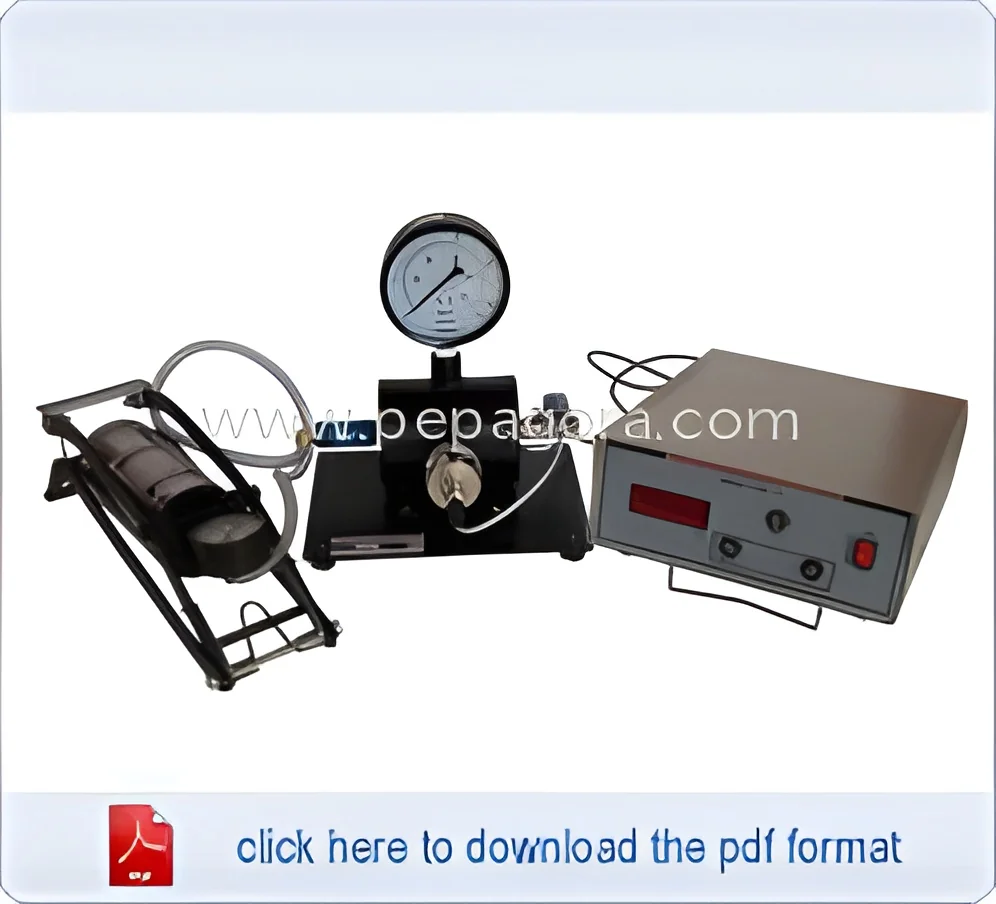
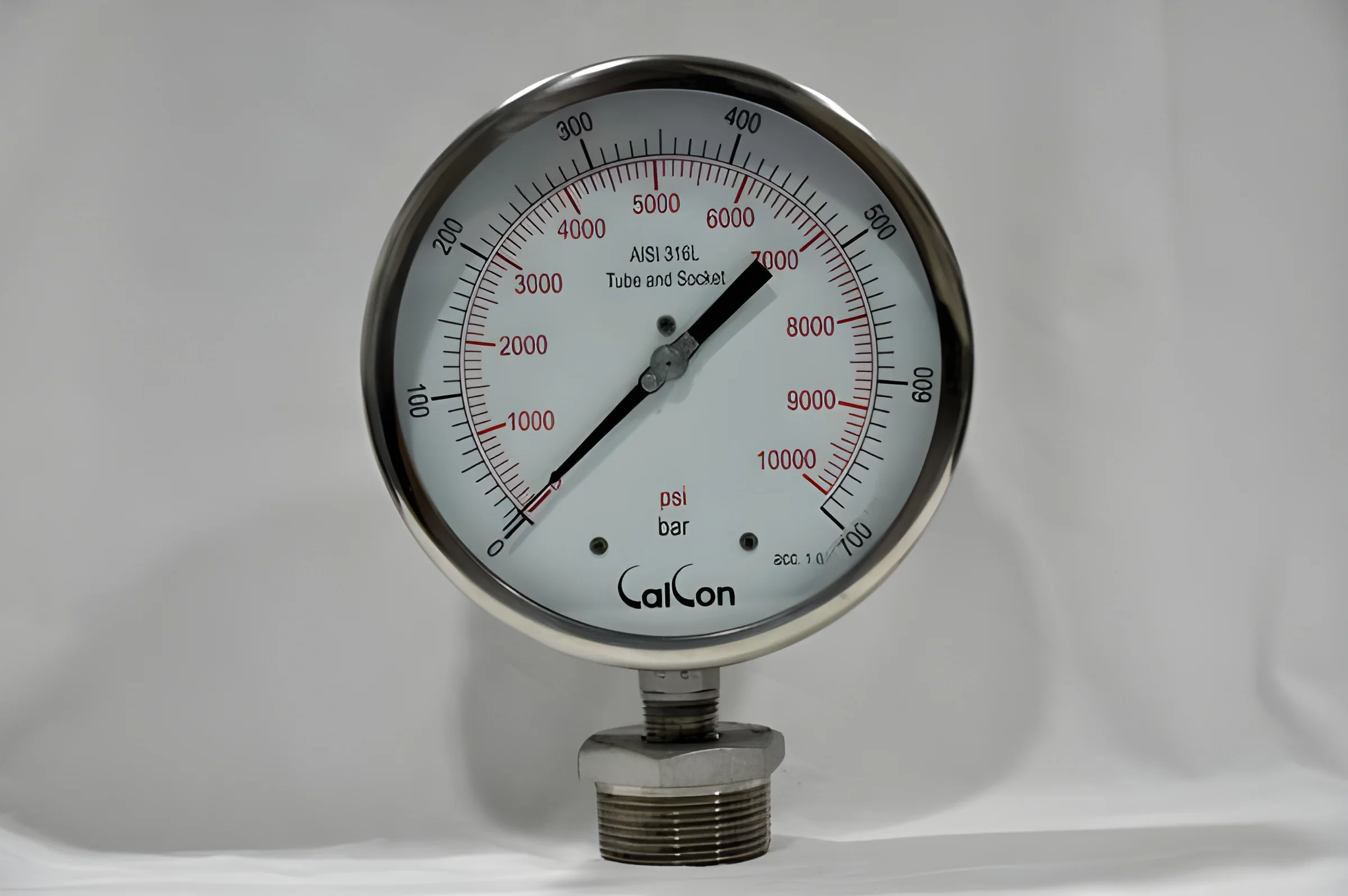
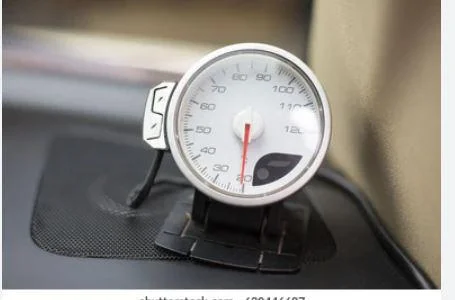
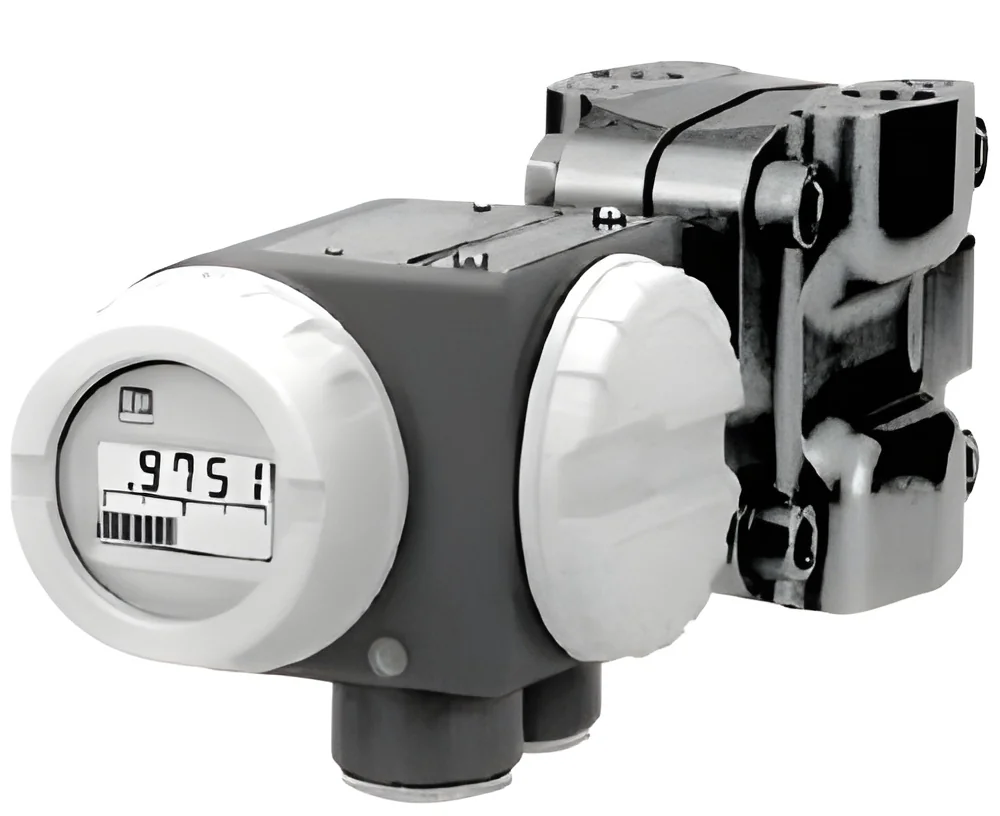
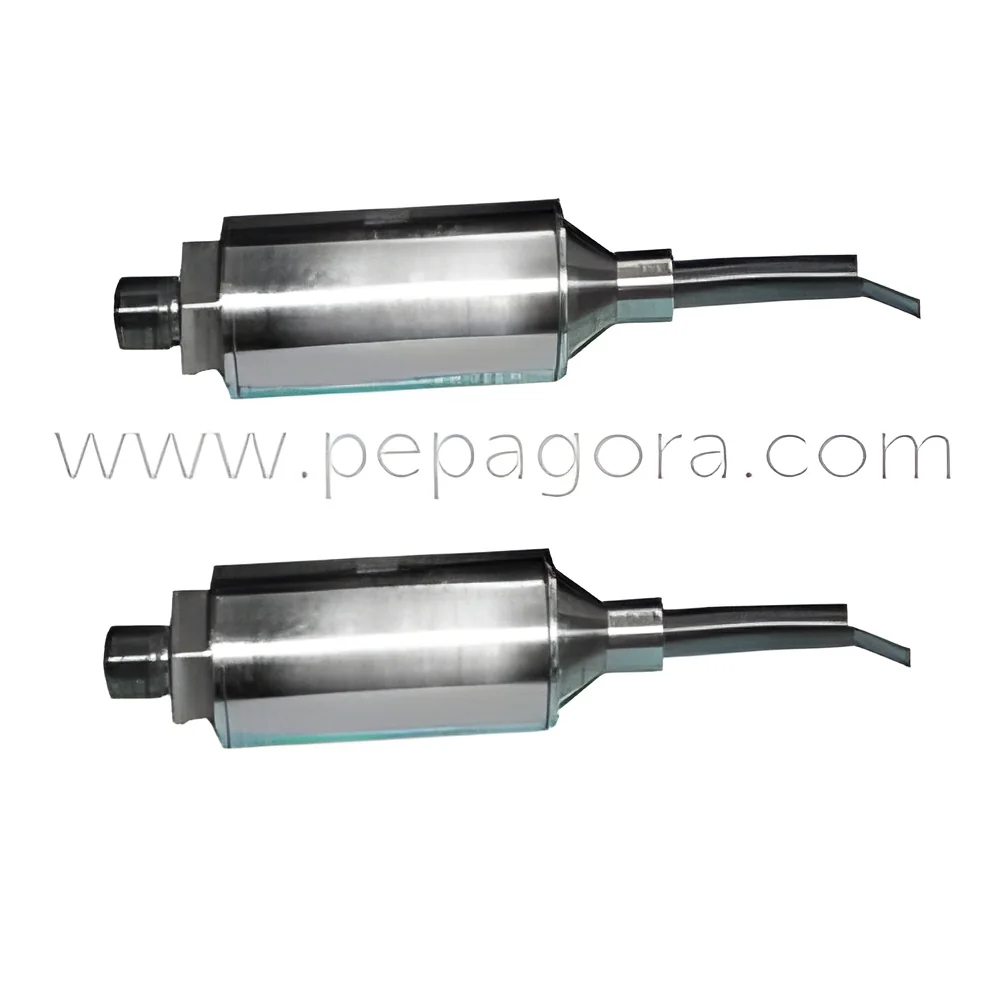
These devices measure pressure levels in various systems, from industrial machinery to automotive applications. They offer high accuracy and reliability.
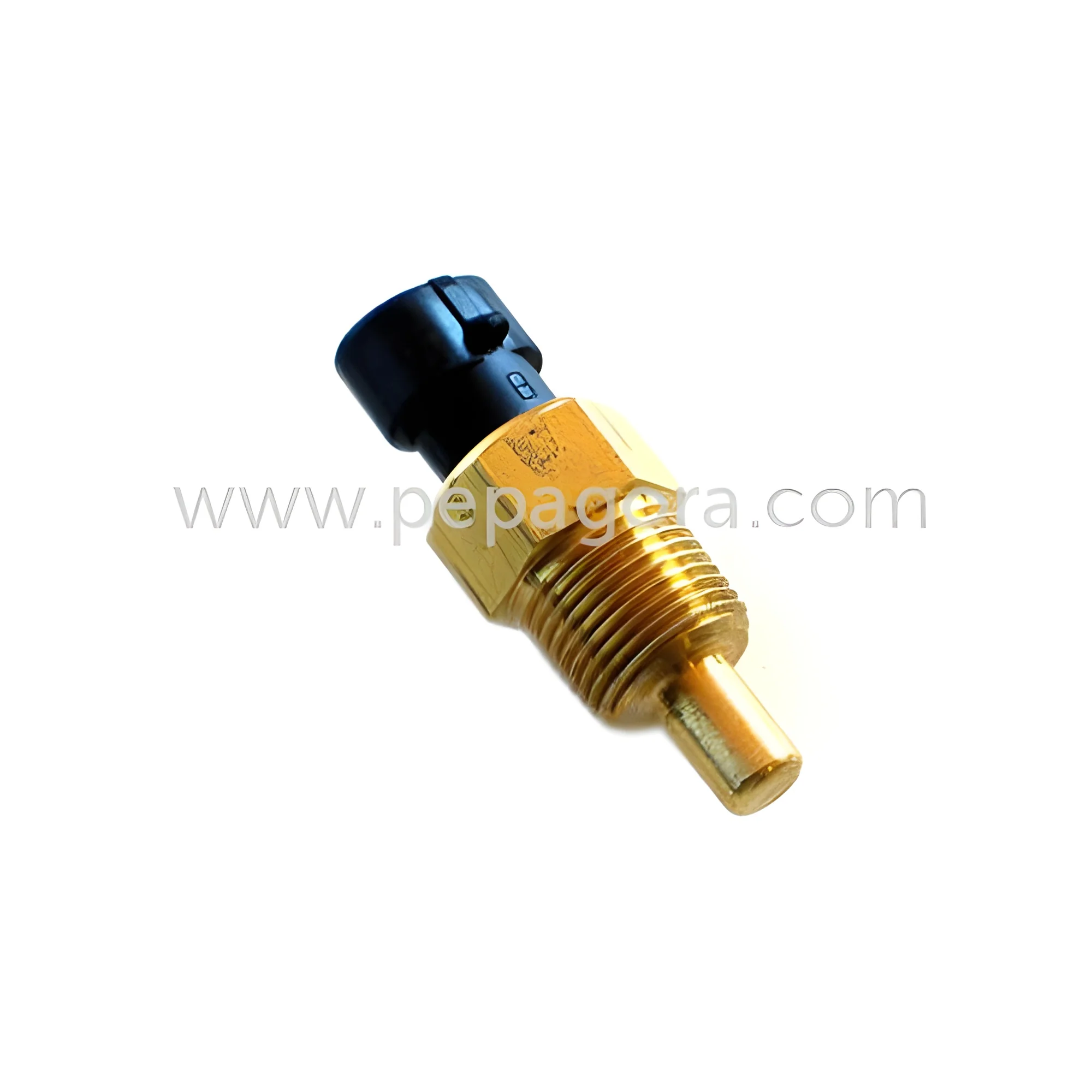
Temperature Sensors
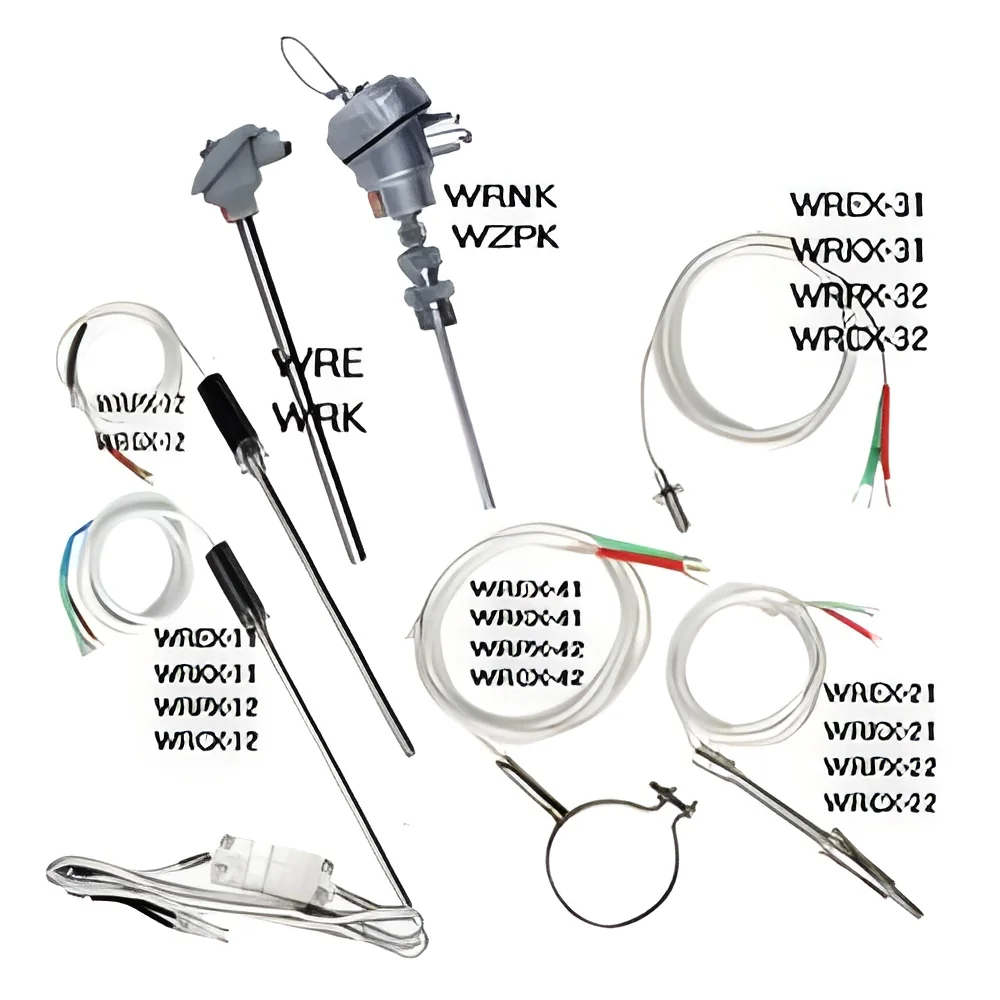
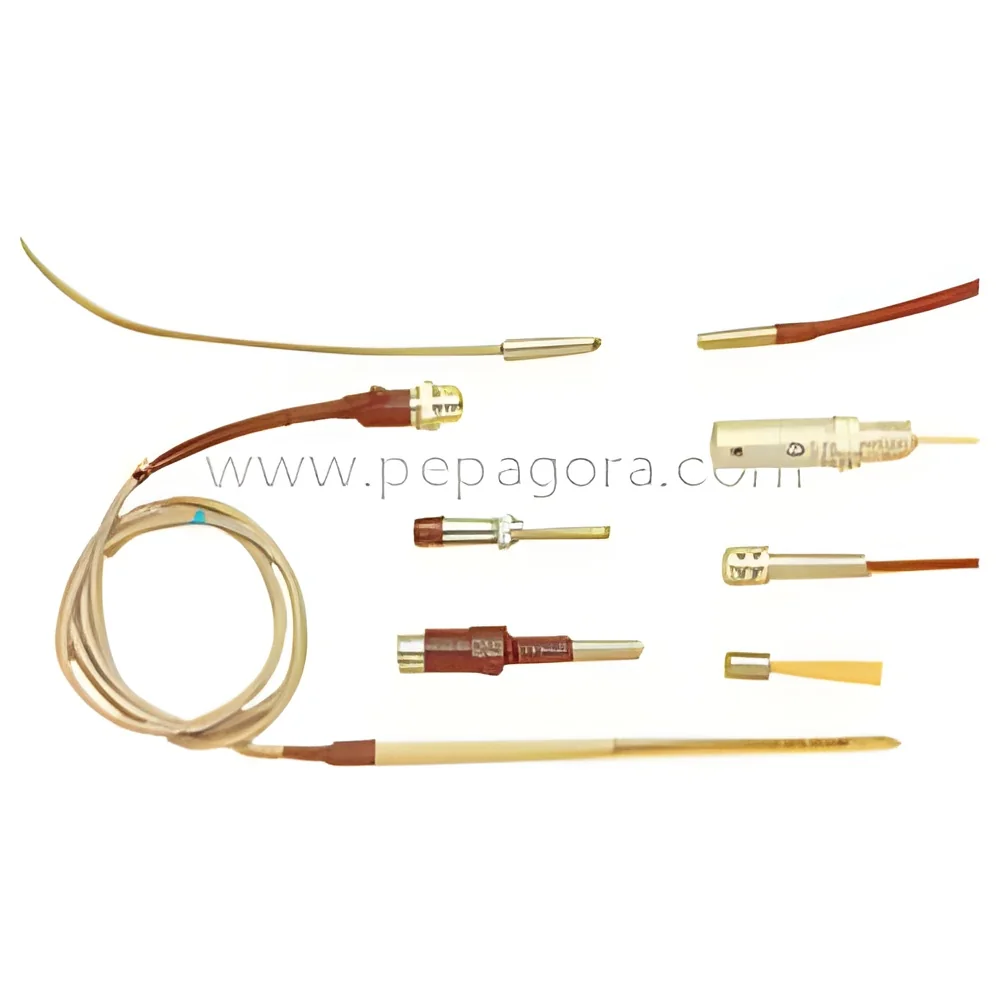
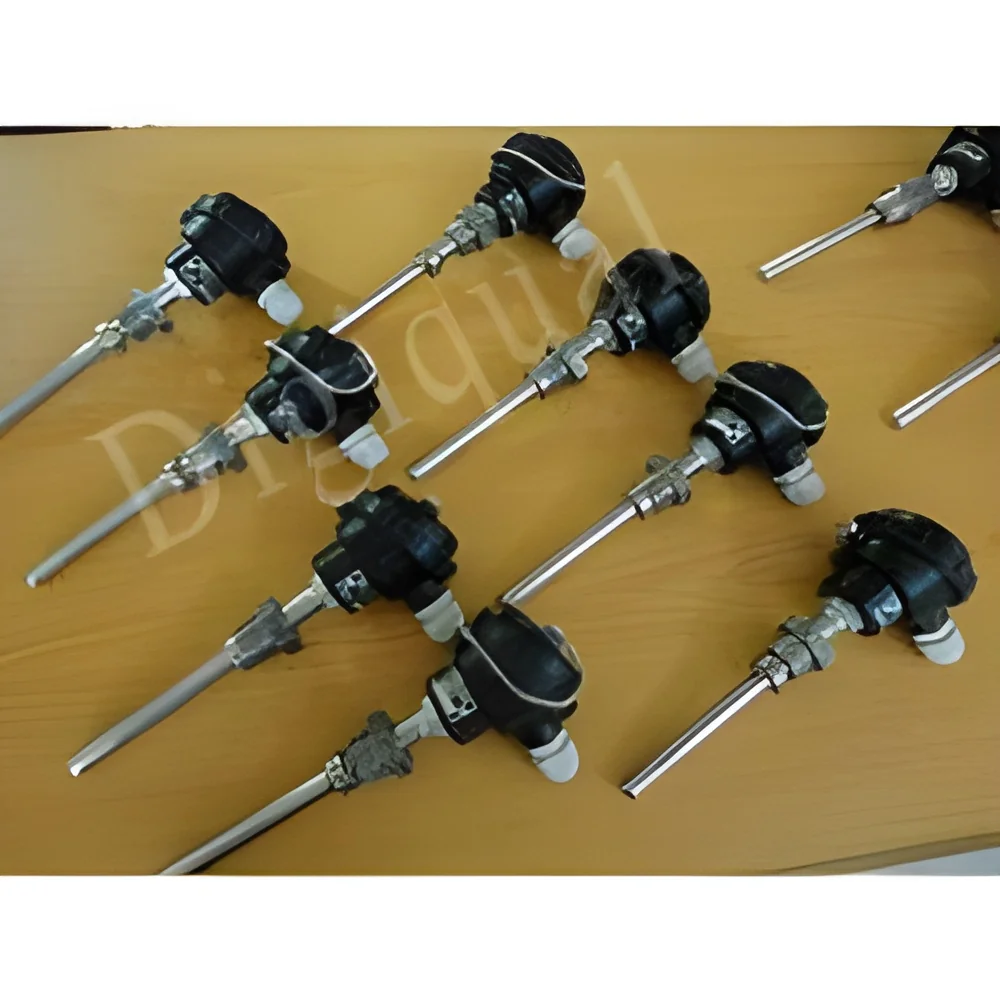
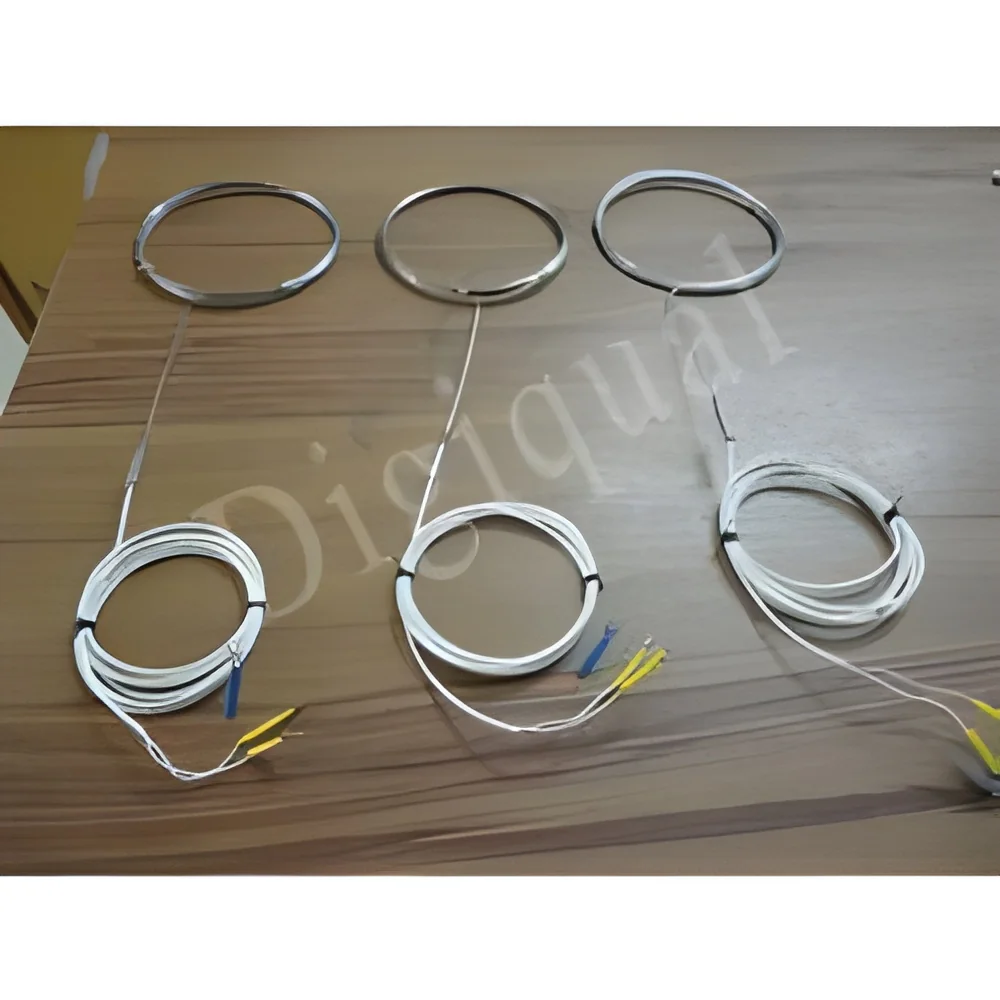
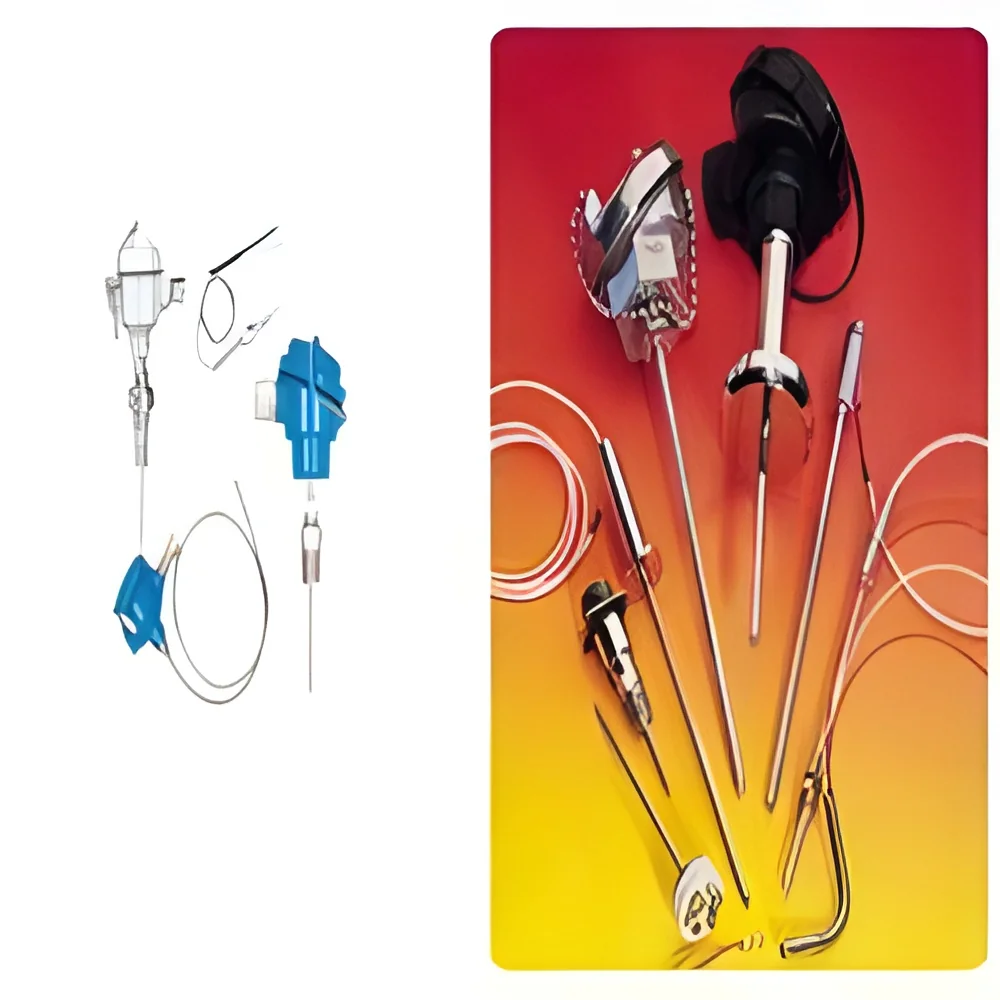
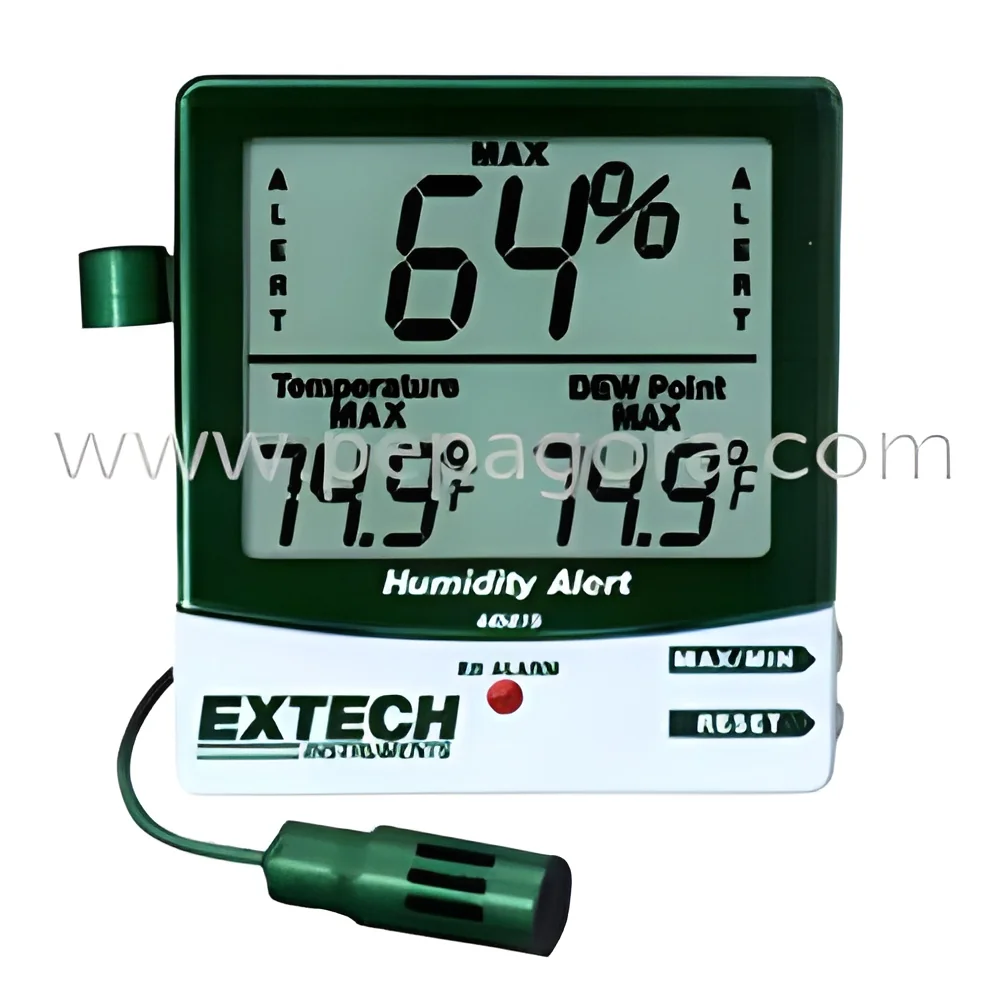
Designed to monitor temperature changes, these sensors are crucial in manufacturing, HVAC systems, and food safety applications.
Flow Sensors
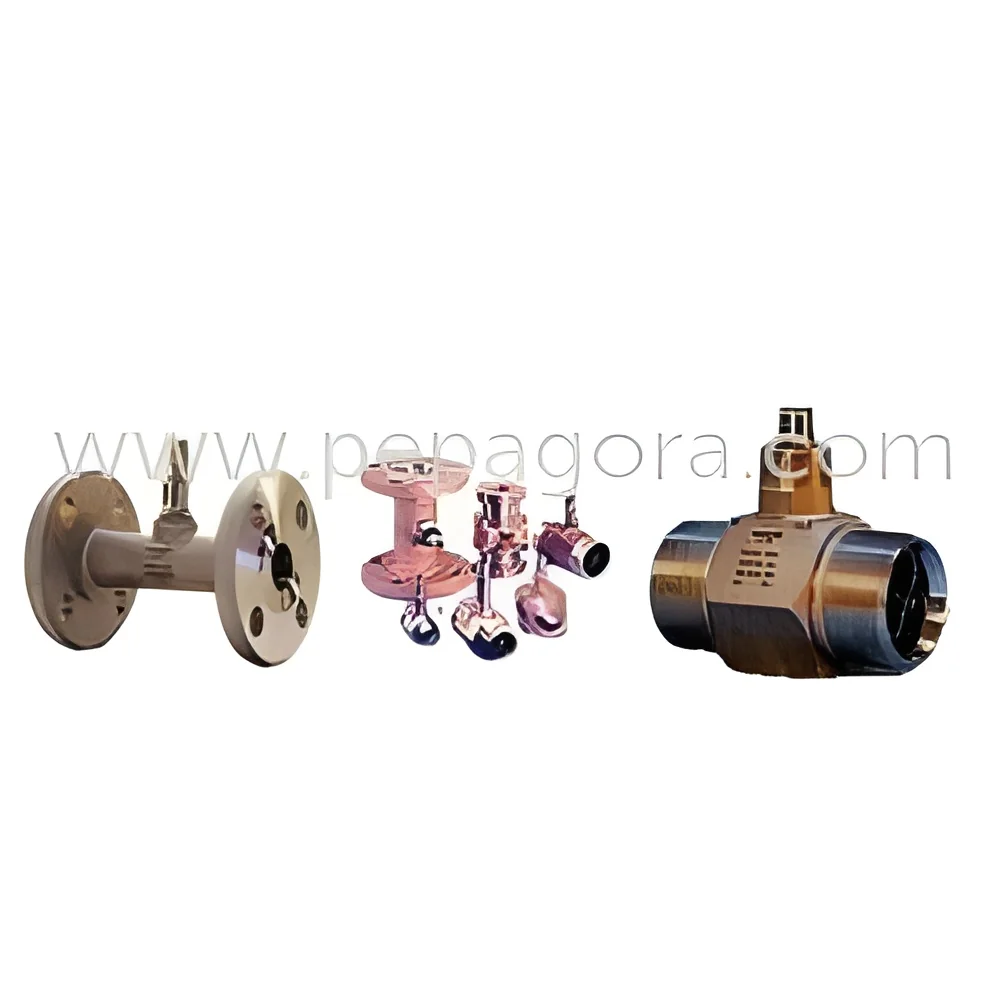
Flow sensors measure the flow of liquids and gases in various processes, ensuring optimal operation and efficiency in systems like water treatment and chemical processing.
Level Sensors
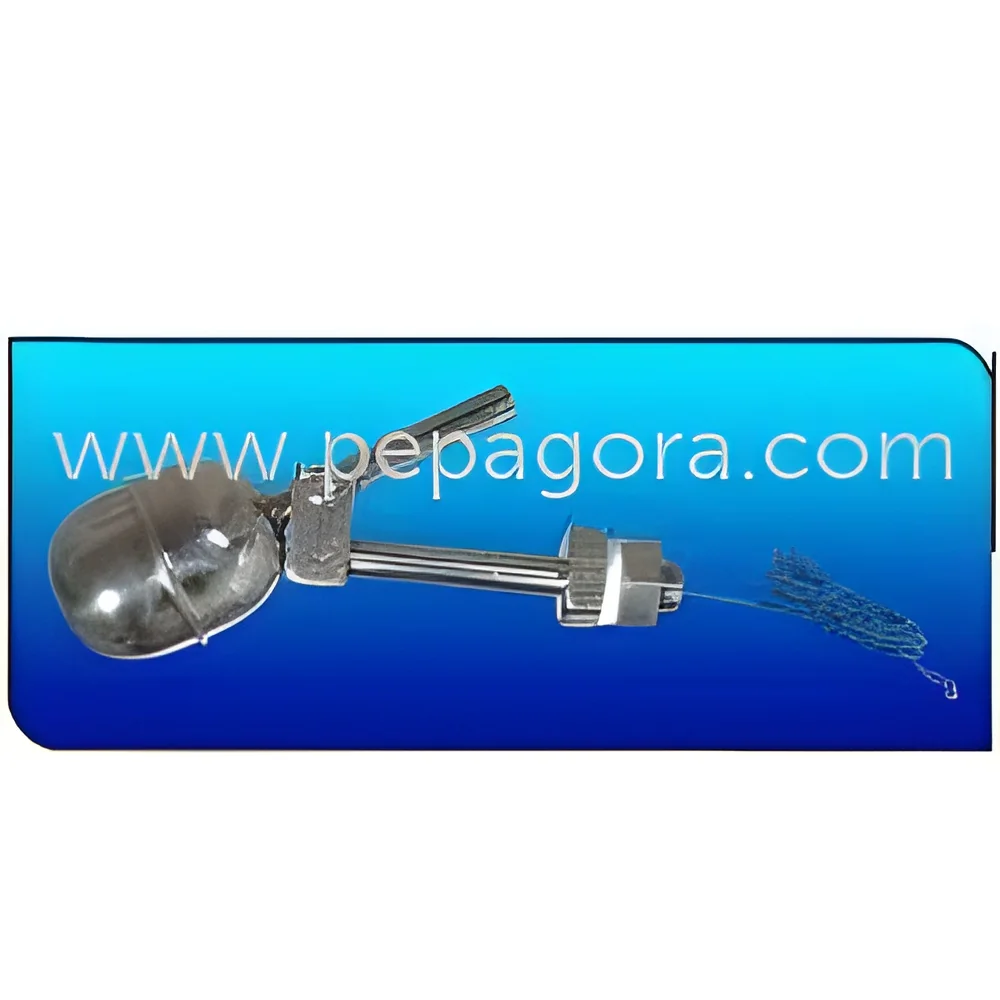
These sensors detect the level of liquids or solids in containers, playing a vital role in industries such as food and beverage, chemical manufacturing, and water management.
𝗕𝗲𝗻𝗲𝗳𝗶𝘁𝘀 𝗮𝗻𝗱 𝗔𝗱𝘃𝗮𝗻𝘁𝗮𝗴𝗲𝘀
The use of sensors and transducers in industrial applications provides numerous benefits that enhance operational efficiency.
1. Improved Accuracy: These devices offer precise measurements, ensuring the reliability of data for decision-making.
2. Enhanced Automation: Sensors enable automation in processes, reducing the need for manual intervention and increasing productivity.
3. Real-time Monitoring: Continuous data collection allows for immediate responses to changes in conditions, improving safety and efficiency.
4. Cost Savings: By optimizing processes and reducing waste, sensors can lead to significant cost reductions over time.
5. Increased Safety: Monitoring critical parameters helps prevent accidents and ensures compliance with safety regulations.
6. Data-Driven Insights: The data collected from sensors can be analyzed to drive business decisions, identify trends, and improve overall performance.
𝗕𝘂𝘆𝗶𝗻𝗴 𝗚𝘂𝗶𝗱𝗲 𝗳𝗼𝗿 𝗕𝟮𝗕 𝗕𝘂𝘆𝗲𝗿𝘀
When sourcing sensors and transducers, buyers should consider several critical factors to ensure they make informed choices.
1. Quality Assessment: Evaluate the quality of sensors by reviewing manufacturer certifications, material specifications, and performance reviews. High-quality devices are essential for reliable data collection.
2. Supplier Verification: Vet potential suppliers to ensure they have a proven track record in delivering quality products. Check for customer feedback and industry reputation.
3. Pricing and MOQ: Understand the pricing structure and minimum order quantities (MOQ) from suppliers. Compare costs to ensure you stay within budget while meeting demand.
4. Delivery and Lead Times: Inquire about logistics and delivery times, as timely access to sensors is crucial for maintaining operational efficiency.
5. Compliance Requirements: Ensure that the sensors and transducers meet regional and industry-specific compliance standards. This reduces risks and ensures adherence to regulations.
𝗖𝗼𝗺𝗽𝗹𝗶𝗮𝗻𝗰𝗲 𝗮𝗻𝗱 𝗖𝗲𝗿𝘁𝗶𝗳𝗶𝗰𝗮𝘁𝗶𝗼𝗻𝘀
Compliance with industry standards is critical for ensuring the quality and safety of sensors and transducers. Key quality standards include ISO 9001, which focuses on quality management systems, and HACCP, which is vital for food safety applications. Additionally, CE certification indicates that the products meet European health and safety requirements.
Manufacturers must also adhere to safety and testing requirements to guarantee that their sensors operate reliably under various conditions. This includes rigorous testing for performance and durability.
Regional compliance considerations should also be taken into account, as different regions may have specific regulations governing the use and manufacturing of sensors and transducers. Ensuring compliance not only protects businesses but also fosters trust among clients and stakeholders.
𝗪𝗵𝘆 𝗦𝗼𝘂𝗿𝗰𝗲 𝗦𝗲𝗻𝘀𝗼𝗿𝘀 & 𝗧𝗿𝗮𝗻𝘀𝗱𝘂𝗰𝗲𝗿𝘀 𝗳𝗿𝗼𝗺 𝗣𝗲𝗽𝗮𝗴𝗼𝗿𝗮?
Pepagora provides a trusted platform for sourcing sensors and transducers, offering several key advantages to buyers.
Verified Supplier Network: Our network consists of thoroughly vetted suppliers with established reputations in the industry. This ensures that buyers receive high-quality products from reliable sources.
Streamlined RFQ Process: Our request for quotation (RFQ) system simplifies the procurement process, allowing buyers to easily compare offers and make informed decisions quickly.
Trade Assurance and Support: Pepagora offers trade assurance programs that protect buyers throughout the procurement process, ensuring satisfaction and security.
Regional Coverage: With a strong presence in India, GCC, and Southeast Asia, Pepagora connects buyers with suppliers across these regions, facilitating access to a wide variety of sensors and transducers.
By choosing Pepagora, businesses can confidently navigate the sourcing process, ensuring they find the right sensors and transducers to meet their needs.

 IN
IN