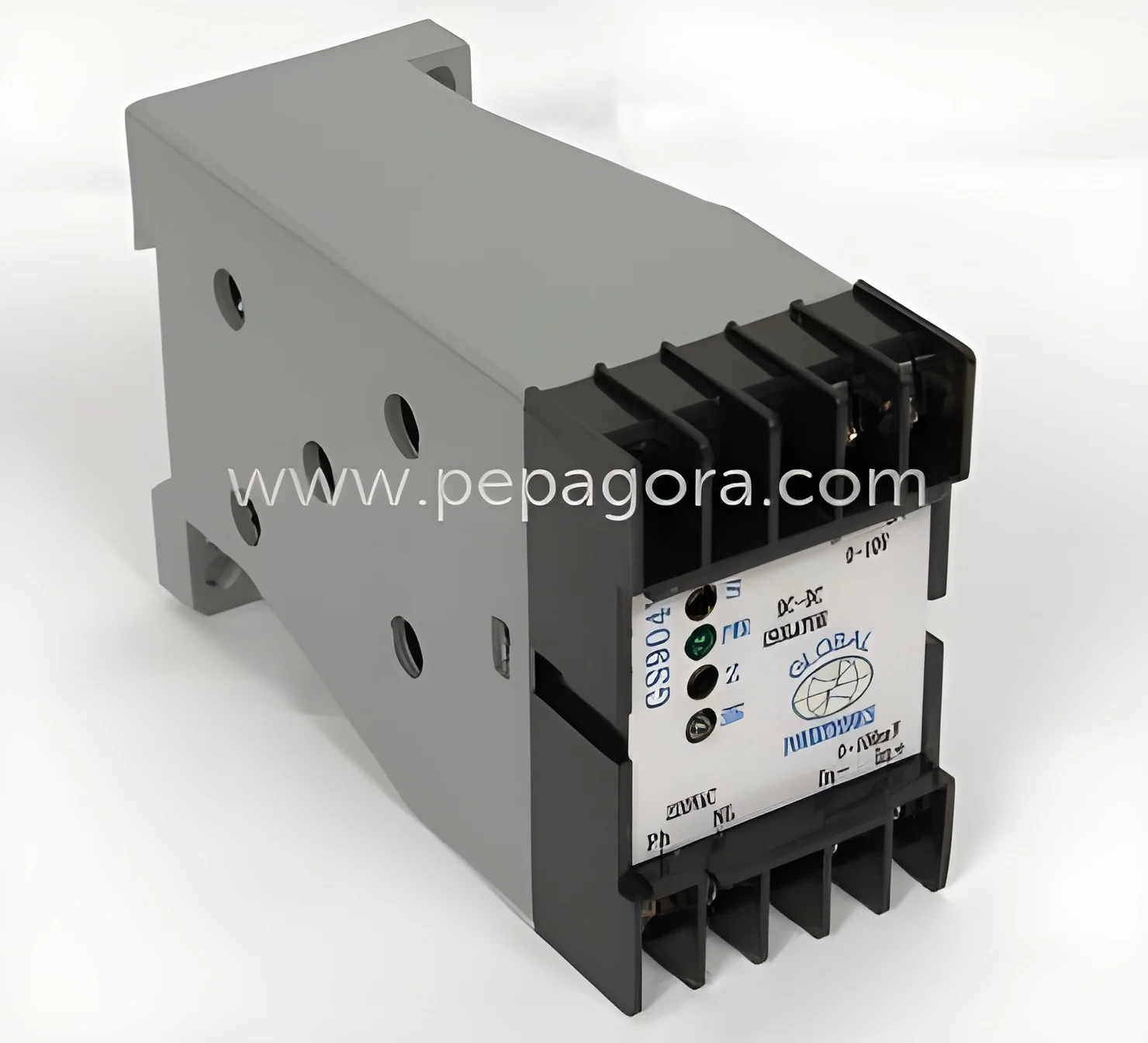
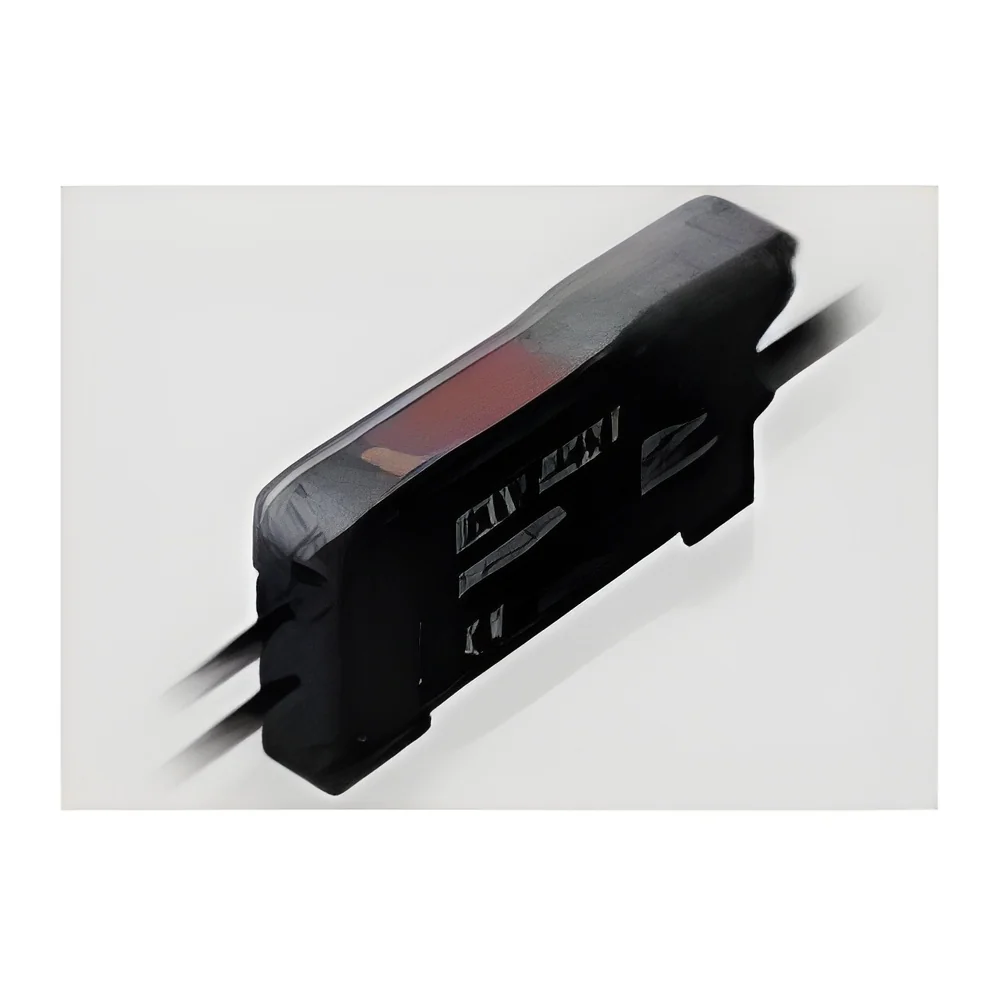
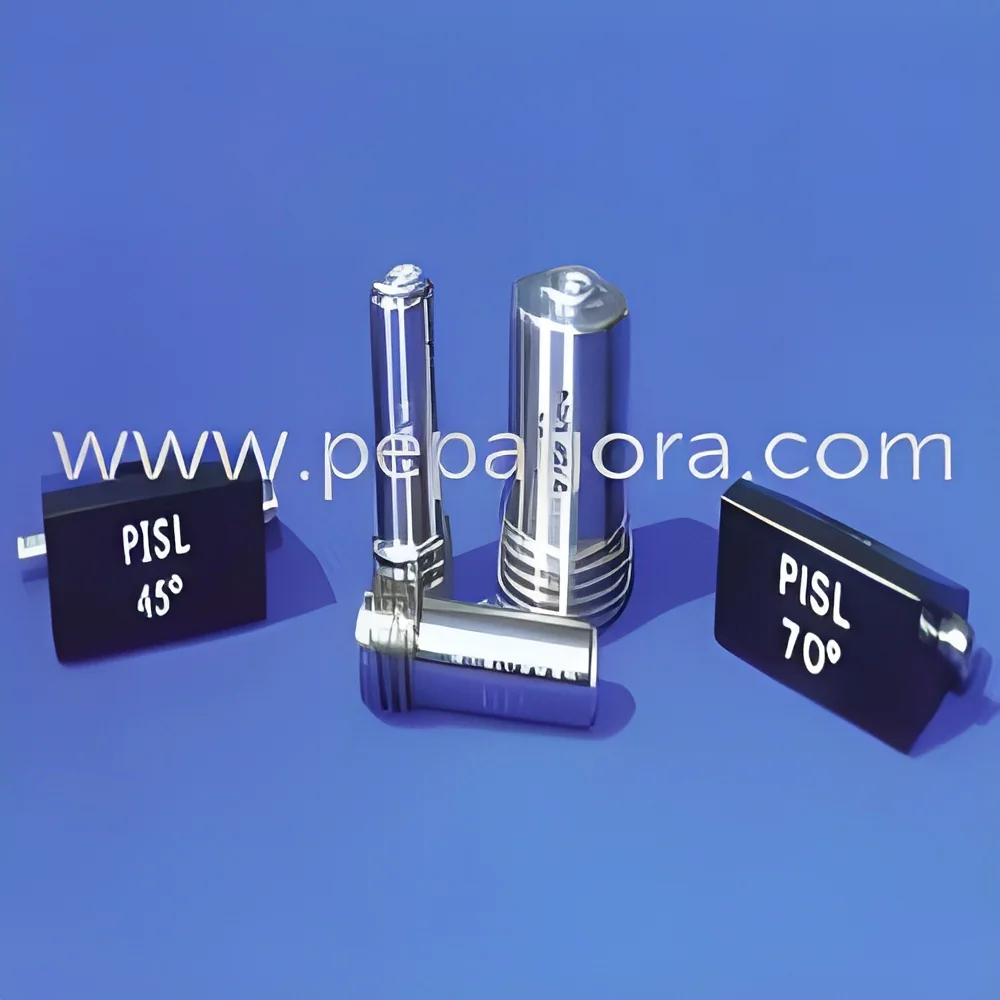
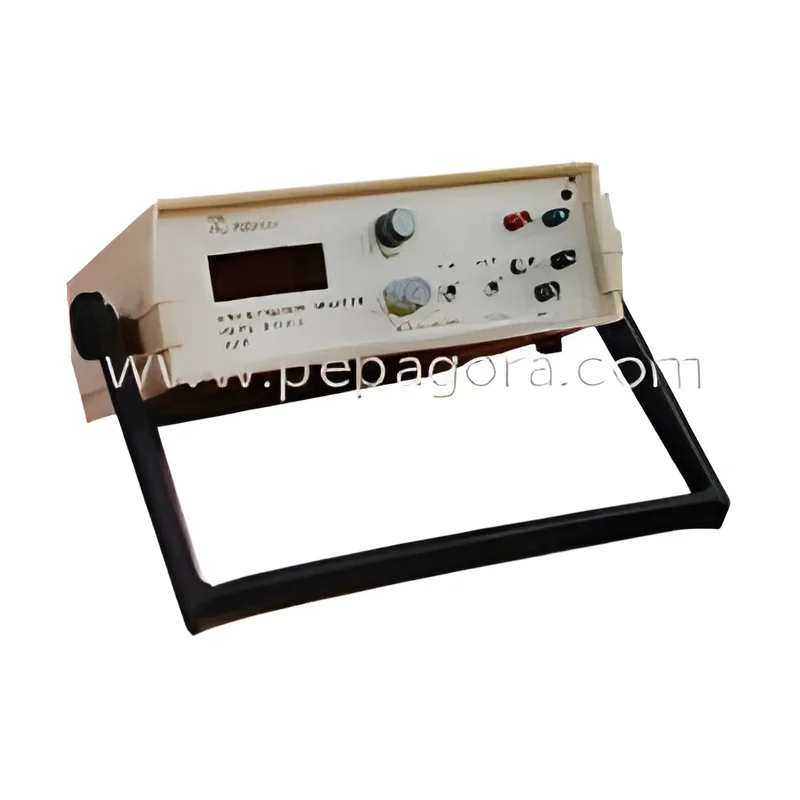
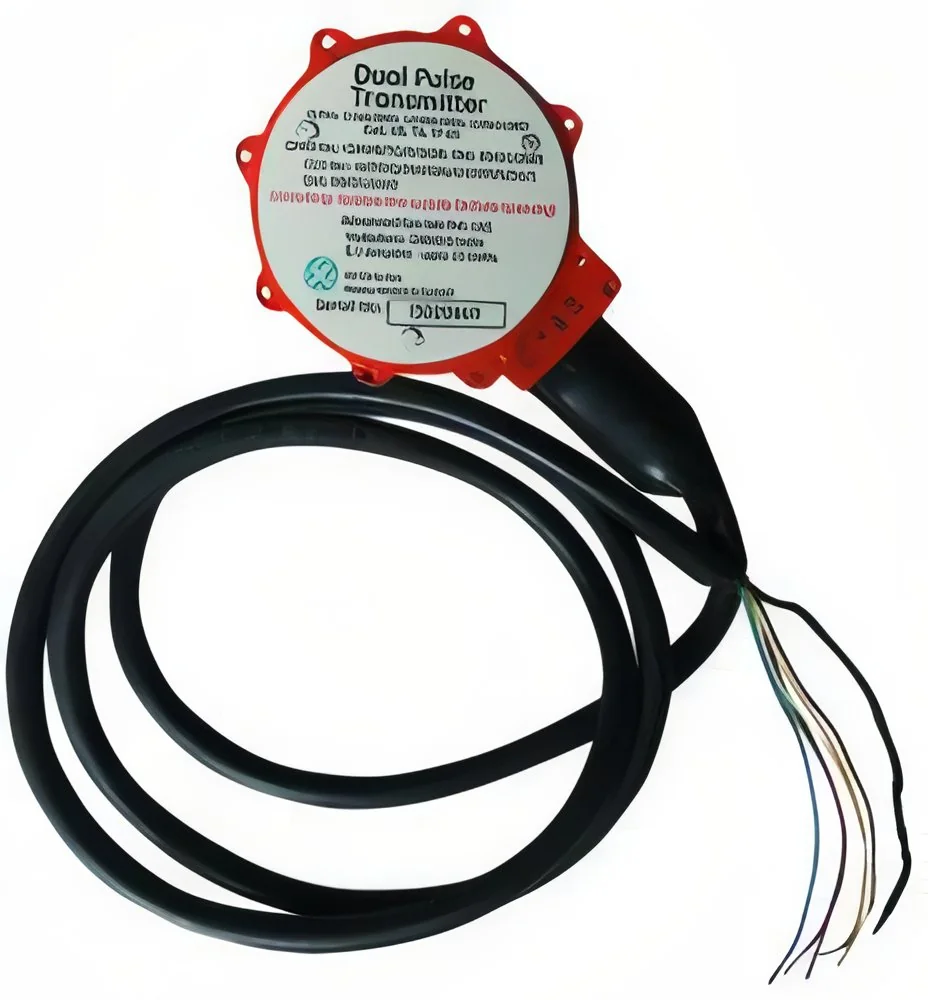
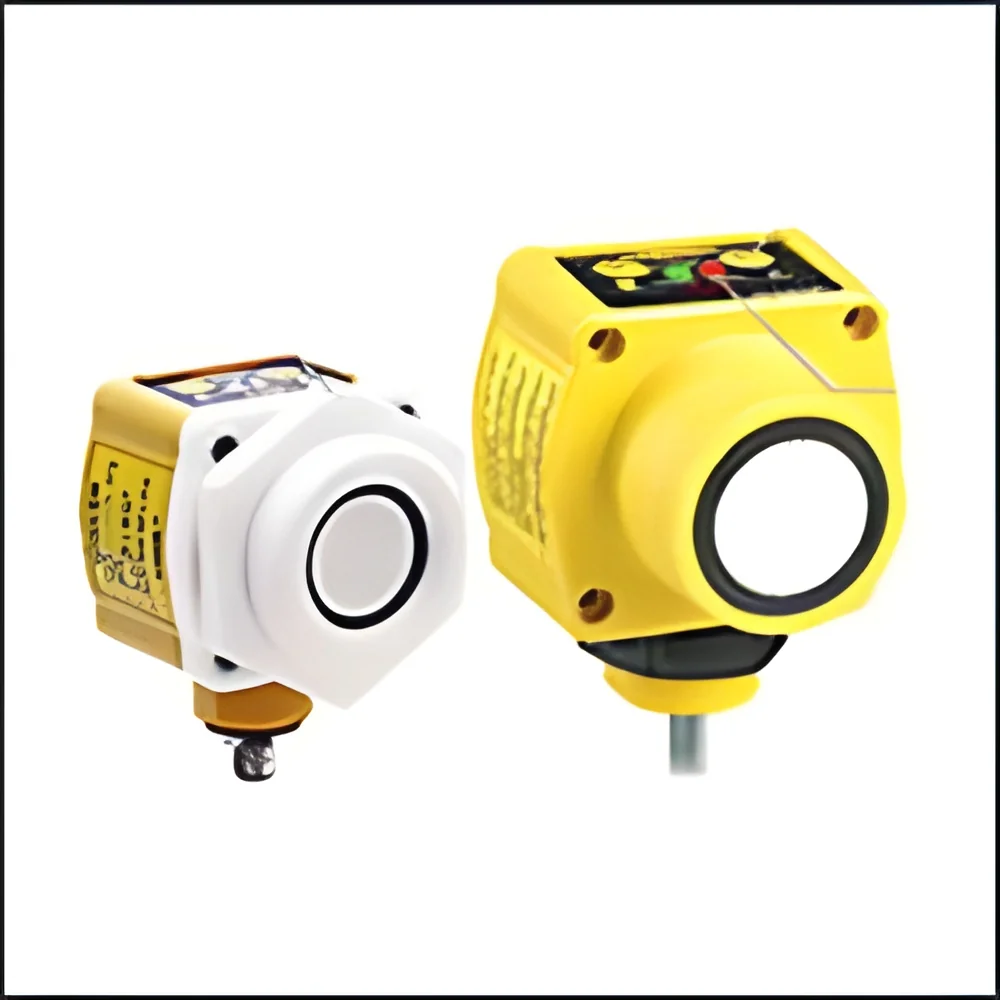
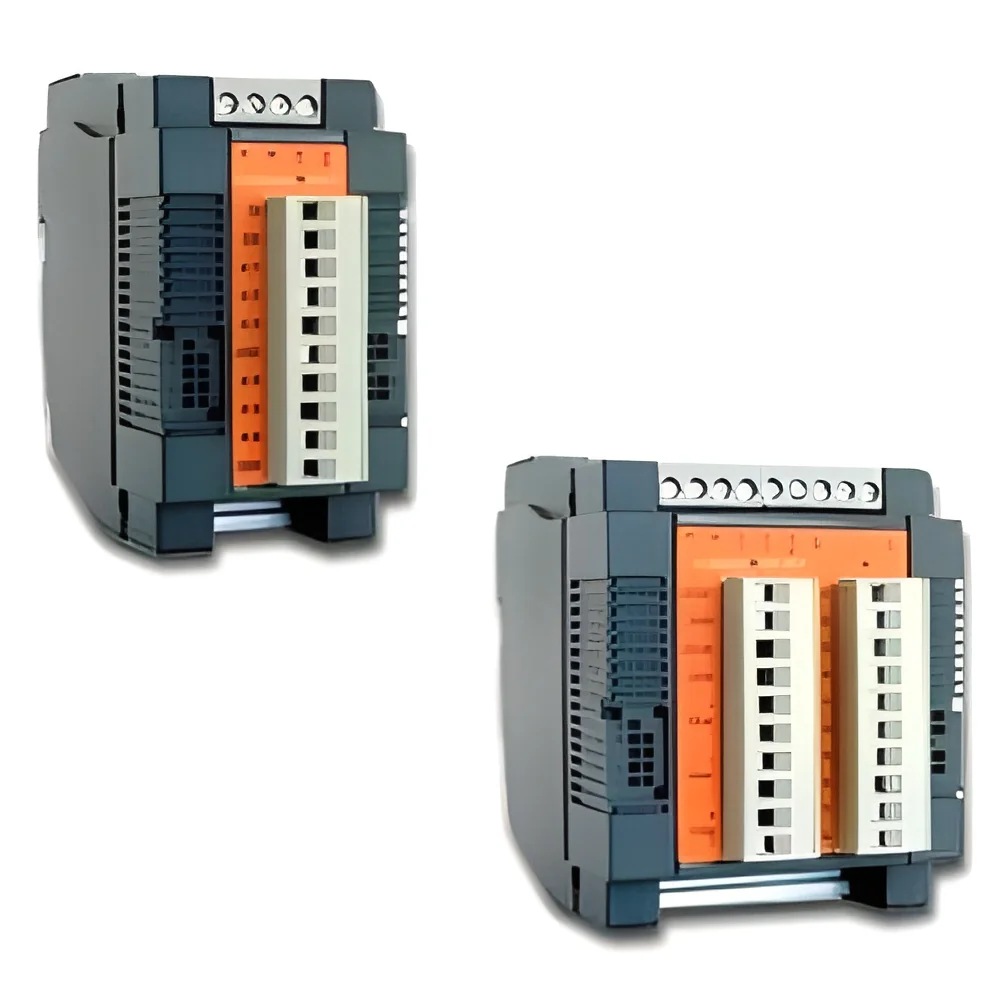
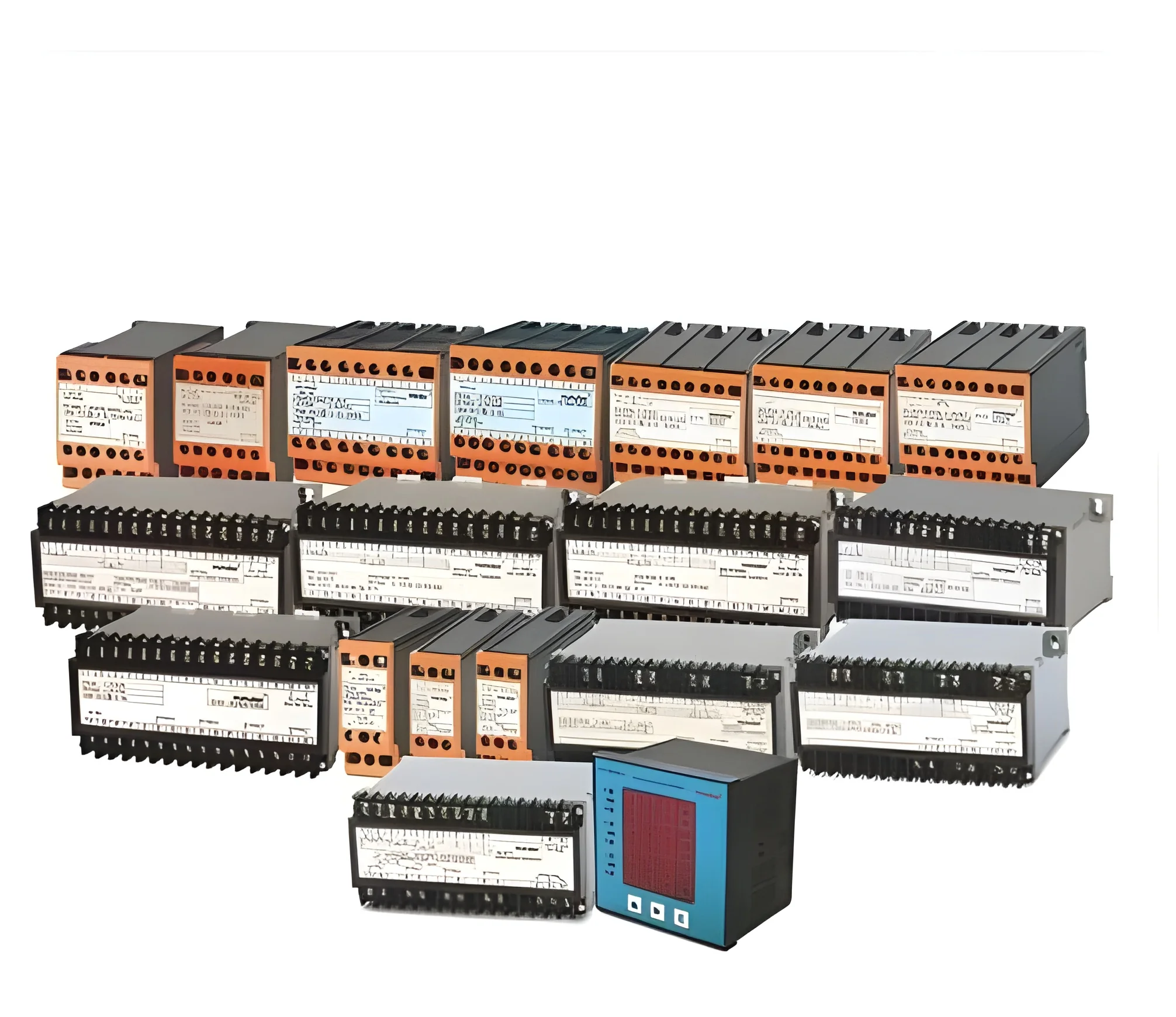
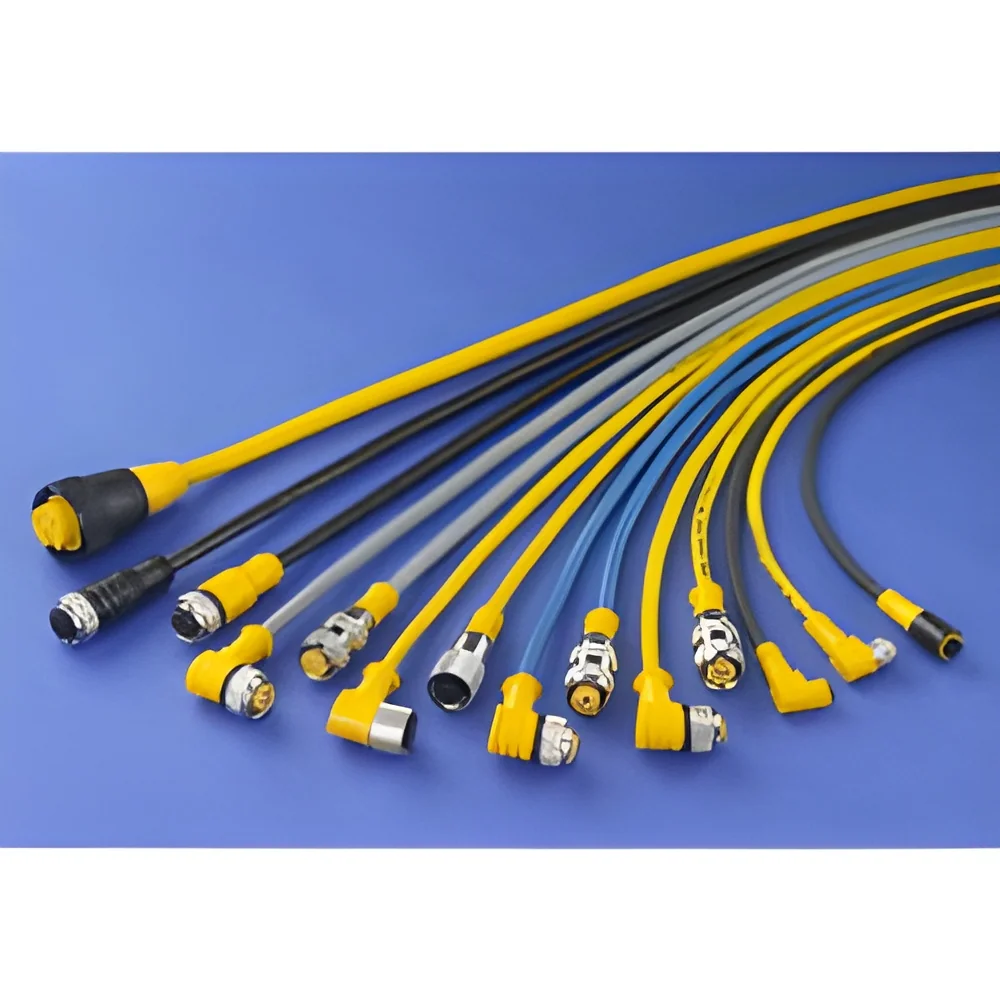
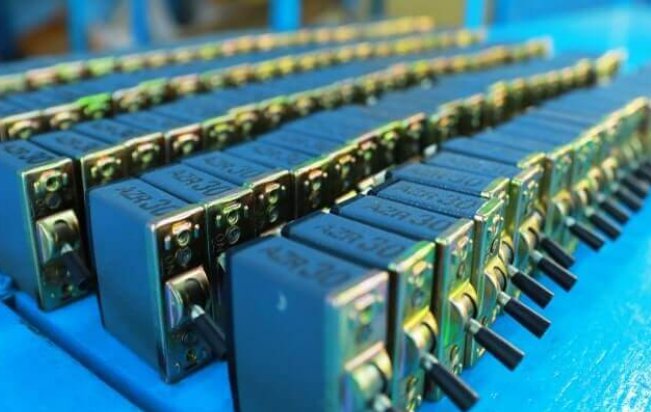
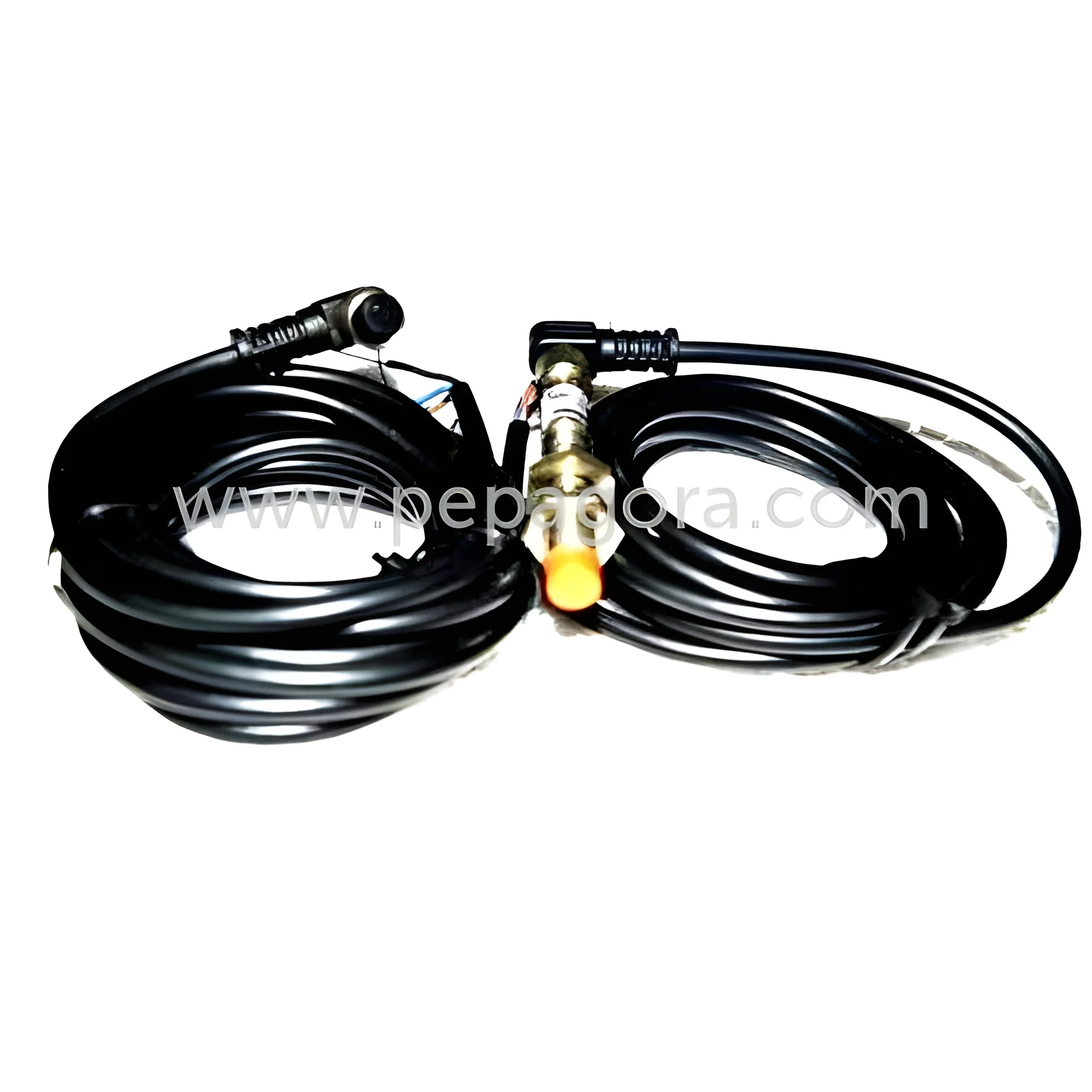
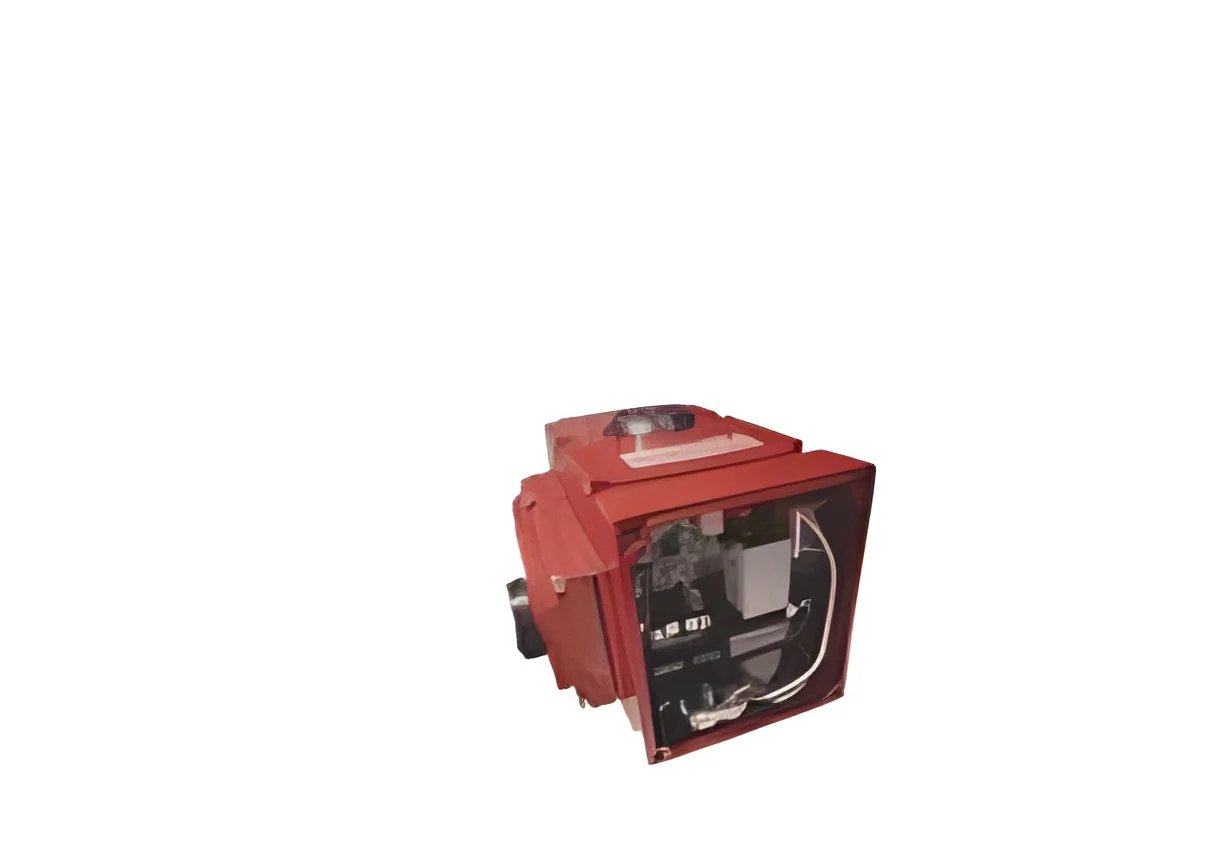
What are Industrial Transducers?
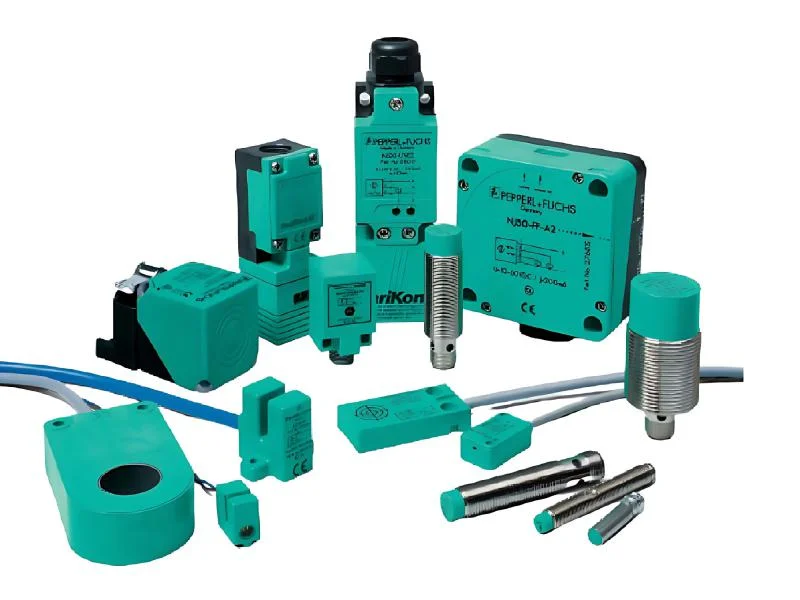
Industrial transducers are devices that convert physical quantities such as pressure, temperature, or flow into electrical signals. These signals can then be used for monitoring, control, and data acquisition in various industrial applications. Transducers play a critical role in automation and process control, enabling accurate measurements and facilitating real-time decision-making.
In business applications, industrial transducers are utilized across a wide range of sectors, including manufacturing, energy, and environmental monitoring. Their primary function is to provide precise data that can enhance operational efficiency and safety. As industries increasingly rely on automation and data analytics, the relevance of transducers continues to grow, positioning them as essential components in modern industrial systems.
The market for industrial transducers is expanding due to the increasing demand for automation and smart technologies. As industries evolve, the need for reliable and accurate measurement devices becomes paramount, driving innovation and development in this field.
Key Features and Specifications
Industrial transducers are characterized by several key features that define their performance and applications. Understanding these specifications is crucial for selecting the right transducer for specific needs.
Key specifications include:
1. Measurement Range
- Refers to the limits of the physical quantity that the transducer can measure.
- Typical ranges vary based on the type of measurement, such as pressure or temperature.
2. Output Signal Type
- Indicates the type of electrical signal produced by the transducer.
- Common types include analog (e.g., 4-20 mA) and digital (e.g., RS-485).
3. Accuracy
- Represents the degree of closeness of a measured value to the actual value.
- Usually expressed as a percentage of full scale.
4. Response Time
- The time taken for the transducer to respond to a change in the measured variable.
- Faster response times are essential for dynamic applications.
5. Operating Temperature Range
- Specifies the temperature range within which the transducer can operate effectively.
- Important for applications in extreme environments.
6. Humidity Ratings
- Indicates the level of humidity the transducer can withstand while maintaining performance.
- Critical for applications in moist or harsh environments.
7. Power Supply Requirements
- Details the voltage and current needed to operate the transducer.
- Compatibility with existing systems is essential.
8. Compliance and Certifications
- Refers to industry standards and certifications, such as CE marking.
- Ensures that the transducer meets safety and performance criteria.
In summary, understanding the key features and specifications of industrial transducers is vital for making informed purchasing decisions. These specifications not only determine the suitability of a transducer for specific applications but also its overall reliability and effectiveness.
Common Applications and Use Cases
Industrial transducers find applications across multiple industries due to their versatility and precision.
1. Manufacturing: In manufacturing environments, transducers are used for monitoring temperature and pressure in processes such as welding and molding. They ensure optimal conditions for product quality.
2. Energy: In the energy sector, transducers measure flow rates in pipelines and monitor pressure in gas and oil applications. This data is crucial for maintaining safety and efficiency in energy production.
3. Environmental Monitoring: Transducers are employed to measure air and water quality parameters. They help in tracking pollution levels and ensuring compliance with environmental regulations.
4. Food and Beverage: In the food industry, transducers monitor temperature and pressure during cooking and packaging processes. This ensures food safety and quality control.
5. HVAC Systems: In heating, ventilation, and air conditioning systems, transducers are used to regulate temperature and humidity levels. They contribute to energy efficiency and occupant comfort.
6. Automotive: In the automotive industry, transducers measure various parameters such as pressure in tires and fluids. Their accuracy is vital for vehicle safety and performance.
7. Pharmaceutical: In pharmaceuticals, transducers ensure precise control of environmental conditions during drug production. This is essential for compliance with strict regulatory standards.
Product Variants and Subcategories
Industrial transducers are available in various types and configurations, catering to different measurement needs.
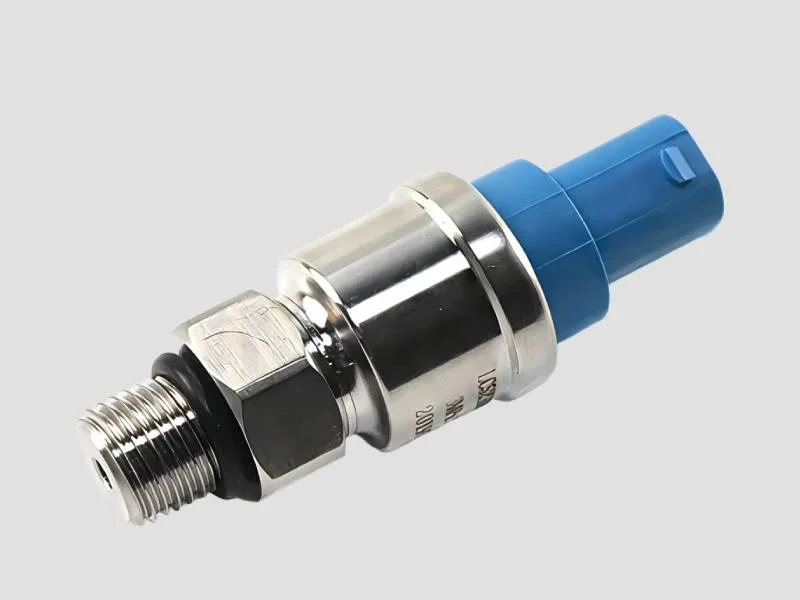
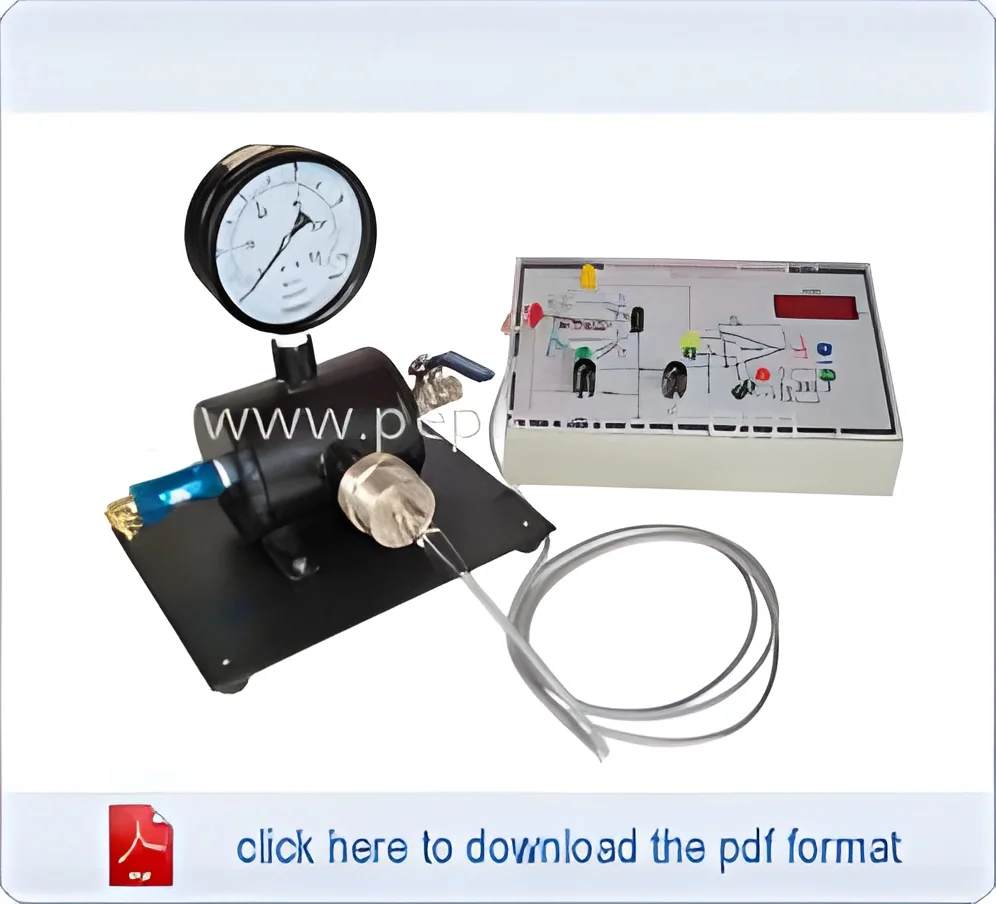
Pressure Transducers: These devices measure pressure and convert it into an electrical signal. They are commonly used in hydraulic systems and process control applications.
Temperature Transducers: Designed to measure temperature changes, these transducers are used in HVAC systems, manufacturing processes, and food safety applications.
Flow Transducers: These transducers measure the flow rate of liquids and gases. They are essential in water treatment, chemical processing, and energy production.
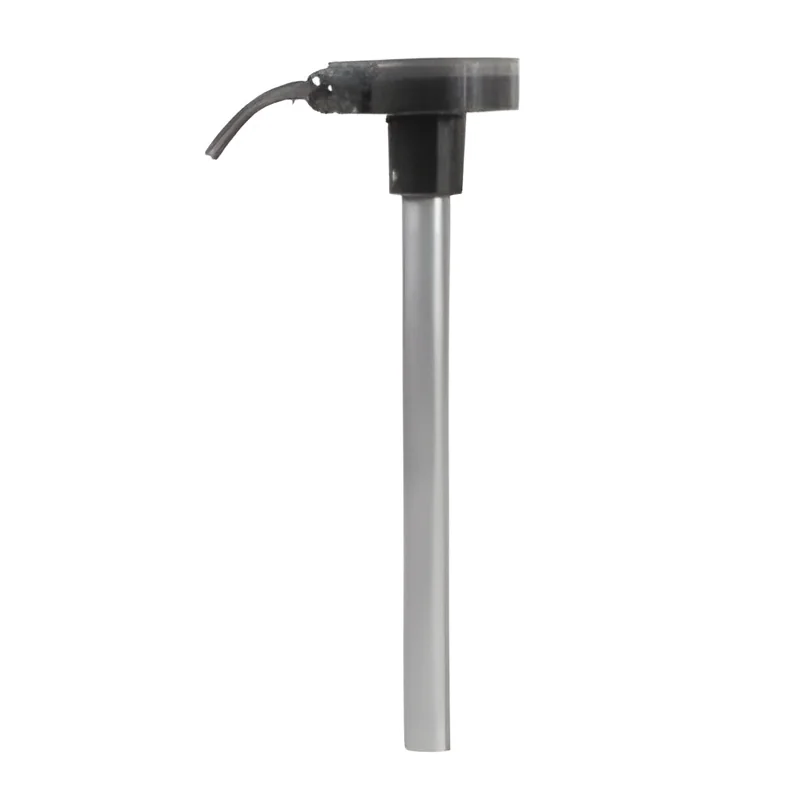
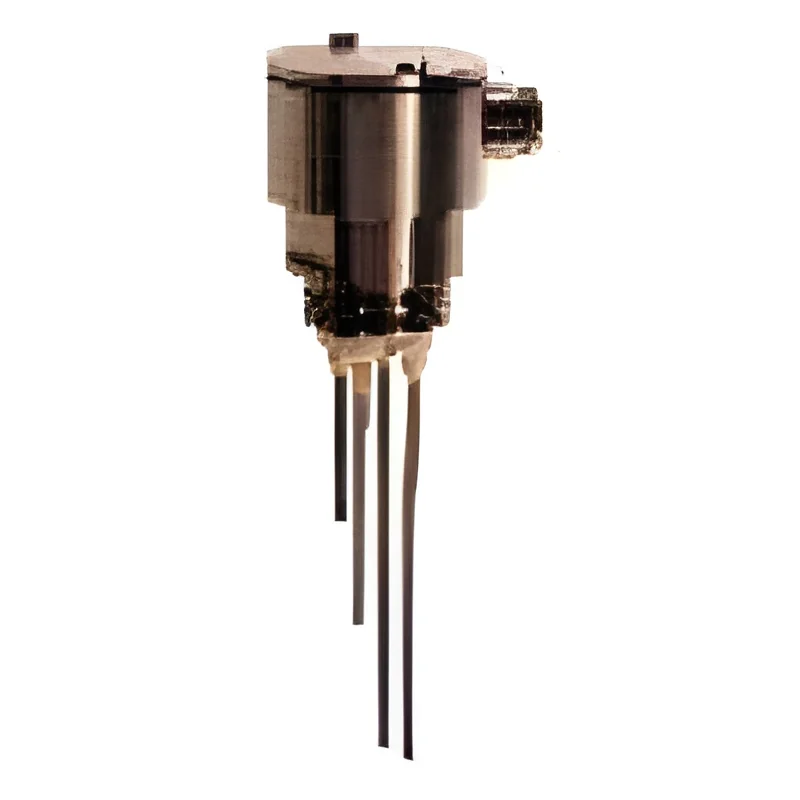
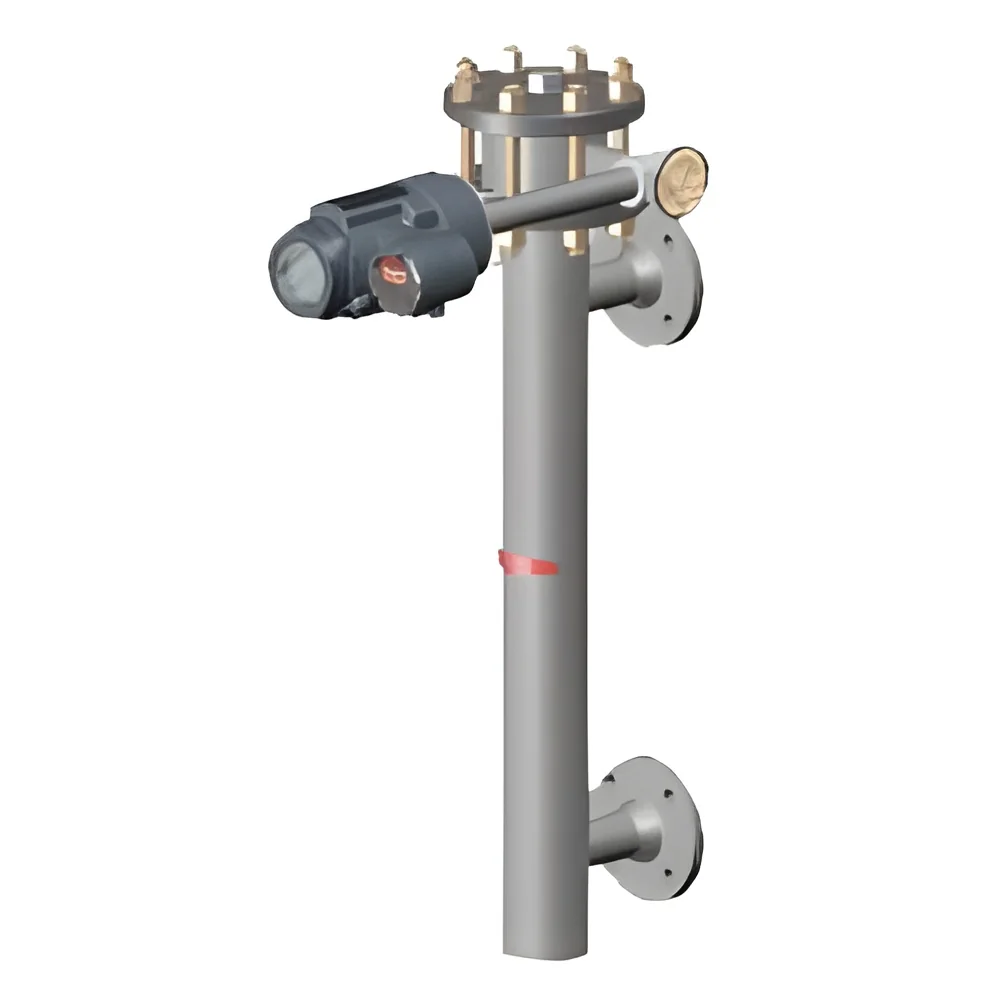
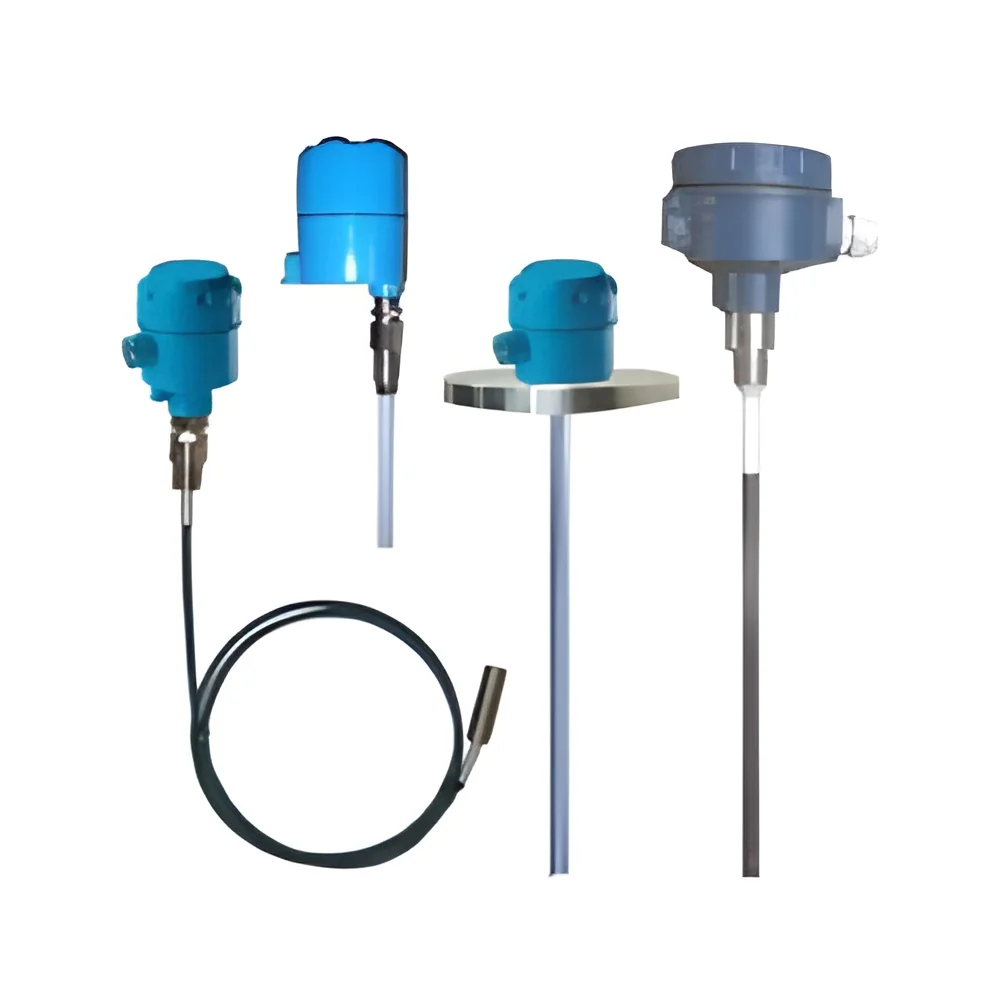
Level Transducers: Used to measure the level of liquids in tanks and reservoirs, these transducers are critical for storage and process control.
Benefits and Advantages
Industrial transducers offer several advantages that enhance operational efficiency and reliability.
1. Enhanced Accuracy: Transducers provide precise measurements, reducing errors in industrial processes and improving product quality.
2. Real-time Monitoring: They enable real-time data acquisition, allowing for immediate responses to changes in process conditions.
3. Increased Safety: Accurate measurements help in identifying potential hazards, improving safety in industrial environments.
4. Automation Compatibility: Transducers can easily integrate with automation systems, facilitating advanced control strategies.
5. Cost-effectiveness: By optimizing processes and reducing waste, transducers contribute to overall cost savings for businesses.
6. Versatility: With various types available, transducers can be tailored to meet the specific needs of diverse applications.
Buying Guide for B2B Buyers
When sourcing industrial transducers, it is important for buyers to consider several factors to ensure they select the right products for their needs.
1. Quality Assessment: Evaluating the quality of transducers is crucial. Look for devices that meet industry standards and have a proven track record of reliability.
2. Supplier Verification: Vetting suppliers is essential to ensure they can provide the necessary support and meet delivery timelines. Check for certifications and customer reviews.
3. Pricing and MOQ: Understand the pricing structures and minimum order quantities (MOQ) required by suppliers. This will help in budgeting and planning purchases.
4. Delivery and Lead Times: Consider the logistics of delivery times when placing orders. Reliable suppliers will provide clear timelines and adhere to them.
5. Compliance Requirements: Ensure that the transducers comply with relevant industry regulations and standards. This is critical for maintaining safety and quality.
Compliance and Certifications
Industrial transducers must adhere to various compliance and certification standards to ensure their safety and effectiveness.
Quality standards such as ISO 9001 are significant as they ensure that manufacturers follow consistent quality management practices. This can influence the reliability and performance of the transducers.
Industry certifications, such as CE marking, indicate that the products comply with European health, safety, and environmental requirements. This provides assurance to buyers regarding the quality and safety of the transducers.
Safety and testing requirements are also critical, as they ensure that transducers perform optimally in their intended applications. Regular testing helps identify any defects or performance issues.
Regional compliance considerations are important as well. Different regions may have specific regulations that need to be followed, making it essential for buyers to be aware of these differences when sourcing transducers.
Why Source Industrial Transducers from Pepagora?
Pepagora provides a trusted platform for sourcing industrial transducers, offering several key advantages that simplify the buying process.
Verified Supplier Network: Pepagora has established a network of verified suppliers who meet strict quality standards. This ensures that buyers can trust the products they purchase.
Streamlined RFQ Process: The request for quotation (RFQ) process is user-friendly, allowing buyers to easily compare prices and specifications from multiple suppliers. This facilitates informed decision-making.
Trade Assurance and Support: Pepagora offers trade assurance, providing buyers with protection during transactions. This support enhances buyer confidence in their purchases.
Regional Coverage: With a presence in key markets such as India, the GCC, and Southeast Asia, Pepagora ensures that buyers have access to a wide range of industrial transducers, tailored to meet local needs.
By sourcing through Pepagora, businesses can benefit from a comprehensive and reliable purchasing experience, making it easier to find the right industrial transducers for their applications.

 IN
IN