IN
IN₹
Apparel & Fashion
Loading subcategories...
View More
Description
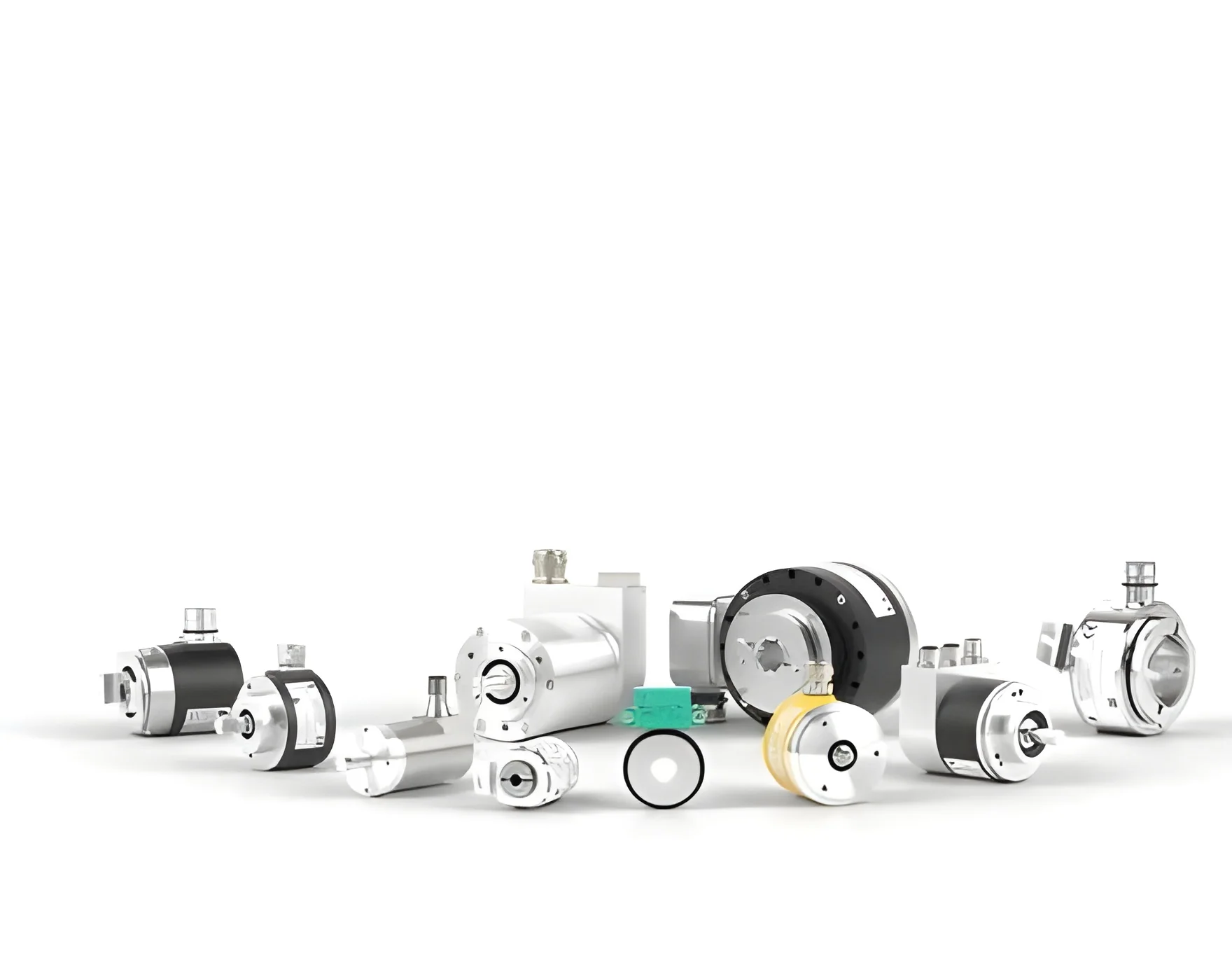
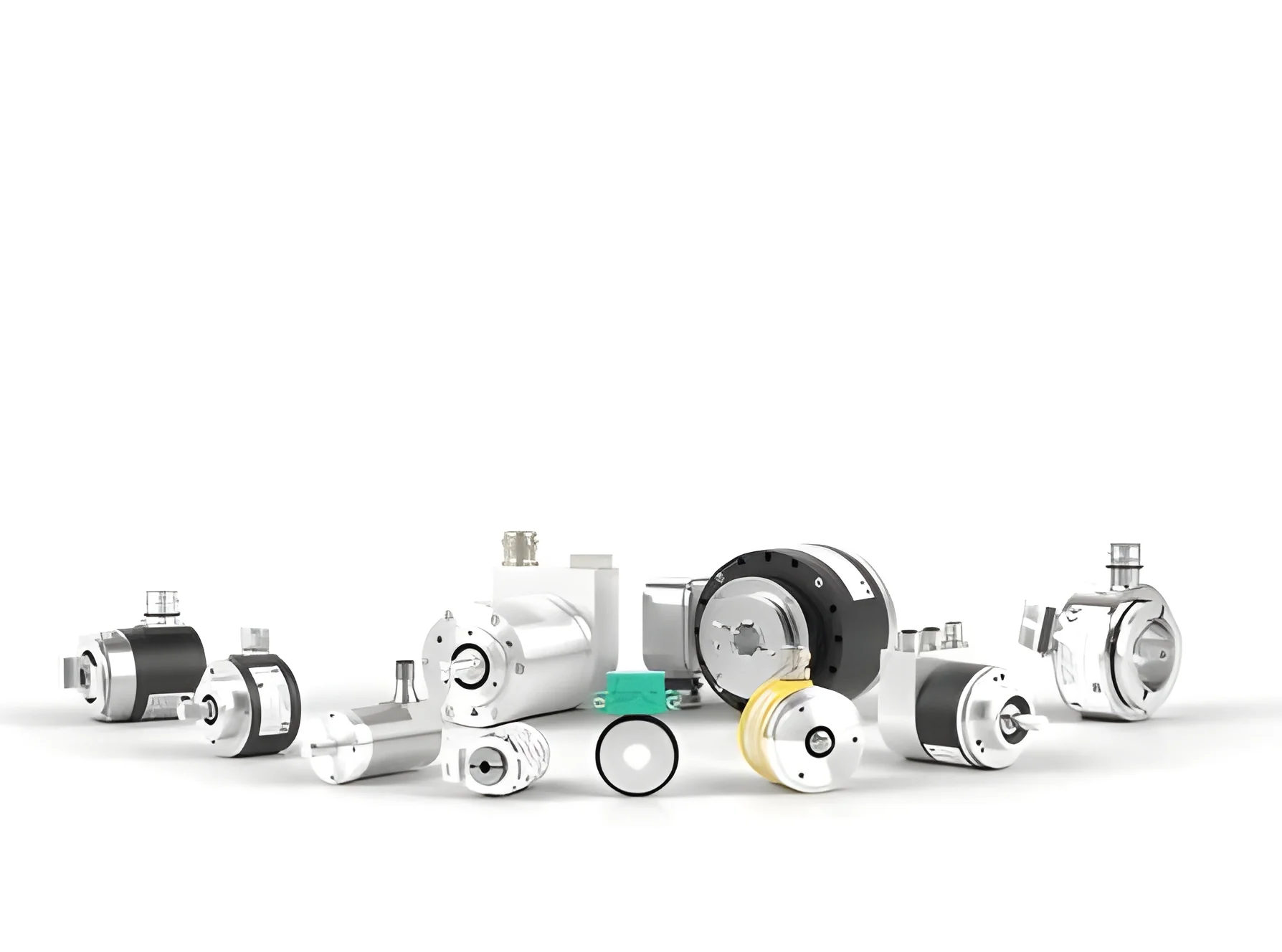
Rotary encoders are electromechanical devices that convert shaft rotation into precise electrical signals, enabling accurate monitoring of speed, position, and direction in automated systems. Available in incremental and absolute types, they provide either relative movement data or exact shaft positioning, supporting seamless integration with PLCs, drives, and controllers. Built for reliability, these encoders feature robust housings, high-resolution sensing, and compatibility with various industrial communication protocols. They are ideal for applications demanding real-time feedback, helping businesses maintain operational consistency, reduce downtime, and achieve higher efficiency in dynamic production environments. In industries like automotive manufacturing, robotics, packaging, and CNC machining, rotary encoders play a vital role in ensuring precision and repeatability. They are used in motor feedback systems, robotic joint control, conveyor synchronization, and lift positioning,...
Rotary encoders are electromechanical devices that convert shaft rotation into precise electrical signals, enabling accurate monitoring of speed, position, and direction in automated systems. Available in incremental and absolute types, they provide either relative movement data or exact shaft positioning, supporting seamless integration with PLCs, drives, and controllers. Built for reliability, these encoders feature robust housings, high-resolution sensing, and compatibility with various industrial communication protocols. They are ideal for applications demanding real-time feedback, helping businesses maintain operational consistency, reduce downtime, and achieve higher efficiency in dynamic production environments. In industries like automotive manufacturing, robotics, packaging, and CNC machining, rotary encoders play a vital role in ensuring precision and repeatability. They are used in motor feedback systems, robotic joint control, conveyor synchronization, and lift positioning, where accurate motion data is critical for safety and performance. These components help automate complex processes, minimize human error, and enhance throughput in high-volume production settings. Their adaptability makes them suitable for diverse sectors, including aerospace, textile machinery, and medical device assembly, where motion control accuracy directly impacts product quality and operational safety. Investing in high-quality rotary encoders delivers significant business value through improved machine uptime, reduced maintenance costs, and enhanced process reliability. Their durable construction and customization options ensure long-term performance, even in demanding conditions. By providing accurate, real-time data, these devices help optimize production cycles, prevent equipment failures, and support predictive maintenance strategies. This reliability translates into higher ROI, consistent output quality, and strengthened competitive advantage for businesses relying on precision automation and motion control systems.

Key Features:
- High-resolution optical or magnetic sensing for precise position feedback.
- Robust housing with IP ratings for dust and moisture resistance.
- Incremental and absolute output types for flexible integration.
- Wide operating temperature range suitable for industrial environments.
- Customizable shaft sizes, mounting options, and electrical interfaces.

Benefits:
- Enhances operational accuracy and repeatability in automated systems.
- Reduces machine downtime through reliable, long-lasting performance.
- Supports predictive maintenance by providing real-time operational data.
- Improves safety by ensuring precise control in critical applications.
- Offers easy integration with existing PLCs, drives, and control systems.
Specifications
| Additional Information | |
|---|---|
| Country of Origin | India |
| Customisable | No |
Application
Rotary encoders are essential in industrial automation, providing real-time feedback for motor speed, position, and direction control. They ensure machinery operates with high accuracy, reducing errors and enhancing productivity across automated production lines and robotic systems. These devices are critical in applications requiring precise rotational data, from conveyor synchronization to CNC machining. Their robust design supports continuous operation in harsh environments, making them a reliable choice
for heavy-duty industrial use and smart manufacturing setups. Real-world applications: - Motor control systems in manufacturing equipment for precise speed regulation. - Robotics and automated arms for accurate joint positioning and movement feedback. - CNC machines ensuring exact tool positioning and repeatable machining operations. - Elevator and lift systems for safe floor-level alignment and smooth operation. - Conveyor belt systems for synchronization and precise product positioning in packaging lines.
Real-world applications:
- Motor control systems in manufacturing equipment for precise speed regulation.
- Robotics and automated arms for accurate joint positioning and movement feedback.
- CNC machines ensuring exact tool positioning and repeatable machining operations.
- Elevator and lift systems for safe floor-level alignment and smooth operation.
- Conveyor belt systems for synchronization and precise product positioning in packaging lines.
Trade Details
| Available Stock | In Stock |
| Sample Availability | No |
Payment Terms
| Payment Terms |
|
Company Profile

Advancve Power Controls, Gujarat
 Gujarat, India
Gujarat, IndiaElectronics & Electrical•Manufacturer•Retailer
Factory Details
Factory SizeBelow 1000 sqm
Industrial Automation High Precision Rotary Encoders For Robotics And Motor Control
High-precision rotary encoders deliver reliable motion feedback for industrial automation, robotics, and motor control systems. Trusted by B2B buyers for accuracy, durability, and seamless integration in demanding applications.
Min. Order Quantity: 1
Shipping
Shipping fee and delivery date to be negotiated. Contact supplier now for more details.
Advancve Power Controls
 Gujarat, India
Gujarat, IndiaElectronics & ElectricalManufacturer