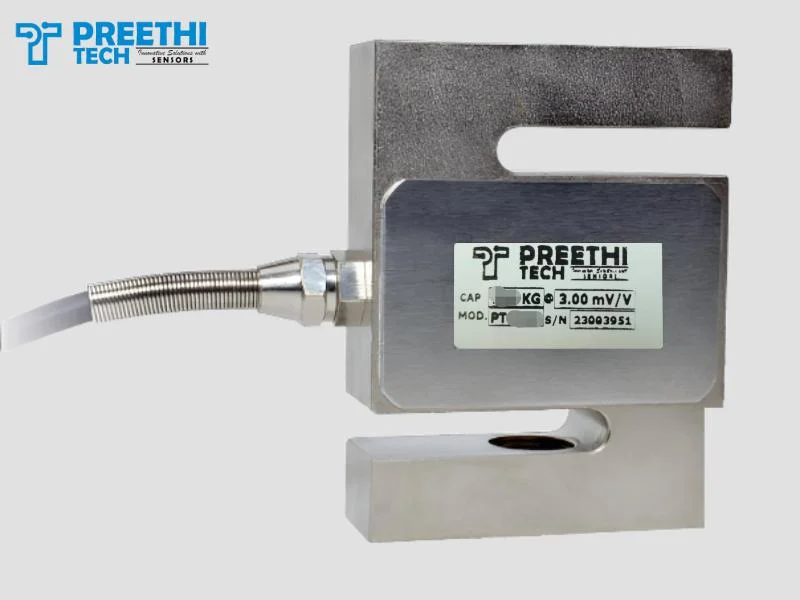
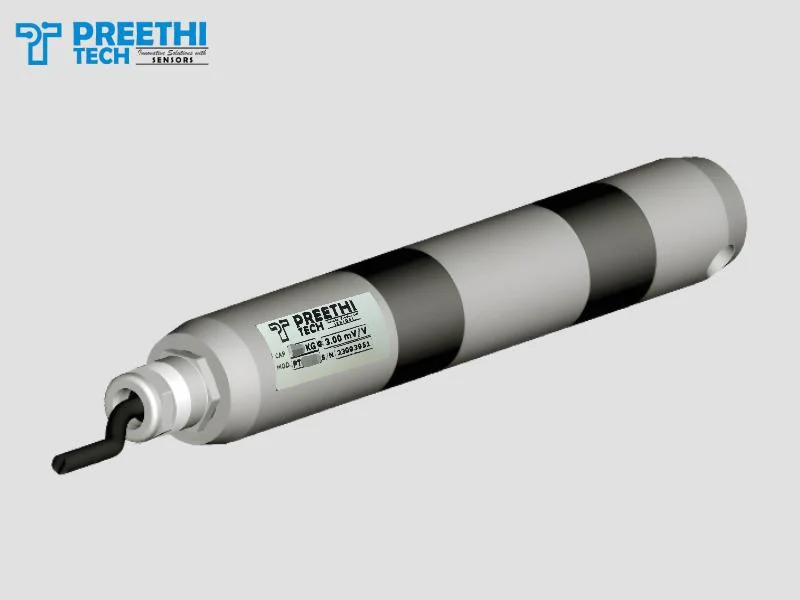
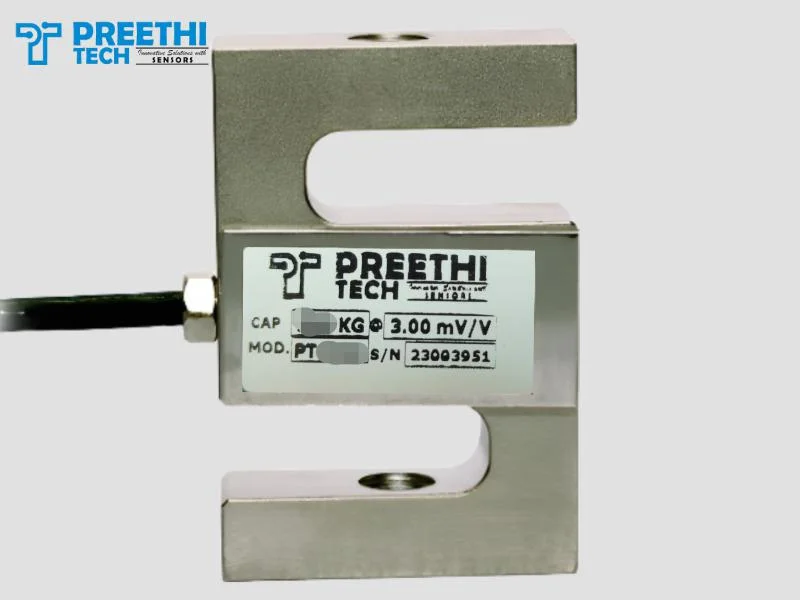
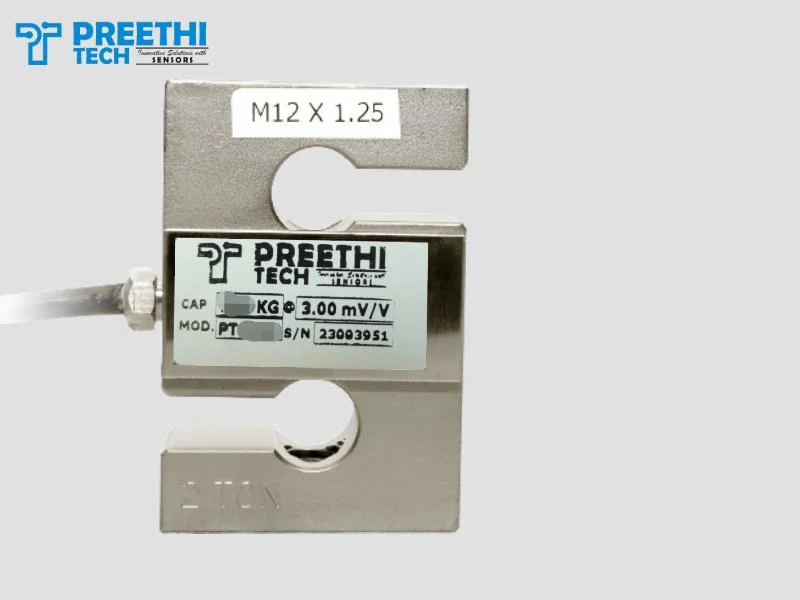
What are Force Sensors?
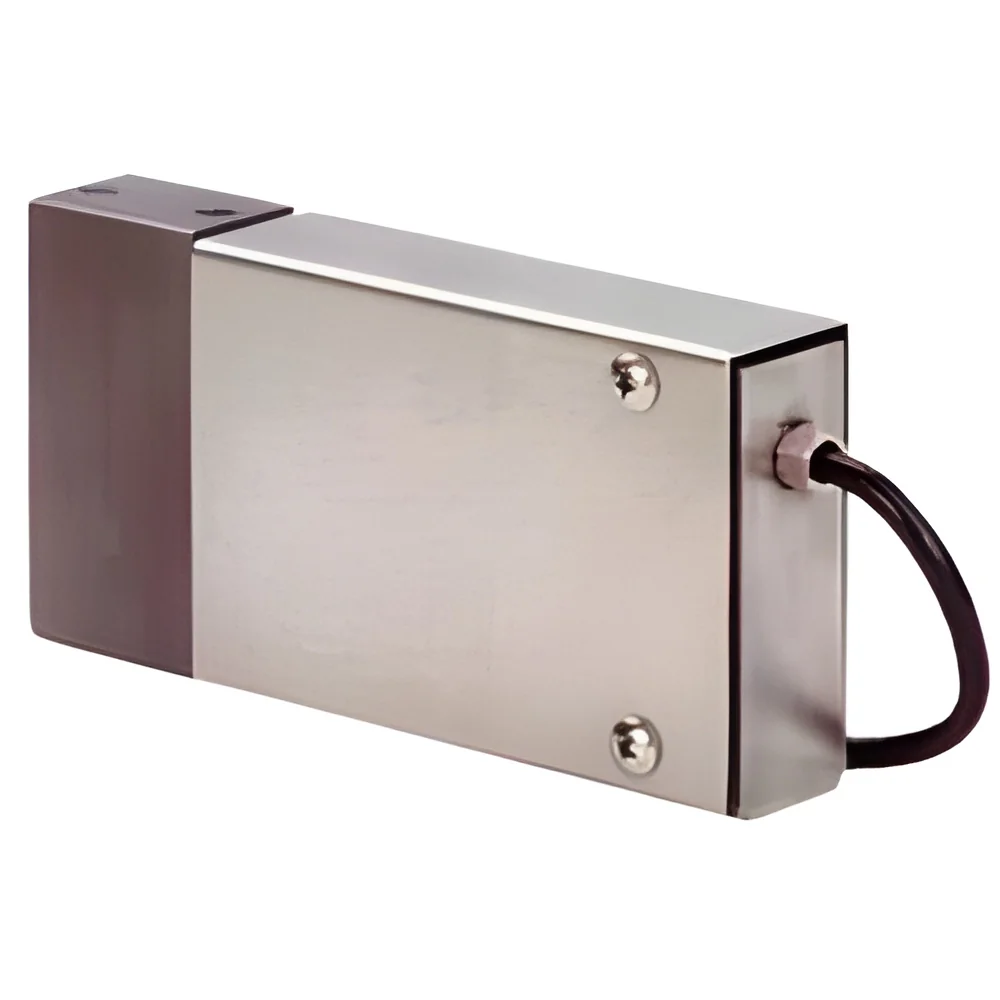
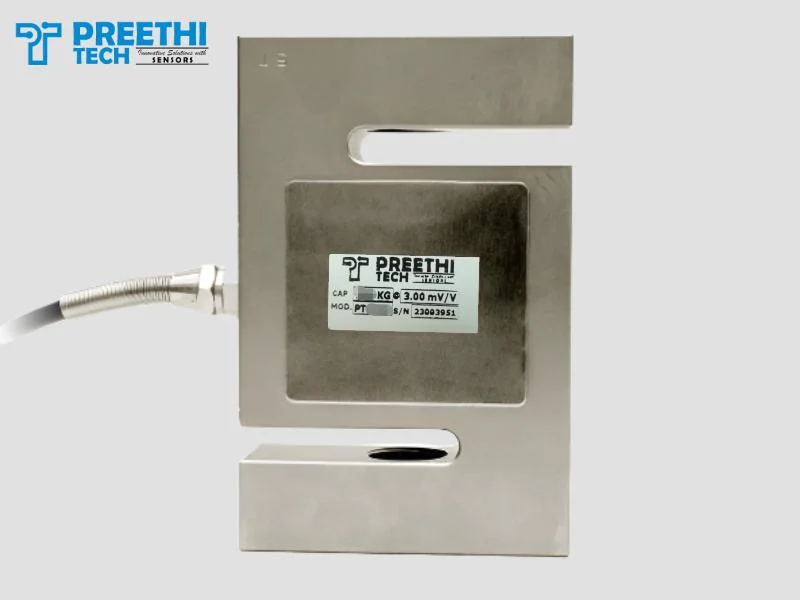
Force sensors are devices designed to measure the force applied to them. They convert mechanical force into an electrical signal, allowing for precise readings in various applications. These sensors are essential in industries that require accurate measurements of force, pressure, or weight. They can be found in both industrial settings and consumer products, ensuring efficiency and safety in operations.
Force sensors are primarily used in manufacturing, automation, and robotics. In manufacturing, they help monitor assembly processes and ensure quality control. In robotics, they are crucial for feedback systems that enable machines to interact safely and effectively with their environment. Additionally, these sensors are relevant in research and development where accurate force measurements are necessary for testing and validation.
In the current market, the demand for force sensors is increasing due to advancements in technology and automation. Industries are increasingly focusing on integrating smart solutions that rely on accurate data for improved decision-making. As a result, force sensors are becoming indispensable tools across various sectors, including automotive, aerospace, and medical devices.
Key Features and Specifications
Force sensors come with a variety of features tailored to meet specific business needs. Understanding these features is crucial for selecting the right force sensor for various applications.
Key specifications include:
1. Measurement Range
- The range of force that the sensor can measure, typically specified in newtons or pounds.
- Common ranges may vary from a few grams to several tons.
2. Output Signal Type
- The type of signal produced by the sensor, which can include analog voltage, analog current, or digital signals.
- Compatibility with existing systems is essential for seamless integration.
3. Accuracy
- The degree of correctness in the sensor's measurements.
- Specifications often highlight percentage error rates, typically ranging from ±0.1% to ±1%.
4. Operating Temperature
- The temperature range within which the sensor can function effectively.
- Most sensors operate between -20°C to 85°C.
5. Power Supply
- The voltage required for the sensor to operate, commonly 5V, 10V, or 24V DC.
- This specification is vital for ensuring compatibility with facility power systems.
6. Size and Form Factor
- Dimensions and shape of the sensor, which influence how it can be integrated into systems.
- Compact sizes are preferred for applications with space constraints.
7. Material Construction
- The materials used in the sensor's construction, often including stainless steel or plastic.
- Material choice affects durability and suitability for various environments.
8. Certification
- Compliance with industry standards such as CE for safety and reliability.
- Certifications enhance trust in the product's quality and performance.
In summary, force sensors are characterized by their measurement range, output signal types, accuracy, operating temperature, power supply requirements, size, material construction, and certifications. Understanding these specifications helps businesses make informed decisions.
Common Applications and Use Cases
Force sensors are versatile tools applicable across numerous sectors.
1. Automotive Industry: In automotive manufacturing, force sensors are used to monitor assembly processes and testing, ensuring components meet quality standards.
2. Aerospace Sector: Force sensors play a critical role in testing aircraft components, providing data needed for safety and performance assessments.
3. Robotics: In robotics, these sensors allow for precise control of movements and interactions, enhancing operational safety and efficiency.
4. Healthcare: In the medical field, force sensors are utilized in devices that measure pressure, such as in prosthetics and rehabilitation equipment.
5. Packaging: Force sensors are employed in packaging machinery to ensure the correct amount of force is applied during sealing processes.
6. Material Testing: In laboratories, force sensors are essential for testing materials under various loads, providing data for research and development.
7. Consumer Electronics: These sensors are increasingly incorporated into consumer products, such as smartphones and gaming devices, to improve user experience through touch feedback.
Product Variants and Subcategories
Force sensors come in various forms to cater to different applications and industries.
Load Cells
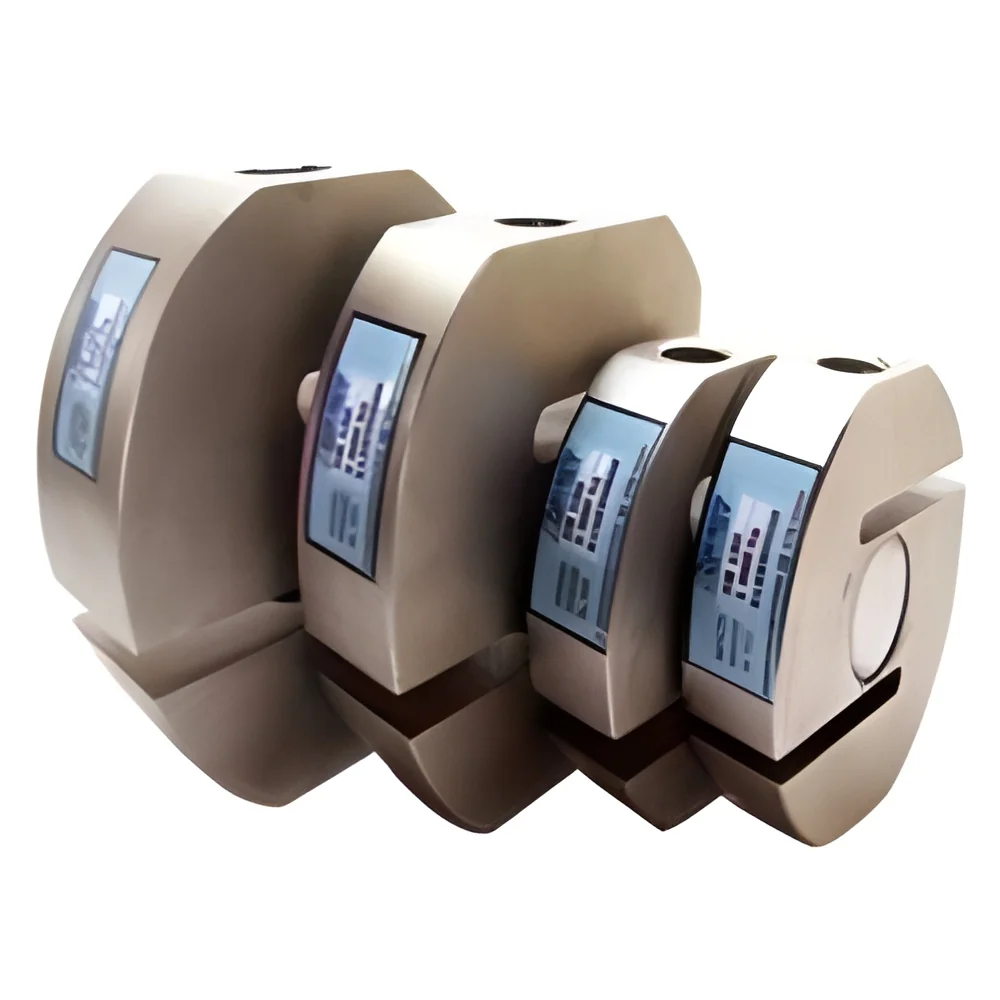
Load cells are a type of force sensor specifically designed to measure weight or force. They are widely used in industrial applications, including weighing scales and material testing equipment.
Strain Gauges
Strain gauges measure the deformation of an object when force is applied. They are commonly used in research and structural engineering to monitor stress and strain.
Piezoelectric Sensors
These sensors generate an electrical charge in response to applied force. They are often used in dynamic measurements, such as in impact testing and vibration analysis.
Benefits and Advantages
Force sensors offer numerous advantages to businesses looking to enhance their operations.
1. Precision Measurement: Force sensors provide accurate and reliable data, which is crucial for quality control and process optimization.
2. Enhanced Safety: By monitoring applied forces, these sensors help prevent equipment failure and accidents, ensuring a safer working environment.
3. Increased Efficiency: With real-time data, businesses can streamline operations, reducing waste and improving productivity.
4. Versatility: Force sensors can be used in various applications across different industries, making them a valuable addition to any technical system.
5. Customization Options: Many manufacturers offer the ability to customize force sensors to meet specific needs, enhancing their suitability for specialized applications.
6. Cost-Effectiveness: While initial investment may vary, the long-term savings from improved efficiency and reduced downtime make force sensors a cost-effective choice.
Buying Guide for B2B Buyers
When sourcing force sensors, several factors warrant consideration to ensure the right fit for your needs.
1. Quality Assessment: Evaluate the quality of force sensors by reviewing certifications and testing standards. Look for ISO certifications that indicate adherence to international quality norms.
2. Supplier Verification: Vet potential suppliers by checking their track record, customer reviews, and industry reputation. Reliable suppliers should have a history of delivering quality products consistently.
3. Pricing and MOQ: Understand the cost structure and minimum order quantities required by suppliers. Compare prices across different vendors to find the best value without compromising quality.
4. Delivery and Lead Times: Inquire about the supplier's logistics capabilities and lead times for order fulfillment. Timely delivery is essential to maintain operational schedules.
5. Compliance Requirements: Ensure that the force sensors meet applicable regulatory standards for your industry. This may include safety certifications and environmental regulations.
Compliance and Certifications
Compliance with industry standards and certifications is vital for ensuring the reliability and safety of force sensors.
Many force sensors adhere to quality standards such as ISO 9001, which focuses on maintaining effective quality management systems. This standard ensures that products consistently meet customer requirements and regulatory standards.
Additionally, force sensors often carry certifications such as CE, indicating compliance with European safety, health, and environmental protection standards. This certification enhances customer trust and marketability.
Safety and testing requirements are also critical. Force sensors should be tested for performance under various conditions to ensure they operate reliably over time. Manufacturers must comply with safety regulations relevant to their specific applications.
Regional compliance considerations may vary. For example, suppliers may need to meet specific regulations in the EU, North America, or Asia, depending on where the products will be sold or used.
Why Source Force Sensors from Pepagora?
Pepagora provides a trusted platform for sourcing force sensors with numerous advantages that facilitate a smooth purchasing experience.
Verified Supplier Network: Pepagora connects buyers with a network of verified suppliers. This network ensures that buyers can source high-quality products from reputable manufacturers, minimizing risks associated with unverified sources.
Streamlined RFQ Process: The platform features a streamlined Request for Quotation (RFQ) process, enabling buyers to obtain competitive quotes efficiently. This system simplifies the procurement process, saving time and effort.
Trade Assurance and Support: Pepagora offers trade assurance and support to buyers, protecting their investments. This includes assurances on product quality and delivery, providing peace of mind throughout the purchasing journey.
Regional Coverage: With a strong presence in India, the GCC, and Southeast Asia, Pepagora extends its reach to a broad range of buyers. This regional coverage ensures that businesses can access force sensors tailored to their specific needs, regardless of their location.

 IN
IN