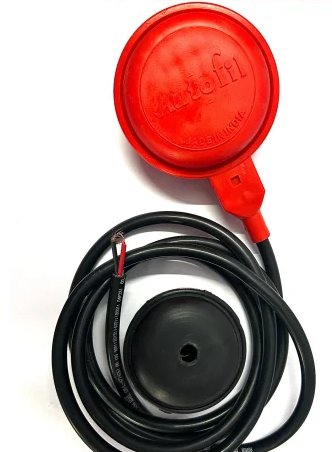
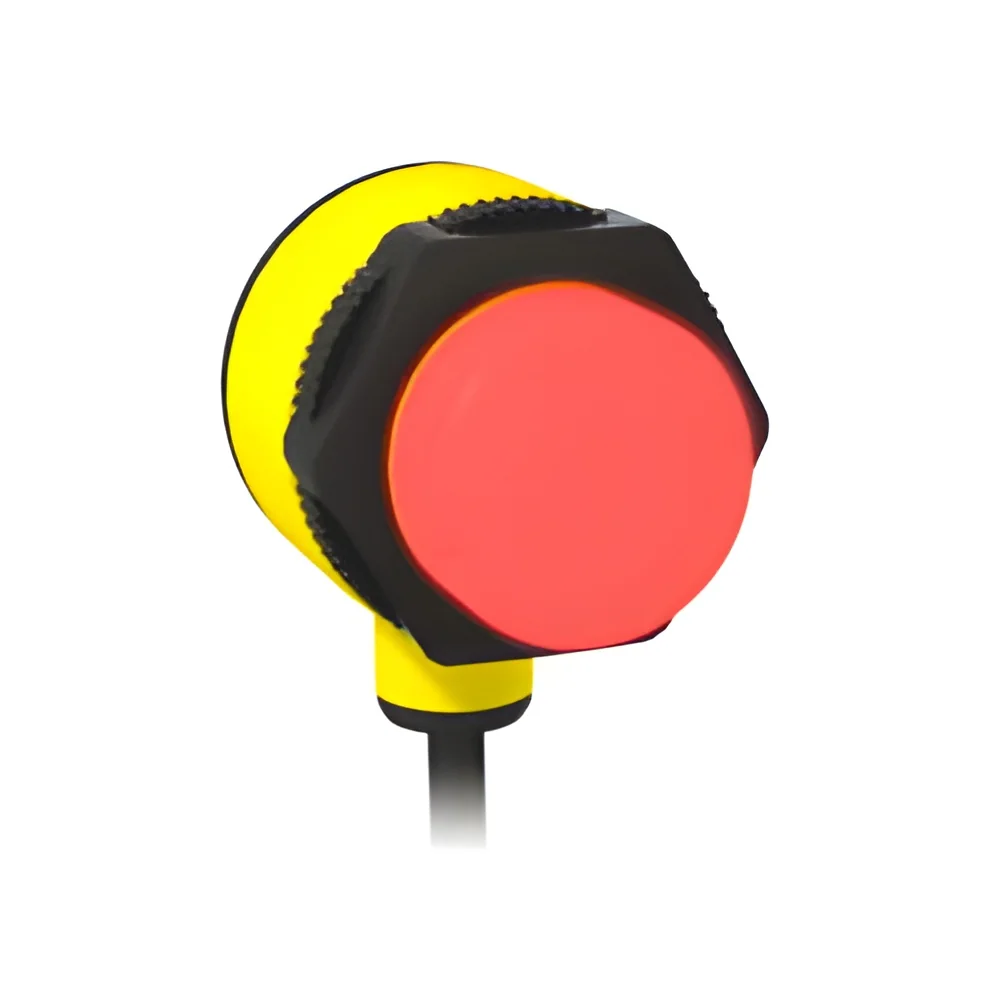
What are Level Sensors?
Level sensors are devices designed to detect the level of substances, typically liquids or solids, in various environments. They are essential tools used in many industrial applications to ensure optimal operation and safety. These sensors can provide continuous level measurement or point level detection, depending on the specific needs of a process. Their functionality can be achieved through various technologies, including capacitive, ultrasonic, radar, and float-based systems.
The primary uses of level sensors span across industries such as manufacturing, oil and gas, water treatment, and food processing. In these sectors, level sensors monitor tanks, silos, and other containers to prevent overflows, ensure efficient resource management, and enhance safety protocols. The growing emphasis on automation and precision in industrial operations has increased the importance of level sensors in ensuring that processes run smoothly and efficiently.
In the current market context, level sensors are becoming increasingly relevant due to the rise of Industry 4.0 and smart manufacturing solutions. As industries strive for greater efficiency and accuracy, the demand for reliable and advanced level sensing technology continues to grow. This trend highlights the need for businesses to invest in quality level sensors to stay competitive.
Key Features and Specifications
Level sensors come equipped with several key features and specifications that enhance their performance and usability in various applications. Understanding these specifications is crucial for businesses looking to select the right sensor for their needs.
Key specifications include:
1. Measurement Type
- Continuous or point level measurement options
- Suitable for both liquid and solid materials
2. Detection Technology
- Capacitive, ultrasonic, radar, or float-based technology
- Each technology offers distinct advantages based on application
3. Operating Temperature Range
- Typically designed to function in a wide range of temperatures
- Specific ranges depend on the sensor type and application
4. Power Supply
- Various options, including battery-powered, AC, or DC power
- Flexibility in installation based on power availability
5. Communication Protocol
- Compatibility with different communication protocols, such as 4-20 mA, Modbus, or HART
- Facilitates integration into existing systems
6. Enclosure Rating
- IP ratings indicating resistance to dust and water
- Essential for ensuring durability in harsh environments
7. Calibration Requirements
- Some sensors may require calibration for accurate readings
- Important for maintaining measurement precision over time
8. Certification
- Compliance with industry standards such as CE
- Ensures safety and reliability in operation
In summary, level sensors are equipped with various features that cater to different industrial needs, making it essential for buyers to understand these specifications when making a purchasing decision.
Common Applications and Use Cases
Level sensors have a wide range of applications across multiple industries. Their ability to accurately monitor levels of liquids and solids makes them invaluable in various settings.
1. Water and Wastewater Treatment: Level sensors are used to monitor water levels in tanks and reservoirs, ensuring optimal operation of pumps and preventing overflow situations.
2. Oil and Gas: These sensors are critical in monitoring tank levels for crude oil, refined products, and chemicals, helping maintain safety and efficiency in operations.
3. Food and Beverage: In this industry, level sensors are employed to monitor ingredient levels and ensure consistent production processes while adhering to safety standards.
4. Pharmaceuticals: Level sensors assist in maintaining precise levels of liquids in production processes, contributing to the quality control of pharmaceutical products.
5. Chemical Processing: These sensors help monitor the levels of various chemicals in storage and processing tanks, ensuring safe handling and compliance with regulations.
6. Agriculture: Level sensors are utilized in monitoring water levels in irrigation systems, enhancing resource management and crop yields.
7. Mining: In mining operations, level sensors help monitor the levels of materials in silos and hoppers, optimizing resource extraction processes.
Product Variants and Subcategories
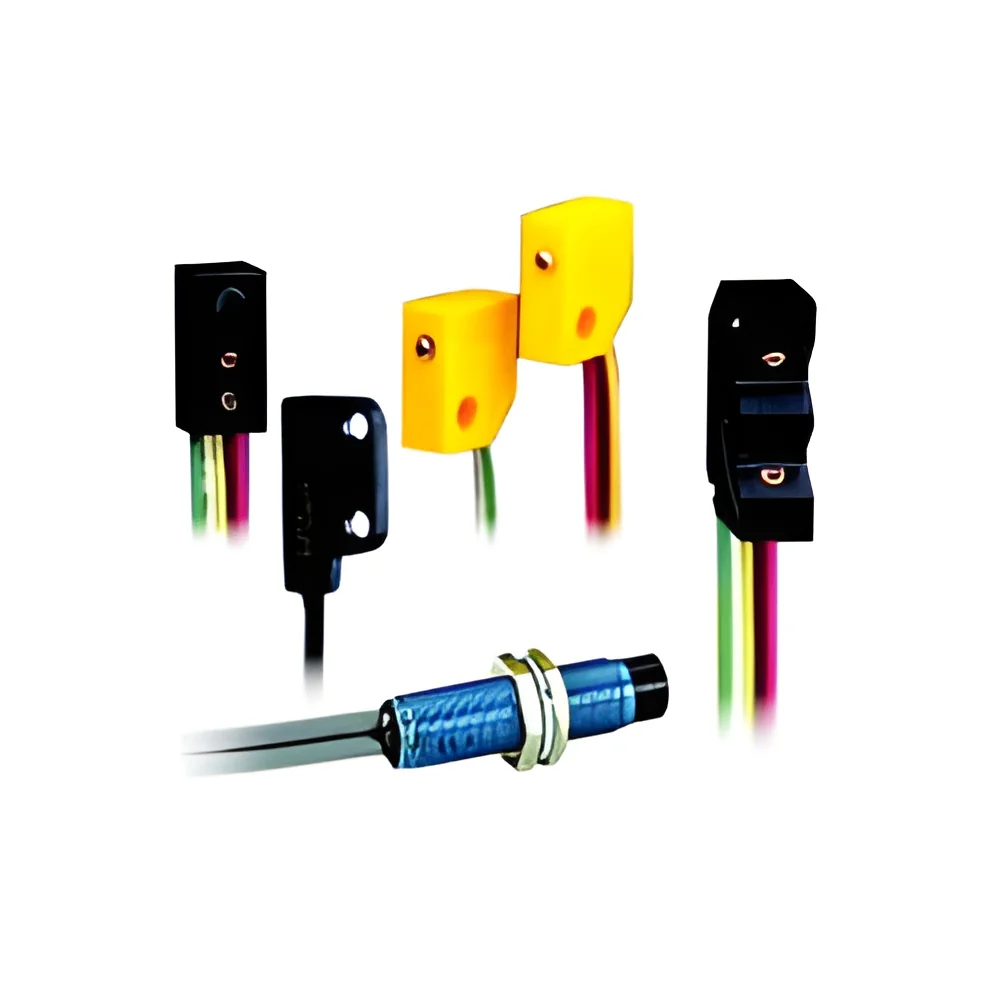
Level sensors are available in a diverse range of variants to cater to different industrial needs. Each variant is designed with specific features that enhance its applicability in various environments.
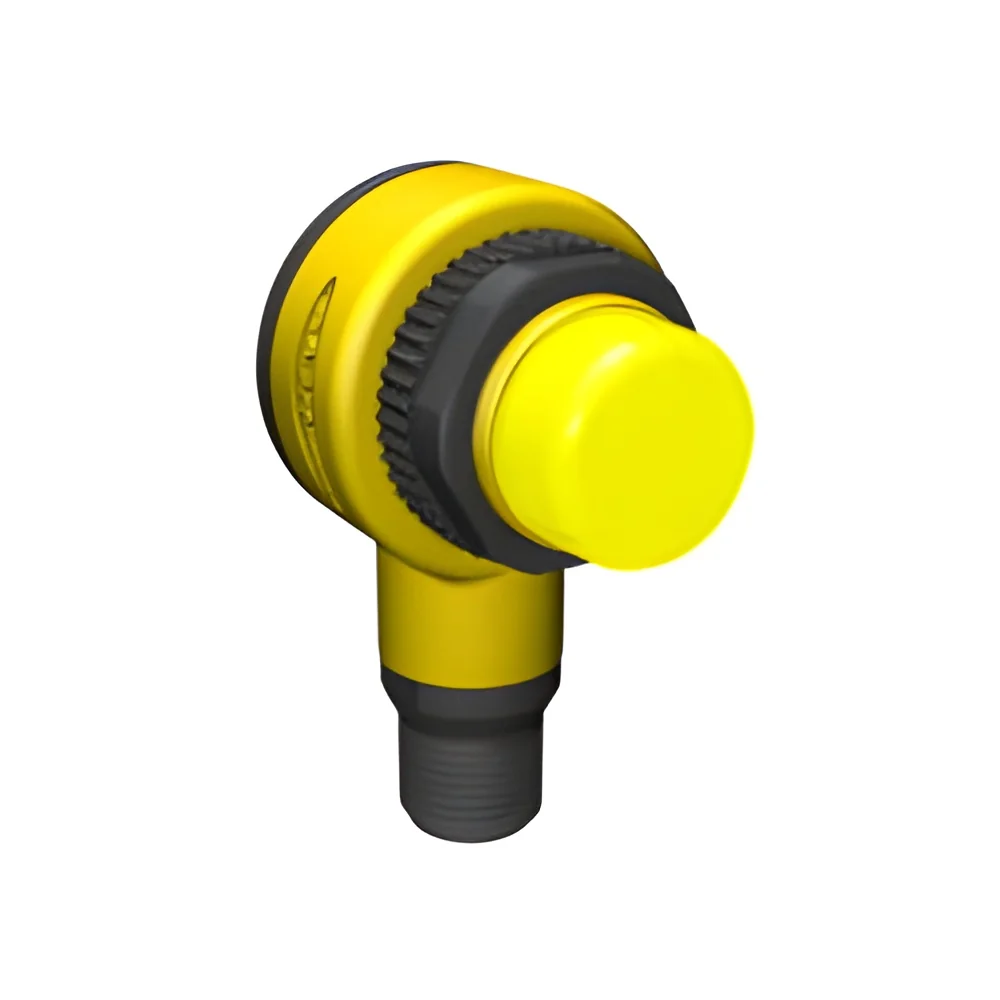
Ultrasonic Level Sensors: These sensors use sound waves to measure liquid levels. They are non-contact devices that can be used in a variety of applications, including water treatment and chemical storage.
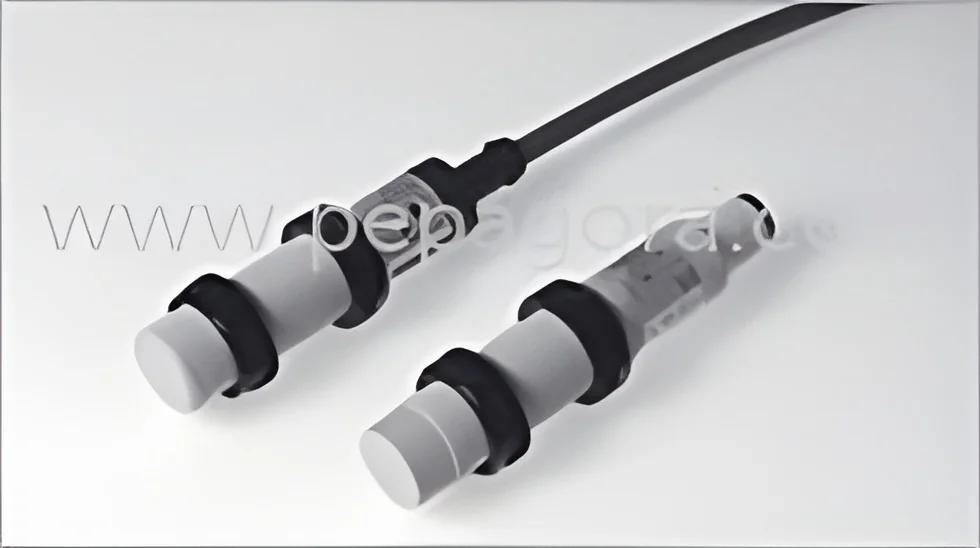
Capacitive Level Sensors: These sensors detect changes in capacitance to measure levels. They are often used for both liquid and solid materials and are particularly effective in applications where contact with the medium is acceptable.
Radar Level Sensors: Utilizing microwave technology, these sensors are suitable for harsh environments and can measure levels with high accuracy. They are commonly used in oil and gas and chemical industries.
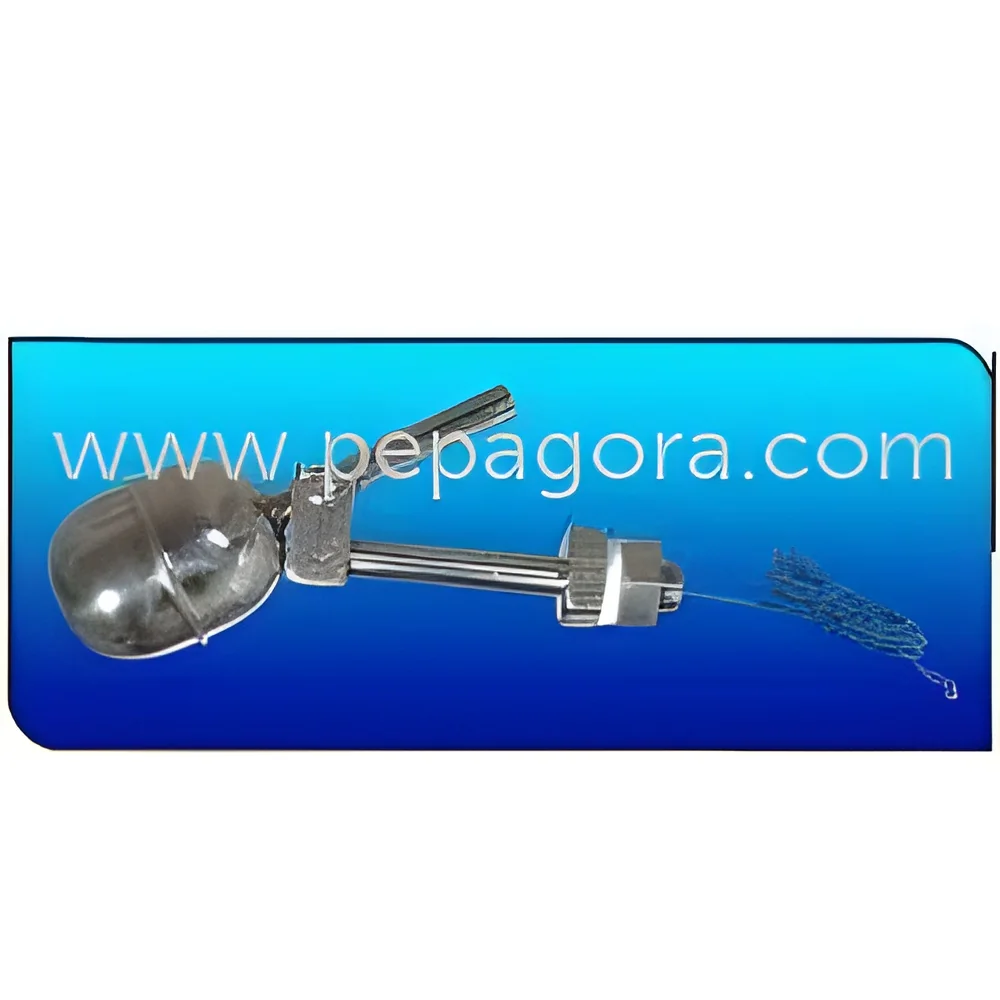
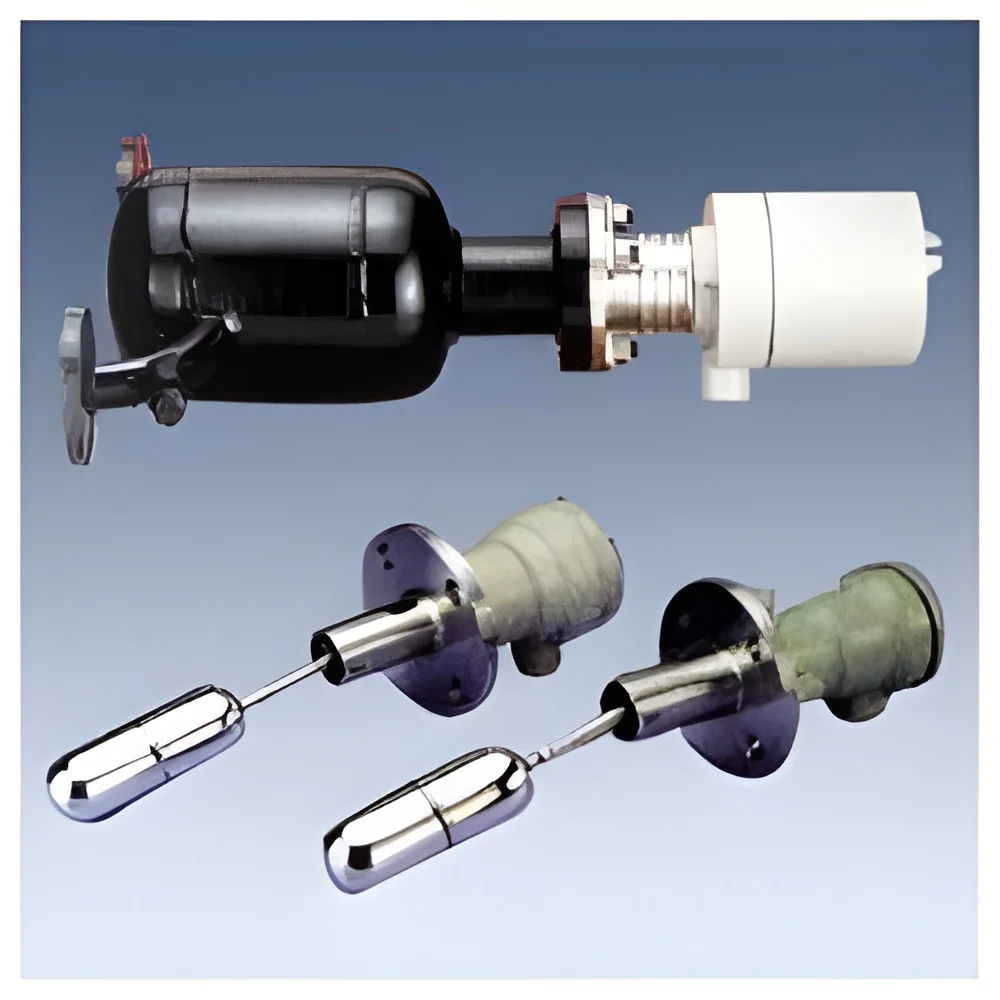
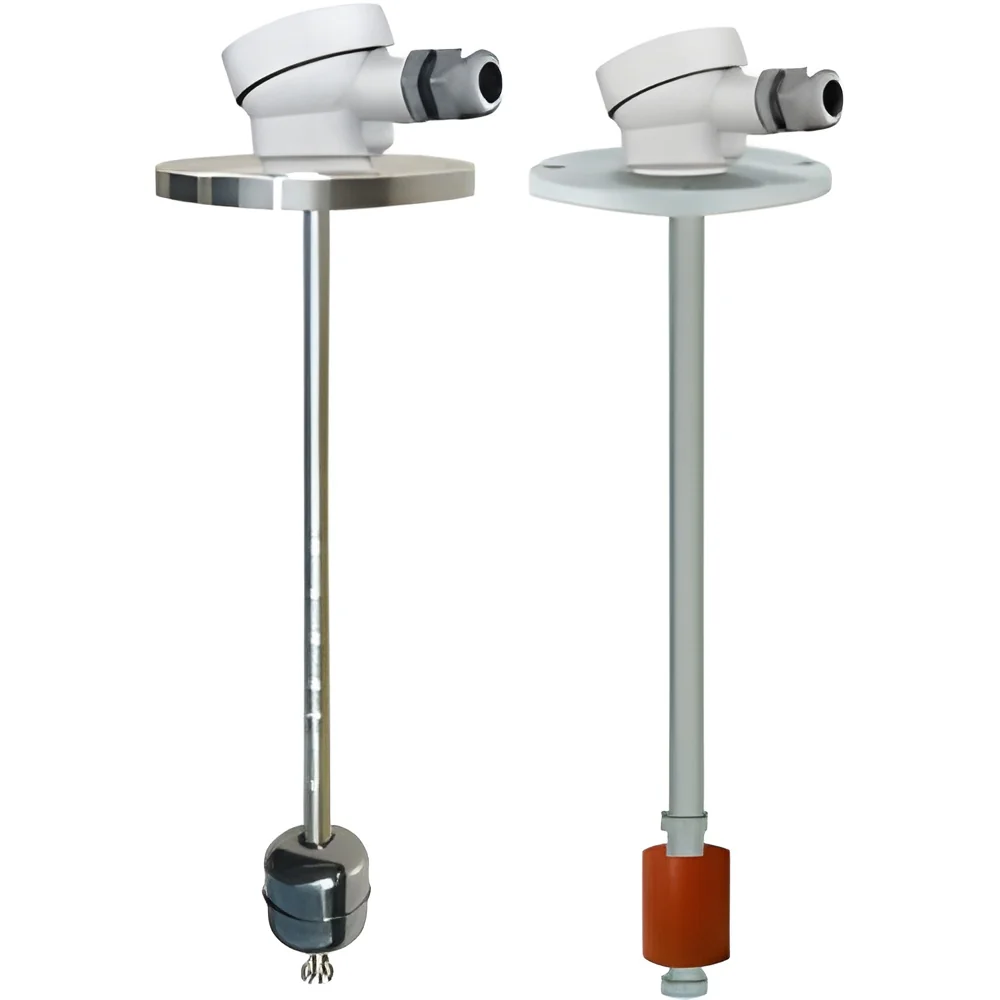
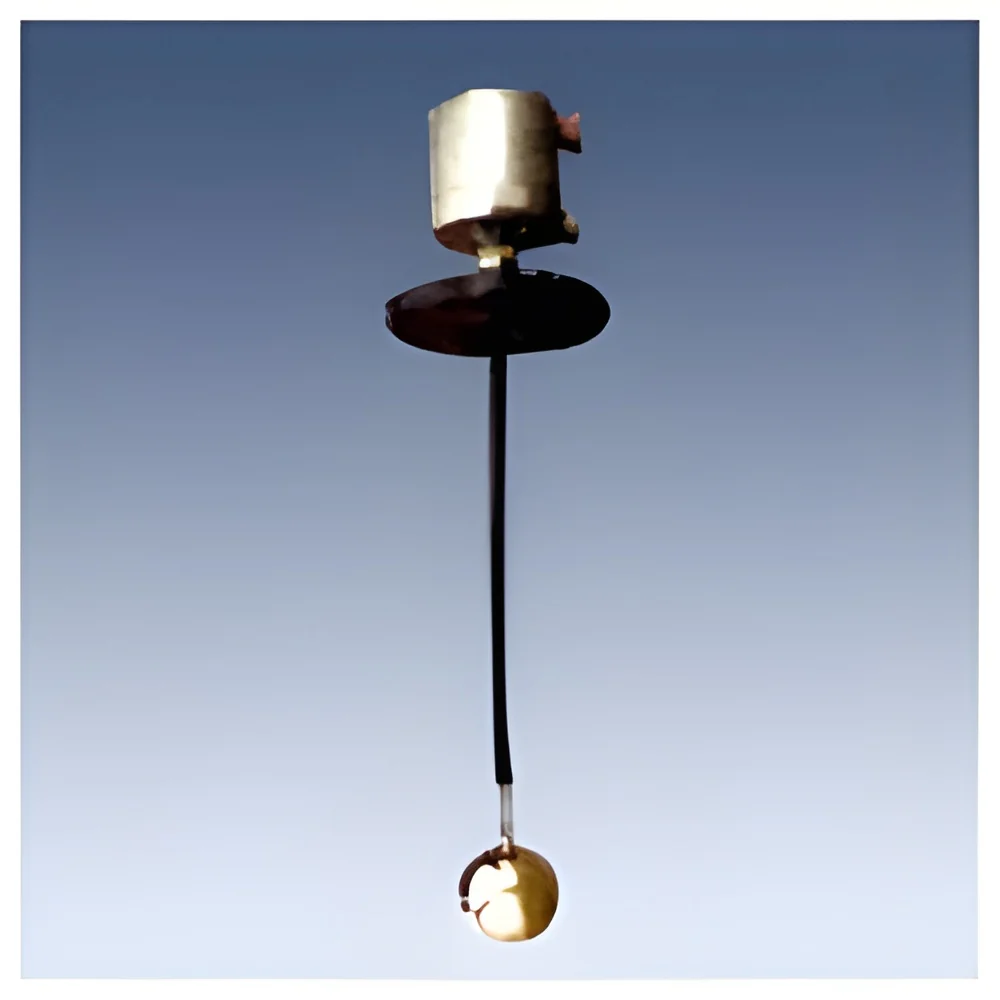
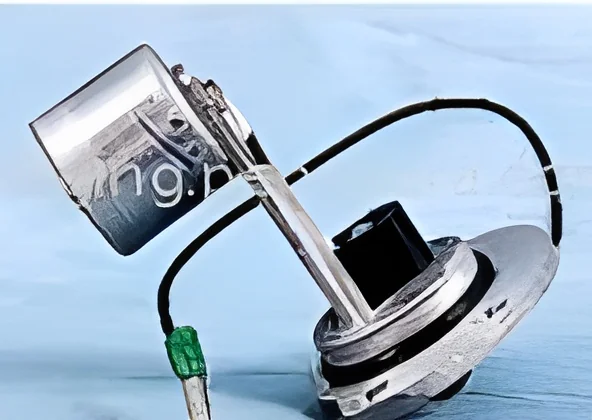
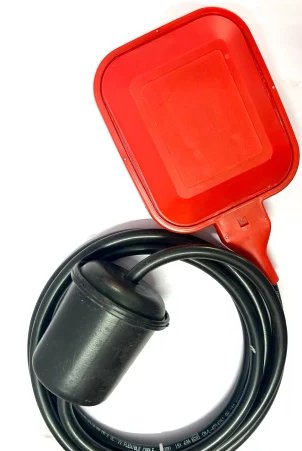
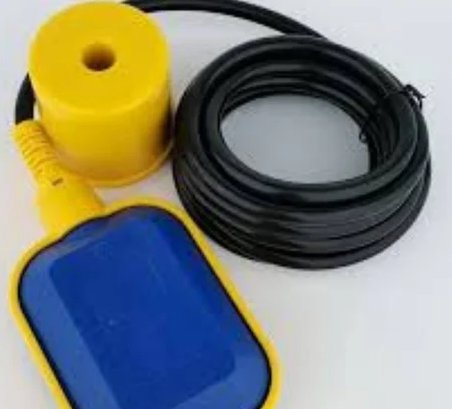
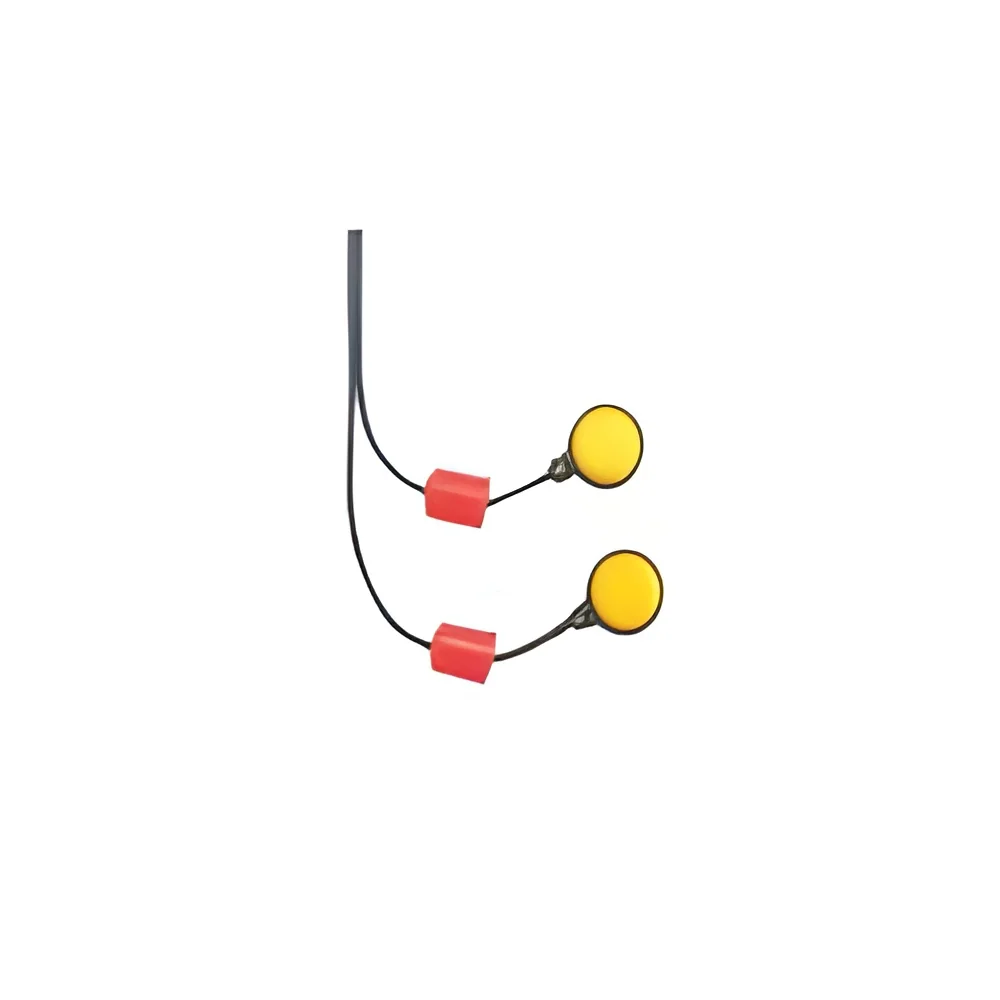
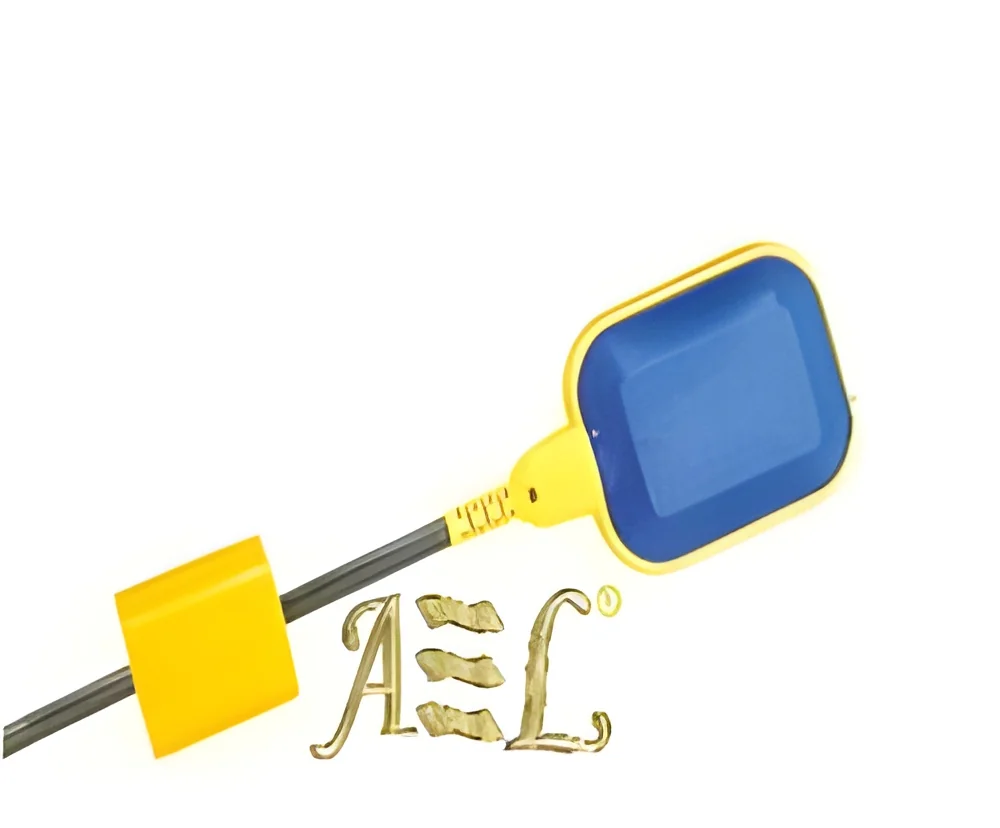
Float Level Sensors: These are simple devices that use a floating mechanism to detect liquid levels. They are often found in residential and industrial applications for monitoring water and other liquids.
Benefits and Advantages
Investing in level sensors offers numerous benefits for businesses seeking efficiency and safety in their operations.
Key benefits include:
1. Enhanced Accuracy: Level sensors provide precise measurements, reducing the risk of overflow or shortages in tanks and reservoirs.
2. Increased Safety: By preventing overflows and ensuring proper levels, these sensors help maintain safety standards in industrial environments.
3. Improved Efficiency: Automation of level monitoring streamlines operations, leading to better resource management and reduced downtime.
4. Versatility: Level sensors can be used in various applications across multiple industries, making them a flexible solution for different business needs.
5. Cost-Effectiveness: By preventing losses due to overflows or shortages, level sensors contribute to overall cost savings in operations.
6. Easy Integration: Many level sensors are designed to be compatible with existing systems, simplifying the installation process.
Buying Guide for B2B Buyers
When sourcing level sensors, it is vital for buyers to consider several key factors to ensure they make an informed decision.
1. Quality Assessment: Evaluate the quality of level sensors by reviewing specifications, materials used, and performance data. Consider products with certifications that validate their quality.
2. Supplier Verification: It is essential to vet suppliers to ensure they have a reliable track record. Research their reputation, customer reviews, and industry experience.
3. Pricing and MOQ: Understand the pricing structure and minimum order quantities (MOQ) before making a purchase. This helps in budget planning and avoiding unexpected costs.
4. Delivery and Lead Times: Consider the logistics involved in sourcing level sensors. Assess delivery timelines to ensure that the sensors arrive when needed for operational continuity.
5. Compliance Requirements: Be aware of industry regulations and standards that level sensors must meet. Ensure that the chosen sensors comply with relevant safety and operational guidelines.
Compliance and Certifications
Compliance with regulations and industry standards is crucial for level sensors. Key quality standards such as ISO 9001 ensure that products meet international quality management requirements. Additionally, certifications like CE indicate that the sensors conform to safety and environmental protection standards.
Safety and testing requirements are paramount, especially in industries where hazardous materials are involved. Level sensors must undergo rigorous testing to ensure they can operate safely in demanding environments.
Regional compliance considerations may also affect the availability and functionality of level sensors in different markets. Understanding local regulations can help businesses select appropriate sensors that comply with regional laws and standards.
Why Source Level Sensors from Pepagora?
Pepagora provides a trusted platform for sourcing level sensors, offering numerous advantages for businesses looking for reliable solutions.
Verified Supplier Network: Pepagora has established a robust network of verified suppliers. This ensures that buyers have access to quality products from reputable manufacturers, reducing the risk associated with sourcing.
Streamlined RFQ Process: The platform features an efficient Request for Quotation (RFQ) system. This allows buyers to easily compare offers from multiple suppliers, facilitating informed decision-making.
Trade Assurance and Support: Buyers benefit from trade assurance programs that provide protection and support throughout the purchasing process. This includes assistance with any issues that may arise post-purchase.
Regional Coverage: Pepagora has a strong presence in key markets such as India, the Gulf Cooperation Council (GCC), and Southeast Asia. This geographic reach allows businesses to source level sensors tailored to their specific regional needs.

 IN
IN