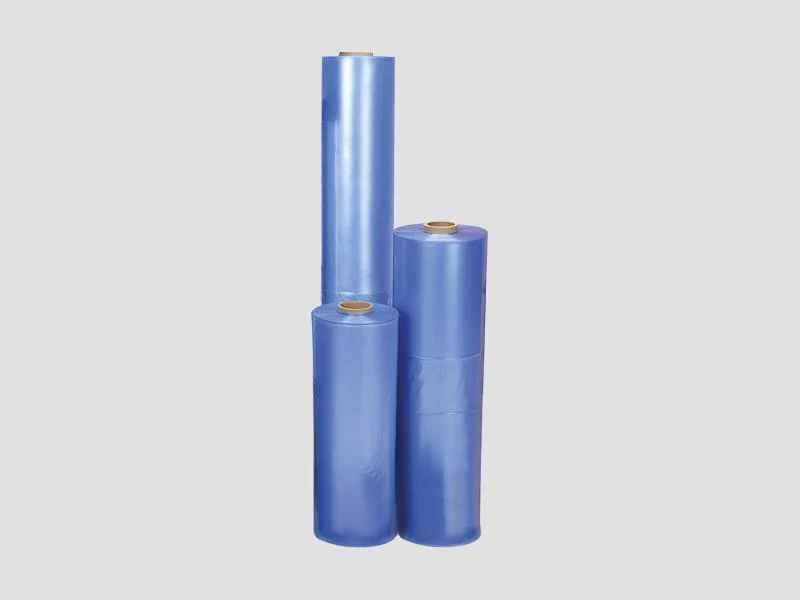
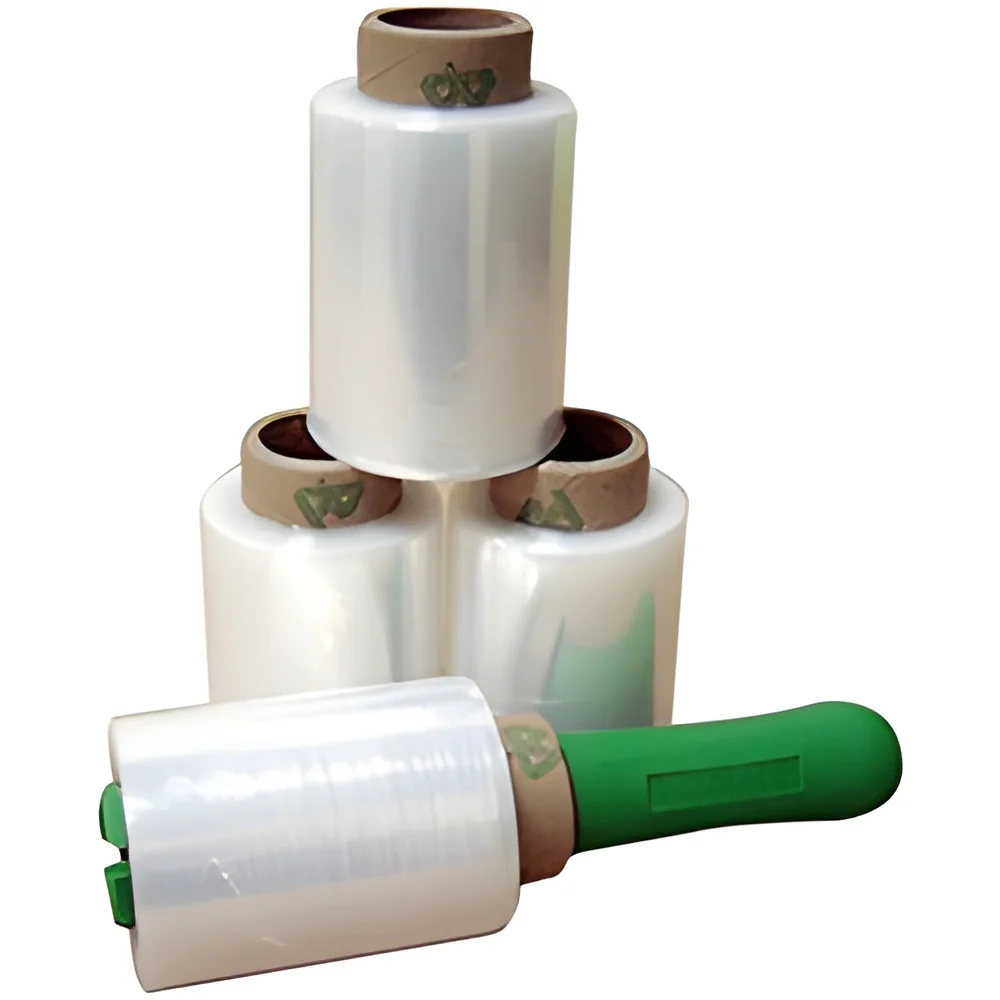
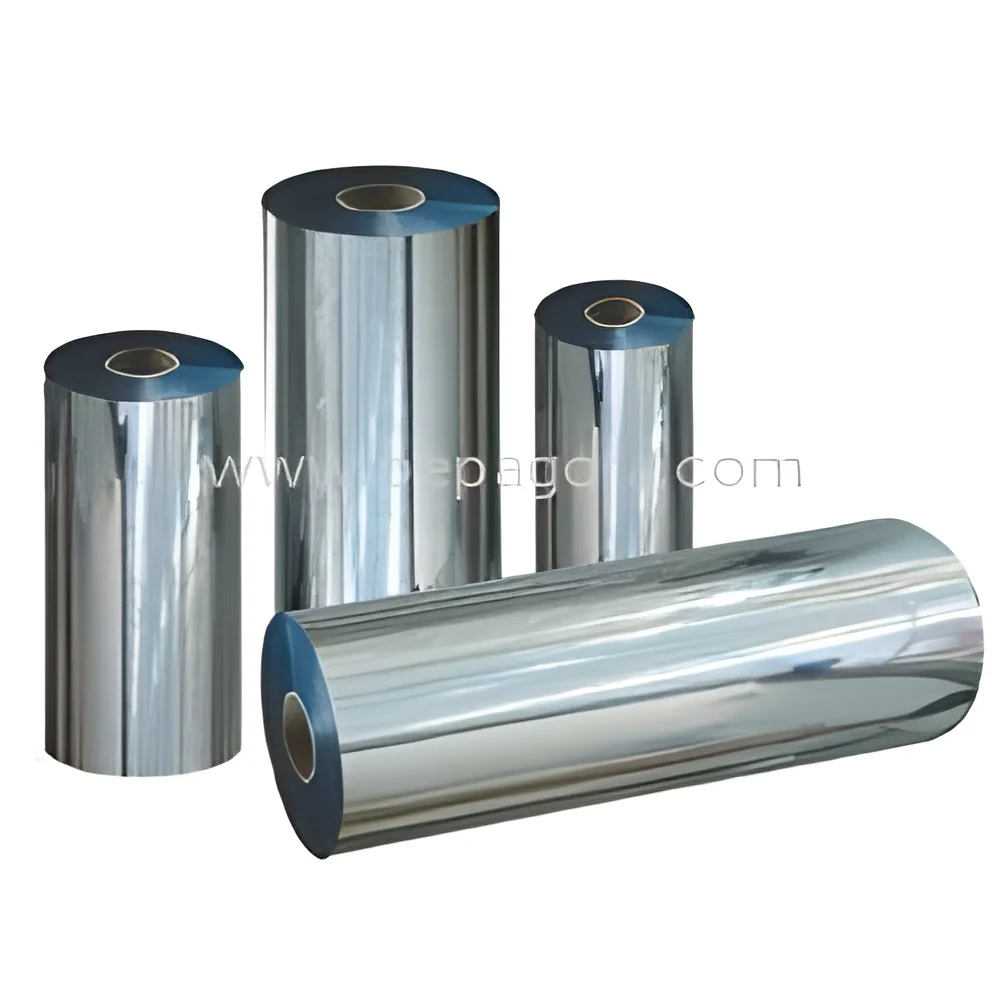
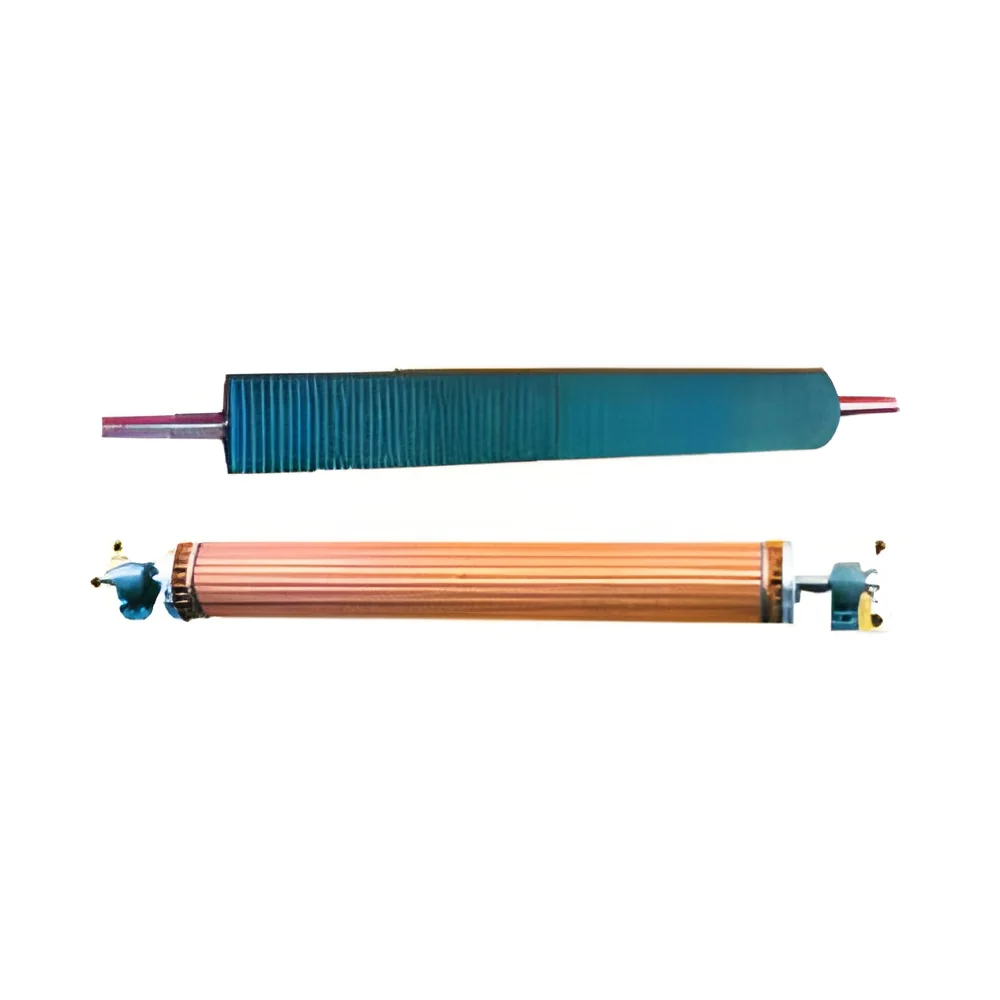
What are Shrink Films & Stretch Films?
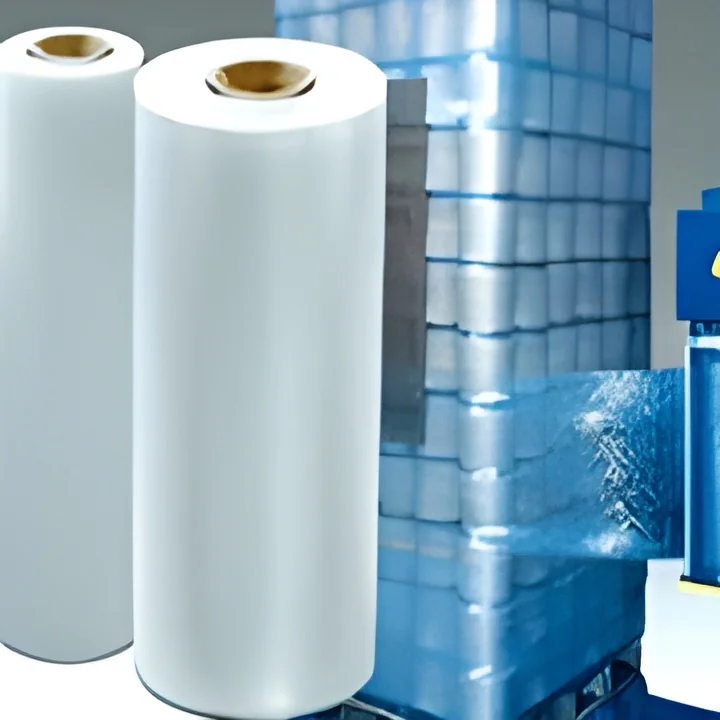
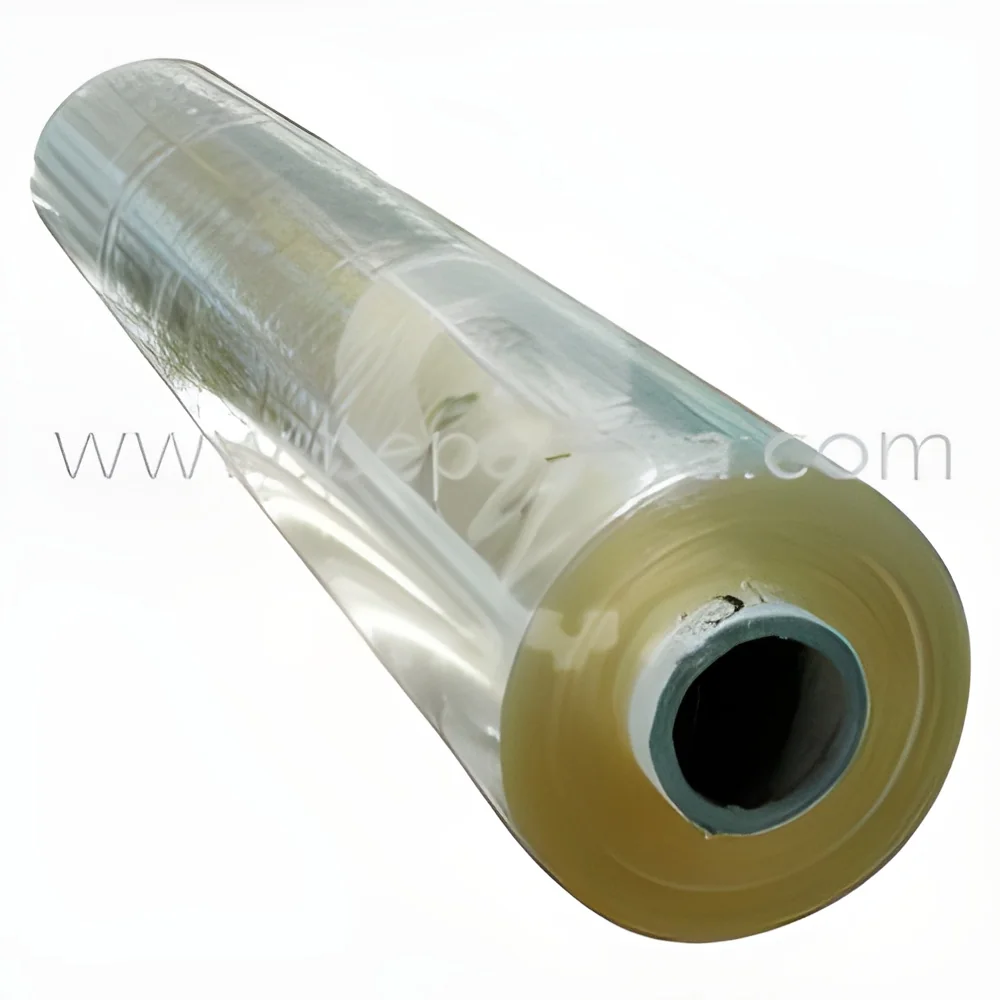
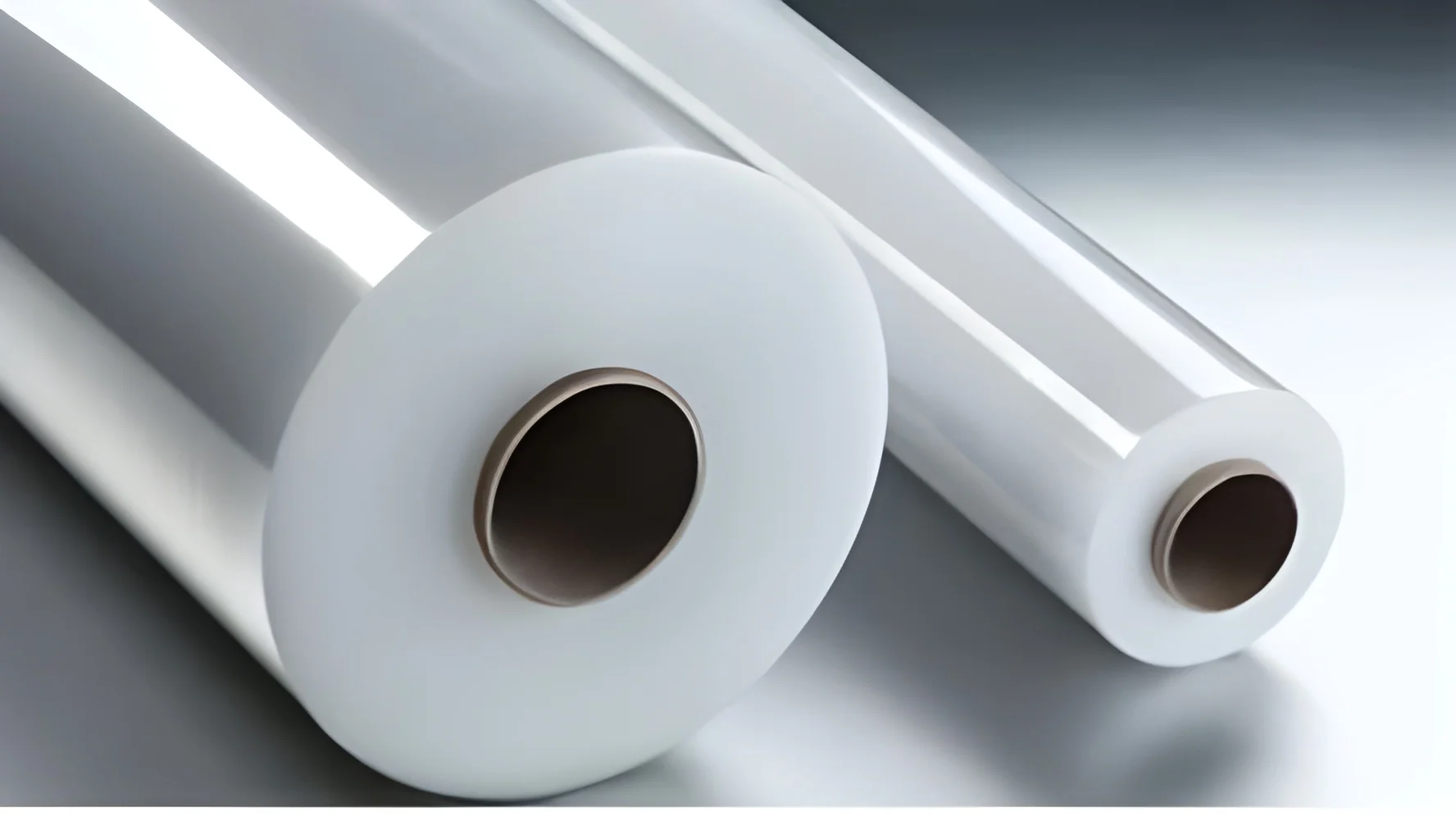
Shrink films and stretch films are specialized plastic materials widely used in packaging and transportation. Shrink films are designed to tightly wrap around products and conform to their shapes when heat is applied. This creates a secure, tamper-evident seal that protects items during storage and transit. Stretch films, on the other hand, are elastic films that are stretched around products to hold them together. They provide load stability and protection against dust, moisture, and damage.
These films are utilized across various industries, including food and beverage, pharmaceuticals, and consumer goods. In food packaging, shrink films ensure freshness and extend shelf life, while stretch films are essential for palletizing goods. The increasing demand for efficient packaging solutions and sustainable materials is driving the growth of the shrink and stretch film market. With advancements in technology, these films are becoming more versatile and environmentally friendly, catering to the evolving needs of businesses.
Key Features and Specifications
When selecting shrink films and stretch films, it is crucial to consider various features and specifications that meet industry requirements. These films come with distinct characteristics that differentiate them based on application and performance.
Key specifications include:
1. Thickness
- Varies from 15 to 300 microns
- Determines strength and durability
2. Shrinkage Ratio
- Typical range is 40% to 70%
- Affects the fit around products when heat is applied
3. Clarity
- High clarity options available
- Enhances product visibility and presentation
4. Puncture Resistance
- Varies based on film type
- Essential for protecting contents during handling and transport
5. UV Resistance
- Available in UV-stabilized options
- Protects products from sun damage during storage
6. Food Safety Compliance
- Must meet FDA and other safety regulations
- Ensures suitability for food packaging
7. Temperature Resistance
- Suitable for a range of temperatures
- Important for maintaining integrity in varying environments
8. Customization Options
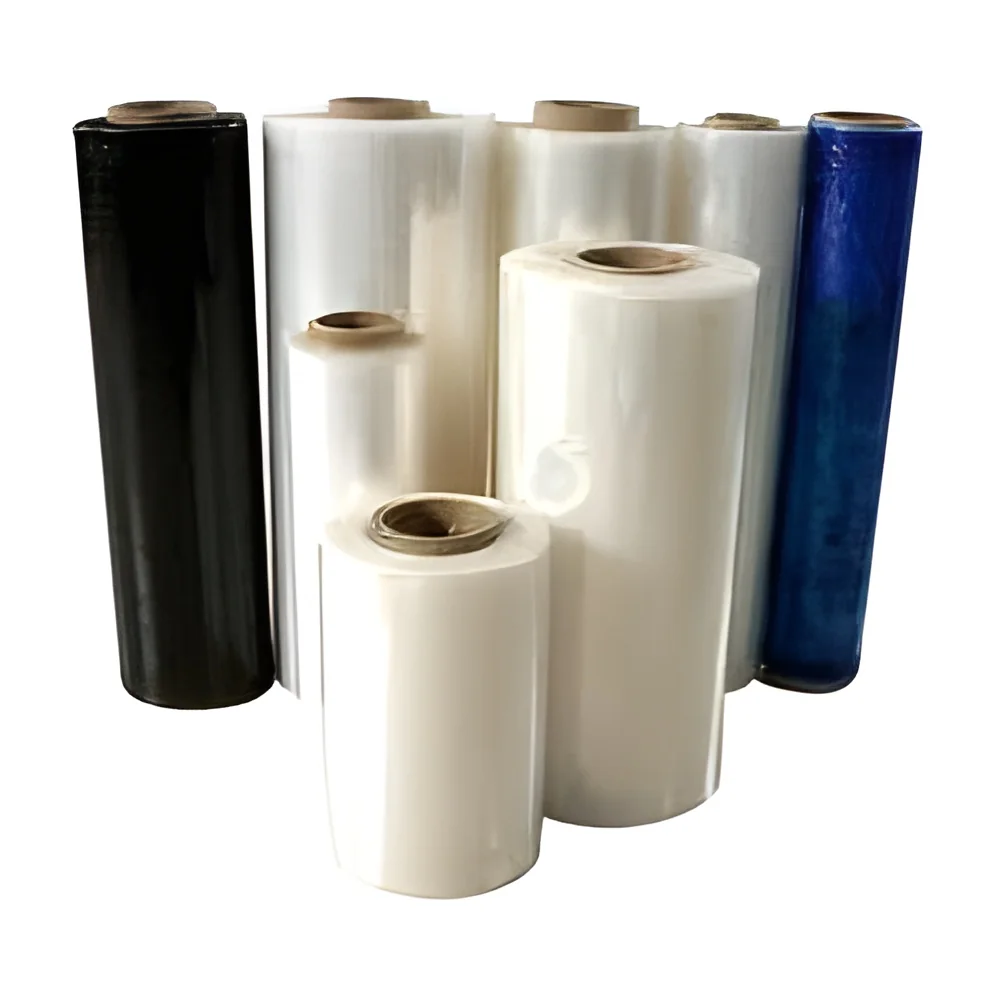
- Available in various colors and prints
- Allows branding and product differentiation
In summary, understanding these specifications helps businesses choose the right type of shrink or stretch film that aligns with their operational needs.
Common Applications and Use Cases
Shrink films and stretch films are employed in various industries, each with specific applications that enhance product protection and presentation.
1. Food and Beverage: Shrink films are used for packaging perishable items, ensuring freshness, while stretch films secure pallets of drinks or snacks for transport.
2. Pharmaceuticals: Shrink films provide tamper-proof packaging for medications, while stretch films protect bulk packaging during shipping.
3. Consumer Goods: Both films are used for bundling items, such as household products, to improve shelf appeal and prevent damage.
4. Industrial Products: Stretch films are essential for wrapping heavy machinery or tools on pallets, ensuring stability during transport.
5. E-commerce: Shrink films are increasingly used in online retail packaging to ensure that products arrive securely and undamaged.
6. Electronics: Shrink films protect sensitive electronic goods from dust and moisture during shipping and storage.
7. Cosmetics: Shrink films provide a professional appearance for beauty products while ensuring product integrity.
Product Variants and Subcategories
Shrink films and stretch films come in a variety of types designed to meet specific needs across different applications.
Polyolefin Shrink Film: This variant is known for its excellent clarity and toughness. It is commonly used in food and beverage packaging due to its resistance to moisture and ability to shrink effectively when heat is applied.
PVC Shrink Film: PVC films are cost-effective and provide good clarity and shrinkage capabilities. They are often used for packaging non-food items, such as toys and electronics.
Stretch Wrap: This variant is designed for bundling and securing products on pallets. It is highly elastic, allowing it to conform to various shapes while providing load stability.
Benefits and Advantages
Using shrink films and stretch films comes with numerous advantages that enhance packaging efficiency and product protection.
1. Improved Product Protection: These films safeguard items from dust, moisture, and physical damage, ensuring products reach customers in optimal condition.
2. Cost-Effective Packaging: Both types of films are economical solutions for packaging, reducing the need for additional packing materials.
3. Enhanced Shelf Appeal: Shrink films provide a professional and appealing look to products, improving visibility and attracting consumers.
4. Versatility: Shrink and stretch films can be used across a wide range of industries and applications, making them suitable for various business needs.
5. Increased Efficiency: These films streamline the packing process, allowing for faster handling and shipping of products.
6. Custom Branding Options: Both films can be printed with logos and designs, enabling brand promotion and differentiation in the market.
Buying Guide for B2B Buyers
When sourcing shrink films and stretch films, B2B buyers should consider several critical factors to ensure they meet their business needs effectively.
1. Quality Assessment: Buyers should evaluate the quality of the films based on durability, clarity, and compliance with safety standards. Testing samples before bulk purchase is advisable.
2. Supplier Verification: It is essential to vet suppliers by checking their reputation, certifications, and customer reviews to ensure reliability and product quality.
3. Pricing and MOQ: Understanding the cost structure and minimum order quantities helps buyers manage budgets and inventory effectively.
4. Delivery and Lead Times: Timely delivery is crucial for maintaining production schedules. Buyers should confirm lead times and shipping options with suppliers.
5. Compliance Requirements: Ensuring that the films meet industry-specific compliance standards is vital, particularly in regulated sectors like food and pharmaceuticals.
Compliance and Certifications
The use of shrink films and stretch films is subject to various quality standards and certifications to ensure safety and effectiveness.
Relevant quality standards include ISO 9001, which outlines the requirements for a quality management system, ensuring consistent quality in products and services. Additionally, HACCP (Hazard Analysis Critical Control Point) guidelines are crucial in the food industry to ensure food safety during packaging.
Industry certifications such as CE indicate that products meet European safety standards. This is particularly important for films used in the packaging of consumer goods and pharmaceuticals.
Safety and testing requirements are also critical. Films must undergo rigorous testing to ensure they can withstand various environmental conditions and do not contaminate packaged products.
Moreover, regional compliance considerations must be taken into account, as regulations may vary by country. Buyers should be aware of local laws governing packaging materials, especially in international trade.
Why Source Shrink Films & Stretch Films from Pepagora?
Pepagora offers a trusted platform for sourcing shrink films and stretch films, providing several key advantages for B2B buyers.
Verified Supplier Network: Pepagora connects businesses with a network of verified suppliers, ensuring that buyers have access to high-quality products from reputable sources.
Streamlined RFQ Process: The platform simplifies the request for quotation process, enabling buyers to obtain competitive pricing and multiple quotes quickly, facilitating informed decision-making.
Trade Assurance and Support: Pepagora provides trade assurance and support to buyers, ensuring protection during transactions and enhancing confidence in sourcing decisions.
Regional Coverage: With a strong presence in India, the GCC region, and Southeast Asia, Pepagora is well-positioned to cater to diverse market needs, making it an ideal partner for businesses looking to source packaging solutions efficiently.

 IN
IN

 India
India