
 IN
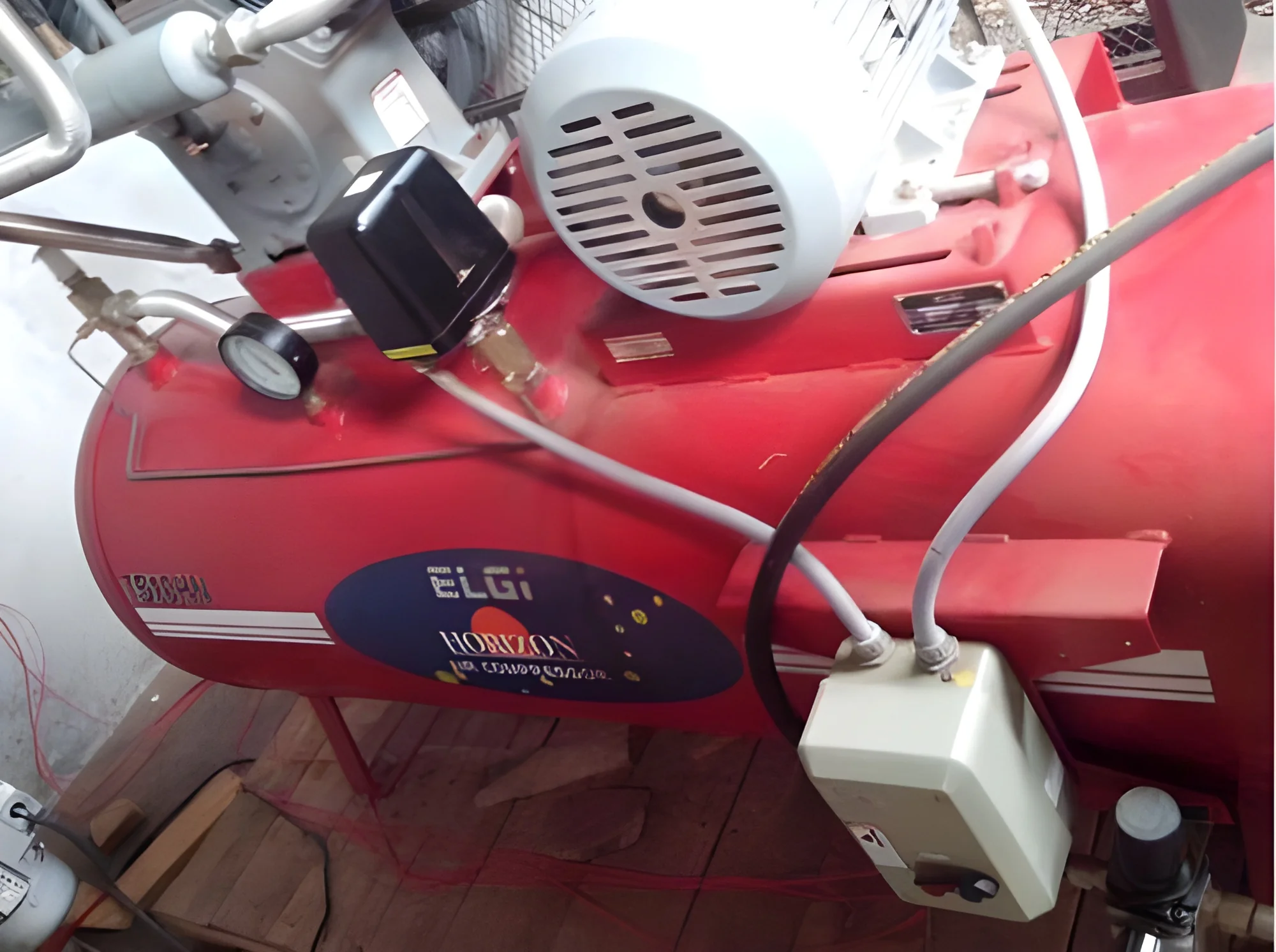
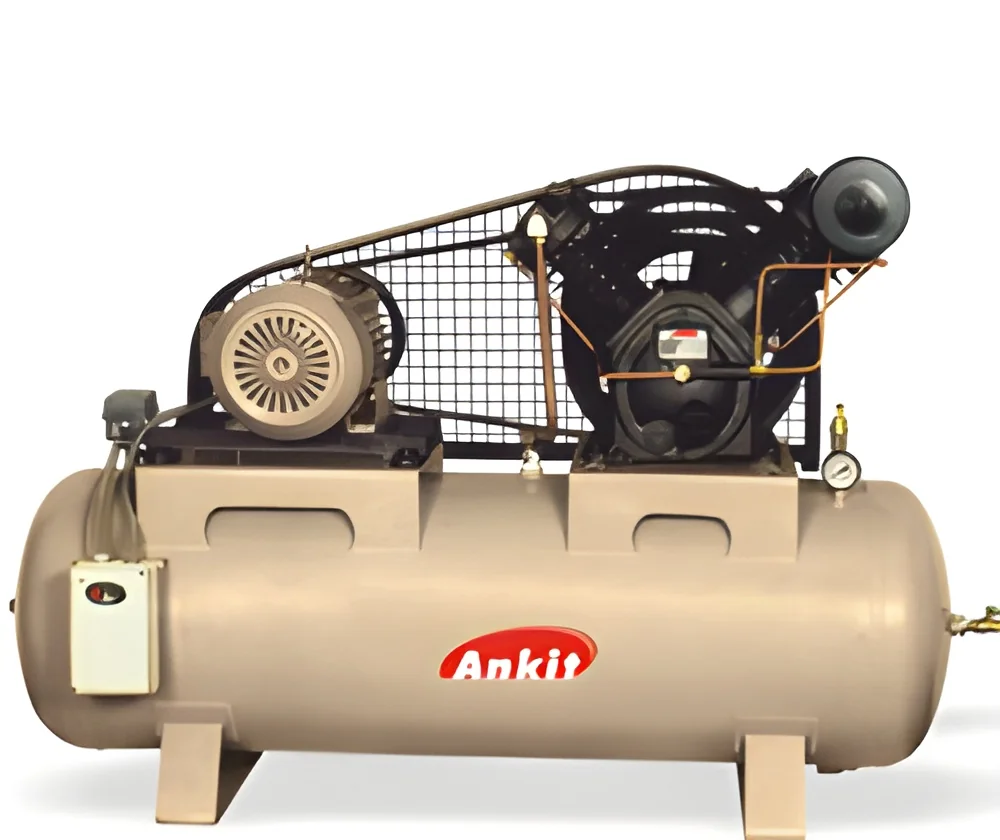
Reciprocating Air Compressors
83 products available
What are Reciprocating Air Compressors?
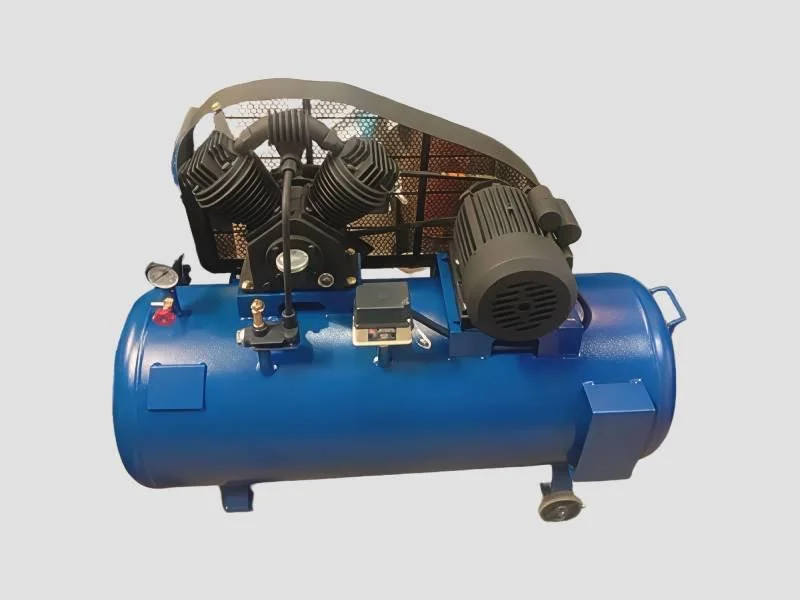
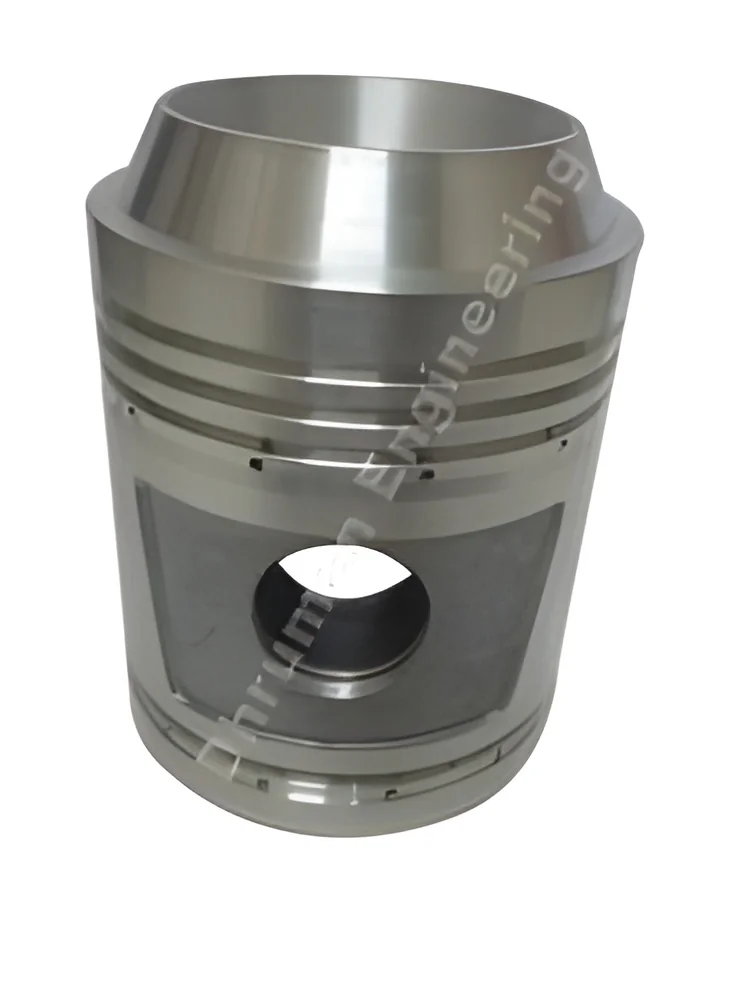
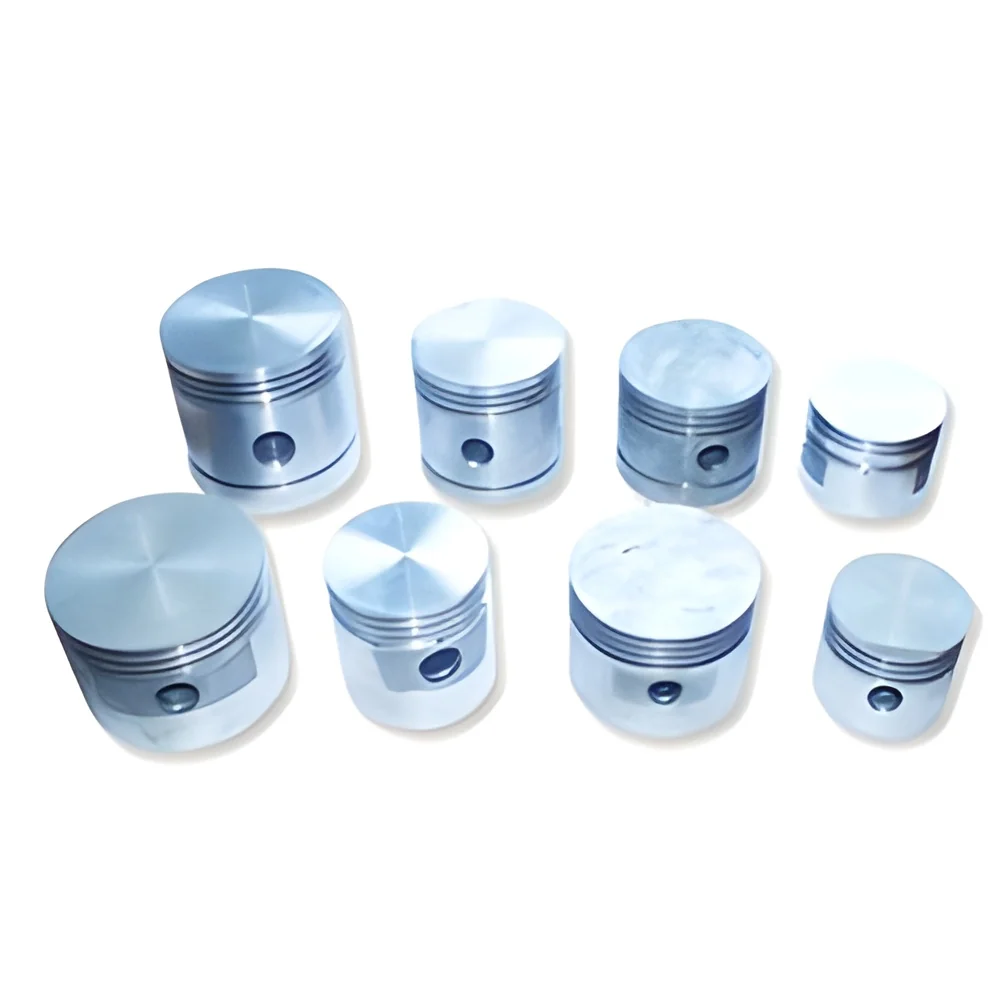
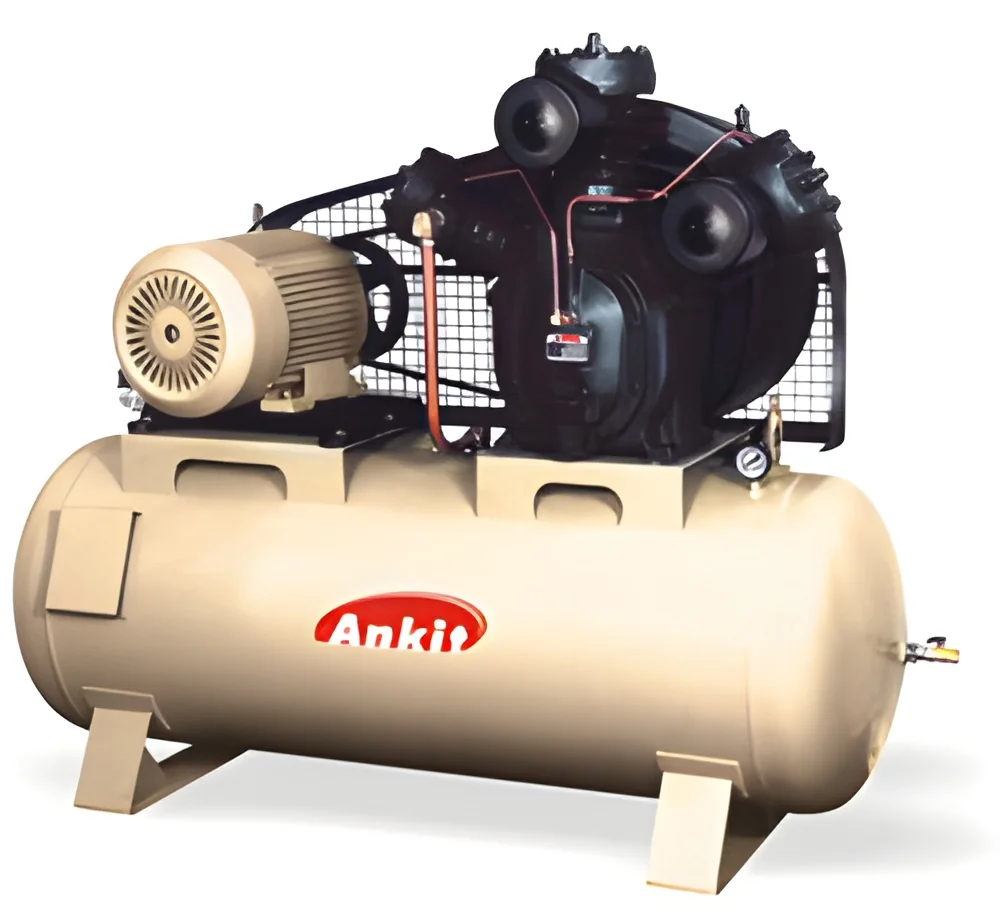
Reciprocating air compressors are mechanical devices that convert power into potential energy stored in compressed air. They operate using a piston driven by a crankshaft, which compresses air in a cylinder. As the piston moves downward, it creates a vacuum that draws in air. When the piston moves upward, it compresses the air and sends it into a storage tank. This type of compressor is known for its efficiency in generating high-pressure air for various applications.
These compressors are widely used across multiple industries due to their versatility and reliability. Common applications include powering pneumatic tools, operating machinery, and providing air for various processes in manufacturing, automotive, and construction sectors. They are particularly valuable in settings that require a consistent flow of high-pressure air. The market for reciprocating air compressors is growing as businesses seek efficient solutions for their compressed air needs.
Key Features and Specifications
Reciprocating air compressors come with various features that cater to different industrial requirements. Understanding these specifications is crucial for selecting the right compressor for your needs.
Key specifications include:
1. Power Source
- Can be electric or gasoline powered
- Typically ranges from 1 to 30 horsepower
2. Tank Size
- Available in various sizes, commonly between 1 to 500 gallons
- Larger tanks provide longer run times without frequent cycling
3. Pressure Rating
- Standard operating pressures range from 30 to 175 PSI
- Higher pressure ratings are available for specialized applications
4. Air Delivery Rate
- Measured in cubic feet per minute (CFM)
- Typical ranges from 3 to 30 CFM depending on the model
5. Noise Level
- Generally operates between 60 to 90 decibels
- Quieter models available for noise-sensitive environments
6. Weight
- Can vary significantly, from portable models weighing under 50 pounds to industrial units over 500 pounds
7. Dimensions
- Compact designs are available for limited spaces
- Standard sizes accommodate various installation needs
8. Portability
- Some models are designed for easy movement with wheels
- Others are stationary for fixed installation
Understanding these specifications will help businesses make informed decisions related to their compressed air needs.
Common Applications and Use Cases
Reciprocating air compressors find applications across a variety of industries due to their reliability and efficiency.
1. Manufacturing: These compressors are essential for operating pneumatic tools and machinery in assembly lines. They ensure a steady supply of compressed air for processes like painting, sanding, and powering conveyor systems.
2. Automotive: In automotive repair shops, reciprocating air compressors are used for powering impact wrenches, spray guns, and tire inflation. They facilitate efficient and effective vehicle maintenance.
3. Construction: Construction sites utilize these compressors for pneumatic tools such as nail guns, drills, and hammers. Their portability makes them ideal for use in various outdoor settings.
4. Food and Beverage: In food processing, compressors are used for packaging, bottling, and conveying products. They meet the stringent hygiene standards required in the industry.
5. HVAC: Reciprocating compressors play a crucial role in heating, ventilation, and air conditioning systems, providing the necessary pressure for refrigerants.
6. Agriculture: Farmers use these compressors for powering irrigation systems and pneumatic equipment, enhancing productivity in agricultural operations.
7. Woodworking: In woodworking shops, these compressors supply air to tools such as sanders and routers, allowing for precise and efficient work.
Product Variants and Subcategories
Reciprocating air compressors come in various configurations to meet specific needs within different industries.
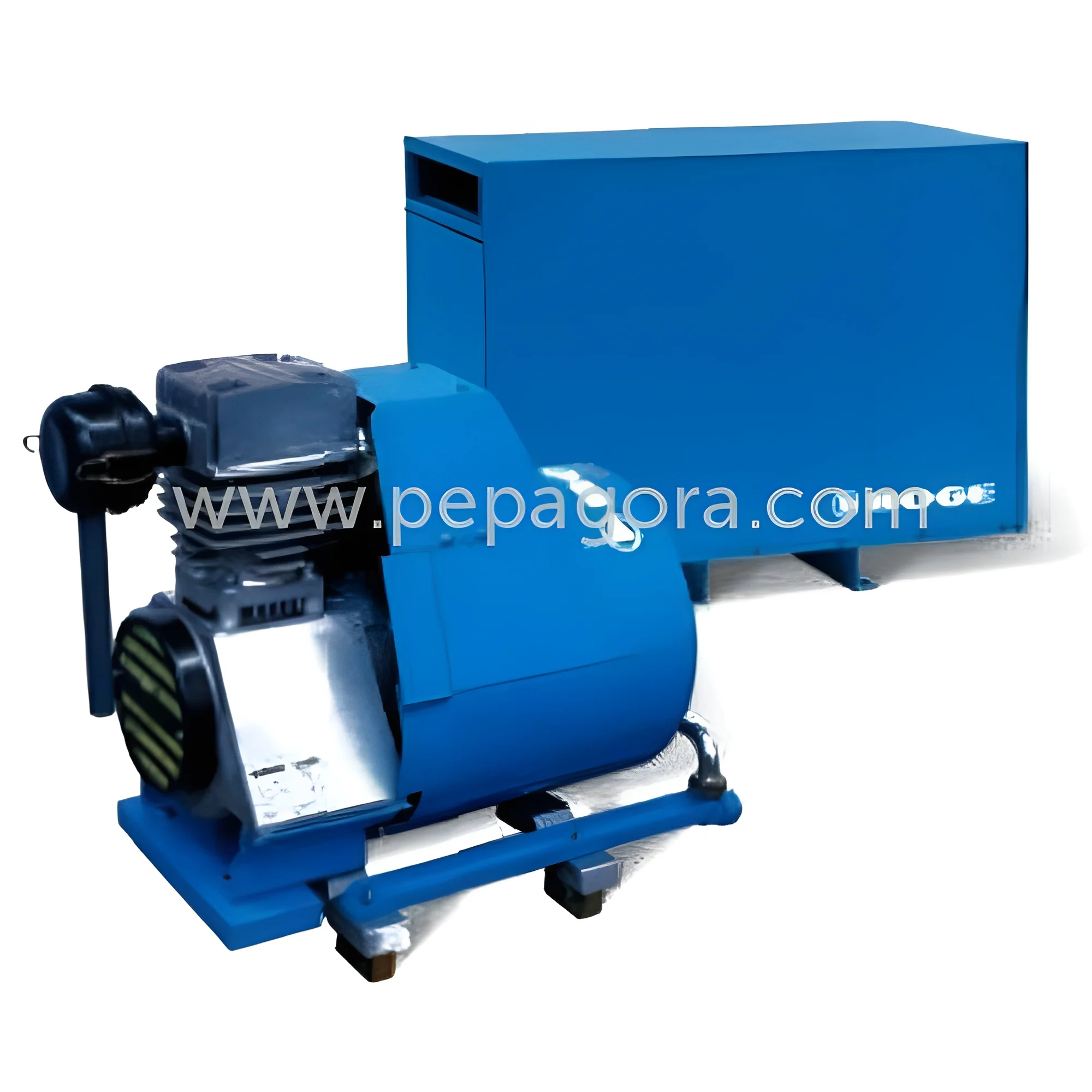
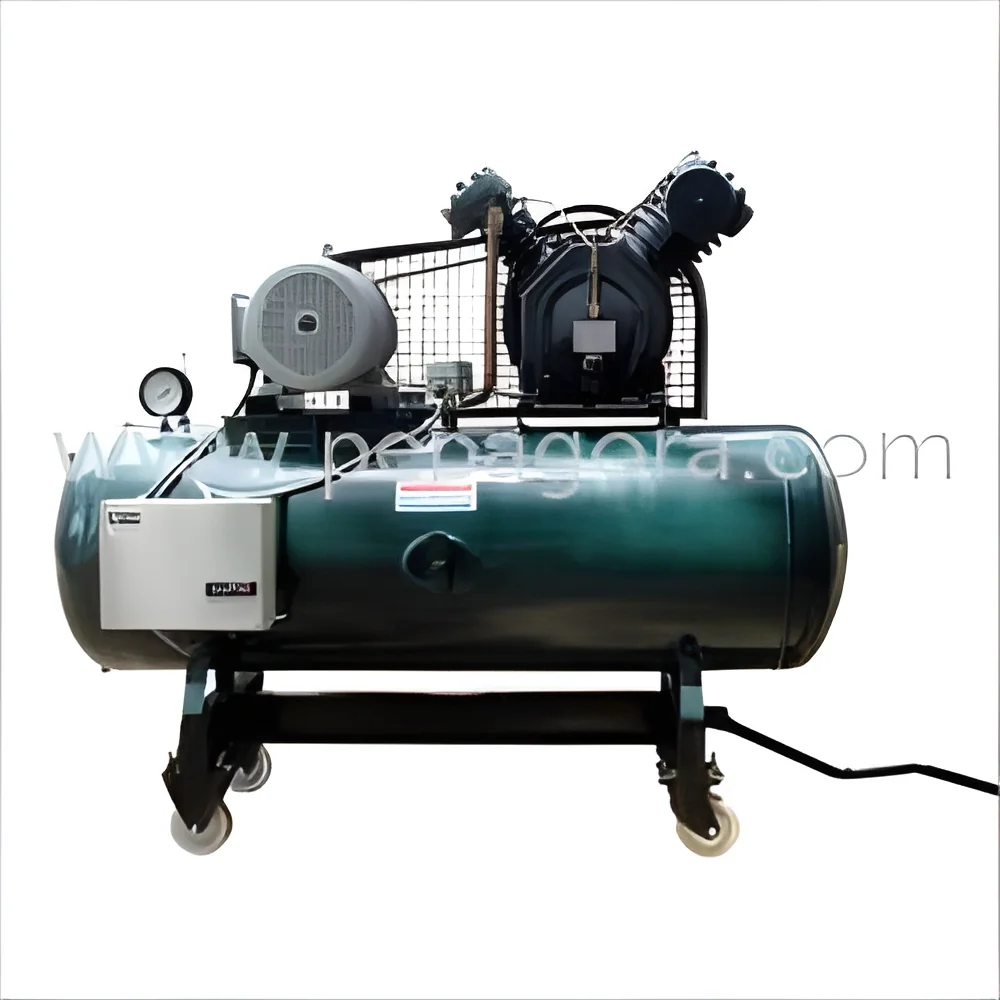
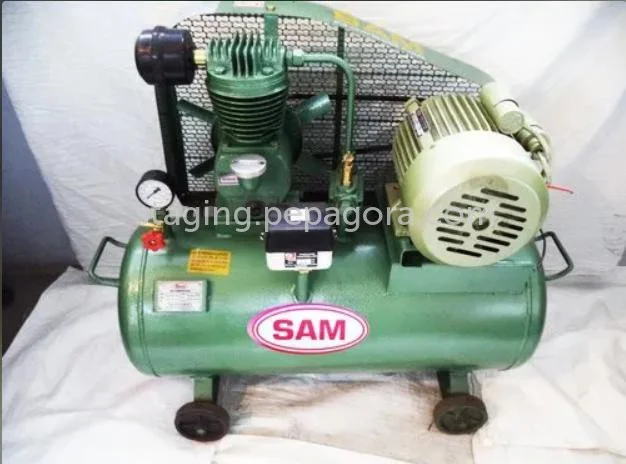
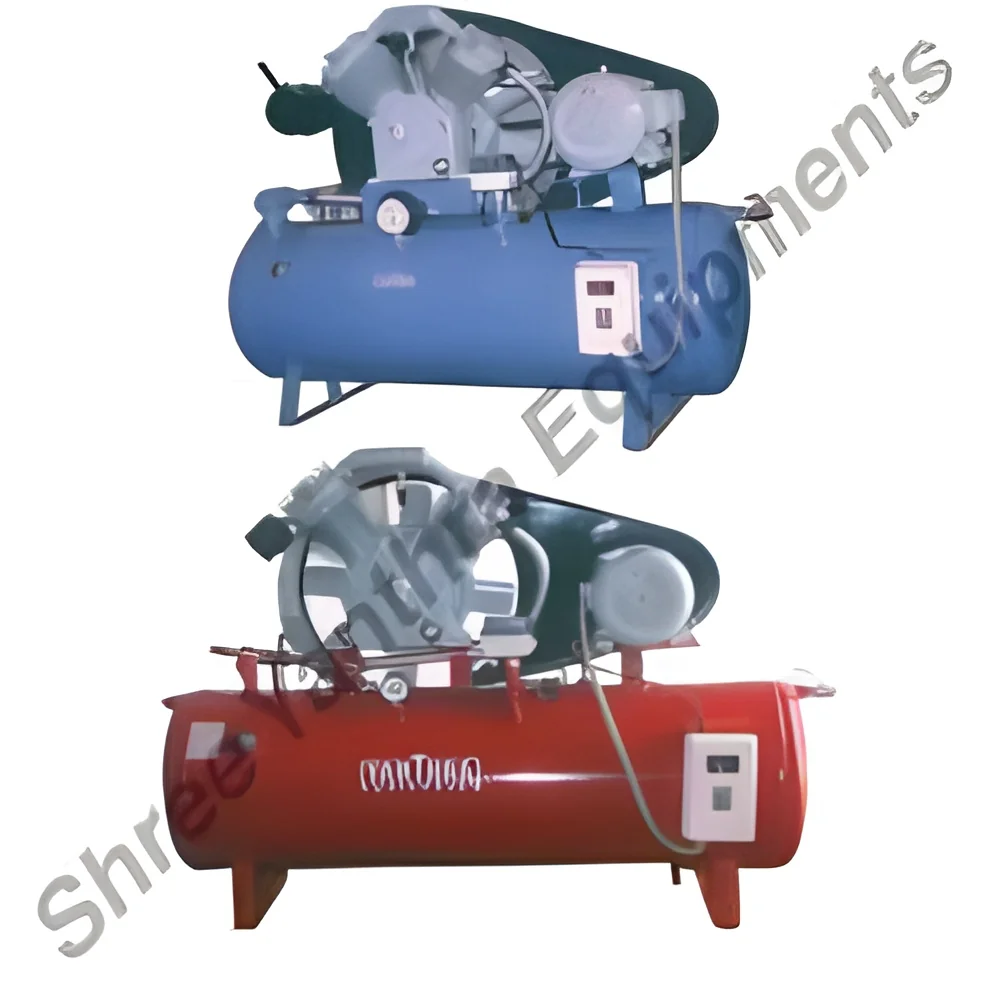
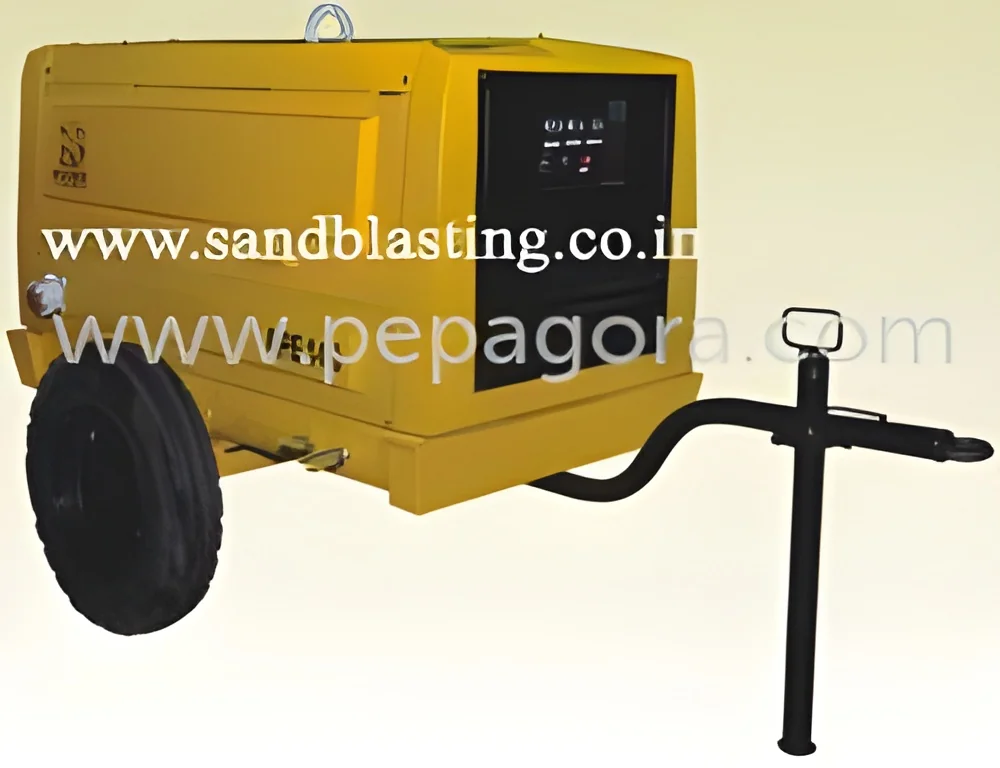
Portable Compressors: These compact units are designed for mobility and are often used in small workshops or job sites. They typically have lower power ratings and are easy to transport.
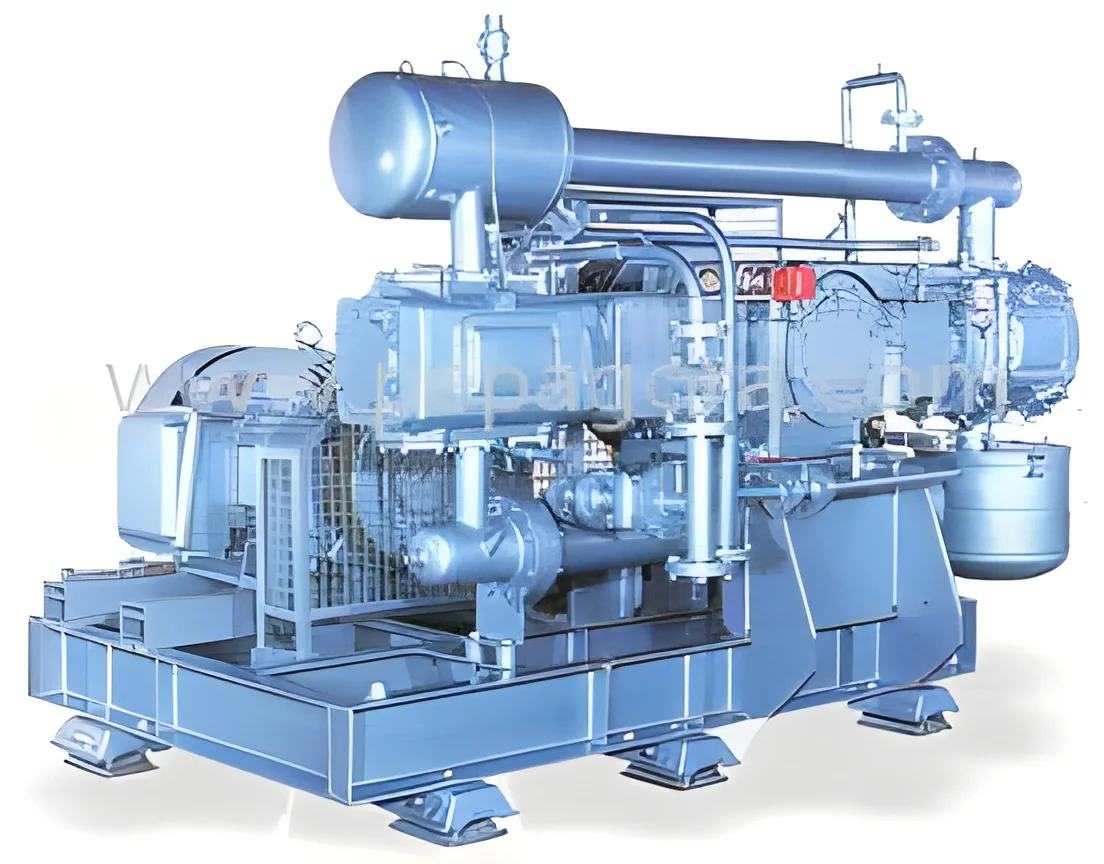
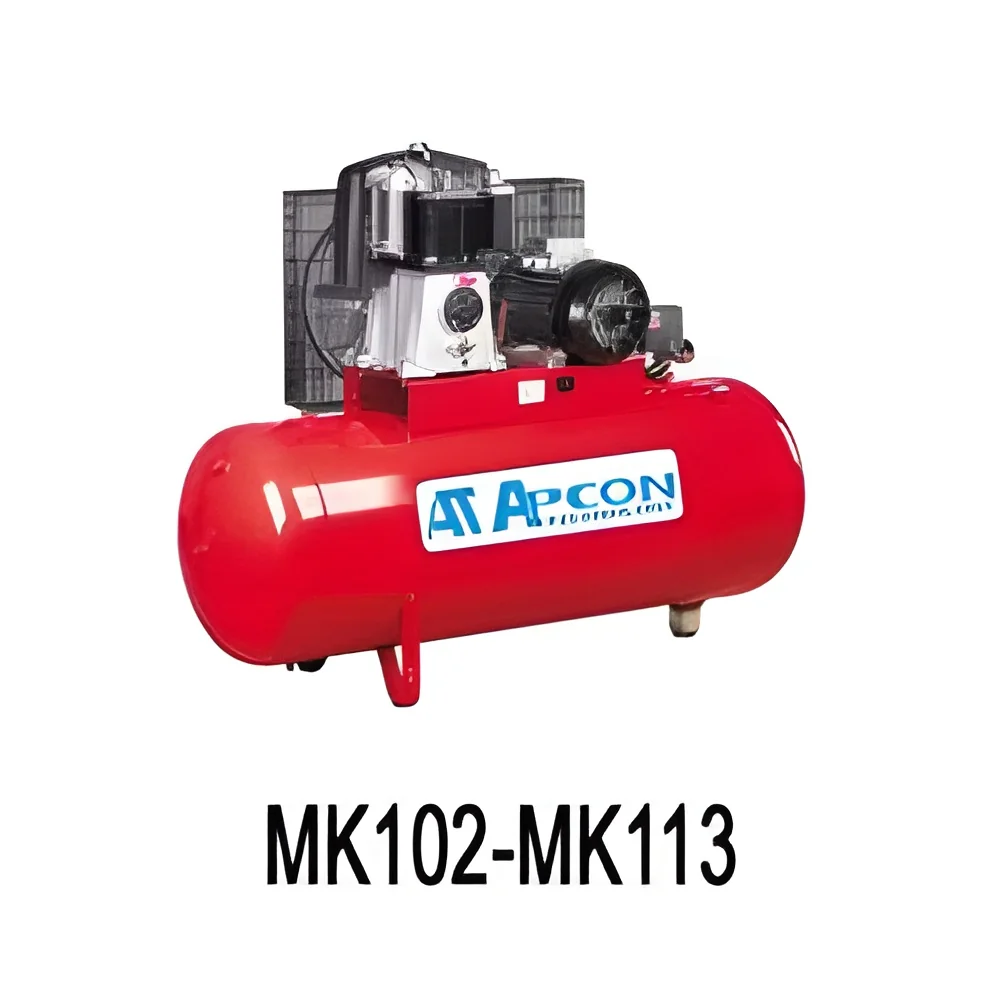
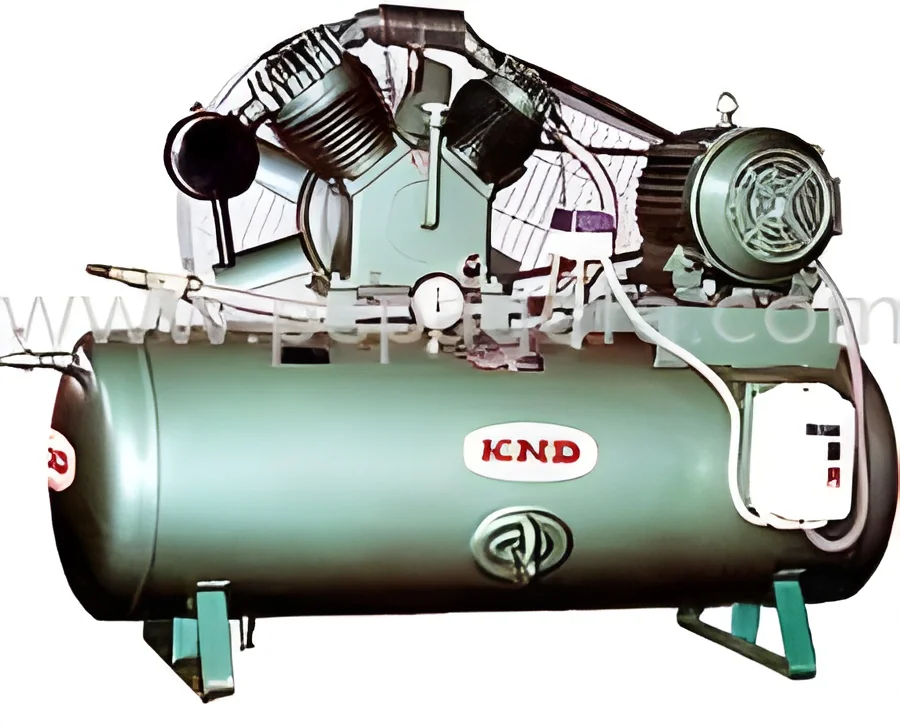
Stationary Compressors: Built for permanent installation, these compressors are larger and more powerful. They cater to high-demand industrial applications and provide consistent air supply.
Single-Stage Compressors: These compressors compress air in one stroke of the piston. They are suitable for applications requiring lower pressures and are generally more affordable.
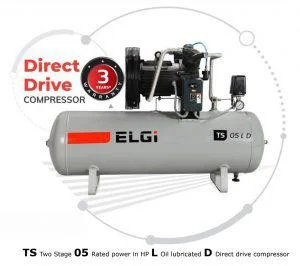
Two-Stage Compressors: Designed for higher pressure applications, these compressors compress air in two strokes. They are ideal for heavy-duty tasks in industrial settings.
Benefits and Advantages
Reciprocating air compressors offer several benefits that make them a popular choice for businesses.
1. Cost-Effective: These compressors typically have lower initial costs compared to other types, making them accessible for small and medium-sized enterprises.
2. High Efficiency: They provide a reliable source of compressed air, making them suitable for continuous use in various industrial applications.
3. Versatility: With a range of power and pressure options, reciprocating compressors can be used across multiple industries for diverse applications.
4. Ease of Maintenance: Their design allows for straightforward maintenance, ensuring longevity and consistent performance with minimal downtime.
5. Robust Construction: Built to withstand demanding conditions, these compressors are durable and can handle rigorous usage in industrial settings.
6. Energy Efficiency: Many models are designed to optimize energy consumption, reducing operational costs over time.
Buying Guide for B2B Buyers
When sourcing reciprocating air compressors, it is essential to consider various factors to ensure you select the right model for your business.
1. Quality Assessment: Evaluate the build quality and reliability of the compressor. Look for units that meet industry standards and have positive reviews from other users.
2. Supplier Verification: Vet suppliers to ensure they have a strong reputation and provide quality products. Check for certifications and customer feedback to assess their reliability.
3. Pricing and MOQ: Understand the pricing structures and minimum order quantities. Compare costs among different suppliers to find the best value for your investment.
4. Delivery and Lead Times: Consider the logistics involved in acquiring the compressor. Ensure the supplier can meet your delivery expectations and has a transparent lead time.
5. Compliance Requirements: Ensure that the compressors meet necessary regulatory standards, including safety and environmental compliance. Verify certifications such as CE to ensure quality assurance.
Compliance and Certifications
Reciprocating air compressors must adhere to certain quality and safety standards to ensure their effectiveness and reliability in various applications. ISO 9001 is a widely recognized standard that outlines quality management principles applicable to manufacturers and suppliers. Compliance with such standards ensures that the product meets customer expectations consistently.
In addition to quality management, industry certifications like CE signify that the product meets European safety and environmental protection requirements. This certification is essential for companies looking to operate in regulated markets.
Safety and testing requirements are crucial in ensuring that the compressors operate efficiently without posing risks to users. Regular inspections and adherence to safety protocols help maintain operational integrity.
Regional compliance considerations may vary, so it is vital for businesses to understand local regulations and standards that apply to reciprocating air compressors in their specific markets.
Why Source Reciprocating Air Compressors from Pepagora?
Pepagora provides a trusted platform for sourcing reciprocating air compressors, offering several key advantages to B2B buyers.
Verified Supplier Network: Pepagora connects businesses with a network of verified suppliers, ensuring that buyers can trust the quality of the products they purchase. The platform conducts thorough checks on suppliers to maintain a high standard of reliability.
Streamlined RFQ Process: The request for quotation (RFQ) process on Pepagora is designed to be efficient, allowing buyers to quickly compare quotes from multiple suppliers. This ensures that businesses can find the best pricing and options that meet their specific requirements.
Trade Assurance and Support: Buyers can benefit from trade assurance features that protect their investments. Pepagora offers support throughout the buying process, providing assistance with any concerns that may arise.
Regional Coverage: With a strong presence in markets such as India, the Gulf Cooperation Council (GCC), and Southeast Asia, Pepagora ensures that businesses can source reciprocating air compressors tailored to their regional needs, enhancing accessibility and convenience.





Frequently Asked Questions
What are Reciprocating Air Compressors?
Reciprocating Air Compressors are mechanical devices that convert power into potential energy stored in pressurized air. They work by using a piston to compress air in a cylinder, which results in a high-pressure output suitable for various applications.
What are the different types of Reciprocating Air Compressors?
The main types of Reciprocating Air Compressors include single-stage and multi-stage compressors. Single-stage compressors are suitable for low-pressure applications, while multi-stage compressors are designed for high-pressure requirements, making them ideal for industrial usage.
How do I choose the right Reciprocating Air Compressors?
To choose the right Reciprocating Air Compressor, consider factors such as the required pressure and airflow rate, the intended application, and the available power supply. Additionally, reviewing the compressor's efficiency and maintenance requirements can help ensure you select a suitable model.
What are the standard specifications for Reciprocating Air Compressors?
Standard specifications for Reciprocating Air Compressors typically include parameters like horsepower, maximum pressure rating, displacement, and tank capacity. It’s also important to consider noise levels and energy efficiency ratings when evaluating specifications.
What is the price range for Reciprocating Air Compressors?
The price range for Reciprocating Air Compressors can vary significantly based on size, capacity, and brand. Generally, prices may start from around INR 20,000 for smaller models and can go up to several lakhs for larger, industrial-grade units.
What quality standards apply to Reciprocating Air Compressors?
Reciprocating Air Compressors are subject to various quality standards, including ISO 9001 for quality management systems and ISO 8573 for air quality. Compliance with these standards ensures that manufacturers maintain consistency in performance and reliability.
Where can I find Reciprocating Air Compressors suppliers in India?
You can find Reciprocating Air Compressors suppliers in India through various online B2B marketplaces like Pepagora.com. Additionally, industry trade shows and local distributors can also provide access to reputable suppliers.
Can Reciprocating Air Compressors be customized?
Yes, many manufacturers offer customization options for Reciprocating Air Compressors based on specific requirements. This may include modifications in size, pressure ratings, or additional features to suit particular applications.
What is the typical minimum order quantity for Reciprocating Air Compressors?
The typical minimum order quantity (MOQ) for Reciprocating Air Compressors can vary by supplier but is often around 1 to 5 units for standard models. For customized units, the MOQ may be higher depending on the specifications.
What is the typical lead time for Reciprocating Air Compressors?
The typical lead time for Reciprocating Air Compressors can range from a few days to several weeks, depending on the supplier and whether the unit is standard or customized. It's advisable to confirm the lead time with the supplier before placing an order.
Why Businesses Trust Pepagora
Thousands of companies trust Pepagora to source smarter and sell faster
Expand Your Sales Globally

Source Smarter,Grow Faster
