
 IN
Precast Concrete Panels & Walls
2 products available
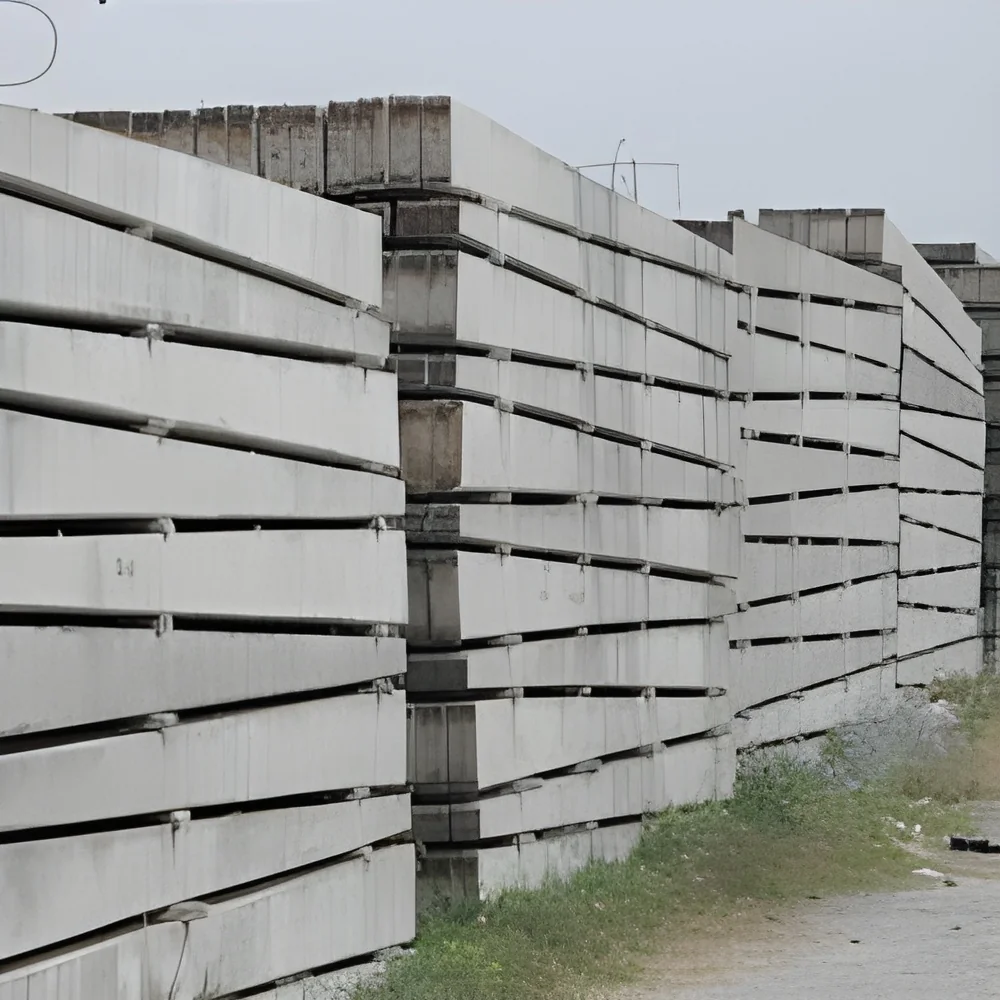
What are Precast Concrete Panels & Walls?
Precast concrete panels and walls are factory-manufactured structural components made from concrete. These panels are produced in controlled environments, allowing for high quality and consistency. Once fabricated, they are transported to construction sites for installation. This method offers significant advantages over traditional on-site pouring, including reduced labor costs and faster project completion times.
These panels are commonly used in various construction projects, including commercial buildings, industrial facilities, and residential housing. Their applications range from exterior cladding to structural walls and even sound barriers. The demand for precast concrete is increasing as it meets the needs for durable, energy-efficient, and cost-effective building solutions. As urbanization rises, the relevance of precast concrete panels in the construction industry continues to grow, making them a crucial component in modern building practices.
Key Features and Specifications
Precast concrete panels and walls come with a range of features that make them suitable for various applications. Their manufacturing process allows for customization in size, shape, and finish, catering to diverse architectural needs.
Key specifications include:
1. Thickness
- Generally ranges from 4 to 12 inches
- Offers options based on structural requirements
2. Height
- Can vary from 8 to 20 feet
- Custom heights available upon request
3. Width
- Standard widths typically range from 2 to 4 feet
- Custom widths can be manufactured
4. Load-Bearing Capacity
- Designed to support significant loads
- Load capacities are based on engineering assessments
5. Surface Finish
- Available in various finishes including smooth, textured, or painted
- Customizable surface options for aesthetic appeal
6. Fire Resistance
- Naturally fire-resistant due to concrete composition
- Complies with fire safety regulations
7. Sound Insulation
- Offers excellent sound dampening properties
- Ideal for urban settings or noise-sensitive applications
8. Thermal Performance
- Provides energy efficiency through insulation properties
- Can contribute to lower heating and cooling costs
These features make precast concrete panels a versatile choice for many construction projects.
Common Applications and Use Cases
Precast concrete panels and walls serve a wide array of industries, making them a popular choice for construction professionals.
1. Commercial Construction: These panels are used for office buildings, retail stores, and shopping centers, providing quick installation and a variety of aesthetic finishes.
2. Industrial Facilities: Precast walls are ideal for factories and warehouses, offering durability and the ability to withstand heavy loads.
3. Residential Housing: Many developers use precast panels for single-family homes and multi-unit structures, enhancing energy efficiency and reducing build time.
4. Educational Institutions: Schools and universities utilize precast panels for classrooms and auditoriums, benefiting from their sound insulation properties.
5. Healthcare Facilities: Hospitals and clinics prefer precast concrete for its durability and cleanliness, as it can be easily sanitized.
6. Infrastructure Projects: Precast panels are often employed in bridges and tunnels, providing structural integrity and longevity.
7. Agricultural Buildings: These panels are suitable for barns and storage buildings, offering protection against harsh weather conditions.
Product Variants and Subcategories
Precast concrete panels and walls come in various forms to meet specific project needs.
Standard Panels
These panels are widely used for structural and architectural applications. They are designed for ease of installation and can be customized in size and finish.
Insulated Panels
These panels feature built-in insulation, providing thermal efficiency for buildings. They are particularly beneficial in climates that require energy-efficient solutions.
Architectural Panels
These panels are designed with aesthetic appeal in mind. They can feature unique shapes, textures, and colors, making them suitable for high-end commercial projects.
Benefits and Advantages
Precast concrete panels offer numerous benefits that make them an attractive choice for construction projects.
1. Speed of Construction: Precast panels can be manufactured simultaneously while site preparations occur, significantly reducing overall project timelines.
2. Cost-Effectiveness: The efficiency of precast production and installation leads to lower labor costs and minimizes waste, making it a budget-friendly option.
3. High Quality and Consistency: Factory-controlled conditions ensure that each panel adheres to rigorous quality standards, resulting in uniformity across the project.
4. Durability: Precast concrete is resistant to weathering, pests, and fire, leading to a longer lifespan for buildings.
5. Design Flexibility: The ability to customize size, shape, and finish allows architects to explore creative solutions without compromising structural integrity.
6. Energy Efficiency: Insulated precast panels can significantly reduce energy consumption, lowering heating and cooling costs for buildings.
Buying Guide for B2B Buyers
When sourcing precast concrete panels and walls, it is essential for buyers to consider several factors to ensure they make informed decisions.
1. Quality Assessment: Evaluate the quality of materials and manufacturing processes. Look for suppliers that adhere to industry standards and certifications.
2. Supplier Verification: Vet potential suppliers for reputation and reliability. Check references and past projects to ensure they have a track record of successful deliveries.
3. Pricing and MOQ: Understand the pricing structure and minimum order quantities. Compare costs across different suppliers while considering quality.
4. Delivery and Lead Times: Discuss logistics and delivery schedules with suppliers. Ensure they can meet your project timelines to avoid delays.
5. Compliance Requirements: Familiarize yourself with local building codes and regulations. Ensure that the panels meet all necessary compliance standards.
Compliance and Certifications
Precast concrete panels and walls must adhere to various quality standards and regulations to ensure safety and performance. ISO 9001 is a key quality management standard that many manufacturers follow, ensuring that processes meet customer and regulatory requirements.
CE marking is another important certification for precast concrete products in Europe, indicating compliance with health, safety, and environmental protection standards. This certification assures buyers of the product's quality and safety.
In addition to these certifications, manufacturers must also comply with regional regulations, which may include specific testing requirements for fire resistance, sound insulation, and structural integrity. Buyers should verify that the panels they source meet all necessary compliance standards to ensure quality and safety.
Why Source Precast Concrete Panels & Walls from Pepagora?
Pepagora provides a trusted platform for sourcing precast concrete panels and walls, offering several key advantages for B2B buyers.
Verified Supplier Network: Pepagora connects buyers with a network of verified suppliers, ensuring reliability and quality. Each supplier undergoes a thorough vetting process to maintain high standards.
Streamlined RFQ Process: The request for quotation (RFQ) process is designed to be efficient and user-friendly. Buyers can easily submit their requirements and receive competitive quotes from multiple suppliers.
Trade Assurance and Support: Pepagora offers trade assurance to protect buyers throughout the sourcing process. This includes support for negotiations and resolving any issues that may arise.
Regional Coverage: With a strong presence in India, the GCC, and Southeast Asia, Pepagora is well-positioned to serve a wide range of markets. This geographic reach allows buyers to access local suppliers and facilitate quicker deliveries.

 India
 India
Frequently Asked Questions
What are Precast Concrete Panels & Walls?
Precast Concrete Panels & Walls are structural components manufactured in a controlled environment and later transported to the construction site for assembly. They are commonly used in building construction for walls, facades, and partitions due to their durability and ease of installation.
What are the different types of Precast Concrete Panels & Walls?
There are several types of Precast Concrete Panels & Walls, including solid panels, insulated panels, and sandwich panels. Solid panels are used for load-bearing walls, insulated panels provide thermal efficiency, and sandwich panels combine insulation with structural strength.
How do I choose the right Precast Concrete Panels & Walls?
Choosing the right Precast Concrete Panels & Walls involves considering factors such as structural requirements, insulation needs, and aesthetic preferences. It is also important to evaluate the manufacturer's specifications and ensure compliance with local building codes.
What are the standard specifications for Precast Concrete Panels & Walls?
Standard specifications for Precast Concrete Panels & Walls typically include dimensions, thickness, load-bearing capacity, and material composition. Compliance with relevant standards like IS 456 for concrete structures is essential to ensure quality and safety.
What is the price range for Precast Concrete Panels & Walls?
The price range for Precast Concrete Panels & Walls can vary widely based on factors such as size, type, and customization options. Generally, prices can start from ₹500 per square meter and can go up to ₹1500 or more, depending on specifications.
What quality standards apply to Precast Concrete Panels & Walls?
Quality standards for Precast Concrete Panels & Walls include adherence to IS codes, such as IS 14858 for precast concrete products. Manufacturers should also implement quality control measures throughout the production process to ensure durability and safety.
Where can I find Precast Concrete Panels & Walls suppliers in India?
You can find Precast Concrete Panels & Walls suppliers in India through online B2B marketplaces like Pepagora.com, local construction material suppliers, or industry directories. It is advisable to research suppliers' credentials and product offerings before making a purchase.
Can Precast Concrete Panels & Walls be customized?
Yes, Precast Concrete Panels & Walls can be customized to meet specific project requirements. Customizations may include variations in size, shape, color, and surface finish, allowing for flexibility in design and functionality.
What is the typical minimum order quantity for Precast Concrete Panels & Walls?
The typical minimum order quantity (MOQ) for Precast Concrete Panels & Walls can vary by manufacturer, but it often ranges from 50 to 100 square meters. It is advisable to confirm MOQs with specific suppliers to ensure your project needs are met.
What is the typical lead time for Precast Concrete Panels & Walls?
The typical lead time for Precast Concrete Panels & Walls can range from 4 to 12 weeks, depending on the complexity of the order and the manufacturer's production capacity. It is important to discuss timelines with suppliers to ensure timely delivery for your construction project.
Why Businesses Trust Pepagora
Thousands of companies trust Pepagora to source smarter and sell faster
Expand Your Sales Globally

Source Smarter,Grow Faster
