
 IN
Other Industrial Equipment & Machinery
139 products available
What are Other Industrial Equipment & Machinery?
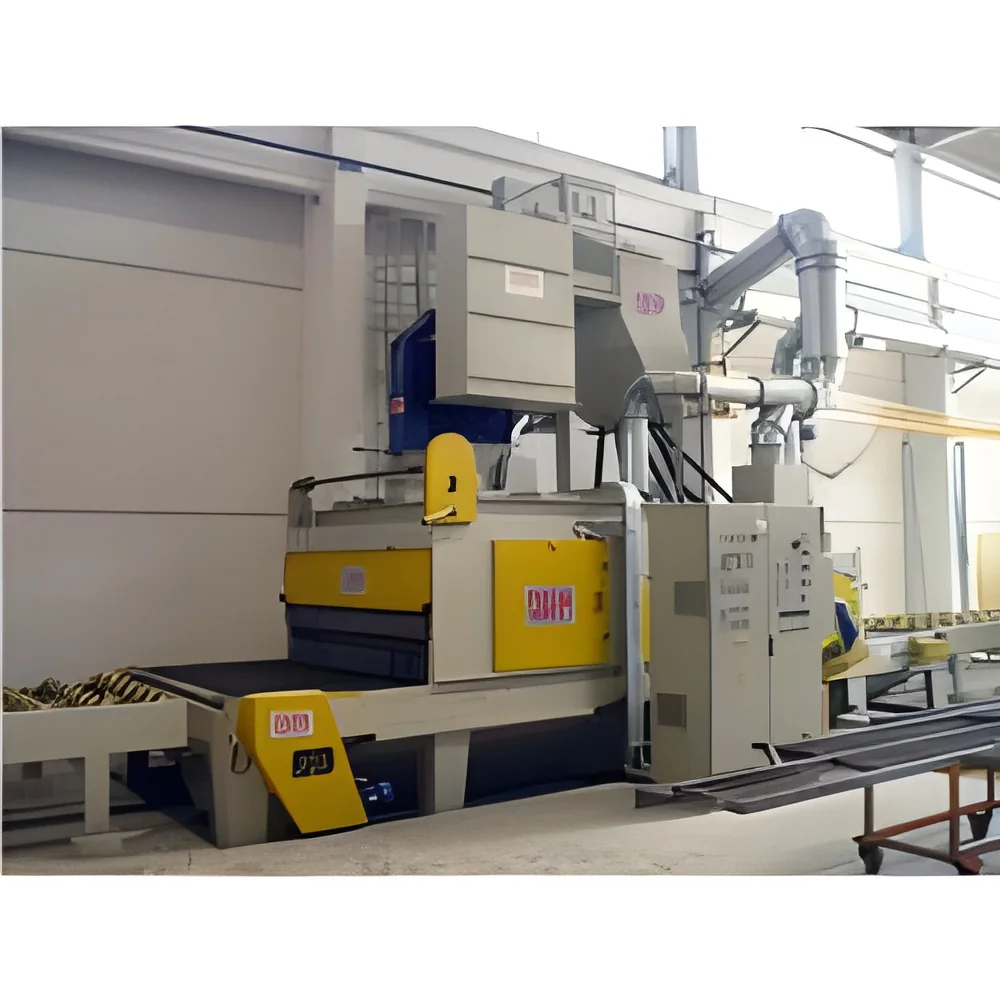
Other Industrial Equipment & Machinery encompasses a broad range of tools and devices utilized in various industrial sectors to enhance productivity and efficiency. This category includes equipment that may not fall under standard classifications such as construction or manufacturing machinery but serves critical operational roles. These products can range from specialized handling equipment to unique processing machines designed for specific tasks.
The primary uses of Other Industrial Equipment & Machinery are diverse, supporting operations in manufacturing, warehousing, logistics, and beyond. Businesses leverage this equipment to optimize workflows, ensure safety, and maintain quality standards in production processes. Industries often require these machines for tasks such as assembly, material handling, and equipment maintenance, which are essential for seamless operations.
In a competitive market, the relevance of Other Industrial Equipment & Machinery cannot be overstated. With the increasing demand for automation and efficiency, the market for these products is continually evolving. Companies are looking for innovative solutions that can help them achieve better operational performance and reduce downtime.
Key Features and Specifications
When evaluating Other Industrial Equipment & Machinery, it is essential to consider several key features and specifications that can influence performance and suitability for specific applications. These specifications help buyers determine which equipment will best meet their operational needs.
Key specifications include:
1. Equipment Type
- Different types of machinery such as conveyors, hoists, and automated systems
- Suitable for various applications and environments
2. Load Capacity
- Maximum weight the equipment can handle efficiently
- Parameters often vary widely depending on the type of machinery
3. Power Requirements
- Electrical or hydraulic specifications necessary for operation
- Options available for different energy sources
4. Operating Speed
- Speed at which the machinery can operate effectively
- Influences productivity levels and efficiency
5. Dimensions
- Physical size and weight of the equipment
- Important for space planning and installation
6. Material Construction
- Types of materials used in manufacturing the machinery
- Affects durability and suitability for specific environments
7. Safety Features
- Built-in safety mechanisms to protect operators
- Compliance with industry safety regulations
8. Maintenance Requirements
- Frequency and type of maintenance needed to ensure optimal performance
- Essential for long-term reliability
Understanding these specifications allows buyers to make informed decisions that align with their operational goals.
Common Applications and Use Cases
Other Industrial Equipment & Machinery finds applications across a variety of industries, each benefiting from tailored solutions to meet their unique needs.
1. Manufacturing: Equipment is used for assembly lines, material handling, and quality control, improving efficiency and throughput.
2. Logistics: Machinery such as conveyors and automated guided vehicles streamline warehousing operations and order fulfillment processes.
3. Food and Beverage: Specialized machinery is employed for processing, packaging, and quality assurance to maintain safety and hygiene standards.
4. Pharmaceuticals: Equipment is utilized for automated production and packaging, ensuring compliance with strict regulatory standards.
5. Construction: Tools and machinery are essential for material handling and site preparation, enhancing project efficiency and safety.
6. Aerospace: Precision machinery is required for manufacturing components, ensuring high standards of quality and safety.
7. Automotive: Specialized equipment supports assembly and testing processes, contributing to high production quality and efficiency.
Product Variants and Subcategories
The diversity of Other Industrial Equipment & Machinery enables businesses to choose from various product variants tailored to specific applications.
Automated Guided Vehicles (AGVs)
AGVs are designed for material transportation within facilities. They enhance efficiency by automating the movement of goods, reducing labor costs and human error.
Conveyor Systems
Conveyor systems are used to transport materials and products efficiently along production lines. They are customizable in size and speed to suit specific operational needs.
Industrial Robots
These machines are utilized for tasks such as welding, painting, and assembly. Their precision and efficiency significantly improve production rates and reduce manual labor.
Packaging Machines
Packaging machines automate the process of packing products, which increases speed and ensures consistency in packaging, crucial for meeting consumer demands.
Benefits and Advantages
Investing in Other Industrial Equipment & Machinery offers numerous benefits that can significantly enhance business operations.
1. Increased Efficiency: Optimizes workflows, allowing for higher output levels and reduced operational costs.
2. Improved Safety: Integrates safety features that protect workers and minimize the risk of accidents.
3. Cost Savings: Reduces labor costs and operational inefficiencies, leading to substantial long-term savings.
4. Enhanced Quality: Provides precise control over manufacturing processes, ensuring high-quality outputs.
5. Flexibility: Offers customizable solutions that can adapt to changing business needs and market demands.
6. Competitive Advantage: Helps companies stay ahead in the market by adopting innovative technologies that enhance productivity.
Buying Guide for B2B Buyers
When sourcing Other Industrial Equipment & Machinery, B2B buyers should consider several critical factors to ensure they make informed purchasing decisions.
1. Quality Assessment: Evaluate product quality based on material construction, performance ratings, and supplier reputation to ensure reliability.
2. Supplier Verification: Vet potential suppliers by checking their credentials, customer reviews, and industry certifications to confirm their credibility.
3. Pricing and MOQ: Understand the pricing structure and minimum order quantities to align with budget constraints and operational needs.
4. Delivery and Lead Times: Assess logistics capabilities and lead times to ensure timely delivery of equipment, which is crucial for maintaining production schedules.
5. Compliance Requirements: Familiarize yourself with any regulatory standards and certifications required in your industry to ensure compliance and avoid costly fines.
Compliance and Certifications
In the industrial sector, compliance with quality standards and regulations is paramount. Relevant quality standards, such as ISO 9001, ensure that products meet established benchmarks for quality management. This certification reflects a commitment to continuous improvement and customer satisfaction.
Industry certifications like CE signify compliance with European safety standards, ensuring that equipment is safe for operational use. Additionally, safety and testing requirements are critical, as they verify that machinery meets operational safety standards and minimizes risks to personnel.
Regional compliance considerations also play a significant role, as different regions may have specific regulations governing the use and operation of industrial equipment. Buyers must be aware of these requirements to ensure their equipment meets local standards.
Why Source Other Industrial Equipment & Machinery from Pepagora?
Pepagora provides a trusted platform for sourcing Other Industrial Equipment & Machinery, offering several key advantages to B2B buyers.
Verified Supplier Network: Pepagora ensures that all suppliers in its network undergo rigorous verification processes. This gives buyers confidence in the quality and reliability of the equipment they source.
Streamlined RFQ Process: The request for quotation (RFQ) system simplifies the procurement process. Buyers can easily submit inquiries and receive competitive quotes from multiple suppliers, facilitating informed decision-making.
Trade Assurance and Support: Pepagora offers trade assurance to protect buyers throughout the purchasing process. This support includes assistance with disputes and guarantees that transactions are secure.
Regional Coverage: With a strong presence in regions such as India, the GCC, and Southeast Asia, Pepagora connects buyers with local suppliers, ensuring access to a wide range of equipment tailored to specific market needs.

Frequently Asked Questions
What are Other Industrial Equipment & Machinery?
Other Industrial Equipment & Machinery refers to a wide range of tools and machines that are not categorized under standard industrial equipment. This category includes specialized machinery used in various industries for manufacturing, processing, and handling materials. Examples include conveyors, compressors, and industrial mixers.
What are the different types of Other Industrial Equipment & Machinery?
The types of Other Industrial Equipment & Machinery vary widely and can include equipment such as pumps, generators, welding machines, and lifting devices. Additionally, it can encompass niche machinery tailored for specific processes in industries like textiles, food processing, and construction. Each type serves a unique function within industrial operations.
How do I choose the right Other Industrial Equipment & Machinery?
Choosing the right Other Industrial Equipment & Machinery involves assessing your specific operational needs, production capacity, and budget. It’s important to consider the machinery's features, efficiency, and compatibility with existing processes. Consulting with suppliers and conducting thorough research can help in making an informed decision.
What are the standard specifications for Other Industrial Equipment & Machinery?
Standard specifications for Other Industrial Equipment & Machinery can vary based on the type of equipment and its intended use. Common specifications include power consumption, dimensions, capacity, and performance ratings. Always refer to manufacturer guidelines and industry standards to ensure compliance and suitability for your application.
What is the price range for Other Industrial Equipment & Machinery?
The price range for Other Industrial Equipment & Machinery can vary significantly based on the type, brand, and specifications. Generally, prices can start from a few thousand Indian Rupees for basic equipment and can go up to several lakhs for advanced machinery. It's advisable to obtain quotes from multiple suppliers to compare pricing.
What quality standards apply to Other Industrial Equipment & Machinery?
Quality standards for Other Industrial Equipment & Machinery typically include ISO certifications and compliance with safety regulations. These standards ensure that the equipment meets performance, safety, and environmental requirements. It’s crucial to verify the certifications of manufacturers to ensure high-quality production.
Where can I find Other Industrial Equipment & Machinery suppliers in India?
You can find Other Industrial Equipment & Machinery suppliers in India through various channels such as online B2B marketplaces, trade shows, and industry directories. Websites like Pepagora.com offer a comprehensive list of verified suppliers and manufacturers. Networking within industry associations can also lead to reliable supplier connections.
Can Other Industrial Equipment & Machinery be customized?
Yes, many manufacturers offer customization options for Other Industrial Equipment & Machinery to meet specific operational requirements. Customization may include modifications in size, features, or enhancements to improve performance. Discussing your needs with suppliers can help determine the feasibility of custom solutions.
What is the typical minimum order quantity for Other Industrial Equipment & Machinery?
The typical minimum order quantity (MOQ) for Other Industrial Equipment & Machinery can vary by supplier and the type of equipment. Some manufacturers may have an MOQ as low as one unit, while others may require larger orders for cost-effectiveness. It’s best to check with the specific supplier for their MOQ policies.
What is the typical lead time for Other Industrial Equipment & Machinery?
The typical lead time for Other Industrial Equipment & Machinery can range from a few weeks to several months, depending on the complexity of the equipment and supplier capabilities. Custom orders may require longer lead times due to additional production processes. Always confirm delivery timelines with your supplier.
Why Businesses Trust Pepagora
Thousands of companies trust Pepagora to source smarter and sell faster
Expand Your Sales Globally

Source Smarter,Grow Faster
