
 IN
INOther Industrial Equipment & Machinery
139 products available
What are Other Industrial Equipment & Machinery?
Key Features and Specifications
Common Applications and Use Cases
Product Variants and Subcategories
Benefits and Advantages
Buying Guide for B2B Buyers
Compliance and Certifications
Why Source Other Industrial Equipment & Machinery from Pepagora?

 India
India

 India
India
 India
India
 India
India
 India
India

 India
India
 India
India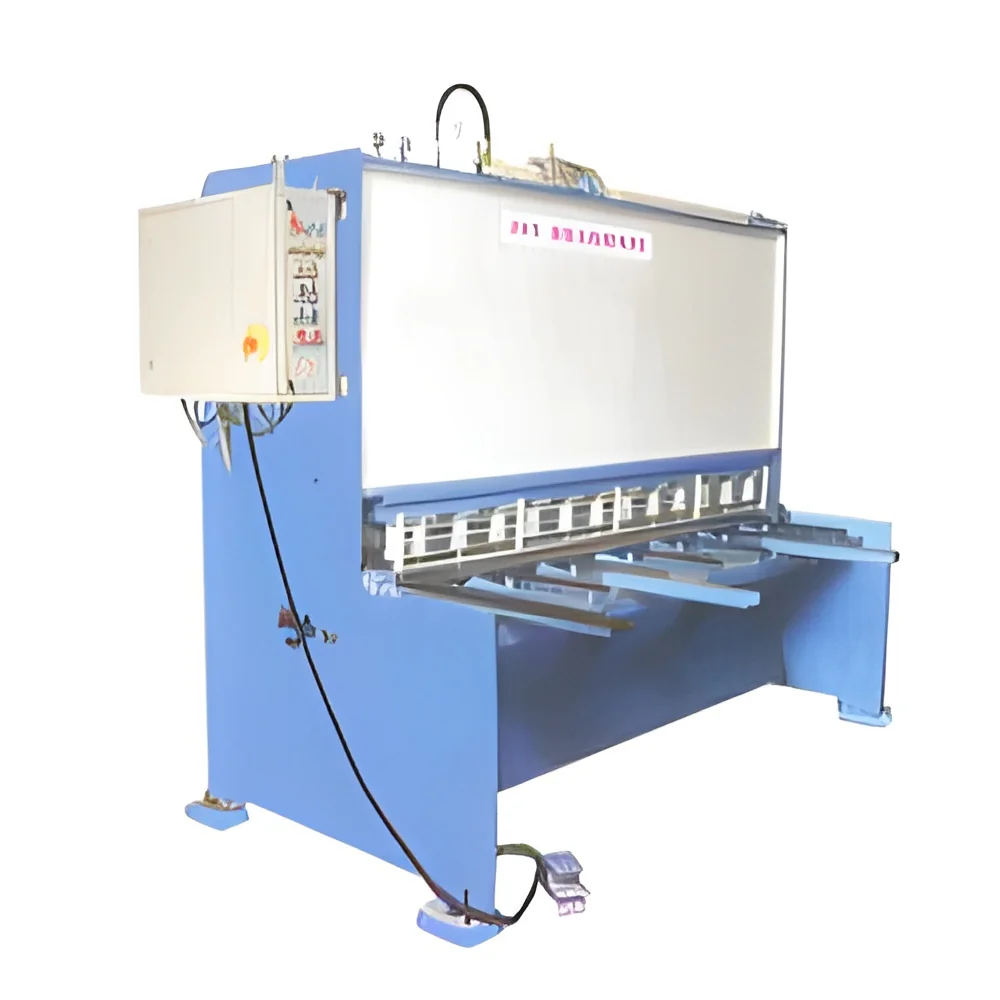
 India
India
 India
India
 India
India
 India
India
 India
India
 India
India
 India
India
 India
India
 India
India
 India
India
 India
India
 India
India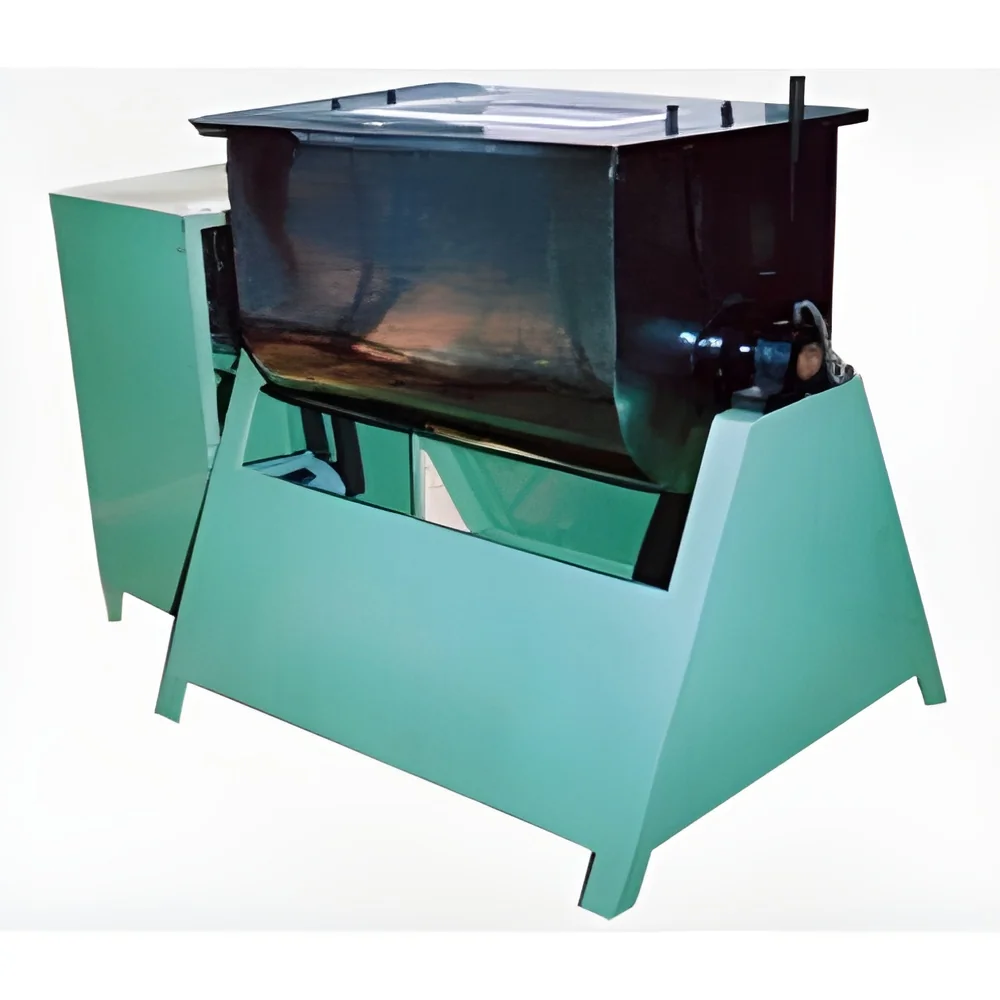
 India
India
 India
India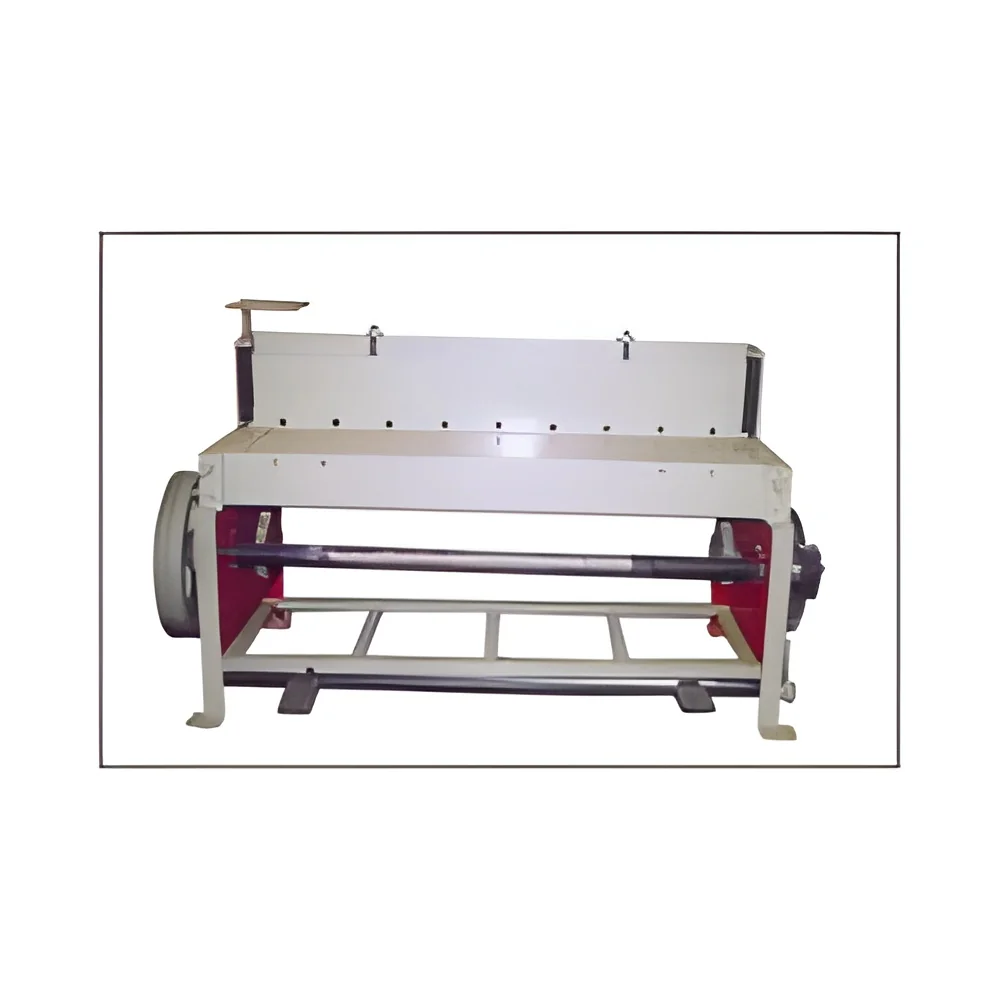
 India
India
 India
India
 India
India

 India
India
 India
India India
India India
India
 India
India India
India India
India
 India
India India
India
 India
India India
India India
India India
India
 India
India India
India India
India India
India India
India

 India
India
 India
India India
India India
India India
India
 India
India India
India India
India India
India
 India
India
 India
India India
India
Frequently Asked Questions
What are Other Industrial Equipment & Machinery?
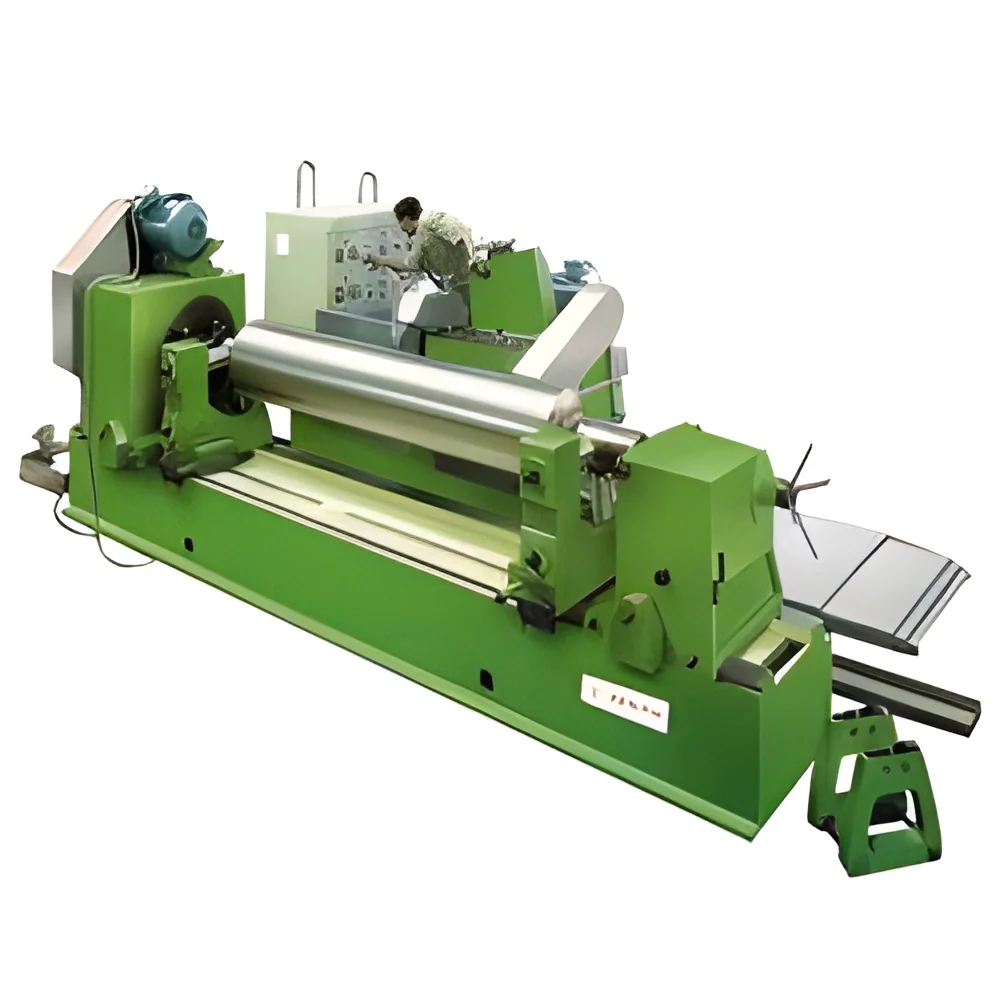
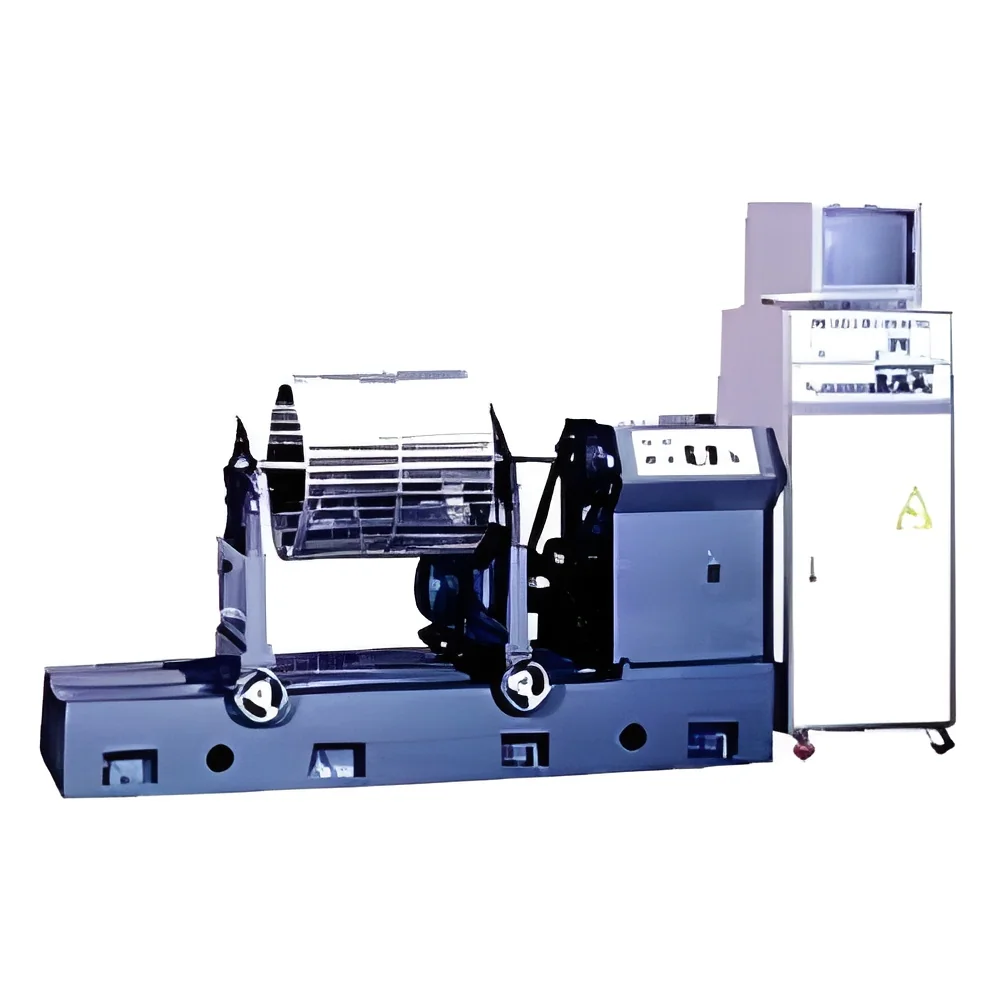
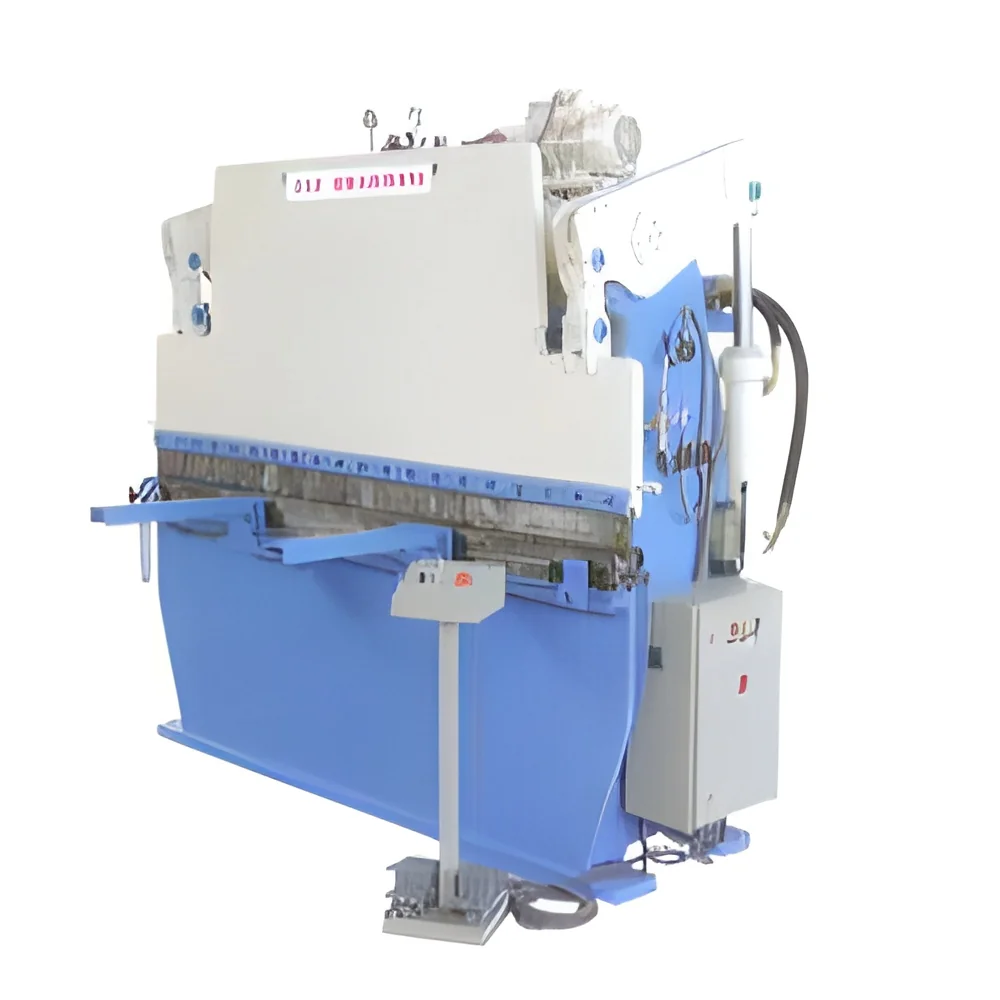
Other Industrial Equipment & Machinery refers to a wide range of tools and machines that are not categorized under standard industrial equipment. This category includes specialized machinery used in various industries for manufacturing, processing, and handling materials. Examples include conveyors, compressors, and industrial mixers.
What are the different types of Other Industrial Equipment & Machinery?
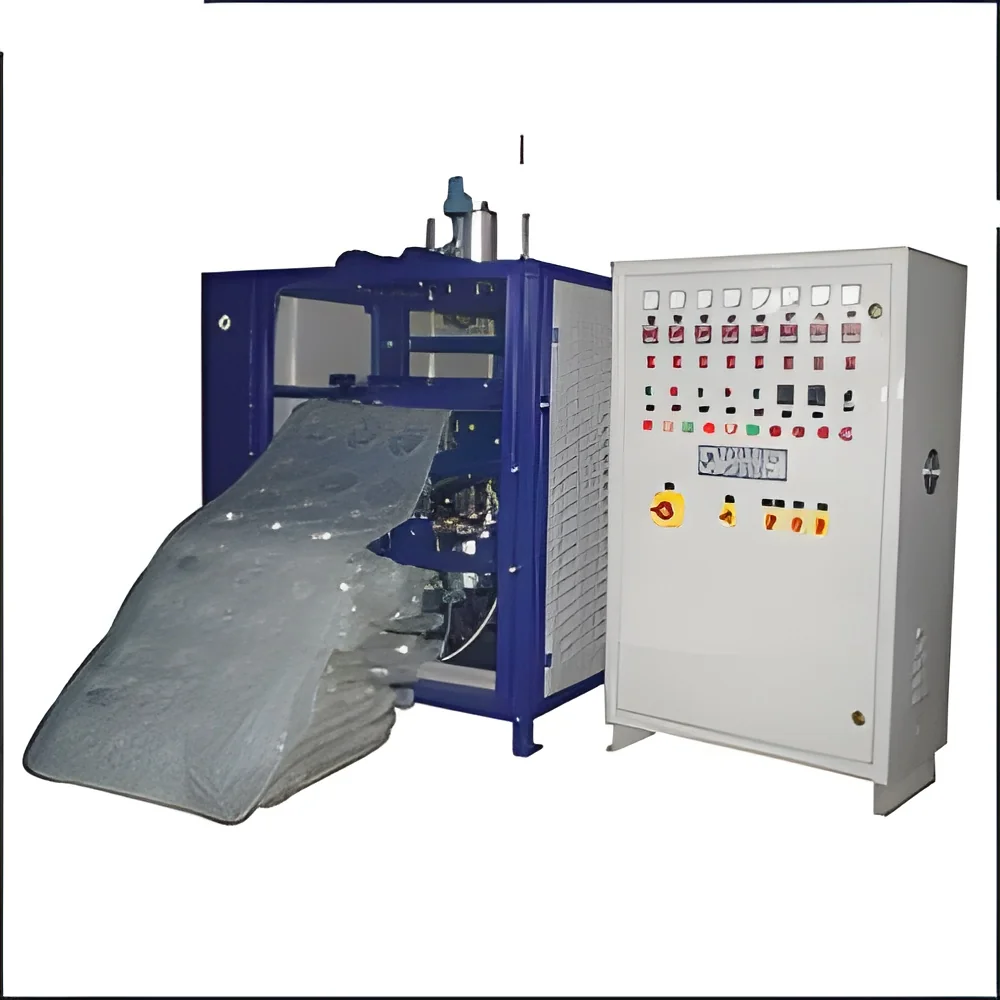
The types of Other Industrial Equipment & Machinery vary widely and can include equipment such as pumps, generators, welding machines, and lifting devices. Additionally, it can encompass niche machinery tailored for specific processes in industries like textiles, food processing, and construction. Each type serves a unique function within industrial operations.
How do I choose the right Other Industrial Equipment & Machinery?
Choosing the right Other Industrial Equipment & Machinery involves assessing your specific operational needs, production capacity, and budget. It’s important to consider the machinery's features, efficiency, and compatibility with existing processes. Consulting with suppliers and conducting thorough research can help in making an informed decision.
What are the standard specifications for Other Industrial Equipment & Machinery?
Standard specifications for Other Industrial Equipment & Machinery can vary based on the type of equipment and its intended use. Common specifications include power consumption, dimensions, capacity, and performance ratings. Always refer to manufacturer guidelines and industry standards to ensure compliance and suitability for your application.
What is the price range for Other Industrial Equipment & Machinery?
The price range for Other Industrial Equipment & Machinery can vary significantly based on the type, brand, and specifications. Generally, prices can start from a few thousand Indian Rupees for basic equipment and can go up to several lakhs for advanced machinery. It's advisable to obtain quotes from multiple suppliers to compare pricing.
What quality standards apply to Other Industrial Equipment & Machinery?
Quality standards for Other Industrial Equipment & Machinery typically include ISO certifications and compliance with safety regulations. These standards ensure that the equipment meets performance, safety, and environmental requirements. It’s crucial to verify the certifications of manufacturers to ensure high-quality production.
Where can I find Other Industrial Equipment & Machinery suppliers in India?
You can find Other Industrial Equipment & Machinery suppliers in India through various channels such as online B2B marketplaces, trade shows, and industry directories. Websites like Pepagora.com offer a comprehensive list of verified suppliers and manufacturers. Networking within industry associations can also lead to reliable supplier connections.
Can Other Industrial Equipment & Machinery be customized?
Yes, many manufacturers offer customization options for Other Industrial Equipment & Machinery to meet specific operational requirements. Customization may include modifications in size, features, or enhancements to improve performance. Discussing your needs with suppliers can help determine the feasibility of custom solutions.
What is the typical minimum order quantity for Other Industrial Equipment & Machinery?
The typical minimum order quantity (MOQ) for Other Industrial Equipment & Machinery can vary by supplier and the type of equipment. Some manufacturers may have an MOQ as low as one unit, while others may require larger orders for cost-effectiveness. It’s best to check with the specific supplier for their MOQ policies.
What is the typical lead time for Other Industrial Equipment & Machinery?
The typical lead time for Other Industrial Equipment & Machinery can range from a few weeks to several months, depending on the complexity of the equipment and supplier capabilities. Custom orders may require longer lead times due to additional production processes. Always confirm delivery timelines with your supplier.
Why Businesses Trust Pepagora
Thousands of companies trust Pepagora to source smarter and sell faster
Expand Your Sales Globally

Source Smarter,Grow Faster
