IN
IN₹
Apparel & Fashion
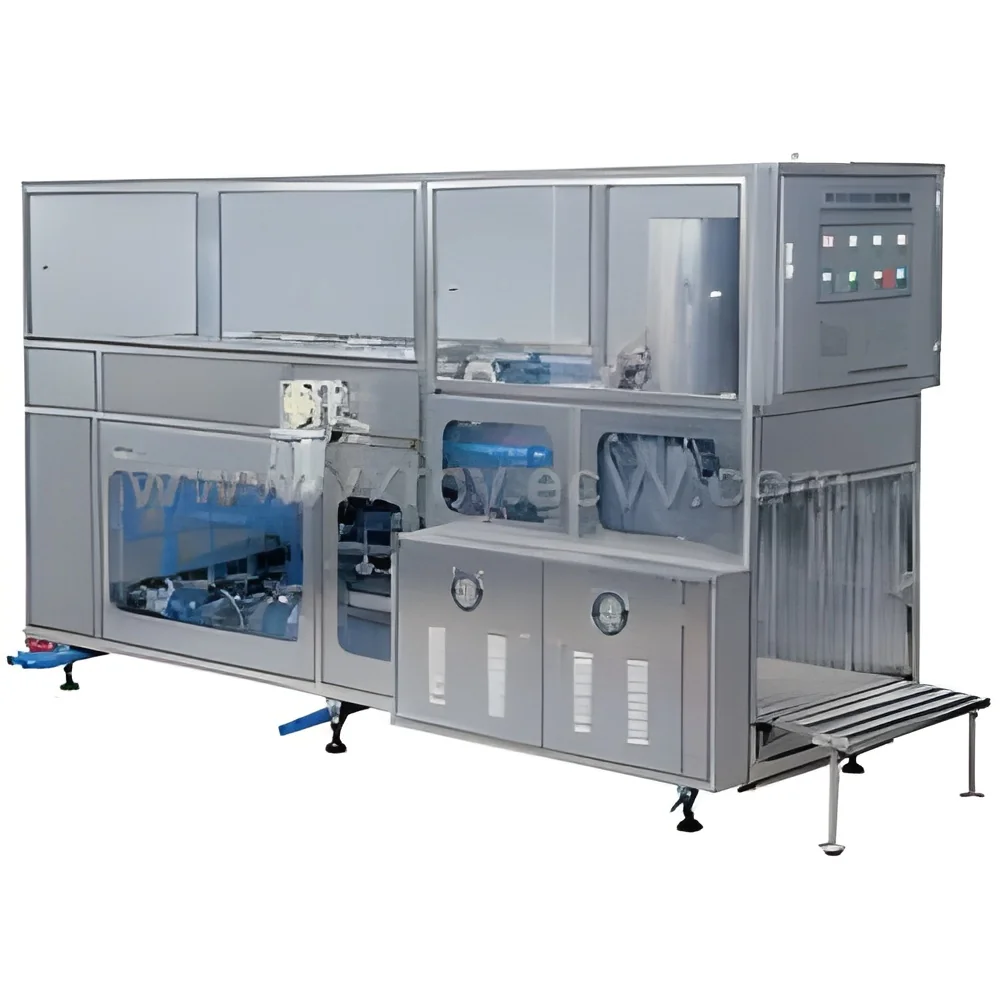
Description
Industrial Automation PLC Controlled Systems represent advanced digital control solutions engineered specifically for industrial environments where reliability and precision are non-negotiable. These specialized computing systems operate as the central nervous system for factory machinery, executing programmed logic to automate complex processes with consistent accuracy. Unlike general-purpose computers, PLC systems feature rugged construction that withstands dust, moisture, temperature fluctuations, and electrical noise common in manufacturing facilities. Their architecture prioritizes deterministic operation, ensuring that control commands execute exactly when needed for synchronized machinery performance. This reliability makes them indispensable for operations where even minor timing errors could cause production defects or equipment damage.

Manufacturing industries implement PLC controlled systems across assembly lines, robotic work cells, and production machinery to achieve cons...
Industrial Automation PLC Controlled Systems represent advanced digital control solutions engineered specifically for industrial environments where reliability and precision are non-negotiable. These specialized computing systems operate as the central nervous system for factory machinery, executing programmed logic to automate complex processes with consistent accuracy. Unlike general-purpose computers, PLC systems feature rugged construction that withstands dust, moisture, temperature fluctuations, and electrical noise common in manufacturing facilities. Their architecture prioritizes deterministic operation, ensuring that control commands execute exactly when needed for synchronized machinery performance. This reliability makes them indispensable for operations where even minor timing errors could cause production defects or equipment damage.

Manufacturing industries implement PLC controlled systems across assembly lines, robotic work cells, and production machinery to achieve consistent output quality and operational efficiency. Construction sectors utilize these systems for heavy equipment automation, crane control, and building management applications requiring precise coordination. Processing plants in chemical, pharmaceutical, and food production rely on PLCs for batch processing, temperature control, and safety interlocks that maintain product consistency and regulatory compliance. The systems also serve critical roles in infrastructure management, controlling water treatment processes, energy distribution networks, and transportation systems where automated reliability directly impacts public safety and service continuity.

The business value of PLC controlled systems manifests through enhanced operational efficiency, reduced labor requirements, and minimized production errors that translate directly to improved profitability. These systems deliver exceptional return on investment by increasing production throughput while maintaining consistent quality standards through precise, repeatable automation. Their non-volatile memory preserves programming during power interruptions, while built-in noise immunity ensures stable operation in electrically challenging environments. Customization capabilities allow businesses to implement exactly the automation solutions their operations require without compromising functionality. This combination of reliability, adaptability, and precision reduces downtime, lowers maintenance costs, and increases overall equipment effectiveness for competitive advantage in industrial markets.

Key Features:
- Rugged industrial construction resistant to dust, moisture, and temperature extremes
- Programmable logic for custom automation sequences and control algorithms
- Built-in noise immunity for stable operation in electrically noisy environments
- Non-volatile memory that preserves programming during power interruptions
- Extensive input/output configurations supporting various sensors and actuators

Benefits:
- Increased production efficiency through precise, automated process control
- Reduced operational costs by minimizing manual intervention and labor requirements
- Enhanced product quality with consistent, repeatable manufacturing processes
- Improved equipment reliability with robust construction for harsh environments
- Flexible implementation through customizable programming for specific needs
Specifications
| Additional Information | |
|---|---|
| Country of Origin | India |
Application
Industrial Automation PLC Controlled Systems deliver precise control for complex machinery operations across manufacturing and industrial sectors. These programmable controllers manage everything from simple relay functions to sophisticated motion sequences, ensuring consistent performance in demanding conditions. Their robust design withstands electrical interference, vibration, and temperature extremes that would compromise standard computing equipment.
These automation solutions transform manual processes into efficient, error-free operations by executing programmed logic with exact timing and reliability. Industries implement PLC systems to coordinate multiple machines, synchronize production stages, and maintain quality standards through automated monitoring and control. The systems' flexibility allows adaptation to specific operational requirements without sacrificing performance or durability in challenging industrial settings.
- Automated assembly lines for manufacturing consumer goods and automotive components
- Process control systems in chemical production and pharmaceutical manufacturing
- Heavy machinery automation for construction equipment and material handling
- Batch processing and quality control in food and beverage production facilities
- Infrastructure management for water treatment plants and energy distribution systems
Trade Details
| Available Stock | In Stock |
| Sample Availability | No |
Payment Terms
| Payment Terms |
|
Company Profile
Intelneck, Maharashtra
 Maharashtra, India
Maharashtra, IndiaConstruction•Manufacturer
Factory Details
Factory SizeBelow 1000 sqm
Annual Production Capacity0
Main Markets
South Asia
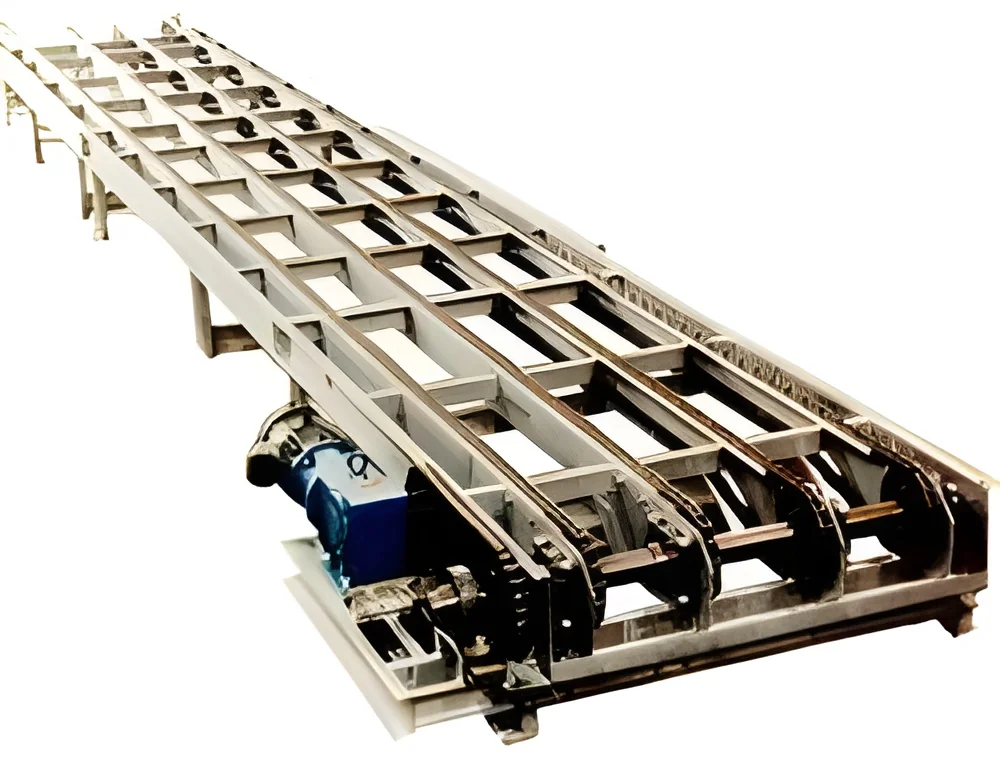
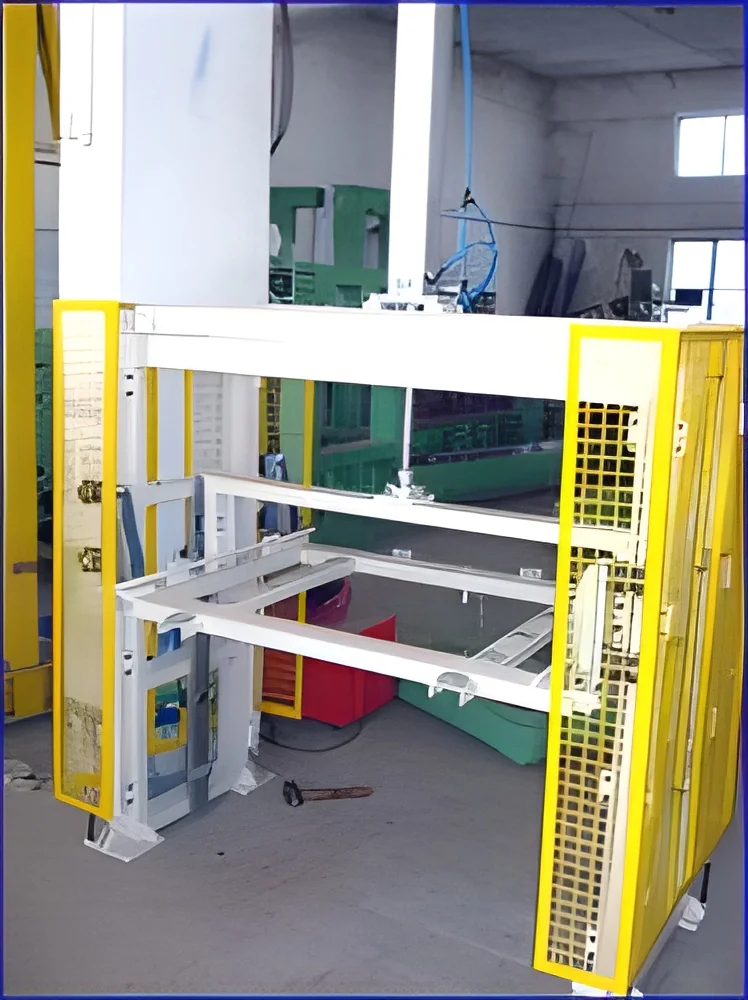
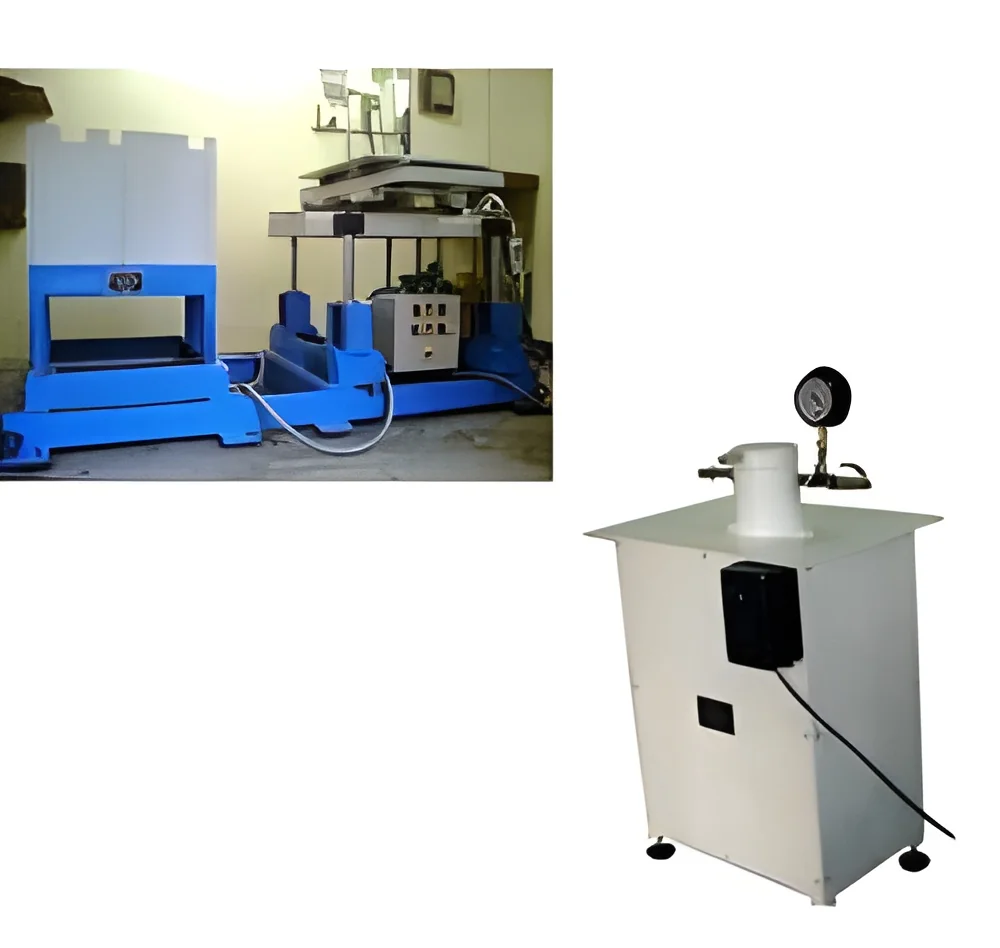
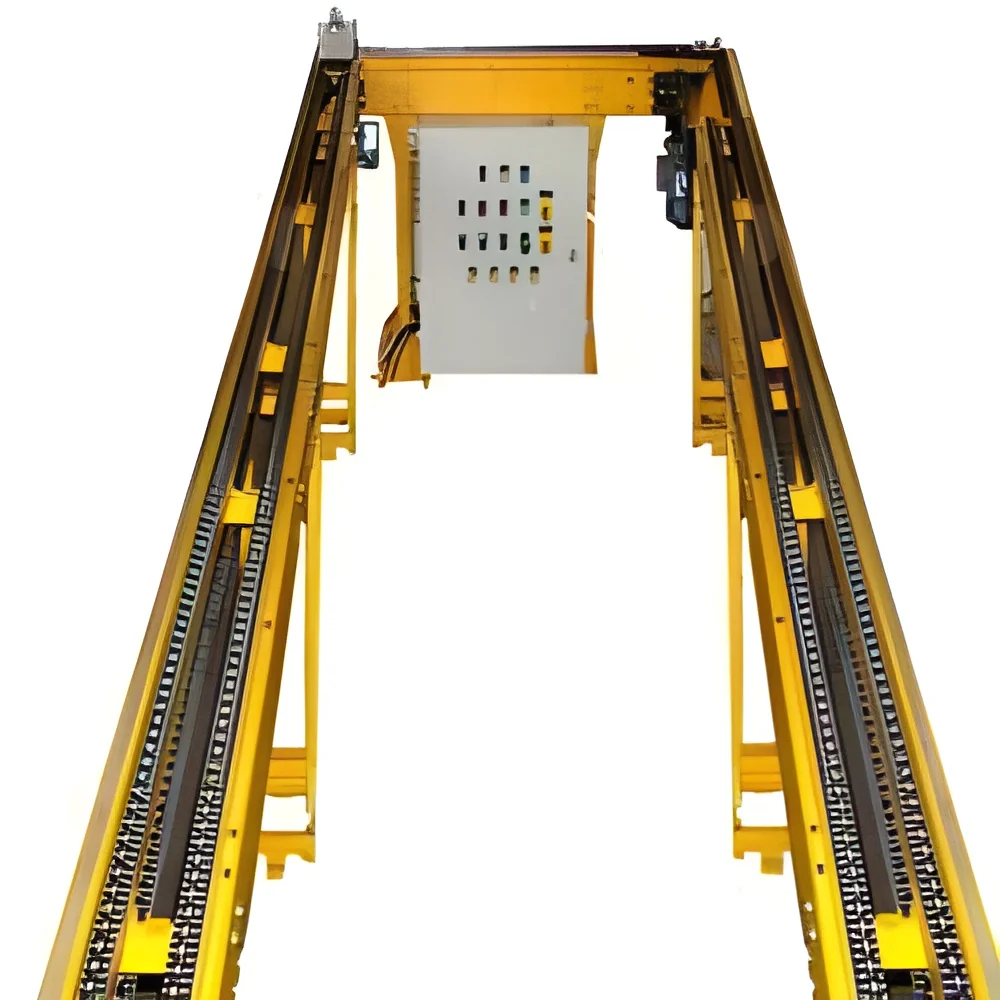
Industrial Automation PLC Controlled Systems For Factory Machinery
Industrial Automation PLC Controlled Systems provide precise, reliable factory machinery automation with robust performance for harsh environments. These systems offer noise immunity and customization for manufacturing, assembly lines, and process control applications.
Min. Order Quantity: 1 unit
Shipping
Shipping fee and delivery date to be negotiated. Contact supplier now for more details.
Intelneck
 Maharashtra, India
Maharashtra, IndiaConstructionManufacturer