Key Features and Specifications
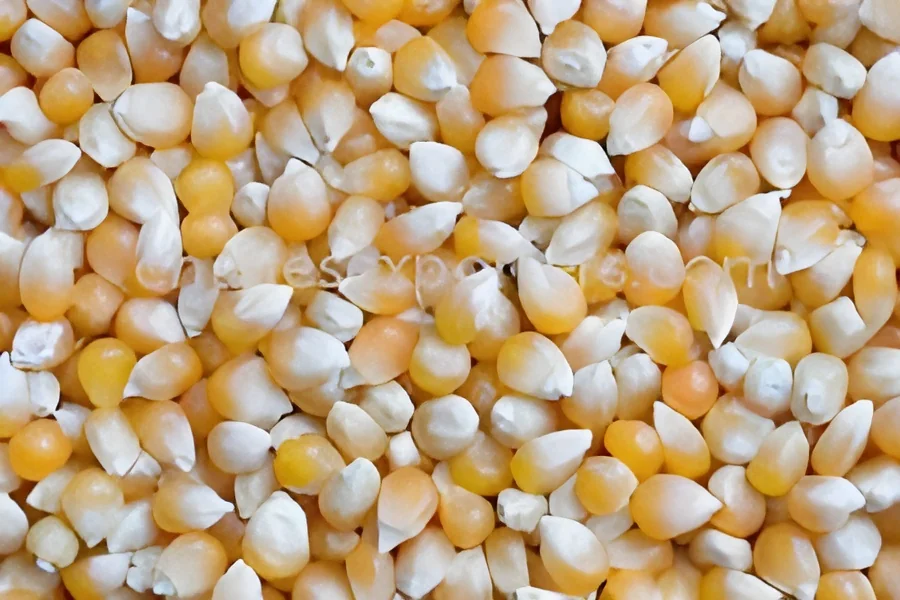
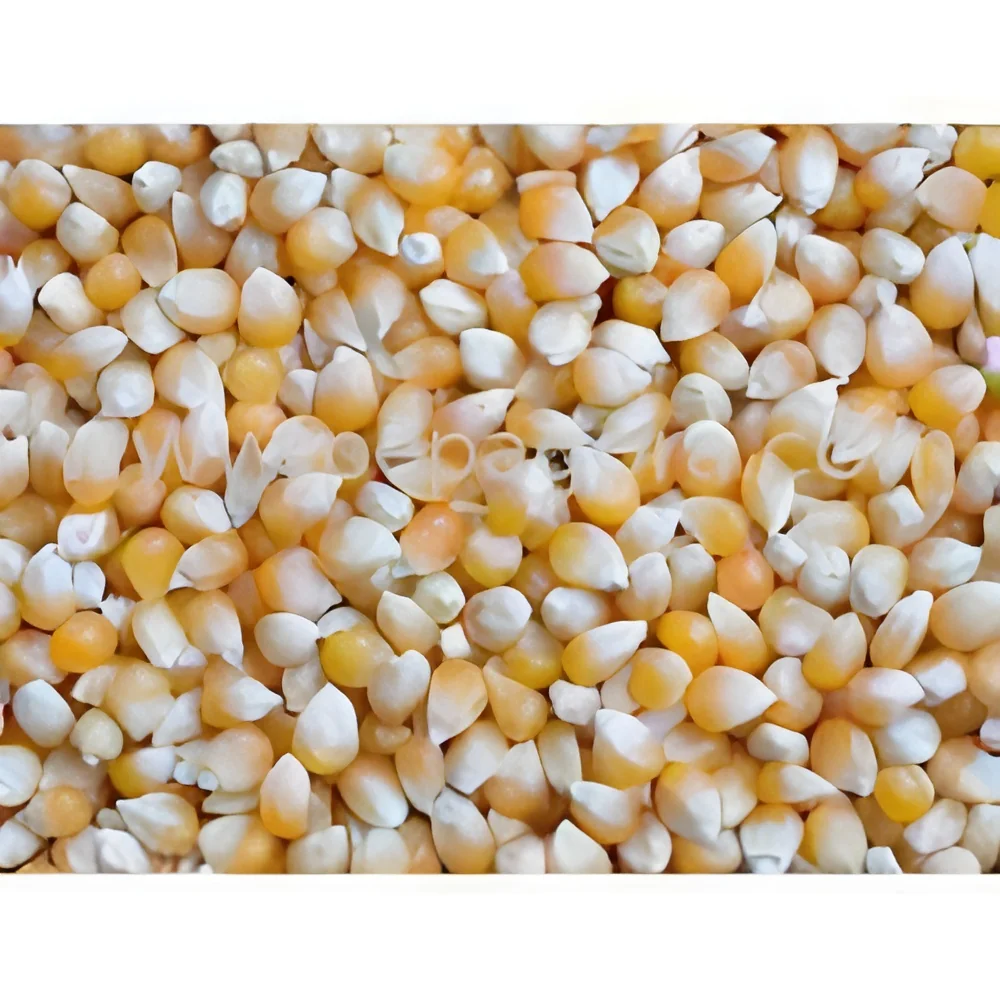
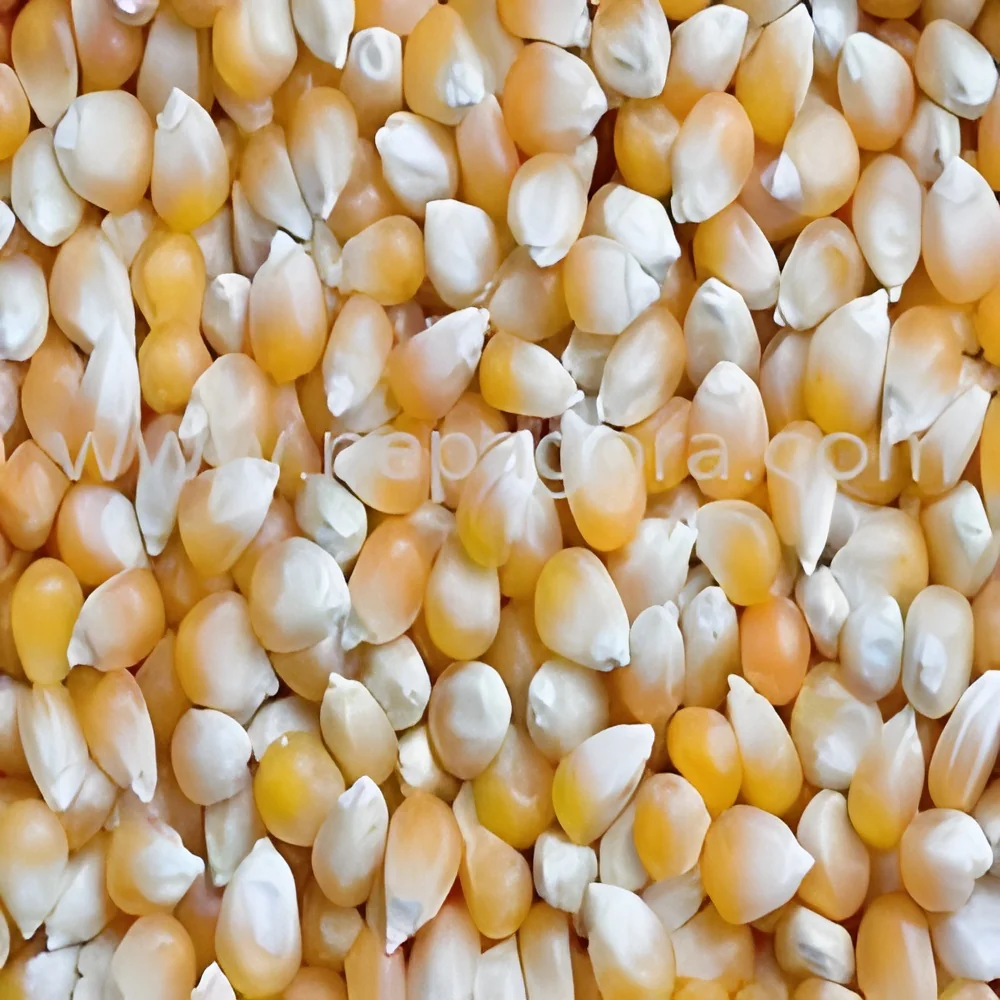
Maize (Corn) Grain is recognized for its significant nutritional value and a range of specifications that meet industry standards. These specifications ensure quality and usability across various applications.
Key specifications include:
1. Kernel Moisture Content
- Ideal moisture content ranges from 13% to 15%.
- Lower moisture levels are preferred for storage to prevent spoilage.
2. Test Weight
- Standard test weight typically ranges from 56 to 60 lb/bu.
- Higher test weights indicate better quality and market value.
3. Color and Grade
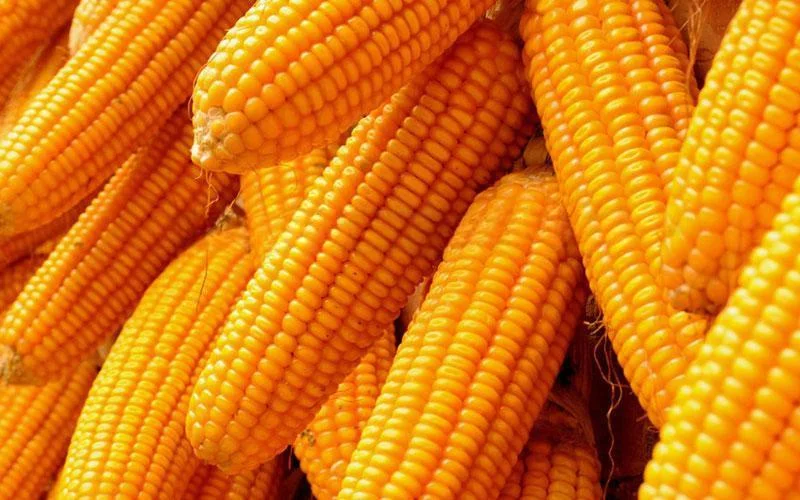
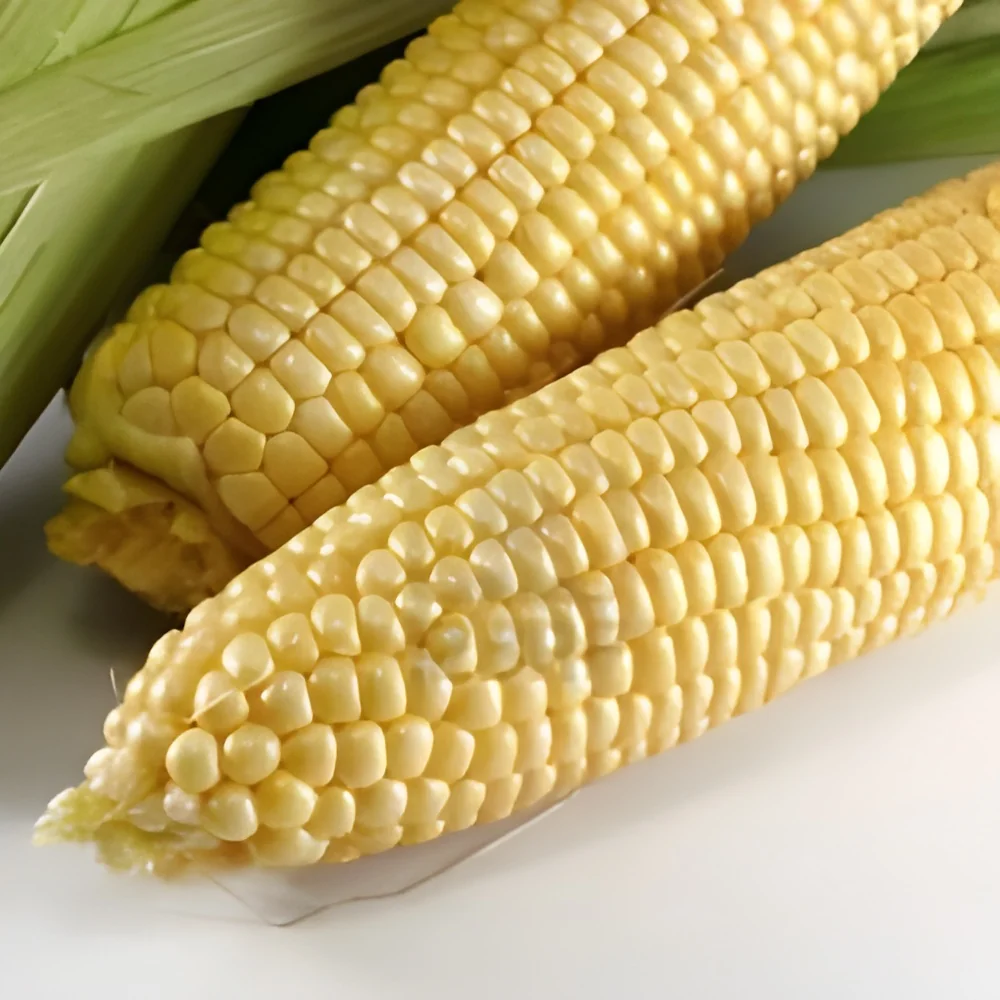
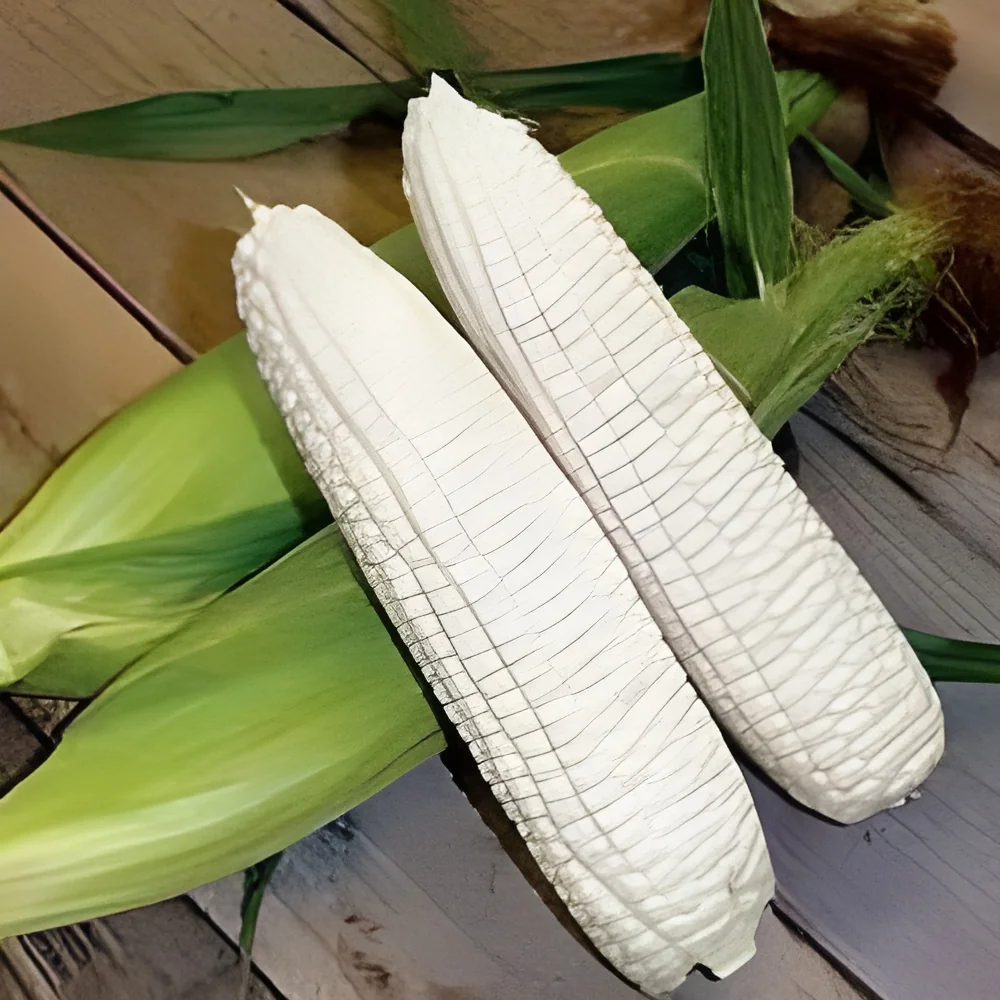
- Commonly classified as white, yellow, or mixed.
- Grading is based on visual appearance and the presence of defects.
4. Protein Content
- Average protein content ranges from 7% to 10%.
- Higher protein levels are beneficial for livestock feed.
5. Aflatoxin Levels
- Maximum allowable levels are typically set at 20 ppb.
- Testing for aflatoxins is crucial for food safety.
6. Pesticide Residue
- Compliance with local and international pesticide regulations is essential.
- Regular testing ensures that residue levels are within safe limits.
7. Non-GMO Certification
- Increasingly, buyers seek non-genetically modified options.
- Certification helps in catering to health-conscious markets.
8. Shelf Life
- Properly stored maize can have a shelf life of up to 12 months.
- Storage conditions significantly affect longevity.
These specifications highlight the importance of quality and safety in the procurement of maize grain, catering to both food and agricultural industries.
Common Applications and Use Cases
Maize (Corn) Grain serves various industries due to its versatility and nutritional properties.
1. Food Industry: Maize is a key ingredient in many food products, including cornmeal, tortillas, and breakfast cereals. It is also processed into sweeteners and starches used in various recipes.
2. Animal Feed: This grain is widely used in livestock feed formulations. Its high energy content makes it suitable for cattle, poultry, and swine, contributing to improved growth rates.
3. Biofuel Production: Maize is a primary feedstock for ethanol production. The biofuel industry utilizes maize to create renewable energy sources, reducing reliance on fossil fuels.
4. Industrial Applications: Corn starch derived from maize is used in various industrial applications, including paper production and adhesives. Its binding properties make it valuable in manufacturing.
5. Pharmaceuticals: Maize is used in the production of pharmaceutical products, including excipients and fillers. Its natural properties make it suitable for various formulations.
6. Snack Foods: The snack food industry often uses maize to produce popcorn and corn chips. Its flavor and texture make it a popular choice among consumers.
7. Biodegradable Plastics: Some manufacturers are exploring maize as a source for bioplastics, offering sustainable alternatives to traditional petroleum-based plastics.
Product Variants and Subcategories
Maize (Corn) Grain offers a variety of options to suit different business needs.
Whole Kernel Maize
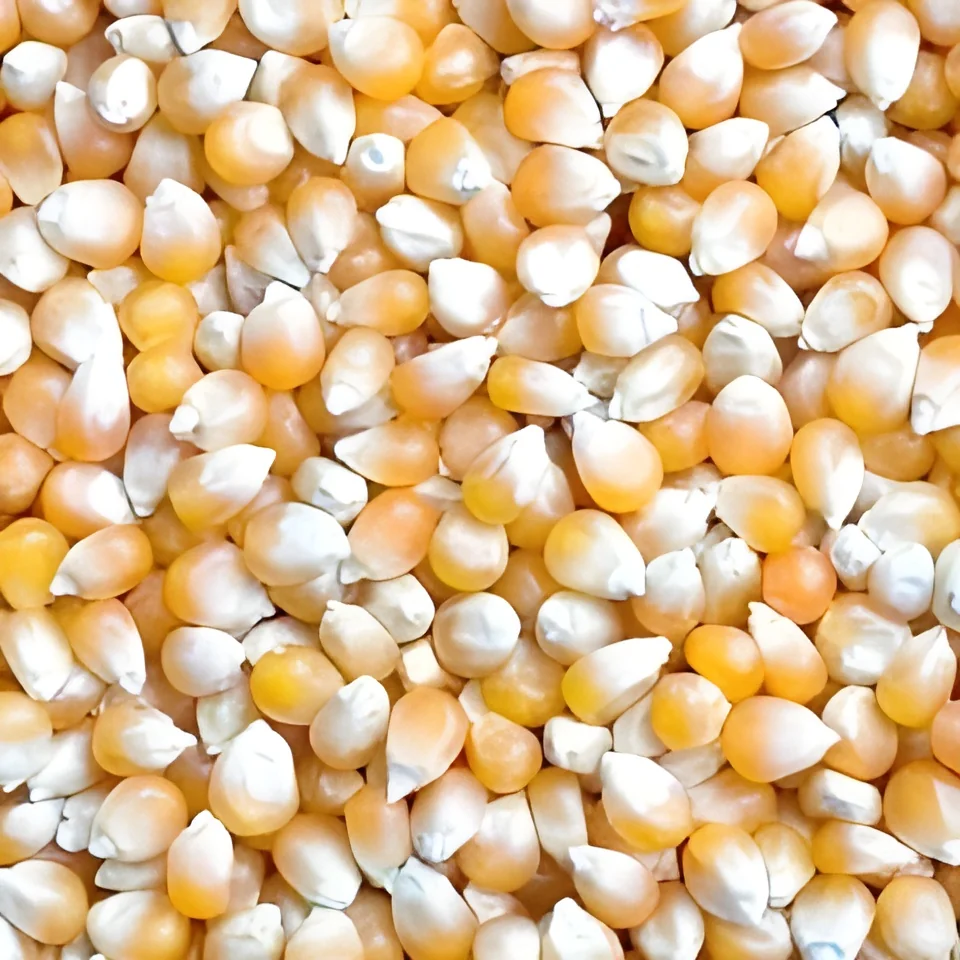
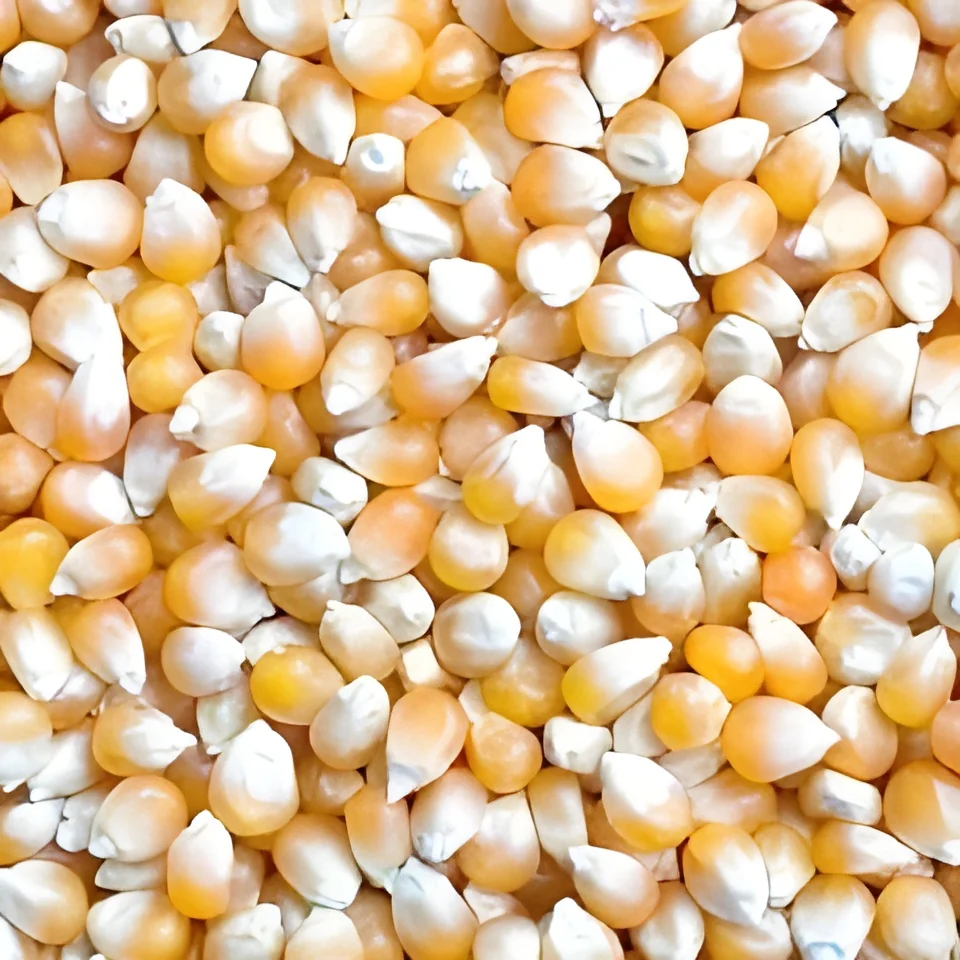
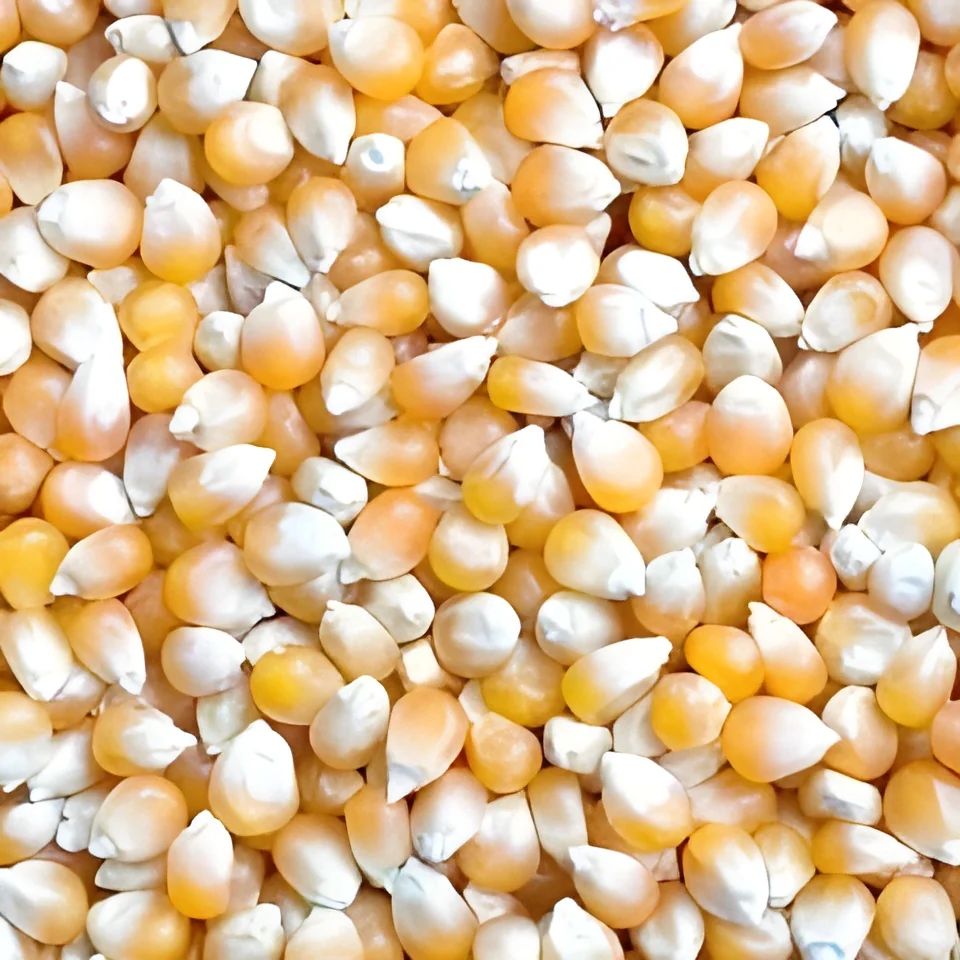
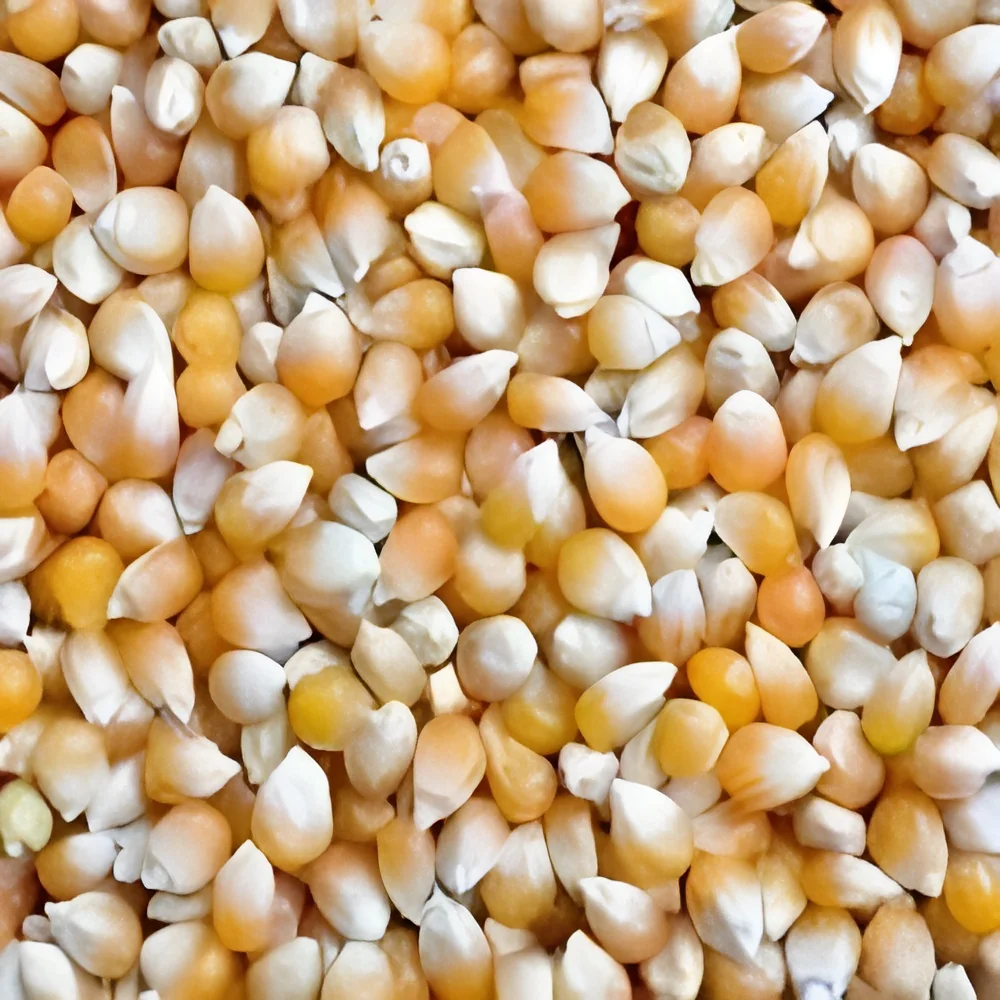
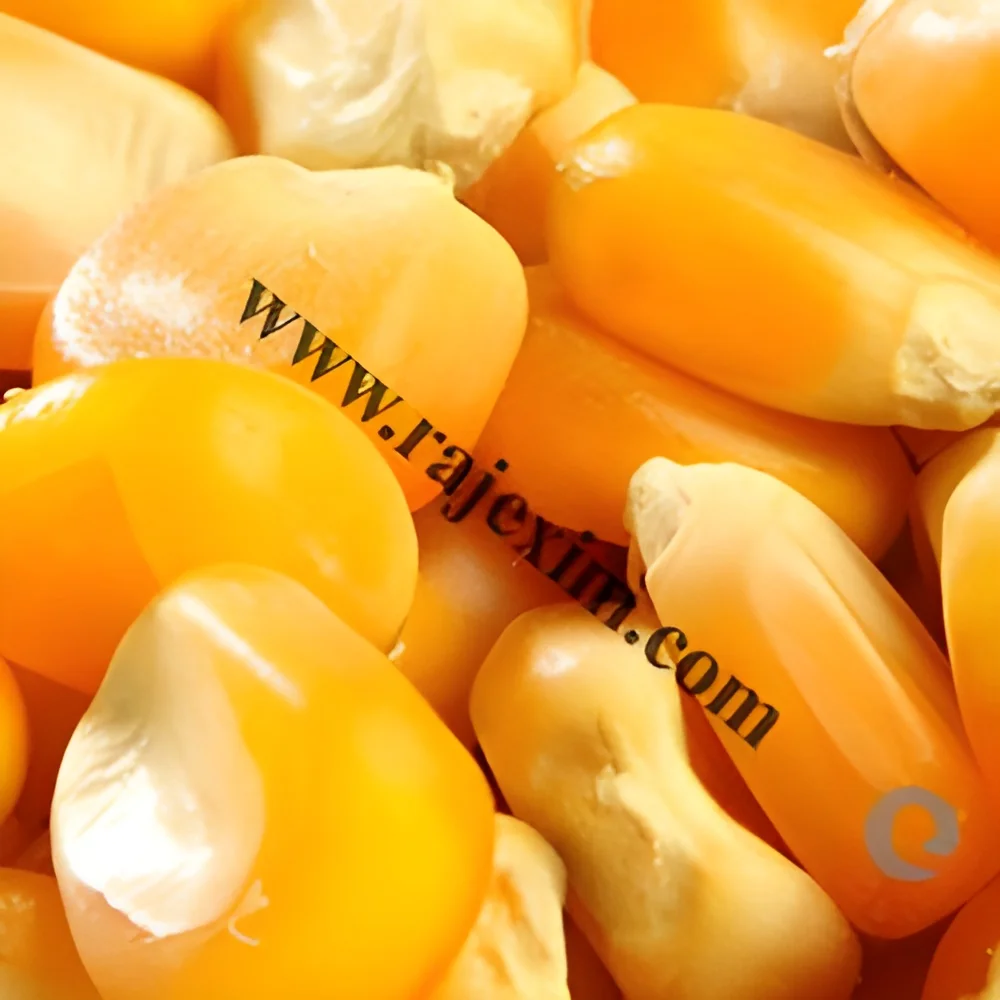
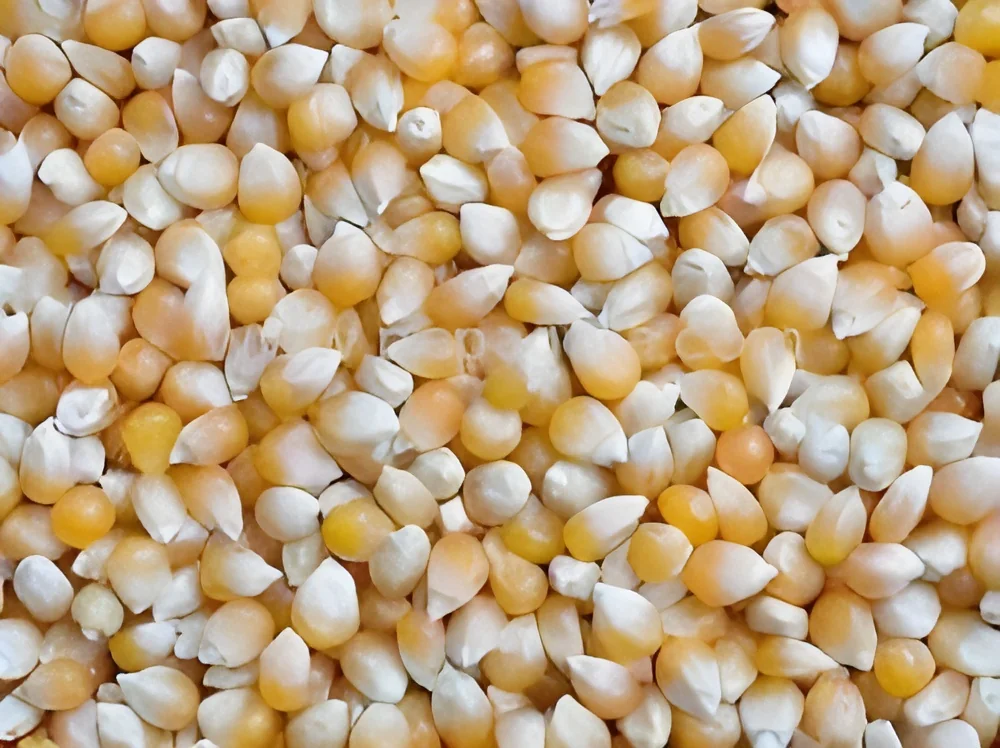
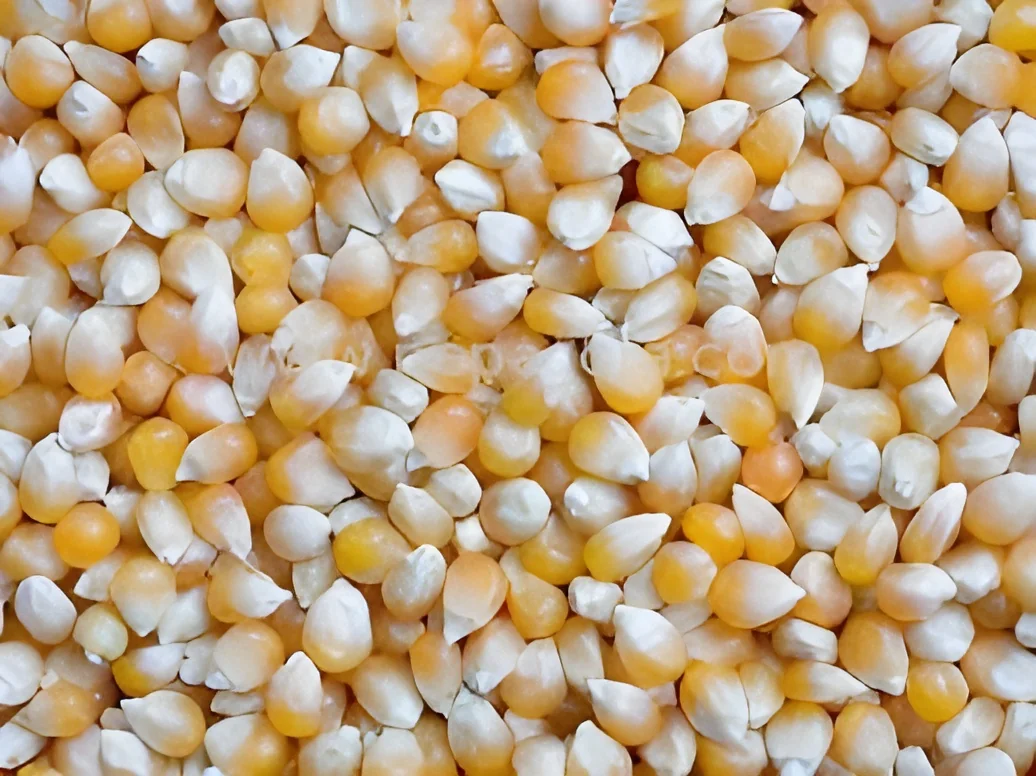
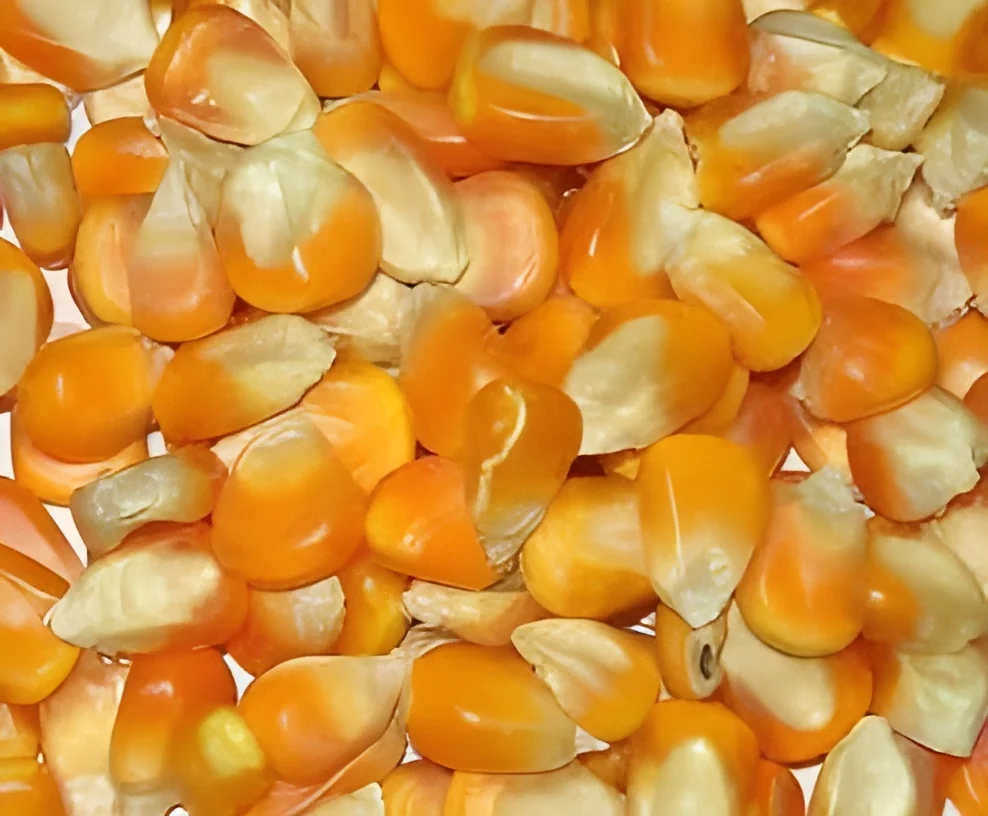
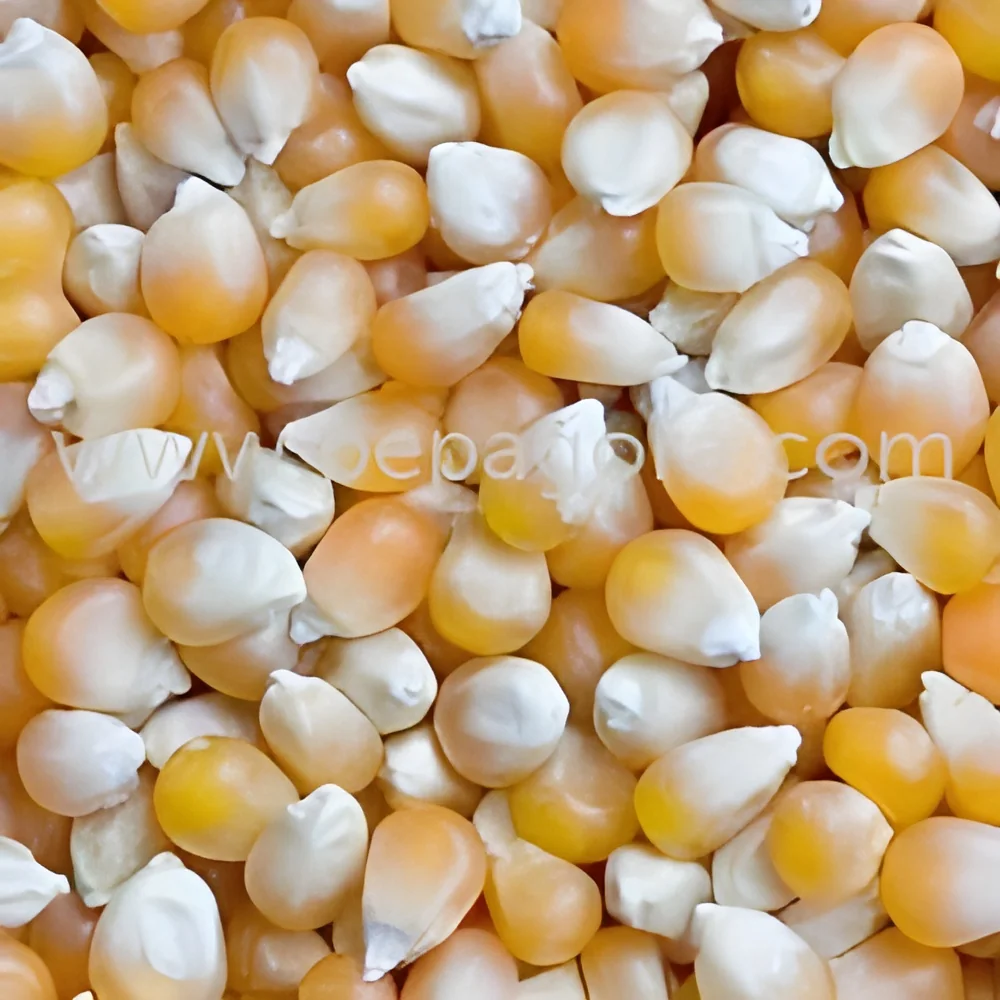
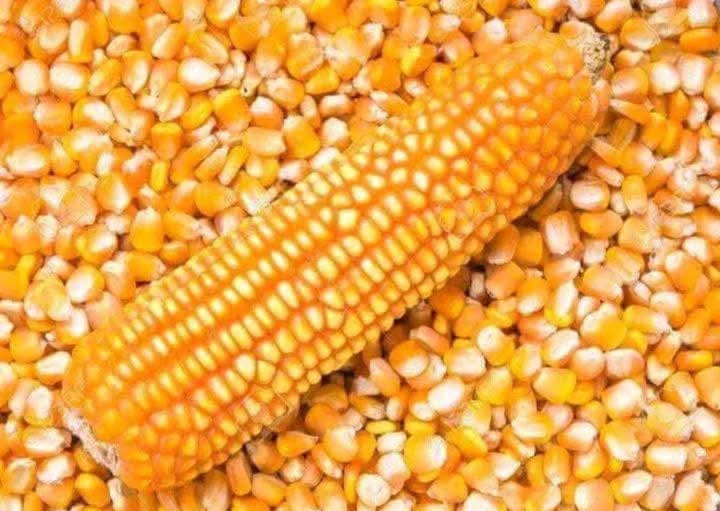
This is the most common form of maize grain, often used in food production and livestock feed. Whole kernels retain their complete nutritional profile and are versatile for various applications.
Ground Maize
Ground maize, such as cornmeal or corn flour, is used in baking and cooking. It provides a fine texture and is essential for products like cornbread and tortillas.
Corn Grits
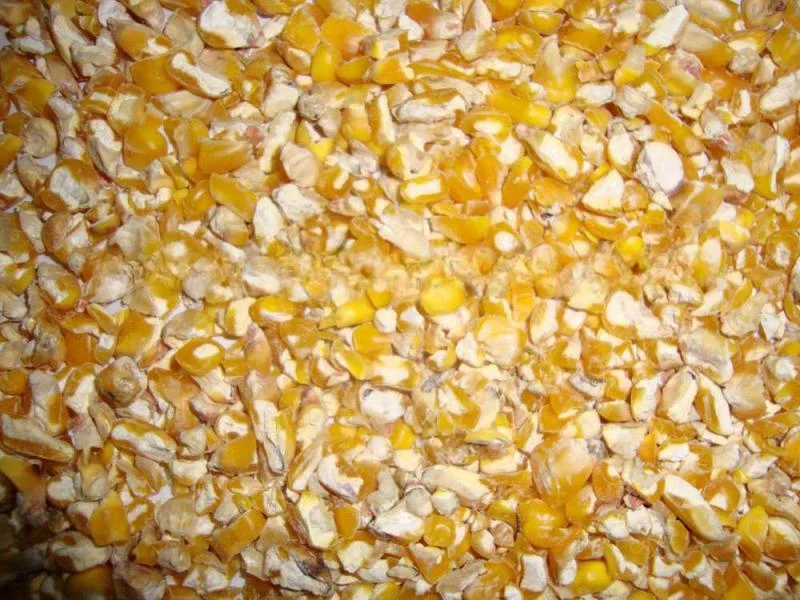
Coarse ground maize is primarily used in the food industry for products like grits and polenta. It retains a hearty texture and is popular in many cuisines.
Sweet Corn
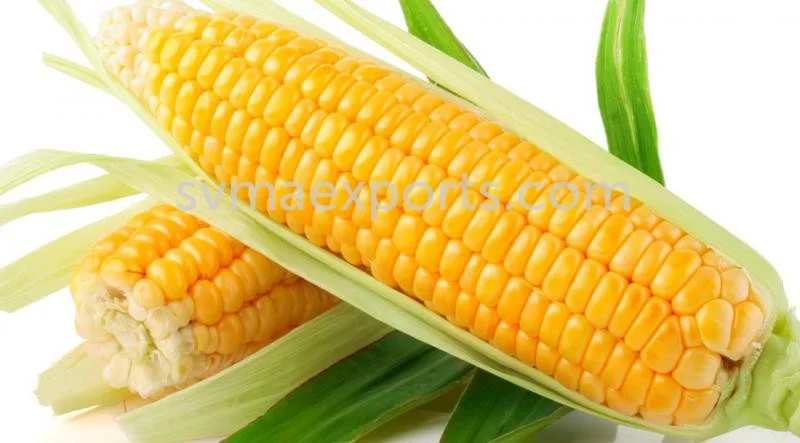
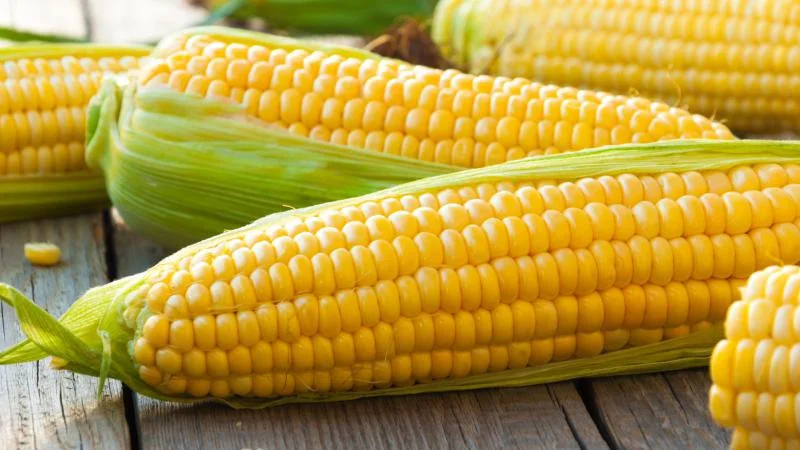
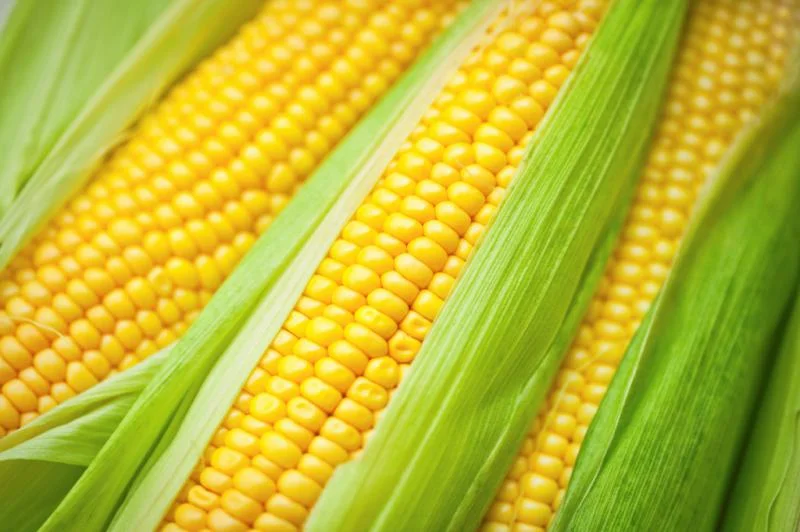
This variant is specifically bred for its sweetness and is often consumed as a vegetable. It is commonly used in salads, frozen foods, and canned products.
Benefits and Advantages
Maize (Corn) Grain presents numerous benefits for businesses across various sectors.
Key benefits include:
1. Nutritional Value: Maize is rich in carbohydrates, essential vitamins, and minerals, making it a valuable food source.
2. Versatility: Its ability to be processed into various forms allows it to be used in multiple industries, from food to biofuels.
3. Cost-Effectiveness: Maize is generally more affordable compared to other grains, making it a budget-friendly option for procurement.
4. High Yield: The cultivation of maize typically results in high yields, ensuring a reliable supply for businesses.
5. Adaptability: Maize can be grown in diverse climates and soil conditions, contributing to its widespread availability.
6. Environmental Benefits: As a renewable resource, maize can contribute to sustainable agricultural practices and biofuel production, helping reduce carbon footprints.
Buying Guide for B2B Buyers
When sourcing Maize (Corn) Grain, consider several crucial factors to ensure quality and reliability.
1. Quality Assessment: Evaluate the quality based on moisture content, test weight, and grading. This ensures that the maize meets your specific requirements.
2. Supplier Verification: Vet potential suppliers by checking their credentials, references, and previous customer reviews. This step helps in establishing trust and reliability.
3. Pricing and MOQ: Understand the pricing structure and minimum order quantities (MOQ). This ensures that you can budget appropriately and meet your production needs.
4. Delivery and Lead Times: Discuss logistics with suppliers to ensure timely delivery. Lead times can impact production schedules, so clarity is essential.
5. Compliance Requirements: Familiarize yourself with regulatory standards relevant to maize grain. Compliance with safety and quality standards is crucial for market acceptance.
Compliance and Certifications
Compliance with industry standards is vital for ensuring the quality and safety of Maize (Corn) Grain.
Relevant quality standards include ISO 9001, which focuses on quality management systems, helping suppliers maintain consistent quality. HACCP (Hazard Analysis and Critical Control Points) is essential for identifying and controlling food safety risks during processing.
Industry certifications, such as CE, signify that the product meets European safety, health, and environmental protection standards. These certifications are critical for accessing international markets.
Safety and testing requirements play a significant role in the procurement of maize grain. Regular testing for aflatoxins and pesticide residues ensures that the grain is safe for consumption and complies with health regulations.
Regional compliance considerations may vary, so it is important to be aware of local regulations and standards that govern maize grain processing and distribution. This knowledge can help businesses navigate the complexities of international trade and ensure compliance with all necessary legal requirements.
Why Source Maize (Corn) Grain from Pepagora?
Pepagora provides a trusted platform for sourcing Maize (Corn) Grain with several key advantages.
Verified Supplier Network: Pepagora boasts a robust network of verified suppliers who meet industry standards for quality and reliability. This helps businesses find suitable partners for their procurement needs.
Streamlined RFQ Process: The platform features a user-friendly Request for Quotation (RFQ) system. This allows buyers to easily solicit quotes from multiple suppliers, ensuring competitive pricing and favorable terms.
Trade Assurance and Support: Pepagora offers buyer protection features that provide assurance throughout the procurement process. This includes support for resolving disputes and ensuring product quality.
Regional Coverage: With a presence in India, the GCC, and Southeast Asia, Pepagora facilitates access to a diverse range of suppliers. This geographic reach enables businesses to source maize grain from various regions, optimizing supply chain efficiency.

 IN
IN
 India
India