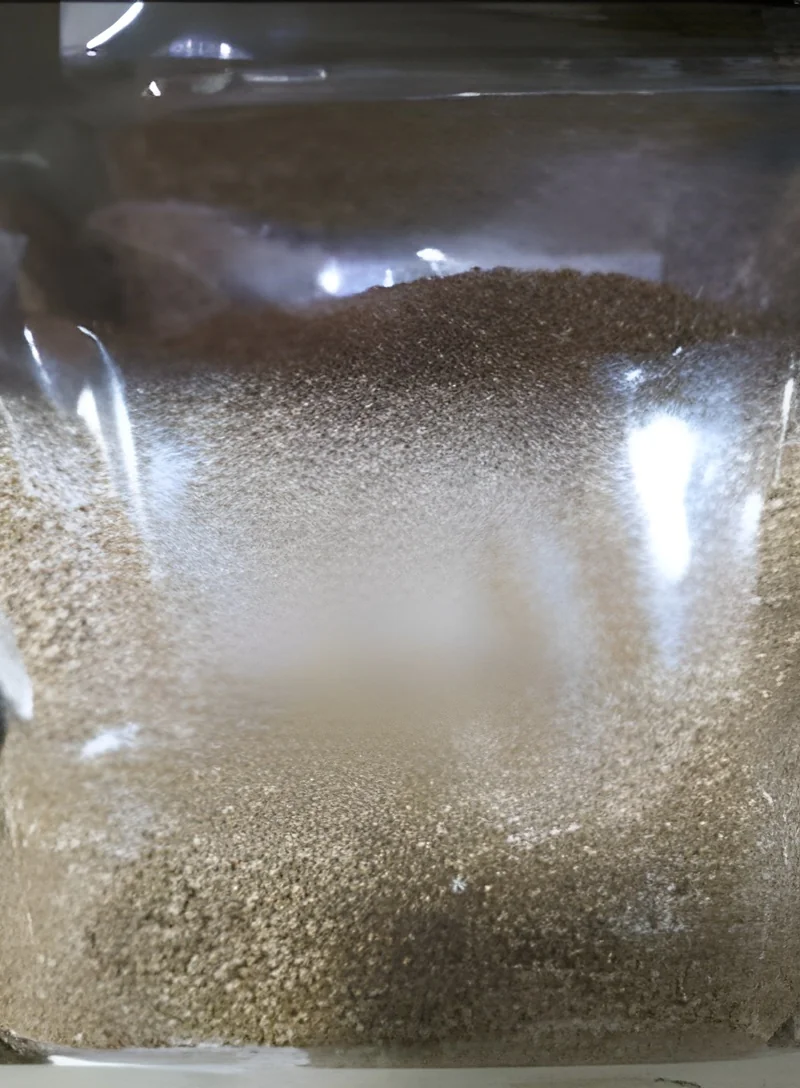
What are Kodo Millet?
Kodo Millet, scientifically known as Paspalum scrobiculatum, is a nutritious cereal grain native to India and other parts of Asia. It is a drought-resistant crop that thrives in harsh conditions, making it an excellent choice for sustainable agriculture. Kodo Millet is gaining popularity due to its health benefits and versatility in various culinary applications. It is gluten-free and rich in dietary fiber, proteins, vitamins, and minerals, which contribute to a balanced diet.
In the business context, Kodo Millet is primarily used in food products such as flour, snacks, and breakfast cereals. Its unique flavor and texture make it suitable for both traditional and modern recipes. The grain is increasingly being incorporated into health food products due to the rising consumer demand for gluten-free and nutrient-dense alternatives. With growing awareness of health and wellness, the market for Kodo Millet is expanding, making it relevant for food manufacturers, health food producers, and retailers.
Key Features and Specifications
Kodo Millet offers distinct features that cater to various industrial needs. Its nutritional profile and adaptability make it a valuable ingredient across multiple sectors. The following specifications outline the key attributes of Kodo Millet.
Key specifications include:
1. Nutritional Value
- High in proteins and fiber
- Contains essential vitamins and minerals, such as B vitamins and iron
2. Gluten-Free
- Safe for individuals with gluten intolerance or celiac disease
- Provides an alternative to traditional grains
3. Versatility
- Suitable for various culinary applications including flour, snacks, and porridge
- Can be used in both sweet and savory dishes
4. Shelf Life
- Typically has a long shelf life when stored properly
- Best kept in cool, dry conditions to maintain quality
5. Drought Resistance
- Grows well in arid conditions
- Requires less water compared to other cereal crops
6. Sustainable Production
- Environmentally friendly crop with low input needs
- Promotes biodiversity in agricultural systems
In summary, Kodo Millet stands out due to its nutritional benefits, versatility, and sustainable cultivation practices.
Common Applications and Use Cases
Kodo Millet serves various industries, making it a multifaceted ingredient.
1. Food Industry: Kodo Millet is widely used in the production of gluten-free flours, snacks, and breakfast cereals. Its high nutritional value appeals to health-conscious consumers.
2. Health and Wellness: The grain is a popular choice for health food brands focusing on organic and gluten-free products. It is often featured in dietary supplements and functional foods.
3. Animal Feed: Kodo Millet can also be used as a nutritious feed alternative for livestock, contributing to healthy animal diets.
4. Bakery Products: It is increasingly being incorporated into baked goods, providing flavor and texture while enhancing nutritional profiles.
5. Ethnic Cuisine: Kodo Millet has traditional uses in various regional dishes, providing opportunities for cultural food products.
6. Food Service: Restaurants and catering services are exploring Kodo Millet as a unique ingredient for innovative menu items.
Product Variants and Subcategories
Kodo Millet is a versatile grain that offers various options for buyers, though specific variants may not be widely available.
Whole Kodo Millet: This variant is available as whole grains, suitable for cooking and use in traditional dishes. It retains its nutritional benefits and can be cooked as a side dish or added to salads.
Kodo Millet Flour: Ground Kodo Millet is used in baking and as a thickening agent in soups and sauces. It is a preferred choice for gluten-free baking, providing a unique flavor and texture.
Puffed Kodo Millet: This variant is processed for snacks and cereals, offering a light and crispy texture. It can be consumed as a snack or used as a topping.
Benefits and Advantages
Kodo Millet provides various advantages for businesses and consumers alike.
1. Nutritional Benefits: It is rich in fiber, proteins, and essential nutrients, promoting a healthy diet.
2. Gluten-Free Alternative: The grain is an excellent option for those with gluten sensitivities, expanding market reach for manufacturers.
3. Sustainable Crop: Its drought-resistant nature makes it an environmentally friendly choice, appealing to eco-conscious businesses.
4. Versatile Ingredient: Kodo Millet can be used in numerous applications, enhancing product diversity for manufacturers.
5. Long Shelf Life: With proper storage, Kodo Millet retains its quality over time, ensuring availability for businesses.
6. Growing Market Demand: The increasing interest in healthy eating and gluten-free products presents opportunities for businesses in the health food sector.
Buying Guide for B2B Buyers
When sourcing Kodo Millet, it is essential to consider several factors to ensure quality and value.
1. Quality Assessment: Look for suppliers that provide detailed nutritional information and quality assurance. Certifications can be a good indicator of product quality.
2. Supplier Verification: Vet potential suppliers by checking their credentials, customer reviews, and production standards. A reliable supplier will have a transparent sourcing process.
3. Pricing and MOQ: Understand the pricing structure and minimum order quantities (MOQ) to ensure it aligns with your business needs. Compare quotes from different suppliers for competitive pricing.
4. Delivery and Lead Times: Discuss logistics and delivery schedules with suppliers to meet your operational timelines. Timely delivery is crucial to maintaining inventory levels.
5. Compliance Requirements: Ensure that the product meets relevant regulations and quality standards applicable to your region. Compliance with certifications can affect marketability.
Compliance and Certifications
Kodo Millet must meet various quality standards and industry certifications to ensure safety and reliability.
Relevant standards may include ISO 9001, which guarantees quality management systems, and HACCP, focusing on food safety. Compliance with Good Distribution Practices (GDP) is also essential for maintaining product integrity during transport.
Additionally, Kodo Millet is often certified with CE standards, which indicate compliance with European health, safety, and environmental protection legislation.
It is important for suppliers to adhere to safety testing requirements to ensure that the product is free from contaminants and safe for consumption. Regional compliance considerations may vary, so understanding local regulations is critical for successful sourcing.
Why Source Kodo Millet from Pepagora?
Pepagora offers a trusted platform for sourcing Kodo Millet, providing several key advantages for buyers.
Verified Supplier Network: Pepagora connects businesses with a network of verified suppliers, ensuring that buyers can access high-quality products. Rigorous vetting processes help establish trust and reliability.
Streamlined RFQ Process: The platform allows for a convenient request for quotation (RFQ) system, enabling buyers to easily compare prices and specifications from multiple suppliers. This transparency fosters informed decision-making.
Trade Assurance and Support: Pepagora offers trade assurance, protecting buyers from potential risks in transactions. Dedicated support teams are available to assist with any inquiries or issues.
Regional Coverage: With a strong presence in India, the GCC, and Southeast Asia, Pepagora provides comprehensive coverage for businesses looking to source Kodo Millet from diverse markets. This broad geographic reach enhances accessibility and convenience for buyers.

 IN
IN