IN
IN₹
Apparel & Fashion
Description
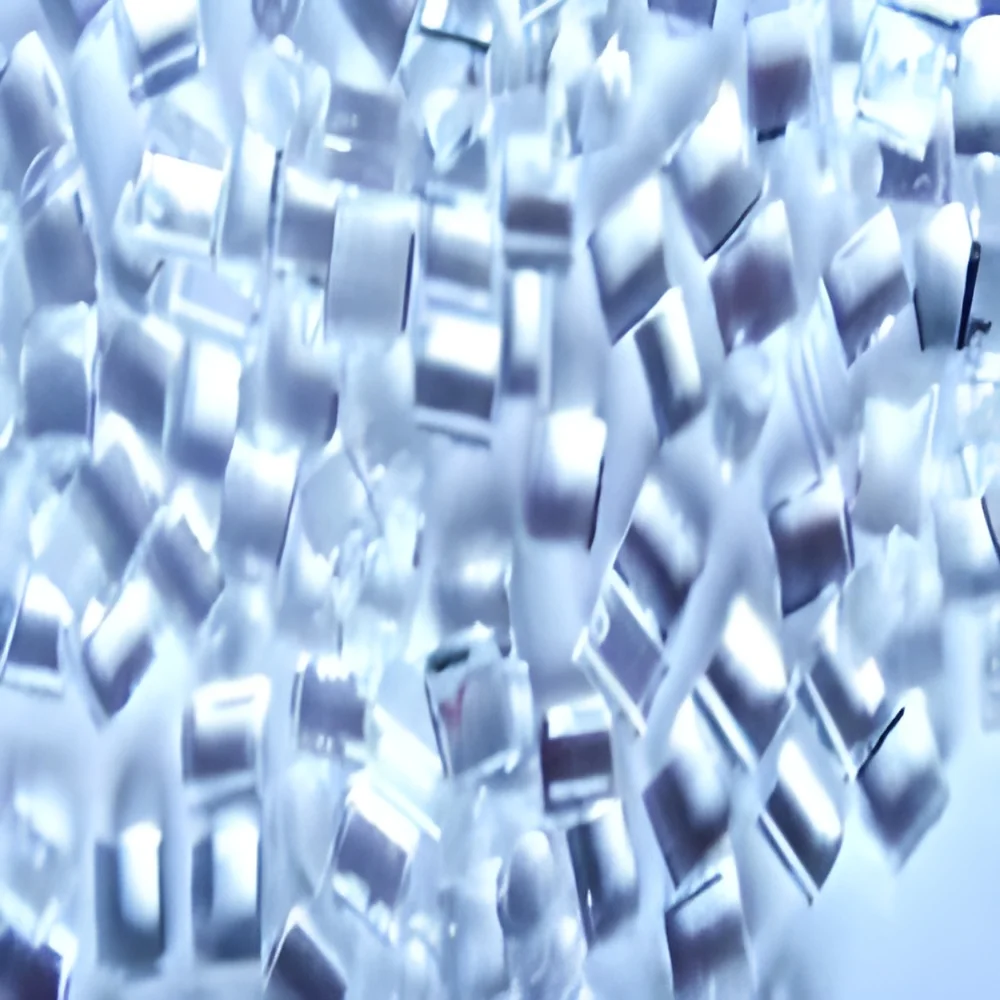
PMMA Polymethylmethacrylate represents an engineering-grade thermoplastic known for its exceptional optical clarity, weather resistance, and cost efficiency. Serving as a practical alternative to polycarbonate, this material delivers superior surface hardness, excellent UV stability, and light transmission capabilities reaching 92 percent. These properties make it ideal for applications where traditional glass proves too heavy or fragile. Sourced from reliable manufacturers, our PMMA granules guarantee consistent quality and come in various grades specifically designed for injection molding or extrusion processes. Proper drying procedures typically involving 8 hours at 70-100 degrees Celsius for standard cylinders are essential to prevent surface defects, though vented cylinders enable processing without pre-drying requirements. With melt temperatures between 200-250 degrees Celsius and mold temperatures of 40-80 degrees Celsius, careful processing ensures optimal material flow and sup...
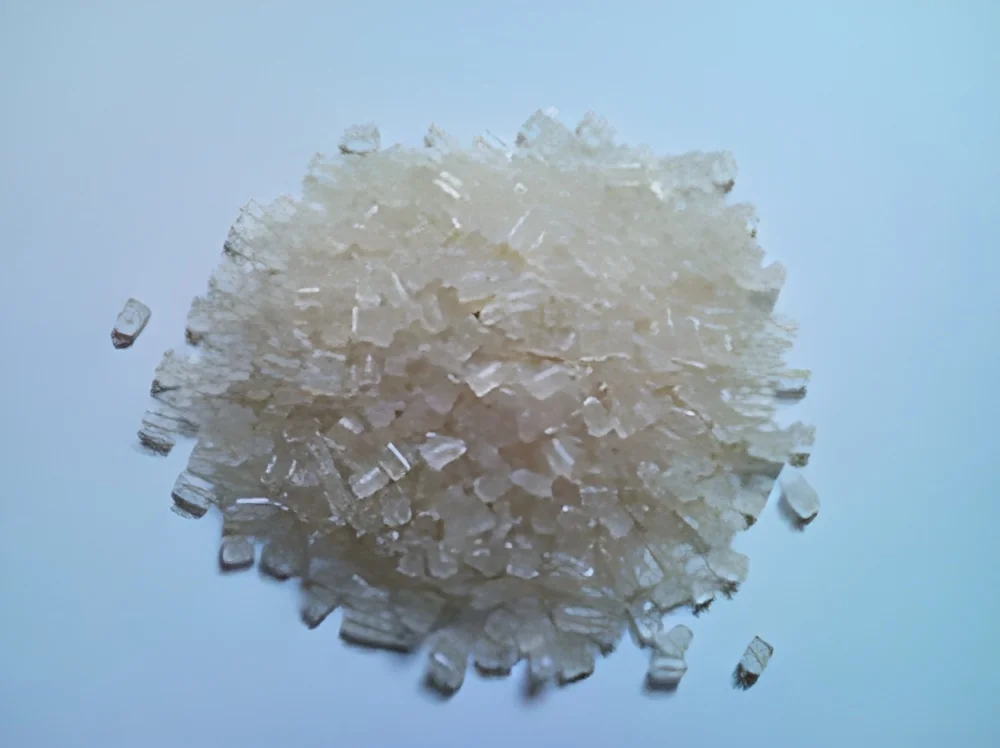
PMMA Polymethylmethacrylate represents an engineering-grade thermoplastic known for its exceptional optical clarity, weather resistance, and cost efficiency. Serving as a practical alternative to polycarbonate, this material delivers superior surface hardness, excellent UV stability, and light transmission capabilities reaching 92 percent. These properties make it ideal for applications where traditional glass proves too heavy or fragile. Sourced from reliable manufacturers, our PMMA granules guarantee consistent quality and come in various grades specifically designed for injection molding or extrusion processes. Proper drying procedures typically involving 8 hours at 70-100 degrees Celsius for standard cylinders are essential to prevent surface defects, though vented cylinders enable processing without pre-drying requirements. With melt temperatures between 200-250 degrees Celsius and mold temperatures of 40-80 degrees Celsius, careful processing ensures optimal material flow and superior finish quality. This material combines straightforward handling with outstanding mechanical properties, providing businesses with a dependable solution for high-visibility products.

Multiple industries benefit from PMMA's unique properties, including automotive, construction, lighting, medical, and consumer goods sectors. Automotive manufacturers utilize PMMA for tail lights, instrument panels, and exterior trim components due to its durability and aesthetic appeal. The construction industry employs this material in skylights, greenhouse panels, and noise barriers where transparency and safety considerations are paramount. Lighting manufacturers depend on PMMA for diffusers and lenses because of its high light transmission capabilities and resistance to yellowing over time. Medical applications include surgical tools and diagnostic devices where clarity and sterilizability become critical requirements. Retail and signage industries implement PMMA for displays and fixtures that demand vibrant visuals and long-term outdoor performance. The material's versatility extends to aquariums, sanitaryware, and electronic displays, demonstrating comprehensive utility across numerous sectors.

Businesses select PMMA for its exceptional value proposition, delivering polycarbonate-like performance at reduced costs while offering improved scratch resistance and optical properties. The material's reliability in diverse environments decreases replacement frequency and maintenance expenses, enhancing overall product lifecycle value. Customization possibilities in color, thickness, and processing methods enable manufacturers to meet specific design requirements without quality compromises. The material's fabrication simplicity through cutting, bending, or polishing operations streamlines production processes and reduces labor costs. Furthermore, PMMA's recyclability supports corporate sustainability objectives, appealing to environmentally conscious buyers. By partnering with trusted suppliers, businesses ensure consistent material quality, timely availability, and technical support for complex projects, ultimately minimizing operational downtime and maximizing return on investment.

Key Features:
- High optical clarity with 92 percent light transmission for glass-like transparency
- Excellent UV and weather resistance preventing yellowing and outdoor degradation
- Superior surface hardness and scratch resistance compared to other plastics
- Cost-effective alternative to polycarbonate with lower raw material costs
- Easy processing through injection molding or extrusion with adjustable melt temperatures

Benefits:
- Enhanced product aesthetics through maintained clarity and resistance to environmental factors
- Reduced maintenance costs due to superior durability and scratch resistance
- Lower production expenses through cost-effective material selection and easy processing
- Design flexibility accommodating various manufacturing techniques and specifications
- Sustainable manufacturing support through material recyclability and long product lifespan
Specifications
| Additional Information | |
|---|---|
| Country of Origin | India |
Application
PMMA Polymethylmethacrylate delivers outstanding performance in applications demanding high optical clarity, UV resistance, and long-term durability. Its exceptional light transmission and weatherability make it ideal for outdoor signage, automotive components, and architectural elements. The material processes efficiently through injection molding and extrusion, allowing for complex shapes and precise dimensions while maintaining cost-effectiveness compared to polycarbonate alternatives. Manufacturers value PMMA for its balanced properties and reliable performance under various environmental conditions.
This versatile polymer serves critical functions across multiple sectors due to its shatter resistance and aesthetic appeal. The material's ease of machining, polishing, and bonding simplifies production workflows and reduces finishing costs. PMMA maintains its appearance over time without yellowing, ensuring long-term visual appeal in demanding applications. From retail displays to medical devices, it provides consistent performance while supporting sustainable manufacturing practices through recyclability. Proper processing techniques ensure optimal surface quality and prevent defects.
- Automotive components: Light covers, indicator lenses, and interior panels requiring high gloss and weather resistance
- Architectural glazing: Skylights, sound barriers, and decorative panels for safety and natural light diffusion
- Retail signage: Illuminated displays, exhibition stands, and point-of-purchase units with excellent printability
- Medical equipment: Surgical instruments, dental devices, and laboratory tools needing sterility and transparency
- Consumer products: Aquarium windows, bathroom fixtures, and kitchen surfaces for scratch resistance and easy cleaning
Trade Details
| Available Stock | In Stock |
| Sample Availability | No |
Payment Terms
| Payment Terms |
|
Company Profile

Dr Polymers Ltd, New Delhi
 New Delhi, India
New Delhi, IndiaManufacturer•Distributor / Wholesaler•Importer / Exporter
Factory Details
Factory SizeBelow 1000 sqm
Annual Production Capacity0
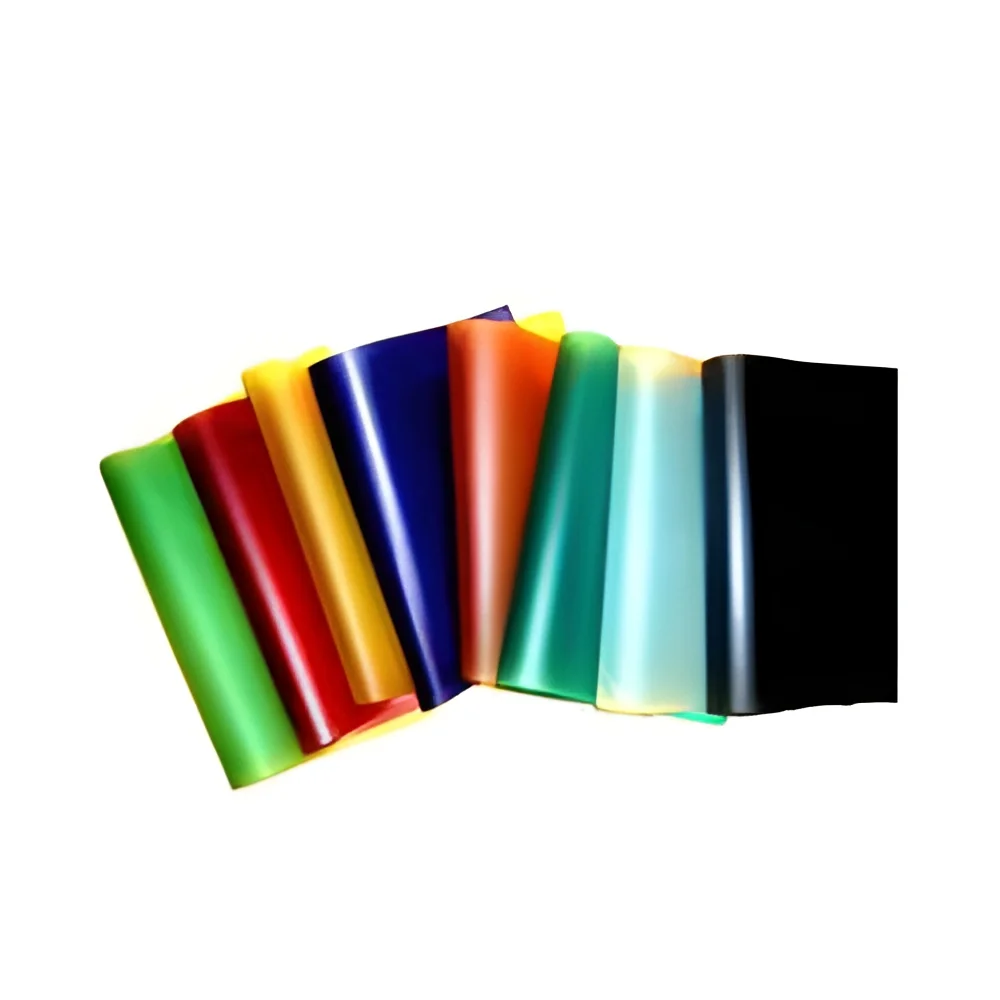
PMMA Polymethylmethacrylate Sheets For Injection Molding And Extrusion
PMMA Polymethylmethacrylate sheets provide excellent clarity and weather resistance for injection molding and extrusion. This durable material offers superior optical quality and processing ease across industries requiring reliable performance.
Min. Order Quantity: 1 unit
Shipping
Shipping fee and delivery date to be negotiated. Contact supplier now for more details.
Dr Polymers Ltd
 New Delhi, India
New Delhi, IndiaManufacturer