
 IN
Humectants (Glycerol, Sorbitol)
3 products available
Key Features and Specifications
When evaluating humectants like glycerol and sorbitol, understanding their key features and specifications is essential for making informed purchasing decisions. These specifications help ensure that the selected products meet the specific needs of various applications.
Key specifications include:
1. Purity Levels
- Glycerol typically has a purity level of 99% or higher.
- Sorbitol purity is often around 70% to 99%.
2. Appearance
- Glycerol is a clear, colorless liquid.
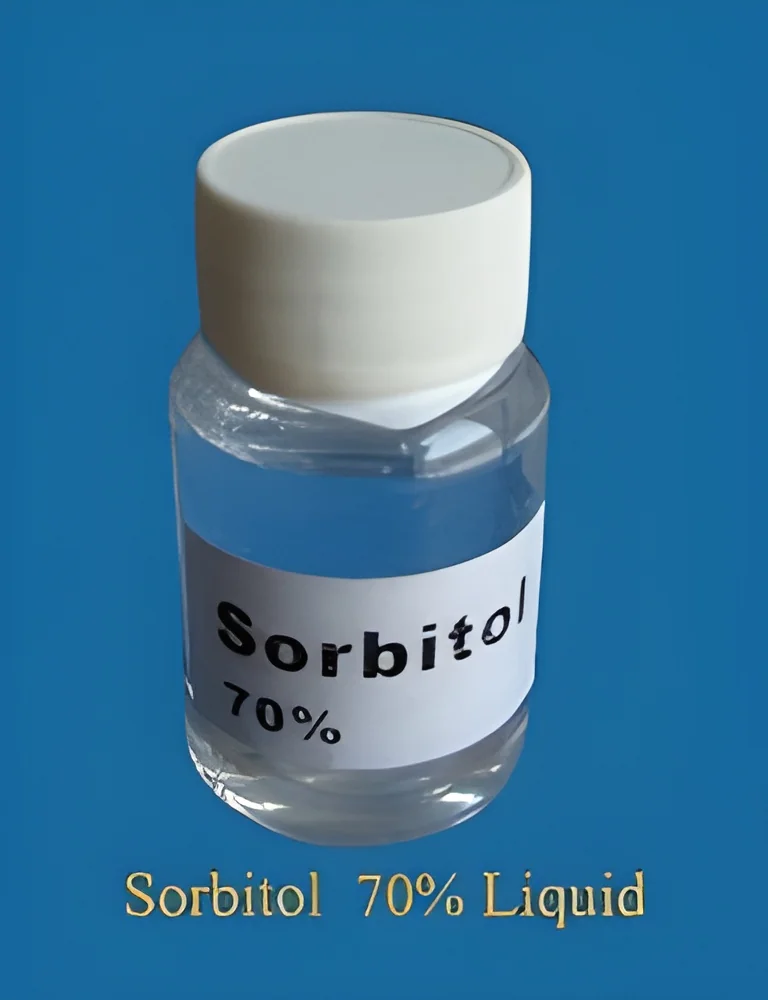
- Sorbitol is usually a white crystalline powder or clear liquid.
3. Solubility
- Glycerol is highly soluble in water and alcohol.
- Sorbitol is also soluble in water, making it suitable for various formulations.
4. Viscosity
- Glycerol has a high viscosity, impacting its flow properties.
- Sorbitol has a lower viscosity, which can influence blending in formulations.
5. Boiling Point
- Glycerol has a boiling point of approximately 290°C.
- Sorbitol can decompose before it boils, making its boiling point less relevant.
6. Shelf Life
- Both glycerol and sorbitol have long shelf lives when stored properly.
- Recommendations for storage usually include a cool, dry environment.
7. Safety Profile
- Both substances are generally recognized as safe (GRAS) for use in food and pharmaceutical applications.
These specifications highlight the critical characteristics of glycerol and sorbitol that influence their selection for various applications.
Common Applications and Use Cases
Humectants like glycerol and sorbitol serve a wide range of industries, showcasing their versatility and importance.
1. Food Industry: These humectants are widely used in baked goods to retain moisture, enhancing texture and preventing staleness. They are also common in confectionery products to maintain softness.
2. Cosmetics Industry: Glycerol and sorbitol are key ingredients in lotions and creams, providing hydration and improving skin texture. Their moisture-retaining properties help enhance the efficacy of personal care products.
3. Pharmaceutical Industry: In pharmaceuticals, glycerol acts as a solvent and preservative in liquid formulations. Sorbitol is frequently used as a sweetener and stabilizing agent in syrups and suspensions.
4. Tobacco Industry: Glycerol is utilized in tobacco products to maintain moisture levels, enhancing the smoking experience.
5. Chemical Industry: Both humectants are used as raw materials in the production of various chemicals, contributing to numerous formulations.
6. Agriculture: Glycerol has applications in agriculture as a humectant in fertilizers and pesticides, enhancing their effectiveness.
7. Animal Feed: Sorbitol is used as a feed additive in the livestock industry to improve feed quality and moisture retention.
Product Variants and Subcategories
While the primary variants of glycerol and sorbitol focus on purity and form, there is diversity within these categories based on application and formulation.
Glycerol USP
This variant meets the standards set by the United States Pharmacopeia. It is suitable for pharmaceutical and food applications, ensuring high purity and quality.
Sorbitol Powder
This variant is available in a granular form, making it easy to incorporate into dry formulations. It is often used in the food industry for its sweetness and moisture-retaining properties.
Sorbitol Liquid
This form is commonly used in liquid formulations, such as syrups and lotions. Its soluble nature makes it ideal for maintaining moisture in various applications.
Benefits and Advantages
Choosing humectants like glycerol and sorbitol brings several advantages to manufacturers and formulators.
1. Moisture Retention: Humectants effectively attract and hold moisture, enhancing product shelf life and quality.
2. Improved Texture: They contribute to a desirable texture in food and cosmetic products, improving customer satisfaction.
3. Versatility: Glycerol and sorbitol can be used across various industries, making them highly versatile ingredients.
4. Safety: Both compounds are generally recognized as safe, ensuring compliance with health regulations.
5. Cost-Effectiveness: Using humectants can reduce product waste by enhancing shelf life, ultimately leading to cost savings.
6. Functional Benefits: They provide additional functional benefits, such as sweetening and stabilization in formulations.
Buying Guide for B2B Buyers
When sourcing humectants like glycerol and sorbitol, B2B buyers should consider several critical factors to ensure they make informed decisions.
1. Quality Assessment: Evaluate the purity and quality of the humectants. Look for certifications indicating compliance with industry standards.
2. Supplier Verification: Vet suppliers by checking their reputations and reliability in the market. Ensure they have a proven track record of delivering quality products.
3. Pricing and MOQ: Analyze pricing structures and minimum order quantities to find the best fit for your budget and requirements.
4. Delivery and Lead Times: Consider logistical aspects, including delivery schedules and lead times, to maintain efficient supply chain management.
5. Compliance Requirements: Ensure that the humectants meet all regulatory and safety standards relevant to your industry, including any necessary certifications.
Compliance and Certifications
Humectants like glycerol and sorbitol are subject to various quality standards and certifications that ensure their safety and effectiveness. ISO 9001 is a common standard for quality management systems, ensuring manufacturers maintain high-quality production processes.
Additionally, the Hazard Analysis and Critical Control Points (HACCP) certification is essential in food-related applications, focusing on food safety. Good Distribution Practices (GDP) compliance is also crucial for maintaining product integrity throughout the supply chain.
In terms of industry certifications, CE marking reflects compliance with European health, safety, and environmental protection standards. It is vital for products marketed in Europe. Safety and testing requirements vary by application, necessitating thorough assessments to confirm the suitability of humectants for specific uses. Regional compliance considerations should also be taken into account, especially when sourcing from different countries.
Why Source Humectants (Glycerol, Sorbitol) from Pepagora?
Pepagora offers a reliable platform for sourcing humectants like glycerol and sorbitol, providing several key advantages for B2B buyers.
Verified Supplier Network: Pepagora connects buyers with a network of verified suppliers, ensuring quality and reliability in sourcing. Each supplier undergoes a rigorous vetting process to maintain standards.
Streamlined RFQ Process: The request for quotation (RFQ) process is designed to be efficient, allowing buyers to easily request and compare quotes from multiple suppliers. This transparency facilitates better decision-making.
Trade Assurance and Support: With trade assurance, Pepagora offers buyer protection, ensuring that transactions are secure. Support services are available to assist buyers throughout the sourcing process.
Regional Coverage: Pepagora has a broad geographic reach, serving markets in India, the GCC, and Southeast Asia. This regional presence enables buyers to access local suppliers and products tailored to their specific needs.


 India
 India
Frequently Asked Questions
What are Humectants (Glycerol, Sorbitol)?
Humectants are substances that attract moisture from the environment and help retain it in products. Glycerol and Sorbitol are two common humectants used in various industries, including food, cosmetics, and pharmaceuticals, due to their ability to enhance moisture retention and improve texture.
What are the different types of Humectants (Glycerol, Sorbitol)?
The primary types of humectants include natural and synthetic forms. Glycerol is a natural humectant derived from plant oils, while Sorbitol is a sugar alcohol that can be derived from fruits or manufactured synthetically. Both serve similar functions but may differ in their applications and regulatory standards.
How do I choose the right Humectants (Glycerol, Sorbitol)?
Choosing the right humectant depends on the specific application and desired properties of the final product. Consider factors such as moisture retention capability, compatibility with other ingredients, regulatory requirements, and the sensory attributes you want to achieve.
What are the standard specifications for Humectants (Glycerol, Sorbitol)?
Standard specifications for humectants like Glycerol and Sorbitol typically include purity levels, moisture content, pH range, and viscosity. These specifications ensure that the humectants meet the necessary quality and safety standards for their intended use.
What is the price range for Humectants (Glycerol, Sorbitol)?
The price range for humectants such as Glycerol and Sorbitol can vary based on factors like purity, quantity, and supplier. Generally, prices may range from a few hundred to several thousand Indian Rupees per kilogram, depending on these variables.
What quality standards apply to Humectants (Glycerol, Sorbitol)?
Humectants like Glycerol and Sorbitol must comply with various quality standards, including those set by the Food Safety and Standards Authority of India (FSSAI) and the US Food and Drug Administration (FDA). These standards ensure that they are safe for use in food, cosmetics, and pharmaceutical applications.
Where can I find Humectants (Glycerol, Sorbitol) suppliers in India?
You can find suppliers of humectants like Glycerol and Sorbitol through B2B marketplaces like Pepagora, industry trade shows, and online directories. Additionally, networking within industry-specific groups can help you connect with reputable manufacturers and distributors.
Can Humectants (Glycerol, Sorbitol) be customized?
Yes, humectants like Glycerol and Sorbitol can often be customized to meet specific requirements. Manufacturers may offer options for varying concentrations, blends with other ingredients, or modifications to enhance specific properties based on customer needs.
What is the typical minimum order quantity for Humectants (Glycerol, Sorbitol)?
The typical minimum order quantity (MOQ) for humectants such as Glycerol and Sorbitol can vary by supplier but generally ranges from 25 kg to 1000 kg. It is advisable to check with specific suppliers for their MOQs based on your purchasing needs.
What is the typical lead time for Humectants (Glycerol, Sorbitol)?
The typical lead time for humectants like Glycerol and Sorbitol usually ranges from 1 to 4 weeks, depending on factors such as stock availability, customization requests, and shipping methods. It's best to confirm lead times with the supplier at the time of order.
Why Businesses Trust Pepagora
Thousands of companies trust Pepagora to source smarter and sell faster
Expand Your Sales Globally

Source Smarter,Grow Faster
