
 IN
Hot Runner Systems
4 products available
What are Hot Runner Systems?
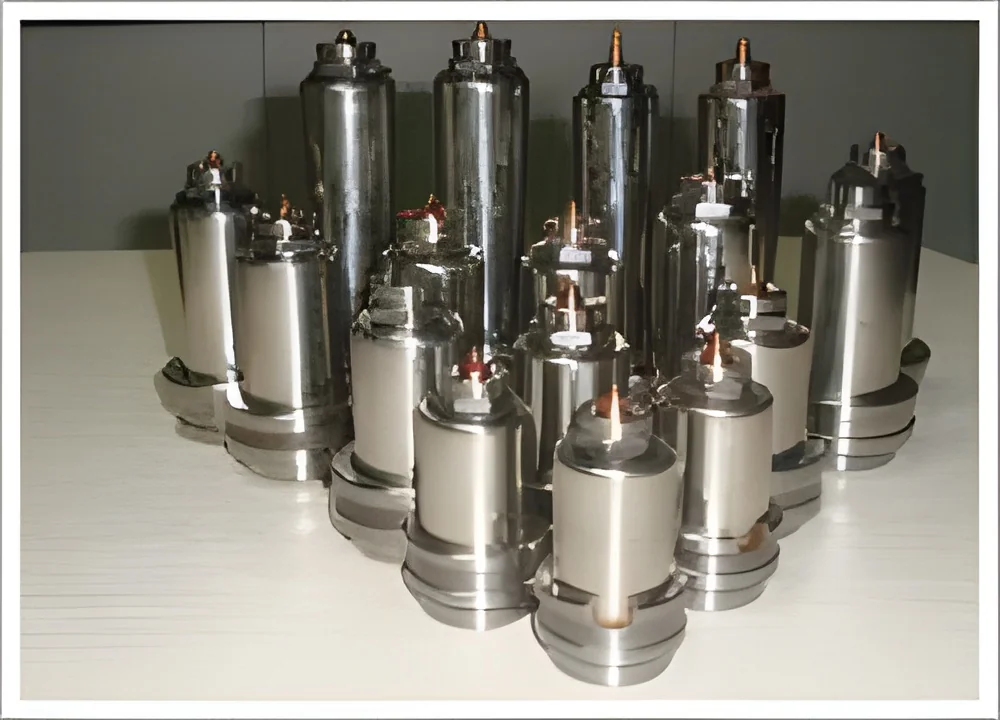
Hot Runner Systems are advanced tools used in injection molding processes to deliver molten plastic directly to the mold cavities. Unlike traditional cold runner systems, hot runners keep the plastic in a molten state, preventing it from solidifying before reaching the mold. This technology significantly enhances efficiency by reducing waste and cycle times, leading to increased productivity.
These systems find applications across various industries, including automotive, consumer goods, and medical devices. By ensuring a consistent flow of material and improving the quality of molded parts, hot runner systems are essential for manufacturers aiming to optimize their production processes. They are particularly relevant in high-volume production environments where precision and speed are critical.
In the current market, hot runner systems are gaining traction due to the rising demand for lightweight and complex plastic components. With an increasing focus on sustainability, manufacturers are leveraging these systems to minimize material waste and energy consumption, making them a vital component in modern manufacturing.
Key Features and Specifications
Hot Runner Systems come with several key features that enhance their performance and usability. Understanding these specifications is essential for businesses looking to invest in this technology.
Key specifications include:
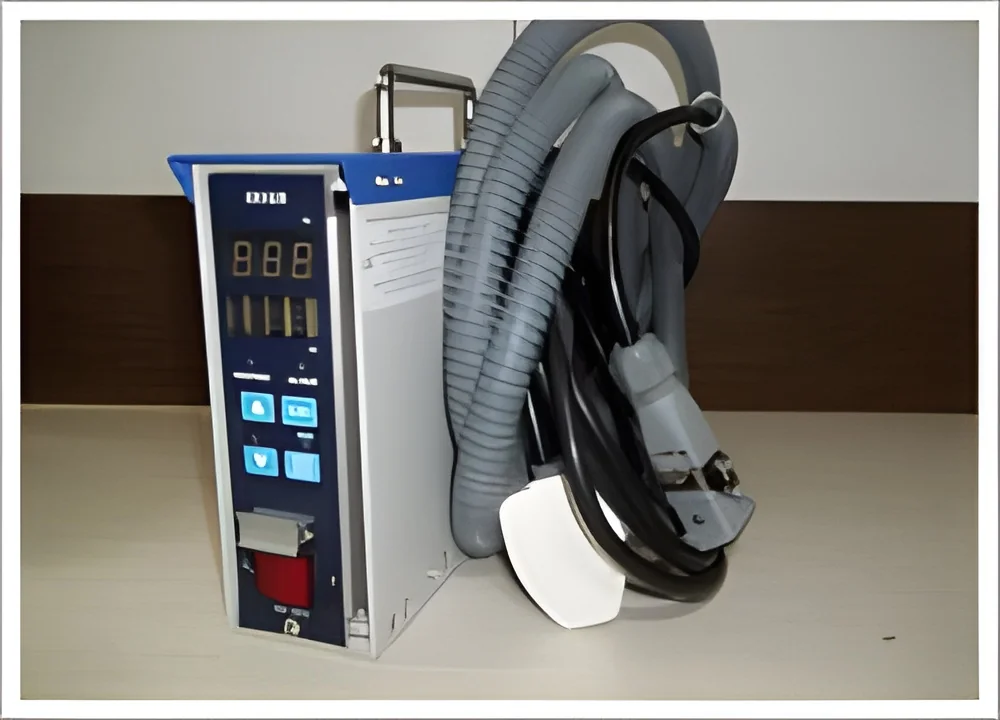
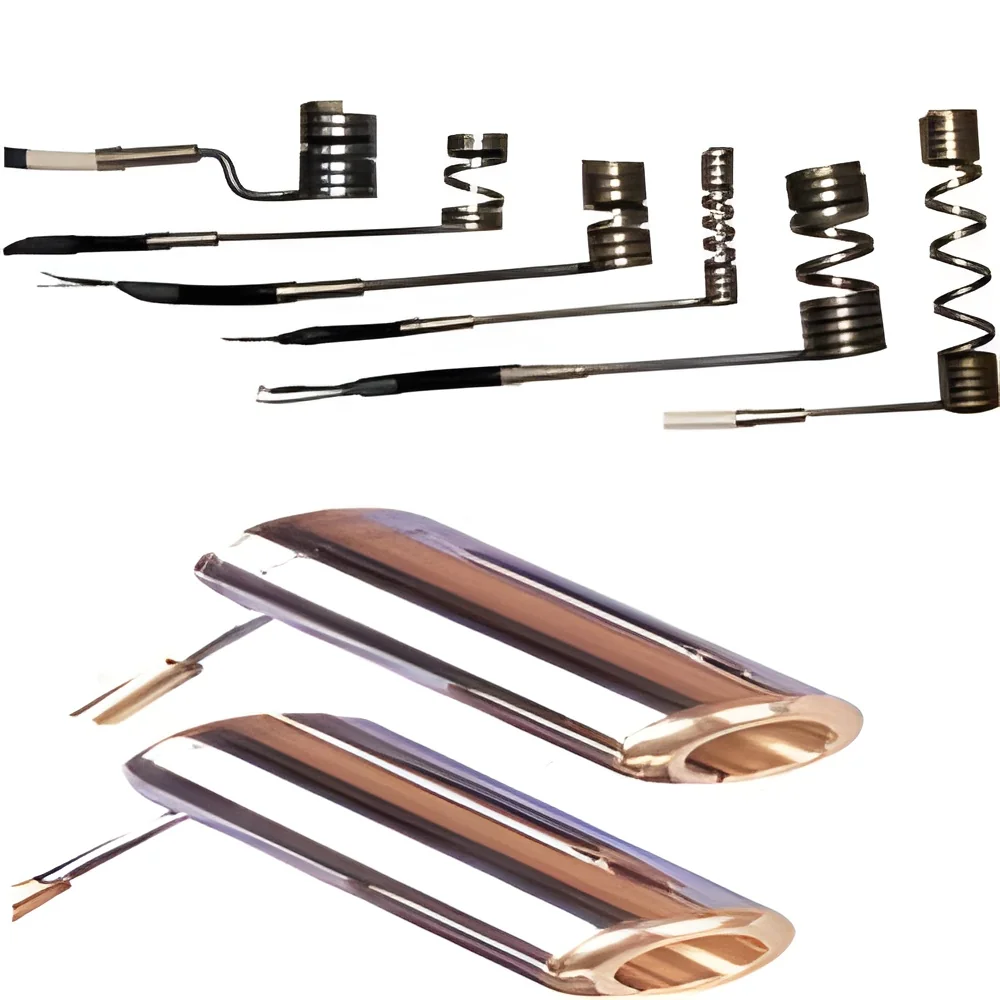
1. Temperature Control
- Ensures precise temperature regulation to maintain the molten state of plastic
- Typically ranges from 180°C to 220°C, depending on material requirements
2. Nozzle Design
- Features various nozzle types for specific applications
- Options include valve gate nozzles and open gate nozzles for different molding needs
3. Material Compatibility
- Suitable for a wide range of thermoplastic materials
- Allows for flexibility in production depending on project demands
4. Maintenance Features
- Designed for easy access and cleaning to minimize downtime
- Some systems include self-cleaning mechanisms
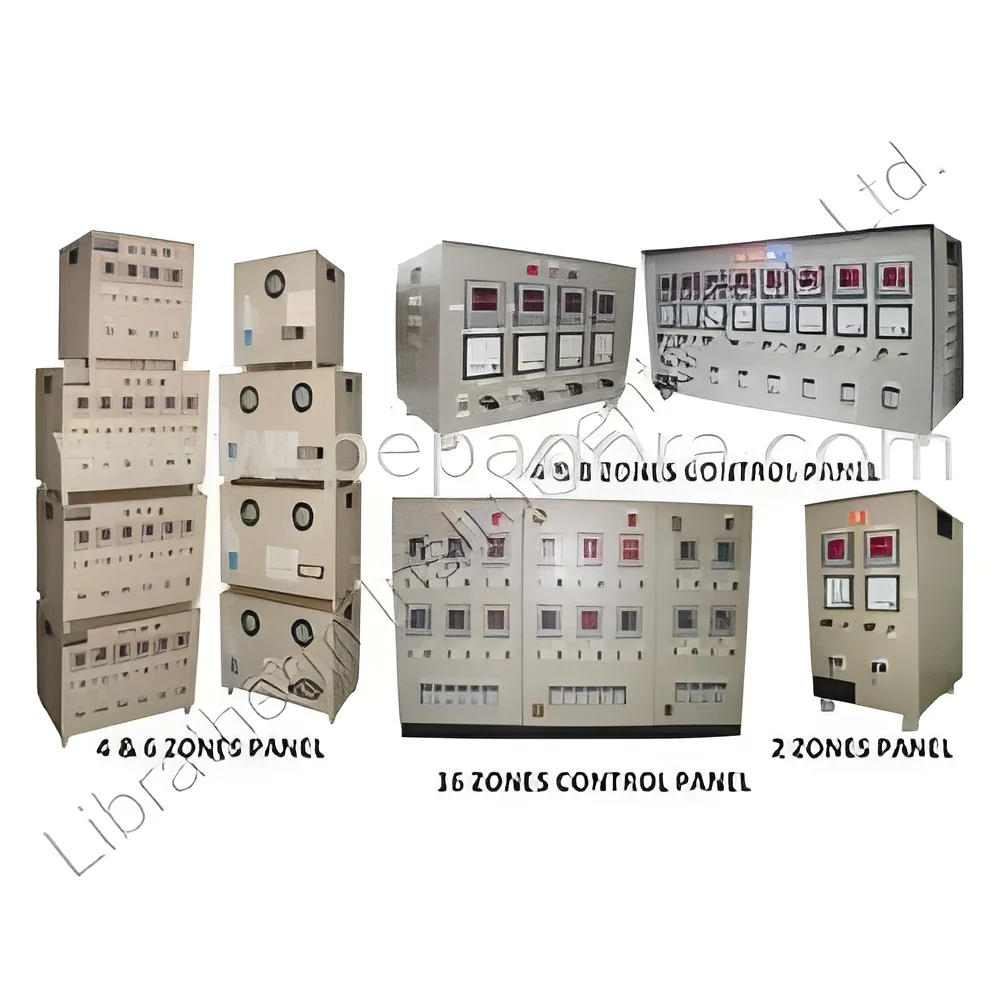
5. Control Systems
- Incorporates advanced control technology for monitoring and adjustments
- Facilitates integration with existing production machinery
6. Energy Efficiency
- Optimized to reduce energy consumption during operation
- Contributes to lower overall production costs
7. Cycle Time Reduction
- Significantly decreases the time taken for each molding cycle
- Enhances overall output and productivity
8. Customization Options
- Allows for tailored solutions based on specific production requirements
- Enables manufacturers to meet unique project specifications
Understanding these features helps manufacturers select the most suitable hot runner system for their needs.
Common Applications and Use Cases
Hot Runner Systems are utilized across multiple industries due to their efficiency and versatility.
1. Automotive: In the automotive sector, these systems are used to produce various components such as dashboards, interior trims, and engine parts, ensuring high precision and quality.
2. Consumer Goods: Manufacturers of consumer products leverage hot runner systems for creating items like bottle caps, containers, and toys, benefiting from faster production cycles and reduced waste.
3. Medical Devices: The medical industry uses hot runner technology to produce components like syringes and surgical instruments, where precision and cleanliness are paramount.
4. Packaging: In packaging, hot runner systems help create intricate designs for bottles and containers, enhancing branding and functionality.
5. Electronics: These systems are employed to manufacture housings and connectors in the electronics industry, where precision and material compatibility are essential.
6. Industrial Components: Hot runners are also used in producing various industrial parts, providing reliability and efficiency in manufacturing processes.
7. Home Appliances: In the home appliance sector, hot runner systems are utilized to create durable components, ensuring longevity and performance.
Product Variants and Subcategories
Hot Runner Systems offer a range of variants to meet diverse manufacturing needs. Each variant is designed with specific features catering to different applications.
Standard Hot Runner System
This variant is ideal for general-purpose applications across multiple industries. It offers reliable temperature control and material compatibility, making it a versatile choice for manufacturers.
Valve Gate Hot Runner System
Designed for applications requiring precise control over material flow, this variant minimizes waste and ensures high-quality finishes, particularly in complex mold designs.
Multi-Cavity Hot Runner System
This system is optimized for high-volume production, allowing manufacturers to create multiple parts simultaneously. It enhances efficiency and reduces cycle times significantly.
Benefits and Advantages
Investing in Hot Runner Systems provides several significant benefits for manufacturers.
1. Reduced Material Waste: Hot runner systems minimize the amount of plastic waste produced during the injection molding process, making them more environmentally friendly.
2. Faster Cycle Times: These systems significantly decrease the time required for each cycle, enhancing overall production efficiency and output.
3. Improved Product Quality: By maintaining the plastic in a molten state, hot runners ensure a consistent quality of molded parts, reducing defects and rework.
4. Energy Efficiency: Hot runner systems are designed to consume less energy compared to traditional systems, leading to lower operational costs.
5. Customization Flexibility: Manufacturers can customize hot runner systems to meet their specific production needs, allowing for greater versatility in product design.
6. Enhanced Performance: With advanced monitoring and control features, hot runner systems improve overall performance and reliability in the production process.
Buying Guide for B2B Buyers
When sourcing Hot Runner Systems, several key factors should be considered to ensure a successful purchase.
1. Quality Assessment: Evaluate the quality of the systems based on industry standards and customer reviews. Look for manufacturers that comply with recognized quality certifications.
2. Supplier Verification: Conduct thorough due diligence on potential suppliers. Verify their reputation, experience, and ability to deliver on time.
3. Pricing and MOQ: Understand the pricing structure, including any minimum order quantities. Compare rates from different suppliers to ensure competitive pricing.
4. Delivery and Lead Times: Consider the logistics involved in sourcing hot runner systems. Assess delivery times and ensure they align with your production schedule.
5. Compliance Requirements: Be aware of regulatory compliance needs specific to your industry. Ensure that the hot runner systems meet all necessary safety and quality standards.
Compliance and Certifications
Hot Runner Systems must adhere to various compliance and certification standards to ensure safety and quality in manufacturing.
ISO 9001 is a widely recognized quality management standard that ensures manufacturers maintain consistent quality in their processes. Compliance with this standard indicates a commitment to quality and continuous improvement.
The CE certification is essential for products sold in the European market. It ensures that the products meet safety, health, and environmental protection standards.
In addition to these standards, manufacturers must also consider safety and testing requirements to ensure that their hot runner systems operate safely and reliably.
Regional compliance considerations may vary based on local regulations. It is important for manufacturers to stay informed about these requirements to avoid potential legal issues.
Why Source Hot Runner Systems from Pepagora?
Pepagora provides a trusted platform for sourcing Hot Runner Systems, offering several key advantages for B2B buyers.
Verified Supplier Network: Pepagora has established a thorough verification process for suppliers, ensuring that buyers connect with reputable manufacturers who comply with industry standards.
Streamlined RFQ Process: The platform offers a simplified Request for Quotation (RFQ) system, allowing buyers to easily obtain competitive quotes from multiple suppliers, saving time and effort.
Trade Assurance and Support: Pepagora prioritizes buyer protection by offering trade assurance, which safeguards transactions and provides support throughout the buying process.
Regional Coverage: With a strong presence in regions like India, the GCC, and Southeast Asia, Pepagora facilitates access to a wide range of suppliers, making it easier for buyers to find the right hot runner systems for their needs.

 India
 India

Frequently Asked Questions
What are Hot Runner Systems?
Hot Runner Systems are injection molding systems designed to keep the plastic in a molten state within the runner system, allowing for faster cycle times and reduced waste. They provide a more efficient way to inject molten plastic into molds, improving overall production processes.
What are the different types of Hot Runner Systems?
There are several types of Hot Runner Systems, including manifold systems, nozzle systems, and valve gate systems. Each type varies based on design and application, catering to specific molding requirements and materials.
How do I choose the right Hot Runner Systems?
Selecting the right Hot Runner System involves considering factors such as the type of material being used, the complexity of the part being molded, and production volume. Consulting with suppliers and reviewing technical specifications can help in making an informed decision.
What are the standard specifications for Hot Runner Systems?
Standard specifications for Hot Runner Systems typically include temperature control ranges, nozzle types, and compatibility with various molding machines. It's essential to check the manufacturer's guidelines to ensure compatibility with your specific application.
What is the price range for Hot Runner Systems?
The price range for Hot Runner Systems can vary widely based on type, size, and manufacturer, typically starting from a few thousand to several lakhs of Indian Rupees. Custom features and specifications can also affect the overall cost.
What quality standards apply to Hot Runner Systems?
Hot Runner Systems must adhere to various quality standards, including ISO certifications and industry-specific guidelines. These standards ensure the systems are reliable, efficient, and safe for use in manufacturing processes.
Where can I find Hot Runner Systems suppliers in India?
You can find Hot Runner Systems suppliers in India through online B2B marketplaces like Pepagora.com, industry trade shows, and manufacturing directories. It's advisable to assess supplier credentials and customer reviews before making a purchase.
Can Hot Runner Systems be customized?
Yes, Hot Runner Systems can often be customized to meet specific production needs, including adjustments in design, size, and materials used. Discussing your requirements with manufacturers can lead to tailored solutions.
What is the typical minimum order quantity for Hot Runner Systems?
The typical minimum order quantity (MOQ) for Hot Runner Systems can vary by supplier but often ranges from a single unit to larger quantities based on production capabilities. It's best to confirm the MOQ with potential suppliers.
What is the typical lead time for Hot Runner Systems?
The typical lead time for Hot Runner Systems generally ranges from a few weeks to several months, depending on the complexity of the order and the manufacturer's production schedule. It's advisable to discuss lead times upfront with suppliers.
Why Businesses Trust Pepagora
Thousands of companies trust Pepagora to source smarter and sell faster
Expand Your Sales Globally

Source Smarter,Grow Faster
