IN
IN₹
Apparel & Fashion
Description
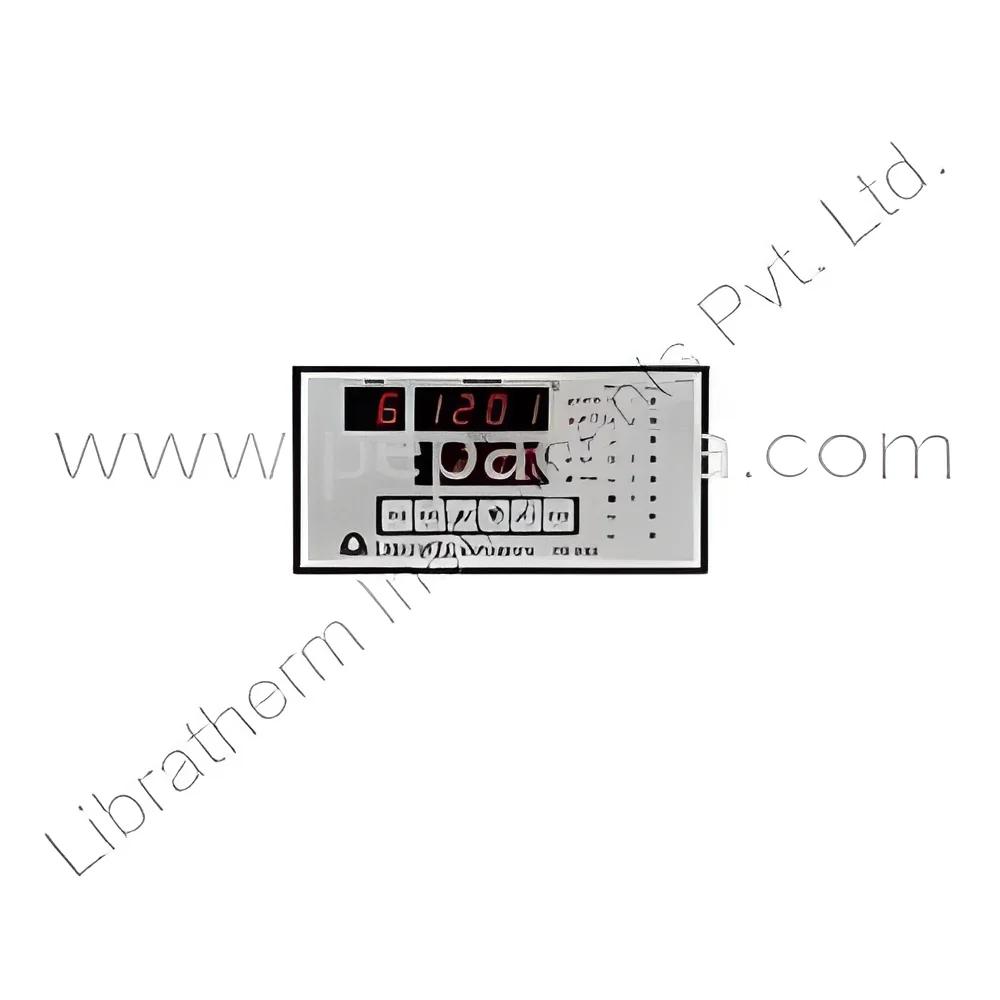
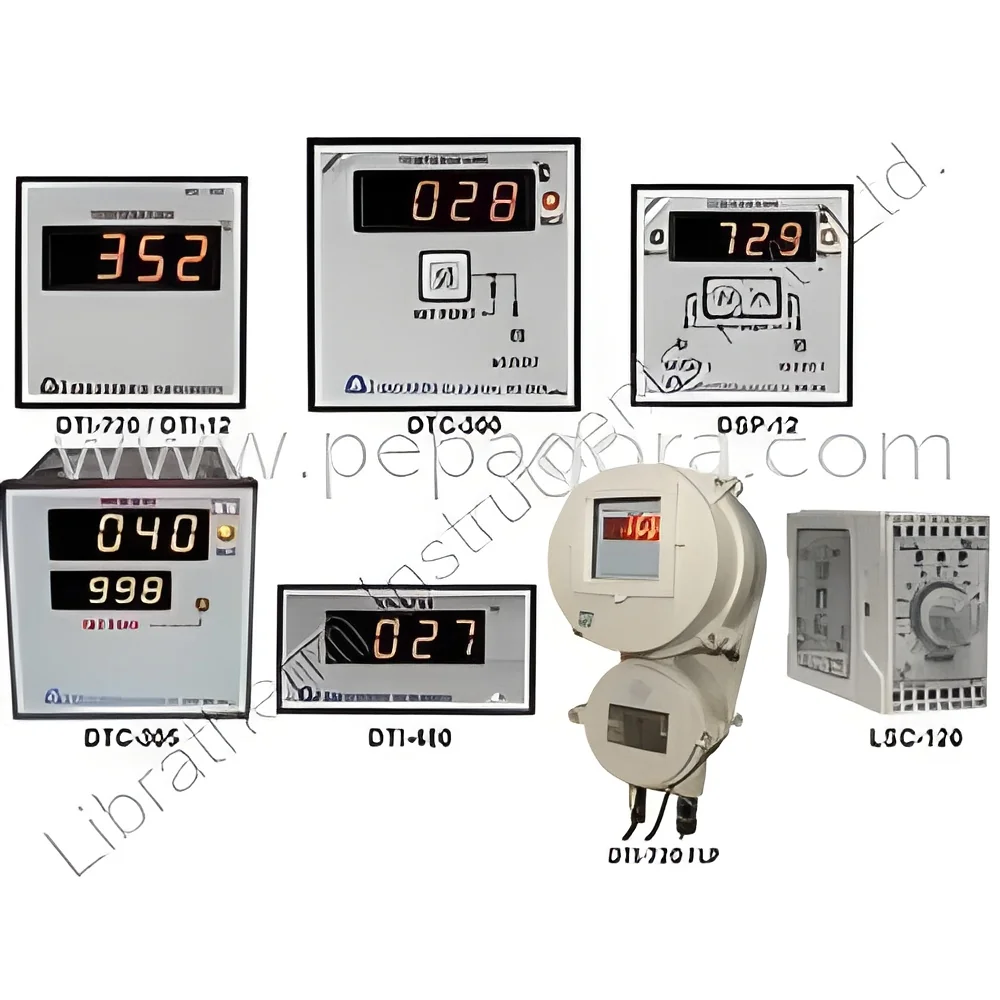
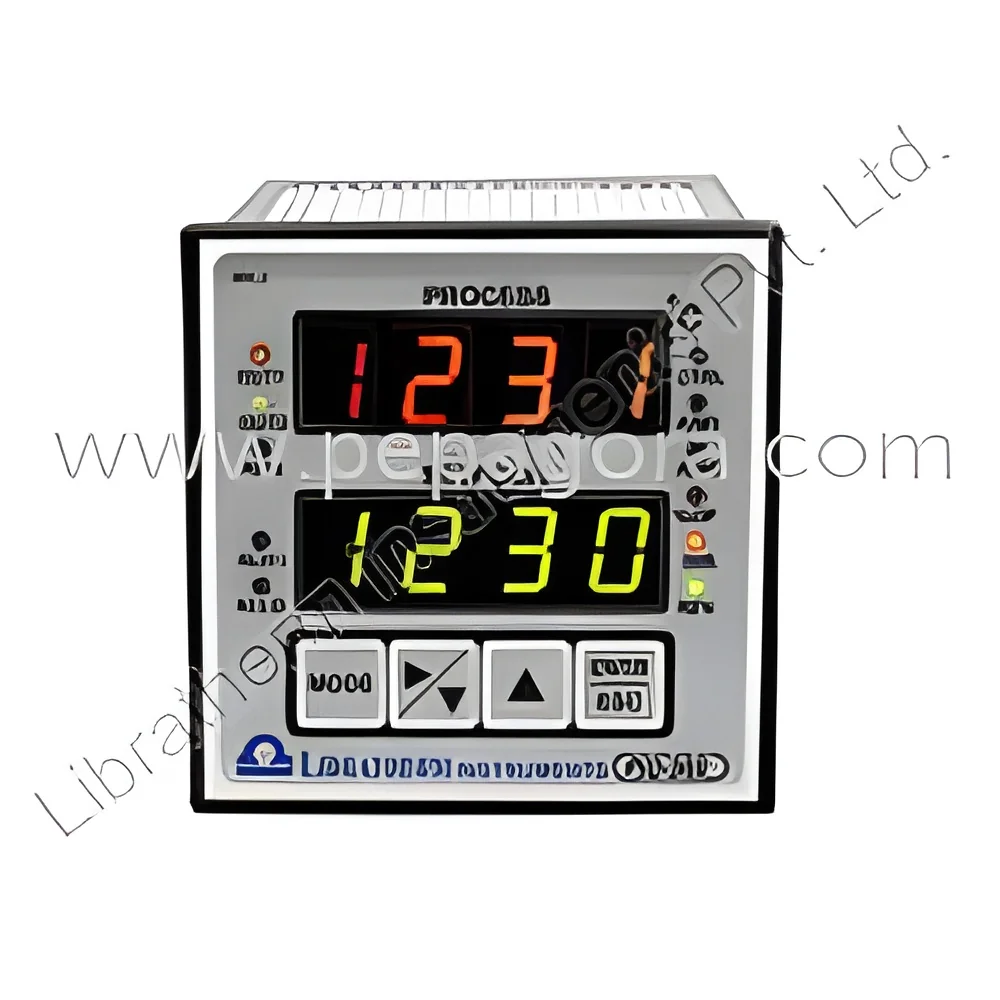
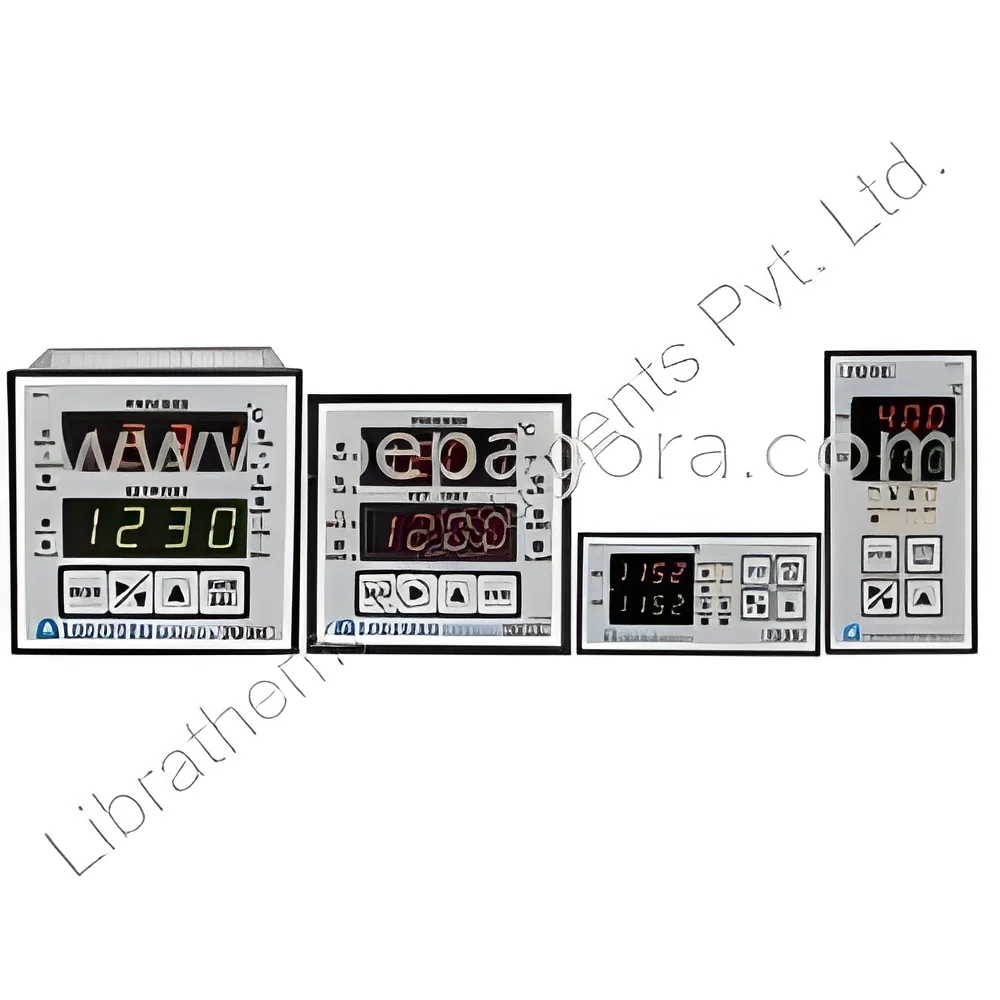
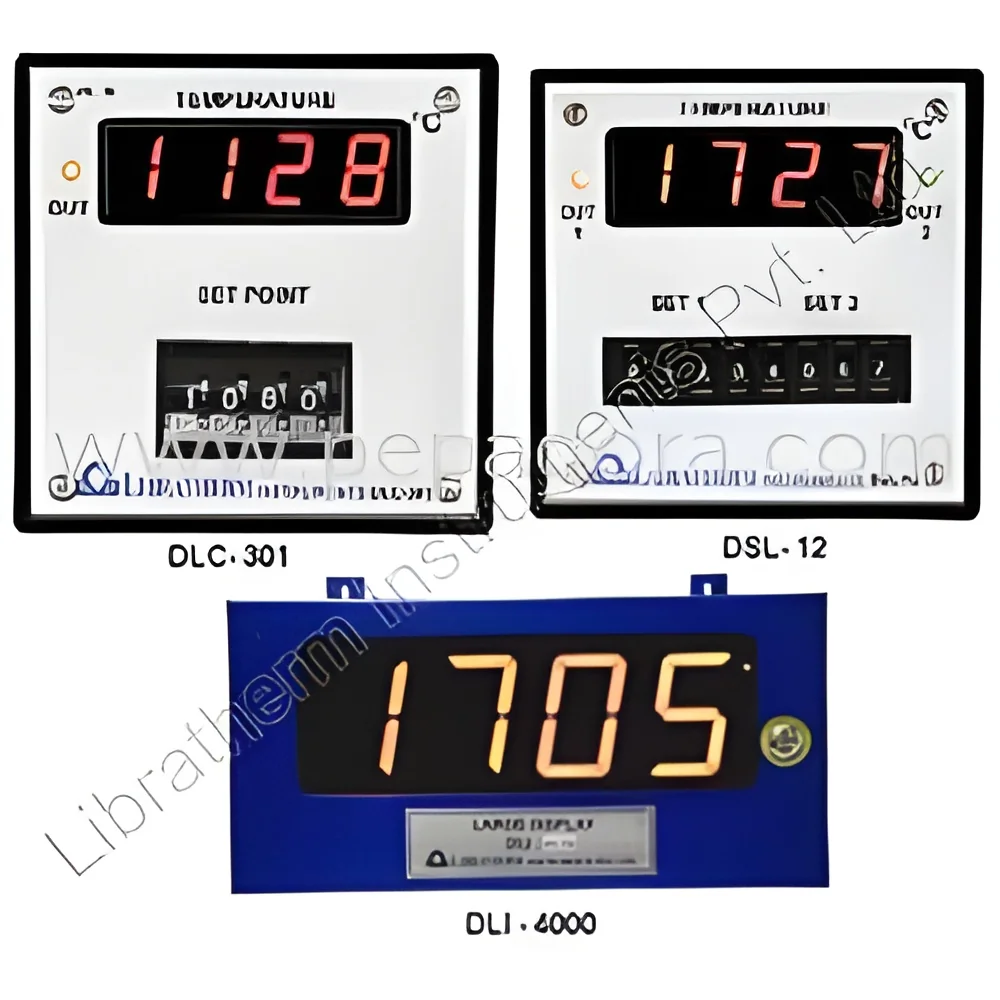
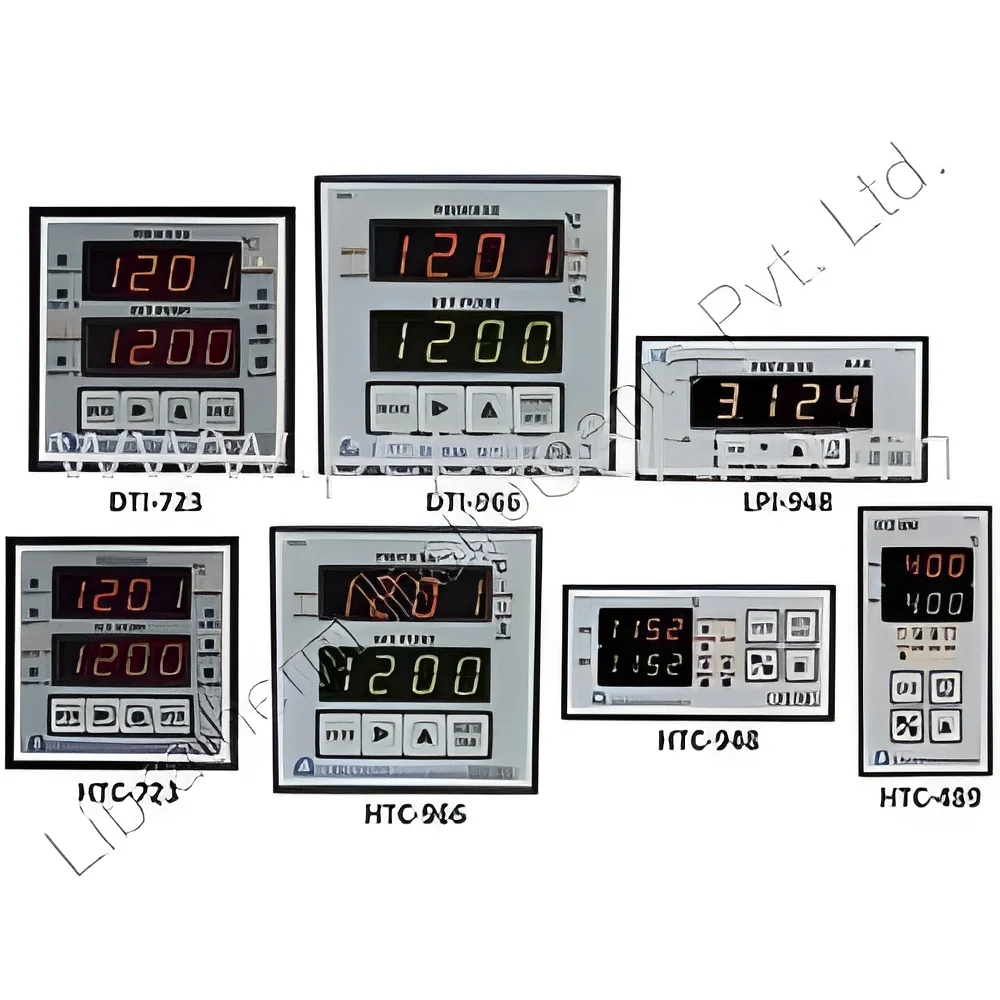
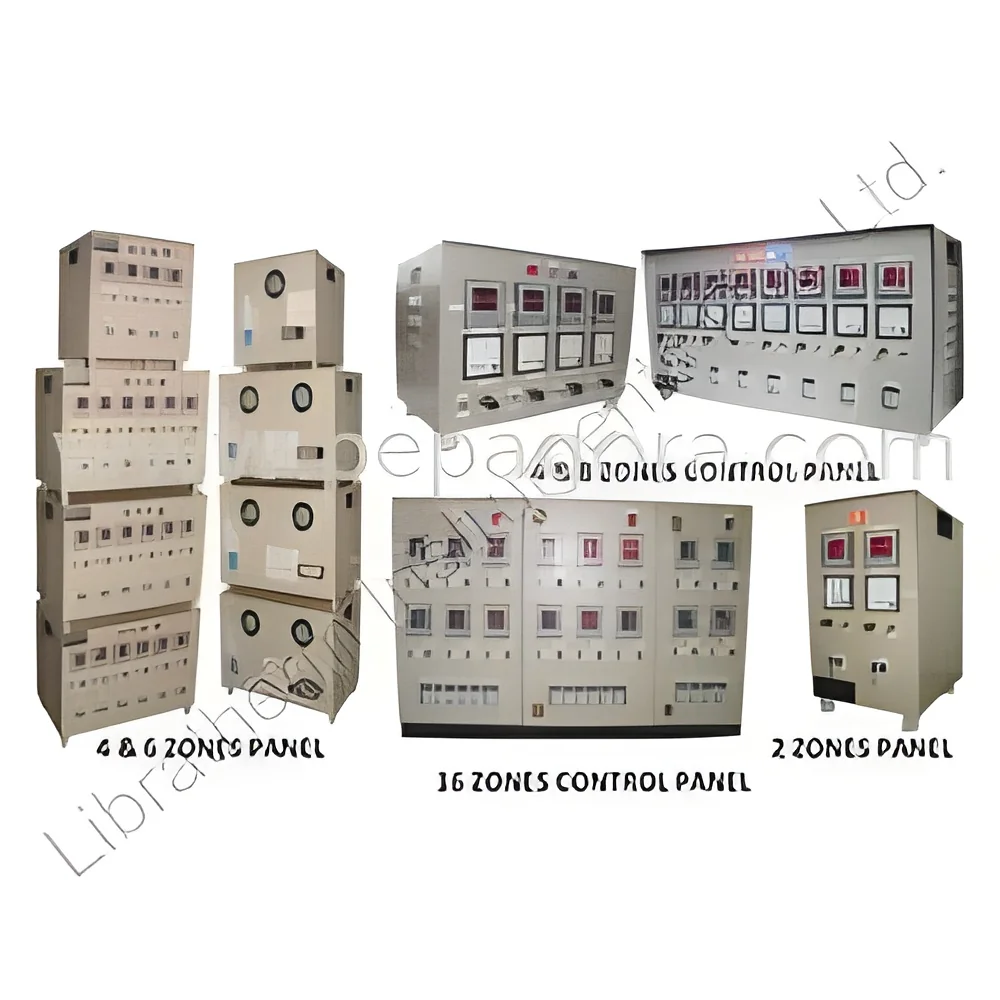
Libratherm hot runner temperature control systems represent advanced thermal management solutions for plastic injection molding processes. These precision-engineered systems offer 2 to 16 independent heating zones, each maintaining accurate temperature control to ensure consistent polymer flow and optimal molding conditions. Incorporating advanced PID controllers with dual displays, these panels provide real-time monitoring and precise temperature regulation. The systems support multiple sensor types including K and J thermocouples plus RTD sensors, while offering flexible power control options through SSR or phase angle SCR configurations. Built with industrial durability, they feature robust construction designed for continuous operation in demanding manufacturing environments.

These temperature control systems find extensive application across industries requiring high-precision injection molding capabilities. Automotive manufacturers utilize them for producing dimensionally stable...
Libratherm hot runner temperature control systems represent advanced thermal management solutions for plastic injection molding processes. These precision-engineered systems offer 2 to 16 independent heating zones, each maintaining accurate temperature control to ensure consistent polymer flow and optimal molding conditions. Incorporating advanced PID controllers with dual displays, these panels provide real-time monitoring and precise temperature regulation. The systems support multiple sensor types including K and J thermocouples plus RTD sensors, while offering flexible power control options through SSR or phase angle SCR configurations. Built with industrial durability, they feature robust construction designed for continuous operation in demanding manufacturing environments.

These temperature control systems find extensive application across industries requiring high-precision injection molding capabilities. Automotive manufacturers utilize them for producing dimensionally stable components like dashboard elements and lighting assemblies where surface quality is critical. Medical device producers rely on these systems for manufacturing sterile, high-tolerance parts including syringe barrels and surgical instrument housings. Electronics manufacturers benefit from consistent thermal management when molding connectors, enclosures, and insulated components. Packaging companies achieve uniform wall thickness in bottles and containers, while consumer goods manufacturers maintain quality standards in high-volume production of various household items and appliances.

Investing in Libratherm hot runner temperature control systems delivers significant operational advantages through enhanced process efficiency and reduced production costs. The systems contribute to lower scrap rates by maintaining consistent temperatures, resulting in higher quality finished products. Energy-efficient operation reduces power consumption while built-in features like power limiting and ramp time functions extend heater lifespan by minimizing thermal stress. The reliability of these systems translates to reduced downtime and maintenance requirements, supporting continuous manufacturing operations. Their adaptability to various mold configurations and production requirements makes them valuable assets for manufacturers seeking to optimize their injection molding processes and maintain competitive advantage in their respective markets.

Key Features:
- 2 to 16 independent zone control for flexible molding configurations
- Advanced PID temperature controllers with dual display monitoring
- Compatibility with K type, J type thermocouples and RTD sensors
- Configurable SSR or phase angle SCR power control options
- Integrated power limiting and ramp time functions for controlled heating

Benefits:
- Consistent temperature control improves part quality and reduces waste
- Multi-zone flexibility supports complex mold designs and configurations
- Energy-efficient operation lowers production costs and power consumption
- Robust construction ensures reliable performance in industrial environments
- Extended heater lifespan through controlled heating and thermal stress reduction
Specifications
| Additional Information | |
|---|---|
| Country of Origin | India |
Application
Libratherm hot runner temperature control systems provide precise thermal management for demanding plastic injection molding operations. These industrial-grade panels maintain exact temperatures across 2 to 16 independent zones, ensuring consistent melt flow, reducing cycle times, and minimizing material waste. Built for continuous operation, they deliver reliable performance in high-volume manufacturing environments with minimal energy consumption.
These versatile control systems serve multiple industries requiring precision molding capabilities. From automotive components to medical devices, the panels integrate seamlessly into both new and existing production setups. Their multi-zone configuration supports complex mold designs while maintaining thermal stability across all cavities, making them suitable for intricate part geometries and high-tolerance manufacturing requirements.
- Automotive manufacturing for precise temperature control of interior components and light housings
- Medical device production ensuring sterile, defect-free syringes and instrument casings
- Electronics industry for thermal management of connectors and component housings
- Packaging sector maintaining uniform heating for containers and closures
- Consumer goods manufacturing for consistent production of household items and appliances
Trade Details
| Available Stock | In Stock |
| Sample Availability | No |
Payment Terms
| Payment Terms |
|
Company Profile
Ibratherm Instruments Pvt Ltd, Maharashtra
 Maharashtra, India
Maharashtra, IndiaElectronics & Electrical•Manufacturer•Distributor / Wholesaler•Importer / Exporter
Factory Details
Factory SizeBelow 1000 sqm
Annual Production Capacity0
Industrial Hot Runner Temperature Control System 2 16 Zone Precision
Libratherm hot runner temperature control systems deliver 2 to 16 zone precision heating for plastic injection molding. These industrial-grade panels ensure reliable thermal management with accurate temperature control across multiple zones.
Min. Order Quantity: 1 unit
Shipping
Shipping fee and delivery date to be negotiated. Contact supplier now for more details.
Ibratherm Instruments Pvt Ltd
 Maharashtra, India
Maharashtra, IndiaElectronics & ElectricalManufacturer