
 IN
Fruit & Vegetable Powders
7 products available
What are Fruit & Vegetable Powders?
Fruit and vegetable powders are dehydrated forms of fruits and vegetables that have been processed into a fine powder. These powders retain essential nutrients, flavors, and colors of the original produce, making them a versatile ingredient in various food and beverage applications. The drying process eliminates moisture, which extends shelf life and enhances convenience for manufacturers and consumers alike.
These powders are commonly used in the food industry for flavoring, coloring, and nutritional enhancement. They can be found in products such as smoothies, snacks, supplements, and baked goods. Additionally, they are increasingly used in health and wellness applications due to their rich nutrient profile. As the demand for clean-label and natural ingredients grows, fruit and vegetable powders are becoming more relevant in the market, offering businesses a way to enhance their product offerings while meeting consumer preferences.
Key Features and Specifications
Fruit and vegetable powders come with several key features that make them ideal for various applications. These specifications help businesses select the right products for their needs.
Key specifications include:
1. Nutritional Composition
- High in vitamins, minerals, and antioxidants
- Varies by type of fruit or vegetable used
2. Particle Size
- Typically ranges from 60 to 200 mesh
- Affects solubility and texture in applications
3. Color Consistency
- Maintains vibrant color similar to fresh produce
- Important for visual appeal in products
4. Moisture Content
- Generally below 5% to ensure long shelf life
- Critical for preventing spoilage
5. Flavor Profile
- Intense, concentrated flavors of the original produce
- Varied flavor profiles based on source material
6. Shelf Life
- Can last from 12 to 24 months when stored properly
- Affects inventory management for businesses
7. Packaging Options
- Available in bulk or retail packaging
- Must be moisture-proof to maintain quality
8. Customization Possibilities
- Can be tailored to specific business needs
- Options for organic, non-GMO, and other specifications
In summary, understanding these features and specifications allows businesses to make informed decisions when selecting fruit and vegetable powders for their products.
Common Applications and Use Cases
Fruit and vegetable powders serve a wide range of industries, enhancing products in various ways.
1. Food and Beverage Industry: Used in smoothies, nutritional bars, and baking mixes to provide flavor and nutrition.
2. Health and Wellness Sector: Incorporated into dietary supplements and functional foods for health benefits and convenience.
3. Confectionery and Snacks: Added to candies and chips for natural color and flavor enhancement.
4. Dairy and Plant-Based Products: Utilized in yogurt and plant-based alternatives for flavor and nutritional value.
5. Culinary Applications: Employed in sauces, dressings, and marinades for depth of flavor.
6. Pet Food Industry: Used to enhance nutritional content and flavor in pet treats.
7. Cosmetics: Incorporated in natural beauty products for color and skin benefits.
Product Variants and Subcategories
Fruit and vegetable powders come in various forms, catering to different needs and applications.
Berry Powder: This variant is rich in antioxidants and often used in smoothies and health supplements. It provides vibrant color and natural sweetness.
Vegetable Powder: Typically made from greens like spinach or kale, this variant is used in soups and sauces to boost nutritional content without altering taste.
Citrus Powder: Derived from fruits like lemons and oranges, it is used in beverages and desserts for a refreshing flavor.
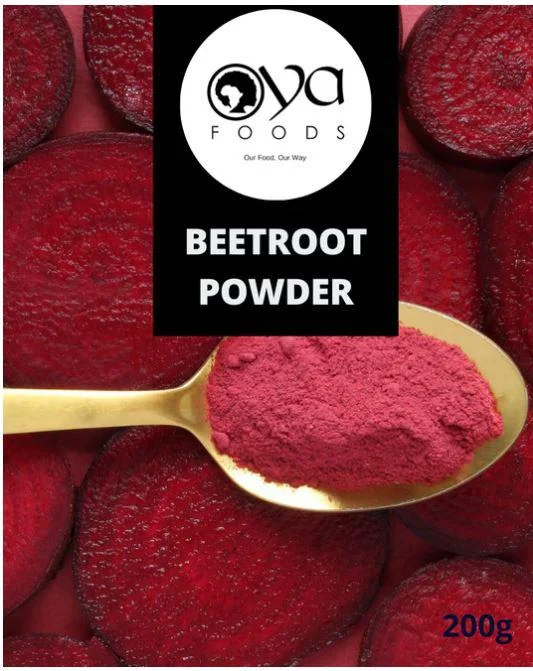
Root Vegetable Powder: Made from beets or carrots, this powder adds natural sweetness and color to various food products.
Benefits and Advantages
Sourcing fruit and vegetable powders offers several advantages for businesses.
1. Nutritional Enhancement: Provides essential vitamins and minerals, improving the health profile of products.
2. Extended Shelf Life: Dehydration process significantly prolongs usability, reducing waste and spoilage.
3. Versatile Applications: Suitable for a wide range of industries and product types, enhancing marketability.
4. Clean Label Appeal: Natural ingredients resonate well with consumers seeking healthier options.
5. Cost-Effectiveness: Concentrated forms can reduce shipping costs and storage space.
6. Innovation Opportunities: Offers businesses the ability to create unique products that stand out in the marketplace.
Buying Guide for B2B Buyers
When sourcing fruit and vegetable powders, businesses should consider several key factors to ensure quality and suitability.
1. Quality Assessment: Look for powders that meet high nutritional standards. Request samples and analyze for potency and purity.
2. Supplier Verification: Vet suppliers through certifications and references to ensure reliability and quality control.
3. Pricing and MOQ: Understand pricing structures and minimum order quantities to align with budget and inventory needs.
4. Delivery and Lead Times: Confirm logistics capabilities to avoid disruptions in supply chain and production schedules.
5. Compliance Requirements: Ensure that products meet regulatory standards, including food safety and labeling requirements.
Compliance and Certifications
Fruit and vegetable powders must adhere to relevant quality standards and regulations to ensure safety and efficacy.
ISO 9001 certification ensures that manufacturers maintain high-quality management processes, which is critical in food production.
HACCP (Hazard Analysis Critical Control Point) principles help in identifying and controlling potential hazards in the production process, ensuring product safety.
Compliance with CE marking indicates that the product meets European safety, health, and environmental protection standards.
Additionally, regional compliance may vary, so it’s essential to understand local regulations regarding food products to ensure market access.
Why Source Fruit & Vegetable Powders from Pepagora?
Pepagora offers a trusted platform for sourcing fruit and vegetable powders, providing several key advantages for B2B buyers.
Verified Supplier Network: We connect buyers with a network of verified suppliers, ensuring that quality and reliability are prioritized. Each supplier undergoes a thorough vetting process to guarantee product standards.
Streamlined RFQ Process: Our request for quotation (RFQ) system simplifies the sourcing process. Buyers can easily submit their requirements and receive competitive quotes from multiple suppliers, saving time and effort.
Trade Assurance and Support: Pepagora provides buyer protection through trade assurance policies. This ensures that transactions are secure and that buyers receive the products as specified.
Regional Coverage: Our platform serves a wide geographic reach, including India, the GCC, and Southeast Asia, allowing businesses to connect with suppliers in key markets for fruit and vegetable powders.


 India


 India

Frequently Asked Questions
What are Fruit & Vegetable Powders?
Fruit & Vegetable Powders are dehydrated forms of fruits and vegetables that have been ground into a fine powder. They retain most of the nutrients and flavors of the original produce, making them a convenient option for enhancing various recipes and dietary supplements.
What are the different types of Fruit & Vegetable Powders?
There are numerous types of Fruit & Vegetable Powders, including but not limited to, beet powder, spinach powder, carrot powder, and berry powders like acai and blueberry. Each type offers unique flavors, colors, and nutritional benefits, catering to different culinary and health needs.
How do I choose the right Fruit & Vegetable Powders?
To choose the right Fruit & Vegetable Powders, consider factors such as the intended use, nutritional content, and flavor profile. It's also essential to check for quality certifications and sourcing practices to ensure you are getting a safe and effective product.
What are the standard specifications for Fruit & Vegetable Powders?
Standard specifications for Fruit & Vegetable Powders typically include moisture content, particle size, and color consistency. Additionally, they should meet safety standards for contaminants and have a defined shelf life to ensure product quality.
What is the price range for Fruit & Vegetable Powders?
The price range for Fruit & Vegetable Powders can vary significantly based on factors such as the type of powder, quality, and supplier. Generally, prices can range from INR 200 to INR 1000 per kilogram, depending on these variables.
What quality standards apply to Fruit & Vegetable Powders?
Quality standards for Fruit & Vegetable Powders often include compliance with food safety regulations, such as FSSAI in India. These standards ensure that the powders are free from harmful contaminants and meet the nutritional claims made by manufacturers.
Where can I find Fruit & Vegetable Powders suppliers in India?
You can find suppliers of Fruit & Vegetable Powders in India through online B2B marketplaces like Pepagora, industry trade shows, and local food ingredient distributors. It's advisable to compare multiple suppliers to assess quality and pricing.
Can Fruit & Vegetable Powders be customized?
Yes, many manufacturers offer customization options for Fruit & Vegetable Powders, including tailored blends, specific particle sizes, and unique flavor profiles. Customization can help meet specific dietary requirements or product formulations.
What is the typical minimum order quantity for Fruit & Vegetable Powders?
The typical minimum order quantity (MOQ) for Fruit & Vegetable Powders usually ranges from 10 kg to 100 kg, depending on the supplier. It's important to check individual supplier policies for their specific MOQs.
What is the typical lead time for Fruit & Vegetable Powders?
The typical lead time for Fruit & Vegetable Powders can vary based on the supplier and order size, but it generally ranges from 7 to 30 days. Factors such as sourcing, production capacity, and shipping logistics can affect the delivery time.
Why Businesses Trust Pepagora
Thousands of companies trust Pepagora to source smarter and sell faster
Expand Your Sales Globally

Source Smarter,Grow Faster
