IN
IN₹
Description
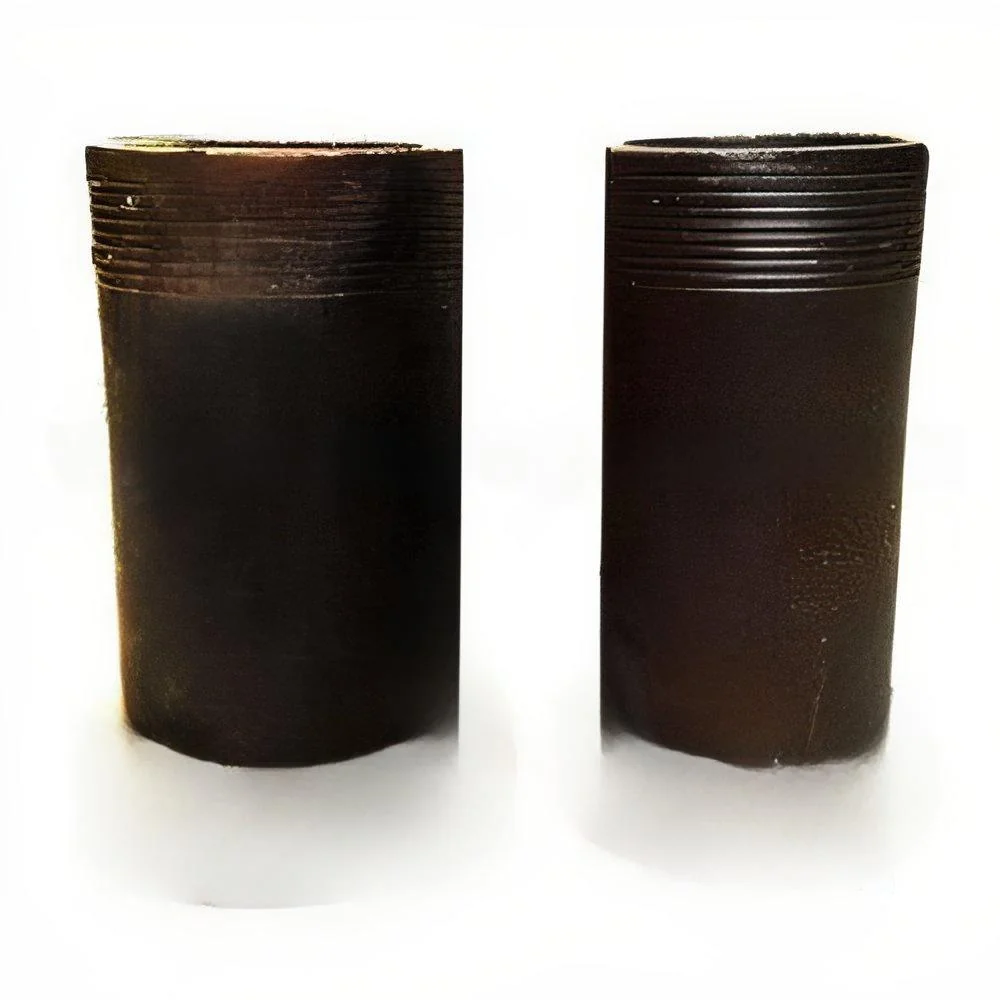
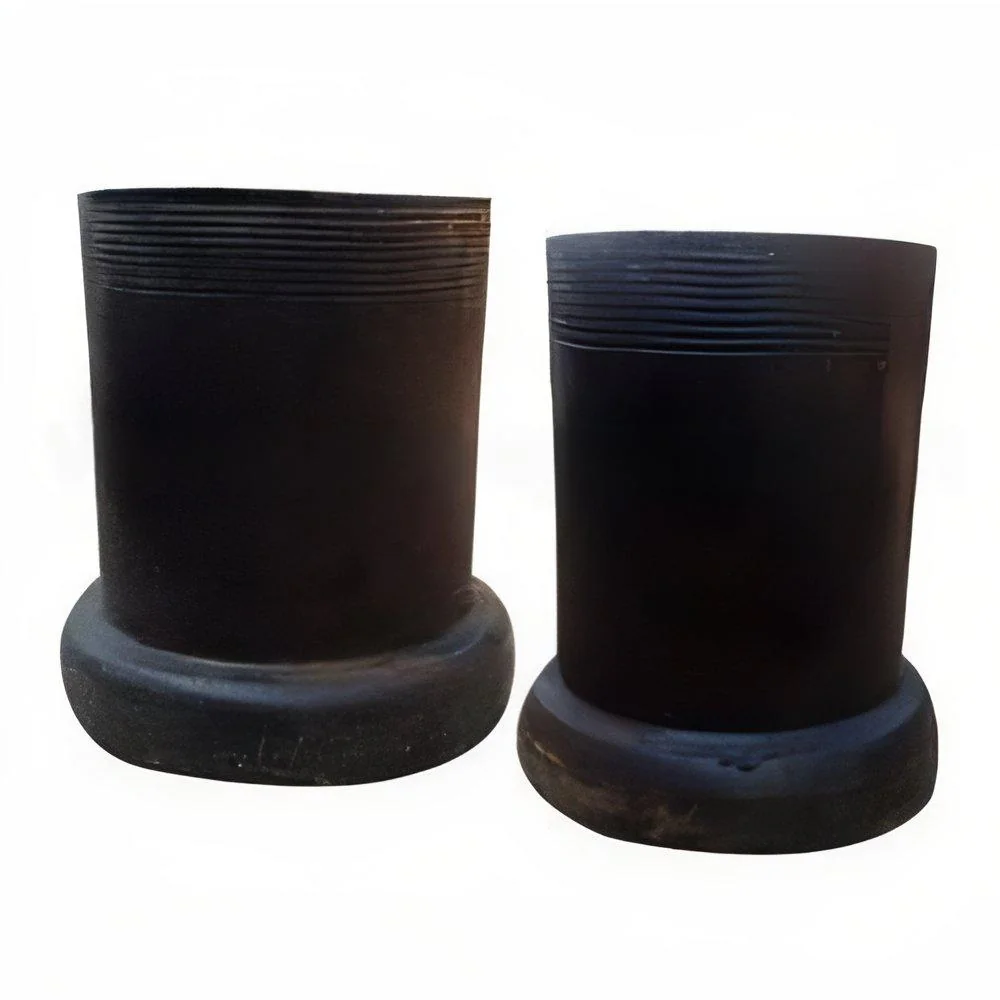
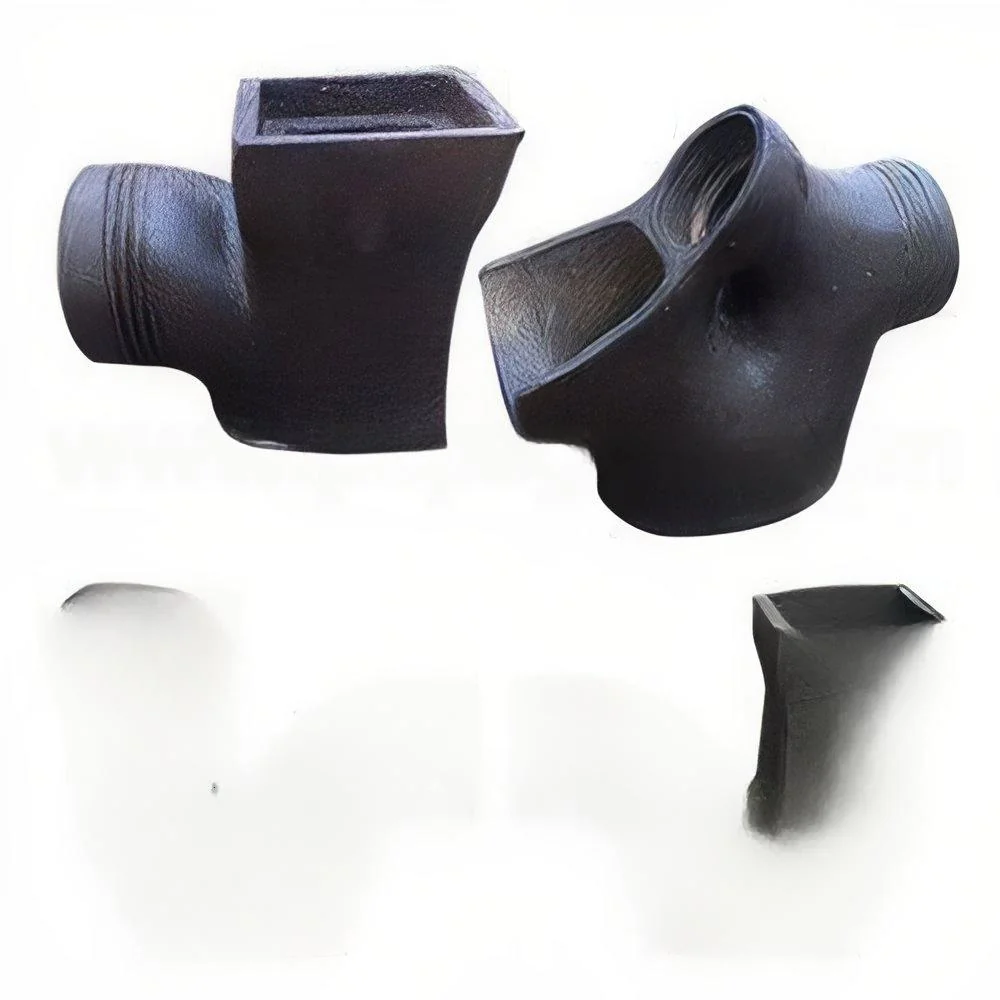
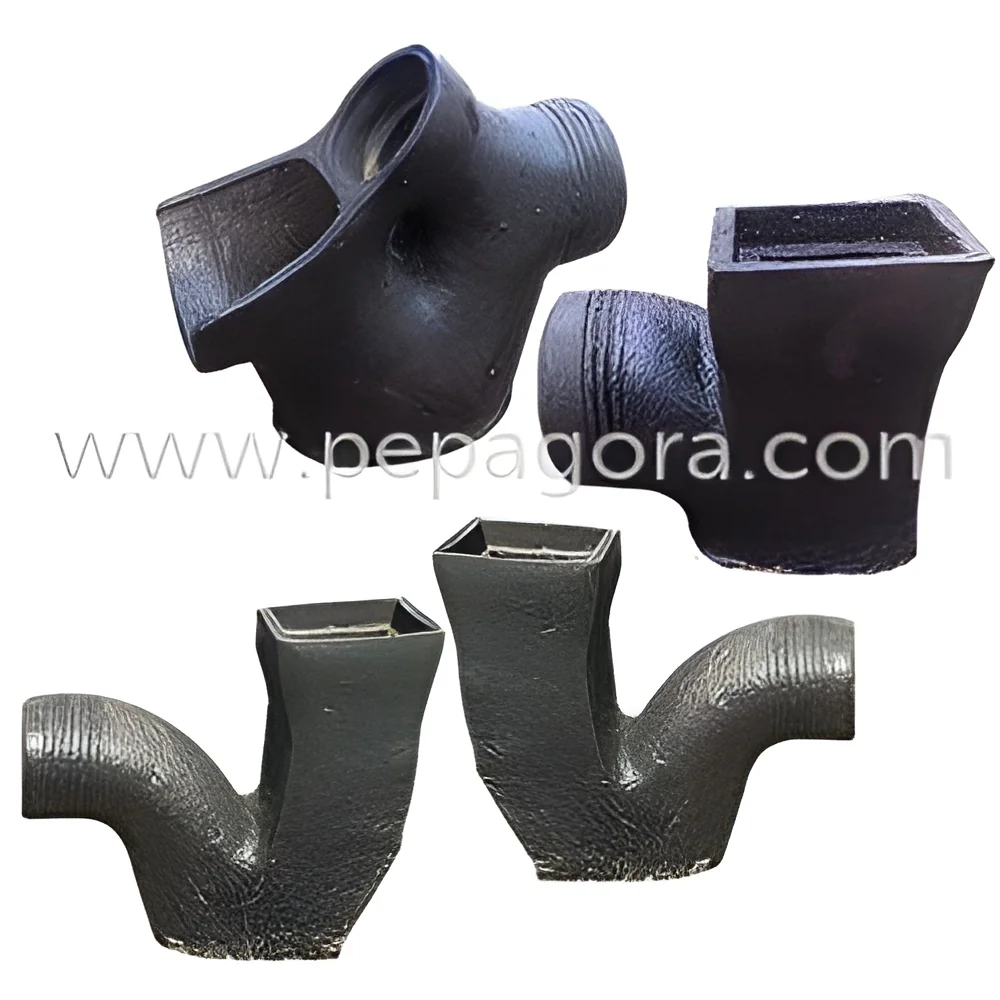
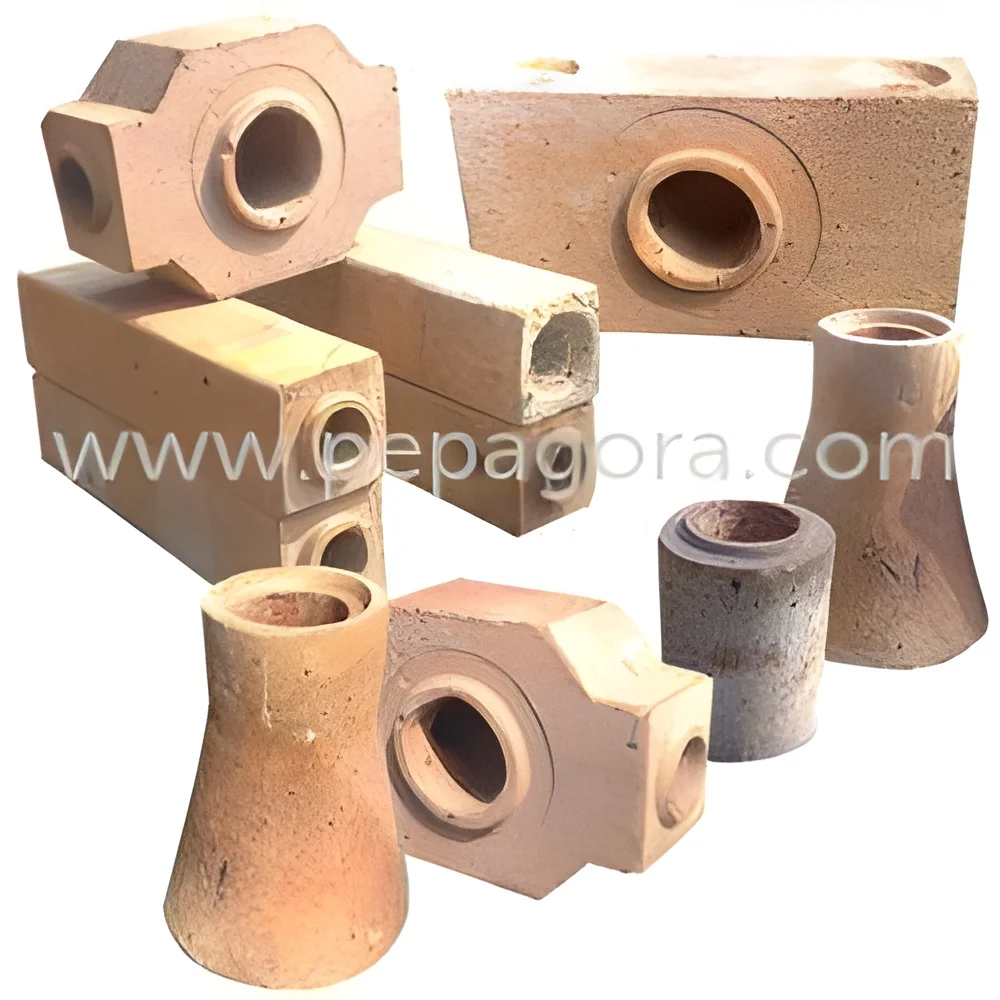
Our industrial furnace ceramic refractories and fire bricks are precision-engineered for extreme temperature applications where ordinary materials fail. Manufactured from advanced ceramic compounds, these materials maintain structural integrity and thermal insulation properties at temperatures exceeding 1000°C. They provide reliable protection for industrial heating equipment through exceptional resistance to heat, thermal shock, and chemical corrosion. This durability ensures consistent performance in the most demanding thermal environments, making them essential for industries where heat management directly impacts operational safety and efficiency.

These high-temperature ceramic refractories find essential applications across heavy industries that rely on controlled thermal processes. In steel manufacturing, they line blast furnaces, ladles, and tundishes to withstand molten metal temperatures. Glass production facilities utilize them in tank furnaces and forehearths where they con...
Our industrial furnace ceramic refractories and fire bricks are precision-engineered for extreme temperature applications where ordinary materials fail. Manufactured from advanced ceramic compounds, these materials maintain structural integrity and thermal insulation properties at temperatures exceeding 1000°C. They provide reliable protection for industrial heating equipment through exceptional resistance to heat, thermal shock, and chemical corrosion. This durability ensures consistent performance in the most demanding thermal environments, making them essential for industries where heat management directly impacts operational safety and efficiency.

These high-temperature ceramic refractories find essential applications across heavy industries that rely on controlled thermal processes. In steel manufacturing, they line blast furnaces, ladles, and tundishes to withstand molten metal temperatures. Glass production facilities utilize them in tank furnaces and forehearths where they contain molten glass. Cement plants depend on them for rotary kiln linings that endure clinker formation temperatures. The non-ferrous metal industry employs them in aluminum smelters and copper converters, while the chemical sector uses them in reformers and cracking units where they resist corrosive atmospheres at elevated temperatures.

The business value of these ceramic refractories extends beyond temperature resistance to deliver tangible operational advantages. Their superior thermal insulation properties reduce energy consumption by minimizing heat loss, directly lowering operating costs. The extended service life decreases replacement frequency and maintenance downtime, improving production continuity. Consistent quality ensures predictable performance, reducing the risk of unexpected failures that can disrupt operations. Their reliability in extreme conditions enhances workplace safety by containing high temperatures effectively. These factors combine to deliver a strong return on investment through improved productivity, reduced energy costs, and minimized operational disruptions.

Key Features:
- Withstands continuous temperatures exceeding 1000°C without degradation
- Exceptional thermal shock resistance prevents cracking during rapid temperature changes
- High mechanical strength maintains structural integrity under load and stress
- Superior chemical resistance to slag, alkalis, and corrosive atmospheres
- Low thermal conductivity provides effective insulation and energy efficiency

Benefits:
- Extends equipment lifespan by protecting structural components from heat damage
- Reduces energy consumption through superior thermal insulation properties
- Minimizes maintenance downtime with exceptional durability and wear resistance
- Enhances operational safety by reliably containing extreme temperatures
- Improves process consistency through stable performance in variable thermal conditions
Specifications
| Additional Information | |
|---|---|
| Country of Origin | India |
Application
Ceramic refractories and fire bricks are engineered materials designed to operate reliably in extreme thermal environments. They provide essential thermal insulation and structural support in industrial heating systems, protecting equipment from heat damage while maintaining energy efficiency. Their composition ensures stability under continuous high-temperature exposure, making them fundamental components in heat-intensive manufacturing processes.
These materials serve critical functions across multiple industrial sectors where temperature management is paramount. From lining furnace interiors to creating thermal barriers in processing units, they enable safe and efficient operations by withstanding thermal shock, chemical exposure, and mechanical stress. Their application directly contributes to equipment longevity and process consistency in demanding production environments.
- Lining industrial furnaces and kilns in metal smelting and heat treatment facilities
- Insulating combustion chambers and fireboxes in power generation boilers
- Constructing thermal barriers in glass melting tanks and ceramic firing kilns
- Protecting reactor walls in chemical processing and petrochemical plants
- Building durable linings for incinerators and waste-to-energy systems
Trade Details
| Available Stock | In Stock |
| Sample Availability | No |
Payment Terms
| Payment Terms |
|
Company Profile
Lal Chand Anand & Sons, Uttar Pradesh
 Uttar Pradesh, India
Uttar Pradesh, IndiaConstruction•Manufacturer•Distributor / Wholesaler•Retailer
Factory Details
Factory SizeBelow 1000 sqm
Annual Production Capacity0
Industrial Furnace Ceramic Refractories Fire Bricks High Temperature
Industrial furnace ceramic refractories and fire bricks provide durable high-temperature insulation for kilns, reactors, and processing units. Engineered for extreme heat applications with reliable thermal performance.
Min. Order Quantity: 1 unit
Shipping
Shipping fee and delivery date to be negotiated. Contact supplier now for more details.
Lal Chand Anand & Sons
 Uttar Pradesh, India
Uttar Pradesh, IndiaConstructionManufacturer