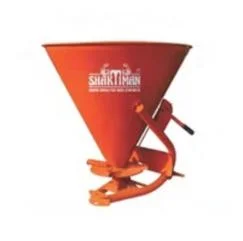
What are Fertilizer Broadcasters?
Fertilizer broadcasters are specialized agricultural equipment designed to evenly distribute granular fertilizers over a designated area. These machines utilize various mechanisms, such as spinning discs or drop systems, to ensure that nutrients are spread uniformly, promoting optimal plant growth. By facilitating precise application, fertilizer broadcasters help farmers enhance crop yields and maintain soil health.
These devices are widely used in the agriculture sector, particularly in fields where large-scale fertilization is necessary. They are applicable in various types of farming, including row crops, orchards, and turf management. Fertilizer broadcasters can also be employed in landscaping and gardening to enhance soil fertility in residential or commercial settings. As demand for efficient agricultural practices grows, the relevance of fertilizer broadcasters in the market continues to expand.
The increasing focus on sustainable farming practices and the need for higher efficiency in crop production further underscore the importance of fertilizer broadcasters in the agricultural industry. With advancements in technology, these machines are becoming more sophisticated, offering features that allow for better control over fertilizer application rates and distribution patterns.
Key Features and Specifications
Fertilizer broadcasters come with a range of features designed to improve performance and usability. Understanding these specifications is essential for buyers to select the right model for their needs.
Key specifications include:
1. Capacity
- The volume of fertilizer the broadcaster can hold, typically measured in liters or gallons.
- Ranges from small units for home gardens to large models suitable for commercial farming.
2. Spreading Width
- The distance over which the fertilizer is distributed.
- Can vary from a few feet for smaller models to over 30 feet for larger commercial units.
3. Weight
- The overall weight of the machine, influencing portability and ease of use.
- Generally ranges from lightweight models for manual use to heavier models that may require tractors.
4. Drive Mechanism
- The type of power source, such as manual, electric, or tractor-powered.
- Each mechanism has its advantages depending on the application.
5. Build Material
- Construction materials, often metal or durable plastics, that affect durability and resistance to weather conditions.
6. Adjustment Features
- Options for adjusting the flow rate or spreading pattern to accommodate different fertilizer types and application needs.
7. Safety Features
- Equipment may include shields or guards to protect operators and ensure safe use.
8. Maintenance Requirements
- Information on upkeep and servicing needed to maintain optimal performance.
In summary, understanding these features and specifications can help buyers make informed decisions when selecting fertilizer broadcasters suited to their agricultural needs.
Common Applications and Use Cases
Fertilizer broadcasters are versatile tools utilized across multiple industries.
1. Agriculture: Farmers use fertilizer broadcasters to apply nutrients to crops efficiently, ensuring even coverage that enhances growth and yield.
2. Horticulture: In gardening and landscaping, these machines help distribute fertilizers in flower beds and around trees, promoting healthy plant development.
3. Turf Management: Sports fields and golf courses rely on broadcasters to maintain lush, green turf by evenly applying fertilizers.
4. Orchard Management: Growers of fruit trees use these devices to ensure that tree roots receive essential nutrients for optimal fruit production.
5. Greenhouse Operations: Fertilizer broadcasters assist in delivering nutrients in controlled environments, supporting plant health and growth.
6. Environmental Restoration: These machines are used in reforestation projects to apply fertilizers that help establish new plant life in degraded areas.
7. Organic Farming: Organic farmers utilize specially designed broadcasters to apply organic fertilizers while adhering to sustainable practices.
Product Variants and Subcategories
Fertilizer broadcasters come in various designs to meet specific agricultural needs.
Handheld Broadcasters: These compact models are ideal for small gardens and manual use. They allow for precise application in tight spaces, making them popular among home gardeners.
Tow-Behind Broadcasters: Designed to be attached to tractors or ATVs, these models are suitable for larger areas. They offer increased capacity and spreading width, making them efficient for commercial farming.
Spreader-Integrated Tractors: Some advanced tractors come with integrated fertilizer broadcasting systems. This allows for simultaneous planting and fertilization, streamlining the farming process.
Electric Broadcasters: These models operate on electric power, making them ideal for environmentally conscious users. They are quieter and often easier to maintain than gas-powered options.
Benefits and Advantages
Fertilizer broadcasters offer numerous advantages to users in the agricultural sector.
1. Efficiency: These machines allow for rapid application of fertilizers over large areas, saving time compared to manual methods.
2. Precision: Broadcast systems ensure uniform distribution of fertilizers, reducing waste and improving nutrient uptake by plants.
3. Cost-Effectiveness: By minimizing fertilizer usage through precise application, broadcasters help reduce overall costs for farmers.
4. Versatility: They can be used for various fertilizer types and applications, making them suitable for different farming practices.
5. Reduced Labor: Automating the fertilization process decreases the need for manual labor, allowing workers to focus on other essential tasks.
6. Enhanced Crop Yields: With proper nutrient distribution, farmers can achieve better crop performance and higher yields.
Buying Guide for B2B Buyers
When sourcing fertilizer broadcasters, it is important for buyers to consider several key factors.
1. Quality Assessment: Evaluate the materials and build quality of the broadcaster. Durable construction will ensure longevity and reliability in the field.
2. Supplier Verification: Vet suppliers to ensure they provide quality products and have a good reputation in the market. This may involve checking reviews and certifications.
3. Pricing and MOQ: Understand the pricing structure and minimum order quantities. This will help in budgeting and determining the financial feasibility of purchasing.
4. Delivery and Lead Times: Discuss logistics with suppliers to ensure timely delivery. Knowing lead times can help plan for the agricultural calendar.
5. Compliance Requirements: Familiarize yourself with any regulatory standards that may apply to fertilizer broadcasters, ensuring that the products sourced meet necessary compliance.
Compliance and Certifications
Fertilizer broadcasters must meet several quality standards and industry certifications to ensure they are safe and effective for agricultural use.
ISO 9001 certification indicates that a manufacturer has implemented a quality management system, demonstrating a commitment to consistent quality in production.
The CE marking signifies that a product complies with European safety, health, and environmental protection standards. This is particularly relevant for businesses exporting to or operating within Europe.
Safety and testing requirements are crucial to ensure that fertilizer broadcasters operate safely and effectively. This includes assessments of mechanical safety and operational efficiency.
Regional compliance considerations may vary by country or region. Buyers should be aware of local regulations regarding agricultural equipment to ensure full compliance.
Why Source Fertilizer Broadcasters from Pepagora?
Pepagora provides a trusted platform for sourcing fertilizer broadcasters, offering several key advantages to B2B buyers.
Verified Supplier Network: Pepagora has a robust system for verifying suppliers, ensuring that businesses can access reliable manufacturers and quality products.
Streamlined RFQ Process: The request for quotation system allows buyers to efficiently request and compare prices from multiple suppliers, simplifying the purchasing process.
Trade Assurance and Support: Buyers benefit from trade assurance that protects their transactions, along with dedicated support for any issues that may arise during the buying process.
Regional Coverage: With a strong presence in India, the GCC, and Southeast Asia, Pepagora connects buyers with local and regional suppliers, enhancing accessibility and reducing shipping times.

 IN
IN

 India
India