
 IN
Farm Tool Wholesalers & Distributors
16 products available
What are Farm Tool Wholesalers & Distributors?
Farm tool wholesalers and distributors are businesses that supply a wide range of agricultural tools and equipment to retailers, farms, and other end-users. They serve as intermediaries between manufacturers and the market, ensuring that essential farming tools reach those who need them. These wholesalers typically stock various products, including hand tools, machinery, and specialized equipment designed to enhance farming efficiency.
The primary uses of farm tool wholesalers and distributors involve providing essential tools that farmers require for planting, cultivating, and harvesting crops. They play a crucial role in the agricultural supply chain, enabling farmers to access high-quality tools at competitive prices. By offering a broad selection of products, these wholesalers cater to diverse agricultural needs, from small-scale farms to large agricultural enterprises.
In the current agricultural market, the relevance of farm tool wholesalers and distributors cannot be overstated. As the demand for efficient farming practices grows, so does the need for reliable tools and equipment. These distributors help ensure that farmers can find the right tools to improve productivity and meet market demands. Their role is vital in supporting the agricultural sector's growth and sustainability.
Key Features and Specifications
Farm tool wholesalers and distributors offer a variety of products characterized by specific features and specifications. These specifications ensure that the tools meet industry standards and perform effectively in agricultural applications.
Key specifications include:
1. Product Variety
- Extensive range of tools including hand tools, power tools, and specialized equipment
- Options for various farming applications and scales
2. Quality Assurance
- Tools must adhere to industry standards for durability and performance
- Regular testing to ensure compliance with safety regulations
3. Supplier Partnerships
- Strong relationships with manufacturers to provide reliable products
- Ability to source hard-to-find tools and equipment
4. Pricing Structures
- Competitive pricing aligned with market standards
- Volume discounts for bulk purchases
5. Delivery Options
- Flexible delivery schedules to meet customer needs
- Various shipping methods available for timely delivery
6. Customer Support
- Dedicated support teams to assist with product inquiries and issues
- Guidance on tool selection and usage
7. Return Policies
- Clear return and exchange policies for unsatisfactory products
- Assurance of customer satisfaction through reliable service
8. Warranty and Guarantees
- Warranty options for products to provide buyer confidence
- Guarantees on tool performance and quality
In summary, the specifications of farm tools offered by wholesalers and distributors ensure that they meet the diverse needs of the agricultural sector while providing reliable and efficient solutions to farmers.
Common Applications and Use Cases
Farm tool wholesalers and distributors find applications across various industries, providing essential tools for agricultural operations.
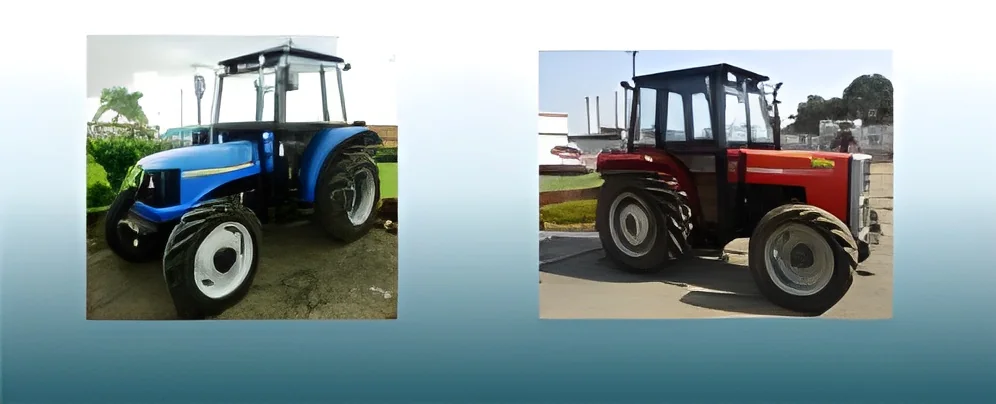
1. Agriculture: Wholesalers supply hand tools like shovels, hoes, and pruning shears, as well as machinery such as tractors and tillers for crop cultivation and harvesting.
2. Horticulture: Specific tools designed for gardening and landscaping, such as trowels and cultivators, are supplied to nurseries and garden centers.
3. Livestock Management: Distributors provide tools for animal husbandry, including feeding equipment and health care tools for livestock maintenance.
4. Viticulture: Specialized tools for vineyard management, including pruning tools and harvesting equipment, are supplied to wine producers.
5. Organic Farming: Wholesalers offer eco-friendly tools that support sustainable farming practices, such as non-chemical pest control tools.
6. Greenhouse Management: Tools for maintaining optimal growing conditions in greenhouses, including watering systems and ventilation equipment, are available.
7. Agroforestry: Tools designed for managing trees and shrubs, such as saws and pruners, are provided to support agroforestry initiatives.
In summary, the diverse applications of farm tools highlight their importance in various sectors of agriculture and contribute to the overall efficiency of farming practices.
Product Variants and Subcategories
Farm tool wholesalers and distributors often provide a range of product variants to cater to different farming needs and preferences.
Hand Tools
These tools include basic implements such as shovels, rakes, and hoes, which are essential for various farming tasks. Their design focuses on durability and ease of use.
Power Tools
This category encompasses electric or gas-powered equipment, including tillers and chainsaws, that enhance productivity in farming operations. These tools are designed for efficiency and speed.
Specialty Equipment
These include tools tailored for specific agricultural tasks, such as soil testing kits and irrigation systems. Specialty equipment is crucial for precision farming and improving crop yields.
Garden Tools
Wholesalers also provide tools specifically designed for gardening, including pruners and weeding tools. These tools are essential for both amateur and professional gardeners.
Benefits and Advantages
Sourcing farm tools from wholesalers and distributors offers numerous benefits for businesses.
1. Cost-Effectiveness: Buying in bulk from wholesalers often results in significant cost savings compared to retail purchases.
2. Wide Selection: Wholesalers provide access to a diverse range of tools, allowing businesses to find the right equipment for their specific needs.
3. Quality Assurance: Established wholesalers usually partner with reputable manufacturers, ensuring that the tools meet high-quality standards.
4. Timely Delivery: Wholesalers often have the logistics in place to provide prompt delivery, minimizing downtime for businesses.
5. Expert Guidance: Many distributors offer knowledgeable support staff who can assist in selecting the right tools and equipment.
6. Customization Options: Some wholesalers may provide customization services for specific tools to meet unique farming needs.
In conclusion, the benefits of sourcing from farm tool wholesalers and distributors greatly enhance operational efficiency and support better farming practices.
Buying Guide for B2B Buyers
When sourcing farm tool wholesalers and distributors, buyers should consider several key factors to ensure they make informed decisions.
1. Quality Assessment: It is essential to evaluate the quality of tools offered. Look for certifications and quality assurance processes that ensure the tools meet industry standards.
2. Supplier Verification: Vet potential suppliers by reviewing their reputation, customer feedback, and track records. This helps in selecting reliable partners.
3. Pricing and MOQ: Understand the pricing structures and minimum order quantities (MOQ). This ensures that the budget aligns with the purchasing strategy.
4. Delivery and Lead Times: Inquire about delivery options and lead times to ensure that tools arrive when needed, preventing delays in operations.
5. Compliance Requirements: Be aware of any regulatory standards that apply to the tools, such as safety certifications, to ensure compliance and avoid liabilities.
Compliance and Certifications
Compliance with relevant quality standards is crucial for farm tool wholesalers and distributors. Adhering to standards like ISO 9001 ensures that products are manufactured to meet international quality benchmarks. This standard focuses on quality management systems that enhance customer satisfaction.
Additionally, certifications such as CE signify that products comply with European safety, health, and environmental regulations. These certifications reassure buyers that the tools are safe to use and meet necessary legal requirements.
Safety and testing requirements are also critical. Tools must undergo rigorous testing to ensure they can withstand demanding agricultural conditions and provide reliable performance. It is essential for distributors to communicate the safety standards their tools meet.
Regional compliance considerations vary by market. Different countries may have specific regulatory requirements, and wholesalers must ensure their products align with local laws and standards to facilitate smooth trade.
Why Source Farm Tool Wholesalers & Distributors from Pepagora?
Pepagora provides a trusted platform for sourcing farm tool wholesalers and distributors, offering several key advantages that benefit buyers.
Verified Supplier Network: The platform features a network of verified suppliers who have undergone thorough vetting. This ensures buyers can trust the quality and reliability of the products offered.
Streamlined RFQ Process: Pepagora facilitates a straightforward Request for Quotation (RFQ) process, allowing buyers to obtain quotes efficiently from multiple suppliers, saving time and effort.
Trade Assurance and Support: Buyers benefit from trade assurance programs that protect their purchases, providing peace of mind when sourcing essential tools.
Regional Coverage: Pepagora's extensive reach across India, the GCC, and Southeast Asia ensures that businesses can find local suppliers who understand the specific needs of their markets, making sourcing easier and more effective.
In summary, Pepagora stands out as a valuable resource for businesses looking to source farm tools, providing a reliable marketplace that meets diverse agricultural needs.








Frequently Asked Questions
What are Farm Tool Wholesalers & Distributors?
Farm Tool Wholesalers & Distributors are businesses that purchase farm tools in bulk from manufacturers and sell them to retailers or directly to consumers. They play a crucial role in the supply chain by ensuring that quality farming tools are available to end-users at competitive prices.
What are the different types of Farm Tool Wholesalers & Distributors?
Different types of Farm Tool Wholesalers & Distributors include general agricultural tool distributors, specialized distributors for specific tool categories, and regional wholesalers focusing on local farming needs. Some may also offer additional services like logistics and inventory management.
How do I choose the right Farm Tool Wholesalers & Distributors?
To choose the right Farm Tool Wholesalers & Distributors, consider factors such as their reputation, product range, pricing, and customer service. It is also beneficial to check reviews and testimonials from other buyers to ensure reliability and quality of service.
What are the standard specifications for Farm Tool Wholesalers & Distributors?
Standard specifications for Farm Tool Wholesalers & Distributors typically include product durability, material quality, and safety features. Additionally, compliance with industry standards and certifications may also be required to ensure the tools meet safety and performance expectations.
What is the price range for Farm Tool Wholesalers & Distributors?
The price range for Farm Tool Wholesalers & Distributors can vary widely based on the type of tools, quality, and brand. Generally, prices can start from a few hundred rupees for basic tools to several thousand rupees for specialized equipment.
What quality standards apply to Farm Tool Wholesalers & Distributors?
Quality standards for Farm Tool Wholesalers & Distributors often include adherence to ISO standards and local agricultural regulations. Wholesalers should ensure that their products are tested for durability, safety, and performance to meet the expectations of end-users.
Where can I find Farm Tool Wholesalers & Distributors suppliers in India?
You can find Farm Tool Wholesalers & Distributors suppliers in India through online B2B marketplaces like Pepagora, trade shows, and agricultural expos. Additionally, local agricultural supply stores or industry associations may provide leads to reputable wholesalers.
Can Farm Tool Wholesalers & Distributors be customized?
Yes, many Farm Tool Wholesalers & Distributors offer customization options to meet specific customer requirements. This may include branding, specific tool configurations, or tailored packaging, depending on the wholesaler's capabilities.
What is the typical minimum order quantity for Farm Tool Wholesalers & Distributors?
The typical minimum order quantity (MOQ) for Farm Tool Wholesalers & Distributors can vary but usually ranges from 50 to 100 units. Some suppliers may have lower MOQs for specific items, while specialized tools may require higher quantities.
What is the typical lead time for Farm Tool Wholesalers & Distributors?
The typical lead time for Farm Tool Wholesalers & Distributors can range from a few days to several weeks, depending on factors such as product availability, customization requests, and shipping logistics. It is advisable to confirm lead times with the wholesaler before placing an order.
Why Businesses Trust Pepagora
Thousands of companies trust Pepagora to source smarter and sell faster
Expand Your Sales Globally

Source Smarter,Grow Faster
