What are Export-Grade Equipment Suppliers?
Export-grade equipment suppliers are companies that provide high-quality industrial equipment specifically designed for international markets. These suppliers adhere to stringent manufacturing standards and quality controls to ensure their products meet the demands of various industries worldwide. The equipment offered is typically robust, reliable, and capable of operating under diverse environmental conditions to ensure optimal performance during export.
The primary uses of export-grade equipment span multiple sectors, including manufacturing, construction, and logistics. Businesses leverage this equipment to enhance productivity, maintain safety standards, and comply with international regulations. Moreover, export-grade suppliers often cater to specific needs, providing customized solutions to meet unique operational requirements. This versatility makes them essential partners for companies looking to expand their reach into global markets.
In the current market context, the relevance of export-grade equipment suppliers is amplified by the increasing globalization of trade. Companies are continually seeking ways to enhance their competitive edge, and sourcing high-quality equipment is a critical component of this strategy. As businesses adapt to evolving regulations and consumer demands, the role of reliable suppliers becomes increasingly vital to ensure compliance and operational efficiency.
Key Features and Specifications
Export-grade equipment suppliers offer a diverse range of products equipped with essential features tailored for various industrial applications. Understanding these specifications is crucial for businesses to make informed purchasing decisions.
Key specifications include:
1. Material Quality
- Typically made from high-grade steel or aluminum
- Ensures durability and resistance to corrosion
2. Compliance Standards
- Adherence to international standards such as ISO 9001
- Guarantees consistent quality across products
3. Performance Metrics
- Defined operational limits for temperature and pressure
- Ensures reliability in demanding environments
4. Safety Features
- Integration of advanced safety mechanisms
- Protects users and equipment during operation
5. Customization Options
- Availability of tailored solutions based on specific requirements
- Enhances functionality and efficiency for end-users
6. Warranty and Support
- Comprehensive warranty covering defects and malfunctions
- Ongoing technical support for maintenance and troubleshooting
7. Delivery and Logistics
- Efficient shipping solutions for timely delivery
- Options for expedited shipments based on urgency
8. Environmental Considerations
- Equipment designed with energy efficiency in mind
- Reduced environmental impact during operation
These specifications collectively contribute to the overall performance and reliability of export-grade equipment, making them essential for businesses operating in competitive markets.
Common Applications and Use Cases
Export-grade equipment suppliers cater to a wide array of industries, each with unique applications.
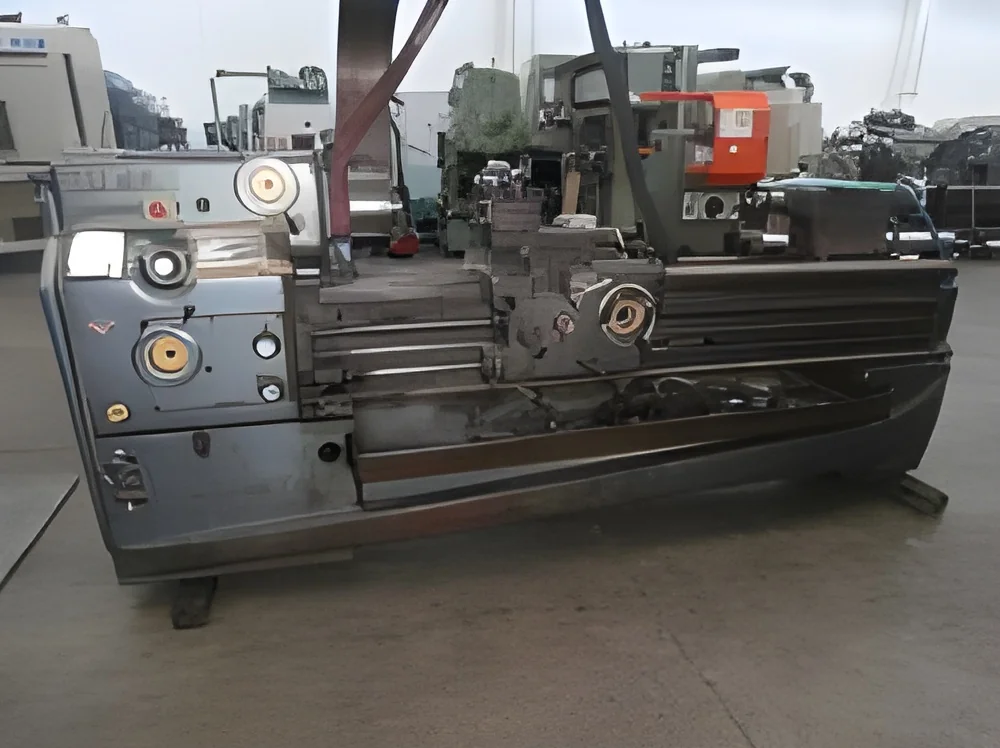
1. Manufacturing: Equipment such as CNC machines and assembly line conveyors are crucial for maintaining production efficiency and product quality in manufacturing plants.
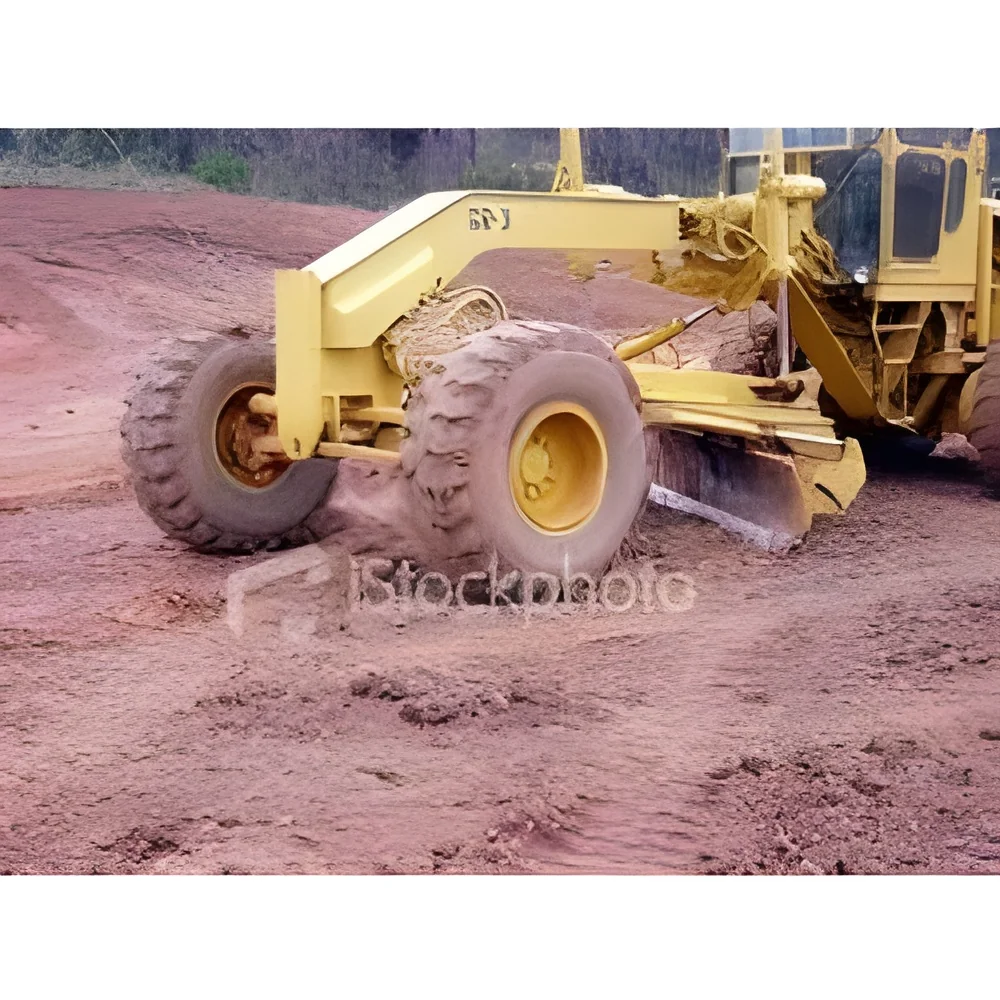
2. Construction: Heavy machinery, including cranes and excavators, is essential for large-scale construction projects that require reliability and durability under harsh conditions.
3. Logistics: Warehousing equipment, such as pallet jacks and automated storage systems, enhances operational efficiency and safety in logistics operations.
4. Agriculture: Specialized equipment like harvesters and irrigation systems increases productivity and sustainability in the agricultural sector.
5. Food Processing: Equipment designed for food safety compliance ensures that food products are processed efficiently while adhering to hygiene standards.
6. Pharmaceuticals: High-precision machinery is vital for manufacturing pharmaceutical products, ensuring compliance with stringent regulations.
7. Energy: Equipment for oil and gas extraction or renewable energy sources plays a critical role in powering the global economy while ensuring safety and efficiency.
Product Variants and Subcategories
The diversity of export-grade equipment is evident in the various product variants available to meet specific industry needs.
Variant 1: Heavy Machinery
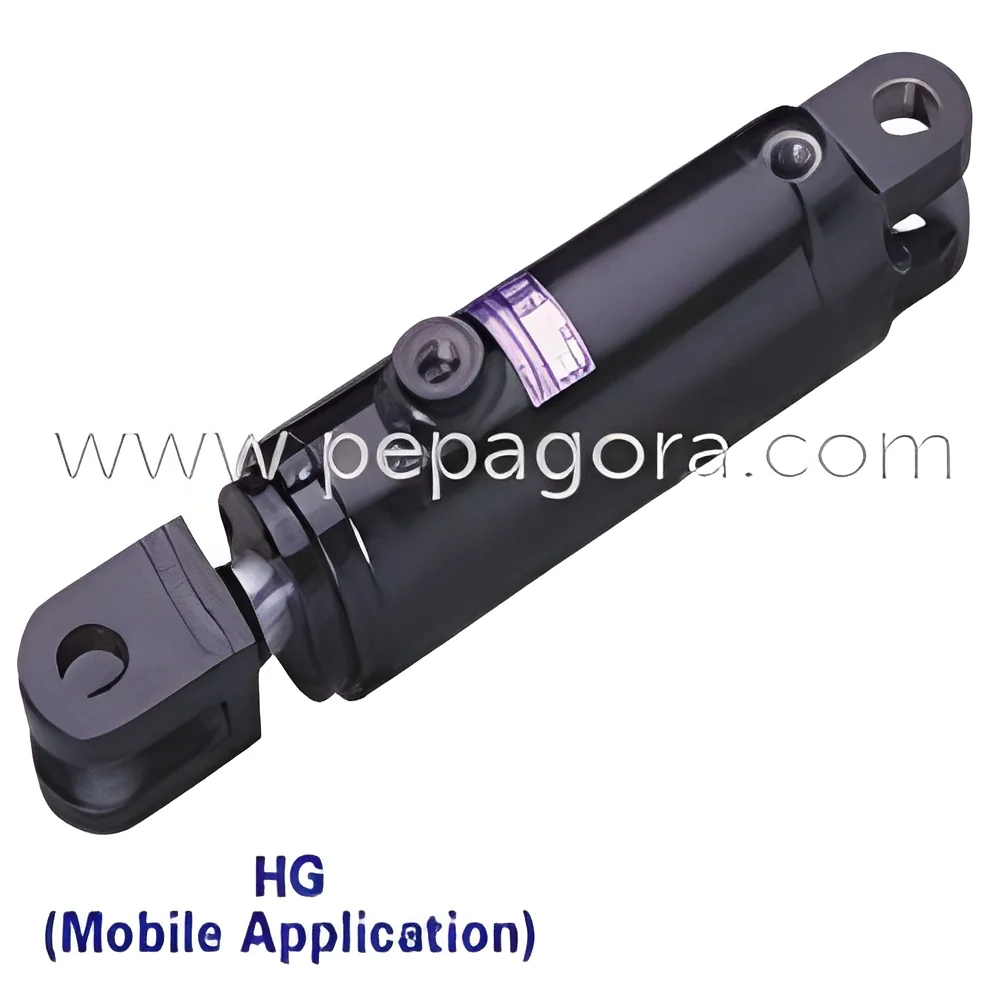
This variant includes equipment like bulldozers, cranes, and excavators. These machines are designed for construction and mining applications and are built to withstand tough working conditions.
Variant 2: Agricultural Equipment
This category features tractors, seeders, and irrigation systems. These tools are essential for modern farming techniques, enhancing productivity and efficiency in agricultural practices.
Variant 3: Food Processing Equipment
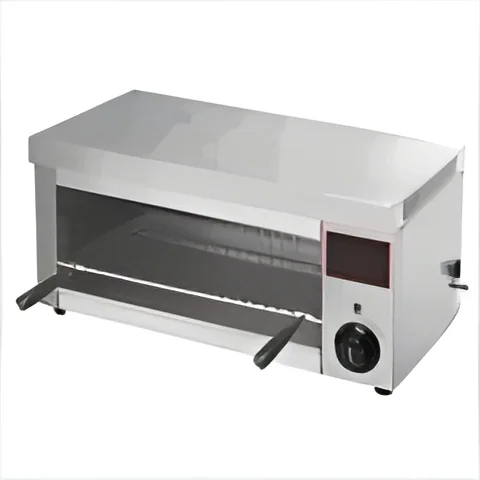
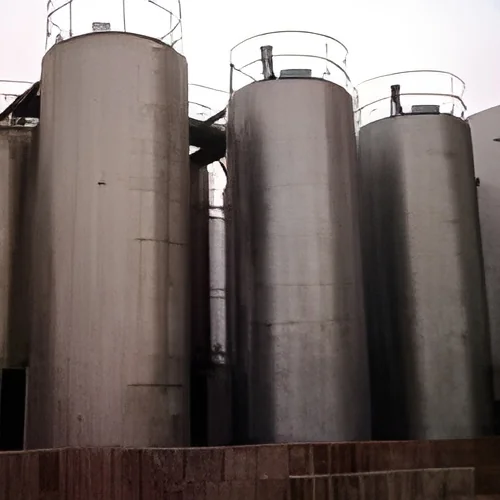
This variant encompasses machines used for processing, packaging, and preserving food products. These are engineered to meet food safety standards while maintaining high production speeds.
Variant 4: Industrial Automation Systems
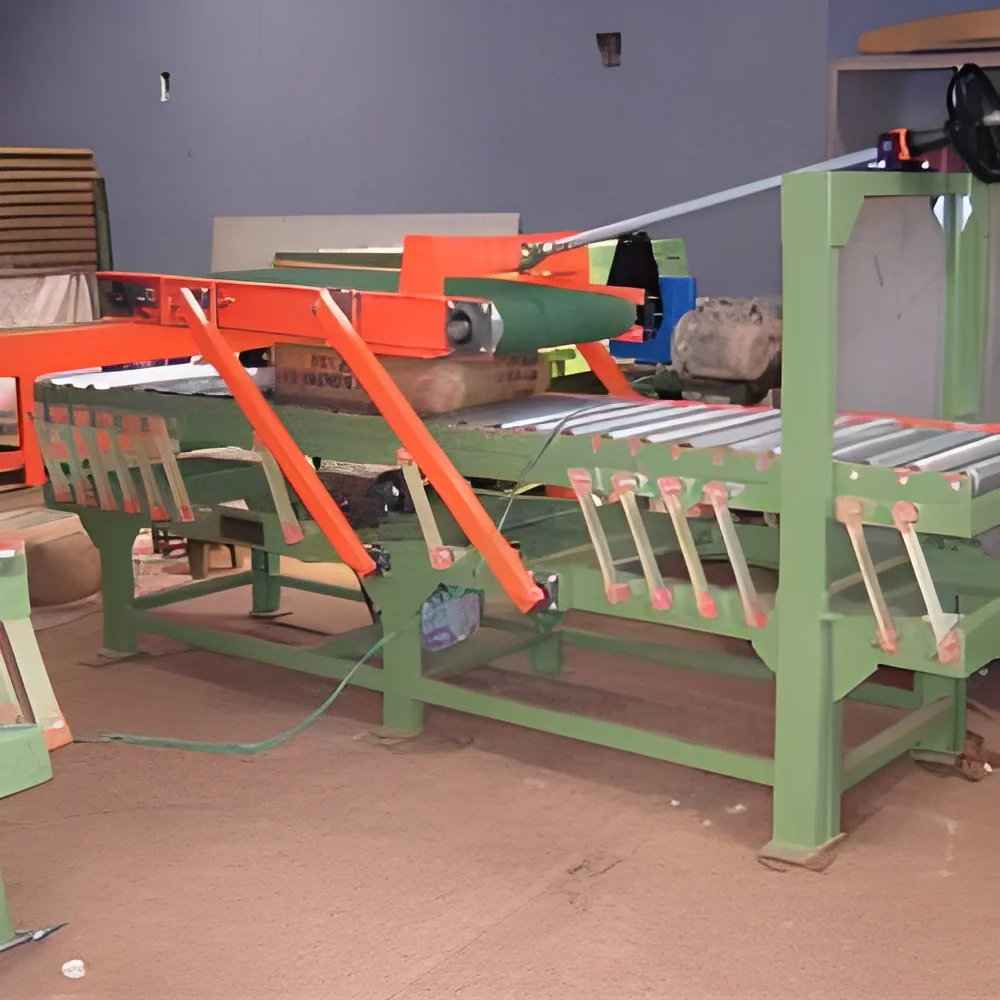
These systems include robotics and conveyor belts designed for manufacturing processes. They improve efficiency and reduce human error in production lines.
Benefits and Advantages
Sourcing from export-grade equipment suppliers offers numerous advantages for businesses looking to enhance their operations.
Key benefits include:
1. Enhanced Quality: Export-grade equipment is manufactured to high standards, ensuring reliability and longevity in performance.
2. Compliance Assurance: Suppliers adhere to international regulations, helping businesses meet compliance requirements for various markets.
3. Increased Efficiency: High-quality equipment contributes to improved operational efficiency, reducing downtime and maintenance costs.
4. Custom Solutions: Suppliers often provide tailored equipment options, ensuring that businesses get solutions that fit their specific needs.
5. Strong Supplier Support: Many suppliers offer excellent customer service, including technical support and warranty coverage.
6. Competitive Pricing: Access to a global network of suppliers often leads to competitive pricing, enabling businesses to optimize their procurement strategies.
Buying Guide for B2B Buyers
When sourcing export-grade equipment suppliers, several factors should be carefully considered to ensure successful procurement.
1. Quality Assessment: Evaluate suppliers based on their adherence to quality standards. Look for certifications such as ISO 9001 to gauge their commitment to quality.
2. Supplier Verification: Conduct thorough vetting of potential suppliers. Check references and previous client experiences to ensure reliability and trustworthiness.
3. Pricing and MOQ: Consider pricing structures and minimum order quantities (MOQs) offered by suppliers. This helps in budgeting and planning purchases effectively.
4. Delivery and Lead Times: Assess the logistics capabilities of suppliers, including their ability to meet delivery timelines and manage shipping logistics efficiently.
5. Compliance Requirements: Understand the regulatory landscape in your target markets. Ensure that suppliers can meet compliance requirements for safety and quality.
Compliance and Certifications
Export-grade equipment suppliers must comply with various industry standards and certifications to ensure their products are fit for international markets. Key quality standards include ISO 9001, which focuses on quality management systems, ensuring that suppliers maintain a consistent level of quality in their manufacturing processes.
Additionally, certifications such as CE mark indicate that products meet European safety, health, and environmental protection standards. This is particularly important when exporting to regions with stringent regulations.
Safety and testing requirements are also crucial for ensuring that equipment operates safely and effectively. Suppliers must adhere to industry-specific testing protocols to validate the performance and safety of their equipment.
Regional compliance considerations vary, as different countries may have unique regulations. Suppliers should be knowledgeable about these requirements to facilitate smooth international trade.
Why Source Export-Grade Equipment Suppliers from Pepagora?
Pepagora provides a trusted platform for sourcing export-grade equipment suppliers, offering several key advantages that enhance the procurement process.
Verified Supplier Network: Pepagora ensures that all listed suppliers undergo rigorous verification processes. This gives buyers confidence in the reliability and quality of the suppliers they engage with.
Streamlined RFQ Process: The platform simplifies the request for quotation (RFQ) process, allowing buyers to obtain competitive quotes quickly. This efficiency helps businesses make timely purchasing decisions.
Trade Assurance and Support: Pepagora offers trade assurance mechanisms, providing buyers protection throughout the procurement process. This includes support in case of disputes or issues with suppliers.
Regional Coverage: With a presence in regions like India, GCC, and Southeast Asia, Pepagora facilitates access to a wide range of export-grade equipment suppliers, making it easier for businesses to find suitable partners in their target markets.

 IN
IN