
 IN
Explosion-Proof Equipment
19 products available
What are Explosion-Proof Equipment?
Explosion-proof equipment is specifically designed to operate safely in hazardous environments where flammable gases, vapors, or dust may be present. These specialized devices are constructed to contain any explosion that might occur within the equipment itself, preventing ignition of the surrounding atmosphere. The design typically involves robust materials and sealed enclosures to ensure that sparks, arcs, or flames do not escape.
These products are commonly used in industries that handle volatile substances, such as oil and gas, chemical processing, pharmaceuticals, and mining. They play a critical role in maintaining safety and compliance with regulations in environments where the risk of explosion is significant. As industrial operations expand and evolve, the demand for reliable explosion-proof equipment continues to grow, reflecting its essential role in protecting both personnel and infrastructure.
Key Features and Specifications
Explosion-proof equipment is characterized by a range of features that ensure its reliability and safety in hazardous conditions. These specifications are crucial for buyers to understand the capabilities and limitations of the equipment they are considering.
Key specifications include:
1. Enclosure Material
- Typically made from corrosion-resistant materials like aluminum or stainless steel
- Provides durability and protection against harsh environments
2. Temperature Ratings
- Classified to indicate maximum surface temperatures
- Ensures safety in various operational conditions
3. Ingress Protection (IP) Rating
- Indicates the level of protection against dust and moisture
- Higher ratings indicate better resistance to environmental factors
4. Certification Standards
- Must meet specific industry certifications, such as CE
- Ensures compliance with safety regulations
5. Explosion Protection Types
- Includes various protection methods like flameproof, intrinsically safe, and increased safety
- Each type addresses different hazard levels
6. Weight and Dimensions
- Important for installation considerations
- Heavier units may require additional support structures
7. Power Source Compatibility
- Can be designed for AC or DC power sources
- Ensures flexibility in various operational settings
8. Monitoring Features
- Some units may include built-in monitoring systems for real-time data
- Enhances operational safety and efficiency
In summary, understanding these key specifications is vital for selecting the right explosion-proof equipment that meets operational needs and safety standards.
Common Applications and Use Cases
Explosion-proof equipment is utilized across various industries that face explosive hazards.
1. Oil and Gas: Equipment in drilling and refining operations must be explosion-proof to protect against flammable gases and vapors.
2. Chemical Manufacturing: Facilities handling volatile chemicals rely on explosion-proof equipment to ensure safety during production and storage processes.
3. Pharmaceuticals: Areas where flammable solvents are used require specialized equipment to prevent potential ignition.
4. Mining: Equipment used in underground operations must be designed to operate safely in dusty environments, reducing explosion risks.
5. Food Processing: Facilities that use volatile compounds in food production need explosion-proof solutions to maintain safety standards.
6. Wastewater Treatment: Equipment used in handling chemicals and gases during treatment processes must adhere to explosion-proof standards.
7. Aerospace: Certain applications in aerospace manufacturing and maintenance involve flammable materials, necessitating the use of explosion-proof equipment.
Product Variants and Subcategories
Explosion-proof equipment comes in various forms to cater to different operational needs.
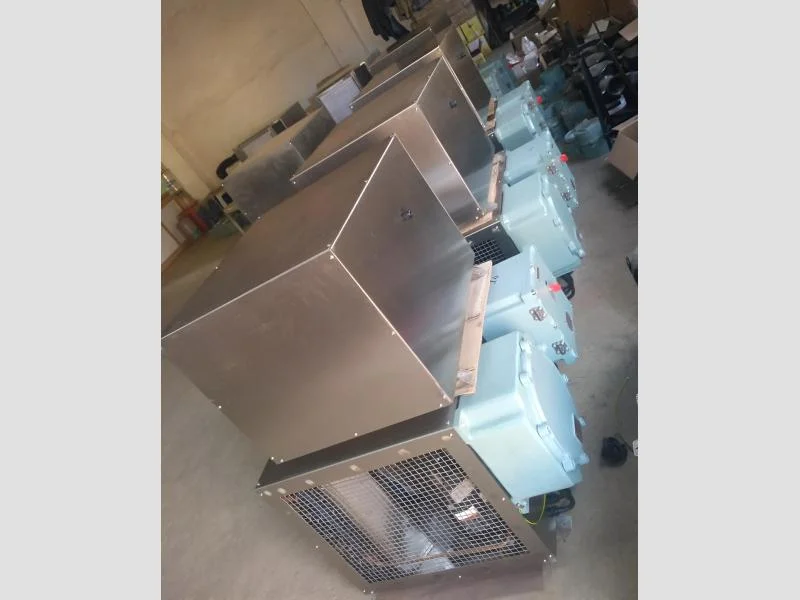
Lighting Solutions: Explosion-proof lights are essential for illuminating hazardous areas without the risk of igniting flammable materials. These lights are designed to withstand harsh conditions and provide reliable illumination.
Motors and Drives: Explosion-proof motors are built to operate safely in explosive atmospheres, ensuring reliable performance in critical applications. They are engineered to prevent sparks and overheating.
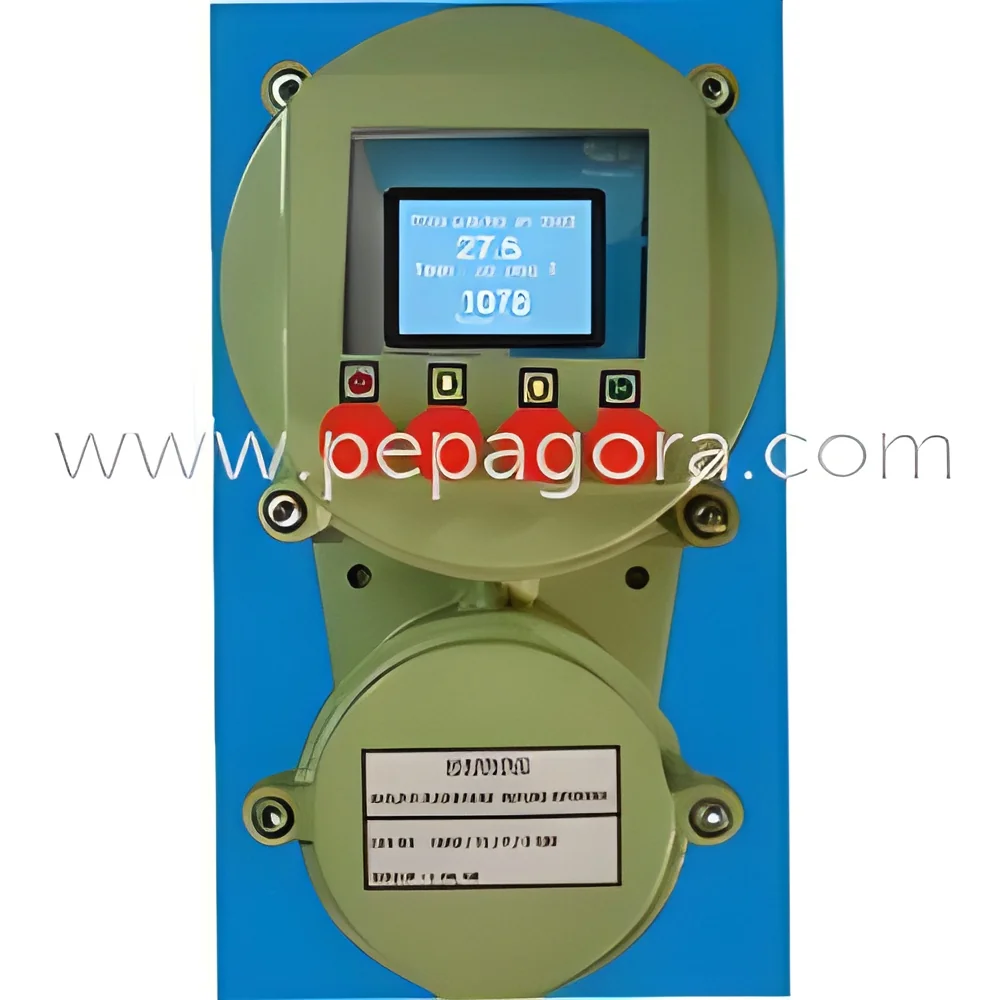
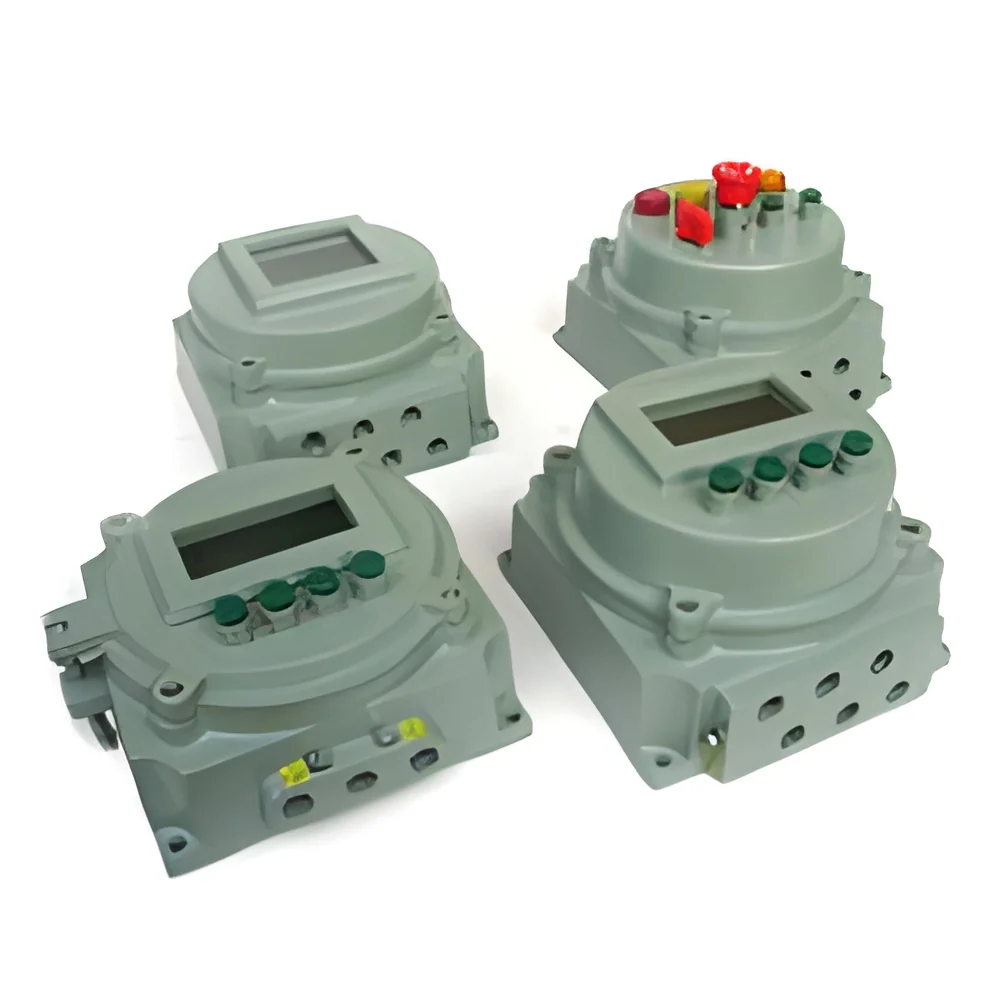
Control Panels: These panels are designed to manage and control operations in hazardous environments, equipped with explosion-proof enclosures to ensure safety.
Pumps and Compressors: Specialized pumps and compressors are designed for handling flammable fluids and gases, ensuring safe operation in oil and gas or chemical sectors.
Benefits and Advantages
Investing in explosion-proof equipment offers significant advantages for businesses operating in hazardous environments.
1. Enhanced Safety: The primary advantage is the protection of personnel and assets from potential explosions, reducing the risk of injury and damage.
2. Regulatory Compliance: Utilizing certified explosion-proof equipment helps businesses comply with industry regulations, minimizing the risk of legal issues and fines.
3. Increased Operational Reliability: These products are built to withstand harsh conditions, leading to fewer breakdowns and maintenance needs.
4. Versatile Applications: Explosion-proof equipment can be used across various industries, offering flexibility in applications and environments.
5. Long-Term Cost Savings: While the upfront investment may be higher, the durability and reliability of explosion-proof equipment can lead to lower overall costs in the long run.
6. Improved Productivity: With reduced downtime and fewer safety incidents, businesses can operate more efficiently and increase productivity.
Buying Guide for B2B Buyers
When sourcing explosion-proof equipment, it is essential for buyers to consider several critical factors to ensure they make informed decisions.
1. Quality Assessment: Evaluate the quality of the equipment based on industry standards and certifications. Look for products that have passed rigorous testing and meet relevant safety regulations.
2. Supplier Verification: Vet potential suppliers by checking their reputation, customer reviews, and track record in supplying explosion-proof equipment. A reliable supplier should have a history of delivering quality products.
3. Pricing and MOQ: Understand the pricing structure and minimum order quantities. Compare quotes from multiple suppliers to ensure competitive pricing while considering the quality of the equipment.
4. Delivery and Lead Times: Inquire about lead times for delivery to ensure that the equipment can be sourced in a timely manner. Consider the logistics involved in transporting the equipment to your location.
5. Compliance Requirements: Familiarize yourself with the regulatory compliance needed for your industry. Ensure that the equipment meets all necessary standards to avoid potential legal issues.
Compliance and Certifications
Compliance with quality standards and certifications is critical for explosion-proof equipment. Key standards include ISO 9001, which sets the criteria for a quality management system, ensuring consistent quality in manufacturing processes.
Industry certifications such as CE are essential, indicating that products meet European safety, health, and environmental protection standards. Compliance with safety and testing requirements is also a must, as these ensure that the equipment can operate safely in hazardous environments.
Additionally, regional compliance considerations may differ, so it is essential for businesses to understand local regulations and standards to ensure their explosion-proof equipment is compliant.
Why Source Explosion-Proof Equipment from Pepagora?
Pepagora provides a trusted platform for sourcing explosion-proof equipment, offering several key advantages for B2B buyers.
Verified Supplier Network: Pepagora connects buyers with a network of verified suppliers who specialize in explosion-proof equipment. This ensures that businesses can find reliable partners who meet quality and safety standards.
Streamlined RFQ Process: The platform features an efficient request for quotation (RFQ) system that simplifies the procurement process. Buyers can quickly receive quotes from multiple suppliers, facilitating informed decision-making.
Trade Assurance and Support: Buyers benefit from trade assurance programs that protect their investments. Pepagora offers support throughout the purchasing process, ensuring that buyers receive the products they need.
Regional Coverage: With a strong presence in regions like India, the GCC, and Southeast Asia, Pepagora provides extensive geographic coverage. This allows businesses to source explosion-proof equipment from local suppliers, reducing lead times and shipping costs.


 India

 India
 India
 India
 India
 India
 India
 India
 India
 India

 India
 India
 India

Frequently Asked Questions
What are Explosion-Proof Equipment?
Explosion-Proof Equipment refers to devices and machinery designed to operate safely in environments where flammable gases, vapors, or dust are present. These products are built to contain any explosion that may occur within the equipment, preventing ignition of the surrounding atmosphere.
What are the different types of Explosion-Proof Equipment?
Different types of Explosion-Proof Equipment include explosion-proof lighting, motors, switches, and enclosures. Each type is engineered to meet specific safety standards and to function reliably in hazardous environments.
How do I choose the right Explosion-Proof Equipment?
Choosing the right Explosion-Proof Equipment involves assessing the specific hazards present in your environment, such as the type of flammable materials. Additionally, consider the equipment's certification, compatibility with existing systems, and any relevant industry standards.
What are the standard specifications for Explosion-Proof Equipment?
Standard specifications for Explosion-Proof Equipment typically include certifications such as ATEX or IECEx, which indicate compliance with international safety standards. Other specifications may involve temperature ratings, ingress protection (IP) ratings, and materials used in construction.
What is the price range for Explosion-Proof Equipment?
The price range for Explosion-Proof Equipment can vary significantly based on the type, specifications, and manufacturer. Generally, prices can range from a few thousand to several lakhs of Indian Rupees, depending on the complexity and features of the equipment.
What quality standards apply to Explosion-Proof Equipment?
Quality standards for Explosion-Proof Equipment include international certifications like ATEX, IECEx, and UL standards, which ensure that the equipment meets stringent safety requirements. Compliance with these standards is crucial for ensuring reliability and safety in hazardous locations.
Where can I find Explosion-Proof Equipment suppliers in India?
You can find Explosion-Proof Equipment suppliers in India through B2B marketplaces like Pepagora.com, industry trade shows, and professional networks. These platforms often feature a variety of manufacturers and distributors specializing in safety equipment.
Can Explosion-Proof Equipment be customized?
Yes, many manufacturers offer customization options for Explosion-Proof Equipment to meet specific operational needs or environmental conditions. Customization can include modifications in size, features, and additional safety certifications.
What is the typical minimum order quantity for Explosion-Proof Equipment?
The typical minimum order quantity (MOQ) for Explosion-Proof Equipment can vary by supplier and product type. Generally, MOQs may range from 1 to 10 units, but it's advisable to check with individual suppliers for their specific policies.
What is the typical lead time for Explosion-Proof Equipment?
The typical lead time for Explosion-Proof Equipment depends on factors such as availability, customization requirements, and supplier location. Generally, lead times can range from a few weeks to several months, so it's important to confirm with the supplier during the ordering process.
Why Businesses Trust Pepagora
Thousands of companies trust Pepagora to source smarter and sell faster
Expand Your Sales Globally

Source Smarter,Grow Faster
