IN
IN₹
Description
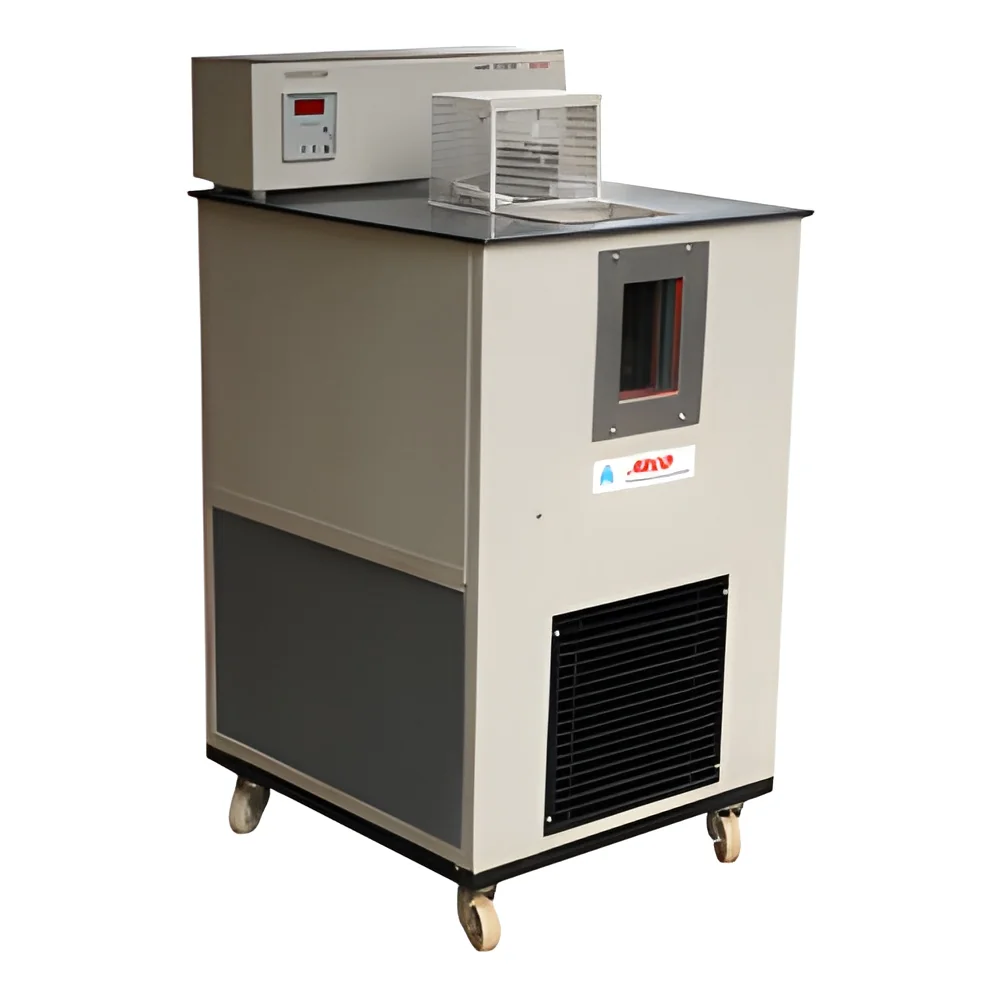
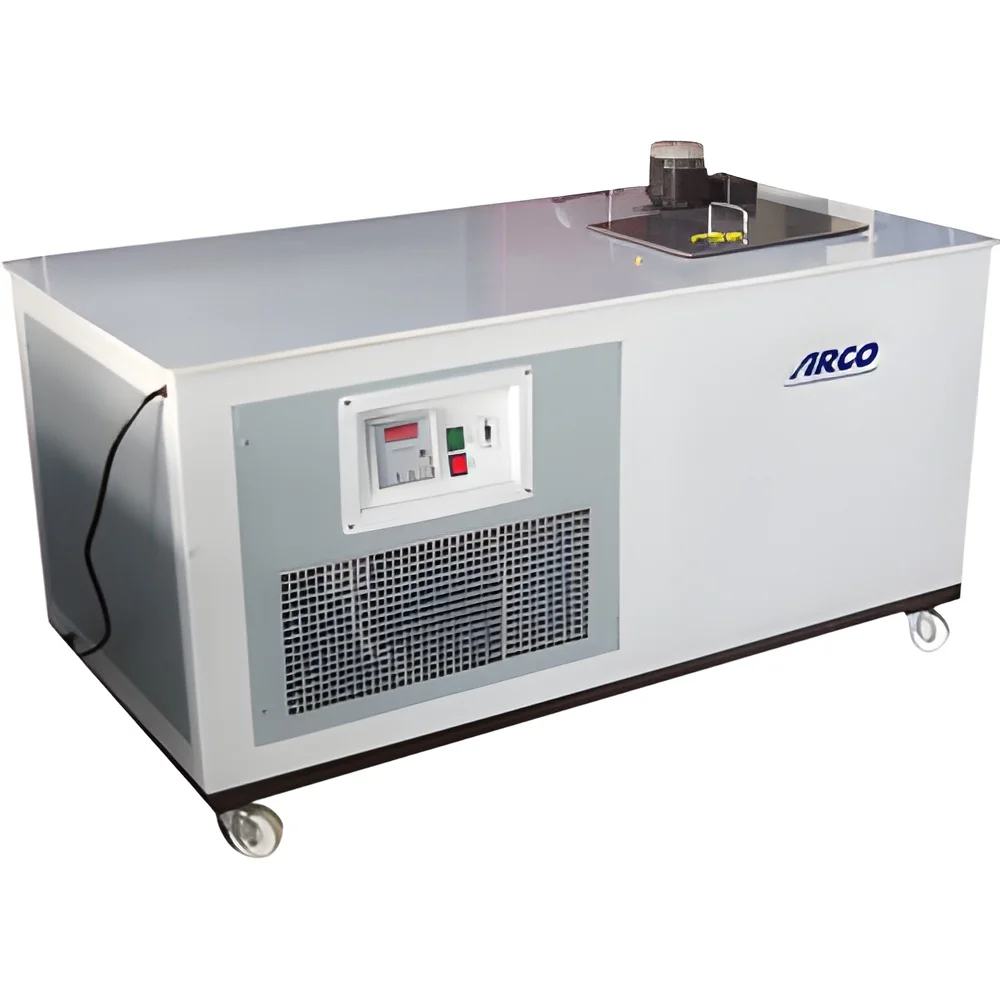
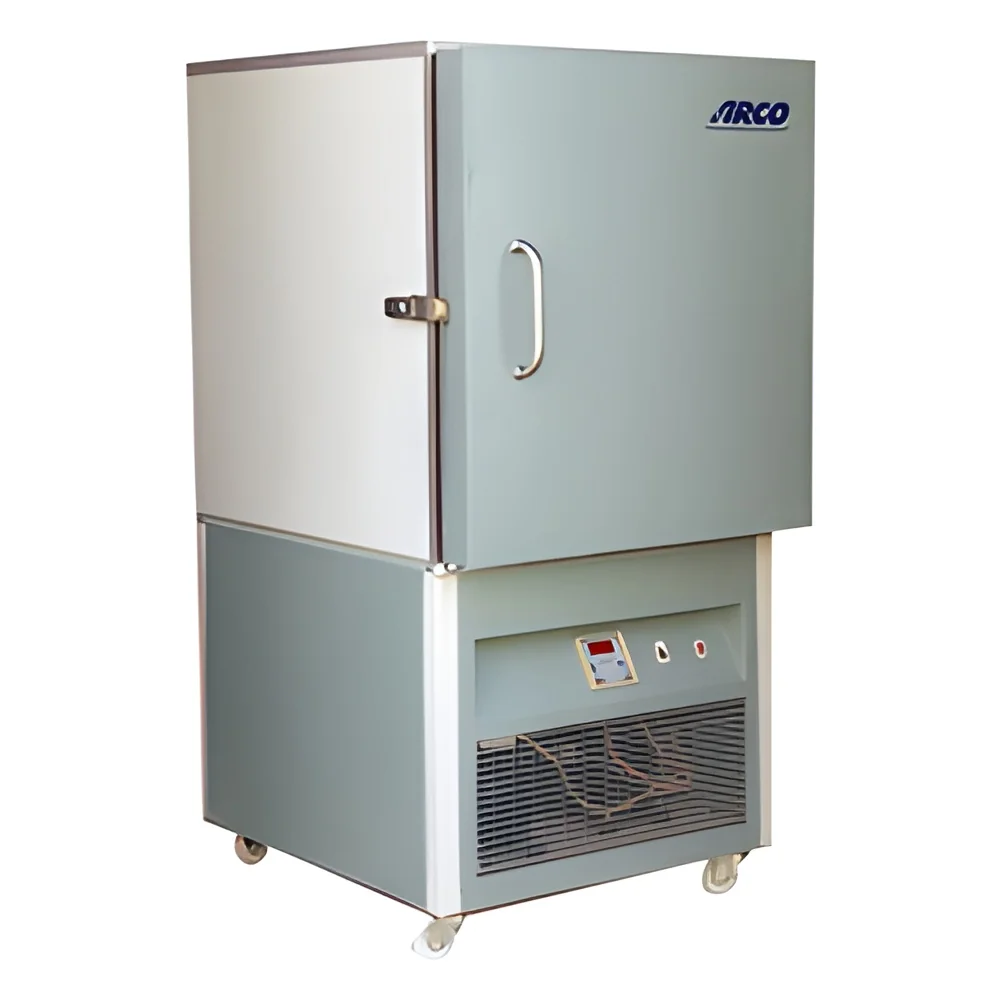
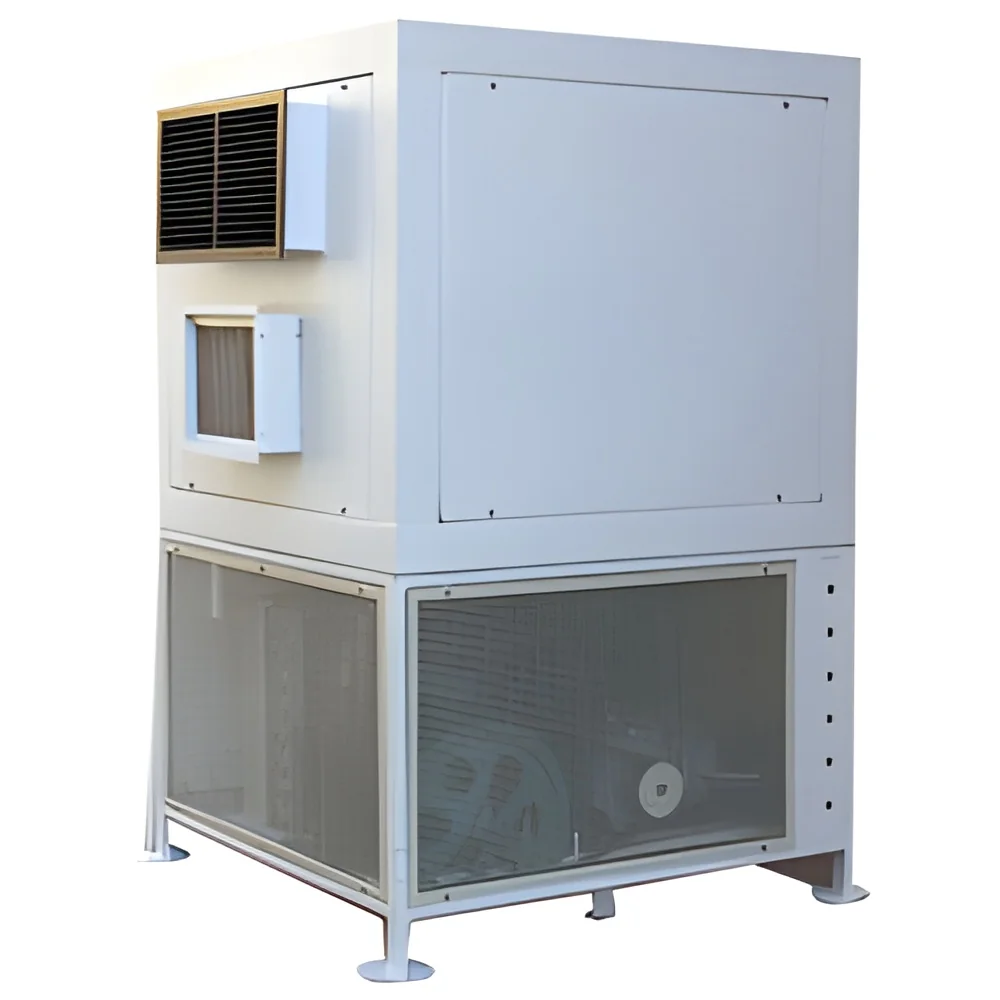
Explosion-proof HVAC systems are specifically engineered for hazardous industrial environments where flammable gases, vapors, or combustible dust require specialized safety equipment. These units incorporate robust construction and advanced safety features that prevent ignition sources from triggering explosions, ensuring full compliance with international safety standards. Built for durability and reliability, these HVAC solutions provide essential climate control while maintaining the highest safety levels in critical industrial operations. The systems are designed to handle extreme environmental conditions and deliver consistent performance in classified hazardous locations.

These specialized HVAC units serve critical roles across multiple high-risk industries including oil and gas facilities, refineries, chemical processing plants, and pharmaceutical manufacturing operations. In refinery applications, they provide essential cooling and ventilation for control rooms and processing ...
Explosion-proof HVAC systems are specifically engineered for hazardous industrial environments where flammable gases, vapors, or combustible dust require specialized safety equipment. These units incorporate robust construction and advanced safety features that prevent ignition sources from triggering explosions, ensuring full compliance with international safety standards. Built for durability and reliability, these HVAC solutions provide essential climate control while maintaining the highest safety levels in critical industrial operations. The systems are designed to handle extreme environmental conditions and deliver consistent performance in classified hazardous locations.

These specialized HVAC units serve critical roles across multiple high-risk industries including oil and gas facilities, refineries, chemical processing plants, and pharmaceutical manufacturing operations. In refinery applications, they provide essential cooling and ventilation for control rooms and processing areas where flammable vapors may accumulate. Offshore platforms depend on these systems to maintain safe operating temperatures in equipment rooms and living quarters. Chemical manufacturers utilize them to handle corrosive atmospheres while preventing ignition risks, and the pharmaceutical industry relies on them for areas where combustible dust from powder processing requires specialized climate control solutions.

The business value of explosion-proof HVAC systems lies in their ability to ensure continuous operations while maintaining strict safety compliance standards. These systems significantly reduce downtime risks by providing reliable performance in challenging environments, protecting both valuable equipment and personnel. Their robust construction minimizes maintenance requirements and extends service life, delivering substantial long-term cost savings. The compliance with international safety standards ensures global acceptability and regulatory approval across different markets. These systems represent a critical investment in operational safety, reliability, and business continuity for companies operating in hazardous environments.

Key Features:
- Explosion-proof certification for operation in hazardous environments
- Corrosion-resistant construction for durability in harsh conditions
- Advanced thermal management for precise climate control
- Compliance with international safety standards and certifications
- Robust engineering for reliable performance in extreme conditions

Benefits:
- Enhanced safety through elimination of ignition sources in hazardous areas
- Reduced operational downtime with reliable performance in challenging environments
- Long-term cost savings through durable construction and minimal maintenance
- Regulatory compliance meeting international safety standards
- Protection of personnel and equipment in high-risk industrial settings
Specifications
| Additional Information | |
|---|---|
| Country of Origin | India |
Application
Our explosion-proof HVAC systems are engineered specifically for industrial settings where flammable gases, vapors, or combustible dust create hazardous conditions. These specialized units deliver precise climate control while eliminating ignition sources, ensuring operational safety and regulatory compliance in the most challenging environments. The robust construction withstands corrosive elements and extreme operating conditions where standard HVAC systems would fail.
These safety-focused HVAC solutions maintain optimal temperature, humidity, and air quality in classified hazardous zones, protecting both personnel and critical equipment. Designed for industries operating under strict safety regulations, these systems provide reliable performance in oil and gas facilities, chemical plants, and other high-risk operations. The units ensure continuous operation while meeting international safety standards for hazardous location equipment.
- Climate control in refinery processing areas and battery limits with flammable vapor risks
- Ventilation and temperature management on offshore oil platforms and drilling rigs
- Safe air handling in chemical storage facilities and solvent processing units
- Environmental control in pharmaceutical manufacturing with combustible dust hazards
- Cooling and heating systems for fuel storage depots and hazardous material zones
Trade Details
| Available Stock | In Stock |
| Sample Availability | No |
Payment Terms
| Payment Terms |
|
Company Profile

Amancio Refrigeration Co, Gujarat
 Gujarat, India
Gujarat, IndiaManufacturer•Distributor / Wholesaler•Importer / Exporter
Factory Details
Factory SizeBelow 1000 sqm
Annual Production Capacity0
Explosion Proof HVAC Systems for Hazardous Industrial Environments
Explosion-proof HVAC systems provide safe climate control for hazardous industrial environments in oil, gas, and chemical applications. These reliable units feature robust construction and compliance with international safety standards for maximum protection.
Min. Order Quantity: 1 unit
Shipping
Shipping fee and delivery date to be negotiated. Contact supplier now for more details.
Amancio Refrigeration Co
 Gujarat, India
Gujarat, IndiaManufacturer