
 IN
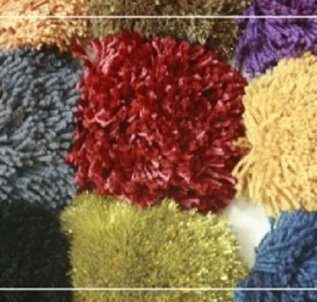
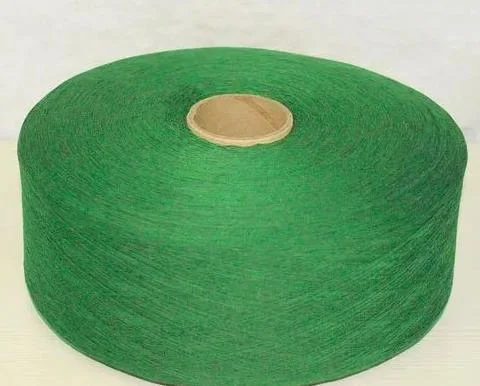
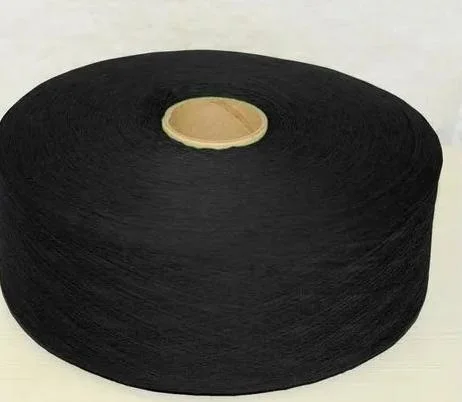
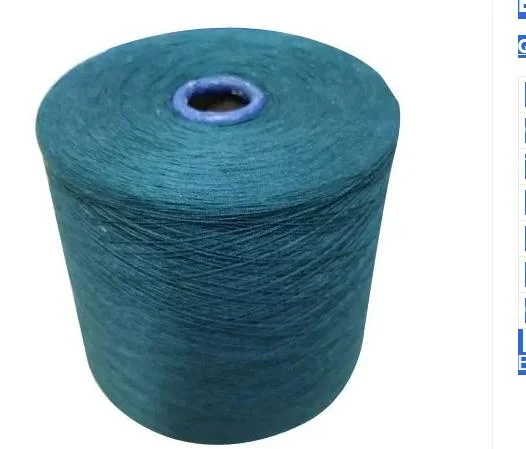
Dyed & Printed Yarn
149 products available
What are Dyed & Printed Yarn?
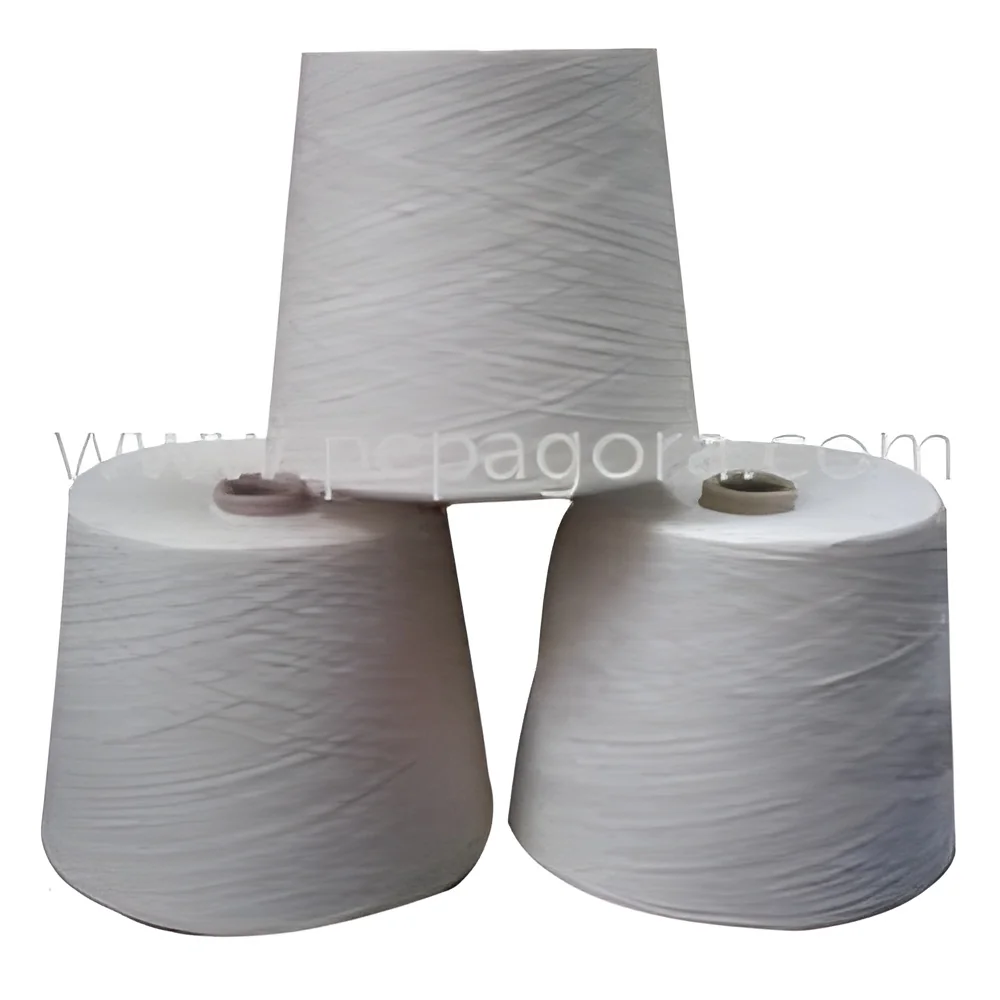
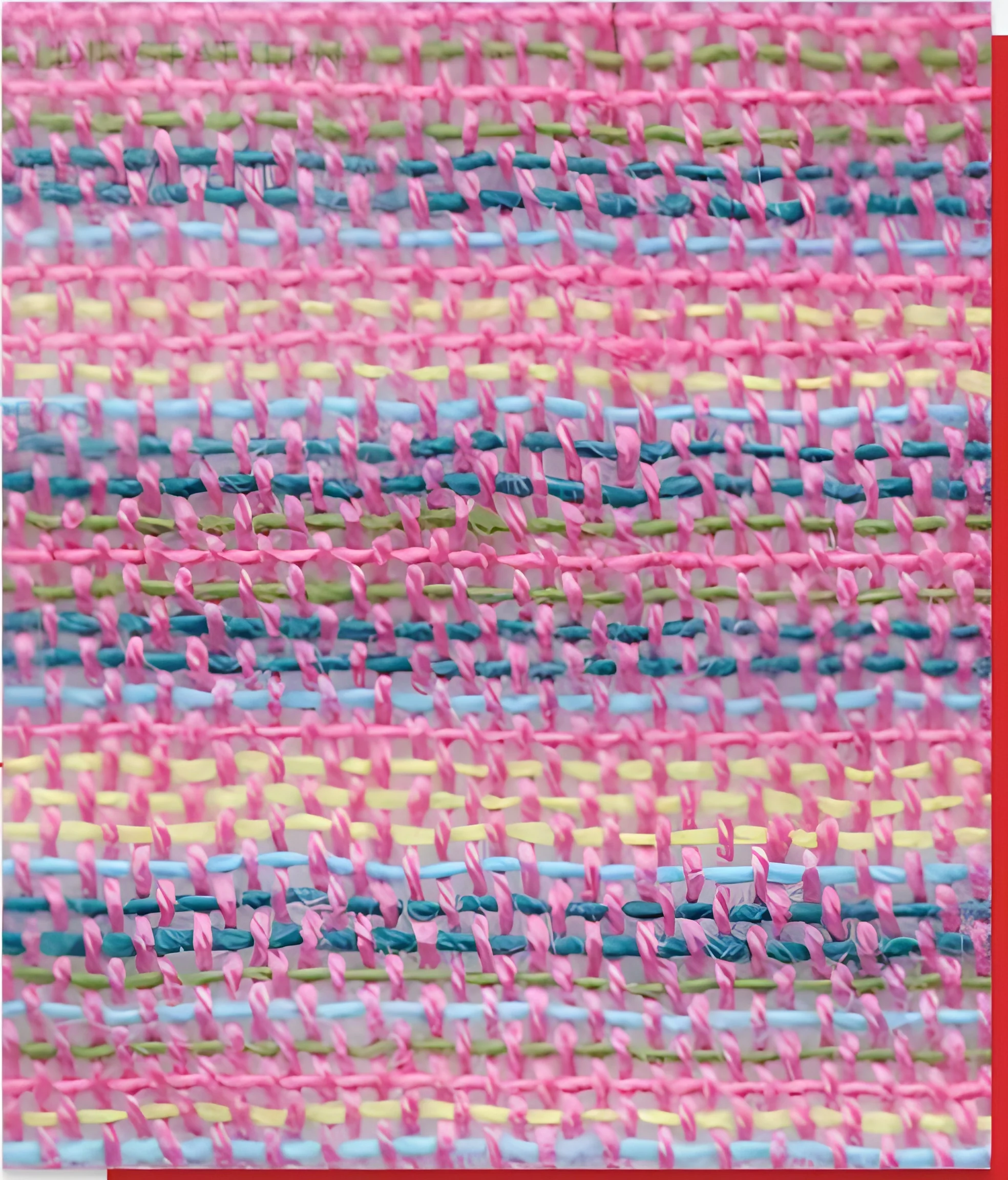
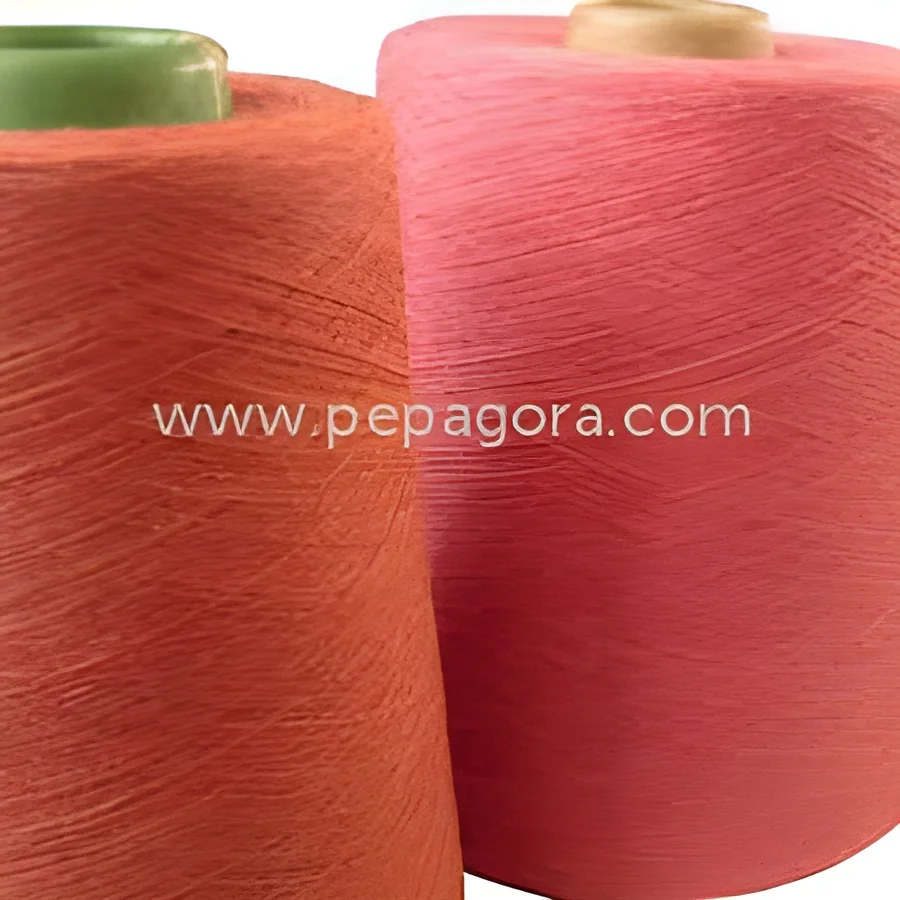
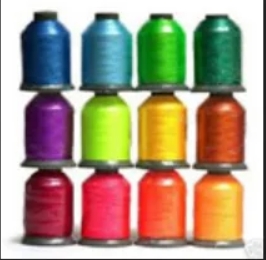
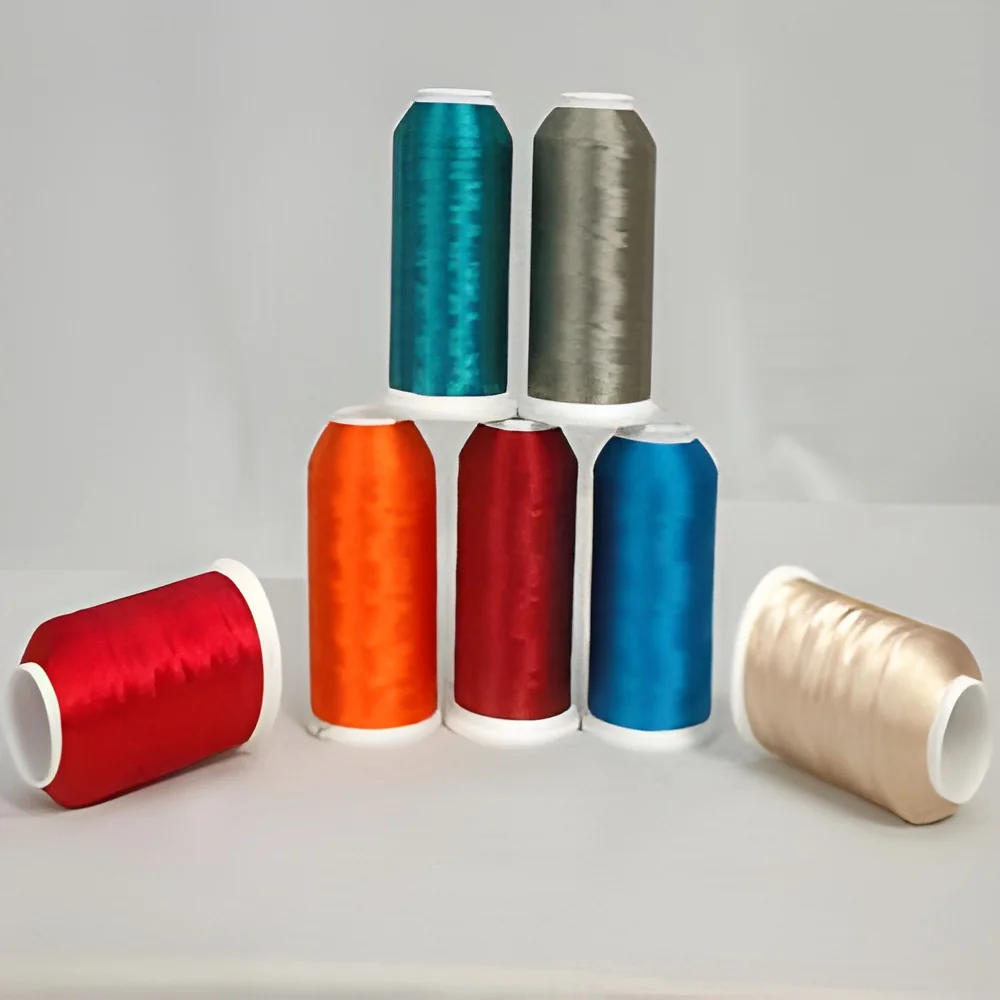
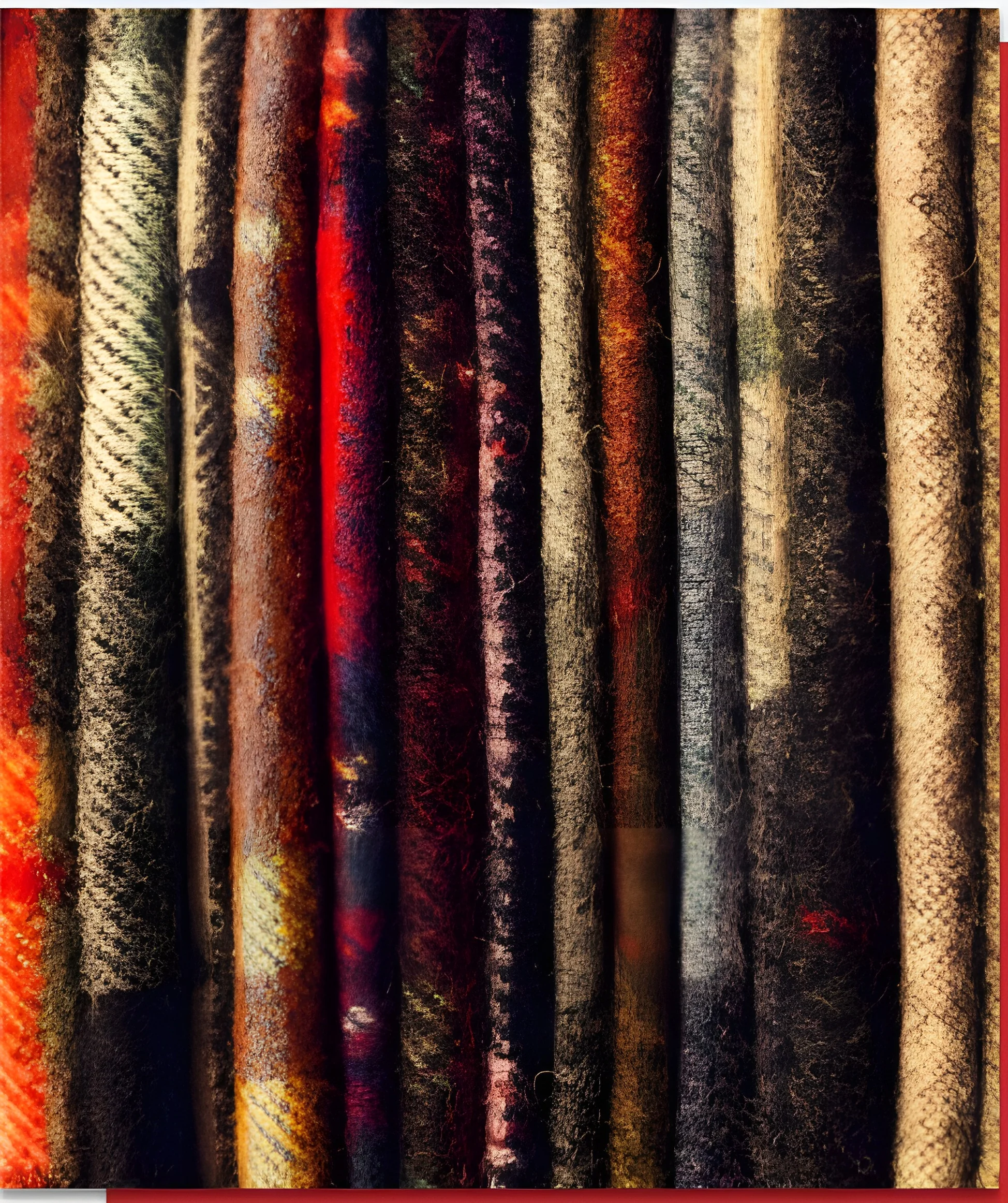
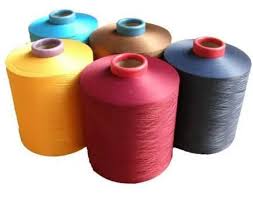
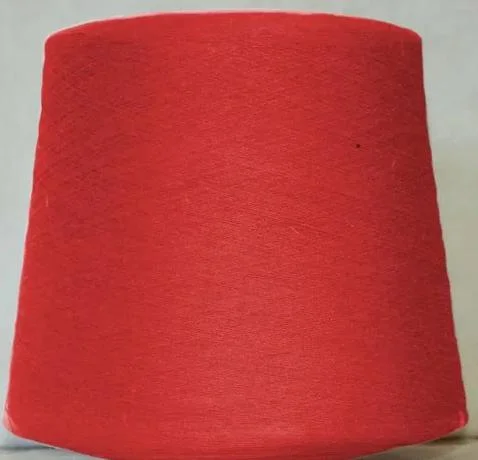
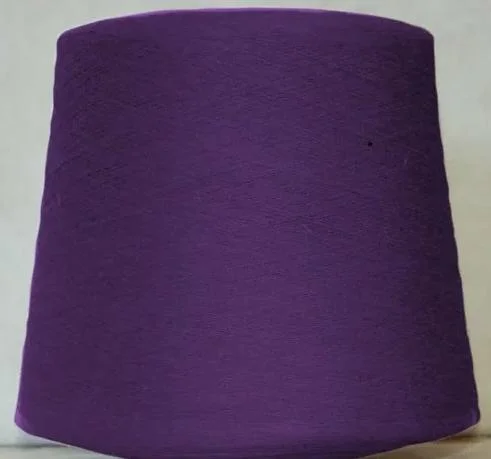
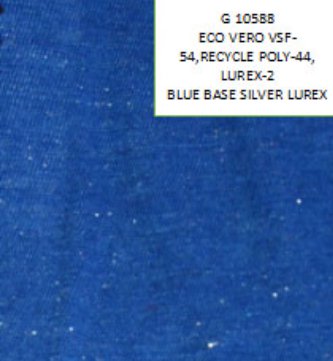
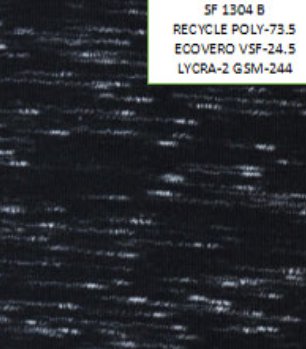
Dyed and printed yarn is a type of textile fiber that has been treated with colorants or patterns to enhance its aesthetic appeal. This yarn is available in various materials, including cotton, polyester, and blends, making it versatile for different textile applications. The dyeing process can involve various techniques, such as batch dyeing, continuous dyeing, or digital printing, which allows for a wide range of colors and designs.
The primary uses of dyed and printed yarn span several industries, including fashion, home textiles, and industrial applications. In the fashion sector, this yarn is used in garments, accessories, and decorative items. Home textiles such as curtains, upholstery, and bed linens also benefit from the vibrant colors and patterns that dyed and printed yarn provides. Additionally, industrial applications may include the production of specialty fabrics for specific functional needs.
The relevance of dyed and printed yarn in the textile market continues to grow, driven by consumer demand for unique and personalized products. As sustainability becomes a focal point, manufacturers are exploring eco-friendly dyeing methods and materials, ensuring that dyed and printed yarn remains competitive in a rapidly evolving industry.
Key Features and Specifications
Dyed and printed yarn offers a variety of features and specifications that cater to diverse industrial needs. Understanding these specifications is crucial for businesses looking to source the right products for their projects.
Key specifications include:
1. Material Composition
- Available in various fibers such as cotton, polyester, and blends.
- Each material type has unique properties affecting durability, feel, and application.
2. Color Fastness
- Resistance to fading and bleeding when exposed to washing, sunlight, or other environmental factors.
- Important for maintaining the aesthetic quality of the finished products.
3. Dyeing Techniques
- Options include reactive dyeing, disperse dyeing, and pigment printing.
- Each technique provides different color vibrancy and application suitability.
4. Width and Weight
- Yarn can come in various thicknesses, denoted as denier or tex.
- Weight specifications affect the end-use, influencing the drape and texture.
5. Twist Rate
- Refers to the number of twists per unit length of yarn.
- Affects the yarn's strength and texture, impacting its performance in weaving or knitting.
6. Packaging Options
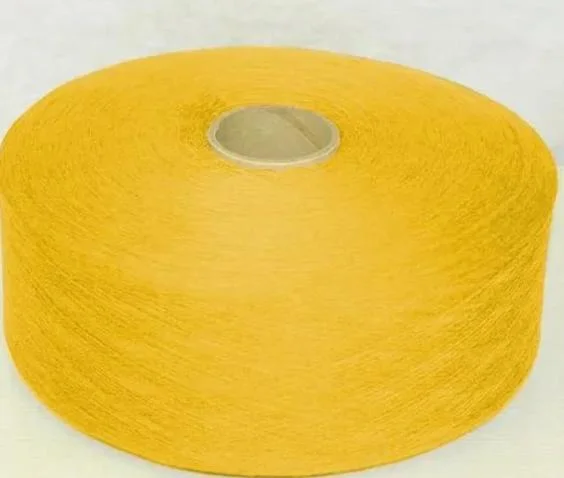
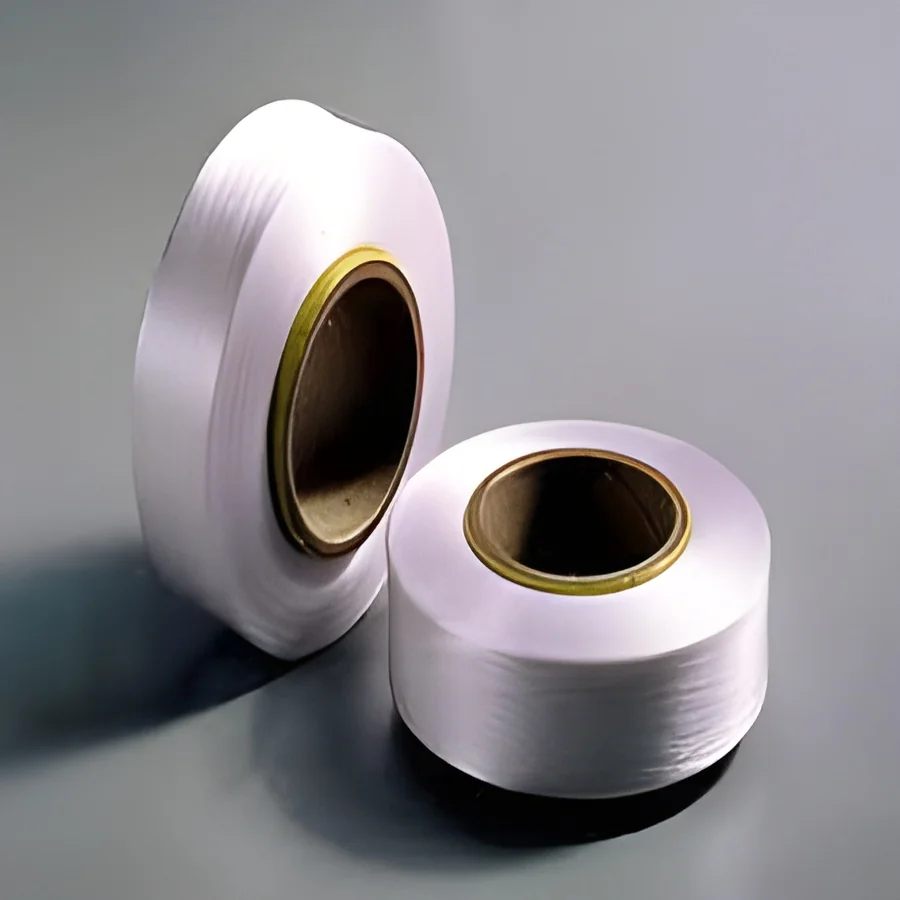
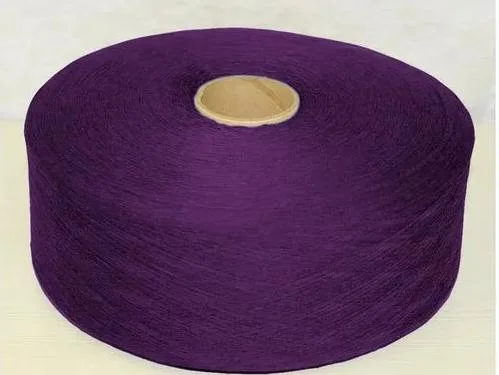
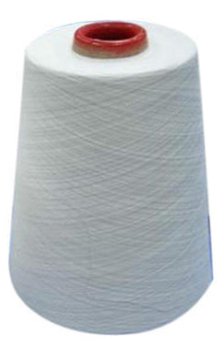
- Available in various forms such as skeins, hanks, or cones.
- Packaging affects storage, handling, and ease of use in production.
7. Customization Capabilities
- Options for custom colors and patterns to fit specific business needs.
- Allows brands to create unique products that stand out in the market.
In summary, understanding the key features and specifications of dyed and printed yarn is essential for businesses to select the right products that meet their needs and application requirements.
Common Applications and Use Cases
Dyed and printed yarn serves numerous industries, each utilizing its unique properties for various applications.
1. Fashion Industry: Dyed and printed yarn is widely used in creating vibrant garments and accessories. Fashion designers leverage these materials to produce unique collections that capture current trends.
2. Home Textiles: This yarn is commonly found in items such as curtains, cushions, and bed linens. The colorful patterns enhance the aesthetic appeal of home interiors.
3. Industrial Fabrics: Certain industries use dyed yarn for specialized applications, such as safety gear and work uniforms, where visibility and durability are crucial.
4. Crafts and DIY: Many crafters use dyed and printed yarn in knitting, crocheting, and other textile crafts. The variety of colors and patterns allows for creative expression.
5. Upholstery: Furniture manufacturers utilize dyed yarn for upholstery fabrics, providing a wide range of choices for consumers looking to customize their living spaces.
6. Sportswear: This yarn is used in the production of athletic wear, where moisture-wicking properties and vibrant designs are essential for performance and style.
7. Promotional Products: Companies often use dyed yarn in promotional textiles, such as bags and apparel, allowing them to showcase their branding effectively.
Product Variants and Subcategories
Dyed and printed yarn comes in various forms to meet different market demands.
Cotton Dyed Yarn
This variant is popular for its softness and breathability. It is ideal for clothing and home textiles, providing comfort and durability.
Polyester Printed Yarn
Known for its strength and resilience, polyester printed yarn is often used in sportswear and outdoor fabrics. Its ability to hold vibrant colors makes it a favorite for fashion applications.
Blended Yarn
Combining different fibers, blended yarn offers the best of both worlds. It is often used in applications where both comfort and durability are required, such as in upholstery and heavy-duty garments.
Benefits and Advantages
Sourcing dyed and printed yarn provides several key benefits that enhance product value.
1. Aesthetic Appeal: Dyed and printed yarn offers a wide range of colors and patterns, allowing businesses to create visually appealing products that attract consumers.
2. Versatility: This yarn is suitable for various applications across multiple industries, making it a practical choice for manufacturers looking to diversify their offerings.
3. Customization Options: The ability to customize colors and designs enables brands to differentiate their products in a competitive market.
4. Quality and Durability: High-quality dyed yarn maintains its color and performance over time, ensuring customer satisfaction and reducing the need for replacements.
5. Market Trends Alignment: The growing trend toward personalized and unique products is supported by the availability of dyed and printed yarn, aligning with consumer preferences.
6. Sustainability Potential: Many manufacturers are exploring eco-friendly dyeing processes, allowing brands to promote sustainable practices while meeting customer demands.
Buying Guide for B2B Buyers
When sourcing dyed and printed yarn, several important factors should be considered to ensure a successful procurement process.
1. Quality Assessment: Evaluate the quality of the yarn by checking for color fastness, strength, and material composition. Samples should be obtained for testing before making bulk purchases.
2. Supplier Verification: Conduct thorough research on suppliers to ensure they have a good reputation and meet industry standards. References and reviews from other businesses can provide valuable insights.
3. Pricing and MOQ: Understand the pricing structures and minimum order quantities. This can significantly impact the overall cost and feasibility of sourcing the yarn for your production needs.
4. Delivery and Lead Times: Discuss delivery schedules and lead times with suppliers to ensure they align with your production timelines. Timely delivery is crucial for maintaining workflow.
5. Compliance Requirements: Verify that the yarn meets relevant compliance and safety standards. This may include certifications such as CE and adherence to environmental regulations.
Compliance and Certifications
Compliance and certifications play a vital role in the quality assurance of dyed and printed yarn. Manufacturers must adhere to relevant quality standards to ensure product safety and reliability.
ISO 9001 is a key standard that outlines quality management systems. Compliance with this standard ensures that manufacturers maintain a consistent level of quality in their processes and products.
HACCP and GDP are additional standards that may apply, particularly in industries where safety and hygiene are paramount. These certifications demonstrate a commitment to maintaining a safe environment during production.
Industry certifications, such as CE, indicate that the products have been evaluated and meet European safety standards. This is essential for businesses exporting products to European markets.
Safety and testing requirements must also be met to ensure the yarn is free of harmful substances and safe for consumer use. Compliance with regional regulations ensures that businesses can operate without legal issues and maintain customer trust.
Why Source Dyed & Printed Yarn from Pepagora?
Pepagora offers a trusted platform for sourcing dyed and printed yarn, providing several key advantages that cater to B2B buyers.
Verified Supplier Network: Pepagora has established a network of verified suppliers, ensuring that all products meet quality standards. This reduces the risk of sourcing from unreliable vendors.
Streamlined RFQ Process: The platform simplifies the request for quotation process, enabling buyers to quickly compare prices and specifications from multiple suppliers. This efficiency helps businesses make informed decisions.
Trade Assurance and Support: Pepagora provides trade assurance to protect buyers throughout the purchasing process. This support enhances buyer confidence and ensures transactions are secure.
Regional Coverage: With a strong presence in India, the GCC, and Southeast Asia, Pepagora enables buyers to connect with local suppliers, facilitating easier logistics and faster delivery times. This broad geographic reach enhances sourcing opportunities for businesses looking to expand their supply chains.


Frequently Asked Questions
What are Dyed & Printed Yarn?
Dyed & Printed Yarn refers to yarn that has undergone a coloring process or has printed patterns applied to its surface. This type of yarn is commonly used in textile manufacturing to create colorful and visually appealing fabrics.
What are the different types of Dyed & Printed Yarn?
There are various types of Dyed & Printed Yarn, including reactive dyed yarn, vat dyed yarn, and printed yarn with various patterns. Each type is suited for different applications, depending on the desired colorfastness and printing techniques.
How do I choose the right Dyed & Printed Yarn?
Choosing the right Dyed & Printed Yarn involves considering factors such as the intended fabric use, color preferences, and the required durability. Additionally, evaluating the yarn's texture and compatibility with other materials can help in making the right selection.
What are the standard specifications for Dyed & Printed Yarn?
Standard specifications for Dyed & Printed Yarn typically include fiber content, yarn count, colorfastness, and dyeing method. These specifications ensure that the yarn meets the quality and performance requirements for various textile applications.
What is the price range for Dyed & Printed Yarn?
The price range for Dyed & Printed Yarn can vary widely based on factors such as quality, type, and supplier. Generally, prices can range from INR 100 to INR 500 per kg, depending on the specific characteristics of the yarn.
What quality standards apply to Dyed & Printed Yarn?
Quality standards for Dyed & Printed Yarn include adherence to ISO standards and specific industry requirements for colorfastness, strength, and durability. Manufacturers often conduct testing to ensure compliance with these standards before the yarn is marketed.
Where can I find Dyed & Printed Yarn suppliers in India?
You can find Dyed & Printed Yarn suppliers in India through B2B marketplaces, textile trade shows, and industry directories. Websites like Pepagora.com provide listings of verified suppliers and manufacturers for easy sourcing.
Can Dyed & Printed Yarn be customized?
Yes, Dyed & Printed Yarn can often be customized based on specific color requirements, patterns, and yarn specifications. Many manufacturers offer customization options to meet the unique needs of their clients.
What is the typical minimum order quantity for Dyed & Printed Yarn?
The typical minimum order quantity (MOQ) for Dyed & Printed Yarn varies by supplier, but it usually ranges from 100 kg to 500 kg. It is advisable to check with individual suppliers for their specific MOQ requirements.
What is the typical lead time for Dyed & Printed Yarn?
The typical lead time for Dyed & Printed Yarn can range from 2 to 6 weeks, depending on factors such as order size, customization, and supplier capabilities. It's important to discuss lead times with suppliers when placing an order.
Why Businesses Trust Pepagora
Thousands of companies trust Pepagora to source smarter and sell faster
Expand Your Sales Globally

Source Smarter,Grow Faster
