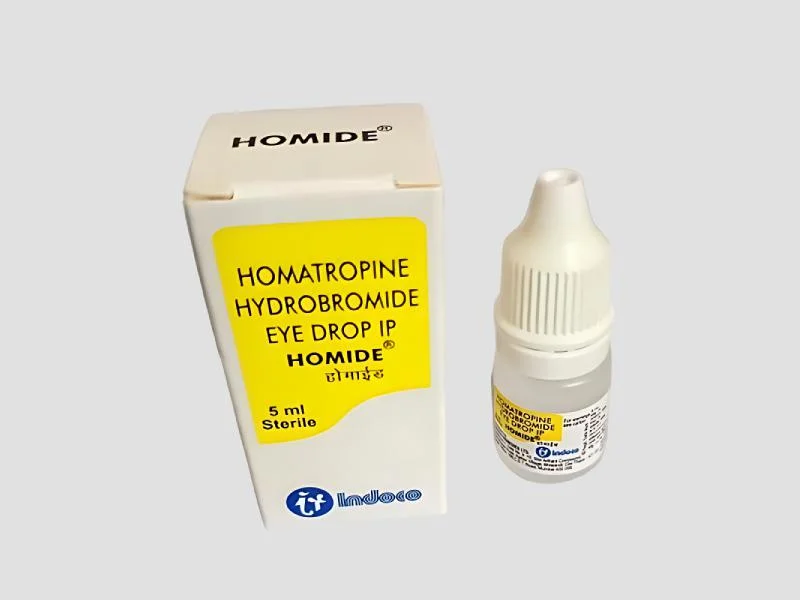
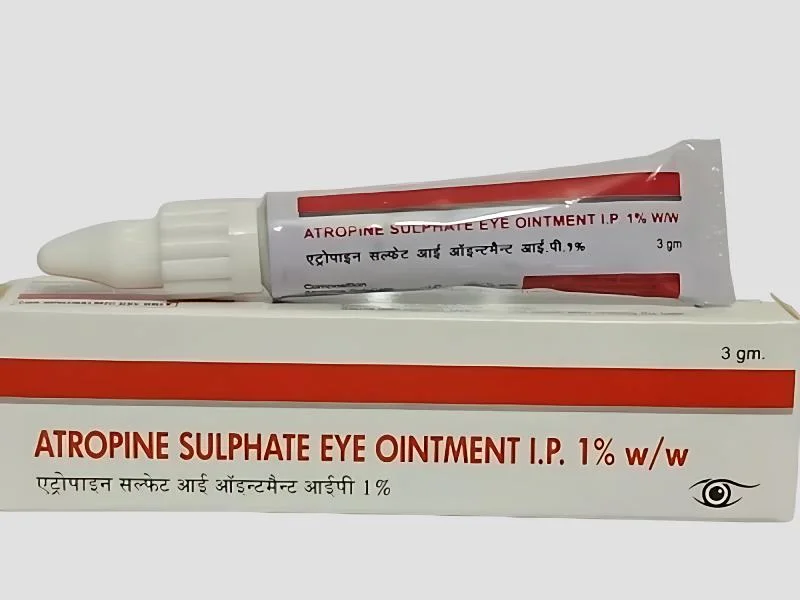
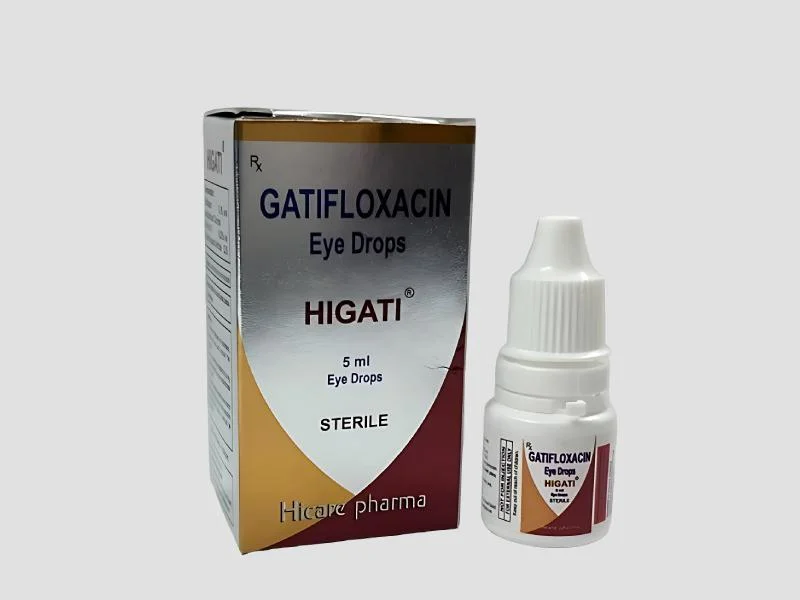
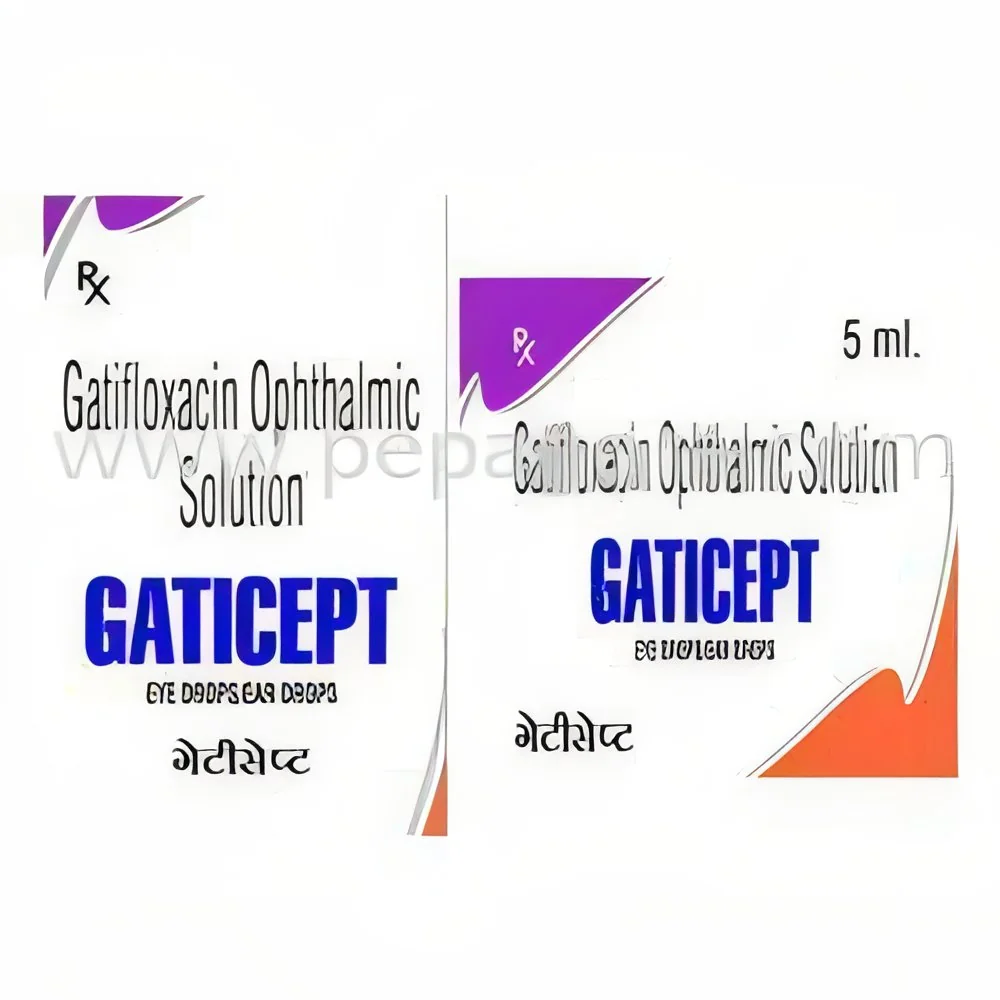
Key Features and Specifications
Drops (Eye, Ear, Nasal) come with various features that enhance their effectiveness and usability. Understanding these specifications is crucial for businesses looking to source or manufacture these products.
Key specifications include:
1. Active Ingredients
- Specific pharmaceutical compounds intended for treatment.
- Varies based on the type of drops (e.g., antihistamines for nasal drops).
2. Volume
- Standard packaging sizes typically range from 5 ml to 30 ml.
- Larger volumes may be available for institutional use.
3. pH Level
- Essential for ensuring compatibility with bodily tissues.
- Usually maintained within a specific range to avoid irritation.
4. Preservation System
- Method used to prevent microbial contamination.
- Options include preservatives or preservative-free formulations.
5. Delivery Mechanism
- Designed for ease of application (e.g., dropper tip, spray nozzle).
- Affects accuracy of dosage and user experience.
6. Sterility
- Required for eye and ear drops to prevent infections.
- Must comply with stringent sterilization processes.
7. Regulatory Compliance
- Adherence to standards such as CE marking for safety and efficacy.
- Ensures products meet legal requirements in target markets.
8. Shelf Life
- Duration for which the product remains effective and safe.
- Generally defined through stability testing.
In summary, understanding these features helps businesses select the right drops that meet their specific needs and regulatory requirements.
Common Applications and Use Cases
Drops (Eye, Ear, Nasal) have a wide array of applications across various industries, making them versatile products for many business contexts.
1. Healthcare: In healthcare, eye drops are commonly used for treating conditions like glaucoma and conjunctivitis. Ear drops are utilized for managing infections and earwax removal.
2. Pharmaceuticals: Pharmaceutical companies develop specialized drops for specific health conditions, enhancing targeted therapeutic effects. This includes drops for allergy relief and nasal congestion.
3. Veterinary Medicine: Veterinary practices employ eye and ear drops for diagnosing and treating animal health issues, ensuring proper care for pets and livestock.
4. Retail Pharmacies: Retail pharmacies stock a wide range of drops for consumer use, making them accessible for self-treatment of common ailments.
5. Research and Development: R&D departments in pharmaceutical companies explore new formulations and delivery methods for drops to improve patient outcomes.
6. Hospitals: Hospitals use drops for patient care, administrating medications in acute settings where immediate relief is necessary.
7. Beauty and Wellness: Some drops are formulated for cosmetic purposes, such as moisturizing eye drops for enhanced comfort and appearance.
Product Variants and Subcategories
The diversity of drops allows for specialization in formulation and application, catering to specific needs in the market.
Eye Drops
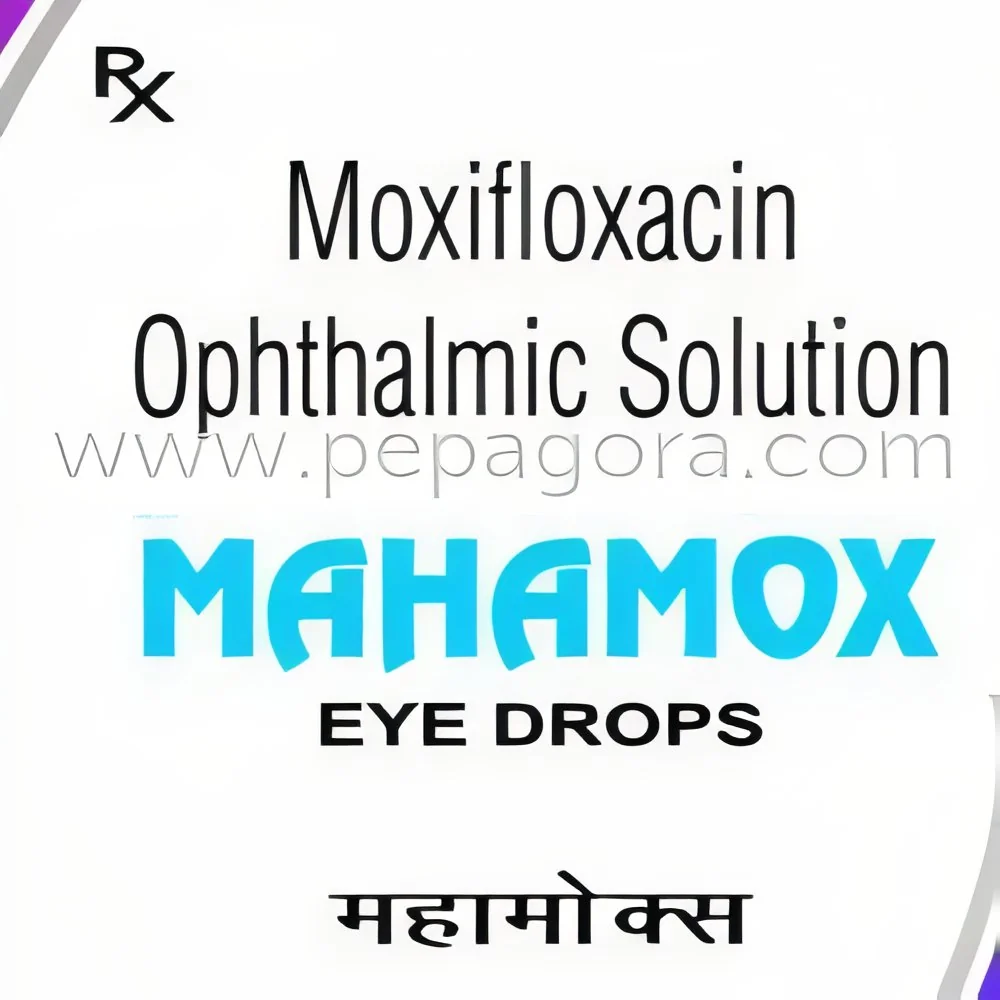
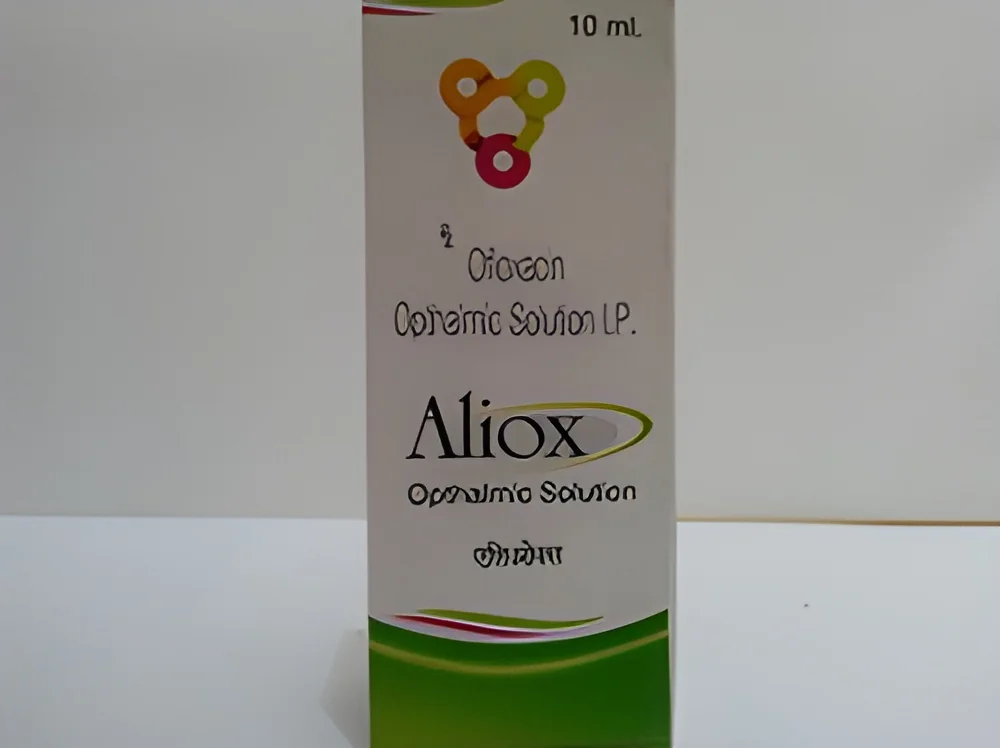
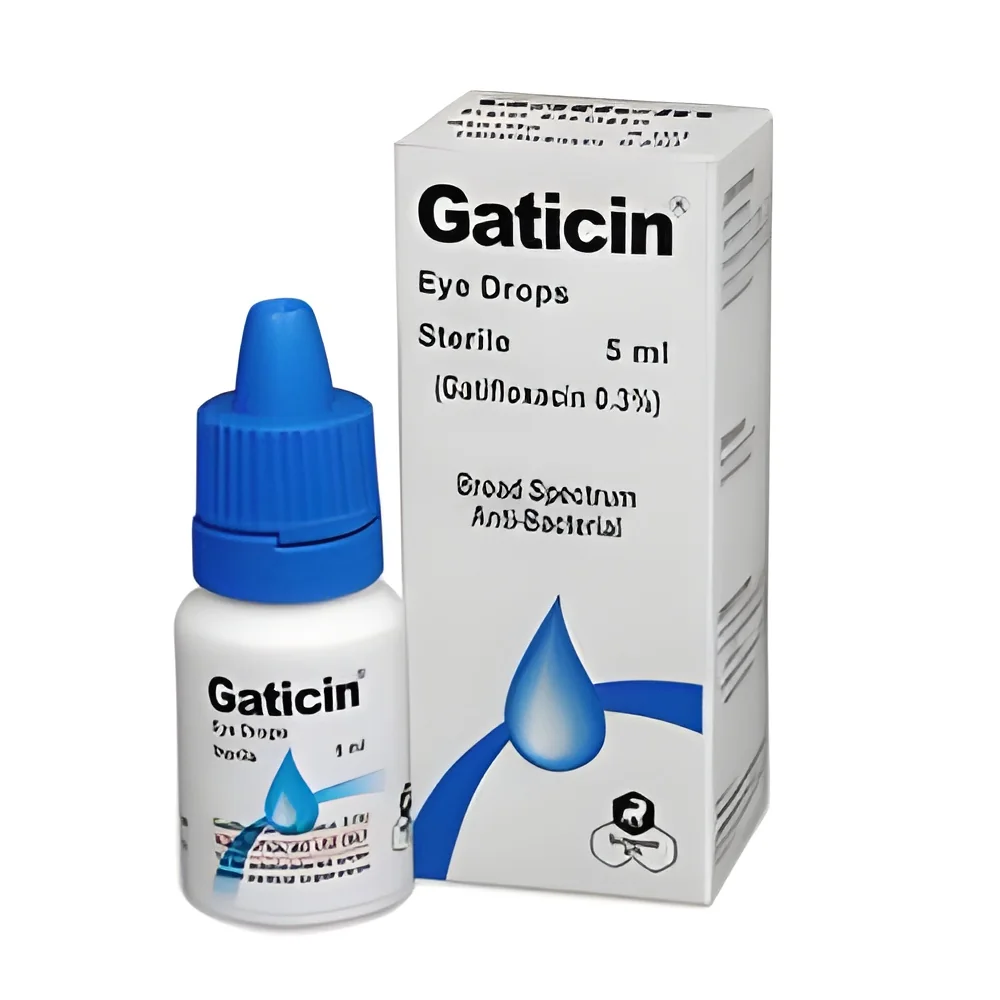
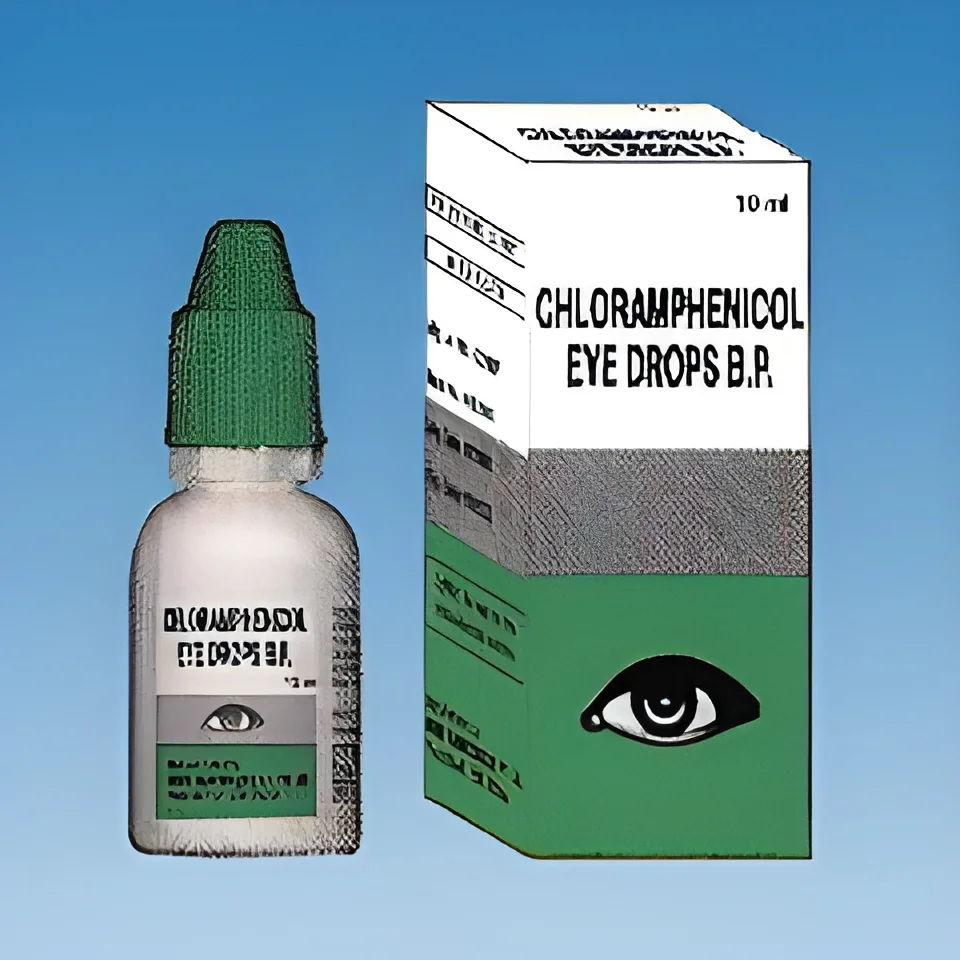
These drops are specifically designed for ocular use, addressing issues like dryness, irritation, and eye infections. They often contain lubricants or anti-inflammatory agents.
Ear Drops
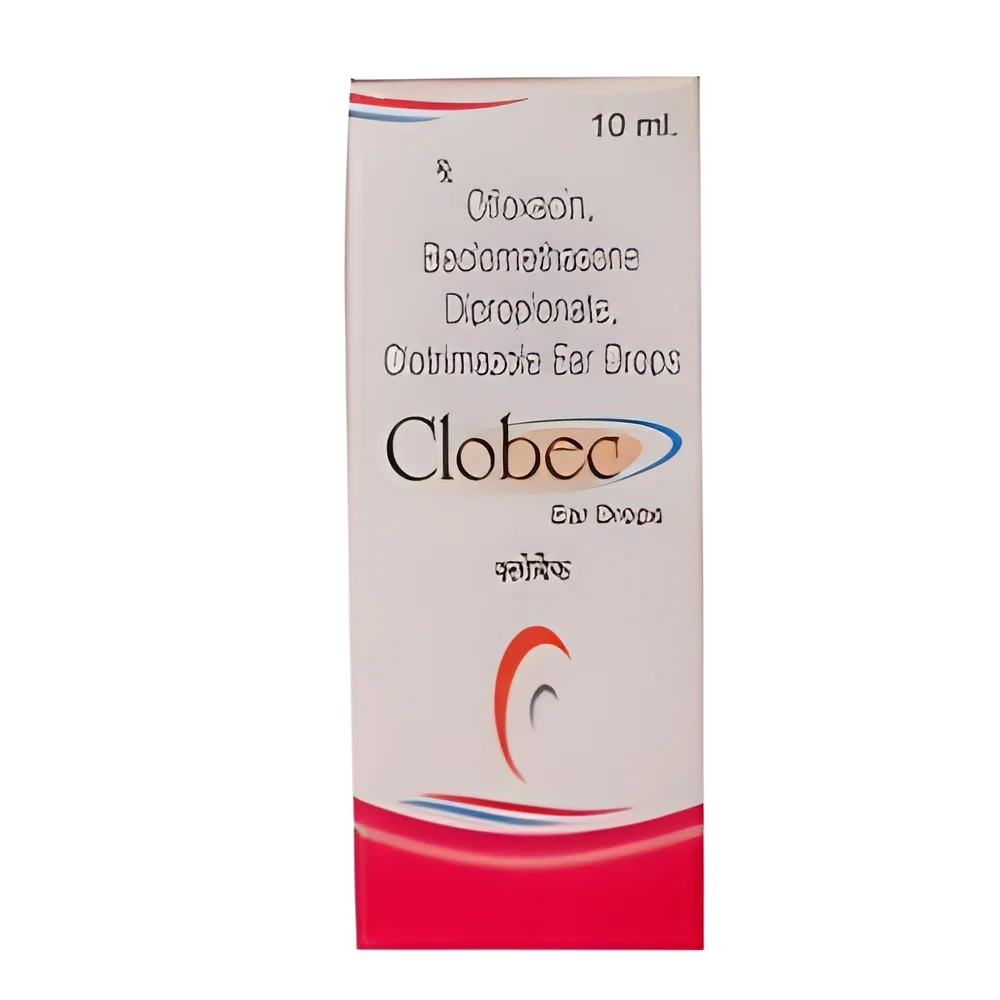
Targeting ear health, these drops can help dissolve wax buildup or treat infections. They are formulated to be safe for use in the ear canal and often include soothing ingredients.
Nasal Drops
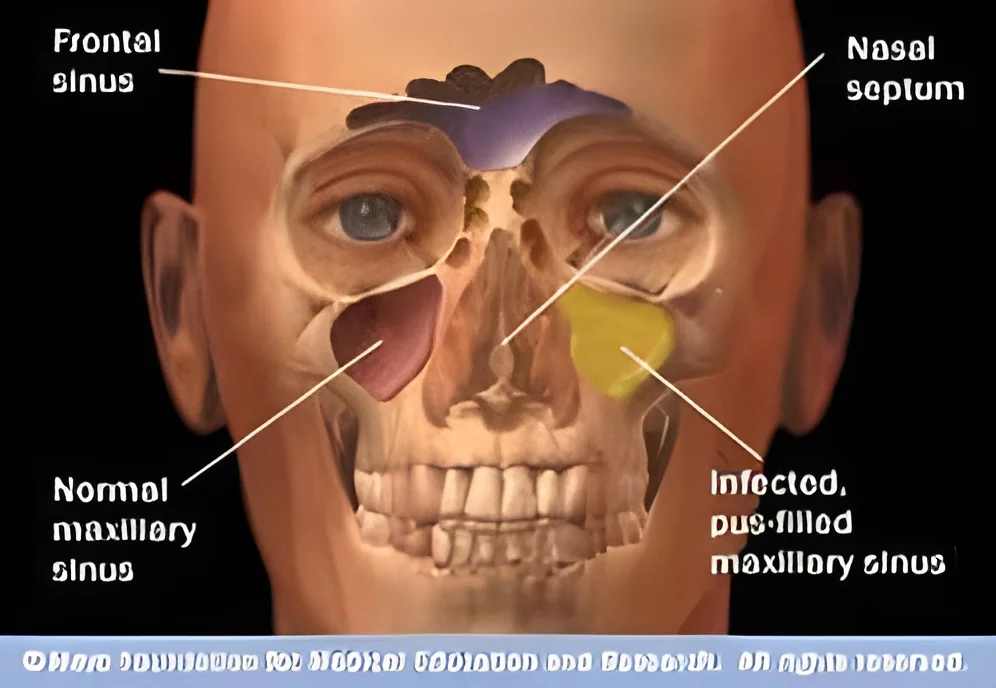
Nasal drops are commonly used for alleviating congestion and delivering medications directly to the nasal mucosa. They may contain decongestants or antihistamines for effective relief.
Benefits and Advantages
Drops (Eye, Ear, Nasal) offer several key benefits for users and businesses alike. Their unique delivery method provides targeted treatment, enhancing overall effectiveness.
1. Precision Dosing: Drops allow for accurate dosing, which is crucial for effective treatment and minimizing side effects.
2. Ease of Use: The dropper design enables users to self-administer treatments conveniently, improving adherence to prescribed regimens.
3. Rapid Action: Many drops provide quick relief, making them suitable for acute conditions where immediate action is needed.
4. Versatile Applications: Drops can be customized for a variety of uses across different industries, enhancing their marketability.
5. Minimal Invasiveness: Drops are a less invasive option compared to injections or oral medications, appealing to patients who prefer non-invasive treatments.
6. Cost-Effectiveness: Generally, drops are produced at a lower cost than other forms of medication, making them a budget-friendly option for both consumers and healthcare providers.
Buying Guide for B2B Buyers
When sourcing Drops (Eye, Ear, Nasal), B2B buyers should consider several important factors to ensure they select the right products.
1. Quality Assessment: Evaluate the quality of drops based on active ingredient effectiveness and formulation stability. Look for products that adhere to established industry standards.
2. Supplier Verification: Conduct thorough research to verify suppliers' credibility and reputation in the market. Ensure they have a track record of compliance with regulatory requirements.
3. Pricing and MOQ: Understand the pricing structure and minimum order quantities (MOQs) to ensure the financial viability of your purchases.
4. Delivery and Lead Times: Assess suppliers' logistics capabilities to determine their reliability in meeting delivery schedules and managing lead times.
5. Compliance Requirements: Familiarize yourself with regulatory requirements specific to your region and ensure that the products you are sourcing meet these standards.
Compliance and Certifications
Compliance with relevant quality standards is crucial for Drops (Eye, Ear, Nasal) to ensure safety and efficacy. Key standards include ISO 9001, which outlines quality management systems, and HACCP, which focuses on food safety principles applicable in some formulations.
Industry certifications such as CE mark are important for demonstrating that products meet European health, safety, and environmental protection standards. These certifications are essential for market entry in various regions.
Safety and testing requirements are critical, particularly for eye and ear drops to prevent contamination and ensure sterility. Manufacturers must conduct thorough testing to comply with safety regulations.
Regional compliance considerations may vary, and businesses should ensure that drops meet the specific requirements of each target market to avoid legal issues and ensure product acceptance.
Why Source Drops (Eye, Ear, Nasal) from Pepagora?
Pepagora offers a trusted platform for sourcing Drops (Eye, Ear, Nasal), providing several key advantages to B2B buyers.
Verified Supplier Network: Pepagora has established a rigorous supplier verification process, ensuring that all suppliers meet high standards of quality and compliance. This network includes reliable manufacturers and distributors, reducing the risk associated with sourcing.
Streamlined RFQ Process: The platform facilitates a streamlined request for quotation (RFQ) process, enabling buyers to quickly compare pricing and product specifications across multiple suppliers. This efficiency helps buyers make informed purchasing decisions.
Trade Assurance and Support: Pepagora offers trade assurance, providing buyers with protection against potential risks in transactions. The platform also provides customer support to assist with any inquiries or issues during the sourcing process.
Regional Coverage: With a focus on markets in India, the GCC, and Southeast Asia, Pepagora provides extensive regional coverage. This ensures that buyers have access to a diverse range of drops tailored to local market needs, enhancing their sourcing capabilities.

 IN
IN

 India
India